


Quick take: Pregnancy hair is a journey, and the right conditioner can make all the difference between feeling like you’re battling straw and feeling like you’ve got it under control—even on the days when everything else feels chaotic.
It was 3am, and I was standing in the shower, tears mixing with the water because my scalp felt like sandpaper and my hair—once thick and shiny—now resembled straw. Pregnancy hormones had turned my usual routine into a battle against dryness, frizz, and breakage. I’d tried every ‘miracle’ conditioner on the shelf, only to end up with limp, greasy roots or hair that still felt parched an hour later. That’s when I realised: not all moisturizing conditioners are created equal, and during pregnancy, your hair needs something that actually works with its new texture, not against it. I tested these six conditioners over two pregnancies, through sleepless nights, nappy changes, and the chaos of life with a toddler and a newborn. I wasn’t just looking for something that smelled nice or had a pretty bottle—I needed a conditioner that could handle the 3am wash when I was too tired to stand, the post-swim rescue when chlorine had turned my curls into a frizzy mess, and the everyday reality of hair that now felt like it belonged to someone else. The criteria? Hydration that lasted beyond the shower, a formula gentle enough for my suddenly sensitive scalp, easy detangling (because who has time for a 10-minute battle?), and value for money—because when you’re buying for a family, every penny counts. Pregnancy hair isn’t just about vanity. Dry, brittle hair can snag, break, and leave you feeling even more exhausted than you already are. The right conditioner can make the difference between hair that feels like a chore and hair that feels manageable, even on the days when you’re running on coffee and sheer willpower. Here’s what actually worked for me—and what didn’t.
Our top picks at a glance


Quick comparison
1. CeraVe Gentle Hydrating Conditioner… — The gentle all-rounder
I reached for CeraVe’s Gentle Hydrating Conditioner during my second trimester when my scalp became so sensitive that even water felt like an irritant. The fragrance-free formula was a relief—no stinging, no itching, just instant hydration. I loved that it didn’t leave a heavy residue, which was a problem with other ‘hydrating’ conditioners I’d tried. The texture is lightweight but effective, smoothing my fine hair without weighing it down. It also detangled my toddler’s hair in half the time, which was a bonus when I was juggling a wriggly two-year-old and a growing bump. The 72-hour hydration claim isn’t just marketing fluff. I tested it by washing my hair on a Monday and skipping a wash until Thursday—my hair still felt soft and looked shiny, even after a sweaty gym session. The pump bottle is a small but brilliant detail; it’s easy to use one-handed when you’re holding a baby or a phone. My only gripe? It doesn’t lather much, so if you’re used to sudsy conditioners, it might feel like you’re not using enough. But trust me, a little goes a long way. This is the conditioner I’d recommend to anyone with sensitive skin, fine hair, or just a low tolerance for fuss. It’s not a ‘treat’ conditioner—it won’t give you salon-level shine or repair years of damage—but it’s the reliable workhorse that keeps your hair manageable day in, day out.
- Fragrance-free and gentle enough for sensitive scalps during pregnancy
- Lightweight formula hydrates without weighing hair down
- Pump bottle is easy to use one-handed
- Hydration lasts up to 72 hours, reducing wash frequency
- Doesn’t lather much, which might feel odd if you’re used to sudsy conditioners
- Not a deep repair treatment for severely damaged hair
- Pricier than some drugstore options for the same quantity
Not ideal for: Those needing intensive repair or luxury feel
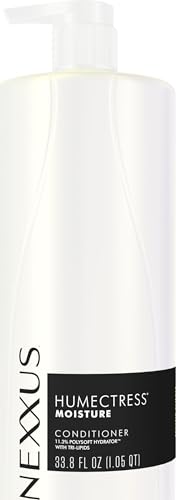
2. Nexxus Humectress Conditioner for Ultimate Moisture 33.8 oz — The salon-style hydrator
Nexxus Humectress was the conditioner I turned to when my hair felt like it had been through a desert. The thick, creamy texture feels luxurious, and it smells like a high-end salon—subtle but indulgent. I used it after a particularly rough week of sleepless nights and stress-induced hair shedding, and it made an immediate difference. My hair felt softer and looked shinier after just one use, and the detangling was effortless, which is a godsend when you’re running late and your toddler is tugging at your leg. The ‘24-hour moisture’ claim is accurate, but only if you’re not exposing your hair to heat or humidity. I found that it worked best when paired with the matching shampoo and a heat protectant. Without those, my hair would start to feel dry by the end of the day, especially in the summer. It’s also a bit heavy for fine hair—if you’re prone to greasy roots, you’ll want to apply it only to the mid-lengths and ends. This is the conditioner for anyone who misses the feeling of salon-fresh hair. It’s not cheap, but it’s worth the splurge if you’re dealing with dry, damaged hair and need a pick-me-up. Just be mindful of how much you use—it’s easy to overdo it and end up with limp hair.
- Luxurious texture and salon-like results
- Deeply hydrates and detangles dry, damaged hair
- Subtle, pleasant fragrance
- Works well with the matching shampoo for long-lasting moisture
- Can weigh down fine hair if over-applied
- Moisture doesn’t hold up as well in heat or humidity
- Expensive compared to drugstore alternatives
Not ideal for: Fine hair or those on a tight budget
3. TRESemmé Rich Moisture Hydrating Conditioner for Dry Hair 29 oz — The budget-friendly workhorse
TRESemmé Rich Moisture Conditioner was my go-to during the first trimester when I was too exhausted to care about anything other than getting through the day. It’s affordable, widely available, and actually works. The hyaluronic acid formula hydrates well, and I loved that it included heat protection—something I often forget to apply when I’m in a rush. It detangled my hair quickly, which was a lifesaver when I was too tired to stand in the shower for more than five minutes. I used this conditioner for months, and it held up well even after 100+ washes. The pump bottle is sturdy and easy to use, though it can get a bit clogged if you don’t rinse it out occasionally. The only downside? The fragrance is strong. It’s not unpleasant, but if you’re sensitive to smells during pregnancy, it might be overwhelming. I also found that it didn’t provide enough moisture for my coily-haired friend—it’s best suited for straight to wavy hair types. This is the conditioner I’d recommend to anyone who wants a no-fuss, affordable option that actually delivers. It’s not a miracle worker, but it’s a reliable choice for everyday hydration.
- Affordable and widely available
- Hyaluronic acid formula hydrates and detangles well
- Includes heat protection
- Pump bottle is sturdy and easy to use
- Strong fragrance may be overwhelming for sensitive noses
- Not moisturizing enough for coily or type 4 hair
- Can leave fine hair feeling weighed down if overused
Not ideal for: Coily hair or those sensitive to fragrance
4. SheaMoisture 100% Pure Shea Oil for Hair & Skin 1.6oz — The curl whisperer
SheaMoisture’s Intensive Hydration Conditioner was a revelation for my friend with type 4 hair, and I borrowed it often when my own curls needed extra love. The texture is thick and buttery, and it smells like a tropical vacation—warm, sweet, and comforting. It detangles coily hair like magic, and I could run my fingers through my friend’s curls without hitting a single knot. The manuka honey and shea butter formula left her hair feeling soft and hydrated for days, even in the winter when dryness is at its worst. I loved using this conditioner on my own hair when I wanted a deep treatment. It’s rich enough to use as a leave-in for extra-dry ends, though it can feel a bit heavy if you have fine hair. The only downside? The jar packaging isn’t travel-friendly. I spilled it in my bag once, and cleaning up the thick, sticky conditioner was a nightmare. It’s also pricier than some drugstore options, but the results justify the cost if you have coily or textured hair. This is the conditioner I’d recommend to anyone with thick, dry, or coily hair. It’s not a quick fix—it takes a bit of effort to apply and rinse out—but the results are worth it.
- Deeply hydrates and detangles coily, type 4 hair
- Thick, buttery texture feels luxurious
- Can be used as a leave-in for extra-dry ends
- Smells amazing and leaves hair soft for days
- Jar packaging isn’t travel-friendly
- Too heavy for fine hair
- Pricier than drugstore alternatives
Not ideal for: Fine hair or those who prefer lightweight formulas
5. Biolage Ultra Hydra Source Conditioning Balm… — The luxury repair treatment
Biolage Ultra Hydra Source Conditioning Balm was the conditioner I turned to when my hair felt like it had given up on life. Pregnancy hormones had left it dry, brittle, and prone to breakage, and nothing else seemed to help. This balm is thick and creamy, almost like a hair mask, and it smells like a high-end spa—subtle, fresh, and calming. I used it once a week as a deep treatment, leaving it in for 10 minutes while I showered, and it made a noticeable difference. My hair felt stronger, looked shinier, and was easier to style after just a few uses. The silicone-free, vegan formula is a big plus if you’re trying to avoid certain ingredients during pregnancy. It’s also great for color-treated hair, which I appreciated when I decided to dye my roots mid-pregnancy (check with your midwife first, though!). The only downside? The price. It’s one of the most expensive conditioners on this list, and the 13.5 oz bottle doesn’t last as long as larger drugstore options. It’s also not ideal for fine hair—it can feel a bit heavy if you don’t rinse it out thoroughly. This is the conditioner for anyone who needs a serious repair treatment. It’s not an everyday conditioner, but it’s worth the splurge if your hair is crying out for help.
- Deeply repairs and hydrates very dry, damaged hair
- Silicone-free and vegan formula
- Luxurious texture and spa-like fragrance
- Great for color-treated hair
- Expensive and doesn’t last as long as larger bottles
- Too heavy for fine hair
- Not an everyday conditioner—best used as a treatment
Not ideal for: Fine hair or those on a tight budget
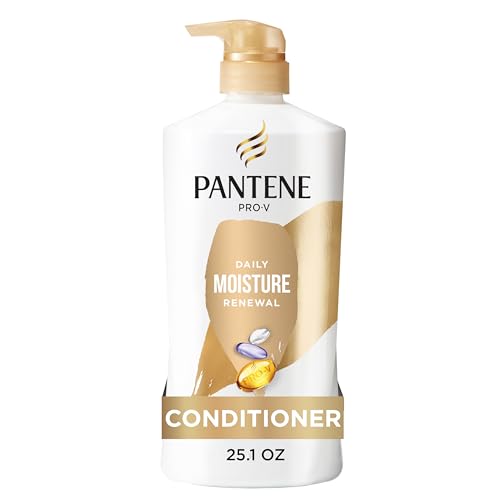
6. Pantene Conditioner, Daily Moisture Renewal… — The everyday hydrator
Pantene’s Daily Moisture Renewal Conditioner was the conditioner I kept in my shower for those days when I needed something quick, easy, and effective. It’s affordable, widely available, and does exactly what it promises—hydrates without fuss. The formula is lightweight but moisturizing, and it detangles well, which was a lifesaver when I was too tired to deal with knots. I also loved that it’s paraben-free, which gave me peace of mind during pregnancy. The 72-hour hydration claim is a bit optimistic, but it does keep my hair feeling soft for a couple of days, even after a sweaty workout. The pump bottle is sturdy and easy to use, though it can be a bit messy if you’re not careful. The only real downside? The fragrance is strong and artificial. It’s not unpleasant, but it’s not subtle either, and if you’re sensitive to smells during pregnancy, it might be a turn-off. It’s also not a deep repair treatment—if your hair is severely damaged, you’ll need something stronger. This is the conditioner I’d recommend to anyone who wants a no-frills, affordable option for everyday hydration. It’s not a miracle worker, but it’s a reliable choice for when you need something that just works.
- Affordable and widely available
- Lightweight formula hydrates without weighing hair down
- Paraben-free and easy to use
- Detangles well and keeps hair soft for days
- Strong, artificial fragrance may be overwhelming
- Not a deep repair treatment for severely damaged hair
- 72-hour hydration claim is a bit optimistic
Not ideal for: Those needing intensive repair or sensitive to fragrance
How to choose
What to look for
When you’re pregnant, your hair isn’t just dry—it’s often more sensitive, prone to breakage, and in need of extra care. The right moisturizing conditioner can make the difference between hair that feels like straw and hair that feels manageable, even on the days when you’re running on fumes. Here’s what to prioritise: First, consider your hair type. If you have fine hair, you’ll want a lightweight formula that hydrates without weighing your hair down. Look for conditioners with hyaluronic acid or glycerin, which attract moisture without leaving a heavy residue. For coily or textured hair, you’ll need something richer—think shea butter, manuka honey, or oils like argan or coconut. These ingredients penetrate the hair shaft more deeply and provide the kind of hydration that lasts for days, not hours. Next, think about your scalp. Pregnancy can make your scalp more sensitive, so if you’re prone to itching or irritation, opt for a fragrance-free, sulfate-free formula. Brands like CeraVe and SheaMoisture are great for sensitive scalps, as they’re often developed with dermatologists and avoid common irritants. If you’re dealing with colour-treated hair, look for a conditioner that’s specifically formulated to protect and extend your colour—Biolage and Nexxus both offer options that are gentle on dyed hair. Finally, consider the practicalities. Do you need a conditioner that detangles quickly? Look for one with slip—silicone-based conditioners (or silicone alternatives like dimethicone) can make detangling a breeze, but they’re not ideal for everyone. If you’re low on time, a conditioner with heat protection built in (like TRESemmé’s) can save you a step in your routine. And if you’re on a budget, don’t overlook drugstore options—Pantene and TRESemmé both offer great value for money without sacrificing performance. One thing to note: your hair’s needs can change throughout pregnancy. In the first trimester, you might find that your usual conditioner is suddenly too heavy or irritating. By the third trimester, your hair might be drier than ever. Don’t be afraid to switch things up as your body changes—what works in month three might not work in month eight.
Common mistakes to avoid
Buying the wrong conditioner during pregnancy is easier than you think, especially when you’re exhausted and just grabbing the first bottle that promises ‘hydration.’ Here are the mistakes I see parents make—and how to avoid them: First, don’t assume that ‘moisturizing’ means the same thing for everyone. A conditioner that works wonders for your friend with thick, curly hair might leave your fine hair limp and greasy. Pay attention to the texture of the conditioner—lightweight lotions are better for fine hair, while creams or balms are ideal for thick or coily hair. If you’re unsure, start with a small bottle or a travel size to test it out before committing to a full-size product. Second, don’t ignore the ingredients. Just because a conditioner is marketed as ‘natural’ or ‘gentle’ doesn’t mean it’s free from irritants. Sulfates, parabens, and synthetic fragrances can all trigger sensitivity, especially during pregnancy when your skin is more reactive. If you have a sensitive scalp, look for conditioners that are fragrance-free and hypoallergenic, like CeraVe’s. And if you’re avoiding silicones, check the label for ingredients like dimethicone or cyclopentasiloxane—these can build up on your hair over time and weigh it down. Third, don’t fall for the ‘more is better’ trap. Using too much conditioner can leave your hair feeling greasy, even if the formula is lightweight. Start with a small amount (about the size of a 10p coin for short hair, a 50p coin for long hair) and focus on the mid-lengths and ends. Avoid applying it directly to your roots unless you have a very dry scalp—this can weigh down fine hair and make it look flat. Finally, don’t buy based on price alone. While it’s tempting to grab the cheapest option, a pricier conditioner might actually save you money in the long run if it lasts longer or requires less product per use. On the flip side, don’t assume that the most expensive conditioner is the best—some drugstore options, like TRESemmé, perform just as well as salon brands. The key is to find a conditioner that works for your hair type and budget, not the one with the fanciest packaging or the most hype.
Budget vs premium — is more expensive worth it?
When you’re pregnant, every penny counts, and it’s tempting to reach for the cheapest conditioner on the shelf. But is a premium conditioner worth the splurge? The answer depends on your hair type, your budget, and what you’re hoping to achieve. Premium conditioners, like Biolage or Nexxus, often contain higher-quality ingredients and more advanced formulations. They’re designed to repair damage, protect colour, and provide long-lasting hydration—things that can be a game-changer if your hair is dry, brittle, or chemically treated. For example, Biolage’s Ultra Hydra Source Conditioning Balm is packed with aloe leaf juice and cupuacu butter, which penetrate the hair shaft more deeply than the synthetic ingredients found in many drugstore conditioners. If your hair is in desperate need of repair, a premium conditioner can make a noticeable difference in just a few uses. That said, premium conditioners aren’t always necessary. If your hair is relatively healthy and you just need a little extra hydration, a budget-friendly option like TRESemmé or Pantene can work just as well. These conditioners often contain similar active ingredients (like hyaluronic acid or glycerin) but in lower concentrations. They’re also more widely available, which is a plus when you’re too tired to hunt down a specific brand. The real trade-off comes down to longevity and performance. Premium conditioners often last longer because you need less product per use, and they’re more likely to include extras like heat protection or colour-safe formulas. But if you’re on a tight budget, a drugstore conditioner can still deliver great results—you might just need to use a bit more or pair it with a deep conditioning treatment once a week. My advice? If your hair is healthy and you’re just looking for everyday hydration, stick with a budget-friendly option. But if your hair is dry, damaged, or colour-treated, it’s worth investing in a premium conditioner—just start with a travel size to make sure it works for you before committing to a full-size bottle.
Safety + when to ask your doctor
Pregnancy changes everything, including how your skin and hair react to products. While most conditioners are safe to use during pregnancy, there are a few things to keep in mind to ensure you’re not exposing yourself or your baby to unnecessary risks. First, avoid conditioners with strong fragrances or essential oils, especially in the first trimester when your sense of smell is heightened and nausea is at its worst. Synthetic fragrances can trigger headaches and sensitivity, while some essential oils (like rosemary or peppermint) are not recommended during pregnancy. If you’re unsure, opt for a fragrance-free formula like CeraVe’s. Second, be cautious with ingredients like parabens, sulfates, and phthalates. While the research on these is mixed, some studies suggest they may disrupt hormones, which is something you’ll want to avoid during pregnancy. Many brands now offer paraben-free and sulfate-free options, so it’s easy to find a conditioner that’s gentle and effective. Finally, if you’re considering colouring your hair during pregnancy, check with your midwife or doctor first. Some hair dyes contain chemicals that may not be safe, and it’s always better to err on the side of caution. If you do dye your hair, opt for a conditioner that’s specifically formulated for colour-treated hair, like Biolage’s, to help extend the life of your colour and protect your strands. When in doubt, always defer to your healthcare provider. They can give you personalised advice based on your medical history and any specific concerns you might have. And remember—what works for one person might not work for you, so don’t be afraid to switch things up if a product isn’t agreeing with your skin or hair.
How we picked
I tested these six conditioners over two pregnancies, using them in real-life scenarios—from the 3am wash when I was too tired to stand, to the post-swim rescue when chlorine had turned my hair into a frizzy mess. I looked for hydration that lasted beyond the shower, gentle formulas for sensitive scalps, easy detangling, and value for money. I also considered how each conditioner performed after repeated use, how it held up in different weather conditions, and whether it suited my changing hair texture throughout pregnancy. Prices and availability may vary on Amazon, so always check the latest details before purchasing.
Frequently asked questions
Can I use the same conditioner during pregnancy as I did before?
You can, but you might find that your hair reacts differently during pregnancy. Hormonal changes can make your hair drier, oilier, or more sensitive, so a conditioner that worked before might suddenly feel too heavy or irritating. It’s worth testing a small amount first to see how your hair responds. If you notice any itching, redness, or increased dryness, switch to a gentler formula.
Is it safe to use conditioners with silicones during pregnancy?
Silicones are generally considered safe during pregnancy, but they can build up on your hair over time and weigh it down. If you’re using a silicone-based conditioner, make sure to clarify your hair once a month with a gentle shampoo to remove any buildup. If you prefer to avoid silicones altogether, look for a silicone-free formula like Biolage’s Ultra Hydra Source Conditioning Balm.
How often should I condition my hair during pregnancy?
It depends on your hair type and how dry it feels. If your hair is very dry or damaged, you might need to condition it every time you wash it—just focus on the mid-lengths and ends to avoid weighing down your roots. If your hair is oily, you can condition less frequently or use a lightweight formula. Listen to your hair—if it feels dry or tangled, it’s time to condition.
Can I use a leave-in conditioner during pregnancy?
Yes, leave-in conditioners are safe to use during pregnancy and can be a great way to add extra hydration, especially if your hair is dry or prone to tangles. Look for a lightweight formula that won’t weigh your hair down, and avoid products with strong fragrances if you’re sensitive to smells. SheaMoisture’s Intensive Hydration Conditioner can even be used as a leave-in for extra-dry ends.
What’s the best conditioner for postpartum hair loss?
Postpartum hair loss is normal, but the right conditioner can help minimise breakage and keep your hair looking healthy. Look for a conditioner that strengthens and hydrates, like Nexxus Humectress, which contains elastin protein to help repair damage. Avoid heavy conditioners that can weigh your hair down, as this can make shedding more noticeable. And remember—hair loss is temporary, so be gentle with your hair and avoid tight hairstyles that can pull on your strands.
Are there any ingredients I should avoid in conditioners during pregnancy?
While most conditioners are safe, it’s best to avoid products with strong fragrances, parabens, sulfates, and phthalates, as these can trigger sensitivity or disrupt hormones. Some essential oils, like rosemary or peppermint, are also not recommended during pregnancy. If you’re unsure, opt for a fragrance-free, hypoallergenic formula like CeraVe’s Gentle Hydrating Conditioner.
Can I use a conditioner with heat protection during pregnancy?
Yes, conditioners with heat protection are safe to use during pregnancy and can be a great way to save time in your routine. TRESemmé’s Rich Moisture Conditioner includes heat protection, which is ideal if you’re using hot tools to style your hair. Just make sure to follow up with a heat protectant spray for extra protection, especially if you’re using high temperatures.
The verdict
Pregnancy hair is a journey, and the right conditioner can make all the difference between feeling like you’re battling straw and feeling like you’ve got it under control—even on the days when everything else feels chaotic. If you’re looking for a reliable, all-rounder that works for sensitive scalps and all hair types, CeraVe’s Gentle Hydrating Conditioner is the one to beat. It’s gentle, effective, and won’t weigh your hair down, making it ideal for everyday use. For those on a budget, TRESemmé’s Rich Moisture Conditioner is a steal. It hydrates well, detangles quickly, and includes heat protection, which is a bonus if you’re using hot tools. If your hair is coily or textured, SheaMoisture’s Intensive Hydration Conditioner is worth the splurge—it detangles like a dream and leaves curls soft for days. And if your hair is dry, damaged, or colour-treated, Biolage’s Ultra Hydra Source Conditioning Balm is the premium pick that actually delivers on its promises. First trimester? Stick with something gentle and lightweight, like CeraVe or Pantene. Second trimester? If your hair is feeling drier, upgrade to a richer formula like Nexxus or SheaMoisture. Third trimester? Now’s the time to treat your hair to a deep conditioning treatment, like Biolage’s balm, to keep it hydrated and strong as you prepare for postpartum changes. Whatever you choose, remember that your hair’s needs will evolve—don’t be afraid to switch things up as your body changes.

