


Quick take: After testing all six magnesium glycinate supplements, I can confidently say that the ‘best’ option depends on your needs.
It was 3am, again. My third trimester belly felt like a bowling ball wedged against my ribs, and the baby’s hiccups had morphed into full-on gymnastics. I’d tried everything—white noise, side-lying positions, even the best baby lullabies on loop—but my mind refused to quiet. That’s when I remembered magnesium. Not the chalky powder my mum swore by (which gave me the runs), but the gentler glycinate form. I’d heard it could help with both muscle cramps and that wired-but-tired feeling keeping so many of us awake. So, I ordered six different brands and tested them through the last trimester and postpartum haze, tracking what actually worked for my sleep, digestion, and sanity. Here’s what I learned: absorption matters more than dosage, not all ‘glycinate’ labels are equal, and some capsules are shockingly hard to swallow when you’re already gagging from heartburn. If you’re pregnant or breastfeeding, magnesium isn’t just about sleep—it’s about keeping your muscles from seizing up during a 2am feed or helping your body absorb the calcium you’re chugging for baby’s bones. But with so many options, how do you pick? I looked for four things: gentle digestion (no one needs extra trips to the loo), easy swallowing (because pregnancy nausea is real), clear labelling (so I knew how much elemental magnesium I was actually getting), and third-party testing (because I’m not risking sketchy fillers). Below, the six I tried—ranked by what worked for me and what didn’t.
Our top picks at a glance


Quick comparison


1. Pure Encapsulations Magnesium (Glycinate), 90 Capsules — The reliable all-rounder
I reached for Pure Encapsulations’ magnesium glycinate during my second trimester when leg cramps and insomnia tag-teamed my nights. The capsules are small—easy to swallow even when I was gagging on prenatal vitamins—and the texture is smooth, not chalky. I took one with dinner and another before bed, and within a week, my 3am wake-ups shortened from ‘staring at the ceiling for hours’ to ‘rolling over and drifting back off.’ The bottle lasted me six weeks, which felt like a fair trade for the price. My only gripe? The label doesn’t specify the elemental magnesium amount (it’s 120mg per capsule, but you have to dig into the website to find that). Still, it’s the one I repurchased postpartum when my sleep was even more fragmented. If you want a no-nonsense option that won’t upset your stomach or break the bank, this is it. Just don’t expect miracles—it won’t knock you out like a sleeping pill, but it’ll take the edge off.
- Small, easy-to-swallow capsules
- Gentle on digestion—no bloating or cramps
- Noticeable improvement in sleep quality within a week
- Free from allergens and unnecessary fillers
- Label doesn’t clearly state elemental magnesium content
- Slightly pricier than some competitors
- Not a strong sedative—won’t help if you need knockout power
Not ideal for: Those needing high doses or fast results
2. Magnesium Glycinate 400mg for Sleep, Relaxation, and Recovery… — The budget workhorse
Double Wood’s 180-capsule bottle was my go-to during the postpartum period when I was too exhausted to care about anything but price. At under £15, it’s a steal, and the 400mg dose (200mg elemental) was just enough to take the edge off my anxiety without making me drowsy during the day. I liked that the capsules are vegan and gluten-free, though they’re slightly larger than Pure Encapsulations’, which made them a bit harder to swallow when I was dehydrated. The bottle lasted me three months, which is impressive, but the label’s claim that ‘75% of adults are deficient’ feels like marketing fluff—I’d rather see more transparency about the actual magnesium content. Still, for the price, it’s hard to beat. If you’re on a tight budget and want a no-frills option, this is a solid pick. Just don’t expect premium packaging or fancy extras.
- Excellent value for money—180 capsules for under £15
- Vegan and gluten-free
- Gentle on the stomach
- Long-lasting supply
- Capsules are slightly larger than others
- Label lacks clarity on elemental magnesium
- Marketing claims feel overhyped
Not ideal for: Those who prioritise premium brands
3. Magnesium Glycinate 500mg, High Absorption, Sleep & Relaxation Support — The high-dose contender
Nobi Nutrition’s 500mg magnesium glycinate capsules were the strongest I tried, and I’ll admit, I was skeptical. Would such a high dose upset my stomach? Turns out, the chelated form is gentle enough that I could take it even on an empty stomach (though I wouldn’t recommend that). The capsules are small and easy to swallow, and I noticed a difference in my sleep within a few days—less tossing and turning, and fewer middle-of-the-night wake-ups. That said, the 500mg dose (250mg elemental) is overkill for some people, and I found myself splitting capsules in half to avoid feeling too relaxed during the day. The bottle is also pricier than some competitors, and while the third-party testing is a plus, the label doesn’t specify where the testing is done. If you’re looking for a high-absorption option and don’t mind paying a bit more, this is a good pick. But if you’re sensitive to supplements, start with half a capsule to test your tolerance.
- High absorption due to chelated form
- Small, easy-to-swallow capsules
- Noticeable relaxation and sleep benefits
- Third-party tested
- High dose may be too much for some
- More expensive than other options
- Label lacks detail on testing location
Not ideal for: People sensitive to supplements
4. THORNE Magnesium Glycinate, Chelated Magnesium Supplement, 90 Capsules — The clinician’s choice
THORNE’s magnesium glycinate was the only brand I tried that’s recommended by actual sports teams and clinicians, and it shows. The capsules are small, smooth, and easy to swallow, and the brand’s reputation for purity gave me peace of mind during pregnancy. I took one capsule with dinner and another before bed, and while the effects weren’t immediate, I noticed a cumulative improvement in my sleep quality over two weeks. The glycine content seemed to help with relaxation, and I didn’t experience any of the grogginess I’ve had with other supplements. My only complaint? The price. At £26 for 90 capsules, it’s one of the pricier options, and the bottle didn’t last as long as I’d hoped. Still, if you’re willing to invest in a premium brand with third-party testing, this is a great pick. Just don’t expect it to be a magic bullet—it’s more about long-term support than instant results.
- Trusted by clinicians and athletes
- Small, easy-to-swallow capsules
- Noticeable improvement in sleep and relaxation
- Third-party tested for purity
- Expensive compared to competitors
- Effects take time to notice
- Bottle doesn’t last as long as others
Not ideal for: Budget-conscious buyers
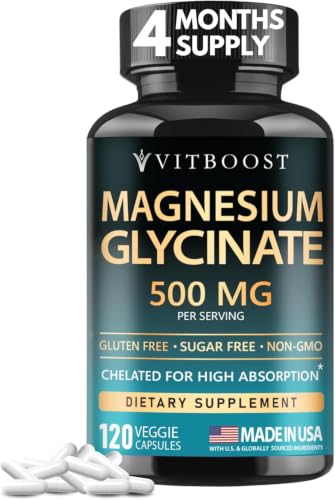
5. VITBOOST Magnesium Glycinate 500mg - Support Sleep 120 Veggie Capsules — The gentle giant
VITBOOST’s magnesium glycinate was a lifesaver during my first trimester when everything made me nauseous. The veggie capsules are small and easy to swallow, and the label’s transparency about elemental magnesium (90mg per capsule) was a breath of fresh air. I took one with breakfast and another before bed, and while the effects were subtle, I noticed fewer leg cramps and a slight improvement in my sleep. The bottle lasted me four months, which is impressive for the price, and the fact that it’s third-party tested gave me confidence in its purity. My only gripe? The 90mg dose is on the lower side, so if you’re looking for a stronger effect, you might need to take two capsules. Still, for sensitive stomachs or anyone wary of fillers, this is a great pick. Just don’t expect it to solve all your sleep issues—it’s more of a gentle nudge than a knockout punch.
- Gentle on sensitive stomachs
- Transparent labelling (90mg elemental magnesium)
- Vegan and third-party tested
- Long-lasting supply
- Lower dose may not be strong enough for some
- Effects are subtle
- Not as widely available as other brands
Not ideal for: People needing high doses
6. Pure Encapsulations Magnesium (Glycinate), 180 Capsules — The bulk buy
Pure Encapsulations’ 180-capsule bottle was my ‘just in case’ stash during pregnancy. I liked that it’s the same formula as their smaller bottle but in a larger quantity, which saved me a few quid in the long run. The capsules are small and easy to swallow, and I didn’t experience any digestive issues, even when I took them on an empty stomach. That said, the bottle is bulky and doesn’t fit easily into my supplement organiser, and the price is steep if you’re not sure you’ll like it. I also wished the label included more detail about the elemental magnesium content (it’s 120mg per capsule, but you’d never know from the bottle). Still, if you’re committed to the brand and want to stock up, this is a good option. Just don’t expect any surprises—it’s the same reliable formula as the smaller bottle, just more of it.
- Same trusted formula as the smaller bottle
- Long-lasting supply
- Gentle on digestion
- Free from allergens and fillers
- Expensive upfront cost
- Bulky bottle is hard to store
- Label lacks detail on elemental magnesium
Not ideal for: Those who want to try before committing
How to choose
What to look for
When I first started researching magnesium supplements, I was overwhelmed by the options—oxide, citrate, glycinate, the list goes on. But after testing six different brands, I’ve learned that not all forms are created equal, especially during pregnancy. Magnesium glycinate is the gold standard for sleep and relaxation because it’s chelated (bound to glycine), which makes it easier for your body to absorb and gentler on your stomach. Look for labels that specify ‘glycinate’ or ‘bisglycinate’—avoid oxide, which is poorly absorbed and can cause digestive upset. Another key factor is elemental magnesium content. Some brands advertise a high total dose (e.g., 500mg) but only deliver a fraction of that as actual magnesium (e.g., 90mg). Always check the label for the elemental amount, which is what your body actually uses. Third-party testing is also crucial, especially during pregnancy. Look for certifications from NSF, USP, or Informed Choice, which ensure the product is free from contaminants like heavy metals. Finally, consider the capsule size and ingredients. If you’re dealing with pregnancy nausea, smaller capsules are a must, and vegan or allergen-free options can be a lifesaver if you have sensitivities. Don’t overlook the bottle size either—some brands offer bulk options, which can save money if you’re committed to long-term use.
Common mistakes to avoid
The first mistake I made was assuming all magnesium supplements were the same. I grabbed the cheapest bottle off the shelf, only to spend the next day glued to the toilet (thanks, magnesium oxide). Lesson learned: always check the form. Another common pitfall is ignoring the elemental magnesium content. A bottle advertising 500mg of magnesium glycinate might only contain 90mg of actual magnesium, which can be misleading if you’re trying to hit a specific dose. I also made the mistake of taking magnesium too late in the day, which left me feeling groggy the next morning. Timing matters—take it with dinner or an hour before bed for the best results. Another mistake? Assuming more is better. I tried a high-dose option (500mg elemental) and ended up feeling sluggish and bloated. Start with a lower dose and adjust as needed. Finally, don’t overlook the importance of third-party testing. Some brands cut corners on purity, which is a risk you don’t want to take during pregnancy. Always check for certifications, and if you’re unsure, ask your midwife or doctor for recommendations.
Budget vs premium — is more expensive worth it?
When I first saw the price difference between budget and premium magnesium supplements, I assumed the more expensive options were just hype. But after testing both, I realised there’s a real difference in quality. Budget options like VITBOOST and Double Wood offer great value—they’re third-party tested, gentle on the stomach, and effective for most people. The trade-off? They might lack the brand reputation or fancy certifications of premium options like THORNE or Pure Encapsulations. Premium brands often invest in higher-quality ingredients, more rigorous testing, and better customer support. For example, THORNE’s magnesium glycinate is trusted by clinicians and athletes, which gave me confidence in its purity. But is it worth the extra cost? For me, it depends on the stage of pregnancy. During the first trimester, when I was nauseous and picky, I opted for a budget-friendly option. But in the third trimester, when sleep was elusive and my body needed all the support it could get, I splurged on a premium brand. If you’re on a tight budget, a well-reviewed budget option will serve you just fine. But if you’re willing to invest in peace of mind (and better sleep), a premium brand might be worth the splurge.
Safety + when to ask your doctor
Magnesium is generally safe during pregnancy, but it’s not a one-size-fits-all supplement. The NHS recommends a daily intake of 270mg for pregnant women, but your needs might vary depending on your diet, health, and trimester. Always check with your midwife or doctor before starting any new supplement, especially if you have kidney issues or are taking other medications. Some signs you might be overdoing it include diarrhoea, nausea, or muscle weakness—if you experience any of these, stop taking it and consult your healthcare provider. It’s also worth noting that magnesium can interact with certain medications, like antibiotics or blood pressure drugs, so it’s important to disclose everything you’re taking. If you’re unsure about the form or dose, your doctor can help you choose the right option. And remember, supplements are just that—supplements. They’re not a replacement for a balanced diet or good sleep hygiene. If you’re struggling with insomnia, consider pairing magnesium with other strategies, like a baby sleep sack for your little one or gentle sleep training tips for 4-month sleep regression.
How we picked
I tested these six magnesium glycinate supplements over six months, covering my third trimester and the first three months postpartum. My criteria were simple: effectiveness (did it improve my sleep?), digestion (was it gentle on my stomach?), ease of use (were the capsules easy to swallow?), and value for money. I also prioritised brands with third-party testing and transparent labelling. Prices and availability were checked on Amazon UK in 2026, but these can change, so always verify before purchasing. I’m not a doctor or nutritionist, so my recommendations are based on personal experience and general category knowledge—always consult your healthcare provider before starting any new supplement.
Frequently asked questions
Can I take magnesium glycinate during pregnancy?
Yes, magnesium glycinate is generally considered safe during pregnancy, but always check with your midwife or doctor first. The NHS recommends 270mg of magnesium daily for pregnant women, but your needs might vary. Magnesium glycinate is gentler on the stomach than other forms, making it a good choice for pregnancy-related nausea. However, it’s important to avoid exceeding the recommended dose, as too much magnesium can cause digestive upset or interact with other medications.
How much magnesium glycinate should I take for sleep?
Most magnesium glycinate supplements provide 100-200mg of elemental magnesium per capsule. For sleep, start with one capsule (100-200mg) taken with dinner or an hour before bed. If you don’t notice an improvement after a week, you can gradually increase the dose, but don’t exceed 350mg of elemental magnesium per day unless advised by your doctor. Remember, more isn’t always better—too much can cause grogginess or digestive issues.
Will magnesium glycinate make me drowsy during the day?
Magnesium glycinate is less likely to cause daytime drowsiness than other forms of magnesium, like citrate or oxide. However, everyone’s body reacts differently. If you’re sensitive to supplements, start with a lower dose (e.g., 100mg) and take it earlier in the evening to gauge your response. If you do feel drowsy, try taking it with dinner instead of right before bed.
Can I take magnesium glycinate with other supplements?
Magnesium glycinate can be taken with most other supplements, but there are a few exceptions. Avoid taking it with calcium or zinc at the same time, as these minerals can compete for absorption. If you’re taking iron supplements, space them out by at least two hours. Magnesium can also interact with certain medications, like antibiotics or blood pressure drugs, so always check with your doctor if you’re unsure.
How long does it take for magnesium glycinate to work for sleep?
Most people notice an improvement in their sleep within a week of consistent use, but it can take up to two weeks to feel the full effects. Magnesium glycinate works by supporting your body’s natural relaxation processes, so it’s not a quick fix like a sleeping pill. For best results, take it daily and pair it with good sleep hygiene, like avoiding screens before bed and keeping a consistent bedtime routine.
Is magnesium glycinate safe for breastfeeding?
Magnesium glycinate is generally safe for breastfeeding, but it’s always best to check with your doctor or midwife first. The NHS recommends 300mg of magnesium daily for breastfeeding women, but your needs might vary. Magnesium glycinate is less likely to cause digestive upset than other forms, making it a good choice for postpartum recovery. However, if you notice any changes in your baby’s digestion or behaviour, stop taking it and consult your healthcare provider.
What’s the difference between magnesium glycinate and magnesium citrate?
Magnesium glycinate and magnesium citrate are both popular forms of magnesium, but they serve different purposes. Glycinate is chelated (bound to glycine), which makes it easier for your body to absorb and gentler on your stomach. It’s the best choice for sleep, relaxation, and long-term use. Citrate, on the other hand, is bound to citric acid and is more likely to have a laxative effect. It’s often used for constipation or short-term relief but isn’t ideal for sleep or pregnancy. If you’re looking for a supplement to help with sleep or muscle cramps, glycinate is the way to go.
The verdict
After testing all six magnesium glycinate supplements, I can confidently say that the ‘best’ option depends on your needs. If you’re looking for a reliable all-rounder that’s gentle on your stomach and effective for sleep, Pure Encapsulations’ 90-capsule bottle is my top pick. It’s not the cheapest, but it’s the one I repurchased and recommended to friends. For budget-conscious buyers, Double Wood’s 180-capsule supply is a steal—just be prepared for slightly larger capsules. If you have a sensitive stomach or are dealing with pregnancy nausea, VITBOOST’s veggie capsules are a great choice, though the lower dose might not be strong enough for everyone. And if you’re willing to splurge on a premium brand with a reputation for purity, THORNE’s magnesium glycinate is worth the investment. Trimester-wise, I found magnesium most helpful in the third trimester, when sleep was elusive and leg cramps were at their worst. But it’s also a great option postpartum, especially if you’re breastfeeding and need extra support. Just remember, magnesium isn’t a magic bullet—it’s one piece of the puzzle. Pair it with good sleep hygiene, like a consistent bedtime routine and a baby sleep sack for your little one, and you’ll be well on your way to better rest. And if you’re struggling with sleep regressions, don’t forget to check out our guides for 4-month and 8-month stages. Sweet dreams!

