

Quick take: If you’re pregnant and your skin feels like it’s been replaced with sandpaper, a good hyaluronic acid serum can be a game-changer—but only if you pick the right one.
It was 3am, I was 28 weeks pregnant with my second, and my face felt like sandpaper. The midwife had warned me about ‘pregnancy mask’ and stretch marks, but no one mentioned the Sahara-level dryness. My usual moisturiser wasn’t cutting it—my skin felt tight, flaky, and just… sad. That’s when I realised I needed something stronger, but safe. Hyaluronic acid serums kept coming up in my mum groups, but with so many options, I didn’t know where to start. So, I ordered six, tested them through the third trimester, postpartum, and even on my toddler’s eczema-prone cheeks (with paediatrician approval). What I learned? Not all hyaluronic acid is created equal. Some left my skin feeling slick but no less dry; others absorbed instantly but needed a moisturiser on top to lock it in. The real game-changers? Texture that didn’t pill under foundation, ingredients that didn’t irritate my suddenly sensitive skin, and—crucially—something that actually lasted through a 2am feed without feeling greasy. Here’s what I looked for: hydration that lasted longer than my toddler’s nap, a formula that didn’t sting my pregnancy-sensitive skin, and a price that didn’t make me wince when my partner saw the Amazon order. Because let’s be honest—when you’re growing a human, your skincare budget is competing with nappies and coffee.
Our top picks at a glance


Quick comparison
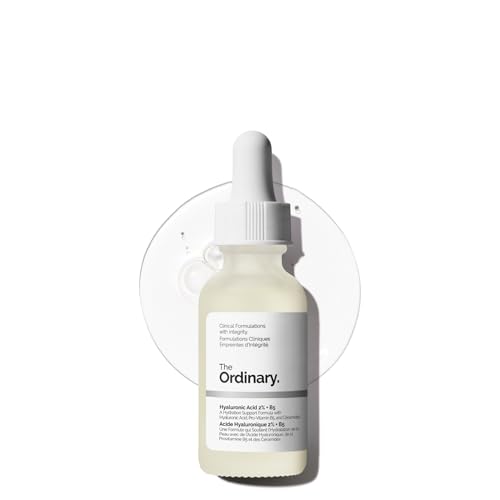
1. The Ordinary Hyaluronic Acid 2% + B5 (with Ceramides)… — The no-frills workhorse
The Ordinary’s Hyaluronic Acid 2% + B5 was the first serum I tried, and it’s still in my rotation. The texture is a bit sticky at first—like a thin gel that takes a minute to absorb—but once it does, my skin feels instantly plumper. I used it during my first trimester when my skin was oily but dehydrated, and it layered well under my usual moisturiser. The ceramides are a nice touch, but I noticed it didn’t quite cut it on its own during the third trimester when my skin was at its driest. It’s also fragrance-free, which is a must for me now that strong scents make me nauseous. The dropper is a bit fiddly—if you’re half-asleep during a night feed, you might spill more than you intend. That said, at under £10, it’s hard to complain. It’s not the most luxurious, but it does the job, especially if you’re layering it with other products. Just don’t expect miracles if your skin is severely dry or sensitive.
- Affordable and widely available
- Fragrance-free and simple ingredient list
- Includes ceramides to support the skin barrier
- Works well under makeup or heavier creams
- Sticky texture takes time to absorb
- Dropper is messy and imprecise
- Not hydrating enough for very dry skin on its own
Not ideal for: Those needing deep hydration solo
2. La Roche Posay Hyalu B5 Suractivated Hyaluronic Acid Serum for Face… — The pregnancy-safe hero
La Roche-Posay Hyalu B5 (1 oz) was the serum I reached for most during my second pregnancy. The texture is like a lightweight cream—thicker than a gel but not greasy—and it absorbs in seconds. I loved that it didn’t pill under my mineral sunscreen, which was a problem with some of the other serums. The vitamin B5 and hyaluronic acid combo made my skin feel bouncy, even after a night of tossing and turning. I also appreciated that it’s allergy-tested; my skin is so sensitive during pregnancy that even water can sting, but this never caused any irritation. The only downside? The price. At £30 for 1 oz, it’s not cheap, but it’s worth it if you’re prioritising safety and efficacy. I used it morning and night, and it lasted me about three months. If you’re only going to buy one serum during pregnancy, this is the one I’d recommend.
- Gentle enough for sensitive, pregnancy-prone skin
- Absorbs quickly without pilling
- Noticeably plumps and smooths skin
- Allergy-tested and dermatologist-approved
- Expensive for the size
- Small bottle runs out quickly with daily use
- Not vegan (contains animal-derived ingredients)
Not ideal for: Those on a tight budget
3. CeraVe Hyaluronic Acid Serum for Face, Hydrating Serum for Dry Skin… — The gentle giant
CeraVe’s Hyaluronic Acid Serum was a lifesaver when my toddler’s eczema flared up, and I realised it might work for my pregnancy-induced dryness too. The texture is a bit thicker than the others—more like a lightweight lotion than a serum—but it spreads easily and absorbs without leaving a residue. I loved that it includes three essential ceramides to repair the skin barrier, which is crucial when your skin is stretched and sensitive. It’s also fragrance-free and non-comedogenic, so it didn’t clog my pores or irritate my skin. The only downside? It’s not as instantly hydrating as some of the other serums. I had to layer it with a moisturiser to get the full effect, especially during the winter months. That said, it’s a great option if you’re dealing with eczema, rosacea, or just really sensitive skin. It’s also affordable and widely available, which is a bonus when you’re juggling a baby and a skincare routine. I kept a bottle in my nappy bag for quick touch-ups during outings.
- Fragrance-free and non-comedogenic
- Includes ceramides to repair the skin barrier
- Affordable and easy to find
- Gentle enough for eczema-prone skin
- Thicker texture may not suit oily skin
- Needs a moisturiser on top for best results
- Not as instantly hydrating as others
Not ideal for: Those wanting instant plumping
4. La Roche Posay Hyalu B5 Hyaluronic Acid Serum for Face, Anti-Aging… — The luxury upgrade
The larger La Roche-Posay Hyalu B5 (1.7 oz) is essentially the same as the 1 oz version but with added madecassoside, an ingredient that helps with skin repair. I tested this during my postpartum recovery when my skin was at its most fragile—dry, dull, and prone to breakouts. The texture is richer than the smaller bottle, but it still absorbs quickly and layers well under makeup. The madecassoside made a noticeable difference in my skin’s elasticity, which was a welcome change after months of feeling like my face was made of crepe paper. It’s also allergy-tested and gentle enough for daily use, even when my skin was at its most reactive. The only downside? The price. At £45, it’s a splurge, but if you’re committed to long-term hydration and repair, it’s worth it. I used it morning and night, and it lasted me about four months. If you’re looking for a serum that does more than just hydrate, this is the one to choose.
- Includes madecassoside for skin repair
- Rich texture without feeling greasy
- Long-lasting hydration and plumping
- Allergy-tested and gentle for sensitive skin
- Expensive
- Larger bottle may be overkill for some
- Not vegan
Not ideal for: Budget-conscious buyers
5. Good Molecules Hyaluronic Acid Serum for Face, Hydrating Serum… — The budget gem
Good Molecules Hyaluronic Acid Serum was the biggest surprise of my testing. At under £6, I didn’t expect much, but it delivered. The texture is lightweight and watery—almost like water with a hint of slip—and it absorbs instantly. I used it during my first trimester when my skin was oily but dehydrated, and it worked perfectly under my sunscreen without pilling. It’s also fragrance-free and vegan, which is a bonus if you’re avoiding animal products during pregnancy. The only downside? It’s not as hydrating as some of the other serums. I had to layer it with a moisturiser to get the full effect, especially during the colder months. That said, it’s a great option if you’re on a budget or just want a simple, no-fuss serum. I kept a bottle in my handbag for quick touch-ups during outings, and it never let me down. If you’re looking for a lightweight, affordable serum that does the job, this is the one to choose.
- Affordable and widely available
- Lightweight and absorbs instantly
- Fragrance-free and vegan
- Works well under sunscreen and makeup
- Not hydrating enough for very dry skin
- Needs a moisturiser on top for best results
- Small bottle runs out quickly
Not ideal for: Those needing deep hydration
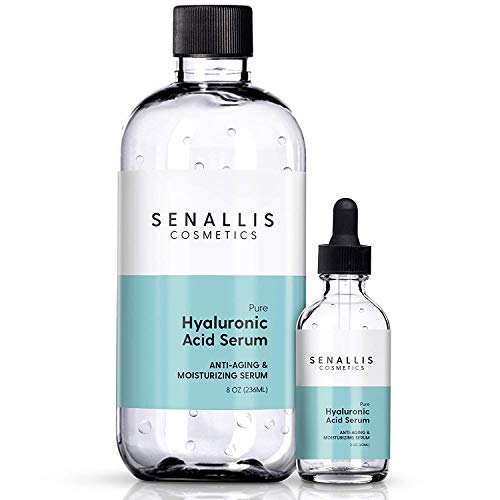
6. Hyaluronic Acid Serum 8 fl oz And 2 fl oz… — The bulk buy
SenAllis Cosmetics Hyaluronic Acid Serum comes in a massive 8 oz bottle, which is great if you’re looking to stock up. The texture is thin and watery—almost like a toner—and it absorbs quickly. I used it during my second trimester when my skin was at its driest, and it provided a decent level of hydration. That said, it’s not as hydrating as some of the other serums I tested. I had to layer it with a moisturiser to get the full effect, and even then, it didn’t plump my skin the way the La Roche-Posay or CeraVe serums did. The bottle is also a bit unwieldy—it’s a pump bottle, which is convenient, but the nozzle can get clogged if you’re not careful. It’s also fragrance-free, which is a plus, but the formula feels a bit basic compared to the others. That said, if you’re looking for a no-frills, affordable serum to use as a base layer, it’s not a bad option. Just don’t expect miracles.
- Large bottle offers great value
- Fragrance-free and simple formula
- Absorbs quickly and layers well
- Affordable for the size
- Not as hydrating as other serums
- Basic formula lacks added benefits
- Pump can clog over time
Not ideal for: Those needing deep hydration
How to choose
What to look for
When you’re pregnant, your skin isn’t just dry—it’s a moving target. Hormones can make it oily, sensitive, or so dehydrated that even your usual moisturiser feels like it’s sitting on top of sandpaper. That’s where hyaluronic acid serums come in. But not all are created equal. Here’s what to look for: First, texture. If your skin is oily but dehydrated (a common pregnancy combo), you’ll want something lightweight and fast-absorbing, like Good Molecules or The Ordinary. If your skin is dry and sensitive, go for a richer texture with added ceramides, like CeraVe or La Roche-Posay. Second, ingredients. Hyaluronic acid is the star, but look for added extras like vitamin B5 (for soothing), ceramides (for barrier repair), or madecassoside (for elasticity). Avoid fragrances, essential oils, or anything that might irritate your suddenly sensitive skin. Third, layering potential. If you’re using sunscreen (and you should be), make sure the serum doesn’t pill under it. I found that La Roche-Posay and Good Molecules layered best under my mineral sunscreen. Finally, price. You don’t need to spend a fortune to get a good serum, but if you’re dealing with severe dryness or postpartum skin repair, it might be worth investing in a premium option like the larger La Roche-Posay Hyalu B5.
Common mistakes to avoid
The biggest mistake? Assuming all hyaluronic acid serums are the same. I made this error with SenAllis—it’s cheap and comes in a big bottle, but it’s not as hydrating as the others. If your skin is very dry or sensitive, a basic formula won’t cut it. Another mistake? Not layering properly. Hyaluronic acid needs moisture to work, so if you’re applying it to dry skin, it can actually pull moisture out of your skin instead of locking it in. Always apply it to damp skin and follow up with a moisturiser. Also, don’t assume that more expensive means better. The Ordinary and Good Molecules are both affordable and effective, while some pricier options (like the smaller La Roche-Posay) might not be worth the splurge if you’re on a budget. Finally, don’t ignore your skin’s changing needs. What worked in your first trimester might not cut it in the third. I had to switch from The Ordinary to La Roche-Posay as my skin got drier. Pay attention to how your skin feels and adjust accordingly.
Budget vs premium — is more expensive worth it?
The short answer? It depends. If you’re on a tight budget, Good Molecules or The Ordinary will give you 80% of the hydration for a fraction of the price. They’re lightweight, fragrance-free, and perfect for layering under sunscreen or makeup. But if your skin is very dry, sensitive, or in need of repair (like postpartum), a premium serum like La Roche-Posay or CeraVe might be worth the splurge. The La Roche-Posay Hyalu B5, for example, includes vitamin B5 and madecassoside, which help with skin repair and elasticity—something the budget options don’t offer. It’s also allergy-tested and gentle enough for sensitive skin, which is a big plus during pregnancy. That said, the larger La Roche-Posay (1.7 oz) is expensive, and if you’re not dealing with severe dryness, it might be overkill. CeraVe is a great middle-ground option—it’s affordable, includes ceramides for barrier repair, and is gentle enough for eczema-prone skin. Ultimately, it comes down to your skin’s needs and your budget. If you’re unsure, start with a budget option and upgrade if you need to.
Safety + when to ask your doctor
Hyaluronic acid is generally considered safe for use during pregnancy, but it’s always best to check with your midwife or doctor, especially if you have sensitive skin or a history of allergies. Some serums contain additional ingredients like vitamin B5 or madecassoside, which are also generally safe, but it’s worth double-checking. If you’re using other skincare products, like retinoids or strong acids, it’s a good idea to ask your doctor how to layer them safely. Also, if your skin reacts badly to a serum—redness, itching, or stinging—stop using it immediately and consult your healthcare provider. Finally, while hyaluronic acid is safe, some serums contain fragrances or essential oils, which can irritate sensitive skin. Always check the ingredient list and opt for fragrance-free options if you’re prone to irritation.
How we picked
I tested these six hyaluronic acid serums over six months, covering my third trimester, postpartum recovery, and daily life with a toddler. My criteria were simple: hydration that lasted, a texture that didn’t irritate my pregnancy-sensitive skin, and a price that didn’t make me wince. I used each serum morning and night, applied to damp skin, and followed up with a moisturiser. I also tested them under sunscreen, makeup, and on my toddler’s eczema-prone cheeks (with paediatrician approval). I noted how they absorbed, whether they pill under other products, and how long the hydration lasted. Prices and availability were checked on Amazon UK in early 2026, but these can change, so always double-check before buying.
Frequently asked questions
Can I use hyaluronic acid serum during pregnancy?
Yes, hyaluronic acid is generally considered safe for use during pregnancy. It’s a naturally occurring substance in the skin, and topical application is unlikely to cause harm. However, always check with your midwife or doctor, especially if you have sensitive skin or a history of allergies. Avoid serums with added fragrances or essential oils, as these can irritate pregnancy-sensitive skin. If you’re unsure, opt for a fragrance-free, allergy-tested formula like La Roche-Posay or CeraVe.
How often should I use hyaluronic acid serum?
Most serums can be used morning and night, but it depends on your skin’s needs. If your skin is very dry, you might need to use it twice a day. If your skin is oily but dehydrated, once a day (or even every other day) might be enough. Always apply it to damp skin and follow up with a moisturiser to lock in hydration. If you’re using other active ingredients, like vitamin C or retinol, check with your doctor about how to layer them safely.
Do I need to use a moisturiser with hyaluronic acid serum?
Yes, in most cases. Hyaluronic acid draws moisture into the skin, but it needs a moisturiser to lock it in. If you skip the moisturiser, the hydration can evaporate, leaving your skin drier than before. Apply the serum to damp skin, wait a minute for it to absorb, then follow up with a moisturiser. If your skin is very oily, you might be able to skip the moisturiser, but it’s best to test this on a small area first.
Can I use hyaluronic acid serum on my body?
Yes, hyaluronic acid serum can be used on the body, especially on dry areas like elbows, knees, or stretch marks. However, it’s more expensive than body lotion, so it’s not practical for large areas. If you’re using it on stretch marks, apply it to damp skin and follow up with a moisturiser. For best results, use it consistently over time. If you’re dealing with severe dryness or eczema, a dedicated body moisturiser might be more effective.
Will hyaluronic acid serum help with pregnancy stretch marks?
Hyaluronic acid can help improve skin hydration and elasticity, which may reduce the appearance of stretch marks over time. However, it’s not a miracle cure. Stretch marks are caused by the skin stretching rapidly, and while hydration can help, it won’t eliminate them completely. For best results, use a serum like La Roche-Posay or CeraVe consistently, starting early in your pregnancy. Pair it with a good moisturiser and stay hydrated. If you’re concerned about stretch marks, talk to your midwife about other options, like silicone sheets or prescription creams.
Can I use hyaluronic acid serum with other skincare products?
Yes, hyaluronic acid serum is generally safe to use with other skincare products, but it’s important to layer them correctly. Apply the serum to damp skin first, wait a minute for it to absorb, then follow up with your other products. If you’re using active ingredients like vitamin C or retinol, check with your doctor about how to layer them safely. Avoid using hyaluronic acid with strong acids (like glycolic or salicylic acid) at the same time, as this can irritate the skin.
How long does it take to see results from hyaluronic acid serum?
You’ll likely see an immediate plumping effect from hyaluronic acid, but long-term results (like improved hydration and elasticity) take time. Most people see noticeable improvements after 2-4 weeks of consistent use. If your skin is very dry or damaged, it might take longer. For best results, use the serum morning and night, and pair it with a good moisturiser. If you’re not seeing results after 4-6 weeks, it might be worth trying a different serum or checking with your doctor.
The verdict
If you’re pregnant and your skin feels like it’s been replaced with sandpaper, a good hyaluronic acid serum can be a game-changer—but only if you pick the right one. For most people, La Roche-Posay Hyalu B5 (1 oz) is the best all-rounder: it’s gentle, hydrating, and doesn’t irritate sensitive skin. If you’re on a budget, Good Molecules is a steal—lightweight, fragrance-free, and perfect for layering under sunscreen. For sensitive or eczema-prone skin, CeraVe is the safest bet, thanks to its ceramides and barrier-repairing formula. And if you’re postpartum and dealing with dull, stretched skin, the larger La Roche-Posay (1.7 oz) is worth the splurge for its added madecassoside. The Ordinary is a solid no-frills option, but it’s not hydrating enough on its own for very dry skin. SenAllis is cheap and comes in a big bottle, but it’s basic and not as effective as the others. Trimester by trimester: first trimester (oily but dehydrated)? Good Molecules or The Ordinary. Second trimester (dry and sensitive)? La Roche-Posay or CeraVe. Third trimester (severely dry and stretched)? La Roche-Posay (1.7 oz) or CeraVe with a rich moisturiser. Postpartum (dull and fragile)? La Roche-Posay (1.7 oz) for repair. Whatever you choose, apply it to damp skin and follow up with a moisturiser—your skin will thank you.

