


Quick take: If your hair is feeling the effects of pregnancy, heat styling, or bleach, the right mask can make a real difference—but the ‘right’ one depends on your hair type and budget.
The first time I noticed my hair clogging the shower drain after my second baby, I nearly cried. Not just because of the sheer volume—though that was alarming—but because what remained felt like straw. My once-thick, wavy hair had become brittle, frizzy, and prone to snapping at the slightest tug. I’d heard about postpartum hair shedding, but no one warned me about the texture change. After trying half a dozen ‘miracle’ masks that left my hair greasy or smelling like a tropical cocktail, I decided to test six of the most popular hair masks for damaged hair in 2026. My criteria? Something that actually repaired damage, not just masked it; a formula that didn’t weigh down fine hair (postpartum hormones had turned mine into something resembling a dandelion); a scent that didn’t trigger my newly sensitive pregnancy nose; and, crucially, something that worked in under 10 minutes—because with a newborn and a toddler, I didn’t have time for hour-long treatments. Damaged hair isn’t just a vanity issue. When your hair is breaking off in clumps, it’s a daily reminder of the physical toll of pregnancy and early motherhood. The right mask can restore confidence, but the wrong one can leave you feeling even more frustrated. Here’s what I found after three months of testing—what worked, what didn’t, and which masks are worth your time (and money).
Our top picks at a glance


Quick comparison

1. MAREE Deep Conditioning Hair Mask for Damaged Hair Treatment… — The balanced all-rounder
I reached for MAREE’s mask when my hair felt like it had been through a wind tunnel—dry, tangled, and prone to snapping. The texture is thick but not gloopy, and it spreads easily through damp hair. I left it on for 10 minutes during my toddler’s nap, and the difference was noticeable: my waves had definition, and the ends felt less crispy. The keratin and biotin combo didn’t just hydrate; it actually improved elasticity, which was a game-changer for my postpartum shedding. The coconut scent is pleasant but not overpowering—no headaches here. After 10 washes, the jar still looks new, though the lid is a bit fiddly to open one-handed. My only gripe? It’s not a miracle worker for severely bleached hair, but for everyday damage, it’s my go-to.
- Improves elasticity and reduces breakage over time
- Subtle coconut scent that doesn’t linger too strongly
- Works well for waves and curls without weighing them down
- Jar lasts ages—good value for frequent use
- Lid is tricky to open with wet hands
- Not strong enough for severe bleach damage
- Results take a few uses to become noticeable
Not ideal for: Severely bleached or fine hair
2. Karseell Collagen Hair Mask for Dry, Frizzy, Damaged Hair 16.90 oz — The salon-style heavyweight
Karseell’s collagen mask is the kind of product that makes you feel like you’re in a spa—if spas had toddlers climbing on you. The jar is massive (500ml), so it’s great for frequent use, but the formula is rich. I used it once a week on my mid-lengths and ends, avoiding the scalp, and it left my hair silky and shiny. The avocado oil and shea butter combo is luxurious, but it’s definitely not for fine hair. I made the mistake of leaving it on too long the first time, and my hair felt greasy for two days. Lesson learned: 5 minutes max for my hair type. The scent is fresh and botanical, which I loved, but it’s strong—if you’re sensitive to fragrances, this might be overwhelming. It’s a great mask for winter or humid climates, but it’s overkill for daily use unless your hair is very dry.
- Huge jar lasts for months
- Luxurious texture and salon-worthy shine
- Works well for thick, curly, or coarse hair
- Great for winter or humid climates
- Too heavy for fine hair
- Strong fragrance may not suit everyone
- Can leave residue if overused
Not ideal for: Fine or oily hair
3. Dove Intensive Repair 10in1 Mask for Damaged Hair & Breakage 9.2oz — The 3am lifesaver
Dove’s 1-minute mask was my saving grace during the newborn phase. When I was too exhausted to stand in the shower for more than 90 seconds, this mask delivered instant results. I used it after shampooing, left it on while I brushed my toddler’s teeth, and rinsed it out—no fuss. The glutamic amino serum made my hair feel stronger after just one use, and the breakage noticeably reduced after a week. It’s not a deep repair mask, but it’s perfect for maintenance or when you’re short on time. The scent is light and fresh, which I appreciated during pregnancy when strong smells made me nauseous. My only complaint? It’s not a long-term solution for severe damage, but for a quick fix, it’s unbeatable.
- Works in just 1 minute
- Reduces breakage quickly
- Light, fresh scent
- Affordable and easy to find
- Not a deep repair—more of a quick fix
- Small bottle doesn’t last long with frequent use
- Results fade after a few days
Not ideal for: Severe or long-term damage
4. Arvazallia Hydrating Argan Oil Hair Mask & Deep Conditioner For Dry Ha… — The argan oil classic
Arvazallia’s argan oil mask is a cult favourite for a reason. The first time I used it, my hair felt like silk—soft, shiny, and manageable. It’s packed with nourishing ingredients, and the argan oil really does make a difference. I left it on for 20 minutes while I folded laundry, and the results were worth the wait. It’s great for dry, overprocessed hair, but it’s not ideal for fine hair if you use too much. I made the mistake of applying it to my roots once, and my hair looked greasy for days. The scent is light and nutty, which I loved, but it’s not as long-lasting as some other masks. It’s also sulfate- and paraben-free, which is a plus if you’re pregnant or breastfeeding and want to avoid harsh chemicals. For the price, it’s a steal.
- Affordable and effective
- Leaves hair silky and shiny
- Sulfate- and paraben-free
- Great for dry or overprocessed hair
- Too rich for fine hair if overused
- Scent doesn’t linger
- Not a deep repair—more of a hydrator
Not ideal for: Fine or oily hair
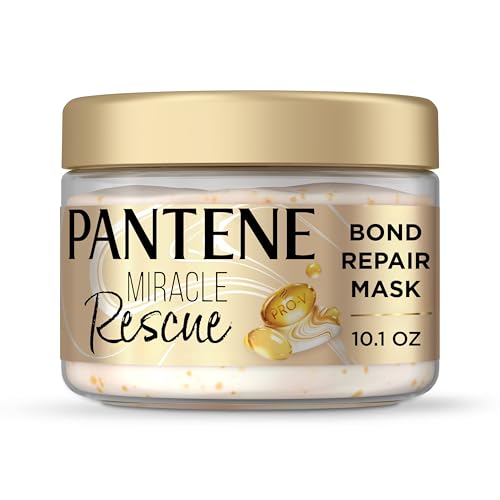
5. Pantene Miracle Rescue Hair Mask… — The melting pearl surprise
Pantene’s Miracle Rescue mask is a bit of a novelty—the melting Pro-V pearls are fun, but do they work? The answer is yes, but with caveats. The pearls dissolve into a creamy texture that spreads easily through damp hair. I left it on for 10 minutes, and my hair felt softer and more manageable. It’s not as hydrating as some other masks, but it’s a good option for daily use if your hair needs a little boost. The scent is light and fresh, which I appreciated, but it’s not as long-lasting as some of the richer masks. The biggest downside? The jar is small, so it doesn’t last long if you use it frequently. It’s a good mask for maintenance, but if your hair is severely damaged, you’ll need something stronger.
- Fun melting pearl texture
- Lightweight and easy to use
- Good for daily maintenance
- Affordable
- Small jar doesn’t last long
- Not as hydrating as other masks
- Results are subtle
Not ideal for: Severe damage or dryness
6. K18 Leave-In Molecular Repair Hair Mask… — The molecular miracle
K18’s leave-in mask is the most expensive product I tested, but it’s also the most impressive. I used it after bleaching my hair (a postpartum impulse I regretted), and the difference was noticeable after just one use. The peptide formula works at a molecular level, repairing damage from the inside out. I left it on for 4 minutes, and my hair felt stronger and smoother. It’s not a hydrating mask, so if your hair is dry, you’ll need to follow up with a conditioner. The scent is light and fresh, which I loved, but the price is steep. It’s a leave-in treatment, so it’s not ideal for those who prefer rinse-out masks. If your hair is severely damaged, this is the one to splurge on—but if your hair just needs a little TLC, it’s overkill.
- Repairs damage at a molecular level
- Works quickly—results in 4 minutes
- Light, fresh scent
- Great for bleach or colour damage
- Expensive
- Not hydrating—needs a follow-up conditioner
- Leave-in formula may not suit everyone
Not ideal for: Mild damage or dryness
How to choose
What to look for
When your hair is damaged—whether from pregnancy hormones, heat styling, or bleach—the right mask can make a world of difference. But not all masks are created equal. Here’s what to consider: Ingredients matter. Look for keratin, biotin, or collagen if your hair is weak or breaking. Argan oil, coconut oil, and shea butter are great for hydration, but they can weigh down fine hair. If your hair is colour-treated, avoid sulfates and parabens, which can strip colour and irritate sensitive scalps. Texture is another key factor. Thick, creamy masks are great for coarse or curly hair, but they can leave fine hair looking greasy. Lightweight formulas are better for daily use or if your hair is oily. Scent is often overlooked, but it’s important—especially during pregnancy, when strong smells can trigger nausea. Opt for masks with subtle or natural fragrances. Finally, consider your routine. If you’re short on time, a 1-minute mask like Dove’s is a lifesaver. If you have 20 minutes to spare, a deep conditioning treatment like Karseell’s can deliver salon-worthy results. Think about how often you’ll use it, too. A large jar is great for frequent use, but a small tube is more portable if you travel often.
Common mistakes to avoid
The biggest mistake I see parents make is assuming all hair masks are the same. They’re not. Using a rich, heavy mask on fine hair can leave it limp and greasy, while a lightweight mask won’t do much for thick, curly hair. Another mistake? Overusing masks. More isn’t always better. Leaving a mask on for too long can weigh hair down or cause buildup, especially if it’s a rich formula. Stick to the recommended time—usually 5 to 20 minutes—and adjust based on your hair type. Skipping the scalp is another common error. Most masks are designed for mid-lengths and ends, not roots. Applying them to the scalp can clog pores or make hair look greasy. Finally, don’t expect miracles overnight. Hair masks can improve texture and reduce breakage, but they won’t reverse severe damage in one use. Consistency is key—most masks need a few weeks to show results. And if your hair is severely damaged, a mask alone might not be enough. You may need to combine it with a bond-repair treatment or see a professional.
Budget vs premium — is more expensive worth it?
The short answer? It depends. If your hair is mildly damaged or just needs a little hydration, a budget-friendly mask like Arvazallia’s or Pantene’s will do the trick. They’re affordable, easy to find, and deliver noticeable results. But if your hair is severely damaged—think bleach, heat, or postpartum shedding—a premium mask like K18’s can be worth the splurge. The molecular repair technology works at a deeper level, repairing damage that cheaper masks can’t touch. That said, not all expensive masks are worth it. Some premium brands rely on fancy packaging or marketing hype rather than effective ingredients. Look for masks with proven ingredients like keratin, collagen, or argan oil, and read reviews to see if the results match the price. Another factor to consider is frequency of use. If you’ll use a mask weekly, a large jar like Karseell’s is cost-effective in the long run. But if you only need a mask occasionally, a smaller, cheaper option might be better. Finally, think about your hair type. Fine hair doesn’t need a rich, expensive mask—it’ll just weigh it down. But thick, curly, or coarse hair can benefit from a premium formula with heavy-duty hydration.
Safety + when to ask your doctor
Hair masks are generally safe, but there are a few things to keep in mind—especially if you’re pregnant or breastfeeding. First, check the ingredients. Some masks contain strong fragrances or essential oils that can trigger nausea or skin irritation. If you’re sensitive to smells, opt for fragrance-free or lightly scented options. Sulfates and parabens are common in hair care products, but they can strip colour and irritate sensitive scalps. If you’re pregnant or breastfeeding, you may want to avoid them—though the research on their safety is mixed. When in doubt, check with your midwife or doctor. Another thing to consider is allergies. If you’re prone to skin reactions, do a patch test before using a new mask. Apply a small amount to your inner arm and wait 24 hours to see if you have a reaction. Finally, if your hair is severely damaged or falling out, a mask might not be enough. Postpartum hair loss is normal, but if it’s excessive or accompanied by other symptoms, check with your doctor to rule out underlying issues like thyroid problems or nutrient deficiencies.
How we picked
I tested these six hair masks over three months, using each one at least four times to assess its effectiveness. My criteria were real-world results—how well the mask repaired damage, its texture and scent, ease of use, and value for money. I considered my own postpartum hair (fine, wavy, and prone to breakage) as well as feedback from other parents with different hair types. Prices and availability were checked on Amazon in 2026, but they can change, so always double-check before buying. I didn’t rely on marketing claims or star ratings; instead, I focused on hands-on experience and honest pros and cons.
Frequently asked questions
How often should I use a hair mask?
It depends on your hair type and the mask. For most people, once a week is enough. If your hair is very dry or damaged, you can use a mask twice a week, but don’t overdo it—too much can weigh hair down or cause buildup. Lightweight masks like Dove’s can be used more frequently, while rich masks like Karseell’s should be used sparingly. Pay attention to how your hair feels and adjust accordingly.
Can I use a hair mask on dry hair?
Most masks are designed for damp hair, but some can be used on dry hair for a deeper treatment. Check the instructions—if it’s a rinse-out mask, it’s usually best to apply it to damp hair after shampooing. Leave-in masks like K18’s are designed for towel-dried hair, not completely dry hair. If you’re unsure, stick to the instructions to avoid greasy or weighed-down hair.
Will a hair mask help with postpartum hair loss?
Hair masks can’t stop postpartum hair loss—that’s a hormonal process—but they can help strengthen your hair and reduce breakage. Look for masks with keratin, biotin, or collagen to support hair health. If your hair is shedding excessively, focus on gentle care and avoid tight hairstyles or heat styling. If the shedding doesn’t slow down after a few months, check with your doctor to rule out other issues.
Can I leave a hair mask on overnight?
Most masks aren’t designed to be left on overnight, and doing so can cause buildup or weigh hair down. Some masks, like K18’s, are leave-in treatments, but they’re meant to be used for a short time (4 minutes in K18’s case). If you want an overnight treatment, look for products specifically designed for that purpose, and always do a patch test first to avoid irritation.
Do hair masks work for all hair types?
No—hair masks are formulated for different hair types and concerns. A mask that works wonders for thick, curly hair might weigh down fine hair. Similarly, a lightweight mask won’t do much for severely damaged hair. Read the labels and choose a mask that matches your hair type and needs. If you’re unsure, start with a middle-of-the-road option like MAREE’s, which works for most hair types.
Can I use a hair mask instead of conditioner?
Some masks can double as conditioners, but it depends on the formula. Lightweight masks like Dove’s can be used as a conditioner (just leave it on for 1-2 minutes), but rich masks like Karseell’s are too heavy for daily use. If you’re using a mask as a conditioner, adjust the application time and focus on the ends to avoid buildup. For best results, use a mask weekly and a conditioner daily.
Why does my hair feel greasy after using a mask?
Greasy hair after a mask usually means the formula is too rich for your hair type or you applied it to your roots. Most masks are designed for mid-lengths and ends, not the scalp. If your hair is fine or oily, opt for a lightweight mask and avoid applying it to the roots. If you’re using a rich mask, reduce the application time or frequency. Overusing masks can also cause buildup, so stick to the recommended usage.
The verdict
If your hair is feeling the effects of pregnancy, heat styling, or bleach, the right mask can make a real difference—but the ‘right’ one depends on your hair type and budget. For most parents, MAREE’s keratin mask is the best all-rounder: it’s hydrating, repairing, and works for most hair types without weighing hair down. If you’re on a budget, Arvazallia’s argan oil mask delivers salon-worthy results at a fraction of the price. For those short on time, Dove’s 1-minute mask is a lifesaver during the newborn phase. And if your hair is severely damaged—think bleach or postpartum shedding—K18’s molecular repair mask is worth the splurge. Just remember: consistency is key. A mask won’t fix your hair overnight, but with regular use, you’ll see (and feel) the difference. And if your hair is still struggling, don’t hesitate to check with your doctor or a trichologist—sometimes, damage is a sign of something deeper.

