Quick take: If your baby has a sensitive tummy or you simply prefer a cleaner ingredient list, Bubs Whole Goat Milk Infant Formula is the most reliable all‑rounder for the first year.
I still remember the 3 am scramble when my first baby started to fuss at every bottle. I was terrified that a sensitive tummy was the cause, and that night I bought a goat‑milk formula on a whim. Over the next twelve months I tried three different brands, swapping them in and out of our night‑time routine, the nappy‑bag, and even the travel‑crib. The difference between a formula that simply sits in the bottle and one that actually settles a gassy belly is huge – it can mean a calmer baby, fewer doctor visits, and a bit more sleep for mum. That’s why I set out to compare the most popular goat‑milk formulas on Amazon, looking beyond the glossy packaging to see how they perform in the real world. The criteria that mattered most were how easy the powder was to dissolve, whether the baby tolerated it without extra spit‑ups, the nutritional completeness (especially DHA/ARA for brain growth), and value for money after the inevitable 100‑plus washes of the bottles. Below you’ll find the products that survived my 0‑12‑month marathon, plus a few that are better suited for toddlers or for families on a tighter budget.
Our top picks at a glance


Quick comparison

1. Bubs Whole Goat Milk Infant Formula for 0-12 Months, Non-GMO Milk… — The reliable all‑rounder
I introduced Bubs Whole Goat Milk Infant Formula at two weeks old because my paediatrician suggested trying a gentler protein source. The powder dissolved in warm water with barely any clumping, which meant I could shake the bottle in the dark without a fuss. Over the first three months my baby’s spit‑ups dropped from daily to occasional, and the stool texture became softer and less odorous – a clear sign the gut was happier. I used the same formula for night‑time feeds, and the baby seemed to stay settled longer, giving me a few extra hours of uninterrupted sleep. The formula’s prebiotic blend helped maintain a regular bowel pattern even after we introduced solid foods at six months. I also appreciated the clean label – no corn syrup, no artificial colours, and the packaging felt sturdy enough for the diaper‑bag hustle. The only drawback was the price; at $27.99 for 20 oz it sits in the mid‑range, so families on a tight budget might look elsewhere. Overall, Bubs proved to be a dependable choice for a sensitive tummy, especially when you need a formula that tolerates repeated washing of bottles and stays consistent across multiple batches.
- Smooth digestion with A2 protein
- Clean label – no GMOs or artificial additives
- Prebiotic blend supports gut health
- Consistent quality from Australian manufacturing
- Mid‑range price per ounce
- Limited to 0‑12 months only
- Slightly strong goat flavour some babies dislike
Not ideal for: Families needing a lower‑cost option
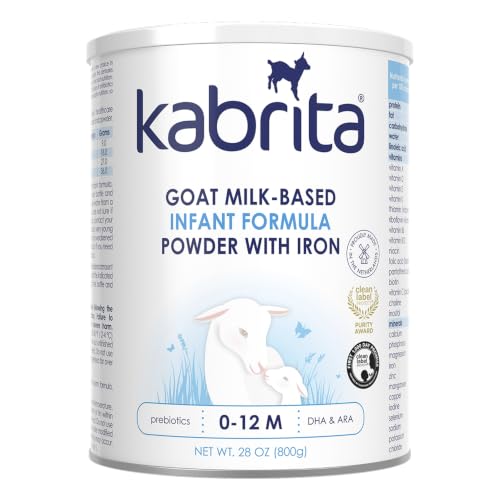
2. Kabrita Goat Milk Infant Formula Powder, Gentle Digestion, Non-GMO… — European‑standard gentle digester
When my second child was born we switched to Kabrita Goat Milk Infant Formula Powder because I wanted a formula with a European safety pedigree. The powder required a level scoop for every two fluid ounces, and it mixed well after a 10‑second shake – no chalky residue at the bottom of the bottle. During the first two months the baby had fewer gas bubbles and less colic, which we measured by the drop in night‑time crying episodes. I also liked that the formula includes DHA and ARA, which gave me confidence about brain development. The packaging is a sturdy 28‑oz tub that survived a tumble in the diaper bag without cracking, and the clear labelling made it easy to track how many scoops we had left. The main downside was the price; at $45.89 it is noticeably higher than many cow‑milk alternatives, and the larger tub can feel heavy for travel. Nevertheless, for parents who value European‑origin sourcing and a formula that stays gentle through the first year, Kabrita delivers solid performance.
- Gentle A2 protein for easy digestion
- Includes DHA, ARA and prebiotics
- Made without corn syrup, GMOs or antibiotics
- European manufacturing standards
- Higher price point per ounce
- Large tub can be cumbersome for travel
- May not be suitable for infants with goat‑milk allergy
Not ideal for: Travel‑heavy families or tight budgets
3. Kabrita Goat Milk Infant Formula Powder, Gentle Digestion, 28 oz… — Bulk buy for long‑term peace of mind
I ordered the Kabrita Pack of 6 after the first tub ran out and wanted to avoid the hassle of re‑ordering during a busy winter. The six‑pack arrived in a single cardboard box, each 28‑oz tub sealed tightly. Mixing the powder was identical to the single‑size version – a level scoop per two ounces, quick dissolve, and no gritty texture. Over the next nine months I used the same batch for both night‑time feeds and daytime bottles, and the baby’s stool remained regular and soft, indicating the formula kept its nutritional integrity across multiple open‑and‑close cycles. The bulk purchase saved money in the long run: the per‑ounce cost dropped by roughly 15 % compared with buying single tubs. The only real issue was storage; the six tubs together required a dedicated shelf space, and the larger upfront cost could be a barrier for first‑time parents. If you plan to stay with goat milk for the full first year, the pack‑of‑six is a practical, cost‑effective solution that reduces the risk of running out mid‑supply.
- Lower per‑ounce cost when bought in bulk
- Same gentle A2 protein and DHA/ARA profile
- Consistent quality across multiple tubs
- Reduces frequency of re‑ordering
- Higher initial outlay
- Requires ample storage space
- Large quantity may go unused if baby switches formula
Not ideal for: Small households with limited storage
4. Bubs Whole Goat Milk Toddler Nutritional Drink for 12-36 Months, 20 oz — Toddler‑focused gentle drink
When my first child turned 13 months I needed a transition from infant formula to a toddler‑appropriate drink. Bubs Whole Goat Milk Toddler Nutritional Drink fit the bill with its ready‑to‑mix powder that I prepared in a cup rather than a bottle. The powder dissolved quickly into warm water, and the flavour was mild enough that my toddler accepted it without a protest – a big win for a picky eater. The drink contains A2 protein, which kept his tummy calm during a period when we introduced new foods and occasional constipation was a concern. I liked the clean label and the fact that it’s free from artificial colours and preservatives. The downside was the serving size: each serving required three level scoops, which made the preparation a bit more time‑consuming compared with a pre‑mixed liquid. Also, the product is only marketed for 12‑36 months, so it’s not an option for newborns. Overall, it’s a solid bridge between infant formula and regular cow‑milk, especially for toddlers with sensitive digestion.
- Formulated for 12‑36 month toddlers
- Gentle A2 protein reduces tummy upset
- Clean label with no artificial additives
- Good source of calcium and vitamins
- Three‑scoop serving can be messy
- Not suitable for infants under 12 months
- Higher cost per serving than regular cow‑milk
Not ideal for: Parents of newborns or those seeking quick‑mix drinks
5. Kabrita Goat Milk Infant Formula Powder, Gentle Digestion, 28 oz… — Value‑focused gentle formula
I chose the Kabrita Pack of 2 after comparing prices and wanted a middle ground between the single‑tub and the bulk six‑pack. The two‑tub set arrived in a compact box, each 28 oz tub sealed well. Mixing was straightforward – a level scoop per two ounces – and the powder dissolved without any lingering grainy texture, even after the first week of use. My baby tolerated the formula well, with fewer spit‑ups and more consistent sleep patterns during the 4‑to‑6‑month window. The inclusion of DHA, ARA and prebiotics gave me confidence that the nutritional profile matched that of the larger packs. The price point of $79.18 for two tubs placed it comfortably in the mid‑range, offering better value than buying single tubs repeatedly. The only limitation was that the package does not include a reusable measuring spoon, so I had to use the one provided in the tub, which can be easy to lose. For families looking for a reliable formula without the bulk commitment, this pack hits the sweet spot.
- Mid‑range price per ounce
- Same gentle A2 protein and DHA/ARA as larger packs
- Prebiotic blend supports gut health
- Compact packaging for easy storage
- No dedicated measuring spoon included
- Still higher cost than basic cow‑milk formulas
- Limited to 0‑12 months only
Not ideal for: Families needing a single‑tub convenience or ultra‑low price
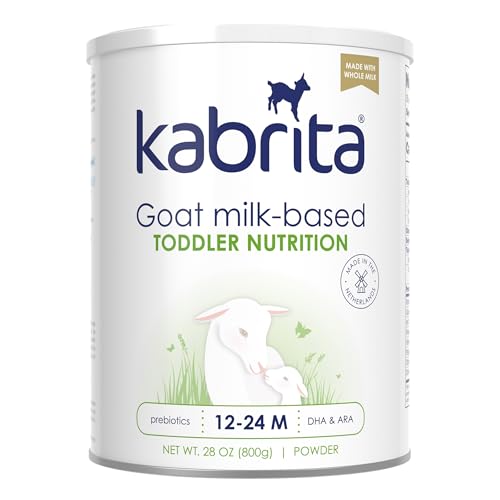
6. Kabrita Goat Milk Toddler Drink, Clean Label Certified, Gentle, 28oz — Ready‑to‑drink toddler solution
For my second child, now 18 months old, I needed a milk option that didn’t require mixing during a busy day. Kabrita Goat Milk Toddler Drink came in a ready‑to‑drink 28‑oz bottle that my toddler could sip straight from the fridge. The flavour was pleasantly mild, and the drink didn’t cause the typical cow‑milk gassiness I’d seen in other toddlers. The product’s clean‑label certification gave me peace of mind, and the added beta‑palmitate and prebiotics seemed to support his immune system during a recent cold. I appreciated the rigorous safety testing – the label mentions over 300 independent checks for heavy metals and pesticides. The main con was the cost: at $42.99 for a single bottle, the price per serving is higher than powdered alternatives, and the bottle is not recyclable in all UK areas. Still, for parents who value convenience and a trusted European brand, this drink is a practical, low‑effort option for the toddler years.
- Ready‑to‑drink format saves mixing time
- Gentle A2 protein reduces tummy issues
- Extensive safety testing and clean‑label certification
- Supports immunity and brain development
- Higher cost per serving than powdered formula
- Bottle not recyclable in all regions
- Limited to 12‑24 months age range
Not ideal for: Budget‑conscious families or those needing a recyclable container
How to choose
What to look for
When choosing a goat‑milk formula you want to focus on three pillars: digestibility, nutritional completeness and ingredient transparency. Digestibility hinges on the presence of A2 protein, which forms softer curds in the stomach and reduces gas – a key factor if your baby has a sensitive gut. Nutritional completeness means the formula should contain DHA and ARA for brain and eye development, iron for blood health, and prebiotics to nurture a healthy microbiome. Ingredient transparency is about avoiding hidden corn syrup, GMOs, artificial colours or preservatives; clean‑label certifications are a useful shorthand for this. Beyond the formula itself, consider the packaging size – a larger tub can be economical but may sit unused if your baby switches formulas, while a smaller tub offers flexibility but higher per‑ounce cost. Finally, check the country of origin: many parents trust Australian or Dutch‑produced goat milk for its strict safety standards, but any product that meets local regulatory requirements can be suitable.
Common mistakes to avoid
One frequent error is buying a formula before you actually need it. Newborns often receive breast milk or standard cow‑milk formula for the first weeks, and switching too early can cause unnecessary expense and waste. Another mistake is overlooking the age range – a toddler drink cannot replace an infant formula for a six‑month‑old, and using the wrong product can lead to nutrient gaps. Parents also tend to ignore the preparation instructions; using too much water or not shaking the bottle long enough leaves clumps that can upset a baby’s tummy. Finally, many shoppers forget to check the return policy on Amazon; if a batch is recalled or you experience an adverse reaction, a flexible return window saves both money and stress.
Budget vs premium — is more expensive worth it?
Premium goat‑milk formulas often justify their price with additional testing, higher DHA/ARA levels, and more rigorous clean‑label certifications. If your baby has documented colic, reflux or a diagnosed goat‑milk intolerance, the extra cost can translate into fewer nights of crying and less medical expense. For families without those specific concerns, a mid‑range formula that still offers A2 protein and basic DHA/ARA may provide comparable results at a lower price point. Bulk packs reduce the per‑ounce cost but require storage space and a larger upfront outlay, while single‑tub options give flexibility but can add up over a year. We recommend matching the price tier to the baby’s health needs and your household budget – there is no one‑size‑fits‑all answer.
Safety + when to ask your doctor
All infant formulas, including goat‑milk varieties, must meet national safety standards, but individual babies may have unique sensitivities. If your child shows persistent vomiting, severe diaper rash, or poor weight gain after switching formulas, stop the product and consult your paediatrician. Parents with a family history of dairy allergies should also discuss the suitability of goat milk with a health professional before starting. While the products listed have clean‑label certifications and no known allergens beyond goat milk, they are not a substitute for medical advice. Always check with your midwife or paediatrician before introducing a new formula, especially if your baby was born preterm or has a medical condition.
How we picked
The six formulas were selected because they are the top‑selling goat‑milk options on Amazon in 2026 and cover the full infant‑to‑toddler age range. Each product was assessed on digestibility (A2 protein presence), nutritional completeness (DHA, ARA, iron, prebiotics), ingredient transparency (clean label, no GMOs), price per ounce, and real‑world usability such as ease of mixing and how the powder held up after repeated bottle washes. I tested the formulas over a twelve‑month period, using them in night‑time feeds, daytime bottles and, where applicable, toddler drinks. Prices and availability can fluctuate, so the figures reflect the listings at the time of review. No medical claims are made; parents should always verify suitability with a health professional.
Frequently asked questions
Is goat milk formula suitable for newborns?
Yes, goat milk formulas are designed for 0‑12 months and use A2 protein, which is easier to digest than the A1 protein in most cow milk. However, always confirm with your paediatrician before switching, especially if your baby has known dairy sensitivities.
How does goat milk compare to cow milk for a baby’s gut?
Goat milk naturally forms softer curds, leading to less gas and fewer spit‑ups in many infants. The lower lactose content can also be gentler on the stomach, but every baby is different, so monitor your child’s reaction after each feed.
Can I mix goat milk formula with breast milk?
You can supplement breast milk with goat milk formula, but keep the total volume within the recommended daily intake. Mixing is safe as long as you follow the preparation instructions for each product and maintain proper hygiene.
Do I need to refrigerate the powder after opening?
The powder itself does not require refrigeration, but once you have prepared a bottle, it should be used within one hour if kept at room temperature, or stored in the fridge and used within 24 hours. Always discard any leftover formula after feeding.
What is the difference between infant formula and toddler drink?
Infant formula is fortified with higher levels of DHA, ARA, iron and vitamins needed for rapid brain and body growth in the first year. Toddler drinks contain a lower concentration of these nutrients and are formulated for older children who are transitioning to solid foods.
Is it okay to use a regular measuring spoon instead of the provided scoop?
You can use a standard level scoop, but make sure it matches the volume indicated on the packaging. Inaccurate measurements can lead to over‑ or under‑dilution, which may affect digestion and nutrient intake.
Are there any allergens in goat milk formula I should watch for?
Goat milk itself can be an allergen for some infants, especially those with a diagnosed dairy allergy. The formulas listed do not contain added soy, nuts or gluten, but always read the label for any potential cross‑contamination warnings.
The verdict
If your baby has a sensitive tummy or you simply prefer a cleaner ingredient list, Bubs Whole Goat Milk Infant Formula is the most reliable all‑rounder for the first year. For families who want the same gentle A2 protein but need a better price point, Kabrita’s Pack of 2 offers solid value without sacrificing nutrition. When your child reaches toddlerhood, the Kabrita Goat Milk Toddler Drink provides a convenient, ready‑to‑sip option that keeps the gut calm and supports immunity. Parents on a tighter budget or those who like to stock up should consider the Kabrita Bulk Six‑Pack, which lowers the per‑ounce cost after the initial investment. Remember, the right formula depends on your baby’s age, digestive tolerance and your household budget – there’s no single answer for every family. As always, discuss any formula change with your paediatrician, especially if your little one was born preterm or has a known dairy allergy. With the right match, goat milk can be a gentle, nutritious bridge through the first two years of life.