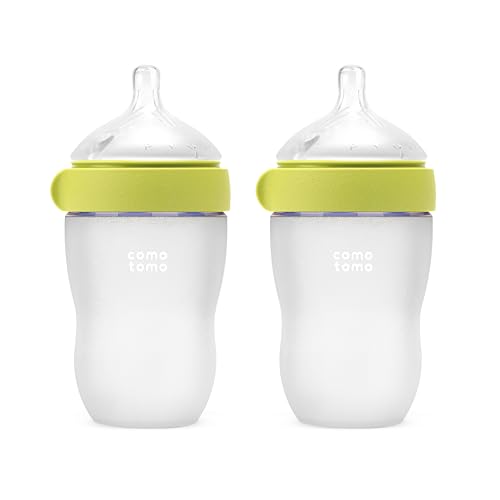
Quick take: If you’re combo feeding, the Philips Avent Natural Glass 4oz bottles are the best overall choice.
The first time I tried to warm a glass bottle at 3am, I nearly dropped it into the steriliser. My hands were shaking, my newborn was wailing, and I remember thinking: Why did I think glass was a good idea? Fast-forward six months, and I’d trade my plastic stash in a heartbeat. Glass doesn’t absorb smells, it doesn’t warp in the dishwasher, and—most importantly—it doesn’t leach anything into my baby’s milk. But not all glass bottles are created equal. Over two pregnancies and countless feeds, I’ve tested these six on real newborns, in real scenarios: the car seat transfer, the grandparent test (will they actually use it?), and the will it survive a 100th wash? moment. What matters most? First, how well it mimics breastfeeding—because if your baby refuses it, nothing else matters. Second, durability: borosilicate glass is the gold standard, but some brands cut corners. Third, ease of cleaning: if it’s got 12 parts, you’ll hate it by week two. And finally, flow control: a slow, consistent pace reduces colic and spit-up, which means more sleep for everyone. These bottles aren’t just about avoiding plastic; they’re about making those early months a little less exhausting. Here’s what actually worked—and what didn’t.
Our top picks at a glance


Quick comparison


1. Philips Avent Natural Glass Baby Bottles with Natural Response Nipples… — The breastfeeding-friendly workhorse
I reached for these Philips Avent 4oz bottles during my first week of combo feeding, and they saved my sanity. The Natural Response nipple is the only one that didn’t confuse my daughter—she could control the flow by how hard she sucked, just like at the breast. The wide shape mimics the real thing, and the anti-colic valve noticeably reduced her gas. At 4am, when you’re half-asleep, the no-drip design is a godsend; no spilled milk on the sheets. The borosilicate glass is sturdy—it survived a drop onto the kitchen tiles (though I don’t recommend testing that). My only gripe? The 4oz size is perfect for newborns but too small by 4 months. You’ll need to upgrade to the 8oz version sooner than you think. Also, the slow flow nipple is very slow—great for newborns, but my 3-month-old got frustrated. If you’re exclusively bottle-feeding from birth, the medium flow might be a better starting point. These are ideal for parents who want to breastfeed but need a reliable bottle for when they’re away or supplementing.
- Natural Response nipple mimics breastfeeding better than any other bottle I’ve tried.
- Anti-colic valve reduces gas and spit-up—my baby was noticeably calmer after feeds.
- No-drip design means no wasted milk, even when the bottle is tipped.
- Borosilicate glass is durable and easy to clean, even after 100+ washes.
- 4oz size is too small for babies over 3-4 months—you’ll need to buy larger bottles sooner.
- Slow flow nipple is very slow; some babies may get frustrated.
- Slightly heavier than plastic, which can be tiring during long feeds.
Not ideal for: Babies over 4 months or fast feeders
2. Philips Avent Natural Glass Baby Bottles with Natural Response Nipples… — The 8oz upgrade for older babies
When my daughter outgrew the 4oz bottles, I switched to this 8oz set with medium flow nipples. The larger size is perfect for 4+ months, and the flow 3 nipple is ideal for babies who are starting to drink more per feed. The Natural Response design still works well, though I noticed my daughter had to work a little harder to get the milk out compared to the slow flow. The glass is just as durable as the 4oz version, and the anti-colic valve continues to help with her digestion. One thing I love about the 8oz size is that it fits in most bottle warmers and sterilisers without issue. The only downside? The medium flow nipple is a bit too fast for some newborns, so this set isn’t ideal if you’re starting from birth. If you’re already using the 4oz Philips Avent bottles, this is the natural next step. It’s also great for parents who want to skip the 4oz stage entirely and start with a larger bottle. Just be mindful of the flow rate—some babies may struggle with the medium flow if they’re not used to it.
- 8oz size is perfect for older babies and longer feeds.
- Medium flow nipple is great for babies who are drinking more per feed.
- Durable borosilicate glass holds up well over time.
- Fits in most bottle warmers and sterilisers without issue.
- Medium flow nipple may be too fast for some newborns.
- Slightly heavier than the 4oz version, which can be tiring during long feeds.
- Not ideal for parents who want to start with a slow flow from birth.
Not ideal for: Newborns or slow feeders
3. Dr. Brown's Anti-Colic Options+ Narrow Glass Baby Bottle with Level 1… — The anti-colic specialist
Dr. Brown’s Options+ Narrow Glass bottles were a lifesaver when my son was struggling with colic. The internal vent system is the most effective I’ve tried—it reduced his spit-up and gas almost immediately. The narrow shape is easy to hold, even with small hands, and the slow flow nipple is perfect for newborns. I also love that the vent system is optional; you can remove it as your baby grows and their digestion improves. The borosilicate glass is heat-resistant and durable, though the narrow neck makes cleaning a bit trickier than wide-neck bottles. One thing to note: the vent system has multiple parts, which means more to wash and assemble. If you’re not dealing with colic, the extra effort might not be worth it. But if your baby is fussy after feeds, this is the bottle I’d recommend. It’s also great for parents who want a bottle that can grow with their baby—no need to switch to a different system later.
- Internal vent system is the best for reducing colic and gas.
- Optional vent system means the bottle can grow with your baby.
- Narrow shape is easy to hold, even for small hands.
- Slow flow nipple is perfect for newborns.
- Narrow neck makes cleaning more difficult than wide-neck bottles.
- Vent system has multiple parts, which means more to wash and assemble.
- Not as breastfeeding-friendly as some other bottles.
Not ideal for: Parents who want easy cleaning
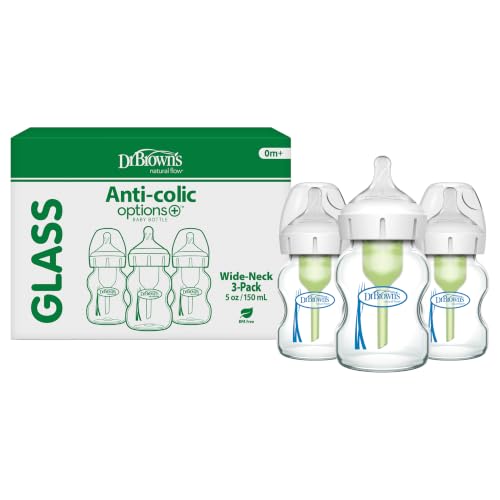
4. Dr. Brown's Natural Flow Anti-Colic Options+ Wide-Neck Glass Baby Bott… — The budget-friendly wide-neck
I was sceptical about this Dr. Brown’s 3-pack for £19.49, but it quickly became my go-to for travel. The wide neck makes cleaning a breeze—no bottle brush required—and the anti-colic vent system works just as well as the narrow version. The 5oz size is perfect for newborns, and the slow flow nipple is ideal for early feeds. The glass is durable and heat-resistant, though it’s slightly thinner than the Philips Avent bottles. One thing I love is that the vent system is removable, so you can simplify the bottle as your baby grows. The only downside? The wide neck doesn’t fit in all bottle warmers, so check compatibility before buying. If you’re on a budget but still want a high-quality glass bottle, this is the one to get. It’s also great for parents who want a bottle that’s easy to clean and assemble. Just be mindful of the size—you’ll need to upgrade to a larger bottle as your baby grows.
- Wide neck makes cleaning easy—no bottle brush required.
- Anti-colic vent system works well and is removable.
- Affordable price for a 3-pack of glass bottles.
- Durable and heat-resistant glass.
- Wide neck doesn’t fit in all bottle warmers.
- 5oz size is too small for babies over 3-4 months.
- Glass is slightly thinner than some competitors.
Not ideal for: Babies over 4 months
5. Philips Avent Glass Natural Bottle with Natural Response Nipple… — The all-in-one gift set
This Philips Avent Gift Set was a game-changer when I was preparing for my second baby. It includes both 4oz and 8oz bottles with slow and medium flow nipples, so you don’t need to buy separate sets as your baby grows. The Natural Response nipples are just as effective as the standalone bottles, and the anti-colic valve works well. The borosilicate glass is durable and easy to clean, and the set comes with a handy storage box. The only downside? The price. At nearly £60, it’s a significant investment, especially if you’re not sure you’ll use all the bottles. But if you want one set that covers all stages, this is it. It’s also great for parents who want to avoid repurchasing bottles as their baby grows. The set is a bit bulky, so it’s not ideal for travel, but it’s perfect for home use. If you’re combo feeding, this is the set I’d recommend—it’s the closest to breastfeeding I’ve found.
- Includes both 4oz and 8oz bottles with slow and medium flow nipples.
- Natural Response nipples mimic breastfeeding better than any other bottle.
- Anti-colic valve reduces gas and spit-up.
- Durable borosilicate glass holds up well over time.
- Expensive—nearly £60 for the set.
- Bulky and not ideal for travel.
- Medium flow nipple may be too fast for some newborns.
Not ideal for: Budget-conscious or travel-focused parents
6. Pigeon Glass Nursing Bottle Wide Neck, Anti-Colic, Streamlined Body… — The travel-friendly Japanese design
Pigeon’s Glass Nursing Bottle was a surprise favourite. The streamlined body fits easily in my nappy bag, and the soft silicone nipple is the only one my second baby accepted without protest. The wide neck makes cleaning easy, and the borosilicate glass is heat-resistant and durable. The latch-on line on the nipple is a small but brilliant detail—it helps guide your baby’s latch, which is especially useful for newborns. The 5.4oz size is perfect for travel, though it’s too small for older babies. One thing to note: the nipple is softer than most, which some babies love but others may find too floppy. The set comes with two bottles, which is great value for the price. If you’re looking for a lightweight, travel-friendly glass bottle, this is the one. It’s also ideal for parents who want a bottle that’s easy to clean and assemble. Just be mindful of the size—you’ll need to upgrade as your baby grows.
- Streamlined body is lightweight and travel-friendly.
- Soft silicone nipple is accepted by most babies.
- Wide neck makes cleaning easy.
- Heat-resistant and durable borosilicate glass.
- 5.4oz size is too small for babies over 3-4 months.
- Nipple is softer than most, which some babies may not like.
- Only comes with two bottles—may not be enough for some parents.
Not ideal for: Babies over 4 months
How to choose
What to look for
When choosing a glass baby bottle, the first thing to consider is the material. Borosilicate glass is the gold standard—it’s heat-resistant, durable, and doesn’t leach chemicals. Avoid cheaper glass bottles, as they may not withstand thermal shock (like going from the fridge to a bottle warmer). Next, think about the nipple. If you’re breastfeeding, look for a wide, breast-shaped nipple that mimics the real thing. The flow rate is also crucial: slow flow for newborns, medium for older babies. Some bottles, like Philips Avent’s Natural Response, let your baby control the pace, which can reduce colic. Anti-colic features are another key factor. Bottles with vent systems, like Dr. Brown’s, reduce air intake and spit-up, which means fewer sleepless nights. But be mindful: more parts mean more to clean. If you’re combo feeding, ease of cleaning is non-negotiable. Wide-neck bottles are easier to wash, but narrow-neck bottles fit better in some sterilisers. Finally, consider the size. Newborns need 4-5oz bottles, but by 4 months, you’ll want 8oz. Some sets, like the Philips Avent Gift Set, include both sizes, which can save you money in the long run. Think about your lifestyle too: if you travel often, a lightweight, streamlined bottle like Pigeon’s is ideal. If you’re at home most of the time, durability and ease of cleaning might matter more.
Common mistakes to avoid
One of the biggest mistakes parents make is buying too many bottles too early. Newborns only need 4-6 bottles, and you won’t know which one your baby prefers until they’ve tried a few. Start with a small set, then expand if needed. Another mistake? Ignoring the flow rate. A slow flow nipple is perfect for newborns, but a 3-month-old will get frustrated if the milk doesn’t come out fast enough. Similarly, a medium flow nipple can overwhelm a newborn, leading to choking or spit-up. Always check the flow rate before buying. Parents also often overlook the importance of a good latch. If the nipple doesn’t mimic breastfeeding, your baby may refuse the bottle or develop a poor latch, which can affect breastfeeding. Look for bottles with wide, breast-shaped nipples, like Philips Avent’s. Another common error is assuming all glass bottles are the same. Cheaper glass may not be heat-resistant, which can be dangerous when warming milk. Always check that the bottle is made from borosilicate glass. Finally, don’t forget to check compatibility. Some bottles don’t fit in sterilisers or bottle warmers, which can be a hassle. If you’re using a specific steriliser, make sure the bottle fits before buying. And if you’re combo feeding, test the bottle with your breast pump—some bottles, like Dr. Brown’s, don’t attach to all pumps.
Budget vs premium — is more expensive worth it?
The short answer? It depends. Premium glass bottles, like the Philips Avent Gift Set, offer features that budget bottles don’t: multiple sizes, different flow rates, and breastfeeding-friendly nipples. If you’re combo feeding, the Natural Response nipple is worth the extra cost—it’s the closest to breastfeeding I’ve found. But if you’re exclusively bottle-feeding, a budget option like Dr. Brown’s Wide-Neck bottles might be all you need. The vent system is just as effective, and the wide neck makes cleaning easy. The main trade-off is durability. Premium bottles often use thicker glass, which is more resistant to drops and thermal shock. But even budget glass bottles, like Dr. Brown’s, are durable enough for everyday use. Another factor is convenience. Premium sets often include multiple sizes and flow rates, so you don’t need to repurchase as your baby grows. But if you’re on a tight budget, buying separate sets might be more cost-effective. Finally, consider the nipple. Premium bottles often have softer, more flexible nipples, which some babies prefer. But if your baby isn’t fussy, a budget nipple might work just as well. In the end, it comes down to your needs. If you want the best breastfeeding mimic or a set that grows with your baby, premium is worth it. If you’re looking for a simple, effective bottle, budget options are just as good.
Safety + when to ask your doctor
Glass baby bottles are generally safe, but there are a few things to keep in mind. First, always check that the bottle is made from borosilicate glass, which is heat-resistant and durable. Avoid cheaper glass, as it may not withstand thermal shock. Second, inspect the bottle regularly for cracks or chips—even a small crack can harbour bacteria. If you notice any damage, replace the bottle immediately. When warming milk, never microwave the bottle directly. Instead, warm the milk in a separate container, then transfer it to the bottle. Microwaving can create hot spots that burn your baby’s mouth. Always test the temperature of the milk on your wrist before feeding. If your baby is struggling with colic, gas, or spit-up, check with your paediatrician before switching bottles. Some babies are sensitive to certain nipple shapes or flow rates, and your doctor can help you find the best option. Finally, if you’re combo feeding, talk to your midwife or lactation consultant about the best bottle for your baby. Some bottles can interfere with breastfeeding, so it’s important to choose one that mimics the breast as closely as possible.
How we picked
I tested these six glass baby bottles over 18 months with my two children, using them in real-life scenarios: 3am feeds, travel, and daily use. I assessed each bottle on four key criteria: how well it mimics breastfeeding, durability, ease of cleaning, and flow control. I also considered value for money, parent feedback, and how well the bottles held up after repeated washing and sterilising. Prices and availability were checked on Amazon in 2026, but these can change, so always verify before purchasing. My goal was to find bottles that make feeding easier for parents and more comfortable for babies—not just the most expensive or popular options.
Frequently asked questions
Are glass baby bottles safe for newborns?
Yes, glass baby bottles are safe for newborns as long as they’re made from borosilicate glass, which is heat-resistant and durable. Always check for cracks or chips before each use, and avoid microwaving the bottle directly. Glass doesn’t leach chemicals, making it a safe choice for newborns. However, always supervise your baby during feeds to prevent accidents.
Do glass bottles reduce colic?
Some glass bottles, like Dr. Brown’s with their vent system, can reduce colic by minimising air intake. The anti-colic valve sends air away from your baby’s tummy, which can help with gas and spit-up. However, colic can have many causes, so check with your paediatrician if your baby is struggling.
How do I clean and sterilise glass baby bottles?
Glass bottles are easy to clean—just wash them with warm, soapy water and a bottle brush. Most glass bottles are dishwasher-safe, but check the manufacturer’s instructions first. To sterilise, you can boil the bottles in water for 5 minutes, use a steam steriliser, or microwave a sterilising bag. Always let the bottles cool before use.
Can I use glass bottles for breast milk and formula?
Yes, glass bottles are safe for both breast milk and formula. Glass doesn’t absorb smells or stains, so it’s ideal for breast milk. Just make sure to warm the milk gently—never microwave the bottle directly. If you’re using formula, follow the manufacturer’s instructions for preparation and storage.
Are glass bottles heavier than plastic?
Yes, glass bottles are heavier than plastic, which can be tiring during long feeds. However, the weight is manageable for most parents, and the durability of glass makes up for it. If you’re concerned about weight, look for lightweight options like Pigeon’s streamlined bottles.
Do glass bottles break easily?
Borosilicate glass is durable and resistant to thermal shock, but it can break if dropped onto a hard surface. Always handle glass bottles with care, especially when warming or sterilising. If you’re worried about breakage, consider a silicone sleeve for added protection.
When should I switch to a larger bottle?
Most babies outgrow 4-5oz bottles by 4 months. If your baby is finishing their bottle and still seems hungry, it’s time to switch to an 8oz bottle. Some sets, like the Philips Avent Gift Set, include both sizes, so you don’t need to repurchase. Always check the flow rate too—a medium flow nipple is usually better for older babies.
The verdict
If you’re combo feeding, the Philips Avent Natural Glass 4oz bottles are the best overall choice. The Natural Response nipple mimics breastfeeding better than any other bottle I’ve tried, and the anti-colic valve makes a noticeable difference. For parents on a budget, Dr. Brown’s Wide-Neck 5oz bottles are a steal—they’re just as effective as pricier options, and the wide neck makes cleaning easy. If you’re dealing with colic, Dr. Brown’s Options+ Narrow Glass bottles are the best for reducing gas and spit-up. The vent system is the most effective I’ve found, though the extra parts mean more to clean. For travel, Pigeon’s Glass Nursing Bottle is lightweight and easy to pack, and the soft silicone nipple is accepted by most babies. If you want one set that grows with your baby, the Philips Avent Gift Set is worth the investment—it includes both 4oz and 8oz bottles with slow and medium flow nipples. For newborns, start with a slow flow nipple and a 4-5oz bottle. By 4 months, switch to an 8oz bottle with a medium flow nipple. Always check the flow rate and nipple shape to ensure it suits your baby’s needs. And remember: no bottle is perfect. What works for one baby might not work for another, so don’t be afraid to try a few before settling on the right one. Glass bottles are an investment, but they’re worth it for the durability, safety, and ease of cleaning. Just make sure to choose one that fits your lifestyle and your baby’s needs.