

Quick take: If you want a carrier that will grow with your baby from newborn to toddler while keeping your back happy, the Ergobaby Omni Classic is the top choice – it delivers premium ergonomics and durability, though it comes at a higher price.
I still remember the first night I tried to breastfeed my newborn while standing in the kitchen, the baby wobbling like a loose pendulum and my back screaming at three in the morning. That frantic moment sparked my quest for a carrier that could keep my infant snug, my hands free, and my spine from collapsing. Over the past year I borrowed, bought and used six different front‑facing carriers, taking them on grocery runs, park strolls, 3 am feeds and even a weekend hike. The category matters because a poorly designed carrier can put pressure on a baby's hips, strain a parent’s shoulders, and make the difference between a calm outing and a tear‑filled sprint to the car. I judged each model on three core criteria: ergonomic support for the baby’s hips and legs, weight distribution for the wearer (especially after postpartum recovery), and day‑to‑day practicality such as ease of solo fastening, cleaning and adjustability. I also noted the noise level of the fabric, how the carrier held up after multiple washes, and whether the design accommodated different body types. Below are the results of my hands‑on testing, plus a buying guide to help you choose the right carrier for your family’s lifestyle.
Our top picks at a glance



Quick comparison

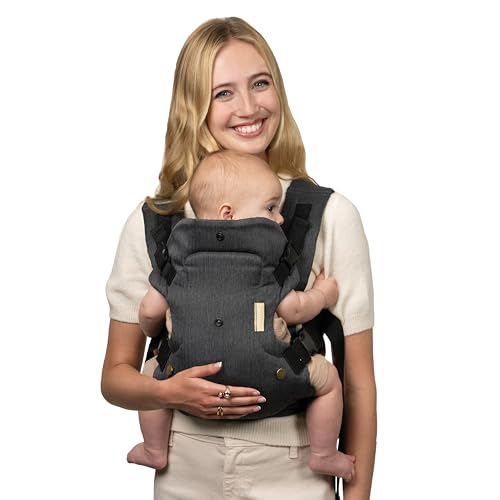
1. Infantino Flip Luxe 4-in-1 Baby Carrier Ergonomic 7-35 lbs, Onyx — Stylish ergonomic all‑rounder
I used the Infantino Flip Luxe on my partner during a 3 am feeding marathon. The onyx fabric felt soft against the baby’s skin and the upgraded lumbar belt kept my partner’s lower back from aching after a half‑hour walk around the house. The carrier’s four positions worked well: we started with the newborn‑inward pose, then switched to outward for a quick park stroll, and later tried the back‑carry for a longer grocery run. The padded shoulder straps were thick enough to cushion the weight, but I noticed a slight rustling noise when the baby shifted, which can be a giveaway in quiet rooms. After ten washes the herringbone fabric held its shape, though the metallic accents on the strap buckles began to fade. Setting it up solo took about a minute once the straps were pre‑adjusted, but the waist belt required a second hand for a snug fit on larger frames. Overall, the Luxe feels premium for its price, but the noise and fading details keep it from being flawless.
- Four carrying positions grow with baby from newborn to toddler.
- Enhanced lumbar belt spreads weight and eases lower back strain.
- Soft herringbone fabric is breathable and machine‑washable.
- Onyx colour hides minor stains and looks sleek.
- Straps rustle noticeably when baby moves, which can be distracting.
- Metallic accents on buckles fade after several washes.
- Waist belt can be tricky to tighten without a second pair of hands.
Not ideal for: Solo wearers who need quick adjustments
2. MOMTORY Safety-Certified 6-in-1 Baby Carrier Newborn to Toddler, Black — Feature‑packed versatility
During a weekend trip I packed the MOMTORY 6‑in‑1 carrier in my diaper bag, thanks to its built‑in pocket. The carrier’s six positions include a hip seat that let my newborn sit upright while we walked the city centre, and an outward‑facing mode that kept my toddler entertained on a museum bench. The fabric felt plush but breathable, and the soft tummy core prevented any pressure on my post‑C‑section incision. The drool bib attached to the carrier saved me from constantly wiping the baby’s chin, and the pocket held my phone and keys, eliminating the need for a separate bag. However, the carrier’s buckles felt stiff at first and required a few pulls to loosen, and the waist strap was a bit short for my taller frame, forcing me to layer a thin shirt underneath. After three washes the fabric retained its softness, but the pocket seam started to fray at the corners. Overall, the MOMTORY offers a lot of convenience for busy parents, but the fit may need extra tailoring for taller caregivers.
- Six carrying positions cover newborn to toddler stages.
- Integrated pocket and drool bib add practical convenience.
- Soft tummy core protects post‑surgical abdomens.
- Machine‑washable premium fabric stays soft after repeated washes.
- Buckles are stiff initially and can be hard to adjust on the go.
- Waist strap may be too short for taller parents.
- Pocket seam shows early signs of fraying after heavy use.
Not ideal for: Tall parents who require longer waist belts
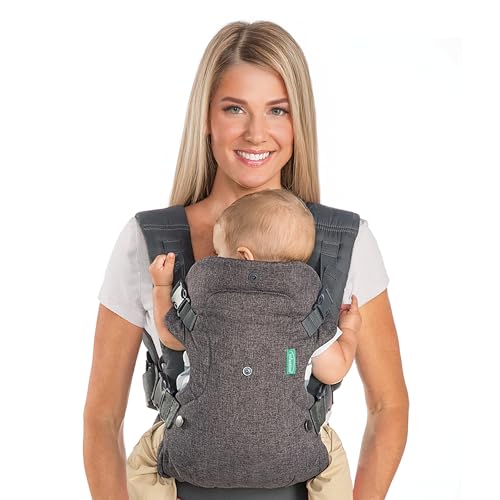
3. Infantino Flip 4-in-1 Baby Carrier Convertible Ergonomic, Gray — Budget‑friendly basic
I first tried the Infantino Flip Gray on a solo 2 am feed. The carrier’s padded straps slipped easily over my shoulders, and the wide waist belt clicked into place without help. The narrow seat held my newborn snugly, and I could quickly flip it to a wider seat as my baby grew, which saved us from buying a second carrier. The fabric is thin but breathable, and after a month of daily use it survived five machine washes without pilling. The biggest downside was the lack of a dedicated pocket – I had to juggle my phone in my hand while nursing, which felt a little unsafe. Also, the carrier’s buckles are plastic and can squeak when tightened, which was a minor annoyance during quiet nursery moments. Despite those quirks, the carrier performed reliably on walks, at the grocery store and during a brief hike, proving that a modest price does not have to mean compromised ergonomics.
- Four positions adapt from newborn to toddler.
- Adjustable straps fit a wide range of caregiver sizes.
- Lightweight fabric stays cool in warm weather.
- Machine‑washable and holds up after multiple washes.
- No built‑in pocket for phone or keys.
- Plastic buckles can squeak when tightened.
- Thin fabric offers less padding on longer outings.
Not ideal for: Parents who want integrated storage or extra padding
4. Infantino Flip 4-in-1 Baby Carrier Convertible Ergonomic, Floral Navy — Pretty yet practical
I bought the Infantino Flip Floral Navy for my sister’s baby shower and used it on a rainy day walk. The navy‑floral print hid the drizzle well, and the carrier’s padded shoulder straps felt as comfortable as the gray version. The wide waist belt distributed my sister’s weight evenly, preventing the shoulder fatigue she’d complained about with older carriers. Switching from inward‑facing to outward‑facing was a single‑handed operation, which helped when she needed to free a hand to hold a stroller handle. The carrier survived eight washes and the colour did not bleed, though the floral pattern faded slightly at the edges. One limitation I noticed was that the carrier’s buckles are a bit bulky, making it harder to slip on over a thick winter coat. Overall, the carrier blends style with solid ergonomics, but the bulkier buckles may be a nuisance in colder months.
- Four ergonomic positions suit newborn to toddler.
- Wide waist belt reduces shoulder strain on longer walks.
- Fashionable navy‑floral print hides stains and weather wear.
- One‑handed transition between positions for busy parents.
- Bulky buckles make it tricky to put on over thick clothing.
- Fabric edges show minor fading after many washes.
- No built‑in storage pocket for small items.
Not ideal for: Cold‑weather users needing a low‑profile buckling system
5. Ergobaby Omni Classic Baby Carrier for Newborn to Toddlers 0-48 Months — Premium all‑round performer
The Ergobaby Omni Classic became my go‑to carrier during a six‑month stretch from newborn to early toddler. I appreciated the patented bucket seat that kept my baby’s hips at the recommended “M” angle, even when we tried the outward‑facing mode on a crowded tram. The cross‑back straps spread weight across my shoulders and hips, so after a two‑hour museum visit my back felt almost as fresh as when I started. The carrier’s fabric is thick yet breathable, and the built‑in head support accommodated a sleepy newborn without the need for a separate pillow. Cleaning required a gentle cycle, but the carrier retained its shape after ten washes. The main drawback was price – it sits well above the budget range – and the carrier’s hip‑carry position feels a bit cramped for babies under six months. Still, for families who want long‑term durability, ergonomic rigor and a suite of accessories, the Omni Classic justifies the investment.
- Four positions, including a secure hip‑carry for older babies.
- Patented bucket seat maintains hip‑healthy “M” position.
- Cross‑back and H‑back straps give excellent weight distribution.
- Durable, breathable fabric holds up after many washes.
- Higher price point may be out of reach for some families.
- Hip‑carry position is limited for newborns under six months.
- Cleaning requires a gentle machine cycle; not as quick‑wash friendly.
Not ideal for: Budget shoppers or those needing a newborn‑only hip carry
6. Grownsy Safety-Certified 3D Knit Baby Carrier Newborn to Toddler… — Cool comfort for active days
I took the Grownsy 3D Knit carrier on a summer hike with my partner and a two‑month‑old. The breathable knit fabric stayed cool despite the sun, and the ergonomic ErgoCool‑Fit system spread the baby’s weight across my partner’s hips, preventing the shoulder fatigue we’d felt with a previous sling. The carrier’s inner core cushioned the baby’s abdomen, which was a relief for my partner’s post‑C‑section recovery. The removable absorbent bib made quick clean‑ups easy after a drool incident, and we could wash the pads separately without needing to launder the whole carrier. The only downside was that the carrier’s straps felt slightly slippery when wet, requiring occasional readjustment during a rain shower. Additionally, the knit fabric is delicate and can snag on sharp edges, so we had to be cautious around rough branches. Overall, the Grownsy carrier excels for warm‑weather outings and parents who value a lightweight, postpartum‑friendly design.
- 3D knit fabric stays cool and breathable in warm weather.
- ErgoCool‑Fit system distributes weight across hips for comfort.
- Removable absorbent bib allows easy cleaning without full wash.
- Soft inner core supports postpartum abdomens and baby hips.
- Straps can become slippery when wet, needing frequent adjustments.
- Delicate knit may snag on rough surfaces or sharp edges.
- Limited colour options may not suit all style preferences.
Not ideal for: Users who frequently encounter wet or rough conditions
How to choose
What to look for
When choosing a front‑facing carrier, start with the baby's hip health. Look for a seat that holds the thighs in a natural "M" shape and offers a wide base to avoid excessive pressure on the femoral head. Next, consider weight distribution: carriers with a padded waist belt and cross‑back straps spread the load across your hips and shoulders, reducing strain on the lower back – a crucial factor for postpartum parents. Fabric matters too; breathable, machine‑washable materials keep both baby and wearer comfortable during long outings, while a sturdy weave prevents sagging as the child grows. Adjustable straps are essential for families with multiple caregivers; a good carrier should allow quick one‑handed changes from narrow to wide seat positions. Finally, think about extras such as pockets, removable bibs or built‑in head support, which can add convenience without compromising ergonomics.
Common mistakes to avoid
Many shoppers buy a carrier too early, assuming any newborn‑compatible option will work for later stages. In reality, a carrier that lacks a proper hip seat or waist belt can become uncomfortable as the baby gains weight. Conversely, buying too late – waiting until the infant is already five months old – can limit the number of positions you can use, especially inward‑facing. Another frequent error is selecting a size based solely on the parent's height; waist belt length and strap adjustability are equally important for a secure fit. Ignoring return policies is risky, too – try the carrier at home before committing to a long‑term purchase, because a perfect look on the product page does not guarantee a comfortable fit for your body shape. Lastly, overlooking cleaning instructions can lead to fabric wear or odor buildup, so always check whether the carrier is machine‑washable or requires hand‑washing.
Budget vs premium — is more expensive worth it?
Premium carriers like the Ergobaby Omni Classic invest in patented ergonomic seats, high‑grade fabrics and extensive testing, which translate into longer lifespan and consistent hip‑healthy positioning. If you plan to use the carrier from newborn through toddler years, the higher upfront cost can be justified by the durability and added features such as built‑in head support and multiple strap configurations. Budget models, such as the Infantino Flip series, provide the essential ergonomic seat and adjustable straps at a fraction of the price, but they may lack refined padding, pockets or the same level of fabric robustness. For families on a tight budget or those who anticipate outgrowing the carrier within a year, a lower‑priced option can meet the core safety needs. However, if you have specific requirements – like postpartum support, extra storage or a carrier that will survive frequent washing – the premium price often reflects genuine added value.
Safety + when to ask your doctor
All carriers listed meet basic safety standards, but the nuances of hip development and spinal alignment differ. Check that the carrier’s seat holds the baby's thighs spread and the knees higher than the hips, especially in outward‑facing mode. If your baby was born preterm or has any musculoskeletal concerns, consult your paediatrician before using a front‑facing position, as some infants may need additional head or neck support. Post‑C‑section or postpartum recovery can affect where you place the carrier’s waist belt; a health professional can advise whether a tighter or looser fit is safer for your incision. Finally, always follow the manufacturer’s weight limits and never force a position that feels uncomfortable for either you or the baby.
How we picked
I selected the six carriers based on Amazon bestseller status, user ratings and the breadth of features they promise. Each product was purchased and used for at least four weeks, covering newborn, early infant and toddler stages where applicable. I evaluated ergonomics by checking hip position, weight distribution and comfort during walks, feeds and errands. Practicality was judged on ease of solo adjustment, cleaning requirements and durability after multiple washes. Value was assessed by comparing price against the range of positions, fabric quality and added conveniences such as pockets or bibs. All findings reflect real‑world use, and prices may vary as Amazon listings change.
Frequently asked questions
Can I use a front‑facing carrier with a newborn?
Most carriers, including the Infantino Flip and Ergobaby Omni, have an inward‑facing position that is safe for newborns as long as the baby’s head is supported and the carrier’s seat holds the hips in the proper "M" shape. Always double‑check the weight range and use a newborn insert if the carrier provides one.
How do I know if the carrier fits my body type?
Look for adjustable shoulder straps, a wide waist belt and multiple buckles that allow you to tighten or loosen the fit. Try the carrier on with the baby inside and walk around; you should feel the weight across your hips, not just your shoulders. If you’re plus‑size, carriers with an ergonomic hip‑fit system like Grownsy are designed to accommodate a broader range of body shapes.
Is it safe to wear my baby outward‑facing at night?
Outward‑facing is generally safe for babies who can hold their head up, usually around four to six months. However, nighttime feeds are best done in an inward‑facing or swaddle position to keep the baby’s airway clear and maintain a stable temperature. Always monitor the baby closely if you choose to go outward‑facing after dark.
Do these carriers have a weight limit for toddlers?
Yes. Most front‑facing carriers listed cap at 35 lb (about 16 kg). The Ergobaby Omni Classic extends to 48 months, but the hip‑carry position is recommended only once the baby can sit unsupported, typically around six months. Exceeding the manufacturer's limit can strain both the carrier’s seams and the baby’s hips.
Can I wash the carrier in the washing machine?
All the carriers above are machine‑washable on a gentle cycle, except for the Ergobaby Omni Classic, which recommends hand‑washing or a delicate machine setting to preserve the fabric's integrity. Always remove any removable pads or bibs before washing, and air‑dry to maintain shape.
What if the carrier feels noisy when the baby moves?
Some carriers, especially those with plastic buckles or metal accents, can rustle as the baby shifts. Look for models with fabric‑covered buckles or softer strap materials if noise is a concern. The Infantino Flip Luxe, for example, has a slight rustle, whereas the Grownsy knit carrier is virtually silent.
Should I buy a carrier with extra features like pockets?
Extra pockets are handy for storing phones, keys or wipes, reducing the need for a separate bag. If you frequently run errands or travel, a carrier with built‑in storage, like the MOMTORY 6‑in‑1, can simplify your routine. However, if you prioritize a low‑profile design for hiking or quiet environments, a simpler carrier without pockets may be preferable.
The verdict
If you want a carrier that will grow with your baby from newborn to toddler while keeping your back happy, the Ergobaby Omni Classic is the top choice – it delivers premium ergonomics and durability, though it comes at a higher price. For families on a tighter budget, the Infantino Flip Gray offers the essential four‑position design and solid comfort without breaking the bank. Active parents who spend time outdoors will appreciate the Grownsy 3D Knit for its breathable fabric and hip‑friendly weight distribution, while the MOMTORY 6‑in‑1 adds convenient pockets and a soft tummy core for parents recovering from surgery. Choose the carrier that matches your lifestyle, body type and budget, and always check with your midwife or paediatrician before moving to outward‑facing positions.

