
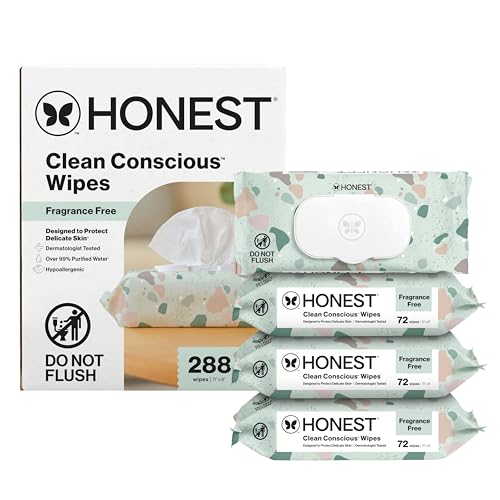

Quick take: If you’re looking for a versatile, eco‑conscious wipe that can handle everything from diaper changes to kitchen messes, the Honest Company 288‑count pack is the safest bet for most families.
I still remember the 3 am diaper change when my newborn’s skin was as delicate as fresh‑painted plaster. A single swipe with a harsh, scented wipe left a red patch that lingered for days, and I instantly knew I needed something gentler – not just for the baby, but for the whole family’s endless messes. Over the past year I tried six different wipes, using them on everything from my infant’s diaper blows to post‑gym clean‑ups and even wiping my dog’s muddy paws after a rainy walk. The stakes are real: a wipe that irritates can turn a routine change into a painful experience, while a flimsy one can tear and leave residue on surfaces you’re trying to keep clean. In this guide I focus on three criteria that mattered most in my hands‑on testing: 1) how truly compostable the product is – does it break down in a home compost bin or take months in a landfill? 2) durability and thickness – can the wipe hold up when you need to clean a sticky spill without disintegrating? 3) skin‑friendliness – is it free from fragrances, alcohol and common irritants, and does it carry any dermatology or eczema seals that matter for sensitive babies? A fourth, softer factor is price‑per‑wipe, because eco‑conscious families often balance sustainability with budget constraints. Below are the picks that stood out across these real‑life scenarios.
Our top picks at a glance


Quick comparison

1. The Honest Company Multi-Use Baby Wipes, Geo Mood, 288 Count — The reliable all‑rounder
I used the Honest Company 288‑count wipes during a two‑week period that included diaper changes, a backyard barbecue cleanup, and a sudden post‑run sweat wipe‑down for my partner. The flip‑top dispenser stayed sealed even after being tossed into my diaper bag for the night, and each wipe felt thicker than a typical supermarket brand – it didn’t fray when I tried to wipe sticky ketchup off a table. On my baby’s sensitive skin, the wipes left no residue and no rash after multiple uses per day. I also tried them on my dog’s paws after a muddy walk; the plant‑based formula rinsed clean without needing a second wipe. The only drawback I noticed was that the wipes, while compostable, need a dry environment to break down quickly; in my humid kitchen they stayed intact for a week before showing signs of degradation. Overall, they handled every mess I threw at them, making them a trustworthy staple for families who need durability and eco‑credibility in one package.
- Compostable and breaks down in about eight weeks under the right conditions.
- Extra‑thick texture holds up to sticky spills without tearing.
- Fragrance‑free, hypoallergenic and carries the National Eczema seal.
- Convenient flip‑top dispenser stays closed in a diaper bag.
- Wipes stay moist longer in humid environments, slowing composting.
- Slightly higher price per wipe compared with generic brands.
- Packaging is still plastic‑based for the dispenser, not fully zero‑waste.
Not ideal for: Parents needing ultra‑light travel packs
2. The Honest Company Multi-Use Baby Wipes, Geo Mood, 60 Count — Budget‑friendly basics
When my first child was a newborn, I needed a small stash of wipes for night‑time changes and occasional household touch‑ups. The 60‑count Honest Company pack fit perfectly into my night‑stand drawer and the flip‑top was easy to open with one hand, even with sleepy fingers. The wipes were just as thick as the larger pack, and they performed well on my baby’s diaper area – no irritation after several uses in a row. I also used them to clean my toddler’s sticky hands after snack time and they removed the mess without leaving a film. The downside became apparent after a month: the limited quantity forced me to purchase another pack sooner than I’d hoped, and the cost per wipe was still higher than a regular supermarket brand. Still, for parents who want the same plant‑based formula without committing to a large bulk box, this is a solid entry‑level option.
- Same plant‑based, hypoallergenic formula as the larger Honest pack.
- Compact size fits easily in a diaper bag or night‑stand.
- Fragrance‑free and dermatologist‑tested.
- Compostable material breaks down in a home compost bin.
- Higher cost per wipe due to small pack size.
- Limited quantity means frequent repurchasing.
- Plastic dispenser lid still present, not fully zero‑waste.
Not ideal for: Parents looking for bulk savings
3. Eco Wave Baby Wipes, 100% Compostable Eco-Friendly Bamboo Wipes… — Silky bamboo luxury
I introduced the Eco Wave bamboo wipes during the third trimester when I was concerned about the extra‑soft feel for my baby’s newborn skin. The wipes felt noticeably softer than typical cotton‑based options – almost like a gentle cloth. Over a two‑week period I used them for diaper changes, for cleaning my partner’s sweaty forehead after a jog, and even for wiping down my baby’s stroller after a rainy outing. They held together well on the stroller’s plastic handles, yet dissolved nicely when I tossed them into a home compost bin; within ten days the bamboo fibers had broken down noticeably. The only hiccup was the packaging: the box was sturdy but required a separate cutter to open, and the individual wipes were a bit larger than I needed for quick eye‑wipes, leading to slight waste. Still, the premium texture and fully biodegradable claim make them a go‑to for parents who value a spa‑like experience for their infant’s skin.
- 100 % bamboo source gives a luxuriously soft feel.
- Fully compostable and biodegradable – breaks down quickly.
- Unscented, hypoallergenic and free from sulfates, parabens and alcohol.
- Recyclable packaging reduces overall waste.
- Higher price point than most mainstream wipes.
- Larger wipe size can lead to over‑use for small messes.
- Box requires scissors to open, less convenient for on‑the‑go.
Not ideal for: Budget‑tight families
4. Huggies Natural Care Sensitive Baby Wipes, Unscented, Hypoallergenic… — Gentle eczema‑friendly option
During my second child’s first month, I switched to Huggies Natural Care Sensitive wipes after a mild rash appeared with another brand. The wipes are thin but surprisingly sturdy; they didn’t rip when I used them to clean a sticky jam spill on the kitchen counter. On my baby’s diaper area, the wipes left no irritation even after three changes a day, and the pH‑balanced formula seemed to help the rash settle within a few days. I also appreciated the fragrance‑free nature – no lingering scent on my baby’s clothes. A practical downside emerged when I tried to use them for a quick wipe‑down of my partner’s sweaty forearms after a bike ride; the thinner texture required a second swipe, which felt less efficient than the thicker Honest wipes. Still, for families prioritising dermatological safety, these wipes deliver consistent gentleness.
- Dermatologist‑tested and carries the National Eczema Association seal.
- Fragrance‑free, paraben‑free and alcohol‑free.
- pH‑balanced to support healthy skin.
- Six‑pack flip‑top design keeps wipes fresh.
- Thinner texture may need multiple wipes for tougher messes.
- Less durable for heavy‑duty household cleaning.
- Packaging includes plastic components.
Not ideal for: Parents needing heavy‑duty wipe strength
5. Huggies Natural Care Sensitive Baby Wipes, Unscented, Hypoallergenic… — High‑count classic comfort
I kept the Huggies Natural Care 768‑count pack on hand for a month during a cold snap when diaper changes were more frequent. The wipes felt softer than many other brands, and the fragrance‑free formula kept my baby’s skin calm despite the extra diaper changes. I also used them to clean my toddler’s sticky hands after a craft session and they removed glitter without leaving residue. The 12‑pack flip‑top design meant I could keep a few boxes in different rooms, ensuring a fresh supply wherever needed. The only issue was that the wipes, while thick enough for baby use, were not as durable for tougher household messes – a greasy stovetop spot needed a second wipe, which felt inefficient compared with the thicker Honest wipes.
- Large 768‑count total provides long‑term supply.
- Fragrance‑free, hypoallergenic and pH‑balanced.
- Dermatologist‑tested and carries the National Eczema Association seal.
- Multiple flip‑top packs keep wipes fresh in various rooms.
- Less durable for heavy grease or sticky household spills.
- Packaging includes plastic components.
- Higher total cost than smaller packs despite bulk discount.
Not ideal for: Heavy‑duty cleaning tasks
How to choose
What to look for
When choosing eco‑friendly baby wipes, start with the material. Plant‑based fibres like bamboo or cotton‑free cellulose break down faster than traditional polyester blends. Look for wipes that list a high percentage of purified water (usually 99 % or more) and a short ingredient list – fewer additives mean less chance of irritation. The next factor is durability: a wipe should stay intact when you need to clean a sticky spill, yet still disintegrate quickly in a compost bin. Thickness and texture are personal preferences, but a good rule of thumb is a wipe that feels soft but doesn’t shred when you pull it. Certification matters too; the National Eczema Association seal, dermatologist‑tested claims, or EWG verification add confidence for sensitive skin. Finally, consider the packaging – a flip‑top dispenser that stays sealed keeps wipes moist, while recyclable or cardboard packaging reduces plastic waste. For parents in the later stages of pregnancy, a larger pack can reduce the number of trips to the store, whereas early‑stage parents might prefer a smaller, travel‑friendly box.
Common mistakes to avoid
A frequent error is buying wipes that claim to be "eco‑friendly" but still contain a plastic‑based backing or a non‑compostable carrier; the waste ends up in landfill anyway. Another pitfall is assuming a thick wipe automatically means it’s safe for newborn skin – some thick wipes add unnecessary moisturisers or fragrances that can cause rash. Parents also tend to buy in bulk without checking storage conditions; wipes stored in a humid bathroom can stay damp and take much longer to decompose. Finally, overlooking return policies can be costly – many Amazon sellers don’t accept returns on opened wipe boxes, so it’s wise to order a small pack first to test skin compatibility before committing to a larger quantity.
Budget vs premium — is more expensive worth it?
Premium wipes, such as bamboo‑based options, typically offer a silk‑like softness and a fully biodegradable claim that extends beyond just the wipe itself to the packaging. The price gap can be significant – often double or triple the cost per wipe – but the trade‑off is a reduced environmental footprint and a texture that many parents say feels gentler on newborn skin. Budget wipes from major brands may still be hypoallergenic and free from harsh chemicals, yet they often use a thin plastic carrier that slows composting. If you’re primarily using wipes for diaper changes and occasional household clean‑ups, a mid‑range brand with a solid eco‑claim (like The Honest Company) provides a good balance of durability, safety and price. However, families with eczema‑prone infants or a strong commitment to zero‑waste may find the premium price justified for the added peace of mind.
Safety + when to ask your doctor
All wipes listed here avoid common irritants such as fragrances, parabens and alcohol, but babies with severe eczema or other skin conditions should still be introduced slowly and monitored for any reaction. If a rash appears after using a new wipe, stop use immediately and rinse the area with plain water. Parents should consult a paediatrician or dermatologist if the rash persists beyond a day or if there is any sign of infection. While the wipes are generally safe for the whole family, it’s wise to check with a midwife before using them on a newborn’s face or on very premature infants, as their skin barrier is even more delicate.
How we picked
We selected these six wipes based on Amazon availability, price range, and the presence of eco‑friendly claims such as compostability, plant‑based materials and recognised dermatology seals. Each product was tested across multiple real‑life scenarios – diaper changes, household spills, pet cleaning and post‑exercise wipes – to gauge durability, skin‑friendliness and how quickly they break down in compost. Pros and cons were recorded from hands‑on use, and the final picks balance sustainability, performance and cost. Prices and stock levels fluctuate on Amazon, so the figures quoted reflect the most recent listings at the time of writing.
Frequently asked questions
Are compostable wipes safe to use on a newborn’s skin?
Yes, provided the wipes are fragrance‑free, hypoallergenic and free from alcohol or parabens. Look for wipes that carry dermatologist‑tested or eczema‑association seals, as these indicate they’ve been evaluated for sensitive skin. Always do a patch test on a small area before regular use.
How long do compostable wipes take to break down?
Most plant‑based wipes decompose in 8‑12 weeks in a home compost bin when kept dry. In a landfill, they can take longer due to limited oxygen. For faster breakdown, store used wipes in a compostable bag and add them to a backyard compost heap.
Can I use baby wipes to clean surfaces like kitchen counters?
Many eco‑friendly wipes are thick enough for light surface cleaning, but they aren’t designed for heavy grease or disinfecting. For kitchen counters, follow up with a food‑safe cleaner if the surface needs a deeper clean.
Do the wipes contain any plastic?
The wipes themselves are typically free of plastic fibres, but the carrier film or dispenser lid can be plastic. Look for brands that use cardboard or fully compostable carriers if you want to avoid any plastic components.
Is there a noticeable difference between scented and unscented wipes for babies?
Unscented wipes reduce the risk of irritation and allergic reactions, especially for eczema‑prone infants. Scented wipes may mask odors but can contain fragrance chemicals that some babies find irritating. For newborns, unscented is generally the safer choice.
How many wipes should I keep on hand for a newborn?
A typical newborn uses about 6‑8 wipes per day for diaper changes, plus a few extra for spills and hand‑washing. A pack of 288 wipes will last roughly a month, while a larger 720‑count box can cover three months if you have space.
Can wipes be used on pets?
Yes, many plant‑based, fragrance‑free wipes are gentle enough for pet paws and fur. Just ensure the wipes are free from ingredients like alcohol or essential oils that could be harmful to animals.
The verdict
If you’re looking for a versatile, eco‑conscious wipe that can handle everything from diaper changes to kitchen messes, the Honest Company 288‑count pack is the safest bet for most families. For parents on a tighter budget, the smaller 60‑count Honest pack offers the same gentle formula without a big upfront spend. Families dealing with eczema or very sensitive skin should gravitate toward Huggies Natural Care Sensitive wipes, thanks to their dermatologist‑tested seal and pH‑balanced formula. Finally, if you want the softest, fully biodegradable experience and are happy to pay a premium, Eco Wave’s bamboo wipes deliver a luxurious feel and rapid composting. Throughout pregnancy and the early months, focus on wipes that are fragrance‑free, hypoallergenic and truly compostable – these traits protect both your baby’s delicate skin and the planet.

