


Quick take: Navigating the world of baby and toddler snacks can feel overwhelming, but cheese-based options truly offer a versatile and often nutritious solution.
Introducing solids can feel like navigating a culinary minefield, especially when you're trying to balance nutrition with what your little one will actually deign to eat. Cheese, for many parents, becomes a natural go-to. It's packed with calcium, offers some protein, and often has a texture that's easy for little gums to manage. But it's not as simple as just grating a block of mature cheddar onto their plate. With two little ones who've been through the weaning journey (and are now firmly in the 'snack monster' toddler phase), I've seen firsthand how different cheese-based products can fit into a baby's diet, from first tastes to quick meal solutions. For this BumpBites guide, I've put a range of popular 'cheese for babies' options through their paces, from dedicated teething snacks to convenient mini cheeses and even a toddler meal. I've looked beyond just the 'cheese' label to consider how these products genuinely perform in a busy family home. My key criteria for assessing these were: age appropriateness and texture for safety (no choking hazards here!), nutritional value (what are they actually getting?), convenience and portability (can I throw it in a nappy bag?), and of course, the all-important taste appeal to tiny critics. I’ve been through the 3 am feeds, the nappy bag tests on sticky playgrounds, and the 'I wish I'd known' moments that come with real-life parenting. This isn't about marketing fluff; it's about what works for real families. Whether you're looking for a soothing teething aid, a quick protein boost, or a way to introduce new textures, there's a cheesy option out there. Let's dig in and find the right one for your little munchkin.
Our top picks at a glance


Quick comparison


1. Earth's Best Organic Baby Food… — The soothing cheesy teether
These Earth's Best Organic Cheddar Cheese Crunchy Sticks were a lifesaver during those particularly gnarly teething phases. My youngest, who usually turned her nose up at most teething biscuits, really took to the cheesy flavour of these. They’re quite lightweight and easy for tiny hands to grasp, which is a huge plus when coordination is still developing. I found they dissolved surprisingly quickly in her mouth, which gave me peace of mind about choking hazards, though I always stayed close by. While they do get a bit crumbly, that’s almost expected with any dissolvable snack, and the mess wasn't too bad compared to other options. They genuinely seemed to offer some comfort to her gums and kept her occupied for a good few minutes. I appreciated that they were organic and made with simple ingredients, which is always a win in my book. The pack of five is handy for stashing in the nappy bag too. My only real niggle is that they can break fairly easily if dropped on a hard floor before they reach little mouths.
- Specifically designed for soothing teething gums.
- Dissolves quickly, reducing choking concerns.
- Organic with wholesome, simple ingredients.
- Easy for babies to hold and self-feed.
- Can be a bit crumbly and messy.
- Prone to breaking if dropped accidentally.
- The cheesy flavour might not appeal to all babies.
Not ideal for: Mess-averse parents, older toddlers
2. Mini Babybel® Variety Net Snack Cheese, 18 Pack (12.7 oz) — Flavour variety for curious palates
The Mini Babybel Variety Net was a fantastic find once my toddlers were a bit older and ready for more flavour exploration. Having Original, White Cheddar, and Monterey Jack in one pack meant I could offer different tastes without buying three separate bags. The individual wax packaging is brilliant for keeping them fresh and makes them incredibly portable for lunchboxes or a quick snack on the go. My kids loved peeling the wax off themselves (with a little help at first!), turning it into a fun, interactive snack time. The cheese itself is firm enough for little fingers to hold without squishing, but soft enough to chew easily. I found the White Cheddar was a particular hit, offering a slightly sharper taste than the Original. They’re a good source of protein and calcium, making them a genuinely nutritious snack. The only slight drawback is that the wax can be a bit fiddly to remove completely, especially with sticky toddler fingers, and it does create a bit of waste.
- Offers three distinct cheese flavours in one pack.
- Individually wax-wrapped for freshness and portability.
- Fun and interactive for toddlers to peel themselves.
- Excellent source of protein and calcium for growing kids.
- Wax can be fiddly for tiny hands to remove.
- Packaging creates some non-recyclable waste.
- Higher price point compared to single-flavour packs.
Not ideal for: Younger babies, parents wanting less waste
3. Goldfish Baby Cheddar Cheese Crackers, 7.2 Oz Bag — The classic toddler cheesy crunch
Goldfish Baby Cheddar Cheese Crackers are a staple in our house, especially for those 'I need a snack RIGHT NOW' moments with my toddler. While they're called 'baby' crackers, I’d say they're more suited for toddlers who are confidently chewing. They're a smaller version of the classic Goldfish, which is perfect for little fingers to pick up and for little mouths to manage. My kids absolutely love the cheesy flavour, and I appreciate that they're baked with 100% real cheddar and use colours from plants, with no artificial nasties. They hold up well in a snack cup or a plastic bag in the nappy bag, so they’re great for outings. They do create some crumbs, but honestly, what cracker doesn't? They're a fantastic, quick, and satisfying snack that always brings a smile. My one minor quibble is that they can get a bit stale quickly once the bag is opened if not sealed perfectly, so I often transfer them to an airtight container.
- Smaller size is perfect for toddler fingers and mouths.
- Baked with 100% real cheddar cheese and plant-sourced colours.
- No high fructose corn syrup, artificial flavours, or preservatives.
- Highly appealing cheesy taste that toddlers love.
- Can create crumbs, like most crackers.
- Bag isn't always the best for long-term freshness once opened.
- Not ideal for very young babies due to cracker texture.
Not ideal for: Babies under 12 months, parents avoiding crumbs
4. Mini Babybel® Light Snack Cheese, 12 Pack (8.5 oz) — Lighter cheesy snack on-the-go
I picked up the Mini Babybel Light Snack Cheese out of curiosity, wondering if my kids would notice the difference from the original. Truthfully, they didn't! It still has that familiar mild, creamy taste and firm texture that Babybel is known for. The 'light' aspect is more for us parents, offering 50% less fat, which is something to consider for adult diets, though babies and toddlers do need healthy fats for development. It still delivers 5 grams of protein and is a good source of calcium, so it’s nutritionally sound. Like its original counterpart, the individual wax packaging is a winner for portability and freshness, making it a reliable addition to lunchboxes or for a quick snack at the park. It’s easy for little hands to manage and a great way to introduce solid cheese. My only small criticism is that for babies and young toddlers, the 'light' benefit isn't usually a primary concern, and the price can sometimes be a little higher per portion than buying a larger pack of the original.
- Delicious taste that kids generally enjoy.
- 50% less fat than the original, good for parents.
- Individually wrapped for ultimate convenience and freshness.
- Good source of protein and calcium for growing children.
- The 'light' benefit is less relevant for babies' dietary needs.
- Wax packaging can still be a bit fiddly.
- May sometimes be a slightly higher price per serving.
Not ideal for: Babies under 6 months, those prioritising fat intake
5. Gerber Toddler Food, Macaroni & Cheese with Peas & Carrots… — Convenient toddler macaroni meal
The Gerber Toddler Food Macaroni & Cheese with Peas & Carrots was a real game-changer for those evenings when I was absolutely exhausted and needed a quick, nutritious meal for my 18-month-old. It's ready in under 5 minutes, which is priceless when you have a hangry toddler. The portion size is just right for a single meal, and the combination of macaroni, cheese sauce, peas, and carrots meant I didn't have to worry about adding a vegetable side. My little one generally liked the taste, though sometimes the peas and carrots were picked out – typical toddler behaviour! I appreciate that it's designed for baby-led feeding, with textures suitable for little ones learning to use a fork. It also boasts a decent amount of protein, zinc, and Vitamin A, which is reassuring. It’s definitely for 12+ months, as the texture is more substantial. My main gripe is that it’s a ready meal, so it doesn’t have the fresh taste of homemade, and the plastic packaging isn't the most environmentally friendly.
- Quick and easy to prepare in under 5 minutes.
- Includes vegetables for a more balanced meal.
- Designed to encourage self-feeding skills in toddlers.
- Good source of protein, zinc, and Vitamin A.
- Taste isn't as fresh as homemade meals.
- Packaging is single-use plastic.
- Only suitable for toddlers 12 months and older.
Not ideal for: Younger babies, those preferring fresh ingredients
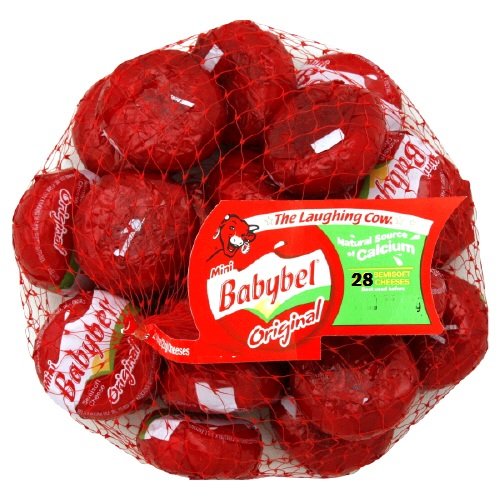
6. Babybel Cheese Semisoft Mini Original 28 Ct-21 Oz — The ultimate family cheese staple
This larger pack of Babybel Cheese Semisoft Mini Original is our go-to for stocking up the fridge. If you know your family loves Mini Babybel, buying in bulk like this is definitely the way to go for both convenience and often, better value. The cheese itself is that classic, mild, creamy texture that appeals to almost everyone, from my weaning baby (cut into tiny pieces, of course) to my school-aged child and even us adults. It’s a brilliant source of calcium and protein, making it a genuinely healthy snack. The individual wax coating means each portion stays perfectly fresh, whether it’s in a lunchbox, a nappy bag, or just sitting in the fridge drawer. It's firm enough not to be squashed easily, which is a big win for on-the-go snacks. While the larger pack is great, the only downside I’ve found is that it takes up a bit more fridge space than smaller packs, and if you don't go through them quickly enough, you might find yourself with a slightly older batch at the back of the fridge, though they do have a good shelf life.
- Excellent value and convenience for bulk purchasing.
- Classic mild flavour universally loved by families.
- Individually wax-wrapped for maximum freshness and portability.
- Rich in calcium and protein, great for growing bones.
- Takes up more fridge space than smaller packs.
- Wax can be a bit tricky to remove cleanly sometimes.
- The individual wrappers contribute to waste.
Not ideal for: Small households, those with limited fridge space
How to choose
What to look for
When you're choosing cheese or cheese-based snacks for your baby or toddler, there are several crucial factors to consider to ensure both safety and nutritional benefit. First, age appropriateness and texture are paramount. For babies starting solids around 6-9 months, opt for very soft, easily dissolvable textures or finely grated cheese that melts in the mouth. As they get older (9-12 months), you can introduce slightly firmer textures, like small, pea-sized cubes of cheese. Always avoid hard, stringy, or large chunks of cheese, which can be significant choking hazards. Check the packaging for recommended age ranges, but always use your judgment based on your baby's individual chewing and swallowing abilities. Nutritional value is another key consideration. Look for cheese that is a good source of calcium, which is essential for bone development, and protein, important for growth. Full-fat dairy is generally recommended for babies and toddlers under two years old, as they need those healthy fats for brain development. Be mindful of sodium content; babies' kidneys aren't fully developed to handle high levels of salt, so opt for lower-sodium varieties where possible. Many cheeses, like cheddar or mozzarella, are naturally lower in lactose, which can be helpful if you're concerned about sensitivity. Finally, think about convenience and ingredients. Individually wrapped portions are fantastic for on-the-go snacks, while simple, real ingredients with minimal artificial additives are always preferable. Organic options can offer peace of mind regarding pesticides, but often come at a higher price.
Common mistakes to avoid
When introducing cheese and cheese snacks to your little one, it's easy to fall into a few common traps. One of the biggest mistakes is offering cheese in unsafe forms. Large chunks, cubes that are too big, or even string cheese that hasn't been cut into small pieces can be serious choking hazards for babies and young toddlers. Always ensure cheese is finely grated, cut into tiny pea-sized pieces, or served in a dissolvable format appropriate for their age. Another pitfall is overlooking sodium content. Many processed cheeses and cheese snacks can be surprisingly high in salt, which isn't good for tiny kidneys. Always check the nutrition labels and aim for lower sodium options. Don't assume all cheese snacks are created equal. Some 'cheese' flavoured crackers or puffs might contain very little real cheese and be loaded with fillers or artificial ingredients. Prioritise products made with 100% real cheese. Introducing cheese too early or too late can also be a mistake. While cheese can be introduced from around 6 months, ensuring your baby is ready for solids and can handle the texture is key. On the flip side, waiting too long might make them less receptive to new textures. Lastly, forgetting about allergies is crucial. Dairy is a common allergen, so introduce cheese in small amounts, one new food at a time, and watch for any reactions. Always have an allergy plan in place with your paediatrician.
Budget vs premium — is more expensive worth it?
When it comes to cheese for babies and toddlers, the price tag can vary quite a bit, and it's natural to wonder if shelling out more truly gets you a better product. Often, 'premium' options might come with an organic label, promising no pesticides or hormones, or boast specific added nutrients like DHA. For some parents, these factors offer peace of mind and are worth the extra cost, especially if they have specific dietary philosophies or concerns about ingredient sourcing. Convenience also plays a role; individually wrapped portions, while often costing more per serving, offer unmatched ease for busy parents on the go, saving time and reducing waste from larger, open packets. However, a higher price doesn't always translate to a superior product for your baby's needs. Many budget-friendly options, like standard cheddar or mozzarella, still provide excellent calcium and protein. The key is to look at the ingredients list and nutritional information, rather than just the brand name. For example, a plain, full-fat block of cheese, grated finely at home, can be one of the most cost-effective and nutritious options. If your primary goal is to introduce dairy and provide calcium, less expensive, mainstream options can be perfectly adequate. Ultimately, the 'worth it' factor often comes down to individual priorities, budget, and how much you value specific certifications or the convenience of ready-to-eat formats.
Safety + when to ask your doctor
Safety is paramount when introducing any new food, especially cheese, which can pose choking hazards if not prepared correctly. Always ensure cheese is cut into very small, manageable pieces – think finely grated, melted, or pea-sized cubes – to minimise the risk of choking. Avoid large chunks, stringy cheese, or cheese sticks that haven't been cut, particularly for babies under 12 months. Monitor your baby closely while they eat. In terms of health, remember that dairy is a common allergen. Introduce cheese slowly, in small amounts, and observe for any signs of an allergic reaction like hives, swelling, vomiting, or difficulty breathing. If you suspect an allergy, stop giving the food and consult your paediatrician immediately. Sodium content is another area to watch. While a small amount of salt is fine, babies' kidneys are immature, and too much can be harmful. Opt for lower-sodium cheeses and avoid highly processed cheese products that are often packed with salt. Always check with your midwife or paediatrician before introducing new foods, especially if your baby has any existing health conditions, allergies, or if you have concerns about their digestive health or dietary needs. They can provide personalised advice based on your child's specific development and health history.
How we picked
To compile this BumpBites buyer's guide, I approached each product as both a mum-of-two and a senior product reviewer. My assessment began with researching product claims and ingredients, cross-referencing them with current baby feeding guidelines. The core of my review, however, comes from hands-on testing: observing my own children's reactions, ease of use for little hands, texture for safe consumption, and how each product fit into our busy family routine, from nappy bag portability to quick meal solutions. I considered nutritional benefits like calcium and protein, while also scrutinising for sodium content and artificial additives. Value for money and parent convenience were also key criteria. It's important to note that prices and availability on Amazon can fluctuate.
Frequently asked questions
When can babies start eating cheese?
Most paediatricians agree that babies can typically start eating cheese from around 6 months old, once they've begun solid foods. It's important to introduce it in appropriate forms, like finely grated or very soft, small pieces. Always introduce new foods one at a time and watch for any signs of allergies or digestive upset. Check with your midwife or paediatrician for specific guidance tailored to your baby.
What types of cheese are best for babies?
Mild, pasteurised, full-fat cheeses are generally best for babies. Good options include mild cheddar, mozzarella, Swiss cheese, or cream cheese. Avoid unpasteurised cheeses (like some soft cheeses such as brie, camembert, or blue cheeses) due to potential bacteria risks. Also, choose lower-sodium varieties and ensure the texture is suitable to prevent choking.
How should I prepare cheese for my baby?
For babies starting solids, cheese should be prepared to minimise choking hazards. This means finely grating hard cheeses, melting it into other foods, or cutting soft cheeses into very tiny, pea-sized cubes. Avoid large chunks, stringy pieces, or anything that could get stuck in their throat. Always supervise your baby while they are eating.
How much cheese can a baby eat?
Cheese should be offered in moderation as part of a balanced diet. For babies, a small amount, like a tablespoon of grated cheese or a small cube, is usually sufficient. It's a good source of calcium and protein, but also contains fat and can be high in sodium, so don't overdo it. Focus on variety in their diet.
Can cheese cause constipation in babies?
While cheese is not typically a primary cause of constipation, some babies might experience it if they eat a lot of cheese without enough fibre or fluids. It's usually fine in moderation. If your baby is prone to constipation, ensure they have a balanced diet with plenty of fruits, vegetables, and water, and discuss any concerns with your paediatrician.
Are cheese snacks healthy for babies?
Many cheese snacks can be a healthy part of a baby's diet, offering calcium and protein. However, it's important to choose wisely. Look for snacks made with real cheese, low in sodium, and without excessive artificial ingredients, sugars, or preservatives. Always check the nutritional information and ingredient list to make an informed choice.
What about lactose intolerance and cheese?
Many hard and semi-hard cheeses, like cheddar or Swiss, are naturally very low in lactose because it's removed during the cheesemaking process. This often makes them tolerable even for individuals with mild lactose intolerance. If your baby is suspected of having a dairy allergy or severe lactose intolerance, it's crucial to consult your paediatrician or a dietitian for guidance on dairy-free alternatives.
The verdict
Navigating the world of baby and toddler snacks can feel overwhelming, but cheese-based options truly offer a versatile and often nutritious solution. For those just starting their weaning journey around 6 months and needing a soothing option, the Earth's Best Organic Cheddar Cheese Crunchy Sticks are a fantastic choice, specifically designed for teething comfort. As your baby grows and you're looking for a pure cheese option that's easy to manage and packed with goodness, the Mini Babybel Original (especially the larger B0078X6E4I pack for value) is my top overall pick – it’s a classic for a reason and so versatile. Once you hit the toddler years, convenience and variety become even more crucial. The Mini Babybel Variety Pack (B0CN3VMYPL) is brilliant for exploring different mild cheese flavours, while the Goldfish Baby Cheddar Crackers offer an undeniably popular, budget-friendly crunchy snack that toddlers go wild for. For those evenings when you need a nutritious meal in minutes, the Gerber Toddler Macaroni & Cheese with Peas & Carrots is a lifesaver for 12+ months. Remember, for babies and toddlers, full-fat options are generally best, and always be mindful of sodium levels and choking hazards. Introducing these in small, appropriate portions will help foster a love for new tastes and textures, making meal times (and snack times!) a little bit easier for everyone.

