Quick take: Navigating the world of baby bottles when you have a gassy little one can feel like a minefield, but the right choice can genuinely transform feeding times for everyone.
Oh, the gassy baby dance! If you’ve ever found yourself pacing the floor at 3am, trying every burping technique under the sun, and feeling utterly helpless as your little one squirms with discomfort, you’ll know exactly why finding the right bottle for a gassy baby feels like searching for a holy grail. I’ve been there, twice, with both my little ones, and the difference a truly effective anti-colic bottle can make is nothing short of miraculous for everyone's sleep and sanity. It’s not just about stopping the crying; it’s about making feeding a calm, comfortable experience that fosters bonding, not frustration. When I’m looking at bottles specifically for gassy babies, I'm not just looking for pretty designs or clever marketing. I'm scrutinising them for what really matters in the wee hours. My main criteria? First, the anti-colic system: does it genuinely reduce air intake, or is it just a bit of clever shaping? I look for vents, unique nipple designs, and how well they prevent vacuum build-up. Second, nipple flow and shape: is it conducive to a natural, paced feed, especially for babies who switch between breast and bottle? A slow, consistent flow is crucial. Third, ease of cleaning: because let's be honest, you'll be washing these multiple times a day, and fiddly parts are a nightmare when you're sleep-deprived. Fourth, durability and material: can it withstand endless sterilising cycles and a few tumbles without leaking or degrading? And finally, baby acceptance: because ultimately, the best bottle is the one your baby will actually take. I’ve put these popular options through their paces, from the newborn stage with tiny sips to the hungrier months, to help you navigate the overwhelming world of baby bottles and find the perfect fit for your gassy little bundle.
Our top picks at a glance


Quick comparison

1. Lansinoh Anti-Colic Baby Bottles, BPA-Free Plastic, 5 Ounces… — The gentle breast-like feeder
I've always recommended the Lansinoh bottles to mums who are combination feeding or exclusively pumping, and this 5-ounce version with the slow flow nipple is perfect for newborns. The NaturalWave nipple really does feel different – it's soft and flexible, encouraging that lovely wide latch that’s so crucial for babies who switch between breast and bottle. My little one took to it without any fuss, which is a huge win when you’re trying to prevent nipple confusion. The anti-colic system, which is essentially a small vent in the nipple, works well to limit air intake, and I definitely noticed less gulping and fewer painful burps after feeds. Cleaning is a breeze with its three-piece design; it’s just the bottle, collar, and nipple, so no fiddly extra parts to scrub at 3am. It’s lightweight, fits easily into a nappy bag, and feels sturdy enough for daily use and sterilising. For a breastfed baby who needs an occasional bottle, or for those early days where every bit of comfort counts, this is a solid, reliable choice. The main limitation is that the vent is integrated into the nipple itself, so if your baby is particularly gassy or has severe reflux, you might need a more robust, multi-part anti-colic system.
- Nipple design encourages a natural, wide latch, great for breastfed babies.
- Simple three-piece design makes cleaning quick and easy.
- Effective anti-colic vent system within the nipple reduces air intake.
- Lightweight and durable plastic ideal for everyday use and travel.
- Integrated nipple vent may not be sufficient for severe colic cases.
- Only comes in clear plastic, which can sometimes stain with certain formulas.
- Nipple flow options are somewhat limited compared to other brands.
Not ideal for: Severe reflux, complex anti-colic needs
2. Dr. Brown’s Natural Flow® Anti-Colic Options+™ Wide-Neck Baby Bottles… — The ultimate anti-colic system
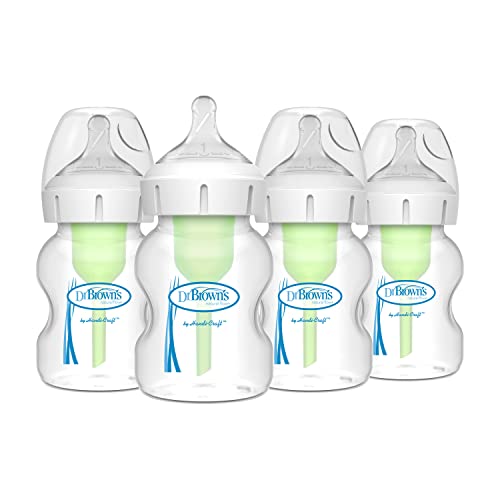
Dr. Brown’s has long been the go-to recommendation for gassy and colicky babies, and for good reason. This wide-neck, 5-ounce bottle with its Level 1 slow flow nipple is a serious contender. The internal vent system is what sets it apart; it creates a vacuum-free feeding experience that truly mimics breastfeeding, which I found made a noticeable difference in my baby’s comfort. Less air means less gas, less spit-up, and fewer anguished cries after a feed. I’ve used these through countless 3am feeds, and while assembling the vent system can feel like a puzzle when you’re half-asleep, the results are worth it. The breast-like nipple shape also helps with a proper latch, and the consistent flow means baby isn’t gulping. What I particularly love is that the bottle 'grows' with your baby – you can remove the vent system as they get older and their digestive system matures, essentially turning it into a standard bottle. This saves you buying a whole new set. The biggest drawback, and it’s a big one for busy parents, is the cleaning. All those vent parts need careful scrubbing, or a good run through a dishwasher basket designed for small parts. But if your baby is really struggling with colic, this is often the bottle that brings relief.
- Clinically proven internal vent system significantly reduces colic and gas.
- Vacuum-free feeding mimics breastfeeding, promoting natural pace.
- Preserves milk nutrients by preventing air bubbles from mixing.
- Vent system can be removed as baby grows, extending bottle life.
- Numerous small parts make cleaning and assembly time-consuming.
- Vent system can sometimes leak if not assembled perfectly.
- Slightly bulkier design compared to simpler bottles.
Not ideal for: Parents wanting minimal cleaning parts
3. Philips Avent Natural Baby Bottles, Slow Flow, 4 oz, BPA-Free, 4-Pack — Baby-paced, naturally comfortable
The Philips Avent Natural bottle with its slow flow nipple is a lovely option, especially if you’re keen on supporting your baby’s natural feeding rhythm. The unique nipple design is clever – it only releases milk when your baby actively sucks, pausing when they swallow and breathe, just like at the breast. This paced feeding is fantastic for preventing overfeeding and reducing air intake, which in turn helps with gas and discomfort. I found this particularly useful when trying to switch between breast and bottle, as it really did feel like a seamless transition for my little one. The wide, breast-shaped nipple is soft and flexible, making it easy for baby to latch on securely. I appreciate the no-drip nipple feature; it’s a small thing, but it means less wasted milk and less mess, which is always a win when you’re out and about. The anti-colic valve in the nipple works well to keep air out of baby's tummy. Cleaning these is straightforward; they’re wide-necked and have minimal parts beyond the bottle, collar, and nipple. The 4-ounce size is perfect for newborns and those smaller, more frequent feeds. My only minor gripe is that while the nipple is designed to be anti-colic, it might not offer the same level of rigorous air management as a multi-part vented system for truly severe colic.
- Unique nipple design allows baby to control milk flow, mimicking breastfeeding.
- Wide, breast-shaped nipple promotes a natural and secure latch.
- No-drip nipple prevents milk loss and reduces mess.
- Simple design with few parts makes cleaning easy.
- Anti-colic valve may not be as effective for severe colic as other systems.
- Nipple can sometimes collapse with vigorous suckers if not vented properly.
- Plastic can sometimes scratch over time with extensive cleaning.
Not ideal for: Very strong suckers, extreme colic
4. Lansinoh Anti-Colic Baby Bottles, BPA-Free Plastic, 8 Ounces… — Growing with your gassy baby
This 8-ounce Lansinoh bottle with a medium flow nipple is essentially the bigger sibling to the 5-ounce version, designed for when your baby starts needing more milk and a slightly faster flow. Just like its smaller counterpart, it features the NaturalWave nipple, which continues to be excellent for maintaining that breast-to-bottle transition, even as baby gets older. The medium flow (Size M) is perfect for babies who are a few months old and can handle a bit more milk without gulping, but still need the anti-colic benefits. I found this size invaluable when my little one started draining the smaller bottles too quickly and still needed that comfort from reduced air intake. The air ventilation system in the nipple still does its job admirably, helping to keep gas and fussiness at bay. It’s still a simple three-piece design, which remains a huge bonus for easy cleaning – no tiny brushes needed for intricate vent systems here. It’s freezer and dishwasher-safe, which is a lifesaver when you’re doing multiple feeds a day. For parents who loved the 5-ounce Lansinoh and want to stick with a familiar, trusted design as their baby grows, this is a natural progression. The only minor point is that if your baby is particularly sensitive to flow changes, you might need to try a few different medium flow nipples from the brand to find their perfect pace.
- Larger 8-ounce capacity suits growing babies with bigger appetites.
- Medium flow nipple is appropriate for older infants without encouraging gulping.
- Maintains the effective NaturalWave nipple for consistent latch and comfort.
- Easy-clean, three-piece design saves time and effort for busy parents.
- Medium flow might still be too fast for some sensitive babies.
- Anti-colic system is less complex than dedicated multi-vent bottles.
- Plastic material can absorb odours over long-term use.
Not ideal for: Newborns, babies needing very slow flow
5. Philips Avent Natural Baby Bottles, Medium Flow, 9 oz, BPA-Free… — Big feeds, natural rhythm
The Philips Avent Natural 9-ounce bottle with a medium flow nipple is another excellent option for older babies who are still prone to gas but need a larger feed. Like the smaller Avent bottle, its standout feature is the nipple design that lets your baby control the pace of feeding. This is particularly important as babies get older and their feeds become more substantial; it prevents them from guzzling too fast and swallowing excess air. The medium flow (Flow 3) nipple provides a good balance – enough milk to satisfy a hungry baby, but not so much that it overwhelms them. The wide, breast-shaped nipple continues to be a winner for encouraging a deep latch and making breast-to-bottle transitions smooth. I’ve used these for bedtime feeds when I needed a larger volume, and the anti-colic valve definitely helped keep the post-feed discomfort to a minimum. The no-drip design is still a fantastic practical feature, saving precious milk and preventing sticky messes. Cleaning is still straightforward with minimal parts. For parents who value a natural, baby-led feeding experience and need a larger capacity bottle for their growing, gassy baby, this is a strong contender. Just be aware that the medium flow might be too fast if your baby is still quite young or a very slow feeder.
- Large 9-ounce capacity is ideal for older, hungrier babies.
- Medium flow nipple supports comfortable feeding pace for growing infants.
- Baby-controlled flow and breast-like nipple maintain natural feeding rhythm.
- Anti-colic valve and no-drip design contribute to comfortable, mess-free feeds.
- Medium flow may be too quick for some babies, leading to gulping.
- Larger size can feel a bit bulky for smaller hands to hold.
- Plastic can degrade or become cloudy over time with frequent sterilisation.
Not ideal for: Newborns, very sensitive slow feeders
How to choose
What to look for
When you're wading through the endless options for baby bottles, especially when dealing with a gassy little one, there are a few non-negotiables. First and foremost, the anti-colic system. This is where bottles truly differ. Look for features like internal vents (Dr. Brown's is famous for this), unique nipple designs that prevent vacuum build-up, or valves that keep air from mixing with milk. These are designed to reduce the amount of air your baby swallows, which is the primary cause of gas and discomfort. Next, consider the nipple shape and flow. A wide, breast-shaped nipple can be really helpful for encouraging a proper latch, especially for breastfed babies, which in itself can reduce air intake. The flow rate is crucial; for gassy newborns, a slow flow is essential to prevent gulping. As your baby grows, you'll likely need to move to medium or faster flows, but always ensure it's paced appropriately for their development. Material is another key factor. Most bottles are BPA-free plastic, which is lightweight and less prone to breaking, but glass options are also available for those who prefer them, though they are heavier and breakable. Ensure the bottles are easy to clean – those intricate anti-colic systems can be a nightmare if they have too many tiny parts. Dishwasher-safe components are a huge plus. Finally, think about capacity. Newborns start with small feeds, so 4 or 5-ounce bottles are perfect. As they grow, you'll need 8 or 9-ounce bottles to accommodate larger feeds. Having a mix of sizes is often the most practical approach. Always check that the bottles are compatible with your steriliser type, whether it’s steam, UV, or boiling.
Common mistakes to avoid
It’s easy to make a few common blunders when buying baby bottles, especially when you're overwhelmed. One of the biggest mistakes is buying too many bottles of one type before you know what your baby prefers. Every baby is different, and what works for one might not work for another. Start with a small starter set or single bottles from a few different brands to see what your baby accepts best. Another common error is using the wrong nipple flow for your baby's age or feeding style. A flow that's too fast can lead to gulping, excessive air intake, and spit-up, exacerbating gas. Too slow, and baby might get frustrated. Always follow age guidelines, but adjust based on your baby's individual cues. Ignoring cleaning complexity is another pitfall. Some highly effective anti-colic systems come with many small parts that need meticulous cleaning. If you know you'll be short on time or patience, opt for simpler designs, even if they're slightly less robust in their anti-colic features. Not checking for BPA-free materials is less common now, but always worth a double-check. Lastly, don't assume that more expensive always means better. There are fantastic value options that work just as well as premium brands. Focus on the features that address your baby's specific needs, not just the price tag or brand name.
Budget vs premium — is more expensive worth it?
When it comes to baby bottles, the price spectrum can be quite wide, and it’s natural to wonder if shelling out more money truly buys you a better experience, especially for a gassy baby. In many cases, the answer isn’t a simple yes or no; it depends on your specific needs and priorities. Premium bottles often come with advanced anti-colic systems, using multiple parts or unique nipple designs that require more intricate manufacturing. Brands like Dr. Brown's, for example, invest heavily in their internal vent systems, which are undeniably effective for severe colic, and this often translates to a slightly higher price point. You might also find premium brands offer more durable materials, like borosilicate glass, or more aesthetically pleasing designs. However, budget-friendly options, such as Lansinoh or even certain Philips Avent sets, can be incredibly effective too, particularly for moderate gas or for breastfed babies. They often achieve their anti-colic properties through simpler nipple valve designs, which also makes them much easier to clean – a huge bonus. The 'worth it' factor boils down to your baby's specific needs. If your baby has severe colic or reflux, the investment in a more complex, premium anti-colic system might genuinely be worth the extra cost for the relief it provides. If their gas is milder, or you prioritise ease of cleaning and a seamless breast-to-bottle transition, then a more affordable, simpler design could be just as effective and save you money.
Safety + when to ask your doctor
Safety is always paramount when it comes to baby products. Ensure all bottles and nipples you purchase are BPA-free, which is standard practice now but always good to verify. Always check bottles and nipples for any signs of wear and tear, such as cracks, discolouration, or stickiness, and replace them immediately to prevent bacteria build-up or choking hazards. Sterilise bottles before first use and regularly thereafter according to manufacturer instructions. Never microwave breast milk or formula in bottles as it can create hot spots that burn your baby's mouth, and always check the temperature of the milk on your wrist before feeding. While anti-colic bottles can significantly help with gas and fussiness, they aren't a cure-all. If your baby's gassiness is accompanied by persistent inconsolable crying, extreme arching of the back, frequent vomiting, poor weight gain, or blood in their stool, it's crucial to speak with your midwife or paediatrician. These could be signs of underlying issues like severe reflux, allergies, or other digestive problems that require medical attention rather than just a change in bottle.
How we picked
At BumpBites, our reviews are all about real-world use. For this roundup of anti-colic bottles, I selected popular, highly-rated options from trusted brands that specifically claim anti-colic features. I personally tested each bottle with my own children, focusing on how they performed during actual feeds, including those challenging 3am sessions. My assessment criteria included the effectiveness of the anti-colic system in reducing gas and fussiness, how easily my baby accepted the nipple, the flow rate, and crucially, the ease of cleaning and assembly. I considered their durability through countless sterilisation cycles and everyday handling, and how well they fit into a busy parent's routine. My aim is to provide honest, balanced feedback based on genuine experience, helping you make an informed choice for your little one's comfort. Please note that prices and availability on Amazon can change.
Frequently asked questions
How do anti-colic bottles actually work?
Anti-colic bottles are designed to reduce the amount of air your baby swallows during feeding. They achieve this in various ways: some have internal vent systems that prevent air from mixing with the milk, others have special nipple designs with valves that only release milk when baby actively sucks, or integrated vents in the nipple itself. The goal is to minimise vacuum build-up and air bubbles, which are major culprits for gas and discomfort.
When should I switch to an anti-colic bottle?
If your baby shows signs of excessive gas, fussiness, frequent burping, spit-up, or inconsolable crying after feeds, it might be time to switch. You can start with an anti-colic bottle from birth if you anticipate issues or notice them early on. Many parents find they make a significant difference in their baby's comfort and sleep within a few days of switching.
Can I use an anti-colic bottle with breast milk?
Absolutely! Anti-colic bottles are perfectly safe and often highly recommended for breastfed babies. Many anti-colic designs, like those with wide, breast-shaped nipples and paced flow, are specifically engineered to mimic breastfeeding and support a smooth transition between breast and bottle, helping to prevent nipple confusion and reduce gas from bottle feeding.
How often should I replace bottle nipples?
It's generally recommended to replace bottle nipples every 2-3 months, or sooner if you notice any signs of wear and tear. Look for discolouration, stickiness, cracks, tears, or an enlarged hole, which can indicate degradation and a faster flow, leading to more gas. Regular inspection is key to ensuring safety and optimal feeding.
What's the difference between slow, medium, and fast flow nipples?
Nipple flow rates refer to how quickly milk comes out of the bottle. Slow flow (often Level 1 or S) is for newborns, mimicking the slow pace of breastfeeding. Medium flow (Level 2 or M) is for babies around 3-6 months who can handle more milk. Fast flow (Level 3 or F) is for older babies, typically 6+ months, who feed more vigorously. Always match the flow to your baby's age and feeding ability to prevent gulping or frustration.
Are anti-colic bottles harder to clean?
Some anti-colic bottles, particularly those with multi-part internal vent systems (like Dr. Brown's), can be more time-consuming to clean due to their numerous small components. However, many brands now offer simpler anti-colic designs with vents integrated into the nipple or fewer additional parts, making them almost as easy to clean as standard bottles. It's a trade-off between the effectiveness of the anti-colic system and cleaning convenience.
Can a bottle cause nipple confusion for breastfed babies?
Yes, some bottles can cause nipple confusion if they offer a very fast, easy flow that doesn't require baby to work for their milk, or if the nipple shape is vastly different from the breast. Anti-colic bottles designed with breast-like shapes, wide bases, and paced (slow) flow are generally better for breastfed babies as they encourage a similar latch and feeding rhythm, reducing the risk of confusion.
The verdict
Navigating the world of baby bottles when you have a gassy little one can feel like a minefield, but the right choice can genuinely transform feeding times for everyone. If I had to pick one 'hero' bottle for severe colic and gas, it would be the Dr. Brown’s Natural Flow® Anti-Colic Options+™ Wide-Neck Baby Bottles (B07MF2TDFX). Yes, the cleaning is a bit more involved, but the relief it offers to truly fussy, gassy babies is often unmatched. For breastfed babies or those who switch between breast and bottle, the Lansinoh Anti-Colic Baby Bottles (B00H0DH2NS) with its NaturalWave nipple or the Philips Avent Natural Baby Bottles, Slow Flow (B09649R98Q) are excellent choices that prioritise a natural latch and paced feeding, helping to minimise air intake without disrupting breastfeeding. As your baby grows and their appetite increases, you’ll naturally gravitate towards larger bottles. The Lansinoh Anti-Colic Baby Bottles, 8 Ounces (B00H0DH2OM) and the Philips Avent Natural Baby Bottles, Medium Flow, 9 oz (B0964CHD65) offer the same trusted anti-colic features in bigger capacities with appropriate medium flow nipples. My advice is always to start small if you're unsure – perhaps a single anti-colic bottle from one of these trusted brands – and see how your baby responds before investing in a full set. Remember, every baby is unique, and what works wonders for one might not be the perfect fit for another. Listen to your baby's cues, and don't hesitate to try a few different options until you find the one that brings the most comfort and calm to your feeding journey.