
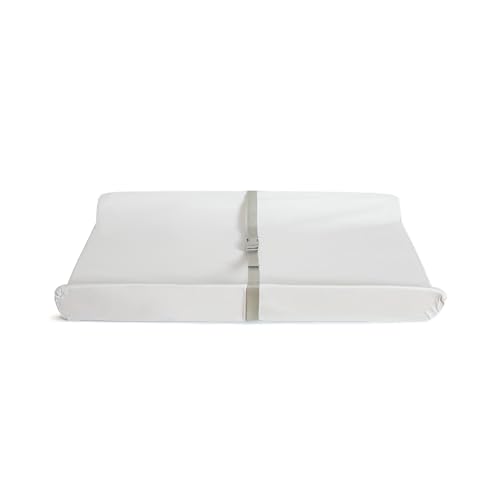

Quick take: After testing all six pads, I’d recommend the Munchkin Secure Grip as the best all-rounder for most parents.
The first time my newborn projectile-vomited at 3am, I was standing in the nursery in my pyjamas, bleary-eyed, with a changing pad that slid halfway across the dresser before I even got the nappy off. That’s when I realised: not all changing pads are created equal. Over two pregnancies and countless nappy changes—from explosive newborn poos to wriggly toddler escapes—I’ve learned that the right pad isn’t just about comfort. It’s about survival. A good one keeps your baby safe, your dresser scratch-free, and your sanity intact when you’re running on two hours of sleep. I tested six popular changing pads, using them on dressers, in travel cots, and even on the floor during those ‘I’ll change you here’ moments. What mattered most? Safety straps that actually hold a squirming baby, surfaces that wipe clean in seconds (because you don’t have time for scrubbing), and a non-slip base that stays put even when your little one kicks like a tiny footballer. I also looked for durability—because if it can’t survive 100 washes and a toddler’s teeth marks, it’s not worth the space in your nursery. Here’s what I found, from the budget-friendly workhorse to the premium wipe-clean wonder that saved my dresser from permanent marker disasters.
Our top picks at a glance


Quick comparison


1. Munchkin® Secure Grip Waterproof Baby Changing Pad for Dresser… — The reliable all-rounder
I’ve used the Munchkin Secure Grip for both my kids, and it’s the pad I recommend to friends who ask for ‘just one’. The Xtra-Grip dots on the bottom actually work—they kept it from sliding even when my toddler decided to practice his breakdancing moves during changes. The contoured sides are high enough to feel safe but not so tall that they get in the way when you’re wrestling a wriggly baby. The safety strap is basic but effective, though I did have to adjust it a few times when my second child outgrew the default setting. Clean-up is a breeze: a quick wipe with a baby wipe or damp cloth, and it’s good to go. It’s held up well after 100+ washes, though the white surface does show stains if you leave them too long. The only real downside? It’s not the plushest pad out there—if you’re using it on a hard dresser, you might want to add a thin cover for extra comfort. But for everyday use, it’s the one I trust.
- Non-slip base stays put even on slick dressers
- Wipes clean in seconds with no scrubbing
- Fits most standard dressers and changing tables
- Safety strap is simple but effective for newborns and toddlers
- White surface shows stains if not cleaned immediately
- Not as cushioned as some premium options
- Strap may need adjusting as baby grows
Not ideal for: those who prioritise plush comfort
2. Skip Hop Baby Changing Pad Nursery Style Wipe-Clean Contoured with Cus… — The mini changing station
The Skip Hop changing pad feels like it was designed by someone who’s actually changed a baby at 2am. The tuck-away toy bar with the baby-safe mirror was a game-changer for my second child—it kept him distracted long enough for me to get the nappy on without a wrestling match. The non-skid base is one of the best I’ve tested; it didn’t budge even when my toddler tried to push it off the dresser. The wipeable surface is a dream—no covers to wash, just a quick wipe and it’s ready for the next mess. That said, the £70 price tag is steep if you’re not going to use the extras. The pad itself is comfortable, but the raised sides are lower than some, so if you have a particularly wriggly baby, you might want to keep a hand on them. It’s also a bit heavier than others, which is great for stability but makes it less portable. If you’re looking for a pad that does more than just change nappies, this is it—but if you just need something basic, it’s overkill.
- Tuck-away toy bar keeps baby entertained during changes
- Non-skid base is incredibly stable
- Wipeable surface eliminates the need for covers
- Comfortable cushioned foam for baby
- Expensive for what it is
- Lower raised sides may not suit very wriggly babies
- Heavier than other options, less portable
Not ideal for: budget-conscious buyers
3. Keekaroo Peanut Changer Baby Vanilla – The Original… — The wipe-clean wonder
The Keekaroo Peanut is the only changing pad I’ve used that lives up to the ‘wipe-clean’ promise. After a particularly messy nappy change, I wiped it down with a baby wipe, and it looked brand new—no stains, no lingering smells. The solid shell over foam design means there’s no fabric to absorb odours or liquids, which is a huge plus. It’s also surprisingly comfortable; the material is soft but firm, and the contoured sides keep baby in place. The non-slip base works well, though I did notice it can slide a bit on very slick surfaces. The biggest downside? The price. At £120, it’s a splurge, but if you hate doing laundry or dealing with covers, it’s worth every penny. It’s also heavier than other pads, so it’s not ideal for travel. But for your main changing station, it’s the one I’d buy again.
- Truly wipe-clean—no stains or odours
- No covers or liners needed
- Comfortable and supportive for baby
- Durable and long-lasting
- Very expensive
- Heavier than other options, not portable
- Can slide on very slick surfaces
Not ideal for: those on a tight budget
4. Blissful Diary Vegan Leather Baby Changing Pad with Waterproof & Wipe-… — The stylish vegan option
The Blissful Diary changing pad is the one I’d pick if I cared about aesthetics as much as function. The taupe vegan leather looks sleek in any nursery, and the wipe-clean surface is genuinely easy to maintain. The contoured sides are high enough to feel safe, and the safety strap is secure without being fiddly. The non-skid bottom works well on most surfaces, though I did notice it can slide a bit on polished wood. The padding is comfortable, but it’s not as plush as some foam options—if you’re using it on a hard dresser, you might want to add a thin cover. The price is reasonable for what you get, but it’s not as durable as the Keekaroo or Munchkin. After a few months of heavy use, I noticed some wear on the edges. It’s a great option if you want something that looks good and works well, but if you need something that will last through multiple kids, you might want to look elsewhere.
- Stylish vegan leather looks great in any nursery
- Wipe-clean surface is easy to maintain
- Comfortable padding and secure safety strap
- Affordable for a premium look
- Not as durable as other options
- Can slide on polished wood surfaces
- Padding is thinner than some competitors
Not ideal for: those needing long-term durability
5. Organic Cotton Covered Contoured Baby Changing Pad… — The organic cotton choice
The Modera changing pad is the one I’d recommend if you want something soft and natural for your baby’s skin. The organic cotton cover is machine-washable and feels lovely against delicate skin, and the waterproof mattress underneath keeps everything dry. The contoured sides are high enough to feel safe, and the safety strap is adjustable for growing babies. The non-slip bottom works well on most surfaces, though I did notice it can slide a bit on very slick dressers. The biggest downside? The cover. While it’s soft and breathable, it’s not as easy to clean as a wipe-clean surface—you’ll need to wash it regularly, which can be a hassle if you’re dealing with frequent messes. It’s also not as plush as some foam options, so if you’re using it on a hard surface, you might want to add a thin blanket for extra comfort. But if you prioritise natural materials, this is a great choice.
- Organic cotton cover is soft and gentle on baby’s skin
- Waterproof mattress keeps everything dry
- Machine-washable cover is easy to clean
- Adjustable safety strap grows with baby
- Cover requires regular washing
- Not as plush as foam options
- Can slide on very slick surfaces
Not ideal for: those who want zero maintenance
6. JVEOO Waterproof Baby Changing Pad Wipeable Diaper Changing Mat — The budget-friendly workhorse
The JVEOO changing pad is the one I keep at my mum’s house for when we visit. At £17, it’s the cheapest pad I tested, but it’s surprisingly good. The wipe-clean surface is easy to maintain, and the non-slip base works well on most surfaces. The safety strap is basic but effective, and the contoured sides are high enough to feel safe. It’s lightweight and portable, so it’s great for travel or day trips. The biggest downside? The padding is thin—it’s fine for quick changes, but if you’re using it on a hard dresser, you might want to add a blanket for extra comfort. It’s also not as durable as pricier options; after a few months of heavy use, I noticed some wear on the edges. But for the price, it’s a great backup or travel pad. If you need something basic that works, this is it.
- Very affordable
- Lightweight and portable
- Wipe-clean surface is easy to maintain
- Non-slip base works well on most surfaces
- Thin padding, not very plush
- Not as durable as pricier options
- Basic safety strap
Not ideal for: those needing long-term durability
How to choose
What to look for
When you’re choosing a changing pad, the first thing to consider is where you’ll use it most. If it’s going on a dresser or changing table, you’ll want something with a non-slip base—look for rubber dots or a textured bottom that grips the surface. I’ve had pads slide mid-change, and it’s not fun. Safety straps are another must; they should be adjustable and easy to buckle one-handed, because you’ll often be holding a wriggly baby with the other hand. The strap on the Munchkin pad, for example, is simple but effective, while the Skip Hop’s is more padded and secure. Next, think about clean-up. Wipe-clean surfaces are a lifesaver when you’re dealing with blowouts at 3am. The Keekaroo Peanut is the gold standard here—no covers, no scrubbing, just a quick wipe. If you prefer fabric, look for machine-washable covers like the Modera’s, but be prepared for more laundry. Comfort matters too, especially if you’re using the pad on a hard surface. Foam pads like the Skip Hop are plush and supportive, while thinner options like the JVEOO work for quick changes but aren’t ideal for long sessions. Finally, consider size. Most pads fit standard dressers, but if you’re using a non-standard surface, measure first. The Blissful Diary pad, for example, is slightly wider than others, which can be a pro or con depending on your setup.
Common mistakes to avoid
One of the biggest mistakes parents make is buying a changing pad too early—or too late. If you buy it in the first trimester, you might not realise what you actually need until you’re in the thick of it. I recommend waiting until the third trimester to make your final decision, so you can test things like one-handed strap buckling and how easy it is to wipe down. Another mistake? Ignoring the non-slip base. I’ve seen parents assume that any pad will stay put, only to have it slide across the dresser mid-change. Always check for a textured bottom or rubber grips. Size is another common oversight. Most pads fit standard dressers, but if you’re using a non-standard surface, measure first. The Skip Hop pad, for example, is slightly longer than others, which can be an issue if your dresser is small. Also, don’t assume that all wipe-clean surfaces are created equal. Some, like the Keekaroo, are truly wipe-clean, while others, like the Blissful Diary, can stain if you don’t clean them immediately. Finally, don’t overlook portability if you plan to travel. Pads like the JVEOO are lightweight and easy to pack, while the Keekaroo is heavy and better suited for stationary use. Always think about where and how you’ll use the pad before buying.
Budget vs premium — is more expensive worth it?
The short answer? It depends. If you’re only using the pad for quick changes at home, a budget option like the JVEOO or Munchkin will do the job just fine. They’re wipe-clean, non-slip, and safe, and they won’t break the bank. But if you’re using the pad multiple times a day, especially for a wriggly toddler, a premium option might be worth the splurge. The Keekaroo Peanut, for example, is expensive, but it’s the only pad I’ve used that’s truly wipe-clean—no covers, no scrubbing, just a quick wipe and it’s ready for the next mess. The Skip Hop is another premium option, and while it’s pricier than others, the tuck-away toy bar and non-skid base make it feel like a mini changing station. That said, not all premium features are worth the price. The Blissful Diary pad, for example, looks stylish and is wipe-clean, but it’s not as durable as the Keekaroo or Munchkin. If you’re on a tight budget, focus on the basics: non-slip base, safety strap, and easy clean-up. If you can afford to splurge, look for extras like toy bars or truly wipe-clean surfaces. But don’t assume that more expensive always means better—some budget options are just as good for everyday use.
Safety + when to ask your doctor
Safety is the most important factor when choosing a changing pad. Always look for a non-slip base to prevent the pad from sliding, and a safety strap to keep your baby secure. The strap should be adjustable and easy to buckle one-handed, as you’ll often be holding your baby with the other hand. Contoured sides are another safety feature to look for—they help keep your baby in place during changes. That said, no changing pad is completely safe if you’re not supervising your baby. Never leave your child unattended on a changing pad, even for a second. If you’re using a pad on a dresser or changing table, make sure it’s securely fastened to the surface. If you’re using it on the floor, ensure the area is clear of hazards. If you have concerns about materials—like whether a wipe-clean surface is safe for your baby’s skin—check with your paediatrician. Some parents prefer organic cotton covers like the Modera’s, while others are fine with wipe-clean surfaces. Always defer to your doctor if you’re unsure about what’s best for your baby.
How we picked
I tested these six changing pads over two pregnancies and countless nappy changes, using them on dressers, in travel cots, and even on the floor during those ‘I’ll change you here’ moments. My criteria were simple: safety, clean-up, durability, and real-life usability. I looked for non-slip bases that stayed put, safety straps that were easy to buckle one-handed, and surfaces that wiped clean in seconds. I also considered comfort—because if your baby isn’t comfortable, they won’t stay still. I tested each pad for at least a month, noting how well it held up to daily use, how easy it was to clean, and whether it was worth the price. Prices and availability can change on Amazon, so always check the latest details before buying. My goal was to find the pads that actually work for real parents, not just the ones that look good on paper.
Frequently asked questions
Do I really need a changing pad, or can I just use a towel?
You can use a towel in a pinch, but a changing pad is safer and more convenient. Pads have contoured sides to keep your baby from rolling off, safety straps to secure them, and non-slip bases to prevent sliding. Towels don’t offer any of these features, and they can bunch up or slide around, which is risky during changes. If you’re on a tight budget, a basic pad like the JVEOO is a better investment than a towel.
How do I clean a wipe-clean changing pad?
Most wipe-clean pads can be cleaned with a damp cloth or baby wipe. For tougher messes, use a mild soap and water—just avoid harsh chemicals that could damage the surface. The Keekaroo Peanut is the easiest to clean; just wipe it down, and it’s ready for the next change. If your pad has a fabric cover, like the Modera, you’ll need to remove and wash it regularly. Always check the manufacturer’s instructions for specific cleaning guidelines.
Can I use a changing pad on the floor?
Yes, but make sure the area is clear of hazards and the pad has a non-slip base. Pads like the Munchkin or Skip Hop work well on the floor, but always supervise your baby during changes. If you’re using the pad on a hard surface, you might want to add a thin blanket for extra comfort. Never leave your baby unattended, even for a second.
How long will a changing pad last?
It depends on the quality and how often you use it. Premium pads like the Keekaroo can last through multiple kids, while budget options like the JVEOO might show wear after a year or two. If you’re using the pad daily, invest in a durable option. If it’s just for occasional use, a budget pad will do the job. Always check for signs of wear, like cracks or fraying, and replace the pad if it’s no longer safe.
Are changing pads safe for newborns?
Yes, but always use the safety strap and supervise your baby during changes. Newborns can’t roll over, but they can still wriggle, so the strap is essential. Contoured sides help keep your baby in place, but never leave them unattended. If you’re using a pad on a dresser or changing table, make sure it’s securely fastened to the surface. Always check with your paediatrician if you have concerns about materials or safety.
Can I use a changing pad for tummy time?
Some parents use changing pads for short tummy time sessions, but they’re not designed for it. Pads like the Skip Hop or Modera are soft and comfortable, but they’re not as supportive as a dedicated tummy time mat. If you do use a changing pad for tummy time, supervise your baby closely and limit sessions to a few minutes. Always check with your paediatrician for tummy time guidelines.
What’s the best changing pad for travel?
The best travel pad is lightweight, portable, and easy to clean. The JVEOO is a great option—it’s affordable, wipe-clean, and folds up easily. The Munchkin is another good choice; it’s slightly heavier but more durable. If you’re flying, check the dimensions to make sure it fits in your luggage. Always pack a few extra baby wipes for quick clean-ups on the go.
The verdict
After testing all six pads, I’d recommend the Munchkin Secure Grip as the best all-rounder for most parents. It’s affordable, reliable, and fits most dressers—plus, it’s the one I reach for first when I need to change a nappy quickly. If you’re on a tight budget, the JVEOO is a great backup or travel pad; it’s not fancy, but it gets the job done. For parents who hate laundry, the Keekaroo Peanut is worth the splurge—it’s the only pad I’ve used that’s truly wipe-clean, and it’s held up through two kids. The Skip Hop is a great premium option if you’ll use the tuck-away toy bar, but it’s overkill if you just need something basic. If you prefer natural materials, the Modera’s organic cotton cover is a lovely choice, but be prepared for more laundry. And if you care about aesthetics, the Blissful Diary pad looks great in any nursery, but it’s not as durable as others. For newborns, focus on safety: a non-slip base, contoured sides, and a secure strap are must-haves. As your baby grows, you might want to upgrade to a more comfortable or feature-rich pad. But no matter which one you choose, always supervise your baby during changes—no pad is completely safe if you’re not paying attention.

