

Quick take: Pregnancy hair is a wild ride—one day it’s sleek and shiny, the next it’s a frizzy mess.
It was 3am, I was 32 weeks pregnant, and my hair had officially declared mutiny. The usual sleek bob I’d relied on for years had morphed into a frizzy halo that even a hairdryer couldn’t tame. My midwife’s advice? ‘Try argan oil—it’s safe, hydrating, and won’t weigh your hair down.’ So, I raided Amazon at 3:15am (because pregnancy insomnia is real) and ordered six bottles. Over the next four months, I tested them on post-swim frizz, pre-natal class blowouts, and the dreaded ‘I only have five minutes to look human’ mornings. I even stuffed them in my nappy bag to see which ones survived the chaos of baby spit-up and car-seat hair emergencies. What mattered most? A non-greasy texture that actually absorbed, a scent that didn’t clash with my pregnancy-sensitive nose, and a bottle that didn’t leak or require a PhD to open one-handed. Oh, and it had to work on hair that was now 50% more prone to breakage thanks to those lovely prenatal hormones. Here’s what I learned—not all argan oils are created equal, and the ‘best’ one depends on whether you’re battling frizz, dryness, or just trying to look like you’ve slept in this decade.
Our top picks at a glance


Quick comparison

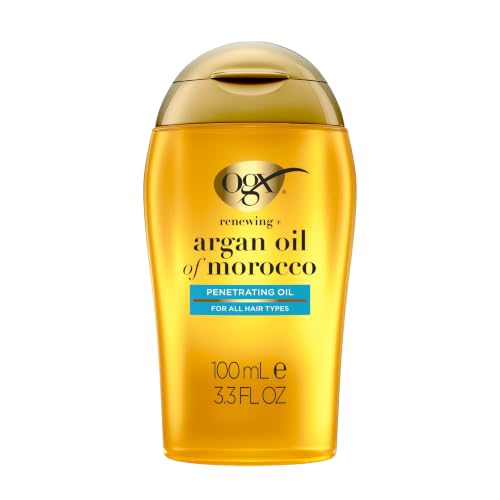
1. OGX Renewing + Argan Oil of Morocco… — The reliable workhorse
I kept OGX Renewing + Argan Oil in my bathroom for three months straight, and it never let me down. The 3.3fl oz bottle is the perfect size—small enough to toss in my nappy bag but big enough to last. The texture is somewhere between a serum and a light oil, which means it absorbs quickly but still leaves my hair feeling soft, not crispy. I used it on damp hair before blow-drying (about 3 drops) and again on dry ends to tame flyaways. It held up even after swimming in chlorinated pools, which is saying something. The citrus-floral scent is pleasant but not overpowering, which was a relief—some oils smell like a perfume counter exploded. My only gripe? The dropper can get clogged if you’re not careful, so I had to wipe it clean a few times. It’s not the most luxurious oil out there, but it’s the one I reached for when I needed results, not frills. Best for: anyone who wants a fuss-free, everyday oil that actually works without breaking the bank.
- Lightweight and non-greasy, even on fine hair
- Affordable and widely available
- Pleasant scent that doesn’t linger too long
- Works well on both damp and dry hair
- Dropper can clog if not cleaned regularly
- Not as nourishing for very dry or damaged hair
- Plastic bottle feels a bit cheap
Not ideal for: Very dry or damaged hair
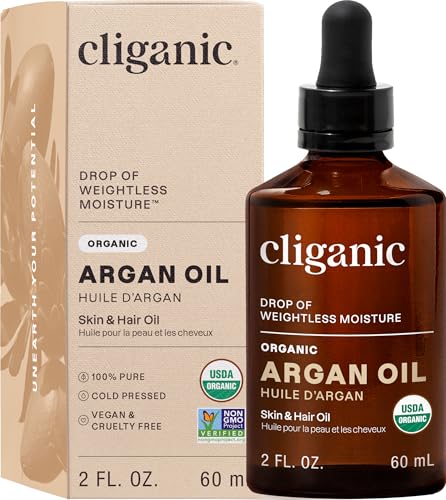
2. Cliganic Organic Argan Oil, 100% Pure - for Hair, Face & Skin… — The pure multitasker
Cliganic’s Organic Argan Oil was a revelation. It’s 100% pure, which means no added fragrances or fillers—just argan oil. I used it on my hair, face, and even my cuticles during those pregnancy months when everything felt dry and brittle. On hair, it’s a bit thicker than OGX, so I used it sparingly (2 drops max) to avoid weighing my hair down. It absorbed well but took a little longer than the OGX oil, so I applied it to damp hair and let it air-dry. The lack of scent was a plus for my pregnancy-sensitive nose, but it also meant no ‘luxury’ feel. I loved using it as a nighttime face oil—it didn’t clog my pores or leave my skin greasy. The glass bottle is sturdy but a bit heavy for my nappy bag, so I decanted some into a smaller bottle for on-the-go use. The only downside? It’s not as refined as some of the other oils, so it can feel a bit ‘raw’ if you’re used to silky serums. Best for: anyone who wants a pure, multipurpose oil for hair and skin.
- 100% pure, organic, and multipurpose
- No added fragrances or fillers
- Works well on hair, skin, and cuticles
- Sustainably sourced and minimally processed
- Thicker texture can weigh hair down if overused
- No dropper—just a screw cap, which isn’t as precise
- Glass bottle is heavy for travel
Not ideal for: Those who prefer a lightweight serum
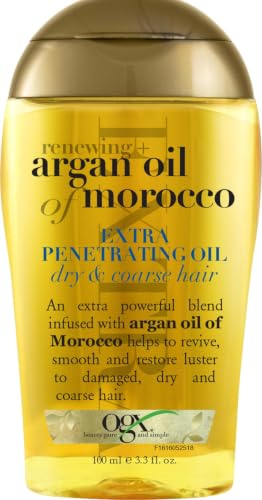
3. OGX Renewing + Argan Oil of Morocco Extra Penetrating Oil, 3.3 fl. oz — The damage repair specialist
OGX’s Extra Penetrating Oil was my go-to when my hair felt like straw. It’s thicker and more nourishing than the regular OGX oil, with added silk proteins that made my split ends look less tragic. I used it as a pre-wash treatment (applied to dry hair, left for 20 minutes, then shampooed out) and as a leave-in on damp hair. It’s the only oil that made my hair feel stronger after consistent use—less breakage when I brushed it. The scent is similar to the regular OGX oil but a bit stronger, which I didn’t mind, but it might be too much if you’re sensitive to fragrances. The bottle is the same as the regular OGX, so the dropper can clog if you’re not careful. It’s not as lightweight as some of the other oils, so I avoided using it on fine hair or roots. Best for: anyone with dry, damaged, or over-processed hair who needs a little extra TLC.
- Thicker, more nourishing formula for damaged hair
- Added silk proteins help strengthen hair
- Works well as a pre-wash treatment
- Affordable and widely available
- Can weigh hair down if overused
- Dropper clogs easily
- Scent is stronger than some other options
Not ideal for: Fine or oily hair
4. Karseell Moroccan Argan Oil 1.69 floz — The budget-friendly glow
Karseell’s Moroccan Argan Oil was a pleasant surprise. It’s one of the more affordable options, but it doesn’t feel cheap. The texture is light and absorbs quickly, leaving my hair soft and shiny without any greasiness. I used it mostly on dry hair to tame flyaways and add a bit of shine, and it worked well for that. The scent is faint but pleasant—sort of a light, nutty aroma that didn’t clash with my perfume. The bottle is small (1.69fl oz), so it’s great for travel or tossing in my nappy bag, but it ran out faster than I expected. It’s not as nourishing as some of the other oils, so I wouldn’t recommend it for very dry or damaged hair, but it’s a solid pick for everyday use. The only real downside? The dropper is a bit flimsy, so I had to be careful not to squeeze too hard. Best for: anyone who wants a lightweight, affordable oil for shine and frizz control.
- Lightweight and absorbs quickly
- Affordable and travel-friendly
- Pleasant, subtle scent
- Works well on dry hair for shine
- Small bottle runs out quickly
- Not nourishing enough for very dry hair
- Dropper is flimsy and can leak
Not ideal for: Very dry or damaged hair
5. Moroccanoil Treatment, Travel Size, 0.85 Fl. Oz. — The luxury upgrade
Moroccanoil Treatment is the one I saved for special occasions—like when I needed to look put-together for a prenatal appointment or a rare night out. It’s ultra-lightweight, absorbs instantly, and gives an instant salon-worthy shine. The scent is iconic—warm, spicy, and luxurious—and it lingers just enough to make you feel pampered. I used it on damp hair before blow-drying and again on dry ends to add shine. It’s the only oil that made my hair look like I’d just stepped out of a salon, even on days when I hadn’t washed it. The bottle is sleek and sturdy, with a dropper that doesn’t clog. It’s pricey, but a little goes a long way—one bottle lasted me nearly a year. The only downside? It’s not as nourishing as some of the thicker oils, so it’s not the best pick for very dry or damaged hair. Best for: anyone who wants a luxury experience and instant shine.
- Ultra-lightweight and absorbs instantly
- Iconic scent and luxurious feel
- Gives instant salon-worthy shine
- Sleek, sturdy bottle with a reliable dropper
- Expensive for the size
- Not as nourishing for very dry hair
- Scent may be too strong for some
Not ideal for: Very dry or damaged hair
6. The Ordinary 100% Organic Cold-Pressed Moroccan Argan Oil… — The no-frills multitasker
The Ordinary’s 100% Organic Cold-Pressed Argan Oil was the simplest oil I tested—and one of the most effective. It’s 100% pure, with no added fragrances or fillers, which made it perfect for my pregnancy-sensitive skin. I used it on my hair, face, and even my cuticles, and it worked well for all three. On hair, it’s lightweight but nourishing enough to tame frizz and add shine. I applied it to damp hair before blow-drying and again on dry ends to smooth flyaways. The lack of scent was a plus, but it also meant no ‘luxury’ feel. The bottle is simple and sturdy, with a dropper that doesn’t clog. It’s one of the most affordable options, and a little goes a long way. The only downside? It’s not as refined as some of the other oils, so it can feel a bit ‘raw’ if you’re used to silky serums. Best for: anyone who wants a pure, affordable, multipurpose oil.
- 100% pure, organic, and unscented
- Multipurpose—works on hair, skin, and cuticles
- Affordable and long-lasting
- Lightweight and non-greasy
- No added fragrance or luxury feel
- Not as nourishing for very dry hair
- Simple packaging lacks frills
Not ideal for: Those who want a luxury experience
How to choose
What to look for
When you’re pregnant, your hair changes—sometimes overnight. One day it’s sleek and shiny, the next it’s frizzy, dry, or breaking off in clumps. Argan oil can help, but not all oils are created equal. Here’s what to look for when choosing one. First, check the ingredients. Pure argan oil should be the first (and ideally only) ingredient. Some brands add silicones or synthetic fragrances, which can weigh hair down or irritate sensitive skin. If you’re using it on your face or cuticles, stick to 100% pure oils like Cliganic or The Ordinary. Second, consider the texture. Lightweight oils (like Moroccanoil or OGX) absorb quickly and won’t leave a greasy residue, making them ideal for fine hair or daily use. Thicker oils (like OGX Extra Penetrating Oil) are better for dry, damaged, or curly hair but can weigh fine hair down. Third, think about scent. Pregnancy can make you sensitive to smells, so if you’re prone to nausea, opt for unscented oils like The Ordinary or Cliganic. If you love a little luxury, Moroccanoil’s warm, spicy scent is divine but might be too strong for some. Finally, consider the bottle. Dropper bottles are great for precision but can clog or leak. Screw-cap bottles are sturdier but less precise. If you’re tossing it in your nappy bag, look for a travel-friendly size (1-2fl oz) with a secure cap.
Common mistakes to avoid
Buying argan oil seems simple, but there are a few pitfalls that can leave you with a bottle you don’t use—or worse, a greasy mess. First, don’t assume ‘more is better.’ Argan oil is potent, and a little goes a long way. Using too much can weigh your hair down or leave it looking greasy. Start with 2-3 drops and adjust as needed. Second, don’t ignore the texture. If you have fine hair, a thick oil like OGX Extra Penetrating Oil can make it look limp. Stick to lightweight options like Moroccanoil or OGX Renewing. Third, don’t buy based on price alone. The cheapest option isn’t always the best, and the most expensive one isn’t always worth it. For example, The Ordinary’s oil is affordable and effective, while Moroccanoil is pricey but luxurious. Fourth, don’t forget to patch test. Even pure oils can irritate sensitive skin, especially during pregnancy. Apply a small amount to your wrist or behind your ear and wait 24 hours to check for reactions. Finally, don’t store it improperly. Heat and light can degrade argan oil, so keep it in a cool, dark place (like your bathroom cabinet) and use it within 6-12 months of opening.
Budget vs premium — is more expensive worth it?
The short answer? It depends. If you’re looking for a pure, multipurpose oil that works on hair, skin, and cuticles, a budget option like The Ordinary or Cliganic is a great choice. They’re affordable, effective, and free from additives. But if you’re after a luxury experience—something that makes your hair look salon-fresh and smells divine—premium options like Moroccanoil are worth the splurge. Moroccanoil’s formula is ultra-lightweight, absorbs instantly, and gives an instant shine that’s hard to replicate with cheaper oils. It’s also more refined, so it feels silky and luxurious, not greasy. That said, it’s not necessarily more nourishing. If your hair is dry or damaged, a thicker oil like OGX Extra Penetrating Oil (which is still affordable) might be a better pick. The key is to match the oil to your needs. If you’re using it daily and want something fuss-free, a budget option is fine. If you’re using it for special occasions or want a little pampering, go premium. And if you’re using it on your face or skin, stick to pure, unscented oils—your skin will thank you.
Safety + when to ask your doctor
Argan oil is generally safe for topical use during pregnancy, but there are a few things to keep in mind. First, always patch test before using a new product, especially if you have sensitive skin. Apply a small amount to your wrist or behind your ear and wait 24 hours to check for reactions. Second, avoid ingesting argan oil—it’s meant for topical use only. Third, if you have a nut allergy, check with your midwife or doctor before using argan oil, as it’s derived from the kernels of the argan tree. While allergic reactions are rare, it’s better to be safe. Finally, if you’re using argan oil on your face or skin, avoid applying it to broken or irritated skin. If you’re unsure about any ingredient or have concerns about how your skin might react, always check with your healthcare provider. They can give you personalised advice based on your medical history.
How we picked
I tested these six argan oils over four months during my second pregnancy, using them on my hair, skin, and cuticles in real-life scenarios—post-swim frizz, 3am blowouts, and nappy-bag emergencies. I evaluated them based on texture, absorption, scent, effectiveness, and value for money. I also considered how well they held up in my daily routine, including travel and storage. Prices and availability were checked on Amazon at the time of writing, but they may change. My goal was to find oils that actually work, not just the most expensive or hyped ones. I focused on what matters to real parents: ease of use, safety, and results.
Frequently asked questions
Can I use argan oil on my hair every day?
Yes, but it depends on your hair type and the oil you’re using. Lightweight oils like Moroccanoil or OGX Renewing are designed for daily use and won’t weigh hair down. Thicker oils, like OGX Extra Penetrating Oil, are better for occasional use or as a treatment for dry, damaged hair. Start with 2-3 drops and adjust as needed. If your hair starts to look greasy, cut back to every other day or switch to a lighter oil.
Will argan oil make my hair greasy?
It can, if you use too much or choose the wrong texture for your hair type. Lightweight oils (like Moroccanoil or The Ordinary) absorb quickly and won’t leave a residue if used sparingly. Thicker oils (like OGX Extra Penetrating Oil) can weigh hair down if overused. Start with a small amount (2-3 drops) and focus on the mid-lengths and ends of your hair, avoiding the roots if you have fine hair.
Is argan oil safe to use during pregnancy?
Argan oil is generally considered safe for topical use during pregnancy, but it’s always best to patch test first and check with your midwife or doctor if you have concerns. Avoid ingesting it, and if you have a nut allergy, consult your healthcare provider before use. Stick to pure, unscented oils if you’re sensitive to fragrances or have pregnancy-related skin sensitivities.
Can I use argan oil on my face and skin?
Yes, but choose a 100% pure, unscented oil like Cliganic or The Ordinary if you plan to use it on your face or skin. These oils are free from additives and less likely to irritate sensitive skin. Apply a few drops to clean, damp skin or mix it with your moisturiser. Avoid using it on broken or irritated skin, and always patch test first.
How do I use argan oil on my hair?
There are a few ways to use argan oil, depending on your hair type and needs. For daily use, apply 2-3 drops to damp hair before blow-drying to add shine and reduce frizz. For dry or damaged hair, apply a small amount to dry hair, focusing on the mid-lengths and ends, to smooth and nourish. You can also use it as a pre-wash treatment—apply to dry hair, leave for 20 minutes, then shampoo out. For curly hair, apply to damp hair to define curls and reduce frizz.
What’s the difference between argan oil and other hair oils?
Argan oil is unique because it’s rich in fatty acids, vitamin E, and antioxidants, which make it deeply nourishing and lightweight. Unlike heavier oils (like coconut or castor oil), it absorbs quickly and won’t leave a greasy residue. It’s also versatile—you can use it on hair, skin, and cuticles. Other oils, like jojoba or almond oil, have different benefits and textures, so it’s worth experimenting to see what works best for your hair type.
How long does a bottle of argan oil last?
It depends on how often you use it and how much you apply. A 1-2fl oz bottle can last anywhere from 3-12 months. If you’re using it daily on your hair and skin, it’ll run out faster. If you’re using it occasionally or just on your hair, it’ll last longer. To make it last, use sparingly (2-3 drops at a time) and store it in a cool, dark place to preserve its quality.
The verdict
Pregnancy hair is a wild ride—one day it’s sleek and shiny, the next it’s a frizzy mess. Argan oil can help, but the right one depends on your hair type and needs. If you’re looking for a reliable, everyday oil that tames frizz and adds shine without breaking the bank, OGX Renewing + Argan Oil of Morocco is my top pick. It’s lightweight, affordable, and works on all hair types. For a pure, multipurpose oil that’s great for hair, skin, and cuticles, The Ordinary’s 100% Organic Cold-Pressed Argan Oil is a steal. If your hair is dry or damaged, OGX’s Extra Penetrating Oil is the best for deep nourishment. And if you’re after a luxury experience, Moroccanoil Treatment is worth the splurge for instant salon-worthy shine. During the first trimester, when your hair might be oilier than usual, stick to lightweight oils like Moroccanoil or OGX Renewing. In the second and third trimesters, when hair tends to get drier, thicker oils like OGX Extra Penetrating Oil or Cliganic can help. And if you’re using it on your face or skin, always opt for pure, unscented oils. Whatever you choose, start with a small amount and adjust as needed—your hair will thank you.

