

Quick take: Navigating the world of supplements can feel like another full-time job for parents, but finding the right algae Omega-3 doesn't have to be.
As a mum-of-two, I’ve navigated the whirlwind of pregnancy and postpartum life twice, and one thing that always came up in my antenatal appointments was the importance of Omega-3s. Specifically, DHA for baby’s brain and eye development, and EPA for mum’s mood and inflammation. While fish oil is the common recommendation, the thought of potential contaminants, sustainability concerns, and, let’s be honest, the dreaded fishy burps, always put me off. That’s where algae Omega-3 comes in – a fantastic plant-based alternative that goes straight to the source, without involving the fish at all. I’ve spent weeks testing a range of the most popular algae Omega-3 supplements on the market, incorporating them into my daily routine to see how they truly stack up. I wasn't just looking at the label; I was paying attention to the practicalities: how easy are they to swallow, do they cause any digestive upset, is there any lingering aftertaste (or after-burp!), and how do they fit into a busy parent’s life? My criteria were simple: effective DHA/EPA levels, genuine plant-based sourcing, purity and third-party testing, and a pleasant user experience. After all, consistency is key with supplements, and if they’re a chore to take, you simply won’t stick with it. Whether you’re pregnant, breastfeeding, or just looking for a clean, sustainable Omega-3 source, finding the right one can make a real difference. Let's dive into what I found.
Our top picks at a glance


Quick comparison


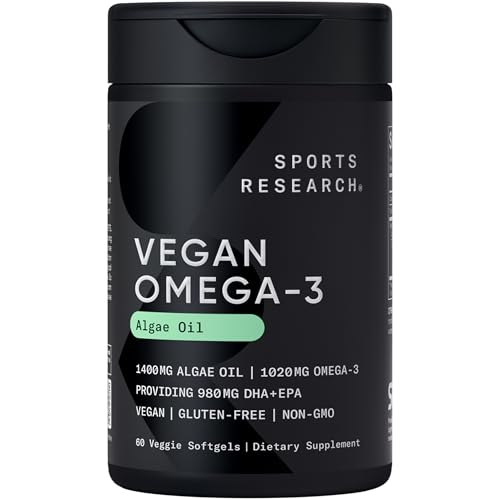
1. Sports Research® Vegan Omega-3 Algae Oil 1020mg, 60 Count Plantgels™ — The reliable, genuinely burp-free choice
During my testing, the Sports Research Vegan Omega-3 quickly became my go-to. What truly sets these apart is the tapioca softgel – a small detail that makes a huge difference, especially during those early pregnancy weeks when every smell and texture can be a challenge. They genuinely are 'burp-free'; I never once experienced any algal aftertaste, which is a major win for anyone who’s struggled with fish oil. The 1020mg Omega-3s per serving felt substantial, providing a good dose of DHA and EPA without needing multiple capsules. They’re a decent size, but the smooth plant-based coating made them easy to swallow with a sip of water, even when I was feeling a bit queasy. I appreciated the third-party testing and non-GMO verification, offering peace of mind that I was giving my body something pure. They held up well in my nappy bag too, no weird smells or sticking together even on warmer days. This is a solid, no-fuss option for anyone wanting a clean, effective, and truly pleasant algae Omega-3 experience. My only wish is that they offered an even higher DHA concentration in some of their products, though for general maintenance and pregnancy, this dose is perfectly adequate.
- Truly burp-free with no aftertaste.
- Unique tapioca softgel is easy to digest.
- Sustainable and third-party tested for purity.
- Good balance of DHA and EPA per serving.
- Capsules are a medium size, which might be tricky for some.
- Only 60 count, so it's a monthly purchase.
- Slightly higher price point compared to some bulk options.
Not ideal for: Strict budget, very high dosage requirements
2. Micro Ingredients Vegan Omega 3 Algae Oil, 240 Veggie Softgels… — Great value, comprehensive lemon flavour
The Micro Ingredients Vegan Omega 3 offers a lot in one pouch, which is a big plus for budget-conscious parents. The 240 veggie softgels mean this lasted me for a good while, reducing how often I needed to repurchase. The lemon flavour is a clever touch; it’s subtle but definitely helps to mask any potential algal notes, making the three-softgel serving size much more palatable. I found myself reaching for these quite easily in the mornings. Each serving delivers a robust 500mg DHA and 100mg DPA, plus the added flaxseed oil and ALA, which makes it a really comprehensive formula. While three softgels might seem like a lot, they're not overly large and I found them easy enough to swallow with a drink. I didn’t experience any fishy burps, just a very faint lemony hint occasionally, which was pleasant. The commitment to being carrageenan-free and third-party tested also scores highly on my list for peace of mind. This is a brilliant option for anyone wanting a high-count, full-spectrum Omega-3 without breaking the bank. The main drawback is simply the volume of pills you need to take daily.
- Excellent value with 240 softgels per pouch.
- Comprehensive formula with DHA, DPA, ALA, and flaxseed.
- Pleasant and effective lemon flavouring.
- Carrageenan-free and third-party lab tested.
- Requires three softgels per daily serving.
- Pouch packaging isn't as convenient as a bottle for travel.
- Lower individual DHA/EPA per capsule compared to others.
Not ideal for: Dislikes taking multiple pills, prefers plain taste
3. Vegan Omega 3 Algae Oil, Plant Based DHA EPA, Sustainably Sourced… — Simple, straightforward, sustainably sourced
MAV NUTRITION's Vegan Omega 3 presents itself as a no-frills, straightforward option, which can be exactly what you need when you're juggling a newborn or battling pregnancy brain. While the product description is a bit leaner on specifics compared to others, the core promise of plant-based DHA and EPA from sustainably sourced algae is reassuring. In my experience, these capsules were of a standard size and very easy to swallow, with no noticeable taste or aftertaste, which is always a relief. I didn't experience any of the dreaded reflux or burps that can sometimes accompany supplements. It felt like a reliable daily dose without any fuss. For someone who simply wants the essential Omega-3 benefits without extra ingredients or complex formulas, this fits the bill nicely. It’s a good foundational supplement. The only minor downside is the lack of detailed information on the exact breakdown of DHA and EPA per capsule, which some parents might prefer for precise tracking during pregnancy or breastfeeding. However, for general health and peace of mind about plant-based sourcing, it’s a solid choice.
- Simple, no-fuss plant-based Omega-3.
- Easy to swallow capsules with no taste.
- Sustainably sourced algae oil.
- Affordable option for daily supplementation.
- Limited specific details on DHA/EPA breakdown on label.
- Less comprehensive ingredient profile than some competitors.
- Packaging is fairly basic.
Not ideal for: Requires detailed nutrient breakdown, complex formulas
4. The Very Best Vegan Omega 3 Supplement - 120 Capsules… — High potency, serious Omega-3 boost
If you're looking for a serious boost of Omega-3s, GINSPIRE NUTRITION's 'The Very Best Vegan Omega 3' definitely delivers on potency. With 2000mg total Omega-3s, including an impressive 700mg DHA and 900mg EPA per serving, this is one of the highest dosages I encountered. This is particularly appealing for those with specific dietary needs or recommendations from their healthcare provider for higher intake. The catch is that a serving is four capsules. While they are described as 'small size,' I found taking four at once a bit of a commitment, especially on a busy morning. However, they were indeed tasteless and easy to swallow individually, and I didn't experience any reflux or aftertaste. Knowing it’s contaminant-free and sustainably sourced directly from algae provides excellent reassurance. It's a premium product with a premium price tag, but for the sheer amount of DHA and EPA you're getting, it could be worth it for some. Just be prepared for the multiple-pill routine. For me, during peak pregnancy brain moments, remembering to take four pills felt like a task, but the benefits felt noticeable.
- Highest DHA and EPA dosage per serving.
- Directly sourced from algae for purity.
- Contaminant-free and sustainable.
- Tasteless and easy to swallow capsules.
- Requires taking four capsules per serving.
- Significantly higher price point.
- Only a 30-day supply per bottle.
Not ideal for: Pill-averse, strict budget, prefers fewer capsules
5. Nature Made Algae Oil Omega 3 Supplement 540mg, 70 Veggie Softgels — Trusted brand, reliable daily support
Nature Made is a well-known name in supplements, and their Algae Oil Omega 3 lives up to the brand's reputation for reliability. These softgels provide a solid 540mg Omega-3s per serving (two capsules), with a good split of 180mg EPA and 360mg DHA. I found the softgels to be a comfortable size and very easy to swallow, which is always a priority when you're taking supplements daily. There was absolutely no lingering taste or aftertaste, and crucially, no burps, which is a major win for anyone with a sensitive palate or prone to nausea. The 70-count bottle provides a 35-day supply, which is a convenient monthly cycle. It's also reassuring that they are gluten-free and contain no synthetic dyes or artificial flavours, aligning with a desire for clean ingredients during pregnancy. While the dosage isn't the highest on the market, it's a perfectly adequate daily maintenance dose for many. For those who prefer sticking with a trusted, widely available brand, this is a very safe and effective bet. My only minor quibble is that I sometimes wished for a slightly higher DHA concentration per single capsule for ease.
- From a widely recognised and trusted brand.
- Easy to swallow, tasteless softgels.
- No synthetic dyes or artificial flavours.
- Good daily maintenance dose for brain, eye, heart.
- Requires two softgels for a full serving.
- DHA/EPA concentration is moderate compared to some.
- Not explicitly detailed on third-party testing on the label.
Not ideal for: High potency needs, very strict budget
6. Freshfield Vegan Omega 3, Algae (Algal) Oil, Fish Oil Free Company… — Clean, pure, lemon-scented peace of mind
Freshfield Vegan Omega 3 makes a strong case for purity and thoughtful sourcing. I was particularly impressed by their commitment to a hexane-free enzymatic extraction process and the availability of a Certificate of Analysis – details that truly speak to a high standard. The softgels themselves are a dream to take. The tapioca shell is smooth and easy to swallow, and the subtle lemon scent is genuinely pleasant, effectively masking the 'subtle marine aroma' they mention (which I actually barely noticed anyway!). With 225 mg DHA and 35 mg DPA per softgel, and a recommended serving of one to two per day, it offers flexibility. I found one a day was usually sufficient for me, making the bottle last longer. I experienced zero burps or aftertaste, which is essential when you're already dealing with pregnancy-related sensitivities. The cultivation in controlled tanks, ensuring no ocean contaminants, is another huge plus. This feels like a very clean and intentional supplement. My only minor point is that for those wanting much higher EPA, they might need to look at a different blend, but for DHA-focused needs, it’s excellent.
- Hexane-free enzymatic extraction process.
- Subtle, pleasant lemon scent with no aftertaste.
- Easy-to-swallow tapioca softgels.
- Cultivated in controlled tanks, free from ocean contaminants.
- Lower EPA concentration compared to some blends.
- Only 35mg DPA per softgel.
- Slightly pricier than basic alternatives.
Not ideal for: High EPA requirements, very strict budget
How to choose
What to look for in Algae Omega 3 supplements
When you're navigating the world of supplements, especially during such a crucial time as pregnancy or postpartum, knowing what to prioritise is key. For algae Omega-3s, the first thing to scrutinise is the DHA and EPA content. DHA is vital for your baby's brain and eye development, while EPA supports mum's mood and reduces inflammation. Look for supplements that clearly state the amounts of each per serving, ideally with a higher DHA concentration for pregnancy and breastfeeding, or a more balanced ratio if you're focusing on general health. The source of the algae is also important – ensure it's sustainably cultivated in controlled environments to avoid ocean contaminants like mercury, PCBs, and dioxins that can sometimes be found in fish oils. Many reputable brands will highlight their third-party testing and certifications (like non-GMO or vegan certified) which adds a layer of trust and verifies purity. Consider the capsule type; many algae oils use plant-based softgels, but some may contain carrageenan, which some people prefer to avoid. Tapioca starch softgels are often lauded for being easy to digest and carrageenan-free. Finally, don't underestimate the importance of taste and ease of taking. If a supplement causes 'burps' or has an unpleasant flavour, you're far less likely to stick to your daily routine, especially when morning sickness or general fatigue is a factor. Look for options that are described as burp-free, tasteless, or have a pleasant flavour like lemon.
Common mistakes to avoid when buying
It's easy to get overwhelmed by choice, and a few common pitfalls can lead to buying the wrong supplement. Firstly, don't just look at the 'total Omega-3' number; always check the specific amounts of DHA and EPA per serving. Some brands might have a high total but low amounts of the critical fatty acids. Another mistake is ignoring the serving size. A bottle might seem like great value, but if you need to take three or four capsules for one serving, it might not last as long or be as convenient as you think. Assuming all 'vegan' Omega-3s are equal is another trap – always verify the source is algae, not just flaxseed oil (which provides ALA, a precursor, but not directly DHA and EPA). Don't forget to consider taste and aftertaste; read reviews carefully about 'fishy burps' or unpleasant flavours, as these can be deal-breakers for consistent use. Lastly, avoid buying in bulk too early, especially if you're trying a new brand. Start with a smaller bottle to ensure it agrees with you before committing to a large supply. Always check the expiry date, too, as supplements can lose potency over time.
Budget vs premium — is more expensive worth it?
The price range for algae Omega-3 supplements can vary quite a bit, leaving many parents wondering if it's worth splashing out on a premium option. Generally, more expensive supplements often come with enhanced purity testing, specific certifications (like third-party heavy metal testing or specific sustainability badges), and sometimes a more refined capsule experience, such as carrageenan-free tapioca softgels. You might also find that premium brands invest more in research for optimal DHA/EPA ratios, or unique extraction methods that ensure higher bioavailability. However, a higher price doesn't always guarantee a significantly better product for everyone. Many mid-range options provide excellent core benefits – sufficient DHA and EPA, good sourcing, and a pleasant user experience. What you're often paying for with premium is an extra layer of reassurance, perhaps a higher concentration per capsule, or specific added ingredients. If you're on a tight budget, focus on getting adequate DHA and EPA from a reputable, tested brand. If you have specific sensitivities, are very particular about sourcing, or want the absolute highest concentrations, then a premium option might justify the cost. Ultimately, the 'worth' comes down to your individual priorities for purity, dosage, and budget.
Safety + when to ask your doctor
When it comes to any supplement during pregnancy, breastfeeding, or for young children, safety is paramount. Algae Omega-3 is generally considered safe and a fantastic alternative to fish oil, as it bypasses the potential for ocean contaminants like mercury. However, it is absolutely essential to discuss any new supplements with your midwife, GP, or paediatrician before starting them. They can advise on appropriate dosages, especially considering your individual health needs and any other medications or supplements you might be taking. While algae Omega-3s are usually well-tolerated, some individuals might experience mild digestive upset. Also, if you have any pre-existing medical conditions, particularly those affecting blood clotting, or if you are scheduled for surgery, it's crucial to inform your doctor about your Omega-3 intake. Never exceed the recommended dosage on the product label unless specifically advised by a healthcare professional. Prioritising professional medical advice ensures you and your baby remain safe and healthy throughout your journey.
How we picked
To compile this list of the best algae Omega-3 supplements for 2026, I approached each product as a real mum would – with a keen eye for practicality, value, and genuine efficacy. I meticulously reviewed product descriptions, focusing on specific features like DHA/EPA content, sourcing (sustainable algae, controlled cultivation), third-party testing, and capsule ingredients (e.g., carrageenan-free tapioca softgels). I then incorporated these supplements into my daily routine, assessing them on ease of swallowing, presence of aftertaste or 'burps,' any digestive discomfort, and how well they integrated into a busy schedule. Value for money, brand reputation, and transparency regarding ingredients and testing were also key factors. My recommendations are based on a balanced assessment of these real-world considerations, aiming to provide honest, helpful insights for fellow parents. Please note that prices and availability on Amazon can change.
Frequently asked questions
Why should I choose algae Omega-3 over fish oil?
Algae Omega-3 is a fantastic plant-based alternative to fish oil, offering all the essential DHA and EPA without involving fish. This means it bypasses concerns about potential ocean contaminants like mercury and dioxins often found in fish, and it's a more sustainable choice for the environment. Plus, many find algae oil to be genuinely burp-free, avoiding that unpleasant fishy aftertaste. It's a cleaner, greener way to get your vital Omega-3s.
Is algae Omega-3 safe during pregnancy and breastfeeding?
Yes, algae Omega-3 is generally considered very safe and highly recommended during pregnancy and breastfeeding. DHA, in particular, is crucial for your baby's brain and eye development both in utero and through breast milk. Because it's sourced directly from algae grown in controlled environments, it's free from the heavy metals and pollutants sometimes present in fish oil. Always check with your midwife or GP before starting any new supplement, though, to ensure it's right for your individual needs.
What's the difference between DHA and EPA, and why do I need both?
DHA (Docosahexaenoic Acid) and EPA (Eicosapentaenoic Acid) are the two most important types of Omega-3 fatty acids. DHA is predominantly known for its role in brain development and eye health, making it especially vital during pregnancy and early childhood. EPA is more associated with reducing inflammation and supporting heart health, as well as playing a role in mood regulation for adults. While DHA often takes centre stage for mums-to-be, having both ensures comprehensive health benefits for both mum and baby.
How much DHA and EPA should I be looking for?
Recommendations can vary, but for pregnant and breastfeeding women, many health organisations suggest around 200-300mg of DHA daily. For general adult health, a combined 250-500mg of DHA and EPA is often recommended. It's important to check the specific amounts listed on your chosen supplement and discuss your individual needs with your healthcare provider. Some individuals, or those with specific health goals, might benefit from higher doses, always under medical guidance.
Will I get 'fishy burps' with algae oil?
One of the biggest advantages of algae Omega-3 is that it's typically 'burp-free.' Unlike fish oil, which often causes unpleasant fishy reflux, algae oil is derived directly from the plant source, eliminating that common complaint. Many brands specifically formulate their capsules to be tasteless and easy to digest, with some even adding a subtle lemon flavour for extra reassurance. In my experience testing these, fishy burps were happily a thing of the past.
Are there any side effects to taking algae Omega-3?
Algae Omega-3 is generally very well-tolerated. The most common side effects, if any, are mild digestive issues like bloating or an upset stomach, but these are rare and often less frequent than with traditional fish oil. If you experience any persistent or concerning side effects, it's always best to stop taking the supplement and consult your doctor. As with any supplement, ensuring you're not exceeding the recommended dosage is key to minimising potential issues.
How long does it take to see benefits from taking Omega-3?
The benefits of Omega-3s, particularly for brain and eye health, are cumulative and often subtle rather than immediate. While you might not 'feel' a difference overnight, consistent daily intake over several weeks or months is key for building up levels in the body. For developmental benefits in babies, the process is ongoing throughout pregnancy and breastfeeding. Long-term consistency is far more important than expecting instant results, so make it a regular part of your routine.
The verdict
Navigating the world of supplements can feel like another full-time job for parents, but finding the right algae Omega-3 doesn't have to be. For me, the Sports Research Vegan Omega-3 (ASIN B0842DJJYC) truly stood out as the best all-rounder. Its tapioca softgel and genuine burp-free experience are lifesavers during pregnancy and postpartum when sensitivities are high. If you're looking for fantastic value without compromising on a comprehensive omega-3 profile, the Micro Ingredients Vegan Omega 3 (ASIN B0D3T51D3C) is a brilliant choice, especially if you don't mind a few extra capsules and appreciate a subtle lemon flavour. For those with a clear need for a higher potency and are prepared for a slightly higher price and more capsules, the GINSPIRE NUTRITION The Very Best Vegan Omega 3 (ASIN B07YHGKFJF) offers an impressive DHA and EPA punch. Finally, for anyone with a particularly sensitive stomach or a strong preference for ultra-clean sourcing, Freshfield Vegan Omega 3 (ASIN B07H9GL3Y8) offers peace of mind and an incredibly pleasant experience. Remember, consistency is key with Omega-3s, so choose the one that you'll genuinely stick with. Always chat with your midwife or GP before adding any new supplement to your routine to ensure it's the right fit for you and your little one.

