Quick take: Your belly button will often look different after pregnancy—stretch, color shifts, and a softer scar are normal. Most changes settle within 3‑6 months. Watch for persistent pain, bulging, or foul odor; those signs mean it’s time to call a provider.
After months of prenatal appointments, you finally hear “It’s a girl!” or “It’s a boy!” and the next thing you know, you’re cradling a newborn in the middle of the night. In the hush of those early hours you might notice something new: your belly button looks different. Maybe it’s wider, a little darker, or it feels softer than before. You’re not alone—most new moms wonder if this is “normal” or a sign of a problem.
In this guide we break down everything you need to know about belly button postpartum change. We’ll explain why the shape shifts, how long healing usually takes, what to do if you suspect a hernia or prolapse, and which exercises can help restore confidence. We’ll also cover practical care tips, hygiene, and the red‑flag symptoms that require a medical eye.
Read on for a step‑by‑step roadmap that blends scientific insight with real‑world advice, so you can feel reassured and empowered as your body settles into the postpartum rhythm.
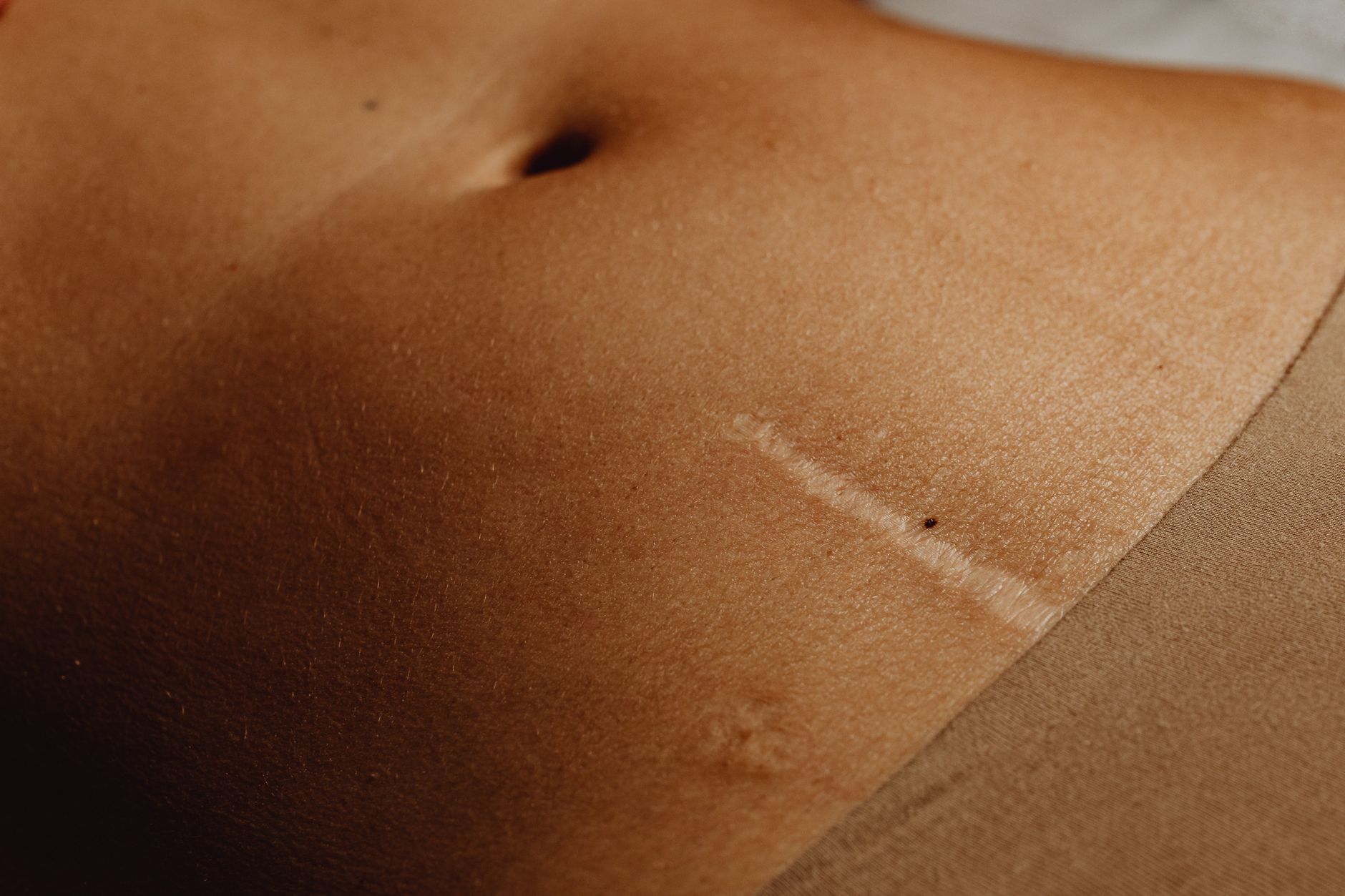
During pregnancy your abdomen expands dramatically to accommodate a growing baby. This expansion stretches the skin, connective tissue, and the umbilical ring—the tiny opening where the umbilical cord once attached. Hormones such as estrogen and relaxin soften collagen, making the skin more pliable. After delivery, the abdominal wall contracts, but the stretched umbilical tissue often remains slightly larger than before.
Physiological reasons behind the change
- Skin stretching: The outer dermis stretches over weeks, and while it can recoil, it may not return to its exact pre‑pregnancy size.
- Hormonal effects: Relaxin and progesterone linger for weeks postpartum, keeping tissues supple.
- Muscle separation: Diastasis recti—separation of the rectus abdominis muscles—can alter the contour around the navel, making it appear wider.
How common is a size increase?
Studies from the American College of Obstetricians and Gynecologists (ACOG) show that up to 70 percent of women notice a modest enlargement of their belly button after pregnancy, most often less than 1 centimeter. The change is usually greatest in the first two months and gradually stabilizes.
When the change is more than just stretch
If you notice a sudden bulge, a hole that seems to open wider, or a feeling of “looseness” that doesn’t improve with time, it could signal an umbilical hernia or prolapse. These conditions need medical assessment (see the “How to care for an umbilical hernia” section).
What is the typical postpartum belly button scar healing timeline and when does it return to normal?
Healing follows a predictable pattern, though individual experiences vary. Understanding the phases helps you know what’s expected and when to be concerned.
Phase 1: Inflammatory stage (Days 0‑7)
- Redness, swelling, and a slight “raw” feeling are normal.
- Keep the area clean with mild soap and pat dry; avoid harsh scrubbing.
Phase 2: Proliferation stage (Weeks 2‑6)
- New tissue forms; the scar may turn pink or light brown.
- Gentle moisturizers containing ceramides or aloe can keep the skin supple.
Phase 3: Remodeling stage (Months 2‑6)
- The scar matures, becoming flatter and less noticeable.
- Most women report their belly button looking “close to normal” by 3‑4 months.
Full return to baseline
For many, the final cosmetic result appears by 6 months, but subtle differences (slight widening or color change) can persist longer. If you had a C‑section or a large umbilical hernia repair, the timeline may extend to 9‑12 months.
How can I care for an umbilical hernia or prolapse after childbirth?
Umbilical hernias are pockets of tissue that push through the weakened area around the navel. They are more common after pregnancy because the abdominal wall has been stretched and the connective tissue softened.
Signs to watch for
- A soft bulge that becomes more pronounced when you cough, sneeze, or lift.
- Discomfort or a dull ache around the navel.
- Skin over the bulge that appears stretched or pink.
- Support with a binder: A gentle, breathable abdominal binder (often used postpartum) can reduce pressure on the hernia while you recover.
- Gentle movement: Avoid heavy lifting (>10 lb) and high‑impact activities for the first 6 weeks.
- Hygiene: Keep the area clean and dry. Use a mild, fragrance‑free cleanser and pat gently.
When to consider surgical repair
If the bulge persists beyond 12 weeks, enlarges, or becomes painful, a surgeon—typically a general surgeon or plastic surgeon—may recommend a hernioplasty. The procedure is often done under local or general anesthesia and has a high success rate.
Preventing prolapse
Pelvic floor strengthening (e.g., Kegels) and core‑stabilizing exercises help support the abdominal wall, reducing the chance of a prolapse developing.
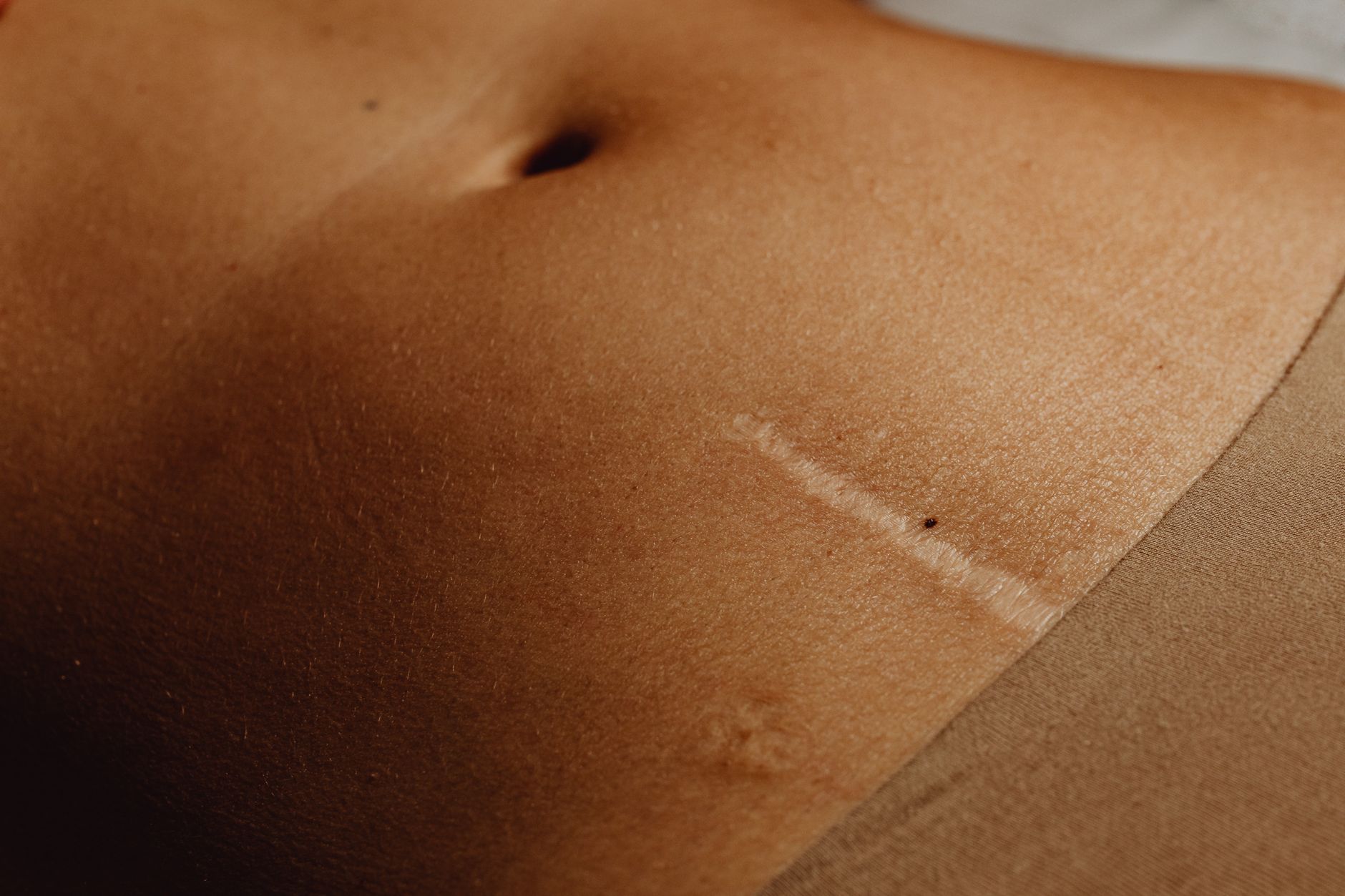
A C‑section involves an incision through the abdominal wall, which often includes the belly button. The way the incision is closed can influence the final look.
Incision styles
- Vertical (midline) incision: Runs from the navel upward; may leave a longer scar.
- Transverse (bikini) incision: Typically placed just above the pubic hairline and often spares the belly button.
- Umbilical‑based incision: Some surgeons cut through the navel itself, which can lead to a “re‑shaped” belly button.
Typical appearance changes
After a C‑section, the navel may appear flatter, more oval, or slightly indented. Scar tissue can cause a minor discoloration that fades over months. Many women report a “tight” feeling around the navel for the first few weeks.
Difference from episiotomy scar
An episiotomy is a perineal cut made during vaginal delivery. It’s located between the vagina and the anus, completely separate from the belly button. The two scars heal independently and have different care recommendations. While an episiotomy scar may affect pelvic comfort, a belly button scar influences abdominal aesthetics.
Breastfeeding hormones and the physical act of nursing can subtly affect the belly button.
Hormonal influence
Prolactin and oxytocin, which rise during nursing, can increase skin oil production, sometimes leading to a darker (hyperpigmented) navel. This is harmless and usually fades after weaning.
Discoloration causes
- Post‑inflammatory hyperpigmentation from the stretch.
- Increased melanin production due to hormonal shifts.
- Minor irritation from sweat or friction with clothing.
Odor and hygiene tips
A mild scent can develop if moisture gets trapped in the navel folds. To keep it fresh:
- After a shower, gently dry the inside of the belly button with a soft towel.
- Use a cotton swab dipped in diluted hydrogen peroxide (1 %) once a week if you notice a lingering smell.
- Avoid heavy lotions or oils that can create a breeding ground for bacteria.
When odor signals infection
If the smell becomes foul, accompanied by redness, swelling, or discharge, it may be an infection requiring medical treatment. Prompt care prevents spread.
While you can’t fully reverse the stretch, several strategies can improve the appearance and support tissue remodeling.
Massage and connective‑tissue techniques
Gentle circular massage with a vitamin E oil or a silicone‑based scar gel (e.g., Mederma) for 5‑10 minutes, twice daily, can encourage collagen alignment.
Compression garments
Wearing a postpartum belly‑button‑shaping binder for 4‑6 weeks helps flatten the area and reduces the visual gap. Choose a breathable, adjustable garment to avoid skin irritation.
Topical moisturizers
Products containing hyaluronic acid or shear‑strengthening peptides keep the skin hydrated, making it more elastic and less likely to “re‑open.”
When surgical closure is considered
If the opening remains larger than 1 cm after 12 months, a plastic surgeon can perform a umbilicoplasty to reshape the navel. This is a minor outpatient procedure with a short recovery.
When should I see a doctor for postpartum belly button pain or concerning signs?
Most discomfort after birth is temporary, but certain symptoms deserve prompt evaluation.
Red‑flag symptoms
- Severe or worsening pain that isn’t relieved by over‑the‑counter painkillers.
- Visible bulge that enlarges when you cough or lift.
- Foul odor, yellow‑green discharge, or increasing redness.
- Fever (>38°C / 100.4°F) accompanying belly‑button symptoms.
- Sudden change in shape that persists beyond 6 weeks.
Which specialist to consult
Start with your OB‑GYN or midwife. If a hernia or prolapse is suspected, they’ll refer you to a general surgeon or plastic surgeon. For infection concerns, a dermatologist or primary‑care physician can prescribe appropriate antibiotics.
Core‑strengthening moves that engage the deep abdominal muscles (transversus abdominis) help support the navel without putting excess strain on the scar.
Post‑partum‑friendly core routine
- Pelvic tilts: Lie on your back with knees bent. Gently flatten your lower back into the floor, hold 5 seconds, release. Perform 10 reps, 2 times daily.
- Transverse abdominal breathing: Inhale deeply, then exhale while pulling your belly button toward your spine. Hold 10 seconds, repeat 8 times.
- Modified side‑plank: On your side, support yourself on your forearm and knees. Keep the torso straight, hold 15‑20 seconds, switch sides. Aim 3 sets.
- Heel slides: Supine, slide one heel toward your buttocks while keeping your core engaged. Return, then repeat with the other leg. 12 reps each side.
What to avoid
Traditional crunches, sit‑ups, and heavy lifting can stress the healing scar and increase the risk of a hernia. Wait at least 6 weeks (or until cleared by your provider) before attempting high‑impact core work.
Symptoms checklist, treatment options, and when to see a specialist for postpartum belly button concerns
Below is a concise guide you can keep in your postpartum toolkit.
Symptoms checklist
- Visible bulge or “hole” around the navel.
- Persistent pain lasting >2 weeks.
- Redness, swelling, or warmth.
- Discharge with foul odor.
- Change in skin color that doesn’t fade within 3 months.
Treatment options comparison
Natural remedies with evidence
- Vitamin E oil: Small studies show modest improvement in scar pliability (American Academy of Dermatology).
- Silicone sheets: Recommended by the Scar Management Society for reducing scar height.
- Honey dressings: Antimicrobial honey can aid healing of superficial infections; supported by the National Center for Complementary and Integrative Health.
When to see a specialist
- Any red‑flag symptom listed above.
- Bulge that enlarges or becomes painful.
- Persistent discoloration or odor beyond 8 weeks.
- Desire for cosmetic reshaping after 12 months of conservative care.
Myth vs. fact
Myth: Your belly button will always look the same as before pregnancy.
Fact: It’s common for the navel to stretch, change color, or appear flatter for several months. Most changes improve by 6 months.
Myth: If the belly button feels soft, it means a hernia is present.
Fact: Mild softness is typical after skin stretching. A true hernia usually presents with a bulge that protrudes when you cough or lift.
Myth: You should avoid all movement to protect the belly button.
Fact: Gentle core‑strengthening exercises promote healing and reduce the risk of chronic diastasis. Heavy lifting should be delayed, not all activity.
Key takeaways
- Stretch, color change, and a softer scar are normal after pregnancy.
- Most belly‑button healing completes within 3‑6 months; full cosmetic resolution may take up to 12 months.
- Watch for bulging, pain, foul odor, or fever—these signal a hernia or infection.
- Gentle massage, silicone gels, and a breathable binder can improve appearance.
- Core‑stabilizing exercises are safe after your provider clears you (usually 6 weeks).
- Seek medical evaluation promptly for any red‑flag symptoms.
Frequently asked questions
Yes. Hormonal changes and abdominal stretching often make the navel appear wider, flatter, or slightly darker. Most women notice these changes within the first few weeks, and they typically improve by 3‑6 months.
Healing follows the same three‑phase pattern as any surgical scar. The incision around the navel usually reaches a mature appearance by 4‑6 months, though full cosmetic results can take up to 12 months.
Many women see improvement with non‑surgical methods—regular scar‑gel massage, silicone sheets, and a supportive postpartum binder. If significant widening persists after 12 months, a minor umbilicoplasty can be considered.
A bulge often indicates an umbilical hernia or diastasis recti. The hernia is a protrusion of tissue through a weakened spot, while diastasis is a separation of the abdominal muscles that can alter the navel’s contour.
Should I be concerned about pain around my belly button postpartum?
Occasional mild soreness is normal, especially when you’re moving or coughing. Persistent, sharp, or worsening pain—especially if accompanied by a bulge or fever—should be evaluated by a provider.
Yes. Gentle core‑stabilizing moves such as pelvic tilts, transverse abdominal breathing, modified side‑planks, and heel slides support the abdominal wall without stressing the scar. Avoid traditional crunches until cleared.
When to see a doctor / specialist
If you notice any of the following, schedule an appointment promptly:
- Severe or worsening pain that doesn’t improve with rest.
- A bulge that becomes more prominent when you cough, sneeze, or lift.
- Redness, swelling, or a foul odor with discharge.
- Fever (temperature > 38°C / 100.4°F) alongside belly‑button symptoms.
- Persistent discoloration or an opening larger than 1 cm after 12 weeks.
Start with your OB‑GYN or midwife. For suspected hernias, they’ll refer you to a general surgeon or plastic surgeon. In cases of infection, a dermatologist or primary‑care physician can prescribe antibiotics.
References
- American College of Obstetricians and Gynecologists. “Postpartum Care.” ACOG Committee Opinion No. 736, 2020.
- American Academy of Dermatology. “Scar Management Guidelines.” AAD, 2022.
- National Center for Complementary and Integrative Health. “Honey.” NCCIH, 2021.
- Scar Management Society. “Silicone Gel Sheeting for Scar Treatment.” SMS, 2021.
- American Society of Plastic Surgeons. “Umbilicoplasty.” ASPS, 2023.
- Harvard T.H. Chan School of Public Health. “Postpartum Diastasis Recti.” Harvard Health Publishing, 2022.
- American College of Surgeons. “Umbilical Hernia Repair.” ACS, 2021.
- American Association of Physical Medicine & Rehabilitation. “Core Rehabilitation After Pregnancy.” AAPMR, 2022.
- U.S. National Library of Medicine. “Relaxin and Pregnancy.” NIH, 2020.



