If you’re new to AIP, the first step is understanding the core rules: no nightshades, no grains, no dairy, no eggs, no nuts, no seeds, and no processed foods. But don’t let the "no" list overwhelm you—focus on the yes: fresh, whole foods that support gut healing. Think of it like building a foundation: start with the staples, then layer in variety.
Here’s what your beginner’s list should prioritize:
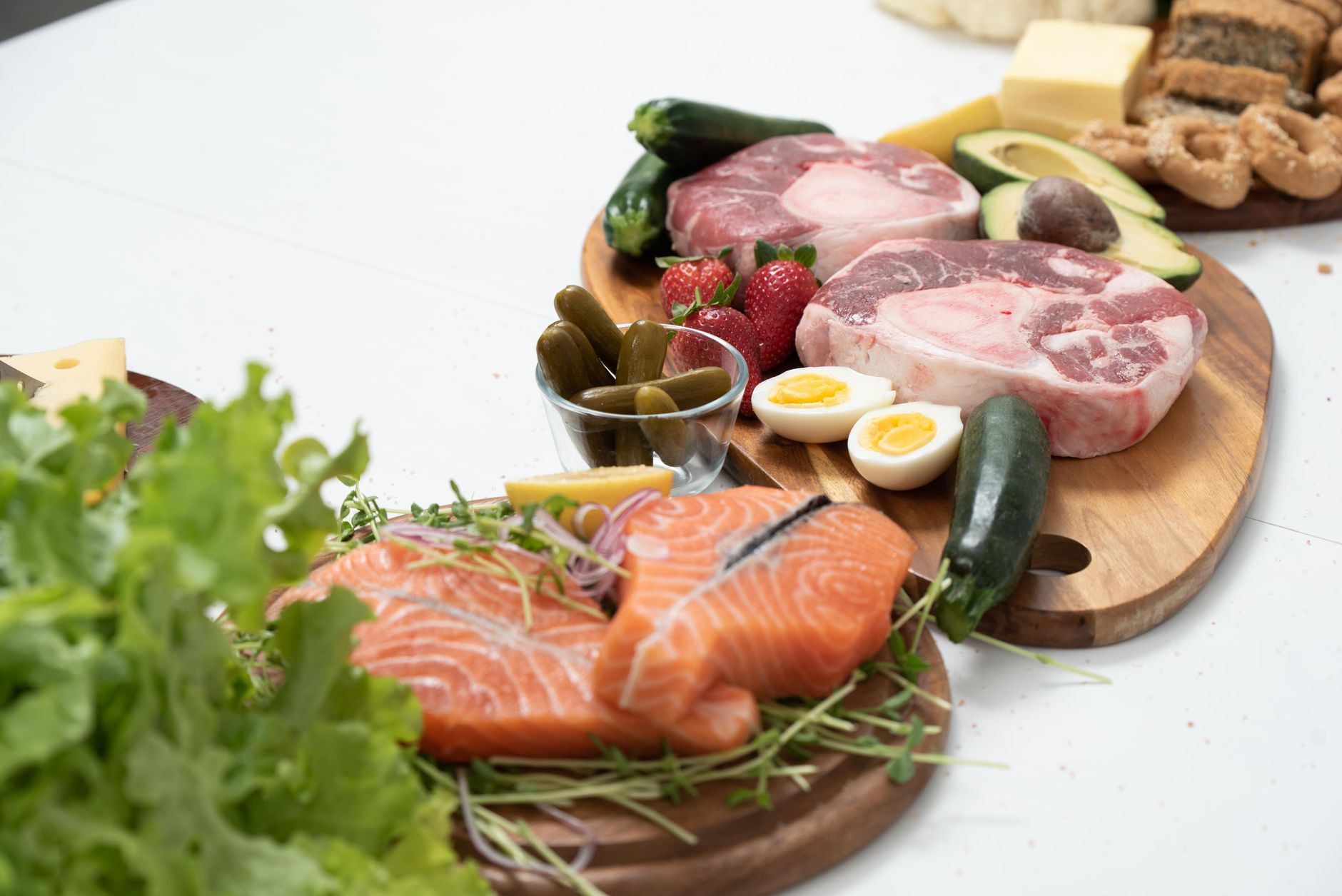
- Proteins: Grass-fed beef, pasture-raised poultry, wild-caught fish (salmon, sardines), and organ meats (liver, heart).
- Vegetables: Leafy greens (spinach, kale), cruciferous veggies (broccoli, cauliflower), zucchini, carrots, and cucumbers.
- Fruits: Berries (blueberries, raspberries), apples, pears, and citrus (lemons, limes).
- Healthy Fats: Avocados, coconut oil, olive oil, and ghee (clarified butter).
- Herbs and Spices: Turmeric, ginger, basil, and oregano (all AIP-friendly!).
Pro tip: If you’re feeling lost, start with the Primal Diet’s core staples—they overlap heavily with AIP and are easier to transition into. Many beginners also find it helpful to shop the perimeter of the grocery store first, where fresh, unprocessed foods live, before tackling the aisles.
---
Pregnancy is a unique time—your body is already working overtime, and the last thing you need is added stress on your gut or immune system. The good news? AIP can still be safe and supportive during pregnancy, with a few key adjustments. The American College of Obstetricians and Gynecologists (ACOG) emphasizes that a well-balanced diet rich in nutrients is crucial for both mom and baby, and AIP aligns with that goal by focusing on whole foods.
However, there are a few precautions to note:
- Dairy and eggs are often reintroduced during pregnancy (under medical supervision) because they provide essential nutrients like calcium and choline. If you’re strictly AIP, work with your provider to ensure you’re getting these nutrients from other sources.
- Nightshades (tomatoes, potatoes, peppers) are typically avoided on AIP, but some pregnant women tolerate them well. If you’re unsure, reintroduce them one at a time and monitor for reactions.
- Supplements like prenatal vitamins should still be taken, but opt for one without artificial additives or fillers.
Here’s what to focus on:
- Proteins: Wild-caught salmon (rich in omega-3s), grass-fed beef, and pasture-raised chicken.
- Vegetables: Spinach (folate!), carrots (vitamin A), and zucchini (hydration-friendly).
- Fruits: Berries (antioxidants) and apples (fiber).
- Healthy Fats: Avocados (folate and healthy fats) and coconut oil (for cooking).
Bonus: Bone broth is a game-changer for gut health during pregnancy—look for grass-fed, pasture-raised versions.
Many women find that dairy-free alternatives like coconut yogurt or almond-free milk (if nuts aren’t a trigger) can help fill nutrient gaps. Just be sure to check labels for hidden additives.
If you’re craving something sweet, try mashed banana with coconut oil or blueberries with a drizzle of honey (if honey isn’t a trigger for you).
---
Let’s address the elephant in the room: AIP can feel expensive. But it doesn’t have to be. The key is strategic shopping—prioritizing affordability without compromising on quality. Here’s how:
- Buy in bulk (but smartly): Grass-fed ground beef and frozen vegetables are often cheaper in bulk. Just freeze what you won’t use immediately.
- Choose seasonal produce: Berries are pricier in winter, but apples and carrots are budget-friendly year-round.
- Opt for frozen veggies: Frozen spinach, broccoli, and cauliflower are just as nutritious as fresh and often cheaper.
- Cook your own bone broth: Instead of buying expensive broth, simmer chicken or beef bones with apple cider vinegar and herbs for a fraction of the cost.
- Shop store brands: Many grocery stores carry affordable, high-quality AIP-friendly staples—just check the labels.
Pro tip: Meal prep proteins in advance. Cook a big batch of chicken thighs or ground beef on Sunday, and use them throughout the week to avoid last-minute takeout. This also helps reduce food waste.
Here’s a simple breakdown of budget-friendly swaps:
If you’re still feeling pinched, consider plant-based AIP (if you’re not avoiding legumes). Lentils and chickpeas (if tolerated) can be a budget-friendly protein source. Just be mindful of legume triggers for some autoimmune conditions.
---
When it comes to AIP, whole foods are non-negotiable. But where do you shop to find the freshest, most nutrient-dense options? Here’s the breakdown:
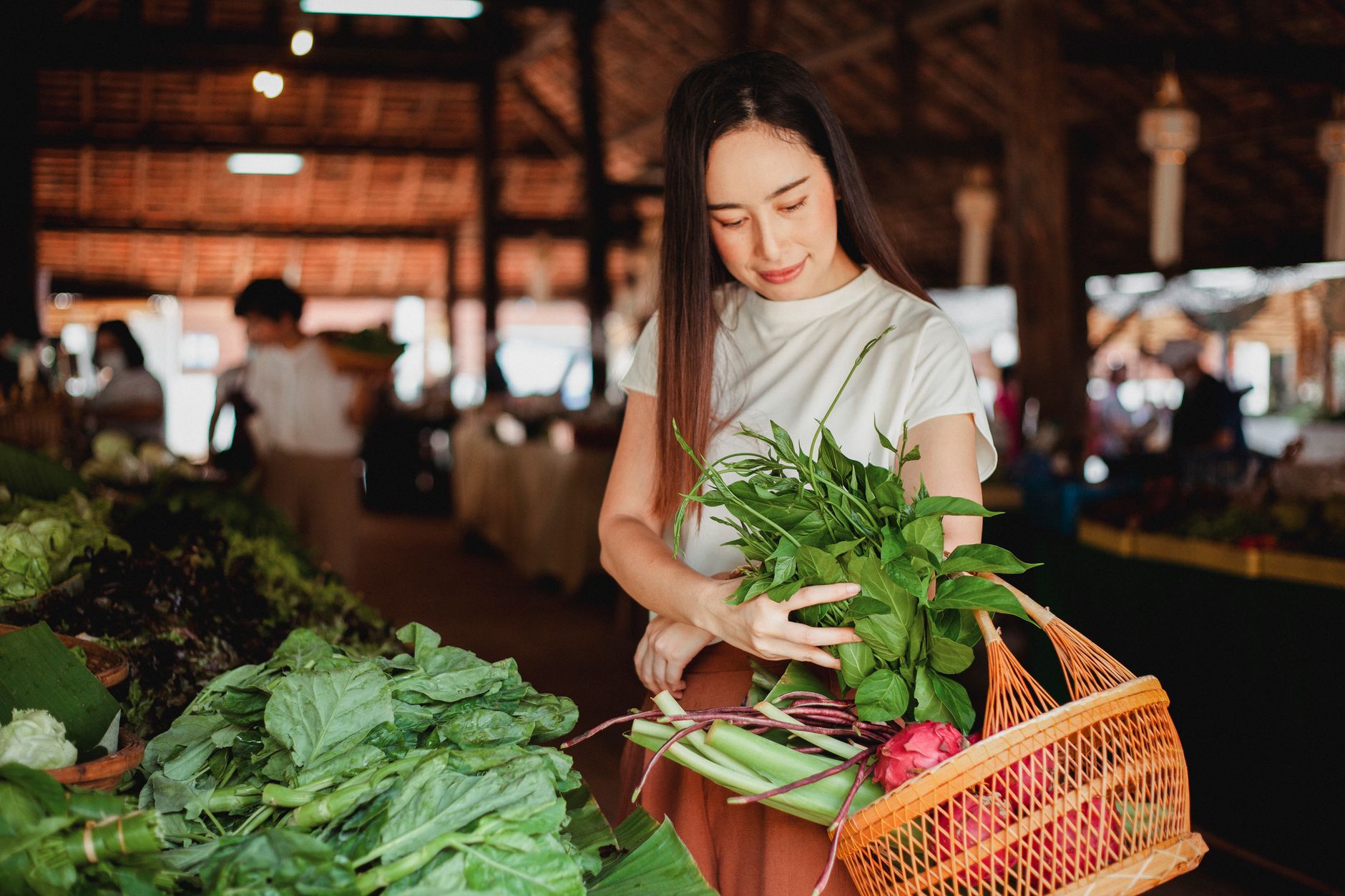
- Farmers markets: The best place for seasonal, local produce. Ask vendors about their sourcing—grass-fed, pasture-raised, and organic are your goals.
- Health food stores: Great for specialty items like coconut flour, ghee, and AIP-friendly snacks. But don’t pay premium prices for basics—stick to the essentials.
- Regular grocery stores: Many now carry organic and grass-fed options. Check the meat section for labels like "pasture-raised" or "grass-fed."
- Online retailers: If you can’t find something locally, sites like ButcherBox or Thrive Market offer AIP-friendly staples with free shipping.
Pro tip: Shop the "organic" section first, then move to conventional if needed. For example, apples are often sprayed with pesticides, so organic is worth the splurge. Onions and avocados, however, have thick skins and are usually fine conventional.
If you’re new to organic shopping, start with the Dirty Dozen list (from the Environmental Working Group) to prioritize what’s most important to buy organic.
---
Gluten-free doesn’t automatically mean AIP-compliant. Many gluten-free products contain hidden nightshades, seeds, or additives that aren’t AIP-friendly. So how do you navigate the gluten-free aisle without derailing your AIP goals?
Here’s what to look for (and avoid):
- Do buy:
- Gluten-free oats (certified AIP-friendly if free of cross-contamination).
- Coconut flour (for baking—if you’re reintroducing grains later).
- Tapioca starch (for thickening soups or sauces).
- Avoid:
- Gluten-free breads and pastas (often contain nightshades or seeds).
- Gluten-free snacks with additives (like xanthan gum or guar gum).
- Gluten-free soy products (soy is a legume and often a trigger).
Instead of gluten-free processed foods, focus on naturally gluten-free AIP staples:
- Sweet potatoes (instead of wheat-based pasta).
- Zucchini noodles (instead of gluten-free pasta).
- Coconut milk (instead of dairy-based sauces).
If you’re craving something bread-like, try lettuce wraps or coconut flour pancakes (made with eggs—if eggs aren’t a trigger for you).
---
Dairy is one of the most common triggers for autoimmune flare-ups, so many people on AIP need to find creative (and delicious) alternatives. The good news? There are plenty of dairy-free options that still pack a nutritional punch.
Here’s how to replace dairy without missing out on flavor or nutrition:
- Milk: Unsweetened coconut milk or almond-free oat milk (if nuts aren’t a trigger).
- Cheese: Nutritional yeast (for a cheesy flavor) or avocado (for creaminess).
- Yogurt: Coconut yogurt (unsweetened) or homemade coconut milk yogurt.
- Butter: Ghee (clarified butter) or coconut oil (for cooking).
For a complete dairy-free AIP grocery list, check out our dairy-free guide, which covers all the swaps in detail. Many people also find that bone broth helps satisfy cravings for creamy or rich foods.
Pro tip: If you’re missing cheese, try blending avocado with a pinch of salt and turmeric for a creamy, dairy-free dip. It’s a game-changer for sandwiches or salads!
---
We get it—weeknights are busy. The last thing you want is to spend hours in the kitchen after a long day. But AIP dinners don’t have to be complicated. With a little planning, you can have a delicious, healing meal on the table in 30 minutes or less.
Here are 5 quick AIP dinner ideas:
- Sheet-Pan Chicken and Veggies: Toss chicken thighs with olive oil, salt, and herbs, then roast with sweet potatoes and broccoli at 400°F for 25 minutes.
- Coconut Curry with Fish: Sauté wild-caught salmon in coconut milk with turmeric, ginger, and cauliflower florets. Ready in 20 minutes.
- Zucchini Noodles with Pesto: Blend fresh basil, olive oil, and nutritional yeast for a quick, dairy-free pesto. Toss with zoodles and grilled shrimp.
- Beef and Carrot Stir-Fry: Sauté grass-fed ground beef with carrots, coconut aminos (or coconut water + a pinch of salt), and ginger. Serve over cauliflower rice.
- Baked Salmon with Roasted Asparagus: Season salmon with salt, pepper, and lemon. Roast with asparagus at 375°F for 15 minutes.
Pro tip: Pre-chop veggies on weekends to save time during the week. Store them in airtight containers in the fridge for up to 5 days.
For even faster meals, keep frozen AIP-friendly options like pre-cooked chicken or cauliflower rice on hand. Just reheat and pair with a quick sauce (like coconut aminos or olive oil + lemon).
---
Meal prep is your secret weapon for AIP success. It saves time, reduces stress, and ensures you’re always eating nourishing meals—even on busy days. Here’s how to do it right:
- Batch-cook proteins: Grill or roast a big batch of chicken, beef, or fish at the start of the week. Use them in salads, wraps (lettuce or zucchini), or stir-fries.
- Roast veggies in advance: Toss sweet potatoes, carrots, and Brussels sprouts with olive oil and salt. Roast at 400°F for 25 minutes. Store in the fridge for up to 5 days.
- Make soups or stews: Simmer bone broth with chicken, mushrooms, and zucchini for a hearty, gut-healing meal.
- Pre-cut fruits and veggies: Wash and chop berries, cucumbers, and bell peppers (if tolerated) for easy snacks.
- Portion out snacks: Divide nuts (if tolerated) or seeds (if reintroduced) into small bags for grab-and-go options.
Pro tip: Use glass containers for meal prep—they’re safer for reheating than plastic and keep foods fresher longer. Label everything with the date to avoid food waste.
Here’s a simple 7-day meal prep plan:
---
Autoimmune Protocol Diet Grocery List for Special Occasions and Dining Out
Life isn’t all home-cooked meals. Whether it’s a birthday party, holiday gathering, or a night out with friends, navigating AIP on special occasions can feel tricky. But with a little planning, you can enjoy yourself without triggering flare-ups.
Here’s how to handle dining out and special events:
- Call ahead: Most restaurants can accommodate AIP requests if you give them notice. Ask about cooking methods (no cross-contamination!) and ingredient lists.
- Safe bets:
- Grilled meats (ask for no marinade with nightshades).
- Steamed or roasted veggies (avoid sauces with dairy or seeds).
- Salads with olive oil and lemon dressing.
- Bring your own: If you’re unsure about a restaurant’s AIP compliance, pack a safe side dish (like a salad or roasted veggies) to eat alongside the meal.
- Special occasions: Many AIP-friendly desserts exist! Try coconut flour muffins, berries with coconut oil, or dark chocolate (if tolerated—some people with autoimmune conditions react to cocoa).
Pro tip: Learn to read menus like a pro. Avoid dishes with words like "creamy," "buttery," "marinade," or "batter." Instead, look for grilled, steamed, or roasted options.
If you’re hosting a gathering, consider an AIP potluck. Ask guests to bring a dish they’re comfortable with—many people enjoy sharing their favorite AIP recipes!
---
Autoimmune Protocol Diet Grocery List for Storing and Preserving AIP-Friendly Foods
Proper storage is key to keeping your AIP groceries fresh and safe. Here’s how to handle the most common items:
- Meat: Store raw meat in airtight containers in the fridge for up to 3 days. For longer storage, freeze in portions (use within 3 months).
- Fish: Wild-caught fish should be eaten within 1–2 days of purchase. Freeze for up to 3 months.
- Vegetables:
- Leafy greens: Wash and store in a dry container with a paper towel to absorb moisture.
- Root veggies (carrots, sweet potatoes): Store in a cool, dark place (like a pantry) for up to 2 weeks.
- Cruciferous veggies (broccoli, cauliflower): Keep in the fridge in a breathable bag.
- Fruits:
- Berries: Store in a single layer on a paper towel-lined tray to prevent mold. Freeze for long-term storage.
- Apples and pears: Keep in the fridge to slow ripening.
- Healthy fats:
- Coconut oil: Store in a cool, dark place (or fridge if in hot climates).
- Olive oil: Keep in a dark bottle away from light.
Pro tip: Label everything with the date so you know when to use or discard items. And if you’re batch-cooking, freeze portions in ice cube trays (for broth) or silicone molds (for soups) for easy grab-and-go meals.
---
Common Pitfalls and How to Avoid Them
AIP isn’t always intuitive. Here are the most common mistakes—and how to avoid them:
- Assuming "gluten-free" = AIP-friendly: Many gluten-free products contain nightshades, seeds, or additives. Stick to whole foods whenever possible.
- Skipping reintroduction phases: If you’re healing from an autoimmune condition, reintroducing foods slowly and methodically is crucial. Skip the "all-or-nothing" approach.
- Over-relying on processed AIP snacks: While there are AIP-friendly snacks (like coconut flour crackers), they’re not a substitute for whole foods. Prioritize fresh, unprocessed meals.
- Ignoring portion sizes: Even AIP-friendly foods can cause issues if eaten in excess. Listen to your body and adjust portions as needed.
- Not checking labels: Hidden additives (like xanthan gum or guar gum) are common in processed foods. Always read labels, even on "natural" products.
Pro tip: Start with the basics before branching out. Many people find that sticking to proteins, veggies, and healthy fats for the first few weeks makes the transition smoother.
---
Myth vs. Fact: Debunking Common AIP Misconceptions
Myth: "AIP is too restrictive and unsustainable long-term."
Fact: While AIP is restrictive in the short term, many people find it liberating in the long run because it eliminates common triggers for inflammation. The key is focusing on whole, nourishing foods rather than deprivation. Many people reintroduce grains and dairy later if they tolerate them well.
Myth: "You have to eat AIP forever."
Fact: AIP is typically a short-term elimination diet (usually 30–90 days) to identify triggers. After healing, many people reintroduce foods in a structured way. Always work with a healthcare provider or dietitian to guide the process.
Myth: "AIP is just another fad diet."
Fact: AIP is rooted in clinical nutrition and autoimmune research. It’s designed to reduce inflammation and support gut healing, which is why it’s used by many healthcare providers to help patients manage autoimmune conditions.
Myth: "You can’t eat out or socialize on AIP."
Fact: With a little planning, you can enjoy social events on AIP. Focus on safe options, communicate your needs to hosts, and bring your own safe dishes if needed.
---
Here’s a quick recap of what to prioritize when shopping for AIP:
- Proteins: Grass-fed meats, wild-caught fish, and organ meats.
- Vegetables: Leafy greens, cruciferous veggies, and root veggies.
- Fruits: Berries, apples, and citrus (in moderation).
- Healthy Fats: Avocados, coconut oil, olive oil, and ghee.
- Avoid: Nightshades, grains, dairy, eggs, nuts, seeds, and processed foods.
- Meal prep: Batch-cook proteins and roast veggies in advance.
- Budget tips: Buy in bulk, choose seasonal produce, and cook from scratch.
- Dining out: Call ahead, ask questions, and bring safe sides.
---
Frequently Asked Questions
What foods are allowed on the autoimmune protocol diet?
The AIP diet focuses on whole, unprocessed foods, including:
- Proteins: Grass-fed meats, wild-caught fish, and organ meats.
- Vegetables: Leafy greens, cruciferous veggies, and root veggies (avoiding nightshades).
- Fruits: Berries, apples, pears, and citrus (in moderation).
- Healthy Fats: Avocados, coconut oil, olive oil, and ghee.
- Herbs and Spices: Turmeric, ginger, basil, and oregano.
For a full list, refer to our Primal Diet guide, which overlaps heavily with AIP.
How do I create a grocery list for the autoimmune protocol diet?
Start with the basics: proteins, veggies, and healthy fats. Then, plan meals for the week and add any specialty items (like coconut flour or ghee). Use our 7-day meal prep table above as a starting point. Pro tip: Shop the perimeter of the store first for fresh, unprocessed foods.
Can I shop for the autoimmune protocol diet online?
Absolutely! Online retailers like ButcherBox or Thrive Market offer AIP-friendly staples with free shipping. Just be sure to check labels for hidden additives. For fresh produce, local farmers markets or delivery services (like Farmigo) are great options.
Is the autoimmune protocol diet safe for pregnancy?
AIP can be safe and supportive during pregnancy, but with adjustments. Many women reintroduce dairy and eggs (under medical supervision) for essential nutrients. Focus on nutrient-dense whole foods like wild-caught fish, grass-fed meats, and leafy greens. Always consult your healthcare provider before making major dietary changes.
What are the best staples for an autoimmune protocol diet?
The best AIP staples are:
- Proteins: Chicken thighs, grass-fed ground beef, wild-caught salmon.
- Vegetables: Spinach, broccoli, zucchini, carrots.
- Fruits: Blueberries, apples, pears.
- Healthy Fats: Coconut oil, olive oil, avocados.
- Pantry Items: Coconut flour, tapioca starch, coconut aminos.
These are the easiest to find and most versatile for meal prep.
How often should I shop for the autoimmune protocol diet?
Ideally, once a week to stock up on fresh produce and proteins. If you’re meal prepping, you can extend this to every 10–14 days for staples like frozen veggies or canned fish. Just be mindful of perishables like leafy greens, which should be used within a few days.
---
When to See a Doctor or Specialist
While AIP is generally safe for most people, there are red flags that mean you should consult a healthcare provider:
- If you experience severe fatigue, dizziness, or lightheadedness—these could indicate nutrient deficiencies (like B12 or iron) that need medical attention.
- If you’re pregnant or breastfeeding and struggling with nutrient gaps (like calcium or choline), work with your provider to ensure you’re getting adequate nutrition.
- If you’re reintroducing foods and notice severe symptoms (like joint pain, brain fog, or digestive issues), stop and consult a doctor or dietitian.
- If you’re considering long-term AIP without medical supervision, especially if you have a history of eating disorders.
For most people, a registered dietitian specializing in autoimmune conditions can provide personalized guidance on meal planning, supplement needs, and reintroduction phases.
---
References
- The Autoimmune Protocol: AIP for Health, Healing, and Longe




