Quick take:
The autism diet isn’t a one-size-fits-all plan, but a flexible approach that focuses on nutrient-dense, sensory-friendly foods while minimizing potential triggers. Think of it as a toolkit: prioritize lean proteins, complex carbs, healthy fats, and foods that align with your child’s (or your) sensory preferences and allergies. Start with a blank grocery list, then build it around what works for *you*—whether that’s gluten-free, low-FODMAP, or simply texture-friendly options. Pro tip: keep a "meltdown stash" of safe snacks in your car, bag, or kitchen for those unpredictable moments. Learn how ADHD diets overlap with similar principles, like reducing artificial additives and focusing on whole foods.
Imagine standing in the grocery store aisle, overwhelmed by the sheer number of options, wondering how to feed your child—or yourself—a meal that’s both nutritious and sensory-friendly. You’re not alone. Many parents and autistic adults tell us they avoid shopping for autism-friendly meals because they assume it’s expensive, complicated, or just plain impossible. But the truth? You can create a well-balanced, autism-friendly grocery list in under 30 minutes a day with the right strategies.
The autism diet isn’t about deprivation or rigid rules—it’s about discovering foods that work *for you*. Whether you’re dealing with gluten sensitivity, picky eating, or sensory aversions, the key is to group ingredients by texture (crunchy vs. soft), flavor (mild vs. bold), and prep level (ready-to-eat vs. requires chopping). Below, we’ll break down the essentials, including hidden gluten traps, budget-friendly swaps, and even a 7-day meal plan to get you started. And don’t forget: this isn’t a medical treatment, but research suggests certain dietary patterns—like gluten-free or low-FODMAP diets—may help some individuals manage symptoms. Always work with a healthcare provider or dietitian to tailor this to your needs.
⚠️ When to see a specialist: If you suspect gluten sensitivity or celiac disease, consult a gastroenterologist or dietitian trained in elimination diets. For sensory or behavioral concerns, an occupational therapist or autism specialist can help refine food preferences. If you notice signs of malnutrition (like fatigue, dizziness, or hair loss), worsening digestive symptoms, or behavioral changes, reach out to your pediatrician or a registered dietitian.
---
How to Create an Autism-Friendly Grocery List: Start with These Principles
Creating an autism-friendly grocery list isn’t about checking off boxes—it’s about understanding three core principles: nutrient density, allergen awareness, and sensory compatibility. Let’s dive deeper into each to help you build a list that actually works for your family or your personal needs.
Many autistic individuals benefit from diets that reduce inflammation and support brain function. Nutrient-dense foods like omega-3s, zinc, magnesium, and B vitamins are particularly important. But it’s not just about the nutrients—it’s also about how these foods interact with your sensory system and any potential allergies. For example, if your child is sensitive to textures, you might prioritize soft-cooked vegetables over crunchy ones, or if they have a dairy allergy, you’ll need to swap out cheese for a dairy-free alternative.
1. Nutrient Density: The Foundation
Nutrient density means getting the most vitamins, minerals, and healthy fats per calorie. For autistic individuals, this can help support brain function, reduce inflammation, and improve overall well-being. Think of these foods as your building blocks:
- Lean proteins: Eggs, wild-caught salmon, grass-fed beef, and lentils (for vegan options). These are rich in protein, which is essential for muscle repair and brain function. If your child is a picky eater, start with mild-flavored proteins like scrambled eggs or plain chicken nuggets.
- Complex carbs: Quinoa, sweet potatoes, and brown rice. These provide fiber, which supports gut health—a critical factor for many autistic individuals who experience digestive sensitivities. Fiber also helps regulate blood sugar, which can be especially important if you or your child struggle with energy crashes.
- Healthy fats: Avocados, nuts (if no allergies), and olive oil. These fats are anti-inflammatory and support brain health. If your child avoids nuts due to texture, consider sunflower seed butter as a safe alternative.
- Probiotics: Sauerkraut, kefir, or yogurt (if tolerated). Gut health is closely linked to brain health, and probiotics can help balance the microbiome, which may reduce sensory sensitivities for some individuals.
Pro tip: If your child (or you) is a picky eater, start with sensory-friendly textures—like soft-cooked veggies, smooth nut butters, or mild-flavored proteins—before introducing new flavors. Gradually introduce new textures and flavors to avoid overwhelming sensory systems. For example, if your child dislikes the texture of steamed broccoli, try blending it into a smooth soup or pureeing it into a sauce.
2. Allergen Awareness: The Hidden Risks
Common allergens like gluten, dairy, soy, and eggs can worsen sensory sensitivities or digestive issues. But allergens aren’t always obvious—they can hide in sauces, broths, processed meats, and even some "natural" foods. Always read labels carefully, and consider using apps like Find Me Gluten-Free or Yummly to scan barcodes and filter for clean ingredients. Here’s what to watch for:
- Gluten: Hidden in sauces (like soy sauce or teriyaki), broths, and processed meats (like deli turkey or hot dogs). Even some medications contain gluten as a binder.
- Dairy: Even "lactose-free" products can contain casein or whey, which some people react to. Look for dairy-free alternatives like coconut milk or almond yogurt.
- Artificial additives: Colors (like FD&C Blue No. 1), flavors, and preservatives (like BHA or BHT) can trigger reactions, especially in sensitive individuals. Opt for foods with simple ingredient lists.
- Sulfites: Found in dried fruits, some wines, and processed foods. These can cause allergic reactions in some autistic individuals, leading to headaches or digestive issues.
💡 Label reading hack: Use apps like Find Me Gluten-Free to scan barcodes and filter for clean ingredients. When in doubt, reach out to the manufacturer—many provide allergen information upon request. Also, consider buying from stores that specialize in allergy-friendly or organic foods, where labels are often more transparent.
3. Sensory Compatibility: Texture and Temperature
Sensory preferences vary widely—some kids love crunchy foods, others avoid sticky textures, and some are overwhelmed by the smell of certain foods. The goal isn’t to eliminate textures your child dislikes but to offer alternatives that feel safe and satisfying. Plan for a variety of textures and temperatures to keep meals engaging:
- Crunchy: Rice cakes, popcorn (plain, air-popped), or veggie chips. If your child dislikes the texture of chips, try freezing them for a firmer bite or offering them at room temperature.
- Soft: Steamed apples, mashed bananas, or scrambled eggs. For picky eaters, consider blending foods into smoothies or purees if they’re averse to chunky textures.
- Warm: Oatmeal, soups, or toasted bread. Warm foods can be more comforting and easier to eat, especially for those who dislike cold textures.
- Cold: Yogurt (dairy-free if needed), smoothies, or frozen grapes. Cold foods can be soothing for some individuals, especially if they’re sensitive to temperature extremes.
- Temperature tricks:
- Serve warm foods slightly cooler (e.g., oatmeal at room temperature) to avoid burning mouths.
- Use silicone cups for cold drinks to reduce slipperiness and make them easier to hold.
- Offer finger foods (e.g., cheese cubes, crackers) to avoid utensil aversion.
Story time: One mom shared that her son hated "mushy" foods but adored freeze-dried fruit—it’s crunchy, sweet, and packed with nutrients. Another reader told us their child loved the texture of sushi rolls but couldn’t tolerate the rice, so they switched to cucumber rolls with avocado. Small tweaks like these can make a big difference in meal acceptance. If you’re struggling to find sensory-friendly options, consider consulting an occupational therapist who specializes in feeding.
---
Autism Diet Grocery List for Picky Eaters: The "Yes" List
Picky eating and autism often go hand in hand, but it’s not about forcing new foods—it’s about creating a repertoire of safe, satisfying meals that align with sensory preferences. The goal is to make mealtime less stressful and more enjoyable. Below is a picky-eater-approved grocery list, organized by category, with tips to make shopping and cooking easier.
Many autistic individuals thrive on routine, so having a go-to list of safe foods can reduce anxiety around mealtime. The key is to offer variety within those safe foods to prevent boredom. For example, if your child loves cheese, rotate between cheddar, mozzarella, and dairy-free alternatives like almond or coconut cheese.
Proteins (Safe Bets)
- Eggs (scrambled, hard-boiled, or as an omelet). Eggs are versatile, easy to digest, and packed with protein. Try different cooking methods to find what your child prefers—soft-boiled, over-easy, or even deviled eggs.
- Chicken nuggets (homemade or store-bought, gluten-free). Homemade nuggets allow you to control the ingredients, while store-bought options can be a quick win if you’re short on time.
- Turkey or beef jerky (low-sodium, no added sugars). Look for brands that use natural ingredients and avoid artificial additives. Some autistic individuals are sensitive to the texture of jerky, so try cutting it into small pieces or offering it as part of a larger meal.
- Canned tuna or salmon (in water, no additives). These are convenient, protein-rich, and easy to incorporate into meals like salads or wraps. If your child dislikes the texture of fish, try blending it into a smooth sauce or mixing it into ground meat.
- Ground beef or turkey (for homemade burgers or meatballs). These are easy to customize with favorite seasonings and can be frozen for quick meals later.
Carbs (Texture-Friendly)
- Plain rice cakes or crackers (gluten-free if needed). These are neutral in flavor and can be paired with toppings like peanut butter or cheese. Try different shapes and sizes to find what your child prefers.
- Pasta (gluten-free if sensitive). Offer different shapes like spirals or shells, which can be fun to eat and easier to pick up for little hands.
- Sweet potatoes (baked or mashed). Sweet potatoes are naturally sweet and can be a great alternative to white potatoes. Try different cooking methods like roasting or mashing to find what your child likes best.
- White or brown rice (plain or with mild seasoning). Rice is a neutral base that can be paired with almost any protein or vegetable. Try different types like jasmine or basmati for variety.
- Potatoes (baked, mashed, or roasted). Potatoes are soft and easy to eat, making them a great option for picky eaters. Try different seasonings like garlic powder or paprika to keep meals interesting.
Fruits & Veggies (Sensory-Safe)
- Bananas (soft or sliced). Bananas are a great source of potassium and fiber. Try different ways to serve them, like in smoothies, as a snack, or even as a dessert with peanut butter.
- Apples (peeled, soft, or baked). Apples can be served raw, baked into applesauce, or even as apple chips. If your child dislikes the texture of raw apples, try cooking them to soften them up.
- Steamed carrots or broccoli (cut into small pieces). Steaming makes vegetables softer and easier to eat. Try different dips like hummus or ranch to make them more appealing.
- Cucumber slices (peeled if skin is texturally off-putting). Cucumbers are hydrating and can be served raw, in salads, or even as a snack with hummus.
- Zucchini (spiralized or roasted). Zucchini can be served raw (like cucumber), spiralized into noodles, or roasted for a softer texture.
Snacks (Crunchy or Creamy)
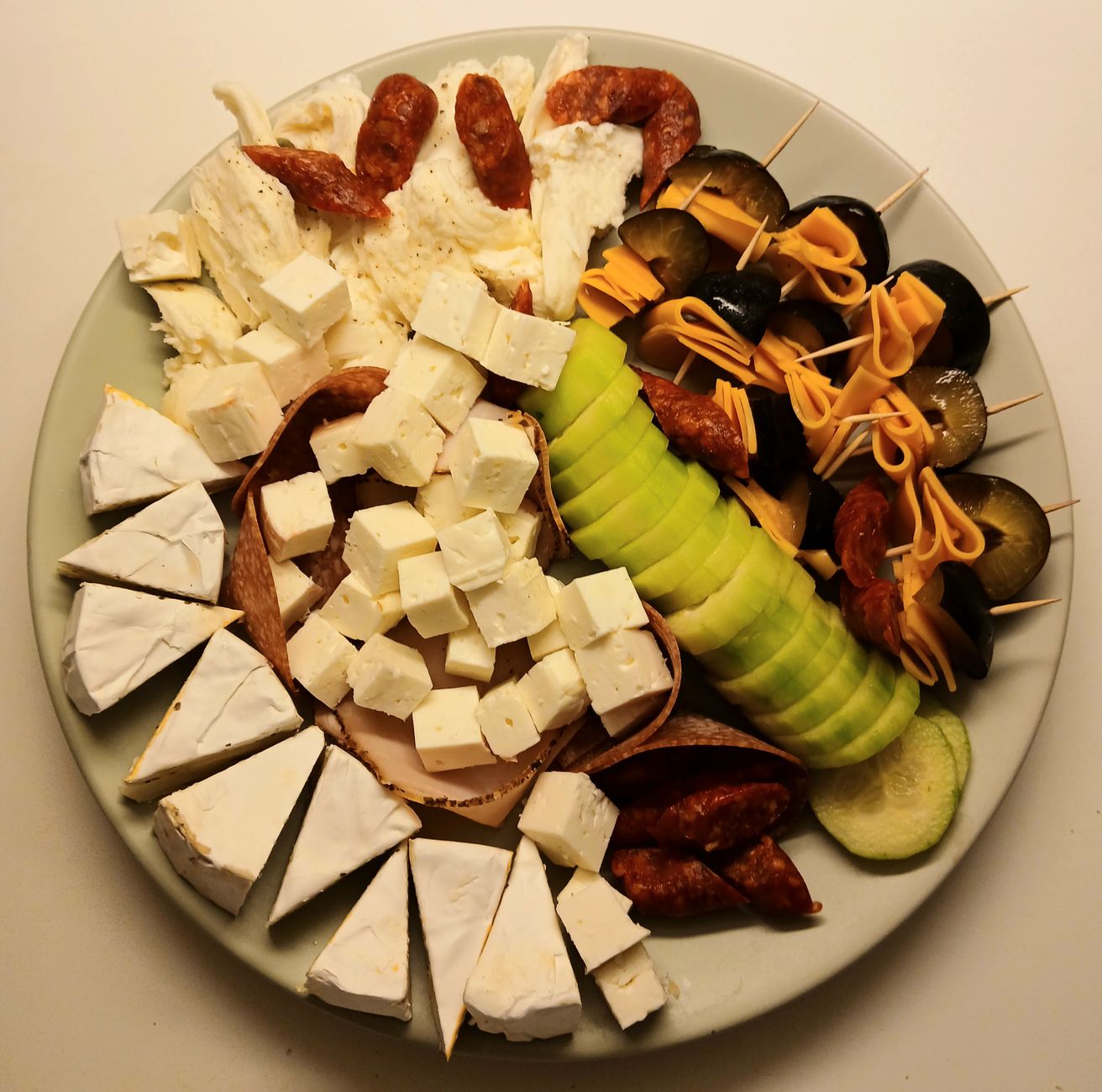
- Cheese cubes or cheese sticks (dairy-free if needed). Cheese is a great source of calcium and protein. Offer different types like cheddar, mozzarella, or dairy-free alternatives like almond or coconut cheese.
- Peanut butter or sunflower seed butter (thick, no added sugar). These are great for dipping or spreading on crackers or rice cakes. If your child dislikes the texture of peanut butter, try sunflower seed butter as an alternative.
- Popcorn (plain, air-popped). Popcorn is a whole-grain snack that’s low in calories and high in fiber. Avoid flavored or buttered popcorn, which can contain artificial additives.
- Freeze-dried fruit (like strawberries or mango). Freeze-dried fruit is crunchy, sweet, and packed with nutrients. It’s also a great option for those who dislike the texture of fresh fruit.
- Rice Krispies treats (gluten-free if needed). These are a fun, crunchy snack that can be made at home with gluten-free cereal and marshmallows.
- Yogurt pouches (dairy-free if sensitive). Yogurt pouches are convenient and come in a variety of flavors. Look for options with no added sugar and dairy-free alternatives if needed.
- Applesauce pouches (unsweetened). Applesauce pouches are a great option for picky eaters who dislike the texture of fresh apples. Look for unsweetened options to avoid added sugars.
Pro move: Keep a "snack stash" in the car or backpack for meltdown moments. A few favorites include:
- Single-serve nut butter packets (for quick snacks on the go).
- Individual cheese portions (like Babybel or Laughing Cow).
- Freeze-dried fruit pouches (like Larabar’s fruit snacks).
- Gluten-free crackers with cheese slices (for a quick and easy lunch).
---
Autism Diet Grocery List for High-Protein Snacks: Quick & Easy
High-protein snacks are lifesavers for autism diets—whether you’re fueling a growing child, managing energy crashes, or just avoiding the 3 PM meltdown. The key is convenience and minimal prep. High-protein snacks can help stabilize blood sugar, reduce cravings, and provide sustained energy, which is especially important for autistic individuals who may struggle with focus or mood swings. Below are our top picks, ranked by speed and protein density, along with tips to make them even more appealing.
Many autistic individuals benefit from snacks that are easy to eat on the go or during transitions. The goal is to provide quick, nutrient-dense options that require little to no prep. For example, hard-boiled eggs can be pre-peeled and stored in the fridge for a grab-and-go snack, while Greek yogurt can be pre-portioned into small containers for easy access.
No-Prep Power Snacks
5-Minute Prep Snacks
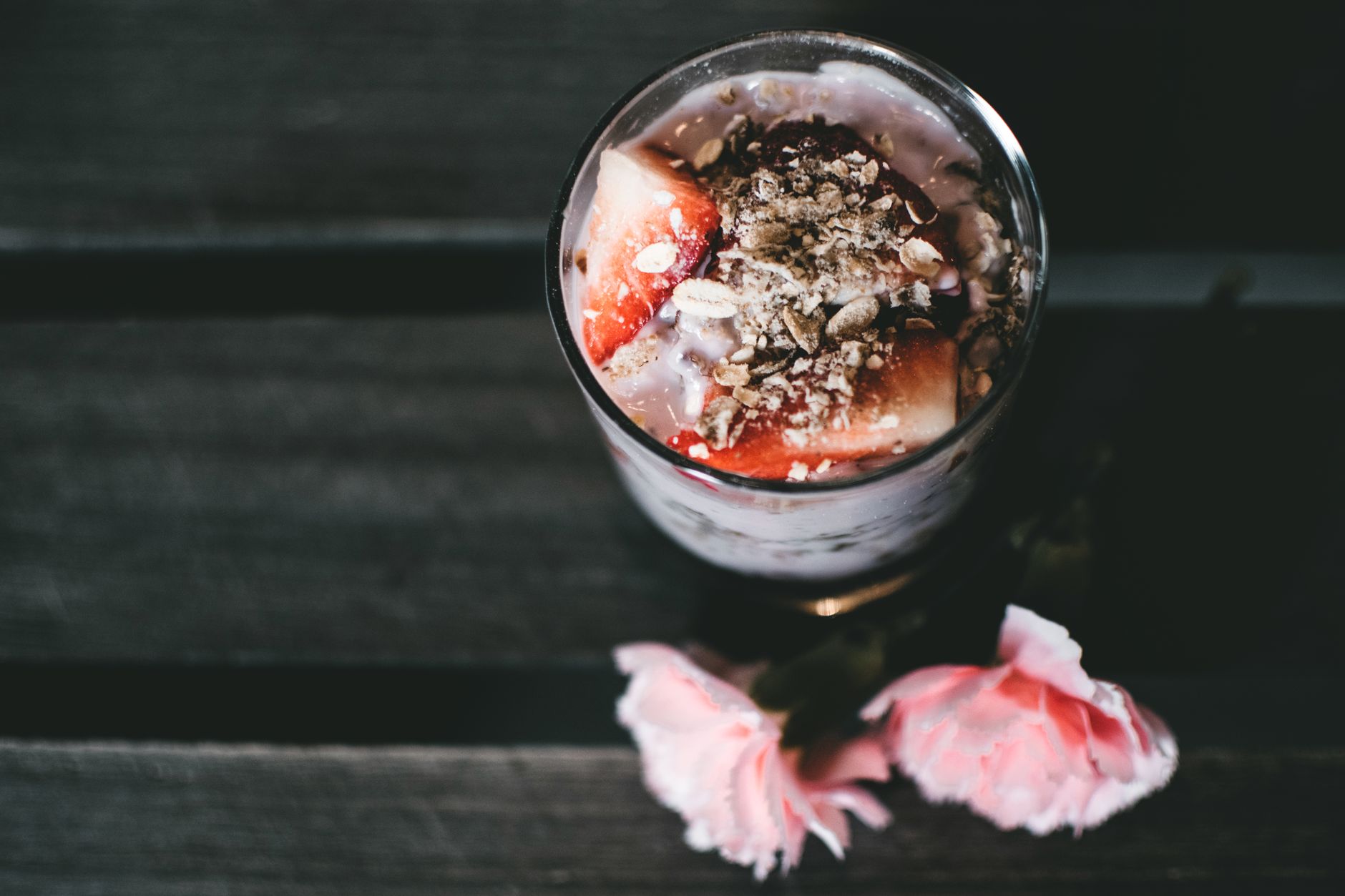
- Greek yogurt parfait: Layer plain Greek yogurt with gluten-free granola and berries (add chia seeds for extra protein). For a no-yogurt option, use coconut yogurt or dairy-free alternatives.
- Peanut butter & banana roll-ups: Spread peanut butter or sunflower seed butter on a gluten-free tortilla, add banana slices, roll up, and slice into pinwheels. For a softer texture, use a blender to make a smooth peanut butter-bana mix.
- Tuna salad lettuce wraps: Mix canned tuna (in water) with mayo (or avocado) and wrap in large lettuce leaves. For a crunchy texture, add diced celery or cucumber.
- Hard cheese & whole-grain crackers: Pair with cucumber slices, bell pepper strips, or olives for added crunch. For a dairy-free option, use cheese alternatives like almond or coconut cheese.
- Protein smoothie: Blend frozen berries, spinach, Greek yogurt, and a scoop of protein powder (or silken tofu for a vegan option). Add ice for a thicker texture or water for a smoother one.
- Turkey & cheese roll-ups: Roll slices of turkey or ham around cheese sticks or cubes. Secure with a toothpick if needed. For a softer texture, use cream cheese instead of cheese sticks.
Budget tip: Buy frozen chicken breasts or thighs and cook a batch on Sunday for easy shredding into wraps, salads, or soups. You can also freeze cooked chicken in portion-sized containers for quick meals later. Another money-saving tip is to buy nuts and seeds in bulk and portion them into small bags for snacks. This way, you avoid paying for pre-packaged single servings.
---
Autism Diet Grocery List for Low-FODMAP: The Gut-Friendly Guide
If your child (or you) struggles with bloating, gas, stomach pain, or other digestive issues, a low-FODMAP diet may help. FODMAPs (fermentable carbs) are short-chain carbohydrates that are poorly absorbed and can ferment in the gut, leading to discomfort. For some autistic individuals, reducing FODMAPs can improve digestion, reduce sensory sensitivities, and even enhance mood. Below is a low-FODMAP grocery list to ease digestion while keeping meals enjoyable and varied.
Quick note: This isn’t a lifelong diet—it’s a short-term tool to identify triggers. Always work with a dietitian to reintroduce foods safely and avoid nutrient deficiencies. The low-FODMAP diet is divided into three phases: elimination, reintroduction, and personalization. The elimination phase typically lasts 2–6 weeks, followed by systematic reintroduction of foods to identify personal triggers.
Proteins (Safe & Easy)
- Eggs (any style): Hard-boiled, scrambled, or poached. Eggs are versatile, easy to digest, and a great source of protein.
- Chicken, turkey, or beef (fresh or frozen): These are low-FODMAP in moderate portions. Avoid marinated meats, which may contain high-FODMAP ingredients like garlic or onions.
- Salmon or sardines (fresh or canned in water): These are rich in omega-3s, which support brain health. Avoid smoked salmon, which may contain high-FODMAP additives.
- Tofu or tempeh (if no soy sensitivity): These are low-FODMAP in small portions (up to 50g). If soy is a trigger, try other plant-based proteins like lentils or chickpeas (in small amounts).
- Pork (fresh or cooked): Pork is low-FODMAP in moderate portions. Avoid cured meats like salami, which may contain high-FODMAP additives.
Carbs (Low-FODMAP Picks)
- Quinoa or rice (white or brown): These are low-FODMAP and easy to digest. Try different types like basmati or jasmine rice for variety.
- Gluten-free oats: These are a great source of fiber and can be used in oatmeal, baking, or as a snack.
- Potatoes (baked, mashed, or roasted): Potatoes are low-FODMAP and can be served in a variety of ways. Try different seasonings like rosemary or garlic-infused oil (in moderation).
- Corn (fresh or frozen): Corn is low-FODMAP in small portions (up to ½ cup). Avoid corn on the cob, which may contain high-FODMAP additives like butter or salt.
- Gluten-free pasta: Look for pasta made from rice, quinoa, or chickpea flour. Avoid wheat-based pasta, which contains gluten.
- Lentils (in small portions, up to ½ cup): Lentils are high in fiber and protein but are high-FODMAP in larger amounts. If lentils are a trigger, try chickpeas (in small portions) as an alternative.
Avoid These (High-FODMAP Traps)
- Onions, garlic, shallots, leeks, chives: These are high-FODMAP and can cause bloating and gas. If you miss the flavor, try using garlic-infused oil (in moderation) or onion powder (in small amounts).
- Apples, pears, mangoes, watermelon, cherries: These fruits are high-FODMAP and can cause digestive discomfort. Opt for low-FODMAP fruits like strawberries, blueberries, or oranges.
- Wheat, barley, rye: These grains are high-FODMAP and contain gluten. If you need to avoid gluten, opt for rice, quinoa, or gluten-free oats.
- High-lactose dairy: Milk, ice cream, and most cheeses are high-FODMAP. Opt for lactose-free dairy or dairy-free alternatives like coconut milk or almond yogurt.
- High-FODMAP sweeteners: Honey, agave, and most fruit juices are high-FODMAP. Opt for low-FODMAP sweeteners like stevia or small amounts of maple syrup.
Pro tip: Use Atkins-friendly brands for pre-packaged meals, but always double-check for hidden FODMAPs. For example, some Atkins bars contain high-FODMAP ingredients like honey or applesauce. When in doubt, make your own snacks using low-FODMAP ingredients. You can also use apps like Monash University’s Low-FODMAP App to scan barcodes and check for hidden FODMAPs.
---
Autism Diet Grocery List for Sensory-Friendly Foods: Texture & Flavor Hacks
Sensory sensitivities can make mealtime a minefield, but the goal isn’t to eliminate textures your child dislikes—it’s to offer alternatives that feel safe and satisfying. Sensory-friendly foods can help reduce anxiety around mealtime and make eating more enjoyable. Here’s how to shop for sensory-friendly foods, including tips for different textures and flavors.
Sensory sensitivities can vary widely—some children love crunchy foods, while others avoid sticky textures, and some are overwhelmed by strong smells. The key is to offer a variety of textures and flavors to keep meals interesting and engaging. For example, if your child dislikes the texture of raw vegetables, try steaming or roasting them to soften them up. If they avoid strong flavors, offer mild seasonings like herbs or spices in small amounts.
Crunchy Foods (For Those Who Love Texture)
- Rice cakes or puffed rice snacks: These are neutral in flavor and can be paired with toppings like peanut butter or cheese. Try different shapes and sizes to find what your child prefers.
- Popcorn (plain, air-popped): Popcorn is a whole-grain snack that’s low in calories and high in fiber. Avoid flavored or buttered popcorn, which can contain artificial additives. For a softer texture, try microwave popcorn or popcorn made with olive oil.
- Veggie chips (baked, not fried): Veggie chips are a great alternative to potato chips and can be made from a variety of vegetables like sweet potatoes, beets, or zucchini. Look for baked options to avoid the greasy texture of fried chips.
- Nuts or seeds (if no allergies): Nuts and seeds are crunchy, nutritious, and can be added to meals or snacks. If your child dislikes the texture of whole nuts, try nut butters or ground nuts. For a softer texture, try roasted nuts or seeds.
- Pretzels or gluten-free crackers: These are crunchy and can be paired with cheese or hummus for a quick snack. For a softer texture, try soft pretzels or gluten-free crackers made from rice or quinoa.
Soft Foods (For Mushy-Averse Eaters)
- Steamed apples or pears: Steaming makes fruits softer and easier to eat. Try different dips like yogurt or nut butter to make them more appealing.
- Mashed sweet potatoes: Sweet potatoes are naturally sweet and can be mashed or pureed for a softer texture. Try different seasonings like cinnamon or nutmeg to keep meals interesting.
- Scrambled eggs (soft or over-easy): Eggs are a great source of protein and can be cooked to different textures. For a softer texture, try poached or soft-boiled eggs.
- Yogurt (dairy-free if needed): Yogurt is creamy and can be served plain or with toppings like berries or granola. For a softer texture, try Greek yogurt or coconut yogurt.
- Pureed soups: Soups can be made from a variety of vegetables and can be pureed for a softer texture. Try different flavors like tomato, butternut squash, or lentil soup.
Temperature Tricks
- Serve warm foods slightly cooler (e.g., oatmeal at room temperature) to avoid burning mouths or overwhelming sensory systems. Warm foods can be more comforting and easier to eat, especially for those who dislike cold textures.
- Use silicone cups for cold drinks to reduce slipperiness and make them easier to hold. Silicone cups are also less likely to break if dropped.
- Offer finger foods (e.g., cheese cubes, crackers) to avoid utensil aversion. Finger foods can be easier to eat, especially for those who dislike the texture of utensils or the sensation of chewing.
- Try different serving temperatures for foods like pasta or rice. Some children prefer their food warm, while others like it at room temperature or even cold.
Story time: A teenager on the spectrum told us he hated "squishy" foods but loved freeze-dried strawberries—they’re crunchy, sweet, and easy to grab. Another reader shared that their child loved the texture of sushi rolls but couldn’t tolerate the rice, so they switched to cucumber rolls with avocado. Small wins like these can make a big difference in meal acceptance. If you’re struggling to find sensory-friendly options, consider consulting an occupational therapist who specializes in feeding. They can provide personalized tips and strategies to help your child enjoy mealtime more.
---
Autism Diet Grocery List for Budget-Friendly Options: Save Without Sacrificing
Autism-friendly diets don’t have to break the bank. The secret is focusing on seasonal produce, bulk bins, and smart substitutions. Many nutrient-dense foods are affordable and easy to find, especially if you plan ahead and buy in bulk. Below are our top money-saving tips, including how to stretch your grocery budget while keeping meals nutritious and sensory-friendly.
Many parents worry that autism-friendly diets are expensive, but with a little planning, you can create a well-balanced, budget-friendly grocery list. The key is to focus on affordable staples like eggs, beans, rice, and seasonal vegetables. You can also save money by buying in bulk, using frozen or canned produce, and making your own snacks or meals from scratch. For example, instead of buying pre-packaged gluten-free crackers, make your own using gluten-free flour and baking powder.
Protein: Cheap & Nutrient-Packed
- Eggs (buy in bulk and freeze): Eggs are one of the most affordable sources of protein and can be used in a variety of meals. Freeze hard-boiled eggs for a quick snack or use them in baking.
- Canned tuna or salmon (in water): These are convenient, protein-rich, and easy to incorporate into meals like salads or wraps. Look for brands with no added salt or preservatives.
- Chicken thighs (cheaper than breasts): Chicken thighs are more affordable than breasts and can be used in a variety of dishes like stir-fries, soups, or baked meals. They’re also higher in fat, which can make them more satisfying.
- Lentils or black beans (dried or canned): These are high in protein, fiber, and affordable. Use them in soups, stews, or as a side dish. If you’re short on time, canned beans are a quick and easy option.
- Ground turkey or beef: These are affordable and can be used in a variety of meals like burgers, meatballs, or tacos. Look for ground turkey or beef with no added salt or preservatives.
- Peanut butter or sunflower seed butter: These are great for adding protein to meals or snacks. Look for natural, no-sugar-added options to avoid artificial additives.
Carbs: Fill-Up Foods
- Rice (white or brown, in bulk): Rice is a neutral base that can be paired with almost any protein or vegetable. Buy in bulk to save




