nti-aging isn’t about one "magic" food—it’s about synergy. Your body needs a cocktail of nutrients to repair DNA, reduce inflammation, support collagen production, and protect your cells from oxidative stress. Here’s what to prioritize:
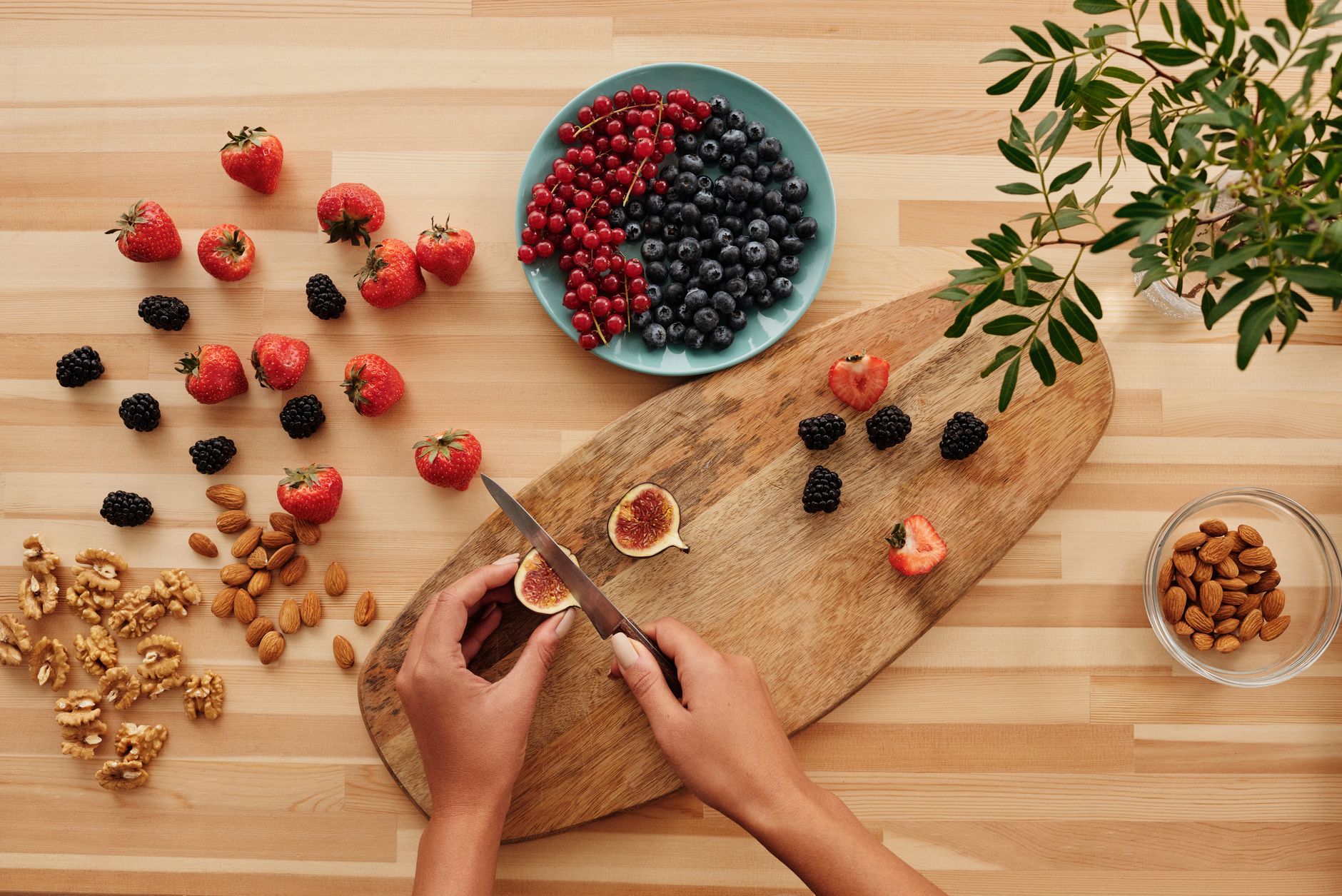
Notice how many of these come from whole foods? That’s because processed foods often lack the full nutrient package—and can even speed up aging by spiking inflammation. If you’re new to this, start with the Beginner’s Anti-Aging Diet Food List for a simpler introduction.
---
You don’t need to memorize a 50-item list. Instead, follow this simple framework:
- Pick 1–2 focus areas (e.g., skin health + brain function) to avoid overload.
- Use the "color rule": Aim for 30+ different colors on your plate weekly (each color = different antioxidants).
- Batch prep staples like roasted veggies or hard-boiled eggs to save time.
- Check labels: Avoid added sugars, trans fats, and artificial additives.
- Rotate seasonal produce—it’s fresher (and cheaper) when in season.
For example, if your goal is skin health, your list will prioritize vitamin C (bell peppers, oranges), omega-3s (salmon), and collagen-boosting foods (bone broth, citrus). If you’re inspired by the Blue Zones diet, lean into legumes, whole grains, and fermented foods like kimchi.
Pro tip: Keep a running list on your phone. Apps like Paprika or OurGroceries let you scan barcodes and auto-generate shopping lists. Many women tell us they save 20% on groceries by avoiding last-minute impulse buys.
---
Anti-aging diet grocery list with budget-friendly options: How to eat well without breaking the bank
Anti-aging doesn’t have to mean spending $200 on organic kale smoothie bowls. The key is smart swaps and strategic shopping:
- Buy frozen berries (just as nutrient-dense as fresh, often cheaper).
- Choose store-brand nuts and seeds (look for unsalted varieties).
- Opt for canned fish (like sardines or salmon) instead of fresh when budget is tight.
- Grow herbs like basil or parsley on a windowsill to add flavor without cost.
- Buy in bulk (oats, lentils, quinoa) and portion them out.
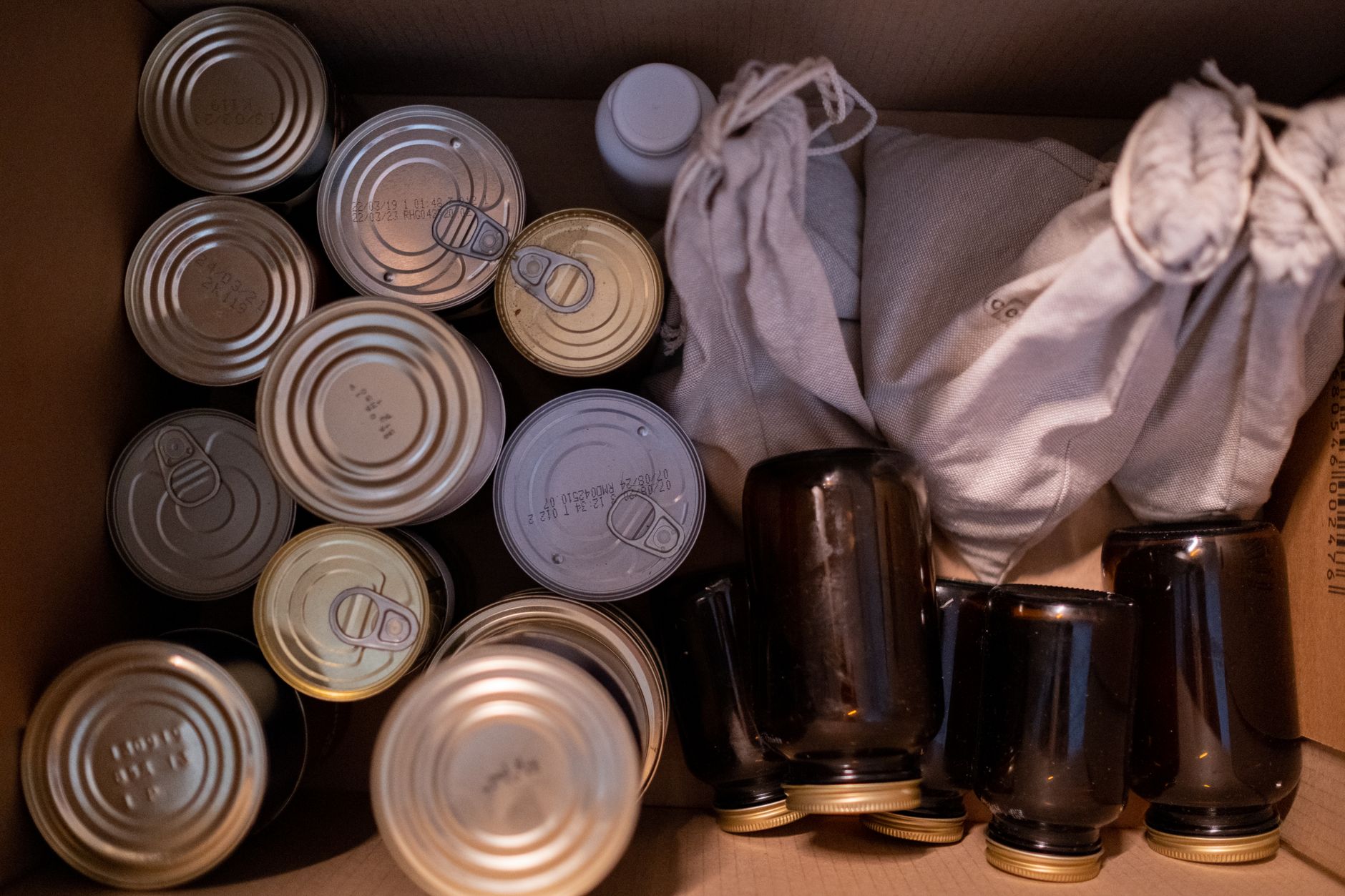
For a $50/week anti-aging meal plan, focus on these budget heroes:
- Eggs (vitamin D + choline for brain health)
- Sweet potatoes (beta-carotene for skin)
- Canned lentils (fiber + plant-based protein)
- Frozen spinach (iron + magnesium)
- Peanut butter (healthy fats + resveratrol)
Need more ideas? Check out the ADHD Diet Grocery List for another budget-friendly approach—many of the same principles apply!
---
Anti-aging grocery list for skin health and longevity: The derm-approved foods
Collagen, elasticity, and hydration—these are the holy grail of anti-aging skin. The foods that support them are simple but powerful:
- Vitamin C-rich foods (citrus, bell peppers, kiwi) to boost collagen production.
- Omega-3s (salmon, walnuts, chia seeds) to reduce inflammation.
- Antioxidant-packed berries (blueberries, raspberries) to fight free radicals.
- Hydrating foods (cucumber, watermelon, celery) to keep skin plump.
- Fermented foods (yogurt, kefir, sauerkraut) for gut-skin axis health.
Pro tip: Pair vitamin C with healthy fats (like avocado or olive oil) to maximize absorption. For example, toss spinach with lemon juice and olive oil for a skin-loving salad.
One reader, Maria, 50, noticed her dryness and fine lines improve after adding just 3 things to her diet: walnuts daily, salmon twice a week, and green tea. "I also started drinking more water and cutting back on sugar," she said. "The changes were subtle but noticeable in 6 weeks."
---
Anti-aging grocery list for heart health and inflammation: The cardiologist’s top picks
Heart disease is the #1 killer of women over 50—and diet is one of the most powerful tools to fight it. Focus on these anti-inflammatory superstars:
For a heart-healthy meal plan, aim for:
- At least 2 servings of fatty fish per week.
- Olive oil as your primary cooking fat.
- A rainbow of vegetables at every meal.
- Nuts and seeds as snacks (1 oz daily).
Need more? The Atkins Diet Grocery List includes many of these heart-friendly foods while focusing on low-carb options.
---
Anti-aging grocery list for brain health and memory: The neuroscientist’s recommendations
Your brain is like a muscle—it needs the right fuel to stay sharp. These foods support neuroplasticity, memory, and cognitive function:
- Fatty fish (salmon, trout) for omega-3s (DHA/EPA).
- Dark leafy greens (spinach, arugula) for folate and vitamin K.
- Berries (blueberries, strawberries) for flavonoids.
- Nuts and seeds (walnuts, flaxseeds) for vitamin E.
- Dark chocolate (70%+ cocoa) for flavonoids.
- Turmeric (add to curries or smoothies) for curcumin.
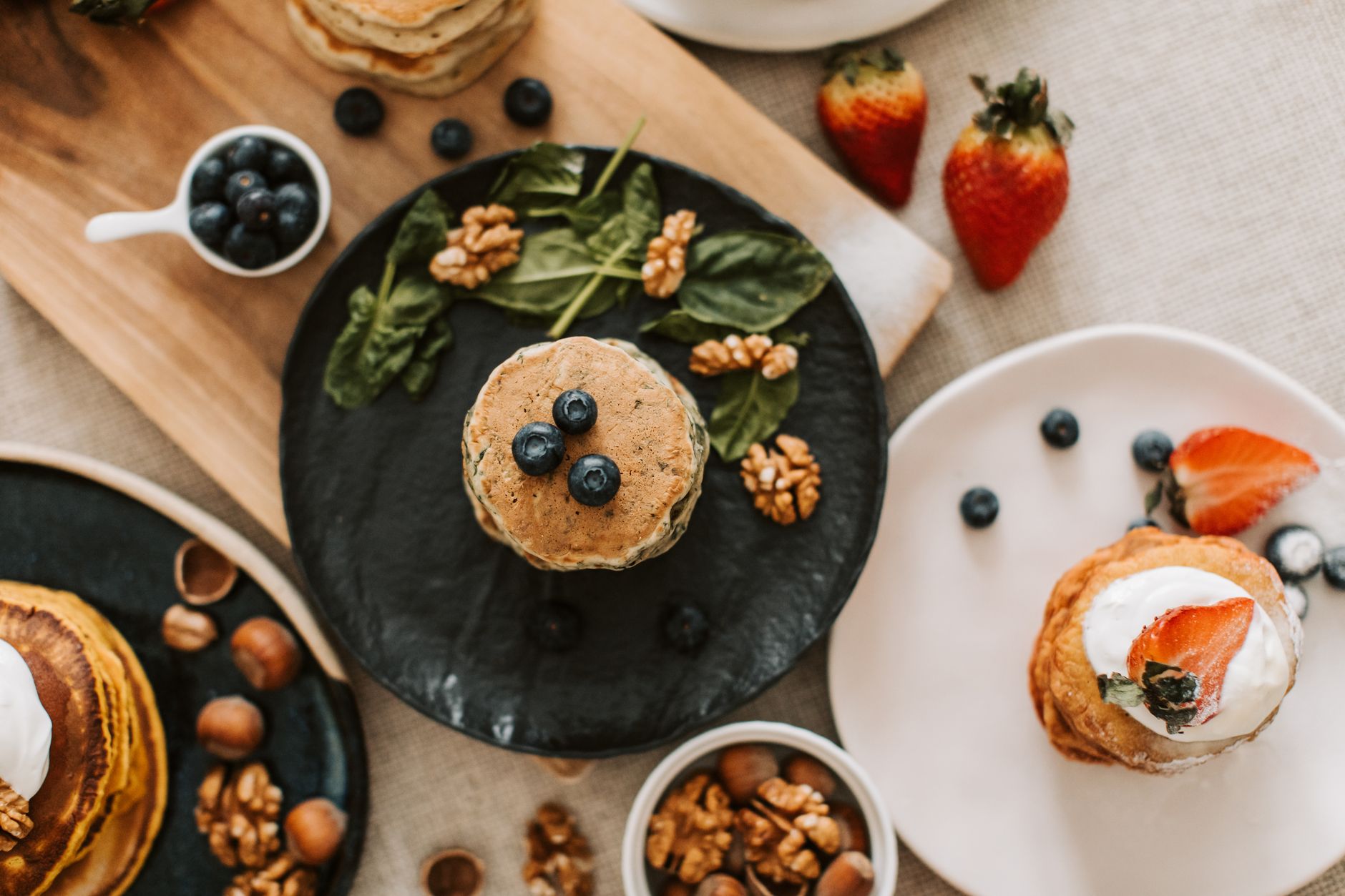
One study in Neurology found that women who ate at least one serving of fatty fish per week had a 20% lower risk of cognitive decline. Even better? The benefits were dose-dependent—more fish = more protection.
For a brain-boosting snack, try:
- Handful of walnuts + dark chocolate.
- Greek yogurt with blueberries and flaxseeds.
- A smoothie with spinach, banana, and chia seeds.
---
Anti-aging grocery list for hormone balance and menopause support: What to eat (and avoid)
Perimenopause and menopause bring hormonal shifts that can affect energy, sleep, and even skin. These foods help regulate estrogen, reduce hot flashes, and support thyroid function:
For menopause symptom relief, also consider:
- Phytoestrogens (flaxseeds, soybeans, tofu) to ease hot flashes.
- Magnesium-rich foods (spinach, pumpkin seeds, dark chocolate) for better sleep.
- Complex carbs (oats, quinoa, sweet potatoes) to stabilize blood sugar.
Many women find that reducing dairy (especially if lactose-sensitive) helps with hormonal acne and bloating. If you’re curious about supplements, black cohosh and red clover are popular for menopause support—but always check with your provider first.
---
Anti-aging diet grocery list 2026: The complete printable template
Ready to put it all together? Here’s a customizable template you can print, save, or copy into your shopping app. Adjust based on your goals, budget, and dietary needs.
Pro tip: Use the first-in, first-out method for perishables. Place older items (like leafy greens or berries) at the front of your fridge so you use them first.
---
As we age, digestion slows, and mobility can limit grocery shopping. Here’s how to adapt:
- Choose pre-cut or pre-washed produce to save time and reduce strain.
- Opt for canned or frozen foods (just as nutritious, no chopping required).
- Incorporate bone broth for easy digestion and collagen support.
- Use a grocery delivery service like Instacart or Amazon Fresh for hassle-free shopping.
- Prioritize easy-to-cook meals like:
- Microwaveable lentil soups
- Pre-cooked quinoa or brown rice
- Canned salmon or sardines (no cooking needed)
- Hard-boiled eggs (pre-peeled)
For seniors dealing with dry mouth (common with medications), add:
- Coconut water (hydrating)
- Sugar-free gelatin (collagen support)
- Avocado (healthy fats for lubrication)
---
Anti-aging grocery list for men: The science-backed male longevity diet
While women often focus on hormonal shifts, men’s anti-aging diets should prioritize testosterone support, prostate health, and muscle maintenance. Key foods:
- Zinc-rich foods (oysters, pumpkin seeds, beef) for testosterone.
- Cruciferous veggies (broccoli, Brussels sprouts) for prostate health.
- Tomatoes (lycopene protects against prostate cancer).
- Leafy greens (spinach, kale) for magnesium and folate.
- Healthy fats (avocados, nuts, olive oil) for hormone production.
One study in Journal of Nutrition found that men who ate at least 3 servings of tomatoes per week had a 19% lower risk of prostate cancer. Even better? Cooking tomatoes (like in pasta sauce) boosts lycopene absorption.
For a male anti-aging meal plan, include:
- Breakfast: Eggs + avocado + spinach.
- Lunch: Grilled salmon + quinoa + roasted Brussels sprouts.
- Dinner: Beef stir-fry with broccoli and bell peppers.
- Snacks: Handful of pumpkin seeds + dark chocolate.
---
Anti-aging grocery list for vegans: Plant-based longevity foods
Vegan diets can be incredibly anti-aging when planned well. Focus on:
- Nutrient-dense plants (leafy greens, berries, nuts, seeds).
- Fortified foods (nutritional yeast, plant-based milks with B12).
- Protein combos (beans + rice, hummus + whole-grain bread).
- Healthy fats (avocados, flaxseeds, walnuts).
Key vegan anti-aging foods:
- Lentils (iron + fiber for heart health).
- Chia seeds (omega-3s for brain function).
- Tempeh (fermented protein for gut health).
- Dark leafy greens (vitamin K for bone health).
- Berries (antioxidants for skin).
For a vegan anti-aging meal plan, try:
- Breakfast: Smoothie with spinach, flaxseeds, berries, and almond milk.
- Lunch: Lentil soup with kale and whole-grain bread.
- Dinner: Stuffed bell peppers with quinoa, black beans, and avocado.
- Snacks: Hummus + veggie sticks, trail mix with nuts and seeds.
Need more? The AIP Elimination Diet Grocery List includes many of these plant-based staples while focusing on anti-inflammatory foods.
---
Anti-aging grocery list for busy professionals: Meal prep in 30 minutes
If your day is packed with meetings, errands, and Zoom calls, meal prepping is your best friend. Here’s how to do it efficiently:
- Pick 3–4 anti-aging staples (e.g., quinoa, roasted veggies, hard-boiled eggs).
- Cook in bulk on Sundays (or use a slow cooker for overnight meals).
- Portion into containers for easy grab-and-go lunches.
- Keep snacks visible (like nuts in a desk drawer or pre-cut veggies in the fridge).
- Use a meal delivery service like HelloFresh or Factor for anti-aging-friendly meals.
Quick anti-aging meal prep ideas:
- Grain bowls: Base of quinoa + roasted veggies + avocado + tahini dressing.
- Mason jar salads: Layer dressing at the bottom, then greens, protein, and toppings.
- Freezer-friendly soups: Lentil soup, minestrone, or bone broth-based broths.
- Energy bites: Oats + peanut butter + chia seeds + dark chocolate chips.
Pro tip: Keep a freezer emergency kit with:
- Frozen berries
- Pre-cooked quinoa
- Frozen veggie burgers
- Hard-boiled eggs
---
Anti-aging grocery list for families: Kid-approved longevity foods
Getting kids to eat "anti-aging" foods can feel like herding cats—but it’s totally doable with creative swaps:
- Sneak in berries by blending them into smoothies or yogurt.
- Make "fun shapes" with veggie cutters (bell pepper stars, cucumber snakes).
- Let them assemble their own bowls (e.g., "build-your-own taco night" with lean proteins and veggies).
- Use dips like hummus or guacamole to make veggies irresistible.
- Involve them in cooking—kids are more likely to eat what they help prepare.
Family-friendly anti-aging meals:
- Breakfast: Overnight oats with chia seeds, berries, and almond butter.
- Lunch: Whole-grain pita with hummus, spinach, and shredded chicken.
- Dinner: Sheet-pan fajitas with bell peppers, onions, and lean protein.
- Snacks: Apple slices with peanut butter, trail mix with nuts and seeds.
Need more family-friendly ideas? The Blue Zones Diet Grocery List includes simple, family-approved meals that focus on longevity.
---
What foods should I avoid for anti-aging? The hidden culprits
Not all foods accelerate aging—some actively hurt your cells, spike inflammation, or disrupt hormones. Here’s what to limit (or avoid):
- Refined sugars (soda, candy, pastries) → Speed up glycation, damaging collagen.
- Trans fats (fried foods, margarine) → Increase LDL cholesterol and inflammation.
- Excess alcohol → Dehydrates skin, disrupts sleep, and damages liver.
- Processed meats (sausages, deli meats) → Linked to higher cancer risk.
- White flour (bread, pasta, crackers) → Causes blood sugar spikes and inflammation.
- Artificial sweeteners (in diet sodas) → May disrupt gut bacteria.
One study in Journal of the American College of Cardiology found that women who consumed more than 2 sugary drinks per day had skin aging equivalent to 5.5 extra years. That’s a wake-up call!
---
How often should I shop for anti-aging groceries? The optimal schedule
The "right" frequency depends on your lifestyle:
- Weekly (ideal for most people) → Stock up on perishables like berries, leafy greens, and fatty fish.
- Biweekly (if you meal prep) → Buy longer-lasting items (canned fish, frozen veggies, nuts).
- Monthly (for pantry staples) → Stock up on oils, grains, and spices.
- Every 2 weeks (for busy professionals) → Use a delivery service to avoid last-minute trips.
Pro tip: Rotate your produce—keep a "first in, first out" system to avoid waste. Use the back of your fridge for longer-lasting items (like cheese or deli meats) and the front for perishables.
---
What is the best grocery list for anti-aging? The science-backed answer
There’s no single "best" list—it depends on your goals, budget, and lifestyle. However, the most research-backed anti-aging grocery list includes:
- At least 5 servings of vegetables daily (aim for 30+ colors/week).
- 2–3 servings of fatty fish per week (or algae-based DHA for vegans).
- Healthy fats daily (olive oil, nuts, avocados).
- Fiber-rich foods (whole grains, legumes, veggies).
- Antioxidant-packed foods (berries, dark chocolate, green tea).
- Hydration focus (water, herbal tea, infused water).
For the most comprehensive anti-aging diet, combine this list with regular exercise, stress management, and quality sleep. As Harvard’s Nutrition Source notes: "No single food or nutrient can reverse aging, but a whole-foods diet rich in these nutrients can significantly slow cellular damage."
---
Can a grocery list help with anti-aging? The surprising benefits
Absolutely—when done right. A well-planned anti-aging grocery list:
- Reduces decision fatigue (no more last-minute junk food grabs).
- Encourages consistency (you’re more likely to eat nutrient-dense foods).
- Saves money (buying in bulk and avoiding waste).
- Supports weight management (fewer processed foods = fewer cravings).
- Boosts energy and mood (stable blood sugar from whole foods).
Many women report noticeable improvements in skin, energy, and sleep within just 2–3 weeks of switching to an anti-aging-focused diet. The key is consistency—small, sustainable changes add up over time.
---
How do I budget for an anti-aging grocery list? Smart spending tips
Anti-aging doesn’t have to break the bank. Here’s how to spend wisely:
- Prioritize whole foods over supplements (e.g., eat salmon instead of taking fish oil pills).
- Buy store brands (often just as nutritious as name brands).
- Use coupons and cashback apps




