Imagine this: You’re 12 weeks pregnant, your morning sickness has you reaching for crackers at 3 a.m., and your energy feels like it’s tied to a bungee cord. A friend mentions the alkaline diet might help stabilize your energy and reduce acid reflux. You’re skeptical—after all, you’ve heard conflicting things about pH levels and pregnancy—but you’re also desperate for something that might actually help.
Here’s the truth: The alkaline diet isn’t about forcing your body’s pH into a specific range (your kidneys and lungs handle that!). Instead, it’s about eating foods that *may* reduce acidity in your body’s fluids, which some studies suggest could help with inflammation, digestion, and energy. For pregnant women, the real goal is to prioritize foods that support your baby’s development *and* ease common pregnancy symptoms—like morning sickness, fatigue, or swelling.
The best alkaline foods for pregnancy are those that are nutrient-dense, low in processed ingredients, and rich in minerals like calcium, magnesium, and potassium. These nutrients are essential for bone development, muscle function, and even mood regulation—all of which matter during pregnancy.
**Here’s what to focus on:**
- Leafy greens (spinach, kale, Swiss chard): Packed with folate, iron, and calcium—critical for fetal development and preventing anemia.
- Nuts and seeds (almonds, chia seeds, flaxseeds): High in healthy fats, magnesium, and vitamin E, which support brain development and energy.
- Certain fruits (avocados, melons, berries): Rich in antioxidants and fiber, which help with digestion and reduce inflammation.
- Legumes (lentils, chickpeas, black beans): Great sources of plant-based protein and fiber, which can help stabilize blood sugar and energy levels.
- Alkaline vegetables (broccoli, zucchini, asparagus): Low in acidity and high in vitamins like C and K, which support immunity and bone health.
**Why it matters:** While the alkaline diet isn’t a cure-all, these foods can help offset the acidity that might come from processed snacks, caffeine, or even stress. For example, if you’re dealing with acid reflux—a common pregnancy complaint—swapping a greasy burger for a spinach salad might make a noticeable difference. And if you’re exhausted, the magnesium in nuts and seeds could help with muscle relaxation and better sleep.
**But here’s the catch:** You can’t just eat alkaline foods and skip the rest. Your body needs a balance of nutrients, including protein, healthy fats, and even some acidic foods (like citrus fruits) in moderation. The goal isn’t to become “alkaline” but to create a diet that supports your body’s natural pH balance *and* your baby’s growth.
**Pro tip:** Pair your alkaline foods with a prenatal vitamin to ensure you’re getting enough folic acid, iron, and other critical nutrients. And if you’re unsure whether a food is truly alkaline or just nutrient-rich, err on the side of caution—focus on whole, minimally processed foods first.
---
How to transition to an alkaline diet safely while breastfeeding: a step-by-step guide
You’ve just had your baby, and breastfeeding is going great—until you notice your energy levels are still lagging, and your milk supply feels inconsistent. A friend suggests trying an alkaline diet to boost your energy and milk production. But how do you make the switch without disrupting your breastfeeding routine or your baby’s nutrition?
Breastfeeding is already a full-time job, so you need a transition plan that’s gentle, practical, and backed by science. Here’s how to do it step by step:
- Start with small swaps. Instead of overhauling your entire diet overnight, begin by replacing one acidic food with an alkaline option each day. For example, swap your morning coffee (which can be acidic) for herbal tea like chamomile or peppermint. Or replace a processed snack with a handful of almonds.
- Prioritize hydration. Breastfeeding women need an extra 3–4 cups of water daily. Alkaline water (like water with a pH of 8–9) might help with digestion and hydration, but plain water is still best. If you’re concerned about acid reflux, try sipping water between meals instead of with them.
- Focus on nutrient-dense foods. Your body needs extra calories and nutrients while breastfeeding, so fill your plate with alkaline foods that pack a punch. Think avocados for healthy fats, lentils for protein, and leafy greens for iron. If you’re curious about other elimination diets, the AIP diet also emphasizes nutrient-dense foods—but it’s more restrictive, so stick with alkaline for now unless your doctor recommends otherwise.
- Listen to your baby. If your little one seems fussy after you eat certain foods, it might be a sign of a sensitivity (not necessarily an alkaline issue). Keep a food diary to track any reactions and discuss them with your pediatrician.
- Don’t skip meals. Breastfeeding burns an extra 300–500 calories a day, so make sure you’re eating enough. Alkaline meals should still include enough protein and healthy fats to keep you full and energized. Try adding a side of nuts or avocado to your meals for extra calories.
**What to avoid:** While the alkaline diet emphasizes whole foods, there are still foods to limit while breastfeeding—especially if you’re concerned about your baby’s sensitivity. Avoid excessive amounts of:
- Highly processed foods (even if they’re alkaline, like some vegan protein powders)
- Excessive caffeine (which can be acidic and affect your baby’s sleep)
- Certain herbs (like peppermint in large amounts, which might reduce milk supply)
**Real-life example:** Sarah, a new mom, noticed her energy was shot by 3 p.m. every day. She started swapping her afternoon coffee for herbal tea and added a daily handful of almonds to her snacks. Within a week, she felt more stable—and her milk supply improved. “I wasn’t expecting it to make such a difference,” she says. “But it was the small changes that helped.”
---
Alkaline diet food list for beginners with meal prep ideas for busy moms
Let’s be honest: Between diaper changes, feedings, and the occasional meltdown, you don’t have time to spend hours in the kitchen. So how do you eat an alkaline diet without feeling like you’re running a food truck?
The answer is meal prep—smart, simple, and designed for moms who need to eat on the go. Here’s how to do it:
**The Alkaline Grocery List for Busy Moms**
Stock your fridge and pantry with these staples:
- Leafy greens (spinach, kale, arugula)
- Nuts and seeds (almonds, chia, flax, walnuts)
- Legumes (lentils, chickpeas, black beans—canned is fine!)
- Alkaline vegetables (zucchini, broccoli, asparagus)
- Berries (blueberries, strawberries, raspberries)
- Avocados
- Whole grains (quinoa, brown rice, oats)
- Herbal teas (peppermint, chamomile, ginger)
**5 Alkaline Meal Prep Ideas**
**1. Overnight Oats with Almond Butter and Berries**
Mix ½ cup oats, 1 cup almond milk, 1 tbsp chia seeds, and a drizzle of almond butter in a jar. Top with blueberries in the morning. 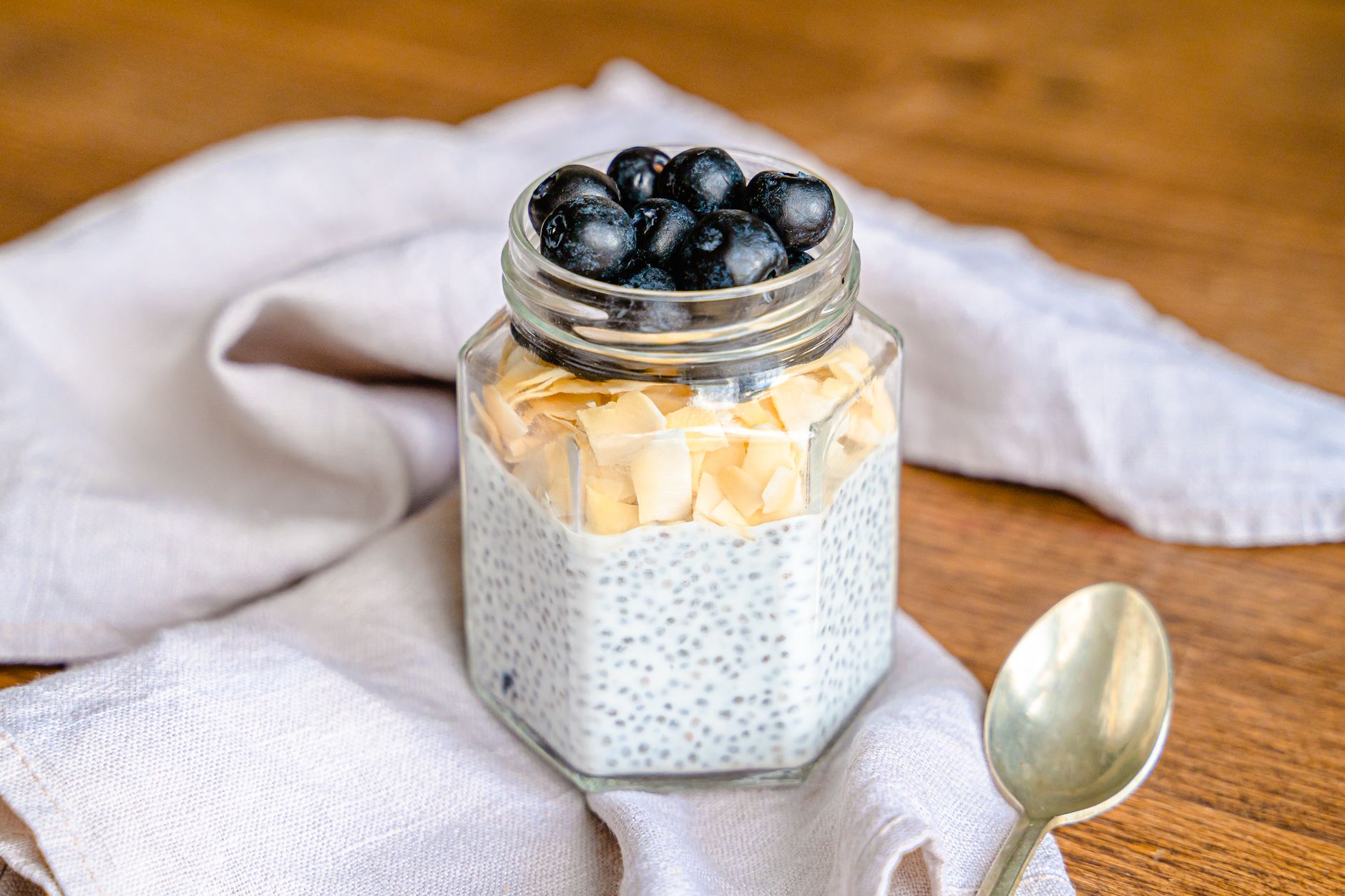
**2. Chickpea and Spinach Salad Wraps**
Mash chickpeas with lemon juice, olive oil, and spinach, then wrap in a whole-grain tortilla. Add avocado slices for extra healthy fats.
**3. Sheet-Pan Lentil and Vegetable Dinner**
Toss lentils, zucchini, and bell peppers with olive oil and herbs, then roast at 400°F for 25 minutes. Serve with quinoa.
**4. Almond Butter and Banana Smoothie**
Blend almond butter, banana, spinach, and almond milk for a quick breakfast or snack.
**5. Alkaline Snack Box**
Pre-portion nuts, berries, and hummus in small containers for grab-and-go energy.
**Pro Tips for Busy Moms**
- Batch-cook grains and legumes on Sundays to use all week.
- Keep frozen berries on hand for smoothies when fresh ones aren’t available.
- Use a slow cooker for soups or stews—just dump in veggies, broth, and lentils in the morning.
- Invest in a good reusable water bottle to stay hydrated without relying on single-use plastics.
**Myth vs. Fact:**
Myth: “Meal prepping an alkaline diet is too complicated for moms.”
Fact: Alkaline meal prep is about smart swaps, not gourmet cooking. Focus on whole foods, batch-cook staples, and keep it simple. Even 15 minutes of prep a day can make a huge difference.
---
Can an alkaline diet help with morning sickness and fatigue? Expert-backed insights
You’re 8 weeks pregnant, and every time you wake up, your stomach feels like it’s doing backflips. Morning sickness isn’t just in the morning—it’s all day, every day. You’ve heard that an alkaline diet might help reduce nausea and boost energy, but is there any science behind it?
The short answer? It *might* help—but it’s not a miracle cure. Here’s what experts say:
**How Alkaline Foods Might Help Morning Sickness**
Some studies suggest that reducing acidic foods (like processed meats, soda, and refined carbs) can help with nausea and acid reflux, which are common in early pregnancy. Alkaline foods, on the other hand, may help:
- Reduce inflammation in the digestive tract, which can ease nausea.
- Stabilize blood sugar, preventing energy crashes that worsen fatigue.
- Provide hydration and electrolytes, which are crucial when you’re vomiting frequently.
**What the Research Says:** A small study published in the Journal of Alternative and Complementary Medicine found that women who followed a more alkaline diet reported less nausea and fatigue during pregnancy. However, the study wasn’t large enough to prove causation—so take it with a grain of salt (literally).
**What You Can Try:**
- Swap sugary snacks for nuts and seeds, which provide steady energy.
- Drink ginger tea or herbal peppermint tea—both are alkaline-friendly and may help with nausea.
- Avoid caffeine and alcohol, which can worsen dehydration and fatigue.
- If you’re struggling with acid reflux (a common side effect of morning sickness), try eating smaller, more frequent meals instead of large ones.
**When to See Your Doctor:** If your nausea is so severe that you’re losing weight or can’t keep any food down, it could be hyperemesis gravidarum, a serious condition that requires medical attention. Your OB-GYN may recommend anti-nausea medications or IV fluids if needed.
---
What foods to avoid on an alkaline diet: a list of acidic foods harmful to pregnancy
You’re excited to start the alkaline diet, but you’re not sure what to cut back on. After all, you don’t want to deprive yourself—or your baby—of essential nutrients. So what exactly should you avoid?
The alkaline diet isn’t about eliminating all acidic foods—it’s about balancing them with alkaline options. However, some acidic foods are best limited during pregnancy because they can contribute to inflammation, acid reflux, or nutrient deficiencies. Here’s a breakdown:
**Foods to Limit or Avoid**
Highly Processed Foods: Soda, candy, fast food, and packaged snacks are often high in sugar, artificial additives, and unhealthy fats. These can spike blood sugar, cause energy crashes, and contribute to inflammation.
Excessive Caffeine: Coffee, energy drinks, and some teas can be acidic and may worsen acid reflux or dehydration. If you’re a coffee drinker, try switching to decaf or herbal teas.
Refined Carbs: White bread, pastries, and sugary cereals can cause blood sugar spikes and crashes, leaving you feeling fatigued. Opt for whole grains like quinoa or brown rice instead.
Certain Meats: Processed meats like sausages, bacon, and deli meats are high in sodium and preservatives, which can contribute to water retention and high blood pressure. If you eat meat, choose lean, organic options in moderation.
Alcohol: Alcohol is acidic and can dehydrate you, which is risky during pregnancy. It’s best to avoid it entirely.
Excessive Citrus Fruits: While citrus fruits like oranges and lemons are technically acidic, they’re also high in vitamin C, which is great for immunity. The key is moderation—don’t overdo it if you’re prone to acid reflux.
**What to Do Instead:**
- Swap processed snacks for nuts, seeds, or fresh fruit.
- Replace sugary cereals with oatmeal or chia pudding.
- Choose herbal teas or decaf coffee over caffeinated options.
- If you love meat, opt for lean, grass-fed options and pair them with plenty of veggies.
**Myth vs. Fact:**
Myth: “You have to cut out all acidic foods during pregnancy.”
Fact: The goal isn’t to eliminate acidity entirely—it’s to balance your diet with more alkaline foods while still enjoying the nutrients you need. For example, citrus fruits are acidic but rich in vitamin C, so they’re worth including in moderation.
---
How does an alkaline diet impact postpartum recovery and energy levels?
You’ve just given birth, and your body feels like it’s been through a war. Your energy is low, your sleep is nonexistent, and every little movement leaves you winded. Could an alkaline diet help speed up your recovery and restore your energy?
The short answer? It *might*—but it’s not a magic bullet. Your body is already working overtime to heal, and nutrition plays a huge role in how quickly you bounce back. Here’s how an alkaline diet could help—and what you need to watch out for:
**How Alkaline Foods Support Postpartum Recovery**
After birth, your body needs:
- Anti-inflammatory foods to reduce swelling and heal tissues.
- Iron-rich foods to replenish blood loss from delivery.
- Healthy fats for hormone balance and brain function.
- Hydration to support milk production and overall recovery.
Alkaline foods like leafy greens, nuts, and legumes can help with all of these. For example:
- Spinach is rich in iron and magnesium, which help with fatigue and muscle recovery.
- Almonds provide healthy fats and vitamin E, which support skin healing and energy.
- Lentils are high in protein and fiber, which help stabilize blood sugar and keep you full.
- Herbal teas like ginger or chamomile can ease digestion and reduce inflammation.
**What to Watch For:**
- If you’re breastfeeding, make sure you’re getting enough calories—your body burns extra energy producing milk. Alkaline foods should still include healthy fats and protein to keep you energized.
- If you’re dealing with postpartum depression or anxiety, focus on foods that support brain health, like fatty fish (if you eat them) or chia seeds.
- Avoid extreme diets—your body needs nutrients to heal, not to lose weight.
**Real-Life Example:** Maria, a new mom, noticed her energy was still low six weeks postpartum. She started swapping her afternoon coffee for herbal tea and added a side of nuts to every meal. Within two weeks, she felt more stable—and her milk supply improved. “I didn’t realize how much my diet was affecting my recovery,” she says.
---
Alkaline diet for gestational diabetes: does it help lower blood sugar naturally?
You’ve been diagnosed with gestational diabetes, and your doctor has recommended monitoring your carb intake. You’ve heard that the alkaline diet might help lower blood sugar naturally—so is it worth trying?
Gestational diabetes is serious, and while the alkaline diet *might* offer some benefits, it’s not a replacement for the medical advice you’re already following. Here’s what you need to know:
**How Alkaline Foods Might Help Blood Sugar**
The alkaline diet isn’t specifically designed to manage diabetes, but some of its principles align with strategies for lowering blood sugar:
- Reducing processed foods and refined carbs can help stabilize blood sugar.
- Increasing fiber (from veggies, legumes, and whole grains) slows digestion and prevents spikes.
- Healthy fats (like those in nuts and avocados) help with satiety and insulin sensitivity.
**But Here’s the Catch:**
- Gestational diabetes requires careful monitoring of carb intake, not just pH balance. You’ll still need to track your carbs and work with your doctor or a dietitian.
- Some alkaline foods (like nuts and seeds) are high in fat and protein, which can help with blood sugar control—but they’re not a free pass to eat unlimited amounts.
- If you’re on medication for gestational diabetes, you’ll need to monitor your blood sugar closely when making dietary changes.
**What to Do Instead:**
- Focus on low-glycemic alkaline foods like leafy greens, berries, and legumes.
- Avoid sugary fruits (like mangoes and pineapples) and opt for berries instead.
- Pair carbs with protein or fat to slow digestion (e.g., a slice of whole-grain toast with avocado).
- Stay hydrated—dehydration can affect blood sugar levels.
**Myth vs. Fact:**
Myth: “The alkaline diet is a cure for gestational diabetes.”
Fact: While it *may* help with blood sugar control by reducing processed foods and increasing fiber, it’s not a replacement for medical treatment. Always work with your doctor or a dietitian to manage gestational diabetes safely.
---
How to balance an alkaline diet with essential nutrients for fetal development
You’re excited about the alkaline diet, but you’re worried you might miss out on key nutrients for your baby. After all, you need enough calcium for your baby’s bones, iron for their blood, and folate for their brain development. How do you make sure you’re getting everything you need?
The good news is that many alkaline foods are also nutrient powerhouses. The key is planning ahead to ensure you’re covering all your bases. Here’s how:
**Nutrient Checklist for Pregnancy**
Here’s what you need—and where to find it in an alkaline diet:
**How to Ensure You’re Getting Enough**
- Take a prenatal vitamin daily. This covers folate, iron, and other nutrients that might be harder to get from food alone.
- Rotate your protein sources. If you’re vegetarian or vegan, combine beans and rice for complete protein.
- Include a variety of colorful veggies. Different greens (kale, spinach, Swiss chard) have different nutrient profiles.
- If you’re avoiding dairy, opt for fortified plant milks or supplements to get enough calcium.
- Consider a dairy-free diet guide if you’re curious about alternatives—but don’t eliminate dairy unless your doctor recommends it.
**What to Avoid:**
- Relying solely on alkaline foods for protein. You still need enough to support your baby’s growth.
- Skipping meals or restricting calories. Pregnancy is not the time to diet.
- Assuming all alkaline foods are safe. Some (like raw sprouts) can carry foodborne illness risks.
---
Easy alkaline diet meal plan for pregnant women with limited cooking time
You’re pregnant, exhausted, and short on time. The last thing you need is a complicated meal plan that requires hours in the kitchen. So how do you eat an alkaline diet without feeling like you’re running a food truck?
Here’s a simple, no-fuss meal plan designed for busy moms. Each meal takes 15 minutes or less to prepare (or can be prepped ahead).
**7-Day Alkaline Meal Plan for Pregnant Women**
Stock up on these staples to make meal prep easier:
- Leafy greens (spinach, kale, arugula)
- Legumes (lentils, chickpeas, black beans—canned or dried)
- Nuts and seeds (almonds, chia, flax, walnuts)
- Whole grains (quinoa, brown rice, oats)
- Alkaline vegetables (zucchini, broccoli, asparagus)
- Berries (fresh or frozen)
- Avocados
- Herbal teas (peppermint, chamomile, ginger)
- Whole-grain bread and tortillas
---
You’ve been struggling with acid reflux since your first trimester, and your OB-GYN suggested avoiding spicy foods and eating smaller meals. But you’ve also heard that alkaline water might help neutralize stomach acid. Is there any truth to this?
Acid reflux during pregnancy is common—thanks to the hormone progesterone, which relaxes the muscle between your stomach and esophagus, allowing stomach acid to creep up. While alkaline water isn’t a cure-all, it *might* offer some relief. Here’s what you need to know:
**How Alkaline Water Might Help**
Alkaline water (with a pH of 8–9) is slightly more basic than regular water, which can help neutralize stomach acid. Some studies suggest it may:
- Reduce symptoms of heartburn and acid reflux.
- Hydrate you better than regular water, which can help with digestion.
- Provide trace minerals like calcium and magnesium, which support overall health.
**But Here’s the Catch:**
- Alkaline water isn’t a substitute for medical treatment. If your acid reflux is severe, your doctor may recommend antacids or other medications.
- Too much alkaline water can throw off your body’s natural pH balance. Stick to 1–2 glasses a day unless your doctor advises otherwise.
- Not all alkaline water is created equal. Some brands add minerals that might not be safe for pregnancy (like excessive sodium). Choose a reputable brand or opt for pH-balanced water.
**What to Do Instead**
- Sip alkaline water between meals, not with them, to avoid diluting stomach acid.
- Eat smaller, more frequent meals to reduce pressure on your stomach.
- Avoid lying down immediately after eating.
- Sleep with your head elevated to prevent acid from creeping up your esophagus.
- If over-the-counter antacids are safe for you, take them as directed.
**Myth vs. Fact:**
Myth: “Alkaline water will completely cure acid reflux during pregnancy.”
Fact: While it *may* help reduce symptoms, it’s not a cure. Focus on lifestyle changes (like eating smaller meals) and talk to your doctor if your reflux is severe.
---
Alkaline diet benefits for pregnant women with high blood pressure
You’ve been diagnosed with gestational hypertension, and your doctor has warned you about the risks if it progresses to preeclampsia. You’re curious if the alkaline diet could help lower your blood pressure naturally. Is there any science behind this?
Gestational hypertension is serious, and while the alkaline diet *might* offer some benefits, it’s not a replacement for medical monitoring. Here’s what you need to know:
**How Alkaline Foods Might Help Blood Pressure**
Some research suggests that reducing sodium and increasing potassium-rich foods can help lower blood pressure. Alkaline foods like:
- Leafy greens (spinach, kale)
- Bananas
- Sweet potatoes




