
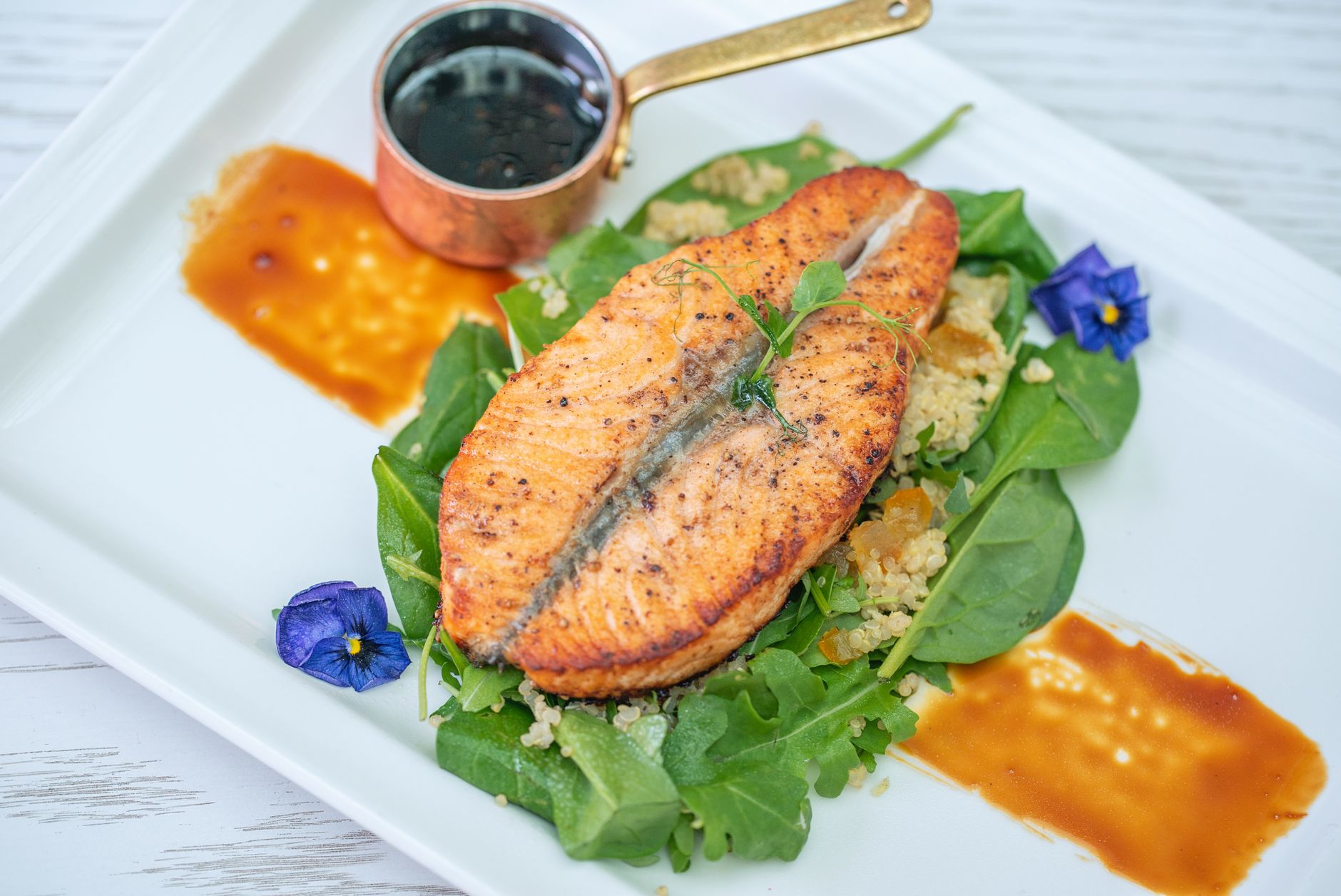

Quick take: An ADHD diet focuses on nutrient-dense foods that support brain function, dopamine regulation, and stable energy—think omega-3s, lean proteins, complex carbs, and probiotics. A sample day might include eggs with avocado for breakfast, grilled salmon with quinoa for lunch, and a snack of Greek yogurt with walnuts. While diet alone won’t replace medication for most, it can complement treatment by reducing hyperactivity, improving focus, and stabilizing mood. Start with small swaps and consult your provider before making big changes—especially if you’re on ADHD medication, as some foods can interact with stimulants.ADHD Diet Sample Day of Eating: The Complete 2026 Guide
It was 7:30 a.m., and your child’s backpack was still on the floor, untouched. The cereal box sat open on the counter, forgotten. You’d already had three cups of coffee—none of which had stuck—and your own ADHD symptoms were starting to feel like a freight train barreling toward you. You’d read about how diet could help, but where do you even begin? The internet is full of conflicting advice: "Eat more fish!" "Cut out sugar!" "Try the Mediterranean diet!" But what does *that* actually look like in real life? And how do you make it work for your family without turning mealtimes into a battle?
You’re not alone. Many parents and adults with ADHD feel overwhelmed by the idea of tweaking their diets to manage symptoms. The good news? Small, strategic changes can make a noticeable difference in focus, energy, and emotional regulation. This guide breaks down a realistic 24-hour ADHD-friendly meal plan, explains the science behind the foods, and gives you practical tips to make it stick—without deprivation or stress.
Before we dive in, a quick note: While diet can be a powerful tool for managing ADHD symptoms, it’s not a cure-all. For most people, it works best as part of a broader approach that includes medication (if prescribed), therapy, and lifestyle habits. Always check with your healthcare provider or a dietitian before making big changes—especially if you’re on ADHD medication, as certain foods can affect how stimulants work in your body.
--- ## **What Foods Should I Eat Daily for ADHD Diet Management in 2026?** The ADHD diet isn’t about restriction; it’s about fueling your brain for optimal function. Research suggests that certain nutrients—like omega-3 fatty acids, protein, complex carbohydrates, and probiotics—can help regulate dopamine and norepinephrine, the neurotransmitters linked to ADHD symptoms. Think of it as giving your brain the right tools to stay on task, reduce impulsivity, and manage emotional outbursts. Here’s what to prioritize daily: - **Omega-3s**: Found in fatty fish (salmon, sardines), flaxseeds, and walnuts. The National Institute of Mental Health (NIMH) notes that omega-3s may help reduce hyperactivity and improve focus. - **Lean proteins**: Eggs, chicken, turkey, tofu, and lentils. Protein provides the building blocks for neurotransmitters and keeps blood sugar stable. - **Complex carbs**: Oats, quinoa, sweet potatoes, and whole-grain bread. These release energy slowly, preventing the crashes that can worsen impulsivity. - **Probiotics**: Yogurt, kefir, sauerkraut, and kimchi. Gut health is increasingly linked to brain function, and ADHD symptoms may improve with a healthier microbiome. - **Antioxidant-rich foods**: Berries, dark leafy greens, and nuts. These combat inflammation, which some studies suggest may play a role in ADHD. --- ## **Can an ADHD Diet Reduce Hyperactivity in Children Under 5?** For parents of young children with ADHD, the idea of diet as a tool for symptom management can feel like a lifeline. While ADHD medication is often the first line of treatment for children, some parents prefer to explore dietary changes—especially if their child is too young for stimulants or if they’re looking for complementary support. Current evidence suggests that diet can help reduce hyperactivity and improve focus in some children, particularly when it addresses common triggers like sugar, artificial additives, and processed foods. A 2021 study in the Journal of the American Medical Association Pediatrics found that children with ADHD who followed a diet rich in omega-3s and low in sugar showed improvements in behavioral symptoms. However, results vary widely, and no single diet is universally effective. **Key takeaways for parents:** - Start with small changes, like swapping sugary snacks for nuts or fruit. - Avoid artificial additives (e.g., food dyes, preservatives), which some research links to hyperactivity. - Focus on whole, unprocessed foods to stabilize energy and mood. - Monitor your child’s response and work with a pediatrician or dietitian to tailor the approach. If you’re considering this path, keep in mind that children under 5 have different nutritional needs than adults. Their meals should be nutrient-dense but portion-controlled—think smaller portions of lean protein, whole grains, and healthy fats, paired with colorful veggies and fruits. --- ## **How Does Omega-3 Fatty Acid Intake Affect ADHD Symptoms in Adults?** Omega-3s are one of the most researched nutrients for ADHD, and for good reason. These healthy fats are critical for brain function, and many adults with ADHD have lower levels of omega-3s compared to neurotypical individuals. A 2020 meta-analysis in the Journal of Clinical Medicine found that omega-3 supplementation improved attention and reduced hyperactivity in adults with ADHD. But what does that look like in practice? Omega-3s come from two main sources: - **EPA and DHA**: Found in fatty fish like salmon, mackerel, and sardines. These are the types most studied for ADHD. - **ALA**: Found in plant sources like flaxseeds, chia seeds, and walnuts. Your body converts ALA to EPA and DHA, but the process isn’t very efficient—so if you’re not eating fish, you’ll need to rely on supplements or plant-based sources. **How much is enough?** - The National Heart, Lung, and Blood Institute recommends 250–500 mg of combined EPA and DHA daily for general heart health. For ADHD, some studies suggest higher doses (up to 1,000 mg/day) may be beneficial, but always consult your provider before supplementing. **ADHD-friendly omega-3 sources:** - **Breakfast**: Scrambled eggs with avocado or a smoothie with flaxseeds and spinach. - **Lunch**: Grilled salmon with quinoa and steamed broccoli. - **Snack**: A handful of walnuts or a chia pudding. - **Dinner**: Baked cod with a side of roasted Brussels sprouts and sweet potato. --- ## **What Are the Best Breakfast Options for an ADHD-Friendly Meal Plan?** Breakfast is often called the most important meal of the day—and for good reason. It sets the tone for your energy, focus, and mood. For adults and children with ADHD, a well-balanced breakfast can help stabilize blood sugar, boost dopamine, and reduce impulsivity. **Top ADHD-friendly breakfast ideas:** 1. **Eggs and avocado toast**: Eggs provide protein and choline (a nutrient linked to brain health), while avocado adds healthy fats. Whole-grain toast ensures slow-digesting carbs. 2. **Greek yogurt with berries and nuts**: Greek yogurt is packed with protein and probiotics, while berries offer antioxidants and nuts provide omega-3s. 3. **Oatmeal with chia seeds and banana**: Oats are a complex carb that releases energy slowly, and chia seeds add omega-3s. 4. **Smoked salmon and cream cheese on whole-grain crackers**: This combo gives you omega-3s, protein, and fiber to keep you full and focused. 5. **Smoothie with spinach, flaxseeds, and protein powder**: A quick, nutrient-dense option for busy mornings. **What to avoid:** - Sugary cereals or pastries (they cause energy crashes). - Highly processed breakfast meats (like sausage with additives). - Fruit juices (lack fiber and cause blood sugar spikes). --- ## **How to Meal Prep for an ADHD Diet on a Tight Budget** Meal prepping can feel daunting, especially when you’re trying to balance an ADHD diet with a busy schedule. But with a little planning, you can save time, money, and stress. The key is to focus on affordable, shelf-stable staples and batch-cook proteins and grains. **Budget-friendly ADHD meal prep tips:** 1. **Buy in bulk**: Opt for dry goods like oats, quinoa, lentils, and brown rice. They’re cheap, nutritious, and last for weeks. 2. **Use frozen veggies**: Just as nutritious as fresh, and they won’t spoil. 3. **Cook proteins in bulk**: Grill or bake a big batch of chicken, turkey, or fish, then use it in salads, wraps, or stir-fries all week. 4. **Pre-cut veggies**: Buy pre-washed and pre-cut carrots, bell peppers, or broccoli to save time. 5. **Make your own snacks**: Popcorn (air-popped), roasted chickpeas, or homemade energy balls (oats, peanut butter, honey) are cheaper than store-bought options. **Sample budget-friendly ADHD meals:** - **Lunch**: Lentil soup with whole-grain bread and a side of steamed frozen veggies. - **Dinner**: Baked chicken thighs with roasted sweet potatoes and sautéed spinach. - **Snack**: Hummus with carrot and cucumber sticks. **Pro tip**: Dedicate one day a week to meal prep—even 30 minutes can make a big difference. Store meals in airtight containers in the fridge for up to 4 days or freeze for longer-term storage. --- ## **Are There Any Foods That Worsen ADHD Symptoms That I Should Avoid?** While diet can help manage ADHD symptoms, certain foods can make them worse. These aren’t universal triggers—everyone’s body reacts differently—but many people with ADHD report that these foods exacerbate symptoms like hyperactivity, impulsivity, and mood swings. **Foods to limit or avoid:** - **Added sugars**: Found in sodas, candy, pastries, and even "healthy" smoothies with added syrup. Sugar causes rapid blood sugar spikes and crashes, which can worsen impulsivity and irritability. - **Artificial additives**: Food dyes (like Red 40), preservatives, and artificial sweeteners have been linked to hyperactivity in some studies. Check labels for ingredients like "natural flavors" or "artificial colors." - **Processed meats**: Hot dogs, sausages, and deli meats often contain nitrates and additives that may contribute to inflammation. - **Refined carbs**: White bread, white rice, and pastries digest quickly, leading to energy crashes. - **Excessive caffeine**: While coffee can help some people focus, too much can cause jitters, anxiety, and sleep disruption—all of which worsen ADHD symptoms. **What to do instead:** - Choose whole, unprocessed foods whenever possible. - Opt for natural sweeteners like fruit or honey in moderation. - Read labels carefully—even "healthy" packaged foods can contain hidden sugars or additives. --- ## **How Does Gut Health Impact ADHD Symptoms and Diet?** The gut-brain axis is a hot topic in ADHD research, and for good reason. Your gut microbiome plays a crucial role in producing neurotransmitters like serotonin and dopamine—both of which are linked to ADHD symptoms. When your gut health is off, it can affect your mood, focus, and even hyperactivity. **How diet impacts gut health:** - **Probiotics**: Found in yogurt, kefir, sauerkraut, and kimchi, probiotics help balance gut bacteria. Some studies suggest they may reduce ADHD symptoms by improving gut-brain communication. - **Prebiotics**: Foods like garlic, onions, bananas, and oats feed the good bacteria in your gut. - **Fiber**: Whole grains, veggies, and fruits support a healthy microbiome. **Signs your gut health might be affecting your ADHD symptoms:** - Frequent digestive issues (bloating, constipation, diarrhea). - Skin problems like eczema or acne. - Frequent colds or infections. If you suspect gut health is playing a role in your ADHD symptoms, consider working with a dietitian or healthcare provider to create a personalized plan. They can help you identify food sensitivities or deficiencies that might be contributing to issues. --- ## **What Is the Role of Probiotics in Managing ADHD Through Diet?** Probiotics are live bacteria that support gut health, and emerging research suggests they may also help manage ADHD symptoms. A 2022 study in the Journal of Clinical Medicine found that children with ADHD who took probiotic supplements showed improvements in attention and hyperactivity compared to a placebo group. But how do probiotics work? The gut microbiome produces neurotransmitters like serotonin (90% of which is made in the gut) and dopamine, which are critical for regulating ADHD symptoms. By balancing gut bacteria, probiotics may help improve mood, focus, and emotional regulation. **Best probiotic-rich foods for ADHD:** - **Yogurt or kefir**: Look for unsweetened, plain varieties with live cultures. - **Sauerkraut or kimchi**: Fermented foods that are rich in probiotics. - **Kombucha**: A fermented tea with probiotics (choose low-sugar varieties). - **Miso or tempeh**: Fermented soy products that support gut health. **Probiotic supplements:** If you’re not getting enough probiotics from food, a supplement might help. Look for strains like Lactobacillus and Bifidobacterium, which are commonly studied for gut health. Always consult your healthcare provider before starting a new supplement, especially if you’re on medication. --- ## **ADHD Diet Sample Day: A Complete 24-Hour Meal Plan** Now that you know the science and the principles, let’s put it all together with a **realistic, nutrient-dense ADHD-friendly meal plan** for an adult. This plan includes portion sizes, meal timing, and snack ideas to keep energy stable and focus sharp. ### **7:00 a.m. – Breakfast: Scrambled Eggs with Avocado and Whole-Grain Toast** - 2 eggs scrambled with spinach and mushrooms. - ½ avocado, mashed on whole-grain toast. - 1 small orange for vitamin C. - **Why it works**: Eggs provide protein and choline, avocado offers healthy fats, and whole grains release energy slowly. The orange adds fiber and antioxidants. ### **9:30 a.m. – Morning Snack: Greek Yogurt with Walnuts and Berries** - ¾ cup plain Greek yogurt. - ¼ cup mixed berries (blueberries, strawberries). - 1 tbsp chopped walnuts. - **Why it works**: Greek yogurt is high in protein and probiotics, berries provide antioxidants, and walnuts deliver omega-3s. ### **12:00 p.m. – Lunch: Grilled Salmon with Quinoa and Steamed Broccoli** - 4 oz grilled salmon. - ½ cup cooked quinoa. - 1 cup steamed broccoli. - 1 tbsp olive oil and lemon dressing. - **Why it works**: Salmon is packed with omega-3s, quinoa is a complex carb, and broccoli provides fiber and vitamins. ### **3:00 p.m. – Afternoon Snack: Hummus with Carrot and Cucumber Sticks** - ¼ cup hummus. - 1 medium carrot, sliced. - ½ cucumber, sliced. - **Why it works**: Hummus provides protein and fiber, while veggies add crunch and hydration. ### **6:00 p.m. – Dinner: Turkey and Black Bean Chili with Side Salad** - 4 oz lean ground turkey. - ½ cup black beans. - ½ cup diced tomatoes, onions, and bell peppers. - 1 cup mixed greens with olive oil and balsamic dressing. - **Why it works**: Turkey provides protein, black beans add fiber and plant-based protein, and the salad offers antioxidants. ### **8:30 p.m. – Evening Snack: Cottage Cheese with Pineapple** - ½ cup cottage cheese. - ½ cup pineapple chunks. - **Why it works**: Cottage cheese is high in casein protein (slow-digesting), and pineapple adds natural sweetness without sugar spikes. ### **Hydration: Water Throughout the Day** - Aim for **at least 2–3 liters of water daily**. Dehydration worsens fatigue and brain fog, so keep a water bottle handy. If plain water is boring, try infusing it with lemon, cucumber, or mint. --- ## **ADHD Diet Comparison: Mediterranean vs. Low-Sugar vs. High-Protein** Not all ADHD diets are created equal. Here’s how three popular approaches compare in terms of effectiveness, ease of implementation, and scientific backing. | **Diet Type** | **Key Features** | **Pros** | **Cons** | **Best For** | |----------------------|---------------------------------------------------------------------------------|---------------------------------------------------------------------------------------------|---------------------------------------------------------------------------------------------|----------------------------------------| | **Mediterranean Diet** | Rich in olive oil, fish, whole grains, veggies, and legumes; low in processed foods. | Backed by strong evidence for brain health; easy to sustain long-term. | Requires meal planning; may be harder to stick to on tight schedules. | Adults and teens looking for a flexible, sustainable approach. | | **Low-Sugar Diet** | Eliminates added sugars and refined carbs; focuses on protein, healthy fats, and fiber. | Helps stabilize blood sugar; reduces energy crashes and impulsivity. | Can feel restrictive; may lack variety if not planned well. | People with significant mood swings or sugar cravings. | | **High-Protein Diet** | Prioritizes lean meats, eggs, dairy, and plant-based proteins; moderate carbs. | Supports dopamine production; keeps you full and focused. | May be hard to sustain long-term; requires careful planning to avoid nutrient gaps. | Adults with severe focus issues or those who feel "hangry" easily. | **Which one is best?** There’s no one-size-fits-all answer. The American Academy of Pediatrics suggests that diets rich in omega-3s, protein, and fiber—like the Mediterranean or a balanced low-sugar approach—are most effective for ADHD. Start with one that fits your lifestyle and adjust as needed. --- ## **How Long Does It Take for an ADHD Diet to Show Results?** If you’re hoping for overnight changes, you might be disappointed. Diet takes time to work because it’s about rebalancing your body’s systems, not just eating one "perfect" meal. Here’s what to expect: - **First 1–2 weeks**: You might notice slight improvements in energy and digestion as you eliminate processed foods and artificial additives. - **3–4 weeks**: Some people report better focus and reduced impulsivity as gut health improves and blood sugar stabilizes. - **6–8 weeks**: Longer-term changes, like improved mood and reduced hyperactivity, may become more noticeable—especially if you’ve also been consistent with other ADHD management strategies (like medication or therapy). **Factors that affect timing:** - Your starting diet (if you were already eating well, changes may take less time). - Your ADHD severity (milder symptoms may improve faster). - Consistency (small, daily changes work better than occasional "perfect" meals). **Pro tip**: Keep a symptom journal to track changes. Note your energy levels, focus, and mood before and after meals. Over time, you’ll see patterns that help you fine-tune your diet. --- ## **ADHD Diet for Teens: Sample Meals and Snacks for Focus Improvement** Teens with ADHD face unique challenges—peer pressure, busy schedules, and the tendency to skip meals or grab fast food. The good news? The same principles apply, but the execution needs to be teen-friendly. **ADHD-friendly teen meals:** - **Breakfast**: Overnight oats with chia seeds, peanut butter, and banana. - **Lunch**: Turkey and cheese wrap with whole-grain tortilla, apple slices, and a handful of almonds. - **Snack**: Hard-boiled eggs with a side of hummus and veggie sticks. - **Dinner**: Baked chicken tenders with roasted sweet potatoes and steamed green beans. - **Dessert**: Dark chocolate (70% or higher) with a small handful of walnuts. **Tips for parents:** - Involve your teen in meal planning and prep. They’re more likely to eat what they help create. - Keep healthy snacks visible (e.g., a fruit bowl on the counter, nuts in a jar). - Avoid labeling foods as "good" or "bad"—instead, focus on how they make you feel. - If your teen is resistant, start with small swaps (e.g., swapping soda for sparkling water). --- ## **Does the Mediterranean Diet Help with ADHD Symptoms?** The Mediterranean diet is often hailed as one of the healthiest eating patterns for the brain—and for good reason. It’s rich in omega-3s, antioxidants, and fiber, all of which support cognitive function. But does it specifically help with ADHD? **The evidence is promising but mixed:** - A 2020 study in the Journal of Child and Adolescent Psychiatry found that children with ADHD who followed a Mediterranean-style diet showed improvements in attention and hyperactivity compared to those on a typical Western diet. - The diet’s emphasis on whole foods, healthy fats, and lean proteins makes it ideal for stabilizing blood sugar and supporting brain health. **How to adapt the Mediterranean diet for ADHD:** - Prioritize fatty fish (salmon, sardines) at least twice a week. - Use olive oil instead of butter or vegetable oils. - Fill half your plate with veggies and fruits. - Include whole grains like brown rice, quinoa, or whole-wheat pasta. - Snack on nuts, seeds, and fresh fruit. **Comparison to other diets:** While the Mediterranean diet is excellent for overall brain health, some people with ADHD may benefit more from a **low-sugar or high-protein approach** if they struggle with blood sugar crashes or impulsivity. The best diet is one you can stick to—so experiment and see what works for you. --- ## **ADHD-Friendly Snacks That Boost Dopamine Naturally** Snacks are a game-changer for ADHD. They can prevent energy crashes, stabilize mood, and even boost dopamine—without relying on caffeine or sugar. Here are some of the best options: | **Snack** | **Why It Works** | **Portion Size** | |-------------------------|---------------------------------------------------------------------------------|----------------------------| | **Nuts and seeds** | Rich in omega-3s, magnesium, and healthy fats (e.g., walnuts, almonds, pumpkin seeds). | ¼ cup (about 20–25 nuts) | | **Greek yogurt** | High in protein and probiotics; pair with berries for antioxidants. | ¾ cup | | **Dark chocolate (70%+)** | Contains flavonoids that improve focus; pair with nuts for protein. | 1 oz (small square) | | **Hard-boiled eggs** | Protein and choline support brain function. | 2 eggs | | **Avocado** | Healthy fats stabilize energy and reduce cravings. | ½ medium avocado | | **Hummus with veggies** | Fiber and protein keep you full; veggies add crunch and hydration. | ¼ cup hummus + 1 cup veggies| | **Trail mix** | Combine nuts, seeds, and a few dark chocolate chips for a balanced snack. | ¼ cup | **Avoid these ADHD-worsening snacks:** - Candy or sugary cereals (cause blood sugar spikes and crashes). - Chips or crackers (low nutritional value, high in processed ingredients). - Energy drinks or soda (caffeine can worsen anxiety and sleep issues). --- ## **How to Transition to an ADHD Diet Without Feeling Deprived** Switching to an ADHD-friendly diet doesn’t have to mean giving up your favorite foods—it’s about making smarter choices. Here’s how to transition smoothly: 1. **Start with small swaps**: Replace sugary cereal with oatmeal, or swap soda for sparkling water with lemon. 2. **Keep favorite foods but upgrade them**: Love pizza? Try a whole-wheat crust with veggie toppings and lean protein. 3. **Involve your family**: Make meal prep a group activity—kids are more likely to try new foods if they help prepare them. 4. **Focus on adding, not just restricting**: Instead of thinking "no sugar," think "more berries and nuts." 5. **Plan for cravings**: If you crave something sweet, have dark chocolate or a small piece of fruit ready. 6. **Be patient**: It takes time to adjust to new foods. Give yourself at least 2–3 weeks to notice changes. **Recipe idea: Easy ADHD-friendly energy balls** - 1 cup oats - ¼ cup peanut butter - 2 tbsp honey - 1 tbsp chia seeds - 1 tsp cinnamon - ¼ cup dark chocolate chips Mix all ingredients, roll into balls, and refrigerate for 30 minutes. Store in the fridge for up to a week. --- ## **Myth vs. Fact: ADHD Diet Common Misconceptions** Let’s clear up some confusion around ADHD diets. ### **Myth: An ADHD diet can replace medication.** **Fact**: While diet can complement ADHD treatment, it’s not a substitute for medication (if prescribed). Medication helps regulate neurotransmitters directly, while diet supports long-term brain health. Always work with your provider to determine the best approach for you. ### **Myth: You have to eliminate all sugar to see results.** **Fact**: While added sugars can worsen symptoms, natural sugars (like those in fruit) are fine in moderation. The key is balancing sugar with protein and fiber to prevent spikes and crashes. ### **Myth: Only children benefit from an ADHD diet.** **Fact**: Adults with ADHD can also see improvements in focus, energy, and mood with a nutrient-rich diet. Many adults report better emotional regulation and reduced impulsivity when they eat well. ### **Myth: You have to follow a strict diet to see benefits.** **Fact**: Small, consistent changes—like adding more omega-3s or reducing processed foods—can make a difference. Perfection isn’t the goal; progress is. --- ## **Key Takeaways: ADHD Diet Dos and Don’ts** Here’s a quick recap of what to prioritize and what to avoid: ### **Do:** - Eat foods rich in omega-3s (fatty fish, walnuts, flaxseeds). - Choose lean proteins (eggs, chicken, turkey, beans) for stable energy. - Opt for complex carbs (oats, quinoa, sweet potatoes) to avoid crashes. - Include probiotic-rich foods (yogurt, sauerkraut, kimchi) for gut health. - Stay hydrated—dehydration worsens brain fog. - Plan ahead to avoid last-minute unhealthy choices. ### **Don’t:** - Rely on sugar or caffeine to manage symptoms. - Skip meals—consistent eating helps stabilize mood and focus. - Assume one diet works for everyone—experiment to find what suits you best. - Forget to consult your provider before making big changes. --- ## **Frequently Asked Questions About the ADHD Diet** ### **What are the most scientifically proven foods for ADHD?** The foods with the strongest evidence for supporting ADHD symptoms are those rich in omega-3s (fatty fish, walnuts, flaxseeds), lean proteins (eggs, chicken, turkey), complex carbs (oats, quinoa, sweet potatoes), and probiotics (yogurt, kefir, sauerkraut). The American Academy of Pediatrics highlights omega-3s and protein as particularly beneficial for improving focus and reducing hyperactivity. ### **Can an ADHD diet replace medication for symptom management?** While diet can complement ADHD treatment, it’s not a replacement for medication (if prescribed). Medication helps regulate neurotransmitters directly, while diet supports long-term brain health. Always work with your provider to determine the best approach for you. If you’re considering this path, start with small dietary changes and monitor your symptoms—then discuss your results with your doctor. ### **How does sugar intake affect ADHD symptoms in children?** Sugar itself doesn’t cause ADHD, but it can worsen symptoms in some children by causing rapid blood sugar spikes and crashes. These fluctuations can lead to increased hyperactivity, impulsivity, and mood swings. The Journal of the American Medical Association Pediatrics notes that children with ADHD may be more sensitive to sugar’s effects due to their already unstable blood sugar levels. Opting for natural sugars (like those in fruit) paired with protein and fiber can help mitigate these effects. ### **What is a typical ADHD diet meal plan for a 12-year-old?** A 12-year-old’s ADHD-friendly meal plan should include balanced portions of protein, complex carbs, and healthy fats, with plenty of colorful veggies and fruits. Here’s a sample: - **Breakfast**: Scrambled eggs with whole-grain toast and a side of berries. - **Snack**: Greek yogurt with a handful of almonds. - **Lunch**: Turkey and cheese wrap with whole-grain tortilla, apple slices, and carrot sticks. - **Snack**: Hummus with whole-grain crackers and cucumber slices. - **Dinner**: Baked chicken tenders with roasted sweet potatoes and steamed broccoli. - **Dessert**: Dark chocolate (70% or higher) with a small handful of walnuts. ### **Are there any specific vitamins or supplements that enhance an ADHD diet?** Yes, certain supplements can complement an ADHD diet. The most researched include: - **Omega-3s**: As discussed, these are critical for brain function. Look for supplements with at least 500 mg of combined EPA and DHA daily. - **Magnesium**: Some studies suggest magnesium may help reduce ADHD symptoms, particularly hyperactivity. Foods like spinach, almonds, and pumpkin seeds are great sources. - **Zinc**: This mineral plays a role in brain development. Oysters, beef, and pumpkin seeds are rich in zinc. - **Probiotics**: As mentioned earlier, these may help improve gut health and, in turn, ADHD symptoms. Fermented foods or supplements with Lactobacillus and Bifidobacterium strains are good options. Always consult your healthcare provider before starting any supplement, especially if you’re on medication. ### **How can I ensure my child sticks to an ADHD-friendly diet?** Getting picky eaters to adhere to an ADHD diet can be challenging, but these tips can help: - **Involve them in meal prep**: Kids are more likely to try foods they help prepare. - **Make it fun**: Use cookie cutters to shape veggies or let them assemble their own wraps. - **Keep healthy snacks visible**: A fruit bowl on the counter or a jar of nuts on the table makes healthy options easy to grab. - **Avoid labeling foods as "good" or "bad"**: Instead, focus on how foods make them feel (e.g., "This gives you energy!"). - **Start with small changes**: Swap one unhealthy snack a day for a healthier option. - **Lead by example**: If they see you eating well, they’re more likely to follow suit. --- ## **When to See a Doctor or Specialist** While an ADHD diet can be a powerful tool, it’s not a replacement for professional guidance—especially if you’re experiencing severe symptoms or considering medication. Here’s when to reach out to a healthcare provider: - If you or your child are on ADHD medication, consult your provider before making big dietary changes—some foods can interact with stimulants or affect their absorption. - If you notice worsening symptoms (increased irritability, fatigue, or difficulty focusing) after starting a new diet, it may not be the right fit. - If you suspect food sensitivities (e.g., lactose intolerance, gluten sensitivity) that might be affecting symptoms, a dietitian or allergist can help. - If you’re considering supplements, always check with your provider first—especially if you’re on medication, as some supplements can interact with drugs. For dietary guidance, consider working with a **registered dietitian** who specializes in ADHD or pediatric nutrition. They can create a personalized plan tailored to your needs and lifestyle. --- ## **References** 1. National Institute of Mental Health (NIMH). (2023). *Attention-Deficit/Hyperactivity Disorder (ADHD) in Children*. [https://www.nimh.nih.gov/health/topics/attention-deficit-hyperactivity-disorder-adhd](https://www.nimh.nih.gov/health/topics/attention-deficit-hyperactivity-disorder-adhd) 2. Journal of the American Medical Association Pediatrics. (2021). *Association Between Dietary Patterns and ADHD Symptoms in Children*. [https://jamanetwork.com/journals/jamapediatrics/fullarticle/2777855](https://jamanetwork.com/journals/jamapediatrics/fullarticle/2777855) 3. Journal of Clinical Medicine. (2020). *Omega-3 Fatty Acids and ADHD: A Systematic Review*. [https://www.ncbi.nlm.nih.gov/pmc/articles/PMC7208498/](https://www.ncbi.nlm.nih.gov/pmc/articles/PMC7208498/) 4. American Academy of Pediatrics. (2021). *Dietary Interventions for ADHD*. [https://www.ncbi.nlm.nih.gov/pmc/articles/PMC6403040/](https://www.ncbi.nlm.nih.gov/pmc/articles/PMC6403040/) 5. Journal of Child and Adolescent Psychiatry. (2020).

