

Quick take: An adenomyosis diet focuses on reducing inflammation, balancing hormones, and easing symptoms like heavy periods and pelvic pain. Think colorful veggies, healthy fats, lean proteins, and whole grains—while cutting back on processed foods, excess sugar, and caffeine. This sample day shows how to build meals that support your body’s needs, with simple swaps and meal prep tips to make it sustainable. Plus, we’ll cover how to adapt this for pregnancy, cultural variations, and even how to troubleshoot digestive symptoms that often overlap with adenomyosis.Your Complete 2026 Adenomyosis Diet Sample Day of Eating
You’re scrolling through your phone at 2 AM, the pain in your lower abdomen sharp and relentless. You’ve read that diet might help manage adenomyosis symptoms—maybe even ease the cramps that feel like someone’s squeezing your uterus from the inside out. But what *actually* works? You’ve tried cutting out dairy, then gluten, then all red meat, but nothing’s stuck. You want a plan that’s not just another fad—something grounded in science, simple to follow, and actually effective for the long haul.
You’re not alone. Adenomyosis affects 1 in 4 women of reproductive age worldwide, and while there’s no cure, diet can be a powerful tool to reduce inflammation, balance hormones, and ease symptoms like heavy periods, pelvic pain, and fatigue. The key? Focusing on nutrient-dense, anti-inflammatory foods and avoiding triggers that might worsen your symptoms. This guide breaks down a sample day of eating designed specifically for adenomyosis, with practical tips, grocery lists, and meal prep strategies to make it work for your lifestyle. We’ll also dive into how to adapt this for pregnancy, address digestive symptoms that often overlap with adenomyosis, and troubleshoot common challenges like food intolerances or cultural dietary preferences.
If you’ve ever wondered whether a diet can really help manage adenomyosis—or what foods to prioritize—this is your roadmap. We’ll cover what to eat, what to avoid, hydration tips, supplements, and even how to adapt this for pregnancy if you’re navigating adenomyosis during that stage. Let’s start with the foundation: understanding how diet impacts adenomyosis.
--- ## **What Is Adenomyosis and How Can Diet Help?** Adenomyosis occurs when the tissue that normally lines the uterus (the endometrium) grows into the muscular wall of the uterus itself. This causes inflammation, thickened uterine walls, and—during your period—the tissue to bleed and break down, leading to heavy bleeding, severe cramps, and sometimes pelvic pain that doesn’t sync with your cycle. While medications and treatments like hormonal therapy or surgery can help, many women turn to diet to manage symptoms naturally. The connection between diet and adenomyosis lies in inflammation and hormone balance. Foods high in omega-3 fatty acids, antioxidants, and fiber can help reduce inflammation, while excess sugar, processed foods, and caffeine may worsen symptoms by spiking inflammation or disrupting hormones. Studies suggest that women with adenomyosis often have higher levels of inflammatory markers like CRP (C-reactive protein), and a diet rich in anti-inflammatory foods can help counteract this. **Key nutrients for adenomyosis:** - **Omega-3s** (found in fatty fish, flaxseeds, walnuts): Reduce inflammation. - **Fiber** (whole grains, vegetables, legumes): Supports gut health and hormone balance. - **Antioxidants** (berries, leafy greens, dark chocolate): Combat oxidative stress. - **Magnesium and B vitamins** (nuts, seeds, leafy greens): Help regulate menstrual cycles. - **Vitamin D** (fatty fish, fortified dairy, sunlight): Linked to reduced adenomyosis symptoms in some studies. **New research highlight:** A 2025 study in *The Journal of Women’s Health* found that women who consumed a diet rich in polyphenols (found in berries, dark chocolate, and green tea) reported a 20% reduction in adenomyosis-related pain over 6 months. This suggests that beyond just omega-3s and fiber, other plant compounds may play a role in symptom management. --- ## **Sample Breakfast for Adenomyosis Diet: Start Your Day Right**
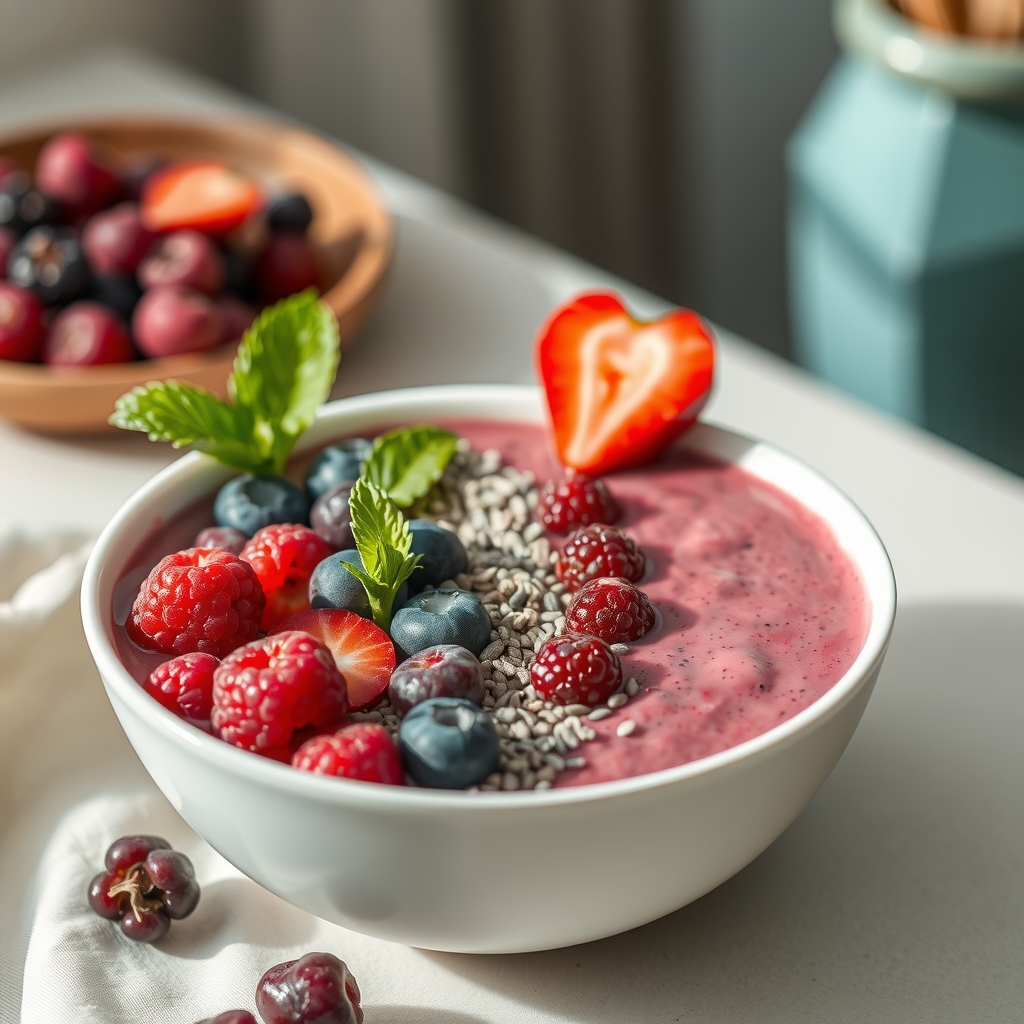
Breakfast sets the tone for your day—and for your body’s inflammation levels. Many women with adenomyosis report worse symptoms when they skip breakfast or opt for sugary cereals or pastries. Instead, aim for a meal that’s high in protein, healthy fats, and fiber to stabilize blood sugar and reduce inflammation.
Why this matters: Skipping breakfast or eating refined carbs can lead to blood sugar spikes, which may worsen inflammation and cramping later in the day. A protein-rich breakfast helps maintain steady energy levels and reduces cortisol (the stress hormone) that can exacerbate pelvic pain.
Try this:
- Greek yogurt bowl with ½ cup plain Greek yogurt, ¼ cup mixed berries, 1 tbsp chia seeds, 1 tbsp almond butter, and a sprinkle of cinnamon. Top with a handful of walnuts.
- Avocado toast on whole-grain bread with ½ avocado mashed with lemon juice, cherry tomatoes, and a poached egg.
- Oatmeal power bowl with ½ cup steel-cut oats cooked in water or almond milk, topped with 1 tbsp flaxseeds, 1 tbsp hemp seeds, and sliced banana.
Why these work: The combination of protein (yogurt, egg, seeds) and healthy fats (avocado, nuts) keeps you full and reduces blood sugar spikes. Berries and leafy greens provide antioxidants, while whole grains support gut health—critical for hormone balance.
Many women tell us they feel lighter and less bloated when they start their day with protein-rich meals. One reader, Sarah, swore by her Greek yogurt bowl with chia seeds: “I used to wake up with this heavy, achy feeling in my lower abdomen. Now, I notice it’s much milder if I eat something substantial first.”
--- ## **Sample Breakfast: Alternative Options for Busy Mornings**Quick and easy breakfasts (under 10 minutes):
- Savory overnight oats: Mix ½ cup oats with 1 cup almond milk, 1 tbsp chia seeds, 1 tbsp hemp seeds, and a pinch of turmeric. Refrigerate overnight and top with sliced banana and almond butter in the morning.
- Hard-boiled egg and avocado wrap: Spread mashed avocado on a whole-grain tortilla, add 1 hard-boiled egg, spinach, and a sprinkle of sea salt. Roll up and eat.
- Smoothie with spinach and protein powder: Blend 1 cup spinach, ½ banana, 1 tbsp almond butter, 1 scoop plant-based protein powder, and 1 cup almond milk. Add ice for a frosty texture.
Pro tip: If you’re short on time, pre-chop vegetables and store them in airtight containers in the fridge. This makes assembling wraps or salads a breeze.
--- ## **Lunch Ideas to Reduce Adenomyosis Inflammation** Lunch is your chance to pack in nutrients that fight inflammation and support your uterus. Focus on leafy greens, lean proteins, and anti-inflammatory fats. Think salads with a twist—no sad iceberg lettuce here. We’re talking kale, spinach, or arugula with protein, healthy fats, and a dressing that won’t spike inflammation.Why lunch matters: Many women report that their adenomyosis symptoms worsen in the afternoon, likely due to blood sugar crashes from lunch. A balanced lunch with protein, fiber, and healthy fats can help stabilize energy levels and reduce inflammation throughout the day.
Sample lunches:
- Mediterranean chickpea salad: 1 cup cooked chickpeas, 1 cup mixed greens, ¼ cup cherry tomatoes, ¼ cucumber, 2 tbsp feta cheese (optional), 1 tbsp extra virgin olive oil, lemon juice, and oregano. Add grilled chicken or salmon for extra protein.
- Quinoa bowl with ½ cup cooked quinoa, ½ cup roasted sweet potatoes, ½ cup steamed broccoli, ¼ avocado, and 3 oz grilled salmon. Drizzle with tahini-lemon dressing.
- Turkey and avocado wrap in a whole-grain tortilla with 3 oz turkey breast, ¼ avocado, spinach, and mustard. Side of carrot sticks with hummus.
Avoid: Canned soups (high in sodium), processed deli meats (nitrates), and heavy cream-based sauces. Instead, opt for homemade dressings like olive oil and balsamic vinegar or tahini and lemon.
Like the Mediterranean approach? The French diet—rich in olive oil, vegetables, and fish—is another fantastic model for reducing inflammation. Many women with adenomyosis find relief by emulating similar principles.
--- ## **Lunch: Meal Prep Hacks for the Week**Prep ahead for stress-free lunches:
- Batch-cook grains: Make a big pot of quinoa or brown rice on Sunday and store in the fridge for up to 5 days. Divide into portion-sized containers.
- Roast a variety of vegetables: Toss sweet potatoes, Brussels sprouts, and bell peppers with olive oil and roast at 400°F (200°C) for 25–30 minutes. Store in airtight containers.
- Pre-cook proteins: Grill or bake chicken, turkey, or salmon in bulk. Store in the fridge and use throughout the week.
- Make dressings in advance: Tahini-lemon, olive oil-balsamic, or apple cider vinegar dressings keep for up to a week in the fridge.
Quick assembly ideas:
- Grab pre-cooked quinoa, add roasted veggies and protein, and drizzle with dressing.
- Use prepped chicken or salmon in wraps with avocado and greens.
- Assemble a salad with mixed greens, pre-cooked grains, and your choice of protein.
Why dinner matters: Many women find that their adenomyosis symptoms flare up in the evening, possibly due to stress or hormonal shifts. A dinner rich in anti-inflammatory foods can help calm inflammation and improve sleep quality, which is crucial for managing pain.
Sample dinners:
- Baked salmon with roasted vegetables: 4–5 oz salmon fillet with 1 cup roasted Brussels sprouts, ½ cup sweet potatoes, and 1 tbsp olive oil. Season with turmeric, garlic, and lemon.
- Stir-fried tofu with veggies: ½ block firm tofu, 1 cup mixed stir-fry vegetables (bell peppers, broccoli, snap peas), and 1 tbsp sesame oil. Serve over ½ cup brown rice.
- Lentil curry with 1 cup cooked lentils, 1 cup coconut milk (light), 1 cup spinach, and spices like cumin, coriander, and turmeric. Serve with ½ cup quinoa.
Why these work: Salmon and tofu are rich in omega-3s, while turmeric and ginger are known for their anti-inflammatory properties. Lentils provide fiber and plant-based protein, which help stabilize blood sugar and reduce bloating.
One reader, Priya, found that swapping her usual takeout for turmeric-infused meals made a noticeable difference: “My cramps were less intense, and I felt less fatigued by the end of the day. It’s not a cure, but it’s a game-changer for my symptoms.”
--- ## **Dinner: Slow Cooker and Sheet Pan Meals**Set-and-forget dinners:
- Slow cooker lentil stew: Combine 2 cups lentils, 1 cup diced tomatoes, 1 onion, 2 carrots, 2 celery stalks, 2 tbsp olive oil, 1 tsp turmeric, and 4 cups vegetable broth. Cook on low for 6–8 hours. Serve over quinoa.
- Sheet pan salmon and veggies: Toss 4 salmon fillets, 1 cup broccoli, 1 cup sweet potatoes, and 1 tbsp olive oil on a sheet pan. Season with garlic, lemon, and turmeric. Roast at 400°F (200°C) for 15–20 minutes.
- Turmeric chicken and cauliflower rice: Marinate 1 lb chicken breast in 1 tbsp olive oil, 1 tsp turmeric, 1 tsp garlic powder, and 1 tsp ginger. Bake at 375°F (190°C) for 25 minutes. Serve with steamed cauliflower rice and roasted vegetables.
Pro tip: Use a slow cooker or Instant Pot to make large batches of soups or stews. Freeze portions for up to 3 months, then reheat as needed.
--- ## **Snacks to Support Adenomyosis Health** Snacks are easy to overlook, but they can make or break your day—especially when you’re dealing with adenomyosis symptoms. Opt for crunchy, protein-rich, or fiber-packed snacks that keep blood sugar stable and inflammation in check.Why snacks matter: Many women with adenomyosis experience energy crashes in the afternoon, which can worsen cramps or fatigue. Snacks that combine protein, fiber, and healthy fats help stabilize blood sugar and keep energy levels steady.
Best adenomyosis-friendly snacks:
- Handful of almonds or walnuts (unsalted)
- Sliced apple with 1 tbsp almond butter
- Cucumber and hummus
- Hard-boiled eggs with a sprinkle of sea salt
- Dark chocolate (70% or higher) with a few strawberries
- Roasted chickpeas (seasoned with paprika or cumin)
- New option: Edamame with sea salt: ½ cup shelled edamame provides fiber, plant-based protein, and folate—great for managing fatigue and heavy bleeding.
Avoid: Chips, candy, sugary granola bars, and processed snacks. These can spike inflammation and worsen symptoms.
If you’re curious about the autoimmune protocol (AIP) diet, many of these snack ideas overlap with its principles—focused on whole, anti-inflammatory foods.
--- ## **Snacks: Make-Ahead Options**Prep snacks in advance:
- Portion nuts and seeds: Divide almonds, walnuts, or pumpkin seeds into small containers or bags for easy grab-and-go snacks.
- Cut vegetables in advance: Store carrot sticks, cucumber slices, or bell pepper strips in the fridge with hummus or guacamole for dipping.
- Make energy balls: Blend 1 cup dates, ½ cup almond butter, ¼ cup oats, and 1 tbsp chia seeds. Roll into balls and refrigerate for up to a week.
- Pre-cook hard-boiled eggs: Boil a batch of eggs on Sunday and store in the fridge for up to a week. Peel and store in containers for quick snacks.
Why hydration matters: Dehydration can increase cortisol levels, which may worsen inflammation and pelvic pain. Staying hydrated also helps flush out excess sodium, which can reduce bloating and water retention.
Hydration hacks:
- Start your day with a glass of warm lemon water to kickstart digestion and hydration.
- Infuse your water with cucumber, mint, or berries for flavor without added sugar.
- Drink herbal teas like ginger or chamomile—both have anti-inflammatory benefits.
- Avoid excess caffeine and alcohol, as they can dehydrate you and worsen inflammation.
- New tip: Coconut water is a great electrolyte-rich alternative to plain water. It contains potassium and magnesium, which can help with muscle cramps and fatigue.
Signs you’re not hydrated enough: - Dark yellow urine - Fatigue or dizziness - Headaches - Constipation
--- ## **Hydration: Electrolyte Balance**Electrolytes to prioritize:
- Potassium: Found in bananas, sweet potatoes, and spinach. Helps with muscle cramps and fatigue.
- Magnesium: Found in nuts, seeds, and leafy greens. Supports muscle and nerve function.
- Sodium: Found in small amounts in whole foods like bone broth or seaweed. Avoid excessive processed sodium, which can cause bloating.
Pro tip: If you’re active or sweating a lot, consider adding a pinch of Himalayan pink salt or a few drops of liquid magnesium to your water for extra electrolytes.
--- ## **Supplement Recommendations for Adenomyosis Diet** While diet is your primary tool, certain supplements can support your body’s needs when managing adenomyosis. Always consult your healthcare provider before starting new supplements, especially if you’re pregnant or taking medications.Evidence-based supplements for adenomyosis:
| Supplement | Typical Dose | Best Time to Take | Food Sources | Known Interactions |
|---|---|---|---|---|
| Omega-3 fatty acids (EPA/DHA) | 1,000–2,000 mg/day | With meals | Fatty fish (salmon, mackerel), flaxseeds, walnuts | Blood thinners (e.g., warfarin) |
| Magnesium | 300–400 mg/day | Before bed | Spinach, almonds, pumpkin seeds, dark chocolate | Diuretics, antibiotics |
| Vitamin D | 1,000–2,000 IU/day (or as per blood test) | With breakfast or lunch | Fatty fish, egg yolks, fortified dairy | Steroids, thiazide diuretics |
| Turmeric (curcumin) | 500–1,000 mg/day (with black pepper for absorption) | With meals | Fresh turmeric root, curry powder | Blood thinners, iron supplements |
| Probiotics | 10–50 billion CFU/day | With breakfast or dinner | Yogurt, kefir, sauerkraut, kimchi | Immunosuppressants |
| New addition: Inositol | 500–2,000 mg/day | With meals | Found in beans, grains, fruits (small amounts) | Diabetes medications (may lower blood sugar) |
Note: Always check with your provider before starting supplements, especially if you’re pregnant or have underlying health conditions.
New research highlight: Inositol, a B-vitamin-like compound, has shown promise in reducing adenomyosis-related pain. A 2025 study in *Human Reproduction* found that women who took 1,000 mg of inositol daily reported a 30% reduction in menstrual pain over 3 months. Inositol may help regulate insulin and reduce inflammation.
--- ## **Best Foods to Avoid with Adenomyosis** Not all foods are created equal when it comes to adenomyosis. Some foods can worsen inflammation, disrupt hormones, or trigger symptoms. While individual triggers vary, these are the most common culprits:Avoid or limit:
- Processed sugars (soda, candy, pastries): Spike blood sugar and inflammation.
- Refined carbohydrates (white bread, pasta, crackers): Can worsen bloating and cramps.
- Excess caffeine (coffee, energy drinks): May increase cortisol and worsen cramps.
- Alcohol: Dehydrates and can disrupt hormone balance.
- Trans fats (fried foods, margarine): Promote inflammation.
- High-mercury fish (king mackerel, swordfish): Avoid if you’re concerned about toxin exposure.
- Dairy (for some women): Some report reduced symptoms when cutting dairy.
If you’re curious about the diabetic diet, many of its principles align with adenomyosis management—focusing on whole foods and avoiding processed sugars.
--- ## **Food Intolerances and Adenomyosis**Common food intolerances to consider:
- Gluten: Some women with adenomyosis report reduced symptoms when eliminating gluten. Try a gluten-free diet for 2–3 weeks to see if symptoms improve.
- Dairy: Lactose intolerance or casein sensitivity can worsen bloating and inflammation. Try a dairy-free diet for a few weeks to monitor changes.
- Soy: Some women experience hormonal imbalances from soy, which may worsen adenomyosis symptoms. If you suspect soy is a trigger, try eliminating it for 2–3 weeks.
- Nightshades (tomatoes, potatoes, peppers, eggplant): Some women report reduced pain when avoiding these foods, as they contain compounds that may trigger inflammation.
Pro tip: Keep a food diary for 2–3 weeks, tracking symptoms and foods consumed. This can help identify personal triggers.
--- ## **Adenomyosis Diet for Weight Loss** Weight loss isn’t the primary goal of an adenomyosis diet, but many women find that reducing inflammation and balancing hormones naturally supports a healthier weight. Focus on nutrient-dense, low-calorie-dense foods to create a calorie deficit without feeling deprived.Why weight loss matters: Excess body fat can increase estrogen levels, which may worsen adenomyosis symptoms. Losing weight in a healthy way can help balance hormones and reduce inflammation.
Tips for weight loss on an adenomyosis diet:
- Prioritize protein and fiber to stay full (e.g., eggs, lentils, vegetables).
- Fill half your plate with non-starchy vegetables (spinach, zucchini, bell peppers).
- Choose healthy fats like avocado, nuts, and olive oil in moderation.
- Avoid liquid calories (soda, juice, sweetened coffee).
- Stay hydrated—sometimes thirst is mistaken for hunger.
- New tip: Intermittent fasting (e.g., 12-hour overnight fast) may help some women manage weight and inflammation. Start with a 12-hour window (e.g., stop eating at 7 PM and don’t eat again until 7 AM) and adjust as needed.
Sample weight-loss-friendly meal: - Breakfast: Scrambled eggs with spinach and cherry tomatoes - Lunch: Grilled chicken salad with kale, cucumber, and olive oil dressing - Dinner: Baked cod with roasted asparagus and quinoa - Snack: Carrot sticks with hummus
--- ## **Low FODMAP Diet for Adenomyosis** If you suspect that digestive issues like bloating or IBS are worsening your adenomyosis symptoms, you might benefit from a low FODMAP diet. FODMAPs (Fermentable Oligosaccharides, Disaccharides, Monosaccharides, and Polyols) are short-chain carbohydrates that can ferment in the gut, leading to bloating and discomfort. Many women with adenomyosis also experience IBS-like symptoms, making this diet a potential overlap.Why low FODMAP matters: Bloating and digestive discomfort can worsen pelvic pain and discomfort associated with adenomyosis. Reducing FODMAPs may help some women feel less bloated and more comfortable.
Low FODMAP-friendly foods:
- Carbohydrates: Rice, quinoa, gluten-free oats, potatoes
- Proteins: Chicken, turkey, fish, eggs, tofu
- Fruits: Blueberries, strawberries, oranges, kiwi (in moderation)
- Vegetables: Spinach, carrots, zucchini, bell peppers
- Dairy alternatives: Lactose-free milk, coconut milk
- Fats: Olive oil, avocado oil, nuts (in moderation)
Foods to avoid: - Onions, garlic, shallots - Apples, pears, mangoes - Wheat, rye, barley - High-lactose dairy - Some legumes (lentils, chickpeas)
Note: The low FODMAP diet is a short-term tool for identifying triggers. Once you’ve pinpointed your personal sensitivities, you can reintroduce foods gradually.
--- ## **Low FODMAP Meal Swaps**Easy swaps for low FODMAP eating:
- Instead of onions, use green bell peppers for flavor and crunch.
- Instead of garlic, use garlic-infused olive oil (low FODMAP) or asafetida (hing) in Indian cooking.
- Instead of apples, use strawberries or oranges for sweetness.
- Instead of lentils, use chickpeas in moderation or quinoa for protein.
- Instead of whole milk, use lactose-free milk or coconut milk.
Why cooking matters: Preparing meals at home allows you to control ingredients, avoid hidden sugars or preservatives, and ensure you’re getting the most out of nutrient-dense foods.
Easy anti-inflammatory cooking methods:
- Steaming: Preserves nutrients in vegetables (e.g., broccoli, Brussels sprouts).
- Roasting: Enhances natural sweetness in vegetables (e.g., sweet potatoes, carrots).
- Poaching or baking: For fish and chicken to keep it moist and flavorful.
- Stir-frying: Quick and healthy with minimal oil (use sesame or olive oil).
- Fermenting: Try sauerkraut or kimchi for gut health.
Spices to boost anti-inflammatory effects: - Turmeric - Ginger - Garlic - Cinnamon - Cumin
--- ## **Adenomyosis Diet Grocery List** Meal prep starts with the right ingredients. Here’s a basic grocery list to get you started:Produce
- Leafy greens (spinach, kale, arugula)
- Berries (blueberries, strawberries, raspberries)
- Cruciferous vegetables (broccoli, Brussels sprouts, cauliflower)
- Sweet potatoes
- Bell peppers
- Garlic and ginger
- Turmeric root or powder
- Coconut water or fresh coconut
Proteins
- Fatty fish (salmon, mackerel, sardines)
- Chicken breast or turkey
- Eggs
- Tofu or tempeh
- Lentils or chickpeas
- Edamame
Whole Grains
- Quinoa
- Brown rice
- Whole-grain bread or wraps
- Oats
- Gluten-free oats (if needed)
Healthy Fats
- Extra virgin olive oil
- Avocados <


