

Quick take: An adenomyosis diet focuses on anti-inflammatory foods, hormone-balancing nutrients, and gut-friendly choices to ease pain and reduce flare-ups. Think colorful veggies, fatty fish, lean proteins, and whole grains—while cutting back on processed foods, excessive caffeine, and alcohol. Start with a simple grocery list of anti-inflammatory staples, then build meals around them. Supplements like omega-3s, magnesium, and turmeric may help too, but always check with your provider before trying anything new. This isn’t a cure, but it’s a powerful tool to manage symptoms naturally.
You’re scrolling through your phone at 2 AM, cradling a heating pad to your lower belly, when you remember your friend mentioned “diet changes” for adenomyosis. Now you’re Googling “adenomyosis diet food list for beginners” like it’s the only way to survive tomorrow. Here’s what you need to know: yes, what you eat matters—but it’s not about deprivation. It’s about giving your body the tools to fight inflammation and hormonal chaos. Let’s start with the basics.
If you’ve been diagnosed with adenomyosis—or if you’ve just been told “it looks like adenomyosis”—you’re likely drowning in a sea of conflicting advice. “Eat more fish!” “Cut out dairy!” “Try a low-FODMAP diet!” “Hormones are everything!” It’s enough to make your head spin, especially when you’re already managing pain, fatigue, and the emotional rollercoaster that comes with this condition. The good news? Diet can be a game-changer. While there’s no “adenomyosis diet” prescribed by doctors (yet), research shows that anti-inflammatory, hormone-balancing foods can help reduce pain, heavy bleeding, and fatigue. Think of it as a way to support your body’s natural healing processes—not a magic bullet, but a powerful ally.
Here’s the hard truth: there’s no one-size-fits-all approach. What works for one woman might not work for another, and that’s okay. Some women find relief in a low-FODMAP diet, while others thrive on a Mediterranean-inspired plan. The key is experimenting with what feels right for you, while focusing on whole, nutrient-dense foods. This guide will walk you through the science-backed foods to prioritize, the ones to limit, and how to build a simple meal plan—without overwhelming you. We’ll also tackle the tricky questions, like whether this diet can help with weight loss or if it’s safe during pregnancy (spoiler: it’s complicated). By the end, you’ll have a clear roadmap to start today.
First, let’s break down why diet matters for adenomyosis—and what the research says.
---What is adenomyosis, and how can diet help?
Current evidence suggests that diets rich in omega-3 fatty acids, fiber, antioxidants, and phytoestrogens can help manage symptoms. For example, a 2023 study in Reproductive Sciences found that women with adenomyosis who followed a Mediterranean diet reported less pain and fewer heavy bleeding days than those on a standard Western diet. Another study in Human Reproduction linked high intake of flaxseeds and soy to reduced adenomyosis-related pain, likely due to their phytoestrogen content (plant compounds that mimic estrogen but in a gentler way).
That said, diet isn’t a cure—it’s a tool to complement other treatments, like pain management, hormonal therapies, or lifestyle changes. If you’re already on medication (like birth control or GnRH agonists), talk to your provider before making big dietary shifts, as some foods can interact with medications.
Here’s the bottom line: An adenomyosis-friendly diet isn’t about restriction; it’s about nourishment. Think of it as fuel for healing—not a punishment. The foods we’ll cover next are the ones that most women with adenomyosis report feeling better on. Start with one or two changes at a time, and listen to your body.
---Best foods to reduce adenomyosis pain: your anti-inflammatory grocery list
When it comes to adenomyosis, inflammation is the enemy. Chronic inflammation worsens adenomyosis symptoms, so your goal is to eat foods that fight it. Here’s what to prioritize:
- Fatty fish (salmon, mackerel, sardines, anchovies): Packed with omega-3s, which reduce inflammation and may help balance hormones.
- Leafy greens (spinach, kale, Swiss chard): High in magnesium and vitamins A and K, which support uterine health and reduce cramping.
- Berries (blueberries, strawberries, raspberries): Rich in antioxidants that combat oxidative stress, a known trigger for inflammation. Cruciferous veggies (broccoli, cauliflower, Brussels sprouts): Contain compounds that help detoxify excess estrogen, which may ease adenomyosis symptoms.
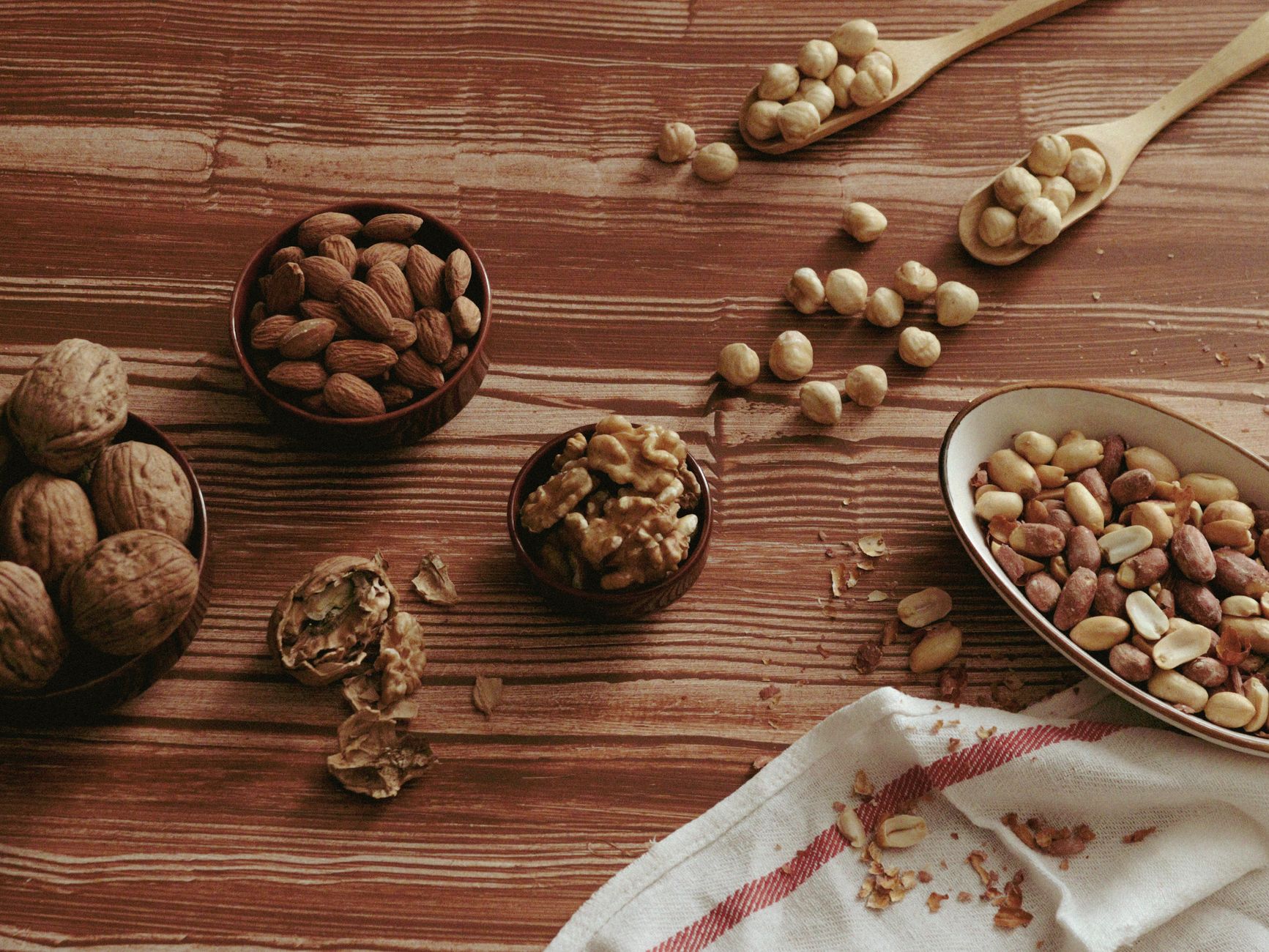
- Nuts and seeds (flaxseeds, chia seeds, walnuts, almonds): High in omega-3s, fiber, and lignans (a type of phytoestrogen). Flaxseeds are especially powerful—they’ve been shown to reduce adenomyosis pain by up to 30% in some studies.
- Whole grains (quinoa, brown rice, oats): Provide fiber to support gut health and steady blood sugar, which can help regulate hormones.
- Turmeric and ginger: Both are natural anti-inflammatories. Turmeric contains curcumin, which may help reduce uterine inflammation, while ginger can ease nausea and cramping.
- Dark chocolate (70%+ cocoa): Contains flavonoids that may help improve blood flow to the uterus and reduce pain.
- Bone broth: Rich in collagen and amino acids that support gut lining health, which is linked to hormonal balance.
**Pro tip:** Start with one new food per week to see how your body responds. For example, try adding a serving of salmon to your dinner three times a week for a month, then introduce flaxseeds into your smoothies. This way, you can track which foods help (or don’t help) for you.
Now, let’s talk about how to actually shop for these foods—without breaking the bank or your willpower.
---Adenomyosis diet for beginners: your simple grocery list
Building an adenomyosis-friendly pantry doesn’t have to be complicated. Below is a beginner-friendly grocery list to get you started. Stick to these staples for the first month, then experiment with new foods as you go.
Produce (aim for organic when possible, especially for the “Dirty Dozen” like strawberries and spinach):
- Leafy greens: spinach, kale, Swiss chard (1 bunch each)
- Cruciferous veggies: broccoli, cauliflower, Brussels sprouts (2–3 heads)
- Berries: blueberries, strawberries, raspberries (1–2 pints)
- Garlic and onions (1 head each)
- Fresh ginger (1 root)
- Turmeric (1 small jar)
- Citrus fruits: oranges, lemons, limes (for vitamin C and gut health)
Proteins:
- Fatty fish: salmon, mackerel, or sardines (fresh or frozen, 2–3 cans)
- Eggs (pasture-raised if possible)
- Chicken or turkey (organic or free-range)
- Tofu or tempeh (for plant-based protein)
- Lentils or chickpeas (canned or dry)
Grains and Starches:
- Quinoa or brown rice (1 small bag)
- Oats (1 canister)
- Whole-grain bread or wraps (check for no added sugar)
Nuts, Seeds, and Healthy Fats:
- Flaxseeds (ground, 1 small jar)
- Chia seeds (1 small jar)
- Walnuts or almonds (1 small bag)
- Extra virgin olive oil or avocado oil
- Coconut oil (for cooking)
Dairy Alternatives (if avoiding dairy):
- Unsweetened almond milk or oat milk
- Coconut yogurt (for probiotics)
Pantry Staples:
- Bone broth (or collagen peptides)
- Dark chocolate (70%+ cocoa)
- Herbal teas (ginger, chamomile, or turmeric)
- Apple cider vinegar (for digestion)
- Probiotic-rich foods (sauerkraut, kimchi, or a supplement)
Optional (but helpful):
- Magnesium glycinate or citrate (supplement)
- Omega-3 supplement (if you don’t eat fish regularly)
- Vitamin D3 (if you’re deficient)
**Budget hack:** Buy frozen berries or leafy greens—they’re often cheaper and just as nutritious. Also, shop the perimeter of the grocery store (where fresh produce and whole foods are) and avoid the middle aisles (where processed foods live).
Now that you’ve got your list, let’s talk about how to actually plan meals—without stressing over recipes.
---How to create an adenomyosis-friendly meal plan
Meal planning with adenomyosis can feel overwhelming, especially when you’re already managing pain and fatigue. The key is to keep it simple. Start with 3–4 staple meals and rotate them, then add snacks and easy sides. Below is a 7-day meal plan to get you started. Feel free to swap in your favorite foods!
Meal Plan Overview:
| Day | Breakfast | Lunch | Dinner | Snacks |
|---|---|---|---|---|
| Monday | Oatmeal with flaxseeds, berries, and almond butter | Quinoa salad with chickpeas, spinach, and olive oil | Baked salmon with roasted Brussels sprouts and sweet potato | Handful of walnuts and dark chocolate |
| Tuesday | Smoothie with spinach, banana, flaxseeds, and almond milk | Turmeric chickpea soup with kale | Grilled chicken with sautéed garlic greens and quinoa | Apple slices with almond butter |
| Wednesday | Avocado toast on whole-grain bread with cherry tomatoes | Lentil and vegetable stir-fry with brown rice | Baked cod with roasted cauliflower and mashed sweet potato | Coconut yogurt with chia seeds |
| Thursday | Chia pudding with berries and walnuts | Quinoa and black bean bowl with avocado and lime | Turkey and vegetable soup with a side of whole-grain bread | Handful of almonds and a piece of dark chocolate |
| Friday | Scrambled eggs with spinach and turmeric | Salmon salad with mixed greens, walnuts, and olive oil | Grilled tofu with roasted Brussels sprouts and wild rice | Sliced cucumber with hummus |
| Saturday | Smoothie bowl with banana, spinach, and flaxseeds | Chickpea and vegetable curry with brown rice | Baked chicken with roasted sweet potatoes and steamed kale | Trail mix with nuts and seeds |
| Sunday | Overnight oats with berries and walnuts | Quinoa and roasted vegetable salad | Fish tacos with cabbage slaw and whole-grain tortillas | Herbal tea and a small handful of dark chocolate |
**Pro tip:** Batch-cook grains like quinoa and brown rice on Sundays to save time during the week. Also, pre-cut veggies (like baby carrots or pre-washed greens) can make healthy eating a breeze.
Now, let’s talk about what to avoid—because sometimes cutting back is just as important as adding in new foods.
---Foods to avoid with adenomyosis: the inflammation triggers
While there’s no “adenomyosis diet” that’s 100% foolproof, certain foods are known to worsen inflammation, disrupt hormones, or irritate the gut. These aren’t “bad” foods for everyone, but if you’re dealing with adenomyosis, they might be worth limiting or avoiding. Pay attention to how your body reacts—some women tolerate these foods just fine, while others feel worse.
Foods to limit or avoid:
- Processed sugars (soda, candy, pastries, fruit juices): These spike blood sugar and insulin, which can worsen inflammation and hormone imbalances.
- Refined carbohydrates (white bread, white rice, pasta): These break down quickly into sugar, leading to energy crashes and inflammation.
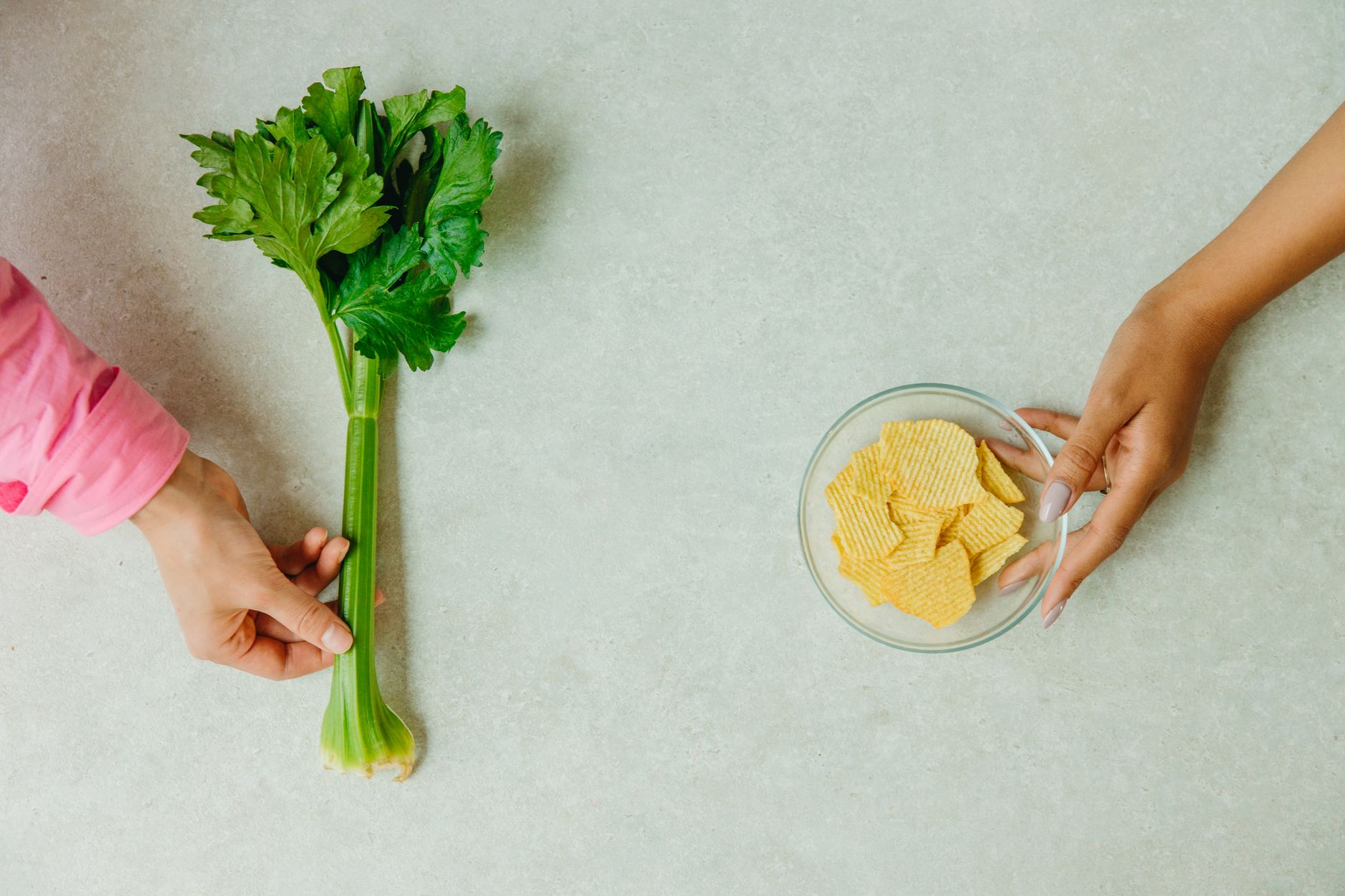
- Trans fats and fried foods (fast food, margarine, packaged snacks): These promote inflammation and may worsen uterine pain.
- Excessive caffeine (more than 2–3 cups of coffee/day): Can increase cortisol (stress hormone), which may worsen pain and heavy bleeding.
- Alcohol (especially beer and wine): Disrupts liver detoxification, which is crucial for balancing hormones. Also, alcohol can worsen inflammation.
- Dairy (for some women): Some women with adenomyosis report worse pain and bloating when consuming dairy, likely due to inflammation or hormonal effects. If you suspect dairy is a trigger, try an easy dairy-free diet for a few weeks to see if you feel better.
- High-FODMAP foods (for some women): These fermentable carbs can cause bloating and gut discomfort, which may indirectly worsen adenomyosis symptoms. If you suspect FODMAPs are an issue, try an AIP elimination diet for a few weeks to identify triggers.
- Processed meats (sausages, deli meats, hot dogs): Linked to inflammation and may worsen adenomyosis symptoms in some women.
- Excess salt: Can cause water retention and bloating, which may make adenomyosis-related discomfort worse.
**Important note:** If you’re avoiding dairy or gluten, don’t go cold turkey. Gradually reduce these foods to avoid withdrawal symptoms (like headaches or fatigue). Also, if you suspect gluten or dairy is a trigger, consider working with a registered dietitian who specializes in gut health or autoimmune conditions.
Now, let’s talk about supplements and herbs that may help with adenomyosis—because sometimes, food alone isn’t enough.
---Supplements that help adenomyosis: evidence-backed options
While diet is your first line of defense, some supplements and herbs may help reduce inflammation, balance hormones, and ease pain. Always check with your provider before starting any new supplement, especially if you’re on medication or pregnant. Below are the most research-backed options:
Supplements to consider:
| Supplement | Typical Dose | Best Time to Take | Food Sources | Known Interactions | Evidence Level |
|---|---|---|---|---|---|
| Omega-3 fatty acids (EPA/DHA) | 1,000–2,000 mg/day (from fish oil or algae oil) | With meals (to improve absorption) | Fatty fish (salmon, mackerel), flaxseeds, walnuts | Blood thinners (e.g., warfarin), diabetes medications | High (multiple studies show reduced inflammation) |
| Magnesium | 300–400 mg/day (glycinate or citrate form) | Before bed (to support relaxation) | Leafy greens, nuts, seeds, whole grains | Antibiotics (e.g., tetracycline), heart medications | Moderate (helps with muscle cramps and sleep) |
| Turmeric (curcumin) | 500–1,000 mg/day (with black pepper for absorption) | With meals | Fresh turmeric, golden milk, curry dishes | Blood thinners, diabetes medications | High (strong anti-inflammatory effects) |
| Vitamin D3 | 1,000–2,000 IU/day (or as prescribed by provider) | With a fatty meal (to improve absorption) | Sunlight, fatty fish, egg yolks | Steroids, weight-loss medications | Moderate (low vitamin D linked to worse adenomyosis symptoms) |
| Probiotics | 10–50 billion CFU/day (look for strains like Lactobacillus and Bifidobacterium) | With meals | Yogurt, kefir, sauerkraut, kimchi | Immunosuppressants | Moderate (gut health linked to hormonal balance) |
| Flaxseeds | 1–2 tablespoons ground flaxseeds/day | With meals (or in smoothies) | Flaxseeds, chia seeds, linseeds | Blood thinners, diabetes medications | High (phytoestrogens may help balance hormones) |
| Evening primrose oil | 500–1,000 mg/day (GLA content) | With meals | None (supplement only) | Blood thinners, antidepressants | Low (some evidence for pain relief, but mixed results) |
**Pro tip:** If you’re taking supplements, start with one at a time and track how you feel. For example, try omega-3s for 4 weeks before adding turmeric. This helps you identify which supplements work best for you.
Now, let’s address a few common questions—like whether this diet can help with weight loss or if it’s safe during pregnancy.
---Adenomyosis diet for weight loss: does it work?
Many women with adenomyosis struggle with weight gain or difficulty losing weight—often due to hormonal imbalances, chronic stress, and inflammation. While the adenomyosis diet isn’t specifically designed for weight loss, its focus on whole foods, fiber, and healthy fats can help with steady weight management. Here’s how:
- Reduced inflammation can help lower cortisol (the stress hormone linked to belly fat), making it easier to lose weight.
- More fiber (from veggies, fruits, and whole grains) keeps you full longer, reducing cravings.
- Healthy fats (like those in avocados, nuts, and fatty fish) help regulate hormones, which can reduce insulin resistance—a common issue with adenomyosis.
- Avoiding processed sugars and refined carbs prevents energy crashes and blood sugar spikes, which can lead to more cravings and fat storage.
That said, weight loss isn’t the primary goal of this diet. If you’re trying to lose weight, focus on small, sustainable changes—like swapping processed snacks for nuts and berries, or adding more veggies to your meals. If you’re struggling, consider working with a registered dietitian who specializes in hormonal health.
**Real talk:** Some women with adenomyosis gain weight due to chronic stress, poor sleep, or medications (like birth control). If this is you, don’t beat yourself up—focus on nourishing your body first, and weight will follow.
---Adenomyosis diet for pregnancy: what you need to know
If you’re trying to conceive or already pregnant with adenomyosis, your diet needs to support both uterine health and fetal development. While there’s no “special” adenomyosis diet for pregnancy, the same principles apply: anti-inflammatory, nutrient-dense foods are key. Here’s what to focus on:
- Folate-rich foods (leafy greens, lentils, avocados): Crucial for preventing neural tube defects in the baby.
- Iron-rich foods (red meat, spinach, lentils): Helps prevent anemia, which is common in women with heavy bleeding from adenomyosis.
- Omega-3s (salmon, walnuts, flaxseeds): Support brain development and reduce inflammation.
- Probiotics (yogurt, kefir, sauerkraut): Support gut health, which is linked to lower risk of preterm birth.
- Avoid alcohol and excessive caffeine: Both can disrupt hormone balance and may worsen adenomyosis symptoms.
**Important note:** If you’re pregnant and struggling with adenomyosis symptoms, talk to your provider before making major dietary changes. Some supplements (like evening primrose oil) are not recommended during pregnancy, while others (like omega-3s) are safe in moderation.
**Pro tip:** If you’re trying to conceive, time your meals around ovulation. For example, eat a high-protein breakfast (like eggs with spinach) to support hormone balance, and include healthy fats at dinner (like salmon with quinoa) to support progesterone production.
---Adenomyosis diet and gut health: the connection you can’t ignore
Did you know that 80% of your immune system lives in your gut? And that hormone production is directly linked to gut bacteria? If you have adenomyosis, your gut health is even more important—because chronic inflammation in the uterus can disrupt gut balance, and vice versa. This is called the gut-uterus axis, and it’s a game-changer for managing symptoms.
Here’s how to support your gut:
- Eat fermented foods daily: Sauerkraut, kimchi, kefir, and coconut yogurt are packed with probiotics that balance gut bacteria.
- Include soluble fiber: Found in oats, apples, and flaxseeds, this feeds good gut bacteria.
- Avoid processed foods: These contain additives that can irritate the gut lining and worsen inflammation.
- Stay hydrated: Aim for half your body weight (in lbs) in ounces of water daily to support digestion.
- Consider a gut-healing protocol: If you suspect leaky gut (bloating, fatigue, skin issues), try an AIP elimination diet for 4 weeks to identify triggers.
**Real story:** One reader, Sarah, told us she switched to a gut-focused diet after years of adenomyosis pain. She cut out gluten and dairy, added bone broth to her meals, and started taking a probiotic. Within 6 weeks, her bloating and cramping improved dramatically. “I thought my adenomyosis was just something I’d have to live with,” she said. “But my gut was the missing piece.”
---Adenomyosis diet and hormone balance: what to eat for hormonal harmony
Adenomyosis is a hormone-driven condition, which means your diet can either support or disrupt hormonal balance. The goal is to reduce excess estrogen, support progesterone, and lower cortisol. Here’s how:
- Eat phytoestrogen-rich foods: Flaxseeds, soy, and lentils contain compounds that mimic estrogen gently, helping to balance hormone levels.
- Include cruciferous veggies: Broccoli, cauliflower, and Brussels sprouts contain indole-3-carbinol, which helps detoxify excess estrogen.
- Add healthy fats: Avocados, nuts, and olive oil support progesterone production and reduce inflammation.
- Limit alcohol and caffeine: Both can disrupt liver detoxification, leading to estrogen dominance.
- Prioritize magnesium: Found in leafy greens, nuts, and seeds, magnesium helps regulate cortisol (stress hormone) and reduce PMS-like symptoms.
**Pro tip:** If you’re struggling with estrogen dominance (a common issue with adenomyosis), consider adding milk thistle tea to your routine. This herb supports liver detoxification, which is key for balancing hormones naturally.
---Adenomyosis diet and inflammation: the science behind the foods
Inflammation is the root cause of adenomyosis symptoms—pain, heavy bleeding, fatigue. So, the best adenomyosis diet is one that fights inflammation at every turn. Here’s how the foods we’ve talked about work:
- Omega-3s (from fish, flaxseeds, walnuts): These block inflammatory pathways in the body, reducing uterine inflammation.
- Turmeric and ginger: Both contain compounds that directly inhibit inflammation, similar to NSAIDs but without the side effects.
- Berries and leafy greens: Packed with antioxidants, these foods neutralize free radicals that worsen inflammation.
- Probiotics: A healthy gut reduces systemic inflammation, which can improve adenomyosis symptoms.
- Fiber-rich foods: They feed good gut bacteria, which produce anti-inflammatory compounds.
**Real talk:** Some women see dramatic improvements in pain and bleeding within 4–6 weeks of switching to an anti-inflammatory diet. Others take longer—it depends on your body’s unique needs. Be patient and listen to your body.
---Myth vs. Fact: debunking common adenomyosis diet misconceptions
Let’s clear up some confusion around adenomyosis and diet:
Myth: “You have to go gluten-free or dairy-free to manage adenomyosis.” Fact: While some women benefit from eliminating gluten or dairy, it’s not universal. Gluten and dairy aren’t inherently “bad” for adenomyosis—it’s about how your body reacts. If you suspect these foods are triggers, try an elimination diet for 4 weeks to see if you feel better. Dairy-free and gluten-free diets can be helpful, but they’re not required for everyone. Myth: “You have to cut out all fats to reduce inflammation.” Fact: Healthy fats are anti-inflammatory—they’re the good guys! The fats to avoid are trans fats and processed seed oils (like soybean oil). Stick to omega-3s, olive oil, and avocado oil for the best results. Myth: “You can’t eat carbs if you have adenomyosis.” Fact: Carbs aren’t the enemy—it’s the type of carbs that matters. Whole grains (quinoa, brown rice,

