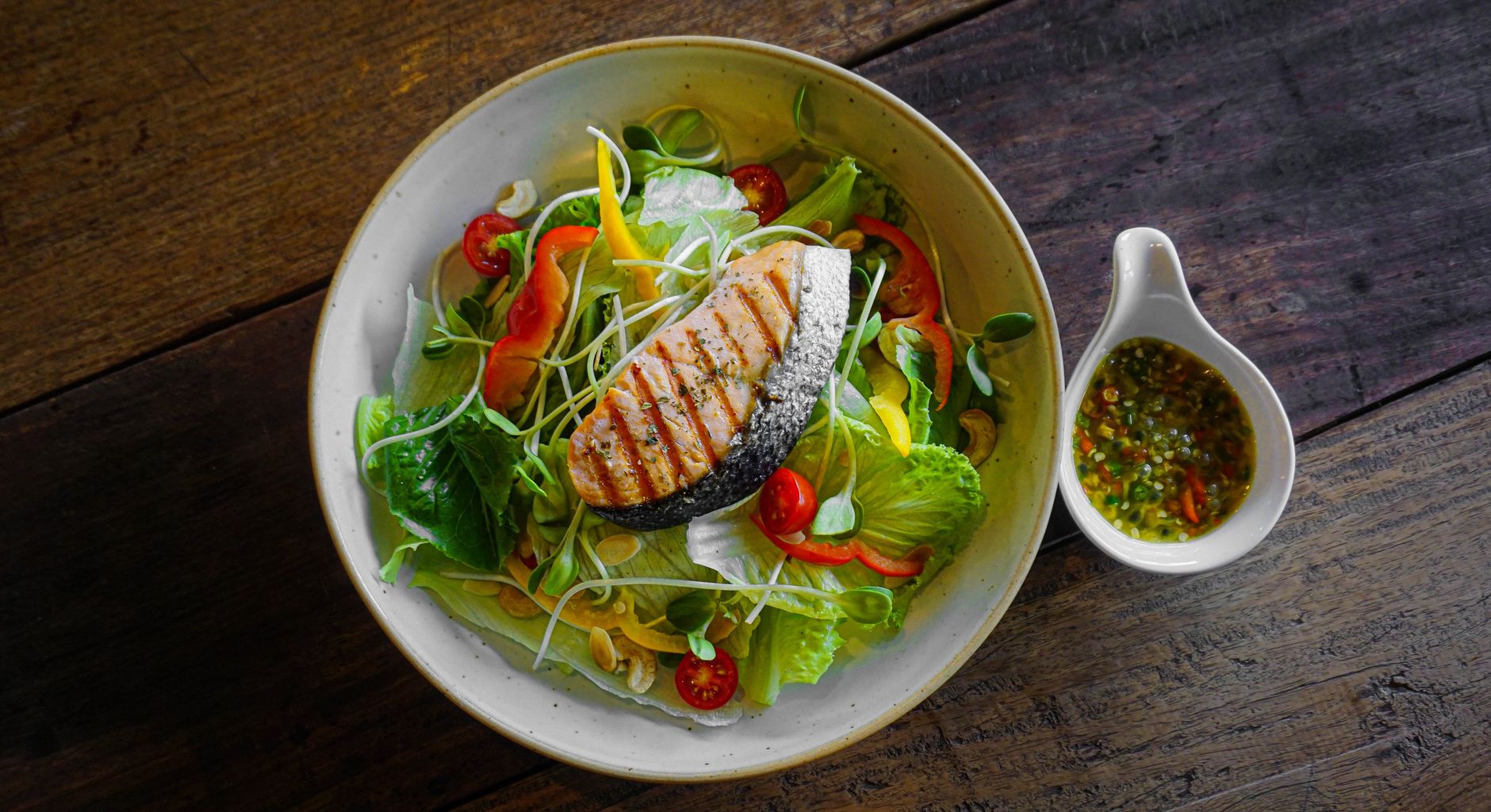
Struggling with adenomyosis pain? Discover **easy adenomyosis diet dinner recipes** that reduce inflammation, soothe symptoms, and support hormonal
By Shubhra Mishra — a mom of two who turned her own confusion during pregnancy into BumpBites, a global mission to make food choices clear, safe, and stress-free for every expecting mother. 💛
Check whether any food is safe during pregnancy with the BumpBites Food Safety Checker.
Quick take: Managing adenomyosis symptoms often involves an anti-inflammatory diet focused on whole, unprocessed foods. Easy dinner recipes for adenomyosis prioritize nutrient-dense ingredients like lean proteins, colorful vegetables, and healthy fats, while limiting common inflammatory triggers such as gluten, dairy, and highly processed items. This guide provides practical, simple dinner ideas and meal planning tips to help you nourish your body and support symptom relief.
If you're living with adenomyosis, you know the daily struggle can be real. The pain, heavy bleeding, and discomfort can be exhausting, and sometimes, just thinking about cooking a healthy dinner feels like an impossible task. You might be wondering if what you eat truly makes a difference, or if there are simple ways to prepare meals that don't add to your overwhelm.
The good news is, diet can play a significant role in managing adenomyosis symptoms by reducing inflammation and supporting overall well-being. And you don't need to be a gourmet chef or spend hours in the kitchen to make nourishing meals. We've gathered a collection of easy adenomyosis diet dinner recipes designed to be quick, delicious, and supportive of your health journey, whether you're new to dietary changes or looking for fresh inspiration.
This comprehensive guide will walk you through the principles of an adenomyosis-friendly diet, offer practical meal prep strategies, and provide a variety of dinner recipes tailored to different dietary needs, including low-FODMAP, gluten-free, and high-iron options. Our goal is to make healthy eating accessible, so you can focus on feeling better, one delicious dinner at a time.
What is Adenomyosis and How Can Diet Help?
Adenomyosis is a condition where the tissue that normally lines the uterus (the endometrium) grows into the muscular wall of the uterus (the myometrium). This misplaced tissue continues to act like normal endometrial tissue, thickening, breaking down, and bleeding with each menstrual cycle. Because it's trapped within the uterine muscle, it can cause significant pain, heavy or prolonged menstrual bleeding, and pelvic pressure. The exact cause of adenomyosis isn't fully understood, but it's often associated with inflammation and hormonal imbalances, particularly estrogen dominance.
While diet isn't a cure for adenomyosis, it can be a powerful tool for managing symptoms. The primary goal of an adenomyosis diet is to reduce systemic inflammation, balance hormones, and support gut health. Many women with adenomyosis find relief by adopting an anti-inflammatory eating pattern, similar to approaches used for other chronic inflammatory conditions. This involves emphasizing certain foods and limiting others that can trigger inflammation or disrupt hormonal balance.
Key nutrients that can support anti-inflammatory processes and overall health for women with adenomyosis include:
Omega-3 Fatty Acids: Found in fatty fish, flaxseeds, and walnuts, these are potent anti-inflammatory agents.
Antioxidants: Abundant in colorful fruits and vegetables, antioxidants protect cells from damage and reduce inflammation.
Fiber: Helps regulate bowel movements, which is crucial for estrogen detoxification, and supports a healthy gut microbiome. Good sources include whole grains, legumes, fruits, and vegetables.
Iron: Essential for preventing anemia, which can be a concern due to heavy bleeding associated with adenomyosis.
Magnesium: Can help relax muscles and reduce cramping, often found in leafy greens, nuts, and seeds.
Vitamin D: Plays a role in immune function and inflammation modulation.
By focusing on these nutrients and an overall anti-inflammatory approach, you can create a dietary foundation that helps calm your symptoms and improve your quality of life.
Nourishing meals, rich in anti-inflammatory ingredients, can be a cornerstone of managing adenomyosis symptoms.
Foods to Embrace and Limit for Adenomyosis Management
W
hen you're trying to manage adenomyosis symptoms through diet, it's helpful to have a clear understanding of what to prioritize and what to scale back on. The aim is to reduce inflammation, support hormonal balance, and promote gut health.
Foods to Enjoy Generously
Fruits and Vegetables: Aim for a rainbow of colors. Berries, cherries, leafy greens (spinach, kale), broccoli, bell peppers, sweet potatoes, and carrots are packed with antioxidants and fiber.
Omega-3 Rich Foods: Fatty fish like salmon, mackerel, and sardines are excellent. Plant-based sources include flaxseeds, chia seeds, walnuts, and hemp seeds.
Lean Proteins: Organic, grass-fed poultry, lean cuts of red meat (in moderation, especially if you're concerned about iron), wild-caught fish, legumes (beans, lentils), and tofu.
Whole Grains (Gluten-Free if sensitive): Quinoa, brown rice, gluten-free oats, millet, and buckwheat provide fiber and essential nutrients. If you suspect gluten sensitivity, opting for celiac-safe dinner recipes can be beneficial.
Healthy Fats: Avocado, extra virgin olive oil, olives, nuts (almonds, pecans), and seeds (pumpkin, sunflower).
Herbs and Spices: Turmeric, ginger, cinnamon, garlic, and cayenne pepper are known for their anti-inflammatory properties.
Fermented Foods: Sauerkraut, kimchi, and kombucha can support gut health, but introduce them slowly, especially if you have digestive sensitivities.
Foods to Limit or Avoid
Processed Foods: Packaged snacks, fast food, and ready meals are often high in unhealthy fats, sugar, and artificial ingredients that can promote inflammation.
Refined Sugars: Candies, sodas, pastries, and anything with high-fructose corn syrup can spike blood sugar and fuel inflammation.
Unhealthy Fats: Trans fats (often found in fried foods and some processed snacks) and excessive saturated fats (from red meat, full-fat dairy) can increase inflammation.
Red Meat: While some red meat can be a good source of iron, excessive consumption, particularly of processed red meats, may contribute to inflammation. Opt for leaner cuts and moderate portions.
Caffeine: May exacerbate symptoms for some women. Consider reducing intake or switching to decaffeinated options.
Alcohol: Can impact liver function, which is crucial for estrogen detoxification, and may increase inflammation.
Dairy: For many women, dairy can be inflammatory and contribute to symptoms. Experiment with dairy-free alternatives like almond milk, coconut yogurt, or nutritional yeast.
Gluten: A common trigger for inflammation in sensitive individuals. Many women with adenomyosis report symptom improvement after removing gluten from their diet.
Remember, dietary changes are highly personal. It's always best to work with a healthcare provider or a registered dietitian to tailor a plan that's right for you. They can help you identify specific food triggers and ensure you're getting all the necessary nutrients.
Getting Started: Easy Adenomyosis Dinner Recipes for Beginners
Embarking on a new way of eating can feel overwhelming, especially when you're managing chronic symptoms. The key is to start simple and build confidence. These easy adenomyosis dinner recipes for beginners focus on minimal ingredients, straightforward steps, and familiar flavors, making them perfect for those just starting out.
General Cooking Tips for Adenomyosis-Friendly Meals
Batch Cook Grains and Proteins: Cook a large batch of quinoa or brown rice, and grill or bake extra chicken or fish at the beginning of the week. This makes assembling quick dinners much easier.
Prep Your Veggies: Wash and chop vegetables ahead of time. Store them in airtight containers so they're ready to throw into stir-fries, salads, or roasted dishes.
Flavor with Herbs and Spices: Instead of relying on high-sodium sauces or excessive fats, use fresh or dried herbs, garlic, ginger, and lemon juice to add vibrant flavor.
One-Pan Meals: Minimize cleanup and effort by cooking everything on a single sheet pan or in one pot.
Keep a Well-Stocked Pantry: Having staples like canned beans, gluten-free pasta, frozen vegetables, and various spices on hand means you can whip up a meal even when your fridge is looking bare.
Beginner-Friendly Recipe: Sheet Pan Lemon Herb Chicken & Veggies
This recipe is a perfect example of an easy adenomyosis diet dinner recipe because it requires minimal hands-on time and uses simple, anti-inflammatory ingredients. It’s also naturally gluten-free and can be adapted to be low-FODMAP by adjusting vegetables.
Ingredients
1 lb boneless, skinless chicken breasts or thighs, cut into 1-inch pieces
2 cups broccoli florets
1 cup chopped bell peppers (any color)
1 cup chopped zucchini or yellow squash
2 tbsp olive oil
1 lemon, half juiced, half sliced
2 cloves garlic, minced (omit for low-FODMAP, or use garlic-infused oil)
1 tsp dried oregano
1/2 tsp dried thyme
Salt and black pepper to taste
Instructions
Preheat your oven to 400°F (200°C). Line a large baking sheet with parchment paper for easy cleanup.
In a large bowl, combine the chicken pieces and all the chopped vegetables.
Drizzle with olive oil, lemon juice, minced garlic (if using), oregano, thyme, salt, and pepper. Toss well to ensure everything is evenly coated.
Spread the chicken and vegetables in a single layer on the prepared baking sheet. Place lemon slices among the ingredients.
Roast for 20-25 minutes, or until the chicken is cooked through and the vegetables are tender-crisp. Flip halfway through for even cooking.
Serve immediately, perhaps with a side of quinoa or brown rice.
Quick Anti-Inflammatory Dinner Ideas for Adenomyosis
When time is short but you still want to prioritize anti-inflammatory eating, these quick anti-inflammatory adenomyosis dinner ideas are your go-to. They leverage fast-cooking proteins and vibrant vegetables to create satisfying meals without a long list of steps or ingredients. Focusing on ingredients rich in omega-3s and antioxidants helps combat inflammation efficiently.
Recipe: Speedy Salmon & Asparagus Stir-Fry
Salmon is a powerhouse of omega-3 fatty acids, crucial for reducing inflammation. This stir-fry is quick, versatile, and packed with nutrients.
Ingredients
1 lb salmon fillet, skin removed, cut into 1-inch cubes
1 bunch asparagus, trimmed and cut into 1-inch pieces
1 red bell pepper, thinly sliced
1 cup snap peas
1 tbsp olive oil or avocado oil
2 tbsp tamari or coconut aminos (gluten-free soy sauce alternative)
1 tbsp rice vinegar
1 tsp grated fresh ginger
Pinch of red pepper flakes (optional)
Cooked brown rice or quinoa for serving
Instructions
Heat oil in a large skillet or wok over medium-high heat.
Add salmon cubes and cook for 3-4 minutes, turning occasionally, until lightly browned and nearly cooked through. Remove salmon from the pan and set aside.
Add asparagus, bell pepper, and snap peas to the same skillet. Stir-fry for 3-5 minutes until vegetables are tender-crisp.
In a small bowl, whisk together tamari (or coconut aminos), rice vinegar, grated ginger, and red pepper flakes (if using).
Return salmon to the skillet with the vegetables. Pour the sauce over everything and toss gently to coat. Cook for another 1-2 minutes until the sauce has slightly thickened and the salmon is fully cooked.
Serve immediately over a bed of brown rice or quinoa.
Recipe: Mediterranean Quinoa Salad with Grilled Chicken
This salad is perfect for a light yet filling dinner, especially when you've prepped your quinoa and chicken earlier in the week. It's loaded with fresh vegetables and healthy fats.
Ingredients
2 cups cooked quinoa, cooled
1 cup grilled chicken breast, diced (or chickpeas for a vegetarian option)
1 cup cherry tomatoes, halved
1/2 cucumber, diced
1/4 red onion, thinly sliced (optional, omit for low-FODMAP)
1/4 cup Kalamata olives, halved
1/4 cup fresh parsley, chopped
2 tbsp extra virgin olive oil
1 tbsp lemon juice
Salt and pepper to taste
Instructions
In a large bowl, combine the cooled quinoa, diced chicken, cherry tomatoes, cucumber, red onion (if using), olives, and fresh parsley.
In a small bowl, whisk together the olive oil, lemon juice, salt, and pepper.
Pour the dressing over the salad ingredients and toss gently to combine.
Taste and adjust seasonings as needed. Serve immediately or chill for later.
Gluten-Free Dinner Recipes for the Adenomyosis Diet
For many women with adenomyosis, going gluten-free can significantly reduce inflammatory symptoms and digestive discomfort. These gluten-free dinner recipes for the adenomyosis diet are designed to be flavorful and satisfying, proving that eating gluten-free doesn't mean sacrificing taste. You might also find helpful information on easy Celiac-safe dinner recipes if you're exploring a broader gluten-free approach.
Recipe: Turkey & Veggie Skewers with Sweet Potato Fries
These skewers are fun, easy to customize, and naturally gluten-free. Pairing them with baked sweet potato fries makes for a comforting and nutritious meal.
Ingredients
1 lb ground turkey or turkey breast, cut into 1-inch cubes
1 red bell pepper, cut into 1-inch pieces
1 green bell pepper, cut into 1-inch pieces
1 red onion, cut into 1-inch pieces (omit for low-FODMAP)
1 zucchini, cut into 1-inch pieces
1 tbsp olive oil
1 tsp smoked paprika
1/2 tsp cumin
Salt and pepper to taste
Wooden or metal skewers (if using wooden, soak them for 30 minutes)
2 medium sweet potatoes, peeled and cut into fries
Instructions
Preheat oven to 400°F (200°C).
For the sweet potato fries: Toss sweet potato pieces with 1 tbsp olive oil, a pinch of salt, and pepper. Spread on a baking sheet and bake for 25-30 minutes, flipping halfway, until crispy and tender.
For the skewers: If using ground turkey, form into small meatballs. Thread turkey (or turkey breast cubes) and vegetables alternately onto skewers.
In a small bowl, combine olive oil, smoked paprika, cumin, salt, and pepper. Brush the mixture over the skewers.
You can grill the skewers for 8-10 minutes, turning occasionally, until turkey is cooked through and vegetables are tender-crisp. Alternatively, roast them on a separate baking sheet in the oven for 15-20 minutes, turning once.
Serve the skewers with the sweet potato fries.
Recipe: Creamy Dairy-Free Tomato Basil Pasta
Enjoy a comforting pasta dish without gluten or dairy, both common inflammatory triggers. Using gluten-free pasta and a cashew-based cream sauce makes this rich and satisfying.
Ingredients
8 oz gluten-free pasta (e.g., brown rice, quinoa, or lentil pasta)
1 tbsp olive oil
1/2 yellow onion, finely chopped (omit for low-FODMAP)
2 cloves garlic, minced (omit for low-FODMAP, or use garlic-infused oil)
1 (28 oz) can crushed tomatoes
1/2 cup raw cashews, soaked in hot water for 15 minutes, then drained
1/2 cup vegetable broth or water
1/4 cup fresh basil leaves, chopped, plus more for garnish
Salt and pepper to taste
Instructions
Cook gluten-free pasta according to package directions. Drain and set aside.
While pasta cooks, heat olive oil in a large skillet over medium heat. Add onion (if using) and sauté until softened, about 5 minutes. Add garlic (if using) and cook for another minute until fragrant.
Stir in the crushed tomatoes. Bring to a simmer, then reduce heat and let it gently cook for 10-15 minutes, allowing flavors to meld.
Meanwhile, blend the soaked and drained cashews with vegetable broth (or water) in a high-speed blender until completely smooth and creamy.
Stir the cashew cream into the tomato sauce. Add chopped basil, salt, and pepper. Mix well.
Add the cooked gluten-free pasta to the sauce and toss to coat.
Serve warm, garnished with extra fresh basil.
High-Iron Dinner Recipes to Support Adenomyosis Management
Heavy menstrual bleeding is a common symptom of adenomyosis, which can lead to iron deficiency anemia. Incorporating high-iron dinner recipes into your diet is crucial for maintaining energy levels and preventing fatigue. These recipes focus on excellent sources of iron, along with ingredients that enhance iron absorption.
Recipe: Lentil and Spinach Curry
Lentils are a fantastic plant-based source of iron and fiber, while spinach adds an extra boost. Vitamin C from tomatoes and lemon juice helps your body absorb the iron more effectively.
Ingredients
1 tbsp olive oil or coconut oil
1 yellow onion, chopped (omit for low-FODMAP, or use green part of spring onion)
2 cloves garlic, minced (omit for low-FODMAP)
1 tbsp fresh ginger, grated
1 tsp curry powder
1/2 tsp ground turmeric
1/4 tsp cumin
1 cup brown or green lentils, rinsed
4 cups vegetable broth
1 (14.5 oz) can diced tomatoes, undrained
5 oz fresh spinach
Juice of 1/2 lemon
Salt and pepper to taste
Cooked brown rice or quinoa for serving
Instructions
Heat oil in a large pot or Dutch oven over medium heat. Add onion (if using) and cook until softened, about 5 minutes. Add garlic and ginger (if using) and cook for another minute until fragrant.
Stir in curry powder, turmeric, and cumin. Cook for 1 minute until aromatic.
Add rinsed lentils, vegetable broth, and diced tomatoes. Bring to a boil, then reduce heat, cover, and simmer for 25-30 minutes, or until lentils are tender.
Stir in fresh spinach until wilted. Remove from heat.
Stir in lemon juice, salt, and pepper.
Serve warm over brown rice or quinoa.
Recipe: Beef and Broccoli Stir-Fry (with a twist)
Lean beef is an excellent source of heme iron, which is more readily absorbed by the body. Broccoli provides vitamin C, further aiding absorption. This version uses tamari for a gluten-free option.
Ingredients
1 lb lean beef sirloin or flank steak, thinly sliced against the grain
2 cups broccoli florets
1 red bell pepper, thinly sliced
1 tbsp olive oil or avocado oil
For the sauce:
1/4 cup tamari or coconut aminos
1 tbsp rice vinegar
1 tbsp grated fresh ginger
1 tsp honey or maple syrup (optional, for a touch of sweetness)
1 tbsp arrowroot powder or cornstarch (for thickening)
1/4 cup water or beef broth
Cooked brown rice or quinoa for serving
Instructions
In a small bowl, whisk together all sauce ingredients until smooth.
Heat olive oil in a large skillet or wok over medium-high heat. Add beef slices and stir-fry for 2-3 minutes until browned. Remove beef from the pan and set aside.
Add broccoli florets and bell pepper to the same skillet. Stir-fry for 4-6 minutes until vegetables are tender-crisp. If needed, add a splash of water and cover for a minute to steam the broccoli.
Return beef to the skillet. Give the sauce mixture a quick whisk again, then pour it over the beef and vegetables. Toss to coat everything evenly.
Cook for 1-2 minutes, stirring constantly, until the sauce thickens and coats the ingredients.
Serve immediately over brown rice or quinoa.
Easy Low-FODMAP Dinner Recipes for Adenomyosis
Some women with adenomyosis also experience significant digestive issues, often overlapping with symptoms of Irritable Bowel Syndrome (IBS). In these cases, a low-FODMAP diet might offer relief by reducing fermentable carbohydrates that can trigger bloating, gas, and pain. These easy low-FODMAP adenomyosis dinner recipes are carefully crafted to be gentle on your digestive system while still providing delicious, nourishing options.
Understanding Low-FODMAP
FODMAPs are types of carbohydrates that can be poorly absorbed in the small intestine, leading to fermentation by gut bacteria and symptoms like bloating and pain. Common high-FODMAP foods include certain fruits (apples, pears), vegetables (onion, garlic, asparagus), dairy, wheat, and some legumes. A low-FODMAP diet is typically followed under the guidance of a dietitian and involves an elimination phase, followed by reintroduction to identify specific triggers.
Recipe: Lemon Herb Chicken with Roasted Carrots and Zucchini
This simple sheet pan meal is naturally low-FODMAP and packed with flavor, making it a perfect easy adenomyosis diet dinner recipe.
Ingredients
1 lb boneless, skinless chicken breasts or thighs, cut into 1-inch pieces
2 cups carrots, peeled and sliced into rounds
2 cups zucchini, chopped
2 tbsp garlic-infused olive oil (this allows garlic flavor without the FODMAPs)
1 tbsp fresh lemon juice
1 tsp dried thyme
1/2 tsp dried rosemary
Salt and black pepper to taste
Fresh parsley, chopped, for garnish (optional)
Instructions
Preheat oven to 400°F (200°C). Line a large baking sheet with parchment paper.
In a large bowl, combine the chicken pieces, carrots, and zucchini.
Drizzle with garlic-infused olive oil, lemon juice, thyme, rosemary, salt, and pepper. Toss well to coat all ingredients evenly.
Spread the chicken and vegetables in a single layer on the prepared baking sheet.
Roast for 25-30 minutes, or until chicken is cooked through and vegetables are tender. Flip halfway through for even cooking.
Garnish with fresh parsley if desired and serve immediately.
Recipe: FODMAP-Friendly Fish with Steamed Green Beans & Rice
This light and fresh meal is incredibly simple, quick, and completely low-FODMAP. It’s perfect for a soothing dinner.
Ingredients
2 (6 oz) white fish fillets (e.g., cod, sole, or snapper)
1 tbsp olive oil
1 lemon, half sliced, half juiced
Small handful of fresh dill or chives, chopped
Salt and white pepper to taste
1 lb green beans, trimmed
2 cups cooked white or brown rice (white rice is often better tolerated on low-FODMAP)
Instructions
Preheat oven to 400°F (200°C). Line a baking dish with parchment paper.
Place fish fillets in the baking dish. Drizzle with olive oil, lemon juice, salt, and pepper. Top each fillet with a lemon slice and a sprinkle of fresh dill or chives.
Bake for 12-15 minutes, or until the fish is opaque and flakes easily with a fork.
While the fish bakes, steam the green beans until tender-crisp (about 5-7 minutes). Season with a little salt and pepper.
Serve the baked fish immediately with steamed green beans and cooked rice.
Adding Turmeric: Infused Dinner Recipes for Adenomyosis
Turmeric is a powerful anti-inflammatory spice, thanks to its active compound, curcumin. Incorporating turmeric-infused adenomyosis dinner recipes into your routine can be a delicious way to harness its benefits. For optimal absorption, it's often recommended to consume turmeric with black pepper (which contains piperine) and a healthy fat.
Recipe: Golden Turmeric Chicken and Vegetable Skillet
This one-pan wonder combines lean protein with plenty of vegetables, all coated in a flavorful, anti-inflammatory turmeric sauce. It’s an easy adenomyosis diet dinner recipe that's packed with goodness.
Ingredients
1 tbsp olive oil or coconut oil
1 lb boneless, skinless chicken thighs or breasts, cut into 1-inch pieces
1 cup broccoli florets
1 cup cauliflower florets
1 red bell pepper, chopped
1 cup spinach
1 can (13.5 oz) full-fat coconut milk
2 tsp ground turmeric
1 tsp grated fresh ginger
1/2 tsp black pepper
1/2 tsp cumin
Juice of 1/2 lime or lemon
Salt to taste
Cooked brown rice or quinoa for serving
Instructions
Heat oil in a large skillet or Dutch oven over medium-high heat. Add chicken pieces and cook until lightly browned on all sides, about 5-7 minutes. Remove chicken and set aside.
Add broccoli, cauliflower, and red bell pepper to the skillet. Sauté for 5-7 minutes until vegetables are tender-crisp.
While vegetables cook, whisk together coconut milk, turmeric, ginger, black pepper, cumin, lime/lemon juice, and salt in a bowl.
Return chicken to the skillet with the vegetables. Pour the turmeric coconut milk mixture over everything. Bring to a gentle simmer, then reduce heat, cover, and cook for 10-15 minutes, allowing flavors to meld and chicken to cook through.
Stir in spinach until wilted.
Serve hot over brown rice or quinoa.
Meal Planning, Prep, and Grocery Shopping for Adenomyosis
Successfully sticking to an adenomyosis-friendly diet, especially when you're busy or feeling unwell, hinges on good planning and preparation. Think of it as setting yourself up for success. Many women find that having a structured approach to their meals reduces stress and helps them make healthier choices consistently.
Meal Prep and Planning Tips
Designate a "Prep Day": Choose one day a week (e.g., Sunday afternoon) to dedicate an hour or two to meal prep. This might involve chopping vegetables, cooking a batch of grains, or grilling some protein for the week ahead.
Cook in Batches: Double or triple recipes for staples like quinoa, lentils, or roasted chicken. These can be used in different meals throughout the week. For example, leftover roasted chicken can become part of a salad, a stir-fry, or a simple wrap.
Portion and Store: Once prepped, portion out ingredients or entire meals into individual airtight containers. This makes grabbing a healthy dinner (or lunch) incredibly easy, even on your most fatigued days.
Plan Your Week: Sit down once a week and plan your dinners. Look at your schedule and decide which days you'll need quick meals and which days you might have more time to cook. This also helps create your grocery list.
Utilize Your Freezer: Freeze portions of soups, stews, or even pre-marinated chicken. Having healthy frozen options on hand is a lifesaver when you're too tired to cook.
Keep it Simple: Don't try to make every meal elaborate. Sometimes, a simple plate of baked fish, steamed greens, and sweet potato is exactly what your body needs.
Adenomyosis Diet Grocery List & Pantry Staples
Having a well-stocked pantry and a clear grocery list will make healthy eating second nature. Here’s a starting point:
Category
Pantry Staples
Fresh & Refrigerated
Grains & Starches
Quinoa, brown rice, gluten-free pasta, gluten-free oats, sweet potatoes, potatoes
Proteins
Canned wild salmon/sardines, lentils, chickpeas, black beans, plant-based protein powder
Chicken breast/thighs, lean ground turkey/beef, wild-caught fish (salmon, cod), eggs
Apple cider vinegar, rice vinegar, tamari (gluten-free soy sauce), coconut aminos, mustard, lemon/lime juice
Cooking Techniques for Flavor Without Added Fats
You can create incredible flavor without relying on excessive oils or high-fat ingredients.
Roasting: High heat roasting caramelizes natural sugars in vegetables, enhancing their flavor. A light drizzle of olive oil is usually all you need.
Steaming: A gentle method that preserves nutrients and natural flavors. Add herbs and a squeeze of lemon juice after steaming.
Grilling: Imparts a smoky flavor and cooks food quickly. Use marinades with lemon juice, herbs, and spices.
Sautéing with Broth: Instead of oil, use a splash of vegetable broth or water to sauté vegetables and prevent sticking.
Herbs, Spices, and Acids: Don't underestimate the power of fresh herbs, pungent spices, and a squeeze of lemon or lime juice to brighten and deepen flavors.
By implementing these strategies, you’ll find that preparing easy adenomyosis diet dinner recipes becomes a routine that supports your health rather than drains your energy, much like following an easy DASH diet can improve overall health.
Myth vs. Fact
Myth: A special diet can cure adenomyosis.
Fact: There is currently no known cure for adenomyosis. However, adopting an anti-inflammatory diet can significantly help manage symptoms, reduce pain, and improve overall quality of life for many women. It's a supportive therapy, not a curative one.
Myth: You have to completely eliminate all your favorite foods to manage adenomyosis.
Fact: While certain foods (like highly processed items, excessive sugar, and sometimes gluten or dairy) are often limited, a healthy adenomyosis diet focuses more on abundant, nutrient-dense foods. It's about making sustainable changes and understanding your personal triggers, not about strict deprivation. Small, consistent changes often yield the best results.
Myth: All healthy fats are good for adenomyosis.
Fact: While healthy fats like omega-3s (from fish, flaxseeds) and monounsaturated fats (from avocados, olive oil) are highly beneficial for their anti-inflammatory properties, not all fats are equal. Trans fats and excessive saturated fats can promote inflammation. The type of fat matters significantly.
Key Takeaways
An anti-inflammatory diet can significantly help manage adenomyosis symptoms like pain and heavy bleeding.
Focus on whole, unprocessed foods, including colorful fruits, vegetables, lean proteins, and healthy fats.
Limit inflammatory triggers such as refined sugars, processed foods, unhealthy fats, and potentially gluten and dairy.
Prioritize omega-3 fatty acids, antioxidants, fiber, and iron to support overall health and reduce inflammation.
Meal planning and batch cooking are essential strategies for making an adenomyosis-friendly diet easy and sustainable.
Experiment with anti-inflammatory spices like turmeric and ginger to enhance flavor and health benefits.
Always consult with a healthcare provider or registered dietitian before making significant dietary changes.
Frequently Asked Questions
What foods should I avoid if I have adenomyosis?
While individual triggers vary, generally, it's recommended to limit or avoid highly processed foods, refined sugars, unhealthy trans fats, excessive saturated fats (often from red meat and full-fat dairy), and alcohol. Many women also find relief by reducing or eliminating gluten and dairy, as these can be inflammatory for some individuals with adenomyosis.
Can I eat dairy with adenomyosis?
For many women with adenomyosis, dairy products can be inflammatory and exacerbate symptoms. Dairy contains hormones and proteins that some individuals find problematic. It's often suggested to try an elimination period (e.g., 3-4 weeks) to see if removing dairy improves your symptoms. If it does, you can explore dairy-free alternatives like almond milk, oat milk, or coconut yogurt.
What are the best anti-inflammatory foods for adenomyosis?
The best anti-inflammatory foods for adenomyosis include fatty fish (salmon, mackerel) rich in omega-3s, a wide variety of colorful fruits and vegetables (berries, leafy greens, broccoli, bell peppers) packed with antioxidants, and whole grains (quinoa, brown rice) and legumes for fiber. Herbs and spices like turmeric and ginger are also powerful anti-inflammatory agents.
How many calories should I eat on an adenomyosis diet?
There isn't a specific calorie recommendation for an adenomyosis diet; calorie needs vary widely based on your age, activity level, and individual metabolism. The focus should be on nutrient density rather than strict calorie counting. Eating a balanced diet of whole, unprocessed foods will naturally help you maintain a healthy weight and provide your body with the energy it needs without excessive focus on calories. Consult a dietitian for personalized calorie guidance.
Are there any specific dinner recipes for adenomyosis?
Yes, specific dinner recipes for adenomyosis often emphasize anti-inflammatory ingredients. Examples include sheet pan lemon herb chicken and vegetables, salmon and asparagus stir-fry, lentil and spinach curry, and turkey and veggie skewers. These recipes typically avoid common inflammatory triggers like gluten and dairy and incorporate beneficial spices like turmeric and ginger.
Does a low FODMAP diet help with adenomyosis symptoms?
For some women with adenomyosis who also experience significant digestive issues such as bloating, gas, and abdominal pain, a low-FODMAP diet can be beneficial. It works by reducing certain carbohydrates that can be poorly absorbed and ferment in the gut, thereby alleviating gastrointestinal symptoms. However, it's not a universal solution for all adenomyosis symptoms and should ideally be undertaken with the guidance of a dietitian.
When to See a Doctor or Specialist
While dietary changes can be a powerful tool for managing adenomyosis symptoms, they are part of a comprehensive care plan. It's crucial to consult with your OB/GYN or a reproductive specialist if you suspect you have adenomyosis, or if your symptoms are severe, worsening, or impacting your daily life. Seek medical attention if you experience:
Debilitating pelvic pain that doesn't respond to over-the-counter pain relievers.
Extremely heavy or prolonged menstrual bleeding that causes you to soak through pads/tampons quickly, or leads to symptoms of anemia (fatigue, dizziness, shortness of breath).
Pain during sex (dyspareunia).
Significant changes in bowel or bladder habits, especially if related to your menstrual cycle.
Concerns about fertility, as adenomyosis can sometimes affect conception.
This article provides general information and is not a substitute for professional medical advice, diagnosis, or treatment. Always seek the advice of your physician or other qualified health provider with any questions you may have regarding a medical condition.
References
American College of Obstetricians and Gynecologists (ACOG). (2021). Adenomyosis.
Not sure about the label on Adenomyosis Diet Dinner Recipes Easy products?
Snap the ingredients list and SafeFilter checks every ingredient for your stage — only 3 free scans this month, then you're locked until reset. Unlimited from $7/mo or $50/yr.
When Shubhra Mishra was expecting her first child in 2016, she was overwhelmed by conflicting food advice — one site said yes, another said never. By the time her second baby arrived in 2019, she realized millions of mothers face the same confusion.
That sparked a five-year journey through clinical nutrition papers, cultural diets, and expert conversations — all leading to BumpBites: a calm, compassionate space where science meets everyday motherhood.
Her long-term vision is to build a global community ensuring safe, supported, and free deliveriesfor every mother — because no woman should face pregnancy alone or uninformed. 🌿
🌍 Stand with mothers, shape safer guidance
Join a small circle of experts who review BumpBites articles so expecting parents everywhere can decide with confidence.