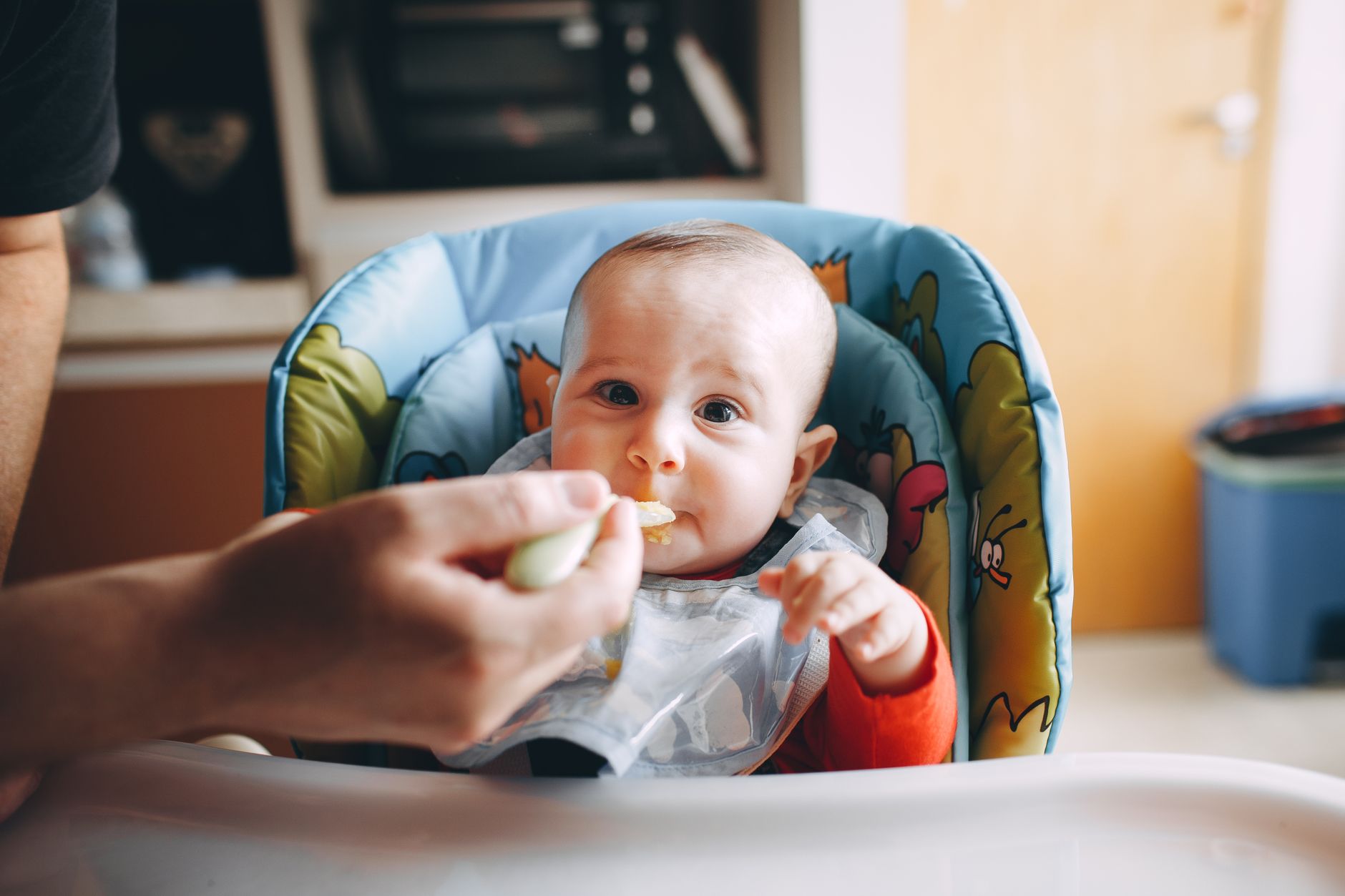
Choosing between a 4‑month or a 6‑month start isn’t a simple “earlier is better” decision. The timing can influence growth patterns, gut microbiome development, and allergy exposure. Below is a side‑by‑side look at the main considerations.
Overall, both timelines are considered safe when the baby shows readiness cues. The decision often hinges on parental comfort, cultural practices, and the infant’s individual development. A systematic review published in Nutrition Reviews (2022) found no meaningful difference in cognitive or motor outcomes between infants who started solids at 4 months versus 6 months, reinforcing that the timing itself is less critical than responsive feeding.
The when to introduce solids 4 vs 6 months debate is best answered by observing your baby’s signals and consulting your pediatrician. If you’re uncertain, a trial of a single‑ingredient puree at 4 months can provide valuable insight without compromising nutrition.
Recommended first foods for a 4‑month‑old baby
When you’re ready to take that first spoonful, start with single‑ingredient, iron‑fortified purees. These foods are easy to digest, low in allergenicity, and provide essential nutrients.
Best starter foods
- Iron‑fortified rice cereal: Mix with breastmilk or formula to a thin, watery consistency (about 1 part cereal to 4 parts liquid).
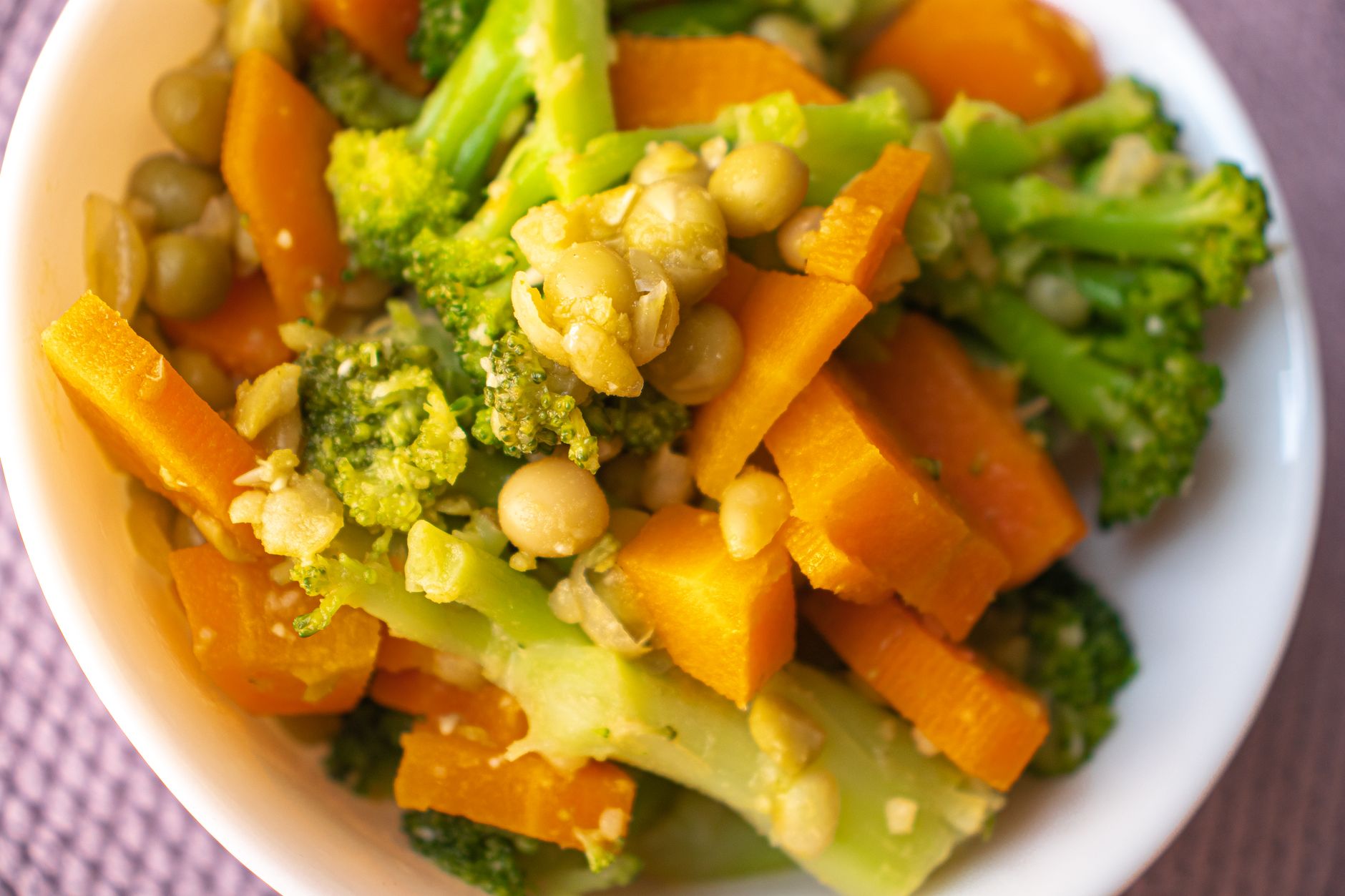
- Pureed carrots: Cook until soft, blend with a splash of milk for smoothness.
- Pureed sweet potatoes: Naturally sweet, rich in beta‑carotene.
- Mashed avocado: Creamy texture, healthy fats for brain development.
- Pureed peas: Offers a different flavor profile and vitamin K.
Introduce one new food at a time, waiting 3–5 days before adding another. This “single‑food rule” helps you spot any allergic reaction—such as rash, swelling, or vomiting—early.
Portion sizes and texture
At 4 months, aim for 1–2 teaspoons per feeding, 2–3 times a day. The texture should be smooth—think baby‑food‑maker puree or a fine mash. As your baby gets comfortable, you can gradually thicken the puree to a spoon‑full consistency.
Never add salt, sugar, honey, or strong spices. Babies’ kidneys can’t handle excess sodium, and honey can contain Clostridium botulinum spores, which are dangerous before age 1.
When choosing ingredients, consider food safety: wash produce thoroughly, cook until soft, and refrigerate leftovers within two hours. The FDA recommends using clean utensils and discarding any puree that has been left at room temperature for more than 1 hour.

How to transition from breastmilk to solids at 6 months
By 6 months, many infants are ready for a more structured feeding routine. Breastmilk (or formula) remains the primary source of nutrition, but solids become a complementary component.
Feeding schedule
- Morning: Breastfeed, then offer 2–3 teaspoons of a single‑ingredient puree.
- Mid‑day: Breastfeed, followed by another small puree serving.
- Evening: Breastfeed, then a slightly larger portion (½ – 1 spoon) of a mixed‑veggie or fruit puree.
- Before bedtime: Breastfeed only; keep solids out of the last hour to reduce reflux risk.
Start with 3 – 4 solid meals per day, each 2–4 teaspoons, and gradually increase as appetite grows. The AAP recommends that solids should not replace more than ¼ of daily caloric intake before 12 months.
Tips for a smooth transition
1. Maintain a calm environment: Dim lights, soft music, and eye contact help your baby associate feeding with comfort.
2. Use the same spoon: Consistency signals that feeding time is coming.
3. Offer breastmilk first: This ensures the infant’s primary nutrition isn’t displaced.
4. Introduce a sip cup: The American Academy of Pediatrics suggests offering a small amount of water (no more than 2‑3 ounces per day) after 6 months, using a cup with a soft spout to promote oral‑motor skills.

Potential risks of starting solids too early
While many babies thrive on solids at 4 months, starting before the developmental readiness signs appear can lead to several issues.
Common concerns
- Choking: Immature oral motor control may cause food to enter the airway.
- Digestive upset: Immature gut enzymes can struggle with complex carbohydrates, leading to gas, bloating, or constipation.
- Allergy misinterpretation: Early introduction of high‑allergen foods before the gut barrier is mature can increase sensitization risk, though recent data suggests early exposure may reduce certain allergies when done correctly.
- Reduced milk intake: Over‑reliance on solids may unintentionally lower breastmilk or formula consumption, risking nutrient gaps.
For infants with prematurity, low birth weight, or known gastrointestinal disorders, pediatricians often recommend waiting until 6 months or later. The World Health Organization (WHO) advises exclusive breastfeeding for the first 6 months, but acknowledges that complementary foods can start earlier if the infant shows readiness.
If you notice persistent vomiting, severe diarrhea, or a rash after a new food, pause the introduction and contact your provider. These can be signs of intolerance or an allergic reaction that need professional evaluation.
Doctor guidelines for solid food introduction timeline
Several leading health organizations provide clear recommendations:
- American Academy of Pediatrics (AAP): Introduce complementary foods around 4½ months, once the infant can sit upright and show interest.
- World Health Organization (WHO): Exclusive breastfeeding for 6 months, then start complementary foods while continuing breastfeeding.
- National Health Service (NHS, UK): Offer solids at 6 months, but note that some babies may be ready a little earlier.
- American College of Obstetricians and Gynecologists (ACOG): Advises postpartum mothers to discuss feeding plans with their pediatrician, especially if they have gestational diabetes or other metabolic concerns that could affect infant iron stores.
All guidelines stress that readiness cues are more important than a strict calendar date. Your pediatrician will assess growth charts, developmental milestones, and feeding history before giving a personalized recommendation.
For preterm infants, the AAP recommends adjusting the introduction timeline based on corrected age rather than chronological age, often waiting until the equivalent of 4 months corrected gestational age.
How to tell if my baby is hungry for solids before 6 months
Even if your baby isn’t fully ready, you might notice subtle signs that they’re curious about more than just milk.
Hunger cues
- Increased alertness during feedings and a desire to stay awake.
- Reaching for your spoon or the food on your plate.
- Opening the mouth wider than usual when breastfed.
- Frequent sighing or “mmm” sounds while you’re eating.
When you observe these behaviors, try offering a tiny spoonful of a familiar puree (like banana) while continuing regular breastfeeding. If the baby swallows without gagging, they may be ready for a gradual increase in solids.
It’s also useful to differentiate a growth spurt from a genuine interest in solids. During a growth spurt, babies may feed more often but still show no desire for food textures beyond milk.
Impact of early solid introduction on gut health
Introducing solids influences the infant gut microbiome—a community of bacteria that aids digestion, immunity, and even brain development.
Microbial diversity
Studies from the NIH show that infants who start solids at 4 months develop a slightly more diverse microbiome by 12 months compared with those who wait until 6 months. The diversification is largely due to exposure to plant‑based fibers and various carbohydrates found in pureed vegetables and fruits.
However, the clinical significance of this early diversity is still being explored. Current evidence suggests that a balanced diet—whether started at 4 or 6 months—supports a healthy microbiome, especially when paired with continued breastfeeding, which provides prebiotic oligosaccharides.
Some parents wonder about probiotic supplements. The FDA classifies most probiotic strains as “generally recognized as safe,” but evidence for routine infant supplementation is limited. Discuss any probiotic use with your pediatrician before adding it to your baby’s regimen.
Practical tips for successful weaning at 4 months
Whether you decide on 4 months or wait until 6 months, the weaning process should be gentle, consistent, and enjoyable for both you and your baby.
When can I start pureed vegetables for my baby?
Pureed carrots, peas, and sweet potatoes can be introduced as soon as the baby shows readiness signs—typically around 4½ months. Start with a thin puree and gradually thicken over weeks.
Is it okay to give rice cereal at 4 months?
Yes, iron‑fortified rice cereal is a common first food. Mix with breastmilk or formula for a smooth consistency and offer 1–2 teaspoons per feeding.
How many teaspoons of solids should a 4‑month‑old have?
Begin with 1–2 teaspoons of a single‑ingredient puree, 2–3 times a day. Increase gradually based on appetite cues.
Solid food introduction schedule for breastfed babies
Allergy testing before introducing solids
Routine allergy testing isn’t required for most infants. However, if there’s a strong family history of food allergies, eczema, or asthma, discuss early testing with your pediatrician. Some clinicians recommend introducing common allergens (peanut, egg) between 4 and 6 months to reduce allergy risk, following the NIAID guidelines.
Tips for successful weaning at 4 months
- Stay consistent: Offer solids at the same time each day for routine building.
- Watch for cues: Stop if the baby turns the head away, pushes the spoon away, or becomes fussy.
- Keep it simple: One ingredient per day makes spotting reactions easier.
- Stay patient: Some babies take weeks to accept new textures; don’t force it.
- Log the journey: A feeding diary—paper or a free app—helps track preferences and any symptoms.
Many parents find that noting the time of day, the baby’s mood, and any spit‑up in a simple spreadsheet provides useful patterns that can be shared with the pediatrician during visits.
The right equipment can make the transition smoother and safer. Look for spoons with soft, rounded tips that are easy for tiny gums to tolerate. Silicone or silicone‑coated plastic is gentle on gums and easy to clean.
Bowls should be shallow with a non‑slip base to prevent spills. BPA‑free silicone or glass are popular choices; both are free from harmful chemicals and can be sterilized in the dishwasher.
When selecting a high chair, prioritize a model with a five‑point harness and a removable tray. A stable seat encourages the baby to sit upright—an essential readiness cue. Many parents appreciate a high chair that folds compactly for storage, especially in smaller apartments.
Cleaning is crucial. Follow the manufacturer’s instructions, but a good rule of thumb is to wash all feeding tools in hot, soapy water after each use, and sterilize weekly if you’re using a bottle‑sterilizer or the dishwasher’s “high‑heat” setting.

Iron and nutrient needs: when to add fortified cereals or supplements
Infants are born with iron stores that typically last about 4–6 months. After that, breastmilk alone may not provide enough iron, especially for fast‑growing babies. The CDC notes that iron deficiency anemia affects up to 10 percent of U.S. infants aged 6–12 months.
Iron‑fortified cereals are an easy way to boost intake. If your baby is exclusively breastfed and you’re not using fortified cereal, discuss iron supplementation with your pediatrician. The American Academy of Pediatrics recommends a daily supplement of 1 mg/kg of elemental iron after 4 months for infants who are not receiving iron‑rich complementary foods.
Vitamin D is another nutrient to watch. The FDA and AAP advise that all breastfed infants receive 400 IU of vitamin D daily, starting soon after birth, to support bone health.
When introducing fortified cereals, start with a thin consistency and gradually thicken as the baby adapts. If your baby shows signs of constipation (hard stools, less frequent bowel movements), a small increase in fiber—through pureed fruits or vegetables—can help.
Solid feeding for babies with special considerations (preterm, low birth weight, reflux)
Preterm infants (< 37 weeks gestation) often have delayed gastrointestinal maturity. The AAP advises waiting until they reach a corrected age of 4 months before introducing solids, provided they meet readiness cues.
Low‑birth‑weight babies (< 2,500 g) may also benefit from a slightly later start, especially if they have ongoing feeding difficulties. In such cases, a pediatric gastroenterologist can guide the timing and texture progression.
Infants with gastroesophageal reflux disease (GERD) may need thicker purees or a “feeding‑while‑upright” approach. Elevating the infant’s head during and after feeding for 20‑30 minutes can reduce reflux episodes. Always discuss reflux management with a pediatrician before making significant changes.
When a baby has a diagnosed food allergy, the pediatrician may recommend an elimination diet and supervised re‑introduction in a medical setting. This ensures safety while expanding the baby’s diet over time.

Myth vs. fact
Myth: Babies must start solids exactly at 4 months or they’ll fall behind.
Fact: Readiness signs, not a calendar date, determine when solids should begin. Most infants thrive when introduced between 4½ and 6 months.
Myth: Rice cereal is necessary for every baby’s first meal.
Fact: While rice cereal is a convenient iron source, single‑ingredient pureed fruits or vegetables can also serve as a first food.
Myth: Early solids cause long‑term obesity.
Fact: Current evidence does not link the timing of solid introduction (4 vs 6 months) with later obesity when feeding is responsive to hunger cues.
Understanding these myths helps you focus on what truly matters—your baby’s cues and a balanced, responsive feeding plan.
Key takeaways
- Readiness cues—sitting up, head control, interest in food—are more important than a strict age.
- Both 4‑month and 6‑month introductions are safe when the baby shows developmental signs.
- Start with iron‑fortified rice cereal or single‑ingredient purees; offer 1–2 tsp per feeding.
- Monitor for choking, digestive upset, or allergic reactions; pause and consult a pediatrician if they occur.
- Continue breastfeeding or formula as the primary nutrition source through 12 months.
- Use a simple feeding schedule and keep a log to track progress and any concerns.
- Select safe, easy‑to‑clean feeding tools and consider iron or vitamin D supplementation as advised by your provider.
Frequently asked questions
Can a 4‑month‑old safely eat solid foods?
Yes, if the baby demonstrates readiness signs—sitting with support, good head control, and interest in food. Offer smooth purees in tiny amounts and watch for any choking or allergic reactions.
What are the signs that my baby is ready for solids?
Key signs include sitting upright with minimal help, diminished tongue thrust reflex, reaching for food, opening the mouth when a spoon approaches, and the ability to swallow without gagging.
Is it better to start solids at 4 months or 6 months?
Both ages are acceptable. Starting at 4 months can provide a modest increase in gut‑microbiome diversity and may slightly lower certain allergy risks, but 6 months aligns with many global guidelines and ensures clearer readiness signs. The best choice depends on your baby’s developmental cues and your pediatrician’s advice.
How many solid meals should a 4‑month‑old have per day?
Aim for 2–3 meals a day, each consisting of 1–2 teaspoons of a single‑ingredient puree. Increase gradually as your baby shows interest and can handle more volume.
What foods should be avoided when introducing solids?
Avoid honey (risk of botulism), whole nuts or large chunks (choking hazard), added salt or sugar, and high‑allergen foods without prior discussion if there’s a strong family history of allergies.
Will starting solids early affect my baby’s growth?
Early solids typically have a modest impact on weight gain, but the primary driver of growth remains breastmilk or formula. Over‑reliance on solids before 6 months can reduce milk intake and may affect nutrient balance.
Can I give my baby water before 6 months?
Small amounts of water (no more than 2‑3 ounces per day) can be offered after 6 months, especially in hot climates or if the baby is constipated. Before 6 months, breastmilk or formula provides all the hydration a baby needs.
What is the best way to introduce allergenic foods?
Current guidelines from the NIAID recommend introducing common allergens (peanut, egg, wheat, soy, dairy, tree nuts, fish, and shellfish) between 4 and 6 months, once the baby shows readiness. Start with a very small amount (a pea‑size dab) and observe for any reaction for 2–3 hours. Discuss any family history of severe allergies with your pediatrician before beginning.
When to see a doctor
If you notice any of the following, contact your pediatrician promptly:
- Persistent coughing or choking during feeding.
- Vomiting, severe diarrhea, or blood in the stool after introducing a new food.
- Rash, swelling, or hives within minutes to hours of a feeding.
- Failure to gain weight or a sudden drop in growth percentile after starting solids.
- Signs of dehydration (dry mouth, fewer wet diapers).
- Repeated reflux episodes that interfere with feeding or sleep.
This article is for general information only and does not replace personalized medical advice. Always discuss feeding plans and any concerns with your healthcare provider.
References
- American Academy of Pediatrics. “Complementary Feeding of Infants and Young Children.” 2023.
- World Health Organization. “Infant and Young Child Feeding.” 2022.
- National Institute of Allergy and Infectious Diseases. “Guidelines for the Prevention of Food Allergy.” 2021.
- Centers for Disease Control and Prevention. “Developmental Milestones.” 2023.
- National Health Service (UK). “Starting solid foods.” 2022.
- Harvard T.H. Chan School of Public Health. “Infant Nutrition.” 2023.
- National Institute of Child Health and Human Development. “Gut Microbiome Development in Infants.” 2022.
- American College of Obstetricians and Gynecologists. “Nutrition During Pregnancy and Lactation.” 2023.
- U.S. Food and Drug Administration. “Guidance for Industry: Probiotic Supplements.” 2021.
- American Academy of Dermatology. “Safe Feeding Tools for Infants.” 2022.
- National Institutes of Health. “Iron Deficiency in Infants.” 2022.
- American Psychological Association. “Feeding and Development in Early Childhood.” 2022.