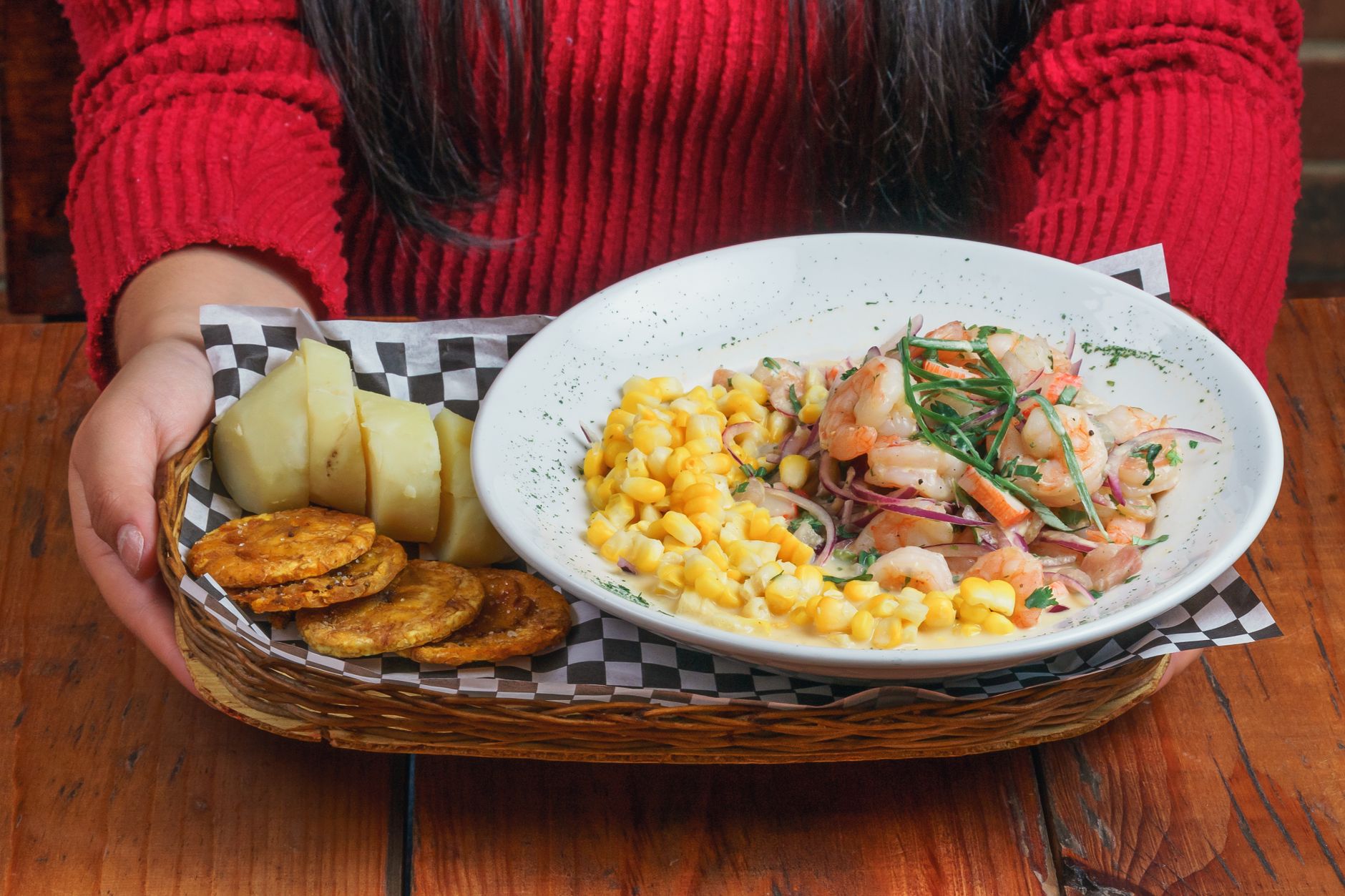
Shellfish allergies can appear within minutes or develop several hours after ingestion. The most common symptoms in infants include:
- Skin: hives, redness, or swelling around the mouth and eyes.
- Respiratory: wheezing, coughing, or difficulty breathing.
- Gastrointestinal: vomiting, diarrhea, or abdominal cramps.
- General: unusual fussiness, rapid heartbeat, or a sudden drop in activity level.
If you notice any of the following, call emergency services right away:
- Difficulty breathing or swallowing.
- Swelling of the lips, tongue, or throat.
- Sudden drop in blood pressure (pale, cold skin, limpness).
Allergy testing for babies
After an initial reaction, your pediatrician may refer you to an allergist for skin prick testing or a specific IgE blood test. According to the American Academy of Allergy, Asthma & Immunology (AAAAI), these tests are safe for children older than 6 months and can help confirm a shellfish allergy.
If the test is negative but you remain uncertain, an oral food challenge under medical supervision is the gold standard. This involves feeding increasingly larger amounts of the suspect food in a controlled setting while monitoring for reactions. The AAP emphasizes that such challenges should only be performed in a setting equipped to treat anaphylaxis.
It’s also worth noting that some infants may experience a delayed, non‑IgE‑mediated reaction that manifests as eczema flare‑ups or chronic gastrointestinal discomfort. In those cases, a pediatric gastroenterologist may be consulted to rule out other causes.
How to prepare shrimp for a baby’s first taste
Safety and texture are the top priorities when introducing shrimp to a small eater. Follow these steps to create a baby‑friendly shrimp bite:
- Choose fresh or frozen, unshelled shrimp. If buying frozen, look for “peeled and deveined” labels to avoid extra handling.
- Rinse thoroughly. Use a colander under cool running water to remove any lingering ice crystals.
- Cook fully. Boil, steam, or sauté the shrimp until it turns opaque pink and the internal temperature reaches 145 °F (63 °C). Avoid undercooking, as raw shrimp can harbor bacteria.
- Remove the tail and any remaining shell fragments. Even tiny bits can be choking hazards.
- Puree or finely chop. For a first bite, blend the shrimp with a familiar vegetable puree (e.g., sweet potato) to a smooth consistency. As your baby gets used to the flavor, you can offer small, soft pieces.
- Serve at room temperature. Hot foods can burn delicate mouths, while chilled shrimp may be less appealing.
Store‑bought frozen shrimp are generally safe for infants as long as they’re cooked from frozen and not pre‑seasoned with garlic, lemon, or other additives that could irritate a sensitive tummy. If you’re using fresh shrimp, make sure it smells mildly of the sea and not “off” – a sour or ammonia‑like odor signals spoilage.
For parents short on time, a quick steam‑in‑the‑microwave method works well: place peeled shrimp in a microwave‑safe dish with a splash of water, cover, and heat on high for 2–3 minutes, checking that the meat is fully opaque before mashing.
Adding a tiny splash of breast milk or unsweetened applesauce can make the texture even smoother and introduce a familiar flavor your baby already enjoys.
Can I give my baby crab or lobster and what are the risks?
Crab and lobster are richer in protein and minerals than shrimp, but they also have a firmer texture, which can pose a choking risk if not prepared correctly.
Crab
Choose soft‑cooked crab meat, such as “imitation crab” (though this often contains additives, so opt for real crab when possible). Boil or steam the meat until it flakes easily, then mash it with a little breast milk or formula to achieve a smooth consistency. The AAP recommends checking for any shell fragments with a fine mesh strainer before serving.
Lobster
Lobster is best saved for later (around 18–24 months) because its tough claws require careful removal of shells. When you’re ready, steam the tail meat, shred it finely, and mix with a familiar puree. Because lobster can be higher in sodium naturally, avoid adding extra salt.
Risks
- Allergy: Crab and lobster share similar allergenic proteins with shrimp, so a reaction to one often predicts a reaction to the others.
- Choking: Small, hard shell fragments can lodge in a baby’s airway. Always ensure the meat is completely free of shell.
- Heavy metals: Certain crustaceans can accumulate mercury or other metals. The FDA advises limiting crustacean intake to 2–3 servings per week for toddlers.
In addition to the above, remember that some commercially prepared crab rolls contain added sugars or preservatives that are unnecessary for a baby’s diet. Stick with plain, minimally processed meat whenever possible.
How often can I introduce shellfish to my baby’s diet?
Once your baby tolerates the first serving without any reaction, you can gradually increase the frequency. The AAP suggests offering shellfish 2–3 times per week as part of a varied diet, which helps maintain nutritional benefits while minimizing the chance of developing a sensitivity.
Introducing shellfish regularly also supports the development of a broad palate, which can be helpful later when your child encounters other seafood varieties at school or family gatherings.
Portion sizes
- 12–18 months: ½ teaspoon of finely minced or pureed shellfish per serving.
- 18–24 months: 1 teaspoon of soft, chopped meat.
- 2 years and older: Up to ¼ cup of cooked shellfish, similar to other protein sources.
Always pair shellfish with iron‑rich foods (like spinach or fortified cereal) and vitamin C sources (such as orange puree) to enhance nutrient absorption. The NHS notes that vitamin C can boost non‑heme iron uptake from plant‑based foods, making the combination especially beneficial for toddlers.
If your baby shows a mild rash or stomach upset after the first few servings, pause for a few days and re‑introduce a smaller amount. This “graded exposure” approach can help differentiate true allergy from a temporary digestive irritation.
What are the best shellfish options for babies with sensitive stomachs?
For infants prone to digestive upset, choose shellfish that are low in fat and easy to digest. Shrimp and small‑sized scallops are generally the most tolerable.
Keeping the preparation simple—steaming without added fats—helps maintain a gentle profile that won’t overwhelm a delicate gut.
Why shrimp?
Shrimp contains less saturated fat than crab or lobster and breaks down quickly when cooked. When paired with a gentle carbohydrate like mashed sweet potato, the overall meal is easy on a baby’s stomach. The American Heart Association highlights shrimp as a source of lean protein with a favorable omega‑3 profile.
Scallops
Scallops are another gentle option. Their texture is naturally tender when steamed, and they provide a modest amount of zinc and selenium, which support immune health. Because scallops have a milder flavor, they are less likely to provoke a strong taste reaction.
Avoiding common irritants
Steer clear of heavily seasoned sauces, citrus juices, or butter‑based preparations in the first few weeks. Simple steaming or boiling with a splash of water keeps the dish bland enough for a sensitive gut. If you want to add flavor later, consider a tiny drizzle of olive oil or a pinch of mild herbs like parsley.
For babies with reflux or gastroesophageal issues, the AAP advises serving shellfish as part of a larger meal rather than alone, as the protein can help buffer stomach acidity.
How to introduce shellfish to a baby who is already allergic to fish?
Fish and shellfish allergies often coexist because they share similar protein structures (e.g., tropomyosin). If your child has a confirmed fish allergy, proceed with extra caution.
Step‑by‑step plan
- Consult your pediatrician or allergist. Request a supervised oral food challenge in a medical setting.
- Start with a tiny amount. Offer a pea‑size piece of cooked shrimp mixed with a known‑safe food.
- Observe for 2 hours. Watch for any skin, respiratory, or gastrointestinal signs.
- Document the reaction. Keep a food diary noting the time, amount, and any symptoms.
- Gradually increase. If no reaction occurs, repeat the serving after a few days, slowly building up to a regular portion.
In many cases, children with a fish allergy tolerate shrimp, but the risk is significant enough to merit professional guidance. The American Academy of Allergy, Asthma & Immunology recommends a cautious approach, especially for children under 2 years.
When an allergist conducts a skin‑prick or component‑resolved IgE test, they may differentiate between the specific proteins that trigger reactions. This can help predict whether shrimp is likely to be safe or if a broader crustacean avoidance is warranted.
Shellfish vs fish: differences in allergy risk for babies
While both fish and shellfish can trigger IgE‑mediated allergies, the prevalence and severity differ. Below is a quick comparison of key factors.
These differences matter when you decide whether to introduce shellfish after a fish allergy diagnosis. Always discuss test results with a qualified allergist. The NHS also notes that early, controlled exposure under medical supervision can sometimes promote tolerance, but this should never be attempted at home without professional oversight.

Shellfish for babies with eczema or other skin conditions
Eczema‑prone infants may wonder if shellfish will flare their skin. Current guidance from the American Academy of Dermatology suggests that food‑related eczema flares are more common with dairy, egg, and wheat, but shellfish can be a trigger for some children.
If your baby has moderate‑to‑severe eczema, introduce shellfish in the same cautious manner as any new protein—tiny amounts, fully cooked, and with close observation for any new rash or itchiness over the next 24 hours.
Choosing low‑mercury and sustainable shellfish for toddlers
While shrimp, crab, and scallops are generally low in mercury, the FDA advises checking sourcing to avoid contaminants. Look for MSC‑certified or locally sourced options that meet sustainability standards.
Choosing wild‑caught shrimp from reputable U.S. fisheries or responsibly farmed scallops can give your baby the nutritional benefits of omega‑3s without the worry of excess heavy metals.
Shellfish nutrition for toddlers: key nutrients and benefits
Beyond the allergy considerations, shellfish packs a nutritional punch that can support rapid growth and brain development. A 3‑ounce serving of cooked shrimp provides:
- ~20 grams of high‑quality protein, essential for muscle and tissue building.
- ~200 mg of iodine, which supports thyroid function and cognitive development.
- ~100 mg of zinc, a mineral that aids immune function and wound healing.
- ~0.5 mg of vitamin B12, crucial for red‑blood‑cell formation and nervous‑system health.
- ~300 mg of omega‑3 fatty acids (EPA/DHA), linked to improved visual acuity and neural connectivity in early childhood.
The American Academy of Pediatrics highlights omega‑3s as a dietary factor that may reduce the risk of attention‑deficit/hyperactivity symptoms later in childhood. For families that do not consume fish regularly, shellfish can serve as an alternative source of these essential fats.
Because shellfish is low in saturated fat and calories, it can be incorporated into a balanced diet without contributing to excess weight gain. However, keep an eye on sodium content if you’re using pre‑seasoned or canned varieties; the FDA recommends rinsing canned shellfish to reduce added salt.
Safe storage and handling of shellfish at home
Proper storage is critical to prevent bacterial growth that could cause foodborne illness, which infants are especially vulnerable to. The FDA’s Food Safety Guidelines advise:
- Refrigeration: Keep fresh shellfish at 32–38 °F (0–3 °C) and use within 1–2 days. Frozen shellfish should remain at 0 °F (‑18 °C) until ready to cook.
- Thawing: Thaw frozen shrimp in the refrigerator overnight or under cold running water; never leave it at room temperature for more than two hours.
- Cooking: Ensure the internal temperature reaches 145 °F (63 °C). Use a food‑grade thermometer if you’re unsure.
- Leftovers: Store cooked shellfish in airtight containers and consume within 24 hours. Re‑heat to steaming hot before serving to a baby.
If you notice an off‑odor, slimy texture, or any discoloration, discard the shellfish. The CDC warns that certain bacteria, such as Vibrio vulnificus, can survive in undercooked seafood and cause severe gastrointestinal illness, especially in young children.
When buying shellfish, look for reputable sources that follow sustainable harvesting practices. While “organic” labeling is not required for seafood, certifications like the Marine Stewardship Council (MSC) can give you confidence about quality and environmental impact.
Myth vs. fact
Myth: If a baby tolerates fish, they will automatically tolerate shellfish.
Fact: Fish and shellfish allergies involve different proteins; a child can be allergic to one and not the other. Testing is needed to confirm safety.
Myth: Shellfish is too “hard” for a baby’s teeth, so it should be avoided entirely.
Fact: Properly cooked and finely minced shellfish can be safely served to babies as early as 12 months, provided choking hazards are removed.
Myth: Organic shrimp is always safer than wild‑caught shrimp for infants.
Fact: Both can be safe if cooked thoroughly; the key differences lie in farming practices, not in allergenicity. The FDA recommends checking for reputable sourcing rather than focusing solely on “organic.”
Key takeaways
- Start shellfish around 12 months, after your baby has tried at least five other foods.
- Cook shrimp, crab, or lobster fully and serve in a smooth, bite‑size form.
- Watch for skin, respiratory, or gastrointestinal signs of an allergic reaction for up to 2 hours after feeding.
- If your child has a known fish allergy, seek allergist guidance before trying shellfish.
- Offer shellfish 2–3 times weekly in small portions to gain nutritional benefits without overexposure.
- Choose low‑fat options like shrimp or scallops for babies with sensitive stomachs, and avoid added seasonings in the first few servings.
- Store and handle shellfish according to FDA food‑safety guidelines to prevent bacterial contamination.
Frequently asked questions
When can babies eat shrimp?
Most pediatric guidelines suggest introducing shrimp at about 12 months, once your baby has tolerated a range of other solid foods. Start with a tiny, fully cooked piece and monitor for any reaction.
How do I know if my baby is allergic to shellfish?
Look for hives, swelling, vomiting, or breathing difficulties within minutes to a few hours after feeding shellfish. If any of these appear, seek medical attention immediately and discuss allergy testing with your pediatrician.
What are the signs of a shellfish allergy in infants?
Common signs include hives, facial swelling, wheezing, vomiting, diarrhea, or sudden fussiness. Severe reactions may involve trouble breathing or a drop in blood pressure and require emergency care.
Is it safe to give lobster to a one‑year‑old?
Yes, if the lobster meat is fully cooked, shredded finely, and free of shells, a one‑year‑old can try it. However, many experts recommend waiting until 18 months to reduce choking risk.
How should I prepare shellfish for a baby’s first meal?
Steam or boil the shellfish until opaque, remove all shells, and puree or mash it with a familiar vegetable or fruit puree. Serve at room temperature and avoid added salts, spices, or sauces.
Can a baby who is allergic to fish also be allergic to shellfish?
Yes, cross‑reactivity is common because both share similar allergenic proteins. A confirmed fish allergy warrants a referral to an allergist before introducing shellfish.
What are the nutritional benefits of shellfish for toddlers?
Shellfish provides high‑quality protein, omega‑3 fatty acids, iron, zinc, selenium, and vitamin B12—all essential for brain development, immune function, and healthy growth.
If my baby has a peanut allergy, is it safe to try shellfish?
Peanut and shellfish allergies involve different immune pathways, so having a peanut allergy does not automatically mean a shellfish allergy. However, because both are common food allergens, it’s wise to introduce shellfish under pediatric guidance and watch closely for any reaction.
What are the signs of a severe shellfish reaction versus a mild one?
A mild reaction may involve localized hives or brief stomach upset that resolves within a few hours. A severe reaction (anaphylaxis) includes widespread hives, swelling of the lips or throat, difficulty breathing, rapid heartbeat, or a sudden drop in blood pressure. Severe signs require immediate emergency treatment.
Can I give my baby raw oysters or other raw shellfish?
Raw shellfish can contain harmful bacteria and parasites. The FDA and AAP advise only offering fully cooked shellfish to infants and toddlers to avoid food‑borne illness.
How do I know if my baby is ready for the texture of shellfish?
Look for developmental cues such as the ability to sit up unsupported, chew soft foods, and handle small bite‑size pieces without gagging. If your baby meets these milestones, they’re likely ready for finely minced or pureed shellfish.
When to see a doctor or specialist
If your baby shows any of the following after eating shellfish, contact a healthcare professional right away:
- Persistent vomiting or diarrhea lasting more than 24 hours.
- Swelling of the lips, tongue, or throat.
- Wheezing, shortness of breath, or rapid heartbeat.
- Severe rash or hives covering a large area of skin.
- Any sign of anaphylaxis (loss of consciousness, difficulty speaking).
For mild symptoms like a brief rash or tummy upset, call your pediatrician within the next day to discuss whether allergy testing is needed.
Specialists you may be referred to include:
- Pediatric allergist: For confirmed or suspected food allergies.
- Pediatric gastroenterologist: If digestive issues persist despite proper preparation.
- Registered dietitian: To help plan balanced meals that include shellfish safely.
This article is for informational purposes only and does not replace personalized medical advice. Always consult your healthcare provider before making significant changes to your baby’s diet.
References
- American Academy of Pediatrics. “Complementary Feeding: A Guide for Parents.” 2022.
- U.S. Food and Drug Administration. “Shellfish Safety and Handling.” 2024.
- National Health Service (NHS). “Introducing Solid Foods to Babies.” 2021.
- American Academy of Allergy, Asthma & Immunology. “Food Allergy Diagnosis.” 2023.
- Centers for Disease Control and Prevention (CDC). “Food Safety for Children.” 2023.
- World Health Organization. “Guidelines on Infant and Young Child Feeding.” 2022.
- Harvard T.H. Chan School of Public Health. “Seafood: Health Benefits and Risks.” 2021.
- British Society for Allergy & Clinical Immunology. “Shellfish Allergy Overview.” 2022.
- American Heart Association. “Understanding Omega‑3 Fatty Acids.” 2023.
- U.S. Department of Agriculture. “Food Safety: Proper Handling of Seafood.” 2022.
- National Institute of Allergy and Infectious Diseases. “Shellfish Allergy and Cross‑Reactivity.” 2023.
- American Academy of Dermatology. “Managing Food‑Related Skin Reactions in Children.” 2022.