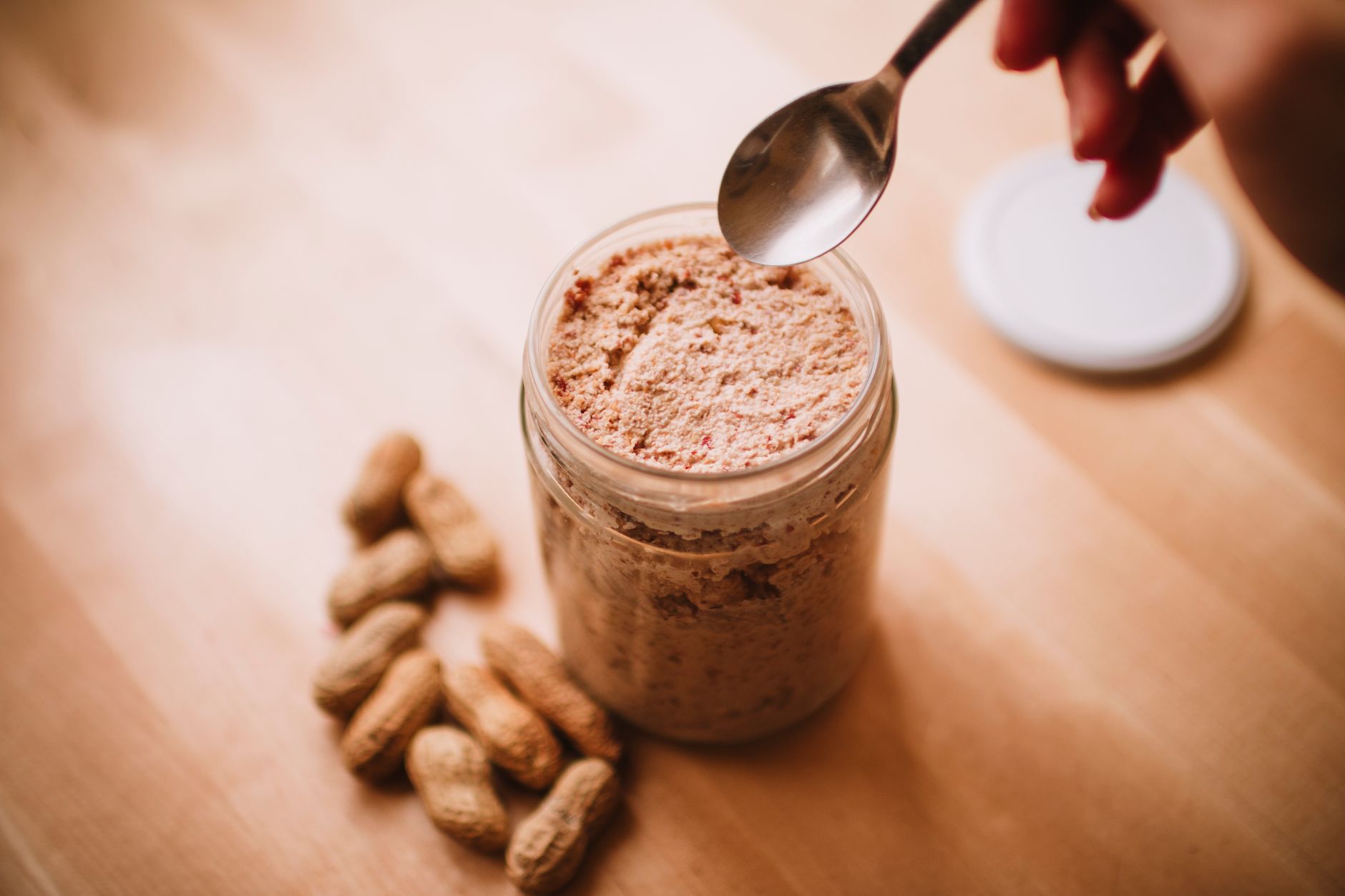
Safety starts with preparation. Choose a smooth, unsalted, and preferably organic peanut butter that contains no added sugars or hydrogenated oils. The texture must be thin enough for a baby who is still mastering the swallow reflex. Here’s a step‑by‑step guide:
- Check the label. Look for “smooth” or “creamy” and avoid “chunky” or “natural” varieties that can have gritty texture.
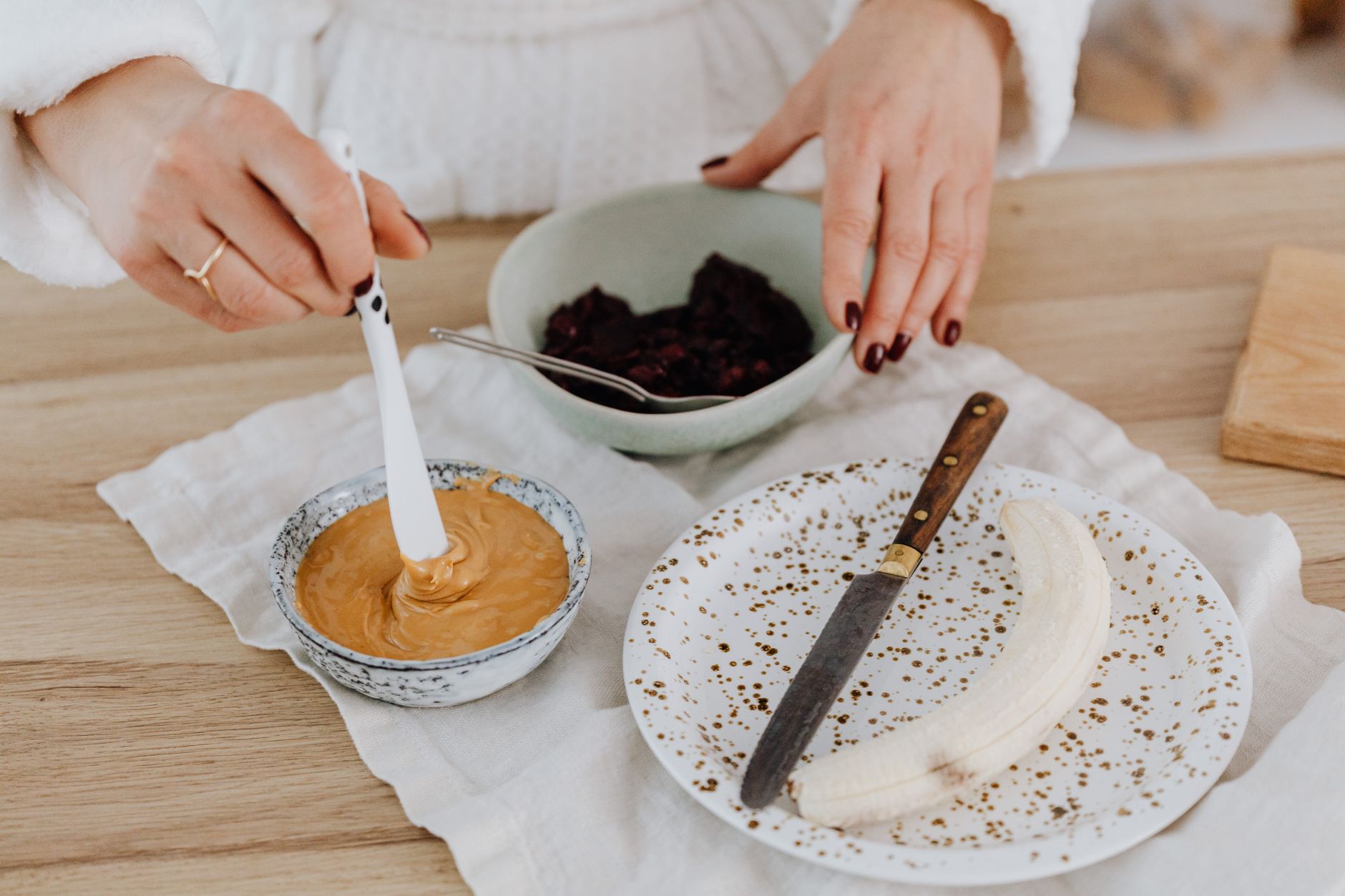
- Thin it out. Mix one teaspoon of peanut butter with an equal amount of breast milk, formula, or water until it reaches a runny consistency—think of a thin sauce that can be dribbled from a spoon.
- Start tiny. Offer a pea‑size amount (about ¼ teaspoon) on a soft baby spoon.
- Observe. Keep a watchful eye for at least 30 minutes after the first bite. Note any skin, breathing, or digestive changes.
- Repeat gradually. If no reaction occurs, repeat the same serving size on the next day, then increase to ½ teaspoon after a week of tolerance.
- Document. Write the date, amount, and any observations in a baby‑food journal or a simple phone note. This helps you track patterns and share accurate info with your pediatrician.
Never give a whole spoonful or a chunky spoonful to a baby who is still learning to swallow. If you’re unsure about the consistency, you can blend the peanut butter with a small amount of pureed banana or apple sauce for extra smoothness, which also adds a familiar flavor that many infants enjoy.
Remember to keep the feeding environment calm; a quiet room reduces the chance of startling the baby during the new‑taste trial.
Signs baby is ready for peanut butter introduction
Even if your baby meets the age guideline, they still need developmental cues that indicate they’re ready for a new texture. Look for these signs:
- Can sit upright with minimal support for at least 3–4 minutes.
- Shows interest in foods—reaches for the spoon, watches you eat, or opens their mouth when offered.
- Has mastered pureed foods without gagging or excessive spitting.
- Demonstrates a coordinated swallow reflex—able to move food from the front of the mouth to the back without choking.
If your infant meets three or more of these criteria, they’re likely ready for a smooth peanut butter trial. If not, keep offering other purees and revisit the introduction in a few weeks.
A quick tip: try feeding a familiar puree (like sweet potato) right before the peanut attempt; the familiarity can make the new texture feel less intimidating.
Peanut butter allergy symptoms in infants and what to watch for
Allergic reactions can range from mild skin changes to severe anaphylaxis. The following checklist helps you spot a reaction quickly:
- Skin: Red, itchy hives, or a rash that appears within minutes to a few hours after exposure.
- Swelling: Lips, tongue, or facial swelling (angioedema).
- Respiratory: Persistent coughing, wheezing, shortness of breath, or a high‑pitched “cry” that sounds different from a normal upset.
- Gastrointestinal: Vomiting, diarrhea, or abdominal cramping soon after feeding.
- Systemic: Sudden drop in energy, pale or bluish skin, or difficulty staying awake—these could signal a severe reaction and need emergency care.
If any of these symptoms emerge, stop feeding the peanut butter immediately, call your pediatrician, and if breathing is affected, dial emergency services (911 in the U.S., 999 in the U.K.) without delay.
Most mild skin reactions resolve with a cool compress, but always inform your doctor so they can decide whether further testing is needed.
How much peanut butter can a baby eat safely each time?
For infants under one year, the safe serving size is modest. The AAP suggests starting with ¼ teaspoon (about 1 gram) and, if tolerated, moving up to ½ teaspoon (≈2 grams) every few days. This amount provides a good protein boost without overwhelming the baby’s digestive system.
In terms of frequency, aim for 2–3 servings per week. Consistency is crucial—regular exposure helps the immune system develop tolerance. Avoid daily high‑dose servings; instead, keep the pattern steady and predictable.
Here’s a quick reference table:
Remember, these are guidelines—not hard rules. Adjust based on your child’s appetite, any previous reactions, and pediatric advice.
Keeping a simple log—date, amount, and any observations—helps you and your clinician see patterns over time.
Can babies with eczema eat peanut butter safely?
Eczema, especially moderate to severe atopic dermatitis, is a known risk factor for food allergies, including peanuts. However, recent research from the American Academy of Dermatology (AAD) and the NIAID indicates that early peanut exposure can actually reduce the likelihood of developing a peanut allergy, even in eczema‑prone infants.
Key recommendations for families dealing with eczema:
- Consult your pediatrician. They may refer you to an allergist for skin‑prick testing or specific IgE blood work before the first peanut exposure.
- Start with a very small amount. A ¼ teaspoon diluted in breast milk, as described earlier, is ideal.
- Monitor skin closely. If you notice a flare of eczema within 24 hours, note the timing and discuss it with your doctor.
- Maintain eczema care. Keep moisturizers and any prescribed topical treatments in routine use; a well‑controlled skin barrier may lower allergy risk.
In short, most babies with eczema can safely try peanut butter, but a professional evaluation adds an extra layer of safety.
For families who are especially concerned, an oral food challenge in a medical setting can provide definitive reassurance.
Peanut butter vs other nut butters for babies: which is best?
While peanut butter is the most studied and often recommended first nut spread, many parents wonder whether almond, cashew, or sunflower seed butter might be a better choice. Below is a comparison of the most common nut butters, focusing on factors important for infants.
Peanut butter remains the preferred first choice because the evidence for early exposure reducing allergy risk is strongest. Once your baby tolerates peanuts without issue, you can consider adding other nut butters after they’re 12 months old, always ensuring the texture is smooth and the serving size remains small.
When you add a new nut butter, keep a two‑day gap between introductions to clearly identify any reaction.
What to do if my baby has a peanut reaction after first try?
Reacting to peanuts can be frightening, but a calm, systematic response helps keep the situation under control.
- Stop feeding immediately. Remove the spoon and any remaining peanut butter.
- Assess severity.
- If you notice mild skin redness only, you can soothe with a cool compress and monitor for 24 hours.
- If swelling, hives, wheezing, vomiting, or any sign of breathing difficulty appears, treat as a possible anaphylactic reaction.
- Administer medication if prescribed. If your pediatrician has given you an epinephrine auto‑injector (EpiPen), use it right away according to the instructions.
- Call emergency services. Even if you’ve administered epinephrine, seek medical help immediately.
- Document the event. Write down the exact time, amount, and symptoms. Bring this record to your doctor or allergist for follow‑up testing.
After the acute episode resolves, your pediatrician may recommend an allergy work‑up, an oral food challenge under medical supervision, or a revised feeding plan. Never attempt a self‑guided re‑introduction without professional guidance.
Keep a copy of this action plan on your fridge so you can act quickly if needed.
Peanut butter introduction guidelines 2024 for infants and best brand tips
The 2024 updates from the AAP reaffirm the “early, regular, and safe” approach. Key points include:
- Introduce peanuts between 4–6 months for most infants.
- Use smooth, unsalted, no‑added‑sugar varieties.
- Thin with breast milk, formula, or water to a pour‑able consistency.
- Start with ¼ teaspoon, increase gradually if tolerated.
- Repeat exposure 2–3 times per week for at least 6 months to build tolerance.
- Seek allergist guidance if your baby has severe eczema, a known allergy, or a strong family history of food allergies.
When selecting a brand, look for:
- “No added sugar, no salt, no hydrogenated oils.”
- Certified “organic” or “non‑GMO” if you prefer.
- Clear labeling that the product is “smooth” or “creamy.”
- Absence of “natural” or “stir‑before‑use” statements that can indicate separation of oil and solids, which may affect texture.
Popular, clinician‑recommended choices include Smucker’s Natural Smooth Peanut Butter (no added salt or sugar) and Earth’s Best Organic Peanut Butter (USDA organic, smooth). In the UK, Whole Earth Peanut Butter Smooth is a widely available option that meets the same criteria.
Whichever brand you choose, always check the expiration date and store the jar as described later.
Peanut butter texture tips for infants and toddlers
Getting the right texture is crucial for safety and acceptance. Here are practical tips:
- Start with a liquid base. Mix 1 tsp peanut butter with 1 tsp breast milk until it flows off a spoon without clumping.
- Warm slightly. A few seconds in a warm water bath can make the mixture silkier, especially for colder jars.
- Use a silicone spatula. Scrape the jar clean to avoid hidden lumps.
- Add fruit puree. A spoonful of banana or apple sauce can mask any residual graininess and add a familiar flavor.
- Check temperature. Ensure the mixture isn’t hot; a cool‑room temperature is safest for the baby’s delicate palate.
As your child grows into the toddler years (12–24 months), you can slowly transition to thicker spreads, but always keep an eye on swallowing and chewing development.
Remember that a smooth texture also reduces the risk of choking, which is a primary safety concern for this age group.
When to introduce other nut butters after peanut butter
Once your baby has tolerated peanut butter for at least six months without any allergic reaction, most pediatric guidelines suggest it’s safe to try other nut butters after the first birthday. Here’s a simple timeline:
- 12 months: Offer a small amount (½ tsp) of smooth almond or cashew butter diluted with milk.
- 18 months: Increase to 1 tsp if no reaction, and you can start offering nut‑butter‑based dips with soft cooked vegetables.
- 24 months: Whole‑nut spreads (still smooth) can be introduced, but always supervise to prevent choking.
Remember, each new nut butter should be introduced separately with a few days in between to pinpoint any possible reaction.
Tracking each introduction in your food journal helps you and your pediatrician see the pattern clearly.
Peanut butter recipes for babies with allergies in mind
Even if your baby can’t have peanuts, you can still enjoy the creamy texture and protein boost using allergy‑friendly alternatives. Below are three simple, no‑cook recipes that keep the risk low while still delivering a tasty treat.
Sunflower seed butter & banana mash
Mix 1 tsp sunflower seed butter with ½ tsp mashed ripe banana and a splash of breast milk. Thin to a saucy consistency and serve on a soft rice cracker.
Coconut cream “peanut‑free” spread
Combine 1 tsp coconut cream (full‑fat) with ½ tsp oat flour and a drop of vanilla extract. Warm gently and thin with formula until spoon‑drip ready.
Cashew & sweet potato puree
Steam a small sweet potato cube, blend with 1 tsp smooth cashew butter, and add a drizzle of water. The natural sweetness masks the nutty flavor and encourages acceptance.
These recipes are ideal for families navigating multiple food sensitivities, and they can be stored in the refrigerator for up to three days.
When serving, always start with a pea‑size portion and observe for any reaction, even with “safe” seed or nut alternatives.
How to store opened peanut butter safely for baby use
Proper storage helps maintain safety and quality, reducing the risk of mold or bacterial growth that could upset a baby’s delicate gut.
- Seal tightly. Keep the lid screwed on tightly after each use.
- Refrigerate. While many brands are shelf‑stable, storing opened peanut butter in the fridge extends freshness and slows oxidation.
- Use a clean utensil. Never dip a finger or used spoon back into the jar.
- Check for signs of spoilage. Look for off‑colors, sour smell, or visible mold—discard immediately if any appear.
- Label with date. Write the opening date on the lid; aim to use the jar within 3 months.
Following these practices ensures that each spoonful you offer your baby is both nutritious and safe.
For families who buy in bulk, consider dividing the peanut butter into smaller, airtight containers to limit exposure each time you open a new jar.
Peanut butter and iron absorption in infants
Peanut butter contains a modest amount of iron (about 0.5 mg per tablespoon), but it also has phytates that can inhibit iron absorption. Pairing peanut butter with a source of vitamin C—such as a few drops of orange juice or a puree of mango—can boost iron uptake, according to the Academy of Nutrition and Dietetics.
For babies who rely on iron‑fortified cereals as their primary source, adding a thin layer of peanut butter to the cereal can provide healthy fats and protein without compromising iron status, as long as the overall diet includes vitamin C‑rich foods throughout the day.
Travel‑friendly peanut butter tips for on‑the‑go families
When you’re out and about, a small, resealable pouch of single‑serve smooth peanut butter can make the introduction process easier. Look for “no‑sugar, no‑salt” pouches that are pre‑thinned or that come with a built‑in silicone dipper to keep the portion size consistent.
Pack a tiny bottle of breast milk or formula to thin the spread on the spot, and always bring a clean spoon. If you’re traveling by plane, check the airline’s policy for small jars—most allow containers under 100 ml in carry‑on luggage.
Having a ready‑to‑go portion reduces the temptation to skip the peanut trial because of inconvenience.
Myth vs. fact
Myth: “Peanut butter must be avoided until a child is at least 2 years old to prevent allergies.”
Fact: Early introduction of smooth peanut butter between 4–6 months actually lowers the risk of developing a peanut allergy, especially in high‑risk infants.
Myth: “If a baby has eczema, they should never eat peanuts.”
Fact: Controlled early exposure, under pediatric guidance, can be safe and may reduce future allergy risk, even for eczema‑prone infants.
Myth: “Chunky or natural peanut butter is fine for babies because it’s less processed.”
Fact: Chunky textures pose a choking hazard and can be hard for babies to swallow; smooth, thinned peanut butter is the safest form for infants.
Key takeaways
- Most infants can start smooth peanut butter between 4–6 months, once they’re comfortable with pureed solids.
- Thin the peanut butter with breast milk, formula, or water to a runny consistency before offering.
- Begin with ¼ teaspoon, increase to ½ teaspoon after a week of tolerance, and repeat 2–3 times weekly.
- Watch for skin, respiratory, and gastrointestinal signs of allergy; seek emergency care for any breathing difficulty.
- Babies with eczema can still try peanuts, but a pediatrician’s guidance and possible allergy testing are recommended.
- Peanut butter remains the best first nut butter; other nut spreads can be introduced after 12 months if tolerated.
- Store opened peanut butter in the fridge, keep the lid tight, and use clean utensils to maintain safety.
- Pair peanut butter with vitamin C‑rich foods to aid iron absorption, and keep travel‑friendly portions on hand for convenient feeding.
Frequently asked questions
Can a 6‑month‑old have peanut butter?
Yes—if they can sit upright, have started on solid foods, and you offer a smooth, thinned version in a very small amount (¼ teaspoon). Always monitor for allergic reactions.
What are the signs of a peanut allergy in babies?
Watch for hives, swelling of the lips or face, wheezing, vomiting, or sudden lethargy within minutes to a few hours after exposure. Any breathing trouble requires immediate emergency care.
How many teaspoons of peanut butter can a baby have?
Start with ¼ teaspoon per feeding. If tolerated, increase to ½ teaspoon after a few days. Keep servings to 2–3 times per week for infants under one year.
Should I give my baby peanut butter if they have eczema?
Early introduction is generally safe, but consult your pediatrician first. They may recommend allergy testing before the first exposure.
When should I stop giving my baby peanut butter?
There’s no need to stop unless a confirmed allergy develops. Otherwise, continue regular exposure (2–3 times weekly) throughout childhood to maintain tolerance.
Is it safe to give whole peanut butter to a baby?
No. Whole or chunky peanut butter can cause choking. Always thin it to a runny consistency and serve in tiny amounts appropriate for the baby’s developmental stage.
How do I know if my baby is ready for peanut butter?
Check that they can sit up with minimal support, show interest in foods, and have mastered pureed textures without frequent gagging. If three of these signs are present, they’re likely ready.
Can I mix peanut butter with other baby foods?
Yes. Combining a thin peanut butter mixture with familiar purees like banana, apple sauce, or oatmeal can make the flavor more appealing and help you gauge tolerance.
What should I do if I suspect a mild skin reaction?
Apply a cool, damp cloth to the affected area, avoid further exposure, and call your pediatrician within 24 hours for guidance on whether allergy testing is needed.
When to see a doctor or specialist
If you notice any of the following after introducing peanut butter, contact a healthcare provider right away:
- Hives, rash, or itching that spreads beyond the mouth.
- Swelling of lips, tongue, or face.
- Wheezing, coughing, or difficulty breathing.
- Vomiting or diarrhea within two hours of feeding.
- Sudden change in behavior, extreme lethargy, or pale/blue-tinged skin.
For mild skin reactions, call your pediatrician within 24 hours. For any respiratory symptoms or severe systemic signs, call emergency services (911 in the U.S., 999 in the U.K.) and seek immediate medical attention. If your baby has a strong family history of food allergies or moderate to severe eczema, consider scheduling an appointment with a pediatric allergist before the first peanut exposure.
References
- American Academy of Pediatrics. “Early Introduction of Peanut‑Containing Foods.” 2024 Clinical Report.
- National Health Service (NHS). “Introducing Solid Foods to Your Baby.” Updated 2024.
- National Institute of Allergy and Infectious Diseases (NIAID). “The LEAP Study: Early Peanut Introduction and Allergy Prevention.” 2019.
- American Academy of Dermatology (AAD). “Eczema and Food Allergy Risk.” 2023 Guidance.
- Academy of Nutrition and Dietetics. “Nut Butters: Nutrition and Safety for Infants.” Position Paper 2022.
- U.S. Food and Drug Administration (FDA). “Food Allergen Labeling Requirements.” 2024.
- World Health Organization (WHO). “Infant Feeding Guidelines.” 2023.