Allergic reactions to honey are rare but can happen, especially if a child is already sensitive to pollen or bee products. Below is a quick symptoms checklist you can keep on your fridge or phone:
- Skin: hives, red welts, or itching that appears within minutes to a few hours after eating honey.
- Gastrointestinal: stomach cramping, nausea, vomiting, or diarrhea.
- Respiratory: wheezing, coughing, shortness of breath, or a tight feeling in the throat.
- General: swelling of the lips, tongue, or face (angioedema).
- Severe: anaphylaxis—a rapid, life‑threatening reaction that may include a drop in blood pressure, fainting, or loss of consciousness.
If any of these symptoms appear, especially breathing difficulties or swelling, treat it as an emergency. Administer an antihistamine if you have one on hand and call emergency services (911 in the U.S., 999 in the U.K.) while you seek immediate medical care.
Most mild reactions will resolve with a pediatrician’s guidance, but it’s essential to document the episode and discuss it at the next well‑child visit. Your doctor may refer you to an allergist for testing and future management.
How much honey is safe for a one‑year‑old?
Guidelines from the World Health Organization (WHO) and the Academy of Nutrition and Dietetics suggest that toddlers should have no more than 1 % of their total daily calories from added sugars, which translates to roughly 4–5 grams (about one teaspoon) for a typical one‑year‑old who consumes about 1,000 kcal per day.
To make it easier, here’s a simple table that outlines safe honey portions based on age and weight:
These amounts are a ceiling, not a daily requirement. Many families choose to give honey only a few times a week, using it as a flavor enhancer rather than a regular sweetener. Remember that honey is still a source of fructose and glucose, so you should balance it with plenty of fruits, vegetables, proteins, and whole grains.
In the United Kingdom, the NHS recommends keeping added sugars under 5 % of total energy intake for children under two, which aligns closely with the American guidance. This consistency makes it easier to apply the same portion sizes no matter where you live.
Can honey cause botulism in babies over one year?
Botulism caused by honey is overwhelmingly a concern for infants under 12 months. The CDC notes that the spores of C. botulinum are harmless to children whose gut flora has matured enough to prevent spore germination. After the first birthday, the incidence of honey‑related botulism drops to near zero.
That said, the risk is not absolutely zero. Very rare cases have been documented in toddlers with severe gastrointestinal disorders or compromised immune systems. If your child has a known condition that affects gut motility (e.g., Crohn’s disease) or is on long‑term antibiotics, discuss honey introduction with your pediatrician first.
In everyday circumstances, you can feel confident that a 12‑month‑old who is otherwise healthy can safely enjoy a small spoonful of pasteurized honey without fearing botulism.
Best ways to introduce honey to a 1‑year‑old
Introducing honey doesn’t have to be a messy experiment. Here are three toddler‑approved methods that keep the texture soft, the flavor mild, and the portion controlled:
- Swirl into warm oatmeal or porridge. Add a half‑teaspoon of honey to a bowl of cooked oatmeal while it’s still warm (but not hot). The heat helps dissolve the honey, creating a gentle sweetness that your child can lick with a spoon.
- Mix into fruit purees. Blend a small amount of honey into a banana‑apple or pear‑mango puree. This not only sweetens the fruit but also introduces a new flavor combination that many toddlers love.
- Spread on whole‑grain toast. Lightly toast a thin slice of whole‑grain bread, then spread a thin layer of honey—about the size of a pea. Let your child practice self‑feeding with a small, manageable bite.
When you first try any of these, keep the serving size to a half‑teaspoon and watch your child’s reaction for 20‑30 minutes. If all looks good, you can repeat the practice a few times a week, always staying under the daily sugar ceiling.
For families who prefer a cooler option, stirring honey into a chilled yogurt parfait can be a refreshing alternative, especially on warm days. Just be sure the yogurt is full‑fat and plain to avoid added sugars.
What types of honey are safest for toddlers?
Not all honey is created equal, especially when it comes to safety and nutritional content for toddlers. Below is a quick comparison of the most common honey varieties:
For the very first spoonful, most pediatricians recommend a pasteurized or filtered honey because the heating process eliminates any residual spores. As your child grows comfortable, you can gradually shift to raw or organic varieties if you prefer the extra nutrients.
When shopping, look for clear labeling such as “pasteurised” or “filtered.” In the UK, the NHS suggests checking for a “food safety” seal, which indicates the product meets local standards for bacterial testing.
How to transition from breastmilk to honey for a 12‑month‑old
Honey is not a nutritional replacement for breastmilk or formula; it’s a flavor enhancer. At 12 months, many children are already eating a variety of solid foods and may have reduced breastmilk intake. If you’re still nursing and want to introduce honey, keep the following in mind:
- Maintain breastmilk frequency. Continue offering breastmilk or formula on demand—especially for hydration and immune support.
- Offer honey as a side. Serve honey in a separate small dish or mixed into a familiar food, not as a substitute for a milk feed.
- Watch for satiety cues. Some toddlers may fill up on sweet foods and reduce milk intake, which could affect calcium and vitamin D intake. Ensure the overall diet remains balanced.
In practice, you might give a half‑teaspoon of honey mixed into oatmeal after a breastfeeding session, reinforcing that honey is a treat, not a staple.
For families using formula, the American Academy of Pediatrics notes that introducing small amounts of honey after the first birthday does not interfere with iron absorption from fortified formulas, but it’s still wise to keep the overall sugar load low.
What other sweet foods can I give my baby before honey?
Before the one‑year milestone, you can still satisfy a toddler’s emerging taste for sweetness using safe, low‑risk foods. Here are a few options that are generally accepted by pediatric nutrition guidelines:
- Mashed ripe bananas. Naturally sweet, full of potassium, and easy to digest.
- Steamed or baked apples and pears. Softened fruit provides sweetness without added sugars.
- Unsweetened applesauce. Choose varieties with no added sugar or salt.
- Full‑fat plain yogurt. The natural lactose offers a mild sweet taste; you can add fruit puree for extra flavor.
- Pureed mango or peach. These fruits are high in vitamins A and C and have a pleasant sweetness.
These foods can be introduced as early as six months, depending on your child’s developmental readiness for solids. They also help build a palate that appreciates natural sweetness, making the later introduction of honey a smoother transition.
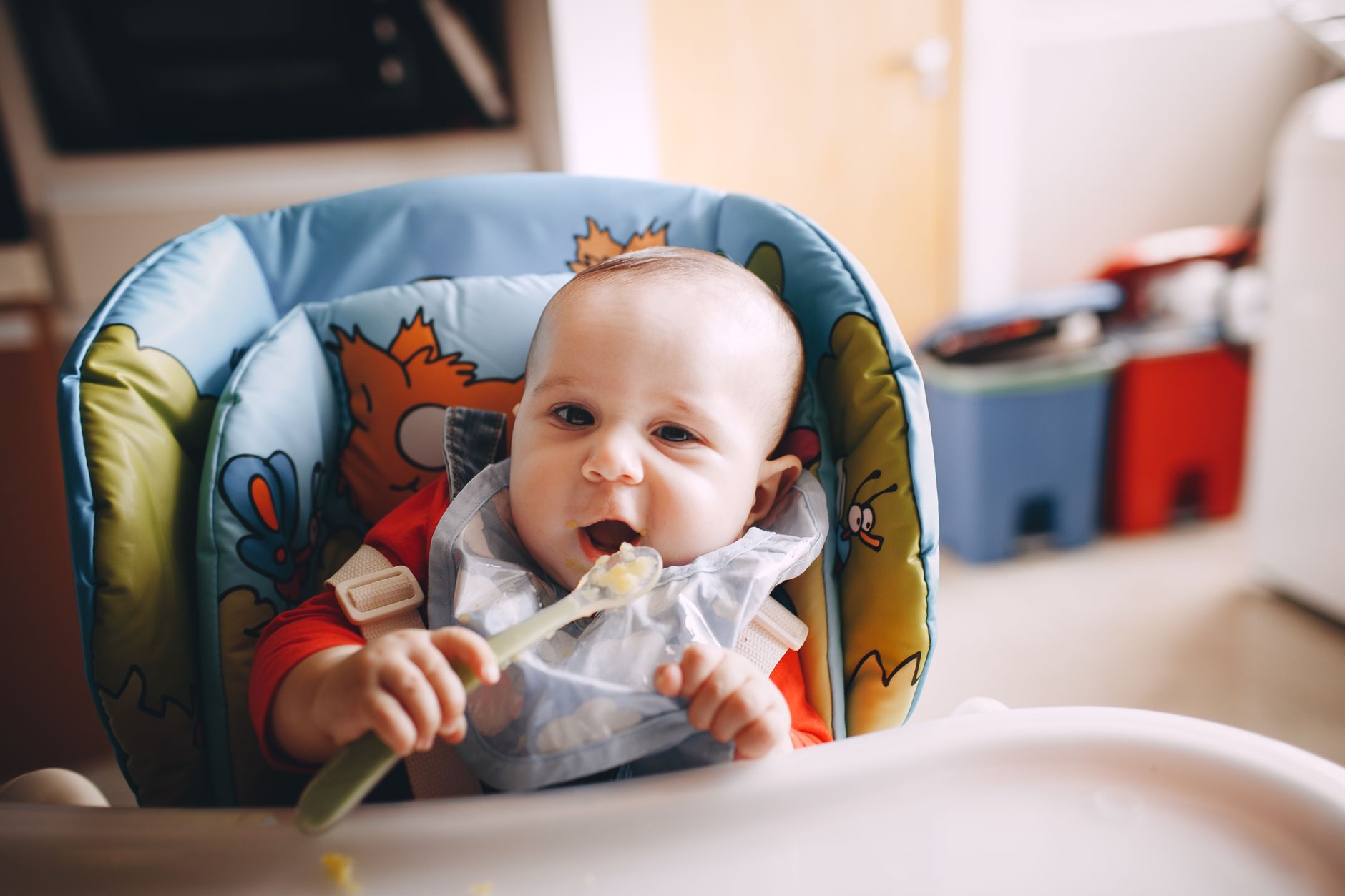
Is raw honey safe for a 1‑year‑old?
Yes, raw honey is generally considered safe after the first birthday, provided the child does not have a known pollen or bee‑product allergy. Raw honey retains more of its natural enzymes, antioxidants, and trace pollen, which some families value for its potential health benefits.
The American Academy of Pediatrics does not differentiate between raw and pasteurized honey once the child is older than 12 months. However, for families who are cautious about any residual spores, starting with pasteurized honey for the first few months can give peace of mind. After a period of tolerance, you can transition to raw honey if you prefer.
In the UK, the NHS advises that raw honey can be introduced after 12 months, but parents should still monitor for any signs of allergy, especially if the child has a seasonal pollen allergy.
When to stop giving honey to a toddler
Honey can remain a part of a toddler’s diet as long you stay within the recommended added‑sugar limits. Most experts suggest that after age two, children should consume less than 25 grams of added sugars per day, which is roughly six teaspoons. If honey makes up a large portion of that allowance, you may want to reduce its frequency.
Specific circumstances that call for stopping honey include:
- Developing a confirmed honey allergy.
- Dental concerns—excessive sugar can increase cavity risk, especially if oral hygiene is inconsistent.
- Medical conditions that require low‑sugar diets, such as certain metabolic disorders.
In most cases, families simply scale back honey to a few teaspoons per week as the child grows older, substituting fresh fruit or other natural sweeteners for variety.
Honey benefits for toddlers
While honey is primarily a source of simple sugars, it does contain trace amounts of vitamins, minerals, and antioxidants. Small studies have suggested that honey may have mild antibacterial properties and can soothe a sore throat, though these effects are modest.
Key potential benefits include:
- Energy boost. The quick‑acting glucose and fructose provide an immediate source of energy for active toddlers.
- Flavor development. Introducing a small amount of honey can help children accept a broader range of flavors, supporting a more varied diet.
- Antioxidant intake. Raw honey contains flavonoids and phenolic acids that have antioxidant activity, which may support overall cellular health.
These benefits should be weighed against the need to limit added sugars and monitor for allergies. The American Heart Association notes that while honey offers some nutrients, it should still be treated as an occasional treat rather than a daily staple.
Alternatives to honey for babies
If you prefer to avoid honey altogether, there are several other natural sweeteners that are considered safe for toddlers over one year:
Each alternative still counts toward the daily added‑sugar limit, so moderation remains essential.
How to spot infant botulism symptoms
Even though the risk after 12 months is minimal, knowing the classic signs of infant botulism can be reassuring. Symptoms typically appear 12–36 hours after ingestion and may include:
- Constipation (often the first sign)
- Weak cry or “floppy” appearance
- Difficulty feeding or sucking
- Drooping eyelids
- Generalized weakness or low muscle tone
If any of these signs develop, especially constipation combined with weakness, seek medical care immediately. Treatment often involves hospitalization and administration of antitoxin, but early detection greatly improves outcomes.
The CDC emphasizes that prompt recognition and supportive care are the cornerstones of managing infant botulism, even though cases after the first birthday are exceedingly rare.
Honey and dental health for toddlers
Because honey is a concentrated sugar, it can cling to teeth and promote decay if oral hygiene isn’t consistent. The American Dental Association (ADA) recommends brushing your toddler’s teeth twice a day with fluoride toothpaste and rinsing after sugary foods, including honey.
One practical tip is to offer water after a honey‑sweetened snack and to avoid giving honey right before bedtime, when saliva flow drops and bacteria have more time to work. If you notice white spots or a “sticky” feeling on your child’s teeth, schedule a dental check‑up promptly.
In the UK, the NHS advises that sugary foods should be limited to mealtimes rather than between meals, which helps reduce the time teeth are exposed to acids. Applying these guidelines to honey can keep your toddler’s smile bright while still enjoying the occasional sweet treat.
Honey and immune support: Does it help?
Parents often hear that honey can boost immunity because of its antibacterial properties. While raw honey does contain enzymes like glucose oxidase that produce hydrogen peroxide, the amounts are modest and not enough to replace vaccines or a balanced diet.
Research from the Harvard T.H. Chan School of Public Health suggests that regular, moderate consumption of honey may support a healthy gut microbiome, which in turn can influence immune function. However, the evidence is not strong enough to recommend honey as a preventive measure against infections.
For toddlers, the safest approach is to view honey as a flavorful addition rather than a health tonic. Continue to follow pediatric vaccination schedules and provide a variety of fruits, vegetables, and protein sources for robust immunity.
Choosing the right honey brand: What labels mean
When you stand in the grocery aisle, the honey label can be confusing. Here’s a quick guide to the most common terms you’ll see:
- Pasteurized: Heated to kill yeast and reduce spore risk; ideal for the first introduction.
- Filtered/clarified: Passed through a fine mesh to remove pollen and particles; also safe for beginners.
- Raw: Unheated, may contain pollen and propolis; safe after 12 months but watch for allergies.
- Organic: Certified to meet organic farming standards; usually raw, so consider your child’s allergy profile.
Look for a “USDA Organic” seal or the “EU organic logo” if you prefer certified organic honey. The FDA requires that honey sold in the U.S. be labeled accurately, so a “pure honey” claim generally means there are no added sugars or syrups.
Choosing a reputable brand with transparent sourcing information can also reduce the chance of contaminants. Many manufacturers now list the floral source (e.g., clover, wildflower) and the region of production, which can be helpful for families tracking pollen sensitivities.
Myth vs. fact
Myth: Honey can be given to a baby as soon as they start eating solid foods.
Fact: The CDC and AAP advise waiting until the child is at least 12 months old because infants under one year lack the gut flora needed to neutralize botulinum spores.
Myth: Raw honey is always healthier and therefore safer for toddlers.
Fact: While raw honey contains more antioxidants, it is not inherently safer. Pasteurized honey eliminates any lingering spores, making it a prudent first choice for a one‑year‑old.
Myth: A tiny spoonful of honey can replace fruit for sweetness.
Fact: Honey is an added sugar and should be limited. Whole fruits provide fiber, vitamins, and natural sweetness without the same sugar concentration.
Key takeaways
- Wait until your child turns one year old before offering any honey.
- Start with a half‑teaspoon of pasteurized or filtered honey, no more than once a day.
- Watch for allergy signs—rash, swelling, breathing trouble—and seek immediate care if they appear.
- Raw honey is acceptable after 12 months if your child tolerates it and has no pollen allergy.
- Keep total added sugars under 5 grams per day for toddlers; honey should be a occasional treat.
- If your child has a medical condition affecting gut health, consult your pediatrician before introducing honey.
- Practice good oral hygiene after honey treats to protect dental health.
- Read honey labels to choose pasteurized or filtered varieties for the first few months.
Frequently asked questions
Can a 12‑month‑old have honey?
Yes. The AAP and CDC recommend that children can safely eat honey after they turn 12 months, provided the honey is pasteurized or filtered and given in a small amount (½ tsp). The risk of botulism is negligible after this age.
What are the risks of giving honey to a toddler?
For toddlers over one year, the primary risks are allergic reactions and excessive added sugar intake. Botulism is extremely rare after 12 months. Monitoring for hives, swelling, or gastrointestinal upset is essential.
How much honey can a one‑year‑old eat per day?
Guidelines suggest no more than ½ teaspoon (≈2 g) per day, staying within the recommended <10 % of total daily calories from added sugars. This amount can be offered a few times a week rather than daily.
When does the risk of botulism from honey go away?
The risk drops sharply after the first birthday because the gut microbiome matures. By 12 months, the likelihood of spores germinating is considered negligible for healthy children.
Is raw honey safe for babies over one year?
Yes, raw honey is generally safe after 12 months, as long as the child does not have a pollen or bee‑product allergy. Starting with pasteurized honey can help you gauge tolerance before moving to raw varieties.
What are the signs of a honey allergy in toddlers?
Allergy signs may include hives, swelling of lips or face, vomiting, diarrhea, wheezing, or anaphylaxis. If any of these appear, treat as an emergency and contact a healthcare professional immediately.
How can I incorporate honey into my toddler’s meals?
Mix a half‑teaspoon into warm oatmeal, blend it into fruit purees, or spread a thin layer on whole‑grain toast. Keep portions small and observe for any reaction before making it a regular habit.
Can honey cause constipation in toddlers?
Honey is not a common cause of constipation, but the high sugar content can sometimes lead to firmer stools if a child’s overall fluid intake is low. Offer water after honey‑sweetened foods and keep a balanced diet rich in fiber to help maintain regular bowel movements.
Is it okay to give honey with milk?
Yes, you can stir a small amount of honey into warm (not hot) milk or a milk‑based cereal. Just be mindful of the total added sugar from both the honey and any flavored milk, and ensure the milk is appropriate for your child’s age (e.g., whole‑milk after 12 months).
When to see a doctor / specialist
If your child shows any of the following after eating honey, call your pediatrician or seek urgent care:
- Hives, rash, or itching that spreads.
- Swelling of the lips, tongue, or face.
- Difficulty breathing, wheezing, or a tight throat.
- Vomiting or severe diarrhea that lasts more than a few hours.
- Sudden loss of muscle tone or floppy appearance.
For allergy concerns, an allergist can perform skin‑prick or blood tests to confirm sensitivity. If botulism is suspected (e.g., constipation plus weakness), an emergency department evaluation is required, and an infectious disease specialist may be involved.
Remember, this article is for informational purposes only and does not replace personalized medical advice. Always discuss new foods with your child’s healthcare provider if you have any doubts.
References
- American Academy of Pediatrics. “Infant Botulism.” AAP Clinical Report, 2022.
- Centers for Disease Control and Prevention. “Botulism – Infant (Foodborne).” CDC, 2023.
- World Health Organization. “Guidelines on Sugar Intake for Children.” WHO, 2021.
- Academy of Nutrition and Dietetics. “Added Sugars: Guidance for Parents.” AND, 2022.
- U.S. Food and Drug Administration. “Honey: Safety and Labeling.” FDA, 2023.
- National Institute of Allergy and Infectious Diseases. “Food Allergy Overview.” NIAID, 2022.
- Harvard T.H. Chan School of Public Health. “The Sweet Truth About Honey.” Harvard, 2021.
- British Nutrition Foundation. “Honey and Children – Safety Considerations.” BNF, 2022.
- American Dental Association. “Sugar and Dental Caries.” ADA, 2022.
- American Heart Association. “Added Sugars and Children.” AHA, 2022.
- National Health Service (UK). “Honey Safety for Children.” NHS, 2023.
- American College of Obstetricians and Gynecologists. “Nutrition Guidance for Infants and Young Children.” ACOG Committee Opinion, 2021.