Quick take: You can start introducing fish to your baby around 6 months of age, choosing low‑mercury varieties like salmon or cod, and offering it cooked, pureed or finely flaked. Serve a small portion (about 1‑2 ounces) once or twice a week, watch for any allergy signs, and keep mercury exposure well below safety limits. Consult your pediatrician if you have a family history of allergies or any concerns.
Imagine it’s 3 a.m.; you’ve just woken up to a tiny whimper, and as you check the diaper, you notice your baby’s eyes are a little red. Your mind races—could that be an allergy to the new fish puree you tried last night? You’re not alone. Many parents feel a mix of excitement and worry when they first think about adding fish to an infant’s diet.
Introducing fish is a wonderful way to boost your baby’s brain and eye development, thanks to the omega‑3 fatty acids, iron, and vitamin D it contains. But it also raises questions about age, safety, preparation, and potential allergens. In this guide we’ll walk you through when to introduce fish to baby step by step, covering the best types, how to cook them safely, how often to serve them, and what to watch for if your family has a history of allergies.
By the end you’ll have a clear plan: the right age to start, the safest fish choices, a simple cooking checklist, portion‑size guidelines, and a symptom‑watch list. You’ll also find a handy table comparing low‑mercury fish, myth‑busting facts, and answers to the most common follow‑up questions.
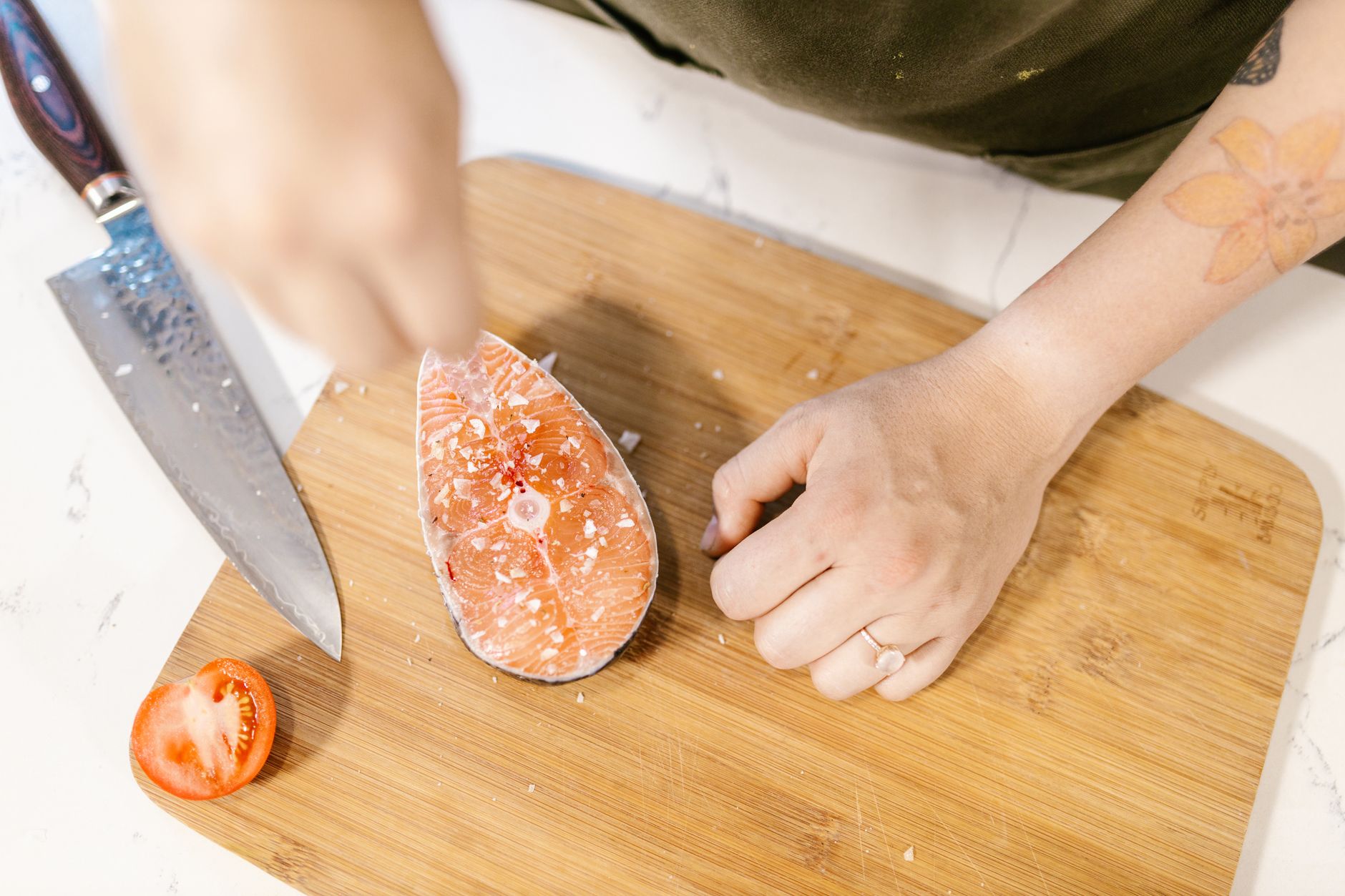
What age can I start feeding my baby fish?
The consensus among leading pediatric organizations—including the American Academy of Pediatrics (AAP) and the United Kingdom’s NHS—is that solid foods can be introduced around 6 months of age, as long as your baby shows signs of readiness (able to sit up with support, reduced tongue‑thrust reflex, and interest in foods). Fish fits within this timeline, so you can safely offer it once your baby is comfortably eating iron‑fortified cereals and pureed fruits or vegetables.
Why 6 months? At this stage the infant’s gastrointestinal tract is more mature, and the immune system is better equipped to tolerate a wider variety of proteins. Introducing fish earlier than 6 months doesn’t provide additional nutritional benefit and may increase the risk of choking or allergic reactions.
Here’s a quick readiness checklist:
- Can sit upright with minimal support.
- Shows interest in what you’re eating (watching, reaching).
- Can swallow soft foods without pushing them back out.
- Has already tried a few single‑ingredient purees (e.g., sweet potato, apple).
If your baby meets these milestones, you’re ready to try a tiny serving of fish. Start with a smooth, fully cooked puree—no chunks or bones. Offer just a spoonful (about 1‑2 teaspoons) and observe for any reactions over the next 24‑48 hours before increasing the amount.
For families who start solids a little earlier, the AAP notes that a very small amount of well‑cooked fish (no more than a teaspoon) can be offered as early as 5 months, but only under pediatric supervision and after other solid foods have been tolerated. This approach is rarely needed and should not replace the standard 6‑month guideline.
Best types of fish for babies under 1 year
Not all fish are created equal when it comes to infant nutrition. The key criteria are low mercury, mild flavor, and easy texture. Below is a comparison of the most baby‑friendly options:
These fish are consistently rated as “low‑mercury” by the U.S. Food and Drug Administration (FDA) and the Environmental Protection Agency (EPA). They also provide high‑quality protein and essential nutrients that support brain growth—especially the omega‑3 fatty acids DHA and EPA, which are critical for neural development and visual acuity.
What about organic vs. wild‑caught? For fish, “organic” labeling is rare and primarily applies to farmed varieties. Wild‑caught fish generally have lower contaminant levels, but both can be safe if sourced responsibly. Look for certifications such as the Marine Stewardship Council (MSC) for sustainably harvested fish, and avoid fish that are known to have higher pollutant loads, like shark, swordfish, and king mackerel.
In addition to the fish listed, small portions of white‑fleshed fish like tilapia can be introduced, but keep an eye on the source because farmed tilapia may have variable omega‑3 content. The American Heart Association (AHA) also recommends rotating a variety of low‑mercury fish to ensure a broad spectrum of nutrients.
How to prepare fish safely for a newborn
Safety starts in the kitchen. The goal is to eliminate any choking hazards and reduce bacterial contamination. Follow these steps:
- Buy fresh or frozen fish from a reputable source; avoid fish that smells “fishy” or has a slimy texture.
- Cook thoroughly—the internal temperature should reach 145 °F (63 °C). Baking, steaming, or poaching are gentle methods that preserve moisture.
- Remove all skin because the thin layer can be tough for a baby’s palate and may harbor parasites.
- Debone meticulously. Use a fine‑mesh sieve or your fingertips to feel for any hidden bones. Even tiny pinbones can cause choking.
- Puree or finely flake. For a 6‑month‑old, blend the cooked fish with a bit of breast milk, formula, or water to achieve a smooth, spoon‑able consistency. For older infants (8‑10 months), you can offer very soft, flaky pieces that they can pick up with their gums.
Here’s a quick “fish‑prep” checklist you can print and keep on your fridge:
- Rinse the fish under cold water.
- Pat dry with paper towels.
- Place on a baking sheet; bake at 375 °F for 12‑15 minutes.
- Let it cool, then use two forks to flake and remove any bones.
- Blend with liquid (1 part fish : 1 part liquid) until smooth.
- Serve warm (not hot) and discard any leftovers after 1 hour.
Never feed raw or under‑cooked fish to an infant. Raw fish can harbor harmful bacteria like Salmonella and parasites such as Anisakis, which the immature infant gut cannot handle. Even sushi‑grade fish is not appropriate for babies. The Centers for Disease Control and Prevention (CDC) emphasizes that children under five are particularly vulnerable to food‑borne illness, underscoring the need for thorough cooking.
If you’re short on time, a steam‑in‑bag method works well: place the fish in a sealed bag with a splash of water, steam for 8‑10 minutes, then mash. This technique retains moisture and reduces the need for added fats, aligning with the Academy of Nutrition and Dietetics’ guidance on low‑fat infant meals.
Signs of fish allergy in infants
Allergies to fish are less common than to dairy or peanuts, but they do occur. The first 48 hours after introducing fish are the most critical for spotting a reaction. Look for these signs:
- Skin: hives, redness, or swelling around the mouth.
- Gastrointestinal: vomiting, diarrhea, or excessive gas.
- Respiratory: wheezing, coughing, or difficulty breathing.
- General: sudden irritability, unexplained fussiness, or a drop in temperature.
If any of these symptoms appear, stop feeding fish immediately and contact your pediatrician. For severe reactions (especially breathing difficulty or swelling of the lips/tongue), call emergency services (999 in the UK, 911 in the US) right away.
Most mild reactions resolve with antihistamines prescribed by a doctor, but a formal allergy evaluation may be recommended. An allergist can perform a skin‑prick test or specific IgE blood test to confirm sensitivity. The American Academy of Allergy, Asthma & Immunology (AAAAI) notes that early introduction of allergenic foods, including fish, can actually reduce the likelihood of developing a persistent allergy, provided the exposure is regular and low‑dose.
For families with a strong history of severe food allergies, a pediatrician may suggest a supervised oral food challenge in a clinical setting before home introduction, ensuring safety while gathering definitive diagnostic data.
How often can I give fish to my baby?
Current guidelines from the AAP and the UK’s NHS suggest offering fish 1‑2 times per week for infants and toddlers. This frequency balances the nutritional benefits with the need to limit mercury exposure and maintain variety in the diet.
Portion sizes depend on age:
- 6‑7 months: 1‑2 ounces (30‑60 g) of fully pureed fish, once a week.
- 8‑10 months: 2‑3 ounces (60‑90 g) of flaked fish or a thicker puree, 1‑2 times weekly.
- 11‑12 months: 3‑4 ounces (90‑120 g) of soft, bite‑size pieces, up to 2 times weekly.
Here are a couple of easy, baby‑friendly recipes you can rotate:
- Salmon‑sweet potato puree: Steam ½ cup diced sweet potato and 2 oz cooked salmon, blend with a splash of breast milk until smooth.
- Cod‑apple mash: Poach 2 oz cod with a sliced apple, then puree together with a teaspoon of olive oil.
- Haddock‑peas purée: Steam 2 oz haddock and ¼ cup peas, blend with a little water for a bright green puree.
Remember to introduce only one new fish at a time, waiting a few days between each to isolate any potential reaction. Rotate fish with other protein sources like lentils, tofu, and chicken to keep the diet balanced and to expose your baby to a broad nutrient profile.
When your baby shows interest in self‑feeding, you can gradually increase the texture, moving from purees to soft flakes that they can pick up with their gums. This progression supports oral‑motor development and encourages independence at mealtime.
Is canned tuna safe for babies?
Canned light tuna is lower in mercury than albacore (white) tuna, but both contain enough mercury that most pediatric guidelines limit their use for infants. The FDA recommends that children under 5 years old consume no more than 2 ounces (56 g) of light tuna per week and avoid albacore altogether.
Because of these limits, it’s safer to reserve canned tuna for older toddlers (around 2 years) who can handle larger portions and have a more mature metabolism for mercury clearance. If you do choose to offer tuna to a baby older than 12 months, opt for light tuna, fully cooked, and mixed into a puree or soft scramble.
Watch for the same allergy signs mentioned earlier. Tuna allergies can be more severe because the protein structure differs from white‑fish varieties, so a cautious approach is warranted. The American Heart Association suggests using tuna no more than once a month for children under five, emphasizing variety with other low‑mercury fish.
If you’re looking for a convenient source of omega‑3s for a baby who dislikes fish, a DHA‑fortified infant formula (approved by the FDA) may be a more reliable option than canned tuna, especially for infants under one year.
Introducing fish to a baby with a family history of allergies
A family history of food allergies—especially to shellfish, peanuts, or eggs—does not automatically mean your baby will be allergic to fish, but the risk is slightly higher. The American Academy of Allergy, Asthma & Immunology (AAAAI) advises a “graded introduction” for such families.
Follow this step‑by‑step plan:
- Consult your pediatrician before the first fish feed. They may recommend a baseline allergy test.
- Start with a tiny portion (½ teaspoon) of a low‑mercury fish like cod, fully cooked and pureed.
- Observe for 48 hours for any subtle symptoms (e.g., skin redness, mild tummy upset).
- Increase gradually to a standard serving if no reaction occurs.
- Document each feeding date, fish type, and any observed symptoms in a simple journal.
- Repeat the process with a different low‑mercury fish after a week, maintaining the same observation window.
Keeping a feeding diary helps your pediatrician or allergist spot patterns and decide whether a formal allergy work‑up is needed. In many cases, babies with a family history still tolerate fish just fine when introduced carefully.
For families with a strong history of anaphylaxis, the pediatrician may suggest a supervised oral food challenge in a medical setting before any home introduction. This precaution ensures rapid access to emergency medication if a severe reaction occurs.
What mercury levels are safe for baby fish meals?
Mercury exposure is the primary concern when feeding fish to infants. The FDA‑EPA joint advisory sets a reference dose of 0.1 µg per kilogram of body weight per day for methylmercury. For a typical 6‑month‑old weighing 7 kg, that translates to a maximum of 0.7 µg per day.
Most low‑mercury fish listed above contain around 0.02 ppm (parts per million) of mercury, meaning a 2‑ounce serving provides roughly 0.04 µg of mercury—well under the safe limit. By contrast, higher‑mercury fish like tuna (canned albacore) can contain 0.3 ppm, which would exceed the safe dose in just a single serving.
To stay within safe limits:
- Stick to the low‑mercury fish options in the table above.
- Limit servings to 1‑2 times per week.
- Prefer wild‑caught over farm‑raised fish when possible, as wild fish tend to have lower contaminant levels.
- For families concerned about pollutants, consider “organic‑certified” farmed salmon, which undergoes stricter feed regulations.
If your baby has a medical condition that requires higher omega‑3 intake (e.g., premature birth), talk with your pediatrician about supplementing with a DHA‑only infant formula rather than increasing fish servings.
Choosing sustainable fish for your baby
Beyond safety, many parents wonder about the environmental impact of the fish they feed their children. Sustainable sourcing helps protect ocean ecosystems while ensuring that the fish you buy are low in contaminants. Look for the Marine Stewardship Council (MSC) blue label, which indicates the fish comes from a well‑managed fishery.
In the United States, the Seafood Watch program from the Monterey Bay Aquarium provides a handy “good‑choice” list that includes salmon, cod, and pollock—all excellent options for infants. In the UK, the Marine Conservation Society (MCS) offers a similar guide, highlighting sustainably caught haddock and pollock as low‑impact choices.
Choosing sustainable fish also aligns with the American Heart Association’s recommendation to “eat a variety of fish from sustainable sources” to support both heart health and planetary health. When you shop, ask your fishmonger about the origin of the product and whether it meets MSC or equivalent standards.
Even if you can’t always find certified fish, you can still make eco‑friendly choices by buying frozen fish (which often has a lower carbon footprint than fresh) and avoiding over‑fished species such as bluefin tuna.
Storing and reheating fish safely for infants
Proper storage preserves both nutrition and safety. Fresh fish should be kept in the coldest part of the refrigerator and used within 24 hours. If you’re preparing larger batches for the week, freeze the cooked fish in airtight containers or freezer bags. The USDA recommends using frozen cooked fish within 2‑3 months for optimal quality.
When you’re ready to serve a frozen portion, thaw it overnight in the refrigerator or use the microwave’s defrost setting. Reheat the fish to an internal temperature of 145 °F (63 °C) before pureeing again. Stir well to avoid hot spots, especially if you’re reheating in a microwave, because uneven heating can create pockets where bacteria survive.
Never refreeze fish that has already been thawed, and discard any leftovers after 1 hour at room temperature. A simple rule: “Cook, cool, serve, and toss” helps prevent food‑borne illness, a concern highlighted by the CDC for young children.
For busy parents, pre‑portioning cooked fish into single‑serve freezer bags makes meal prep a breeze. Label each bag with the type of fish and the date, then use a quick‑heat steam basket to bring the portion to the right temperature before mixing with breast milk or formula for a smooth puree.

Myth vs. fact
Myth: Babies should not eat fish until they are at least 12 months old.
Fact: Most health authorities agree that fish can be introduced at 6 months, provided the baby is already eating other solid foods and the fish is fully cooked and deboned.
Myth: All fish are high in mercury and unsafe for children.
Fact: Only certain large, predatory fish (e.g., shark, swordfish) have high mercury. Low‑mercury options like salmon, cod, and pollock are safe in recommended amounts.
Myth: Canned tuna is the best fish for infants because it’s convenient.
Fact: Light canned tuna can be used sparingly after 12 months, but fresh or frozen low‑mercury fish offers higher omega‑3 content and fewer additives.
Key takeaways
- Start fish at 6 months, once your baby tolerates other purees.
- Choose low‑mercury fish such as salmon, cod, haddock, or pollock.
- Cook fish to 145 °F, remove all bones and skin, and puree or flake for safety.
- Offer 1‑2 ounces per serving, 1‑2 times weekly; adjust portion as your baby grows.
- Watch closely for allergy signs; seek medical help for any severe reaction.
- If a family history of allergies exists, introduce fish gradually and keep a feeding diary.
- Stay below the FDA‑EPA mercury reference dose by limiting high‑mercury fish.
- Prefer sustainably sourced fish to support both health and the environment.
Can babies eat salmon?
Yes. Salmon is a top choice because it’s low in mercury and rich in DHA, a fatty acid crucial for brain and eye development. Serve it fully cooked, skin‑less, and pureed or flaked into bite‑size pieces.
What are the signs of a fish allergy in a baby?
Look for hives, swelling around the mouth, vomiting, diarrhea, wheezing, or sudden irritability within 24‑48 hours of the first fish meal. Any breathing difficulty requires immediate emergency care.
How many servings of fish are recommended for infants?
One to two servings per week, each serving being 1‑2 ounces (30‑60 g) for babies 6‑12 months old. Adjust the portion size as your child grows, aiming for 2‑3 ounces by the end of the first year.
Is it safe to give raw fish to a baby?
No. Raw or under‑cooked fish can contain harmful bacteria and parasites. Always cook fish to an internal temperature of 145 °F (63 °C) before offering it to your infant.
Can I give my baby fish if I’m pregnant?
Pregnant people can safely eat the same low‑mercury fish recommended for infants, but they should avoid high‑mercury varieties. Cooking fish thoroughly is essential for both maternal and infant health.
What is the safest way to introduce fish to a baby?
Start with a small, fully cooked, pureed portion of a low‑mercury fish like salmon or cod at 6 months, watch for any allergic reaction, and gradually increase frequency to 1‑2 times per week while maintaining proper portion sizes.
Can a baby with eczema eat fish?
Eczema can be a sign of a food‑related allergy, but many children with eczema tolerate fish without issue. Introduce fish using the same gradual method—tiny pureed portions and a 48‑hour observation window—and discuss any concerns with your pediatrician.
What should I do if my baby refuses fish?
Babies often need repeated exposure before accepting a new flavor or texture. Try offering fish mixed with a favorite fruit or vegetable puree, keep portions tiny, and stay patient. If after several attempts the baby still rejects fish, you can focus on other omega‑3 sources like fortified cereals or DHA‑enriched formula.
When to see a doctor or specialist
If you notice any of the following after feeding fish, contact your pediatrician promptly:
- Hives, swelling, or rash that spreads.
- Vomiting, persistent diarrhea, or severe stomach pain.
- Wheezing, coughing, or difficulty breathing.
- Sudden drop in temperature or unusual lethargy.
For persistent or severe reactions, a referral to an allergist or pediatric immunologist is appropriate. If you have a known family history of severe food allergies, discuss a formal allergy testing plan with your pediatrician before introducing fish.
This article provides general information and is not a substitute for personalized medical advice. Always consult your health care provider with any specific concerns about your baby’s diet or health.
References
- American Academy of Pediatrics. “Complementary Feeding: Guidance for Parents.” 2023.
- U.S. Food and Drug Administration & Environmental Protection Agency. “Advice about Eating Fish: For Women Who Are or Might Become Pregnant, Breast‑Feeding Mothers, and Young Children.” Updated 2022.
- National Health Service (NHS). “Introducing solid foods.” 2022.
- Academy of Nutrition and Dietetics. “Fish and Omega‑3 Fatty Acids for Infants and Children.” 2021.
- American Academy of Allergy, Asthma & Immunology (AAAAI). “Food Allergy: Introduction to Solid Foods.” 2023.
- Marine Stewardship Council. “MSC Certified Seafood.” Accessed 2024.
- World Health Organization. “Mercury in fish: Health risk assessment.” 2021.
- Harvard T.H. Chan School of Public Health. “Omega‑3 Fatty Acids: An Essential Nutrient for Brain Development.” 2022.
- American Heart Association. “Fish Consumption Recommendations.” 2022.
- Centers for Disease Control and Prevention (CDC). “Food Safety for Children.” 2023.
- Monterey Bay Aquarium Seafood Watch. “Best Choices for Sustainable Seafood.” 2023.
- Marine Conservation Society. “Sustainable Fish Guide.” 2023.



