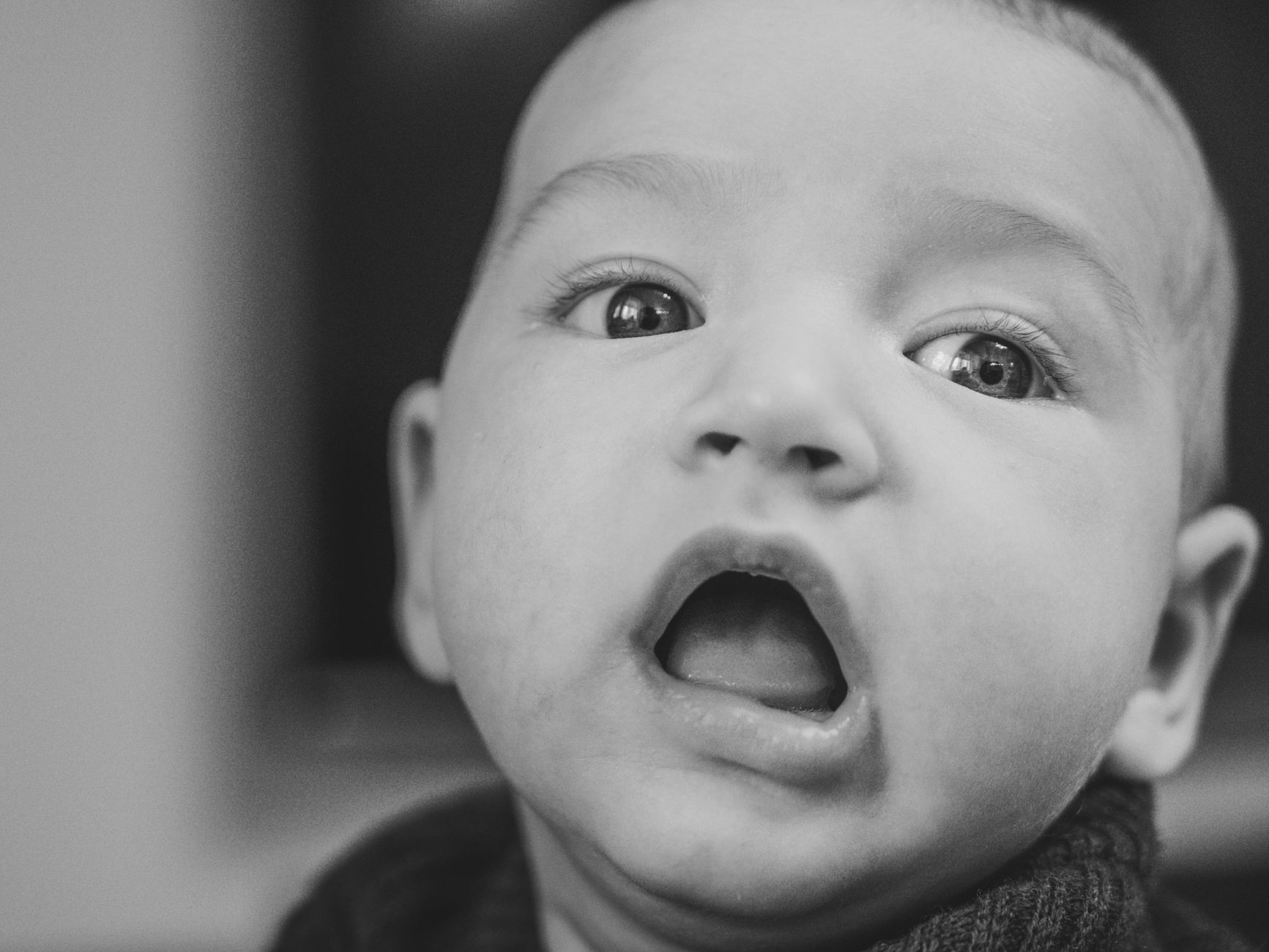
The answer depends on the type of smile you’re observing. Newborns often exhibit what’s called a reflex smile within the first few days of life. This involuntary grin is triggered by internal stimuli, such as a full stomach, a sudden change in temperature, or even a brief burst of gas. It’s not a response to a person’s face and usually disappears by the time the infant is 2 weeks old.
The first intentional smile — the one most parents cherish — typically appears around the 6‑to‑8‑week mark, as discussed above. This is when the baby’s brain starts linking visual and auditory cues with emotional responses, turning a simple grin into a social tool.
Key factors that influence timing include:
- Prematurity: Babies born before 37 weeks often reach milestones later, but many catch up quickly once they’re home.
- Health status: Conditions that affect hearing or vision (e.g., congenital cataracts) can delay the emergence of a social smile.
- Environment: Consistent, responsive caregiving — talking, singing, and making eye contact — can promote earlier smiling.
It’s also worth noting that the frequency of smiles can vary. Some babies may flash a grin a few times a day, while others could smile dozens of times, especially after feeding or during play. The important metric is the transition from reflex to purposeful smiling.
Research from the National Institute of Child Health and Human Development (NICHD) shows that infants who receive regular, face‑to‑face interaction develop social smiles slightly earlier than those with less frequent engagement. This underscores the value of “talk‑time” even when the baby seems uninterested.
What is a normal baby smile timeline?
Understanding the broader timeline helps you see where your baby fits in the typical development curve. Below is a concise snapshot of smile‑related milestones from birth to 4 months:
This timeline aligns with guidance from the Centers for Disease Control and Prevention (CDC) and the National Institute of Child Health and Human Development (NICHD). While most babies follow this pattern, a margin of ± 2 weeks is considered normal.
For parents of a 2‑month‑old who wonder, “baby smile meaning at 2 months,” the answer is that a consistent social smile at this age is a hallmark of healthy neuro‑development. It often coincides with the baby’s first cooing sounds and the ability to follow a caregiver’s face across a room.
It’s also helpful to remember that cultural expectations do not shift the biological timeline; the nervous system matures at a similar pace worldwide, though caregiving styles can influence how quickly a smile is encouraged.
Difference between reflex smile and social smile in infants
Distinguishing between reflex and social smiles can feel like decoding a secret language, but the clues are clear once you know what to look for.
- Reflex smile: Appears within the first few days of life, lasts only a few seconds, often occurs while the baby is asleep, and isn’t triggered by a person’s face. It’s thought to be a brain‑stem response linked to internal sensations.
- Social smile: Emerges after the first month, occurs while the baby is awake and alert, follows eye contact or a familiar voice, and is accompanied by a widening of the eyes and sometimes a vocal coo.
Neuroscientists explain that the reflex smile originates in the brainstem, the oldest part of the brain, whereas the social smile involves the cerebral cortex, which is responsible for higher‑order processing and social interaction. This shift marks a crucial developmental step.
From a practical standpoint, you can test the type of smile by observing the context:
- Is the baby awake and looking at you? If yes, it’s likely a social smile.
- Does the grin appear after a sound, a face, or a playful gesture? That’s social.
- If the smile pops up while the baby is asleep or after a burp, it’s probably reflex.
Understanding this distinction helps set realistic expectations. A newborn’s reflex smiles are adorable, but they’re not an indicator of social development. The social smile, typically seen at 6‑8 weeks, is the real milestone to watch.
Clinicians often use this differentiation during well‑child visits, noting the presence of a social smile as a key marker of healthy visual and auditory integration.
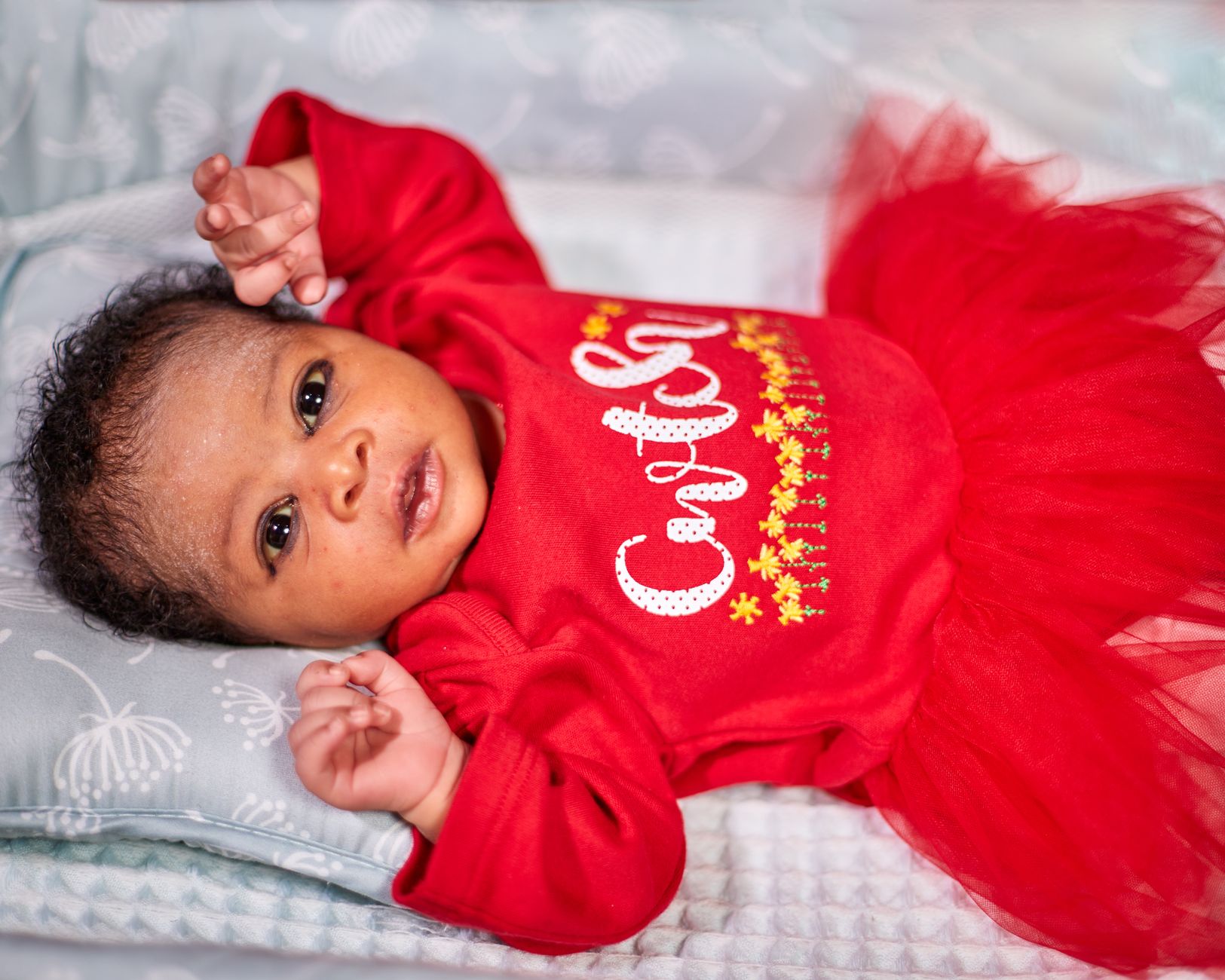
How to encourage my baby to smile?
While you can’t force a smile, you can create an environment that invites one. Here are evidence‑based strategies that many parents find effective:
- Talk and sing often: Babies are wired to respond to the melodic patterns of a caregiver’s voice. Aim for a gentle, sing‑like cadence.
- Make eye contact: Hold your baby at eye level, pause, and give a warm, open expression. The shared gaze cues the brain that a smile is welcomed.
- Play “peek‑a‑boo” early: The surprise element triggers delight, especially after the baby can anticipate the re‑appearance of a face.
- Use exaggerated facial expressions: Big smiles, raised eyebrows, and playful sounds help the infant learn the connection between expression and reaction.
- Gentle tickles and light touches: Soft, rhythmic touches on the tummy or hands can elicit a grin, especially when paired with a soothing voice.
- Provide a calm, low‑stress environment: Overstimulation can suppress smiling. Keep a consistent routine and watch for signs of fatigue.
Research from the NICHD shows that responsive caregiving — where the adult mirrors the infant’s sounds and expressions — fosters quicker social‑smile emergence. For example, if your baby coos, respond with a similar sound and a smile; the baby learns that smiling leads to positive interaction.
One unnamed reader shared: “I started a nightly ‘smile‑time’ routine where we’d sit on the floor, make silly faces, and I’d pause after each one. Within two weeks, my 7‑week‑old was beaming back at me every evening.” Real‑world anecdotes like this illustrate that simple, consistent interaction can accelerate the smile milestone.
Remember, the goal isn’t to achieve a set number of smiles per day, but to nurture a responsive, joyful bond. Speaking of numbers, a typical baby might flash a smile anywhere from 5 to 15 times a day during the early months, but this varies widely and isn’t a strict target.
Finally, keep in mind that a baby’s temperament can affect how quickly they smile. Some infants are naturally more reserved, and that’s perfectly normal as long as other developmental signs progress.
Why does my baby smile at strangers?
Seeing a baby grin at a visiting aunt, a friendly neighbor, or even a delivery person can feel like a heart‑warming “social butterfly” moment. This behavior reflects the baby’s growing ability to generalize social cues beyond primary caregivers.
By around 2 months, infants start to recognize familiar versus unfamiliar faces. A smile at a stranger often signals curiosity and a desire for interaction, not necessarily familiarity. The infant’s brain is testing the social environment, learning that smiles can elicit positive responses from a broader circle of people.
Studies from the American Academy of Pediatrics (AAP) indicate that babies who receive varied social exposure tend to develop stronger social‑communication skills later in childhood. However, overstimulation can be overwhelming. If a baby looks away or seems fussy after a stranger’s approach, it’s a cue to give them a break.
To encourage healthy social smiling:
- Introduce new faces gradually, allowing the baby to observe from a short distance.
- Encourage strangers to engage with a soft “hello” and a gentle smile, mirroring the baby’s expression.
- Keep the environment calm; avoid loud noises or bright lights during introductions.
While most babies enjoy these brief social exchanges, a persistent lack of smiling at any people, even familiar ones, after 3 months could be an early sign of social‑communication delays and warrants a pediatric evaluation.
It’s also helpful to note that cultural norms around eye contact and smiling differ; some families naturally use more facial expressivity, which can influence how quickly a baby learns to smile at new faces.
Signs that my baby's smile is a sign of development
A baby’s smile is more than a cute gesture; it’s a window into early brain development. Below is a checklist of signs that indicate the smile is supporting healthy growth:
- Smile occurs while the baby is awake and maintains eye contact.
- Smile follows a caregiver’s voice, facial expression, or gentle touch.
- Smile is accompanied by cooing, gurgling, or other vocalizations.
- Smile appears consistently across different settings (e.g., at home, during a walk).
- Baby shows reciprocal smiling — they smile back after you smile at them.
- Smile coincides with other milestones like tracking objects, reaching for toys, and early laughter.
If you notice any of the following red‑flag patterns, it’s time to discuss them with your pediatrician:
- No social smiles by 12 weeks, despite normal vision and hearing.
- Persistent lack of eye contact or inability to focus on a caregiver’s face.
- Frequent frowning or a flat facial expression that doesn’t change with stimuli.
- Overall developmental delays in motor or language areas alongside the smile issue.
Below is a comparison table that aligns the first social smile with related developmental milestones, helping you track progress holistically.
By using this checklist and table, you can see how the first smile fits into the broader tapestry of early development. Most babies will naturally progress through these stages, but the timing can be a useful indicator for early detection of potential concerns.
Remember that each child’s trajectory is unique; occasional “off‑weeks” are normal, especially after illness or major sleep changes.
What milestones accompany a baby's first smile?
The first social smile rarely appears in isolation. It typically arrives alongside a cluster of other early achievements that together signal a thriving infant brain.
Eye contact is often the first sign that a baby is ready to exchange smiles. By 8‑10 weeks, many infants can hold a gaze for a few seconds, tracking a caregiver’s face across the room. This visual engagement is a prerequisite for social smiling because the baby must first see the expression they’re responding to.
Cooing and vocal play usually begin shortly after the first smile, around 2 months. These sounds are the infant’s first attempts at communication and often accompany a grin. The coo‑smile duo is a classic marker of early language development.
Laughter emerges a bit later, often between 3 months and 4 months. While a smile can be a quiet expression of pleasure, a laugh adds a vocal dimension, indicating that the baby not only perceives joy but also has the motor control to produce a sound that matches the emotion.
Other milestones that tend to align with the first smile include:
- Head control: By 3 months, babies can lift their heads while lying on their stomachs, a sign of neck‑muscle strength.
- Hand‑to‑mouth coordination: Sucking on fingers or bringing a hand to the mouth shows growing oral‑motor skills.
- Social referencing: Around 4 months, babies start to look to a caregiver for cues about unfamiliar objects, a behavior that builds on the smile‑based bond.
These milestones are interrelated. For instance, a baby who can hold their head steady is more likely to make eye contact, which in turn triggers a social smile. Likewise, the pleasure that fuels a smile also motivates vocal experimentation, leading to cooing and eventually laughter.
If you’re tracking your infant’s progress, consider using a simple journal: note the day you first saw a social smile, then record when eye contact became steady, when cooing began, and when the first giggle erupted. This chronological view can reassure you that development is proceeding in a healthy, sequential manner.
Parent tips for capturing baby's first smile
When that first grin appears, you’ll likely want to freeze the moment forever. Here are practical steps to capture a clear, heartfelt photo without missing the magic:
- Timing is everything: Babies are most alert and happy after a feeding, when they’re not overtired.
- Use natural light: Soft daylight coming from a window reduces shadows and highlights the baby’s expression.
- Get down to eye level: Kneel or sit on the floor so the camera aligns with the baby’s face.
- Engage with a simple cue: A gentle “peek‑a‑boo” or a playful “say cheese” can coax a smile.
- Keep the camera ready: Have your phone or camera in hand before you anticipate the smile; babies can flash a grin in a heartbeat.
- Stay calm: Your own relaxed demeanor helps the baby stay relaxed, increasing the chance of an authentic smile.
One mother recounted, “I set a timer on my phone, and as soon as my baby finished his bottle, I started making funny faces. The moment he smiled, I snapped a photo. That picture still hangs on our fridge.” Simple, intentional actions like these boost your odds of getting that perfect snapshot.
Finally, remember that the photo is a memory, not a measurement. If you miss the exact moment, you haven’t missed the milestone. The smile’s developmental significance remains, regardless of whether it’s captured on film.
For those who love sharing on social media, consider a short video clip instead of a still photo; the subtle movement of a baby’s eyes and mouth often conveys more emotion than a static image.
How does sleep affect a baby's first smile?
Sleep isn’t just rest—it’s a critical period for brain wiring that underpins social behavior. Newborns spend 16‑18 hours sleeping, and during rapid‑eye‑movement (REM) sleep the brain processes visual and auditory experiences from the day.
Studies from the UK National Health Service (NHS) indicate that infants who achieve regular, consolidated sleep cycles tend to reach social milestones, including the first smile, slightly earlier than peers with fragmented sleep. Adequate sleep supports the maturation of the limbic system, the region involved in emotional expression.
If your baby seems unusually fussy or has trouble settling, try establishing a soothing bedtime routine: dim lighting, soft lullabies, and gentle rocking. Consistent cues signal that it’s time to wind down, helping the infant transition into the deep sleep needed for neural development.
Conversely, overtiredness can suppress smiling and make a baby appear less responsive. If you notice your infant is missing expected smiles during a particularly busy week, consider whether sleep deprivation might be a factor.
Can nutrition influence early social smiling?
While a baby’s smile is primarily driven by brain development, nutrition provides the building blocks for that growth. Breastmilk and iron‑fortified formula supply essential fatty acids, like DHA, that support the development of the visual cortex and neural pathways involved in social interaction.
The Academy of Nutrition and Dietetics recommends exclusive breastfeeding for the first six months, or a formula that meets USDA guidelines, to ensure optimal brain development. Some research suggests that infants who receive adequate iron and omega‑3s may reach social milestones, including smiling, on schedule.
If you’re supplementing or transitioning to solid foods, focus on nutrient‑dense options like pureed avocado, sweet potato, and iron‑rich cereals. These foods support overall growth without introducing unnecessary allergens that could cause discomfort and reduce a baby’s willingness to engage.
Always discuss any supplementation with your pediatrician, especially if your baby was born preterm or has a medical condition that may affect nutrient absorption.
Myth vs. fact
Myth: Babies must smile by the first week to be “normal.”
Fact: The first social smile typically appears between 6 weeks and 2 months. Early reflex smiles in the first few days are normal and not a sign of developmental delay.
Myth: A baby who never smiles is “unhappy” or “unlovable.”
Fact: Lack of a social smile before 3 months can be an early indicator of a communication or visual impairment, but it does not reflect the infant’s emotional state. Prompt evaluation can identify and address underlying causes.
Myth: Smiling at strangers means the baby is overly social and needs less privacy.
Fact: Smiling at unfamiliar faces is a normal part of social learning. It shows the baby is testing social interactions and does not indicate a need for reduced privacy.
Another common misconception is that babies will smile on command. In reality, a smile is a response to genuine engagement; forcing it can lead to frustration for both parent and infant.
Key takeaways
- Most babies give their first intentional, social smile between 6‑8 weeks, often by 2 months.
- Reflex smiles occur in the first days of life and disappear by about 2 weeks; they are not a sign of social development.
- Social smiling is linked to eye contact, cooing, early laughter, and head‑control milestones.
- Prematurity, health issues, and the caregiving environment can shift the timing of a baby’s first smile.
- Encourage smiling through talk, song, eye contact, gentle tickles, and responsive mirroring.
- Red‑flag signs—no social smile by 12 weeks, lack of eye contact, or other developmental delays—warrant a pediatrician’s evaluation.
- Adequate sleep and nutrition provide the brain with the conditions it needs to develop social‑smile circuitry.
Frequently asked questions
When do babies start smiling on purpose?
Purposeful, social smiling typically begins at 6‑8 weeks of age. This is when infants start responding to voices, faces, and playful interactions with a clear grin, rather than the reflex smiles seen in the first few days.
Is a newborn's smile a reflex?
Yes. Newborn smiles in the first two weeks are reflexive, driven by internal stimuli like a full stomach or a sudden change in temperature. They are brief, often occur while the baby is asleep, and don’t indicate social awareness.
What does it mean when my baby smiles at me?
A smile directed at you is a sign of early social bonding. It shows the baby recognizes you as a source of comfort and pleasure, and it helps strengthen the caregiver‑infant attachment that supports later emotional and cognitive development.
How can I tell if my baby's smile is a social smile?
Look for the context: a social smile occurs while the baby is awake, follows eye contact or a familiar voice, and may be accompanied by cooing or a gentle laugh. Reflex smiles, in contrast, happen during sleep and are not linked to external cues.
Do all babies smile at the same age?
While most babies smile socially between 6 weeks and 2 months, there is a normal range of a few weeks on either side. Premature infants or those with health challenges may smile a bit later, and that can still be within the normal spectrum.
Can a delayed smile indicate a problem?
A delayed social smile—especially if it’s absent by 12 weeks—can signal issues such as visual impairment, hearing loss, or early neurodevelopmental concerns. It’s a prompt to discuss screening and possible referrals with your pediatrician.
How often should I expect my baby to smile each day?
There’s no strict “required” number, but most infants flash a smile anywhere from 5 to 15 times daily during the first three months. Frequency varies with temperament, feeding schedule, and how much interactive time they receive.
Is it safe to use a mirror to encourage my baby to smile?
Yes, short, supervised mirror play can help a baby notice their own face and encourage reciprocal smiling. Keep sessions brief (a few minutes) and ensure the mirror is securely placed to avoid any safety hazards.
When to see a doctor / specialist
If you notice any of the following, schedule a pediatric appointment promptly:
- No social smile by 12 weeks of age.
- Consistent lack of eye contact or failure to track faces.
- Persistent flat facial expression that does not change with stimuli.
- Other developmental delays (e.g., not lifting head by 3 months, no cooing by 2 months).
- Any concerns about hearing or vision, such as not turning toward sounds.
These signs may indicate the need for a referral to a pediatric neurologist, ophthalmologist, or audiologist for further evaluation. Remember, this article is for informational purposes only and does not replace personalized medical advice. Always consult your healthcare provider with any specific concerns.
References
- American Academy of Pediatrics. “Developmental Milestones: Social and Emotional.” AAP, 2023.
- Centers for Disease Control and Prevention. “Child Development: Milestones.” CDC, 2022.
- National Institute of Child Health and Human Development. “Infant Development.” NICHD, 2023.
- World Health Organization. “Early Childhood Development.” WHO, 2022.
- Mayo Clinic. “Infant Development: Milestones.” Mayo Clinic, 2023.
- Harvard T.H. Chan School of Public Health. “Early Childhood Social Development.” Harvard, 2022.
- UK National Health Service. “Sleep and Development in Infants.” NHS, 2023.
- Academy of Nutrition and Dietetics. “Nutrition for Infants and Young Children.” EatRight.org, 2023.