A 12‑month‑old baby starts walking, says first words, and shows independence. Learn the key milestones, health tips, and what to expect at this exciting stage.
By Shubhra Mishra — a mom of two who turned her own confusion during pregnancy into BumpBites, a global mission to make food choices clear, safe, and stress-free for every expecting mother. 💛
Check whether any food is safe during pregnancy with the BumpBites Food Safety Checker.
Quick take: By the time your baby hits the 12‑month mark, you’ll see big leaps in movement, language, and social curiosity. Expect a mix of new words, the urge to stand and maybe take a few steps, a growing appetite for a variety of foods, and a need for consistent sleep and soothing routines. Most milestones are normal, but keep an eye on any delays or persistent health concerns and talk to your pediatrician if you’re unsure.
It’s 2 a.m., the house is quiet, and you’re scrolling through parenting forums while your little one snoozes nearby. You wonder, “Is it normal that my 12‑month‑old is still waking up at night?” or “Can I really let them try that new finger food?” You’re not alone—every parent hits this point of curiosity and a little anxiety.
In this guide we’ll walk you through what to expect at 12 months, from motor milestones and first words to sleep patterns, nutrition, and the tiniest signs that something might need extra attention. We’ll also share practical tips for encouraging walking, handling separation anxiety, picking safe toys, and traveling with a toddler. By the end you’ll have a clear picture of the typical 12‑month journey and a handy checklist for the weeks ahead.
Let’s dive in, step by step, so you can feel confident supporting your baby’s rapid growth while keeping safety and comfort front‑and‑center.
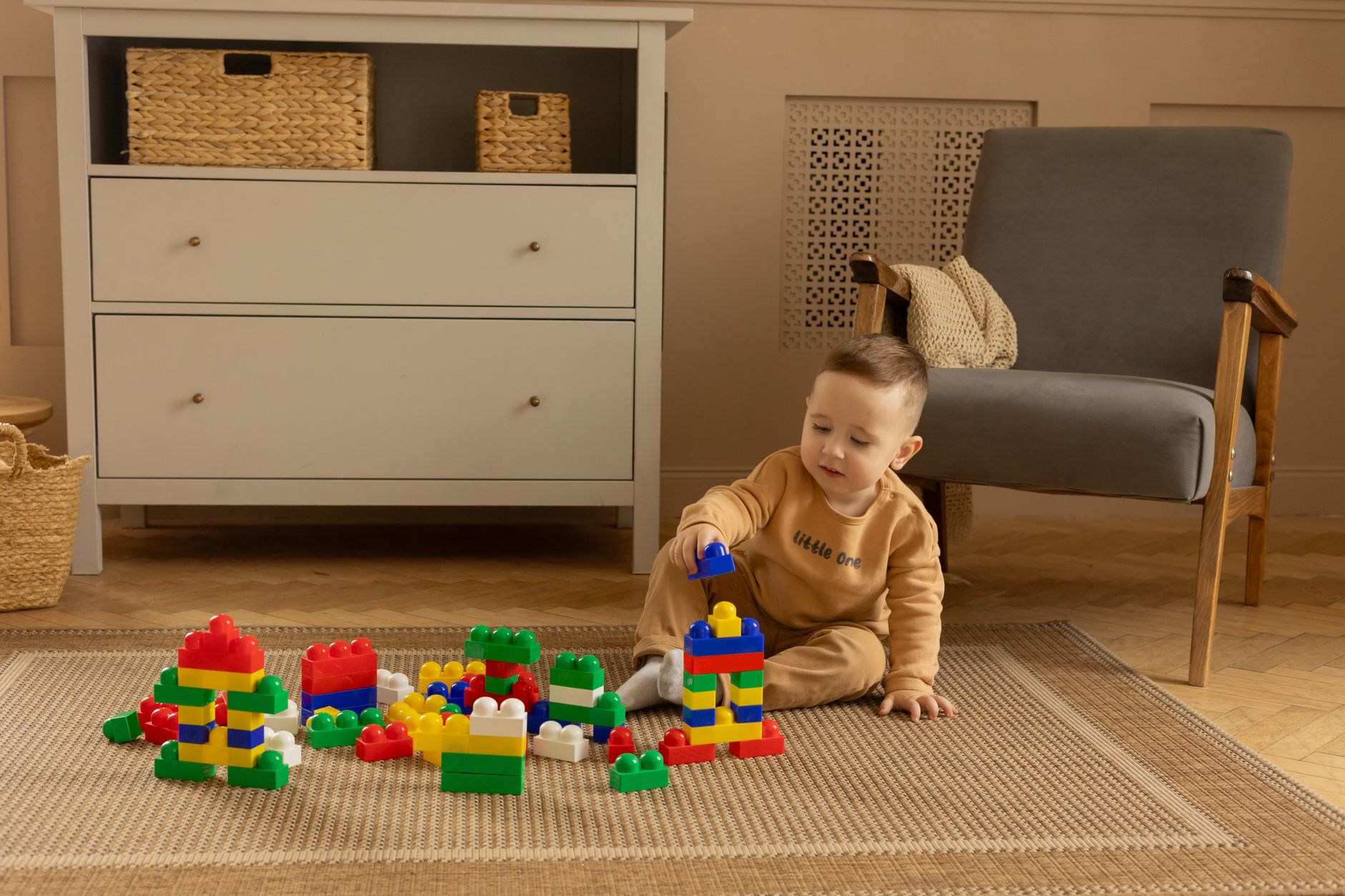
Playtime is a perfect way to watch your 12‑month‑old practice new skills.
What milestones does a 12 month old baby reach?
At one year, most babies are rapidly expanding their abilities across three core domains: motor, language, and social‑emotional. Below is a snapshot of what you might see, though each child moves at their own pace.
Remember that development is a broad spectrum, and your baby’s journey is unique. Rather than focusing on exact dates, think about the general progression and the emergence of new skills. The environment you provide, including opportunities for exploration and interaction, plays a significant role in fostering these developments.
Motor milestones
Standing: Many 12‑month‑olds can pull to stand and may take a few steps while holding onto furniture.
Fine motor: Pincer grasp (thumb and forefinger) is refined, allowing them to pick up small objects like cereal pieces or crackers.
Object manipulation: Stacking two blocks, turning pages of a board book, and banging objects together for cause‑and‑effect play.
Crawling: Most babies are proficient crawlers, using various styles from traditional hands‑and‑knees to bottom-scooting.
These motor skills are building blocks for future independence. Encourage exploration on the floor, providing safe spaces for them to pull up, cruise, and experiment with balance. The AAP emphasizes that tummy time and floor play are essential for developing strong core muscles.
Language milestones
First words often include “mama,” “dada,” and simple nouns like “ball” or “milk.”
Babies understand simple commands such as “come here” or “no,” even if they can’t fully comply yet.
They enjoy babbling rhythms and may repeat sounds they hear often.
Many will use gestures like pointing to show you what they want or waving bye-bye.
Language development is a dynamic process where receptive language (what they understand) often outpaces expressive language (what they can say). Engage your little one in conversations, even if it feels one-sided, and respond enthusiastically to their babbles and gestures.
Social‑emotional milestones
Shows preference for familiar caregivers and may experience brief bouts of separation anxiety.
Engages in simple games like peek‑a‑boom and imitates facial expressions.
Begins to express a range of emotions—joy, frustration, curiosity—through facial cues and vocalizations.
May show affection by hugging or cuddling familiar people and enjoy being the center of attention.
As their world expands, so does their emotional landscape. This is a time when they truly start to understand relationships and their place within the family. Offering consistent comfort and reassurance helps them feel secure as they navigate these big new feelings.
These milestones are guided by brain development, nutrition, and the environment you provide. If your baby is hitting most of these marks, they’re on a typical trajectory. If you notice missing several items, keep reading for signs of developmental delays.
How many words can a 12 month old baby say?
Language blossoms at this age, but the exact count varies widely. On average, a 12‑month‑old can say one to three clear words, often “mama,” “dada,” or a favorite object name. They also understand many more words than they can articulate—sometimes up to 50 simple commands or labels.
It’s important to distinguish between expressive language (the words they speak) and receptive language (the words they understand). Your baby might not be saying many words yet, but they could be following simple instructions like "give me the toy" or "where's your nose?" This receptive understanding is a crucial foundation for later speech development.
Key points to watch:
First words: Clear pronunciation of single words, usually nouns.
Receptive vocabulary: Ability to follow simple directions, such as “bring the ball.”
Gestures: Pointing, waving, and shaking head “no” are integral parts of early communication.
Babbling with intention: Using varied consonant-vowel combinations (e.g., "ba-da-ga") and intonation that sounds like conversation.
Encourage language growth by narrating daily activities, reading board books, and responding to babbles. Even if the “words” sound like “ba‑ba,” you’re reinforcing the neural pathways that will later become full sentences. Point to objects and name them, sing songs, and give your baby opportunities to "talk" back to you, even if it's just babbling. The American Speech-Language-Hearing Association (ASHA) emphasizes the importance of responsive communication in building early language skills.
What are typical sleep patterns for a 12 month old baby?
Sleep remains a top concern for many parents. At 12 months, most babies need 11–14 total hours of sleep per 24 hours, broken down into about 10–12 hours at night and 1–2 daytime naps.
While this is the general recommendation, individual sleep needs can vary. Some babies might thrive on the lower end of the range, while others need more. The key is to observe your child's mood and energy levels throughout the day to determine if they're getting enough restorative sleep. Sleep regressions can also occur around this age, often linked to developmental leaps or changes in routine.
Sleep Component
Typical Duration
Nighttime sleep
10–12 hours
Morning nap
30–60 minutes
Afternoon nap
60–90 minutes
Total daily sleep
11–14 hours
Many toddlers still experience brief night wakings, often due to teething or a need for comfort. Establishing a consistent bedtime routine—bath, book, dim lights, and a soothing lullaby—helps signal that sleep time is approaching. Ensure the sleep environment is consistent, whether at home or while traveling, to provide a sense of security.
If your baby is consistently sleeping less than 11 hours or more than 14, or if night wakings are prolonged (over 30 minutes), consider evaluating bedtime timing, nap schedule, and room environment. A cool, dark, and quiet room aligns with recommendations from the American Academy of Pediatrics (AAP). It's also worth checking for any underlying issues like discomfort from teething or illness that might be disrupting sleep.
How to encourage walking in a 12 month old baby?
Most one‑year‑olds are curious explorers, and walking is the next big adventure. Here’s how to safely foster that milestone:
Before independent walking, babies often go through stages like pulling to stand, cruising along furniture, and walking with assistance. Each of these steps builds the strength, balance, and coordination needed for those first independent steps. Be patient and celebrate every little victory, no matter how small.
Safe space: Clear a toddler‑proofed area of sharp corners, cords, and small objects.
Supportive toys: Push‑along walkers, sturdy activity tables, or a low, stable step stool can give confidence.
Foot‑friendly footwear: Soft‑soled, breathable shoes that allow the foot to bend naturally (or go barefoot on clean surfaces). The FDA advises against rigid “walking shoes” for toddlers.
Modeling: Get down on the floor and walk beside them, offering a hand for balance.
Positive reinforcement: Celebrate each attempt with claps and smiles; avoid pressure that can create anxiety.
Avoid baby walkers: Devices where babies sit with their legs dangling and push themselves around are not recommended by the AAP due to safety risks and potential delays in natural walking development.
Remember, every baby’s timeline differs. Some may cruise along furniture for weeks before taking independent steps. If your child isn’t showing interest in standing or cruising by 15 months, discuss it with your pediatrician. Focus on providing plenty of floor time and opportunities for free movement, which are far more beneficial than restrictive devices.
What foods can a 12 month old baby safely eat?
Nutrition at one year expands from pureed foods to a broader range of textures and flavors. Below is a quick guide to safe, nutrient‑dense options and foods to avoid.
At this age, your baby is transitioning to eating more "table foods" with the family. This is an exciting time to introduce a wide variety of healthy options and encourage self-feeding. Aim for a balanced diet that includes all food groups to support their rapid growth and development.
Ensure pieces are small enough to prevent choking. Offer whole grains for fiber.
Healthy Fats
Avocado, olive oil, nut butters (thinned)
Important for brain development; introduce common allergens like peanut butter carefully (thinned with water or breastmilk) to reduce allergy risk.
Avoid
Whole nuts, popcorn, honey, raw honey‑sweetened foods, large chunks of meat, hot dogs, hard candy, excessive added sugar or salt
Honey can cause infant botulism; nuts and other hard, round foods are choking hazards. Limit processed foods.
Key nutrients at this stage include iron (from fortified cereals or meats), calcium (from dairy), and healthy fats for brain growth. Offer a variety of colors and textures to develop palate and chewing skills. The NHS recommends three main meals plus two to three healthy snacks per day. Always supervise your child during mealtimes to prevent choking.
Signs of developmental delays in a 12 month old baby
Early detection matters. While variations are normal, certain red flags suggest a need for professional evaluation:
As a parent, you are often the first to notice if something seems "off" with your child's development. Trust your instincts. While it's easy to compare your child to others, it's more important to look at their individual progression and ensure they are meeting milestones within a reasonable range. Early intervention can make a significant difference for children who do experience delays.
Limited use of gestures (no pointing, waving, or showing objects).
Failure to say any recognizable words or respond to simple commands.
Inability to sit without support, crawl, or pull to stand.
Persistent lack of eye contact or social smile.
Frequent stiffening of limbs or unusual muscle tone, or an unusually floppy body.
Not responding to their name when called.
Loss of skills they once had, such as babbling or crawling.
If you notice several of these concerns, schedule a developmental screening with your pediatrician. The American Academy of Pediatrics recommends routine developmental checks at 12 months, and early intervention services are available in both the US and UK for children under three. Discussing your concerns openly with your doctor is the first step towards getting the right support.
How to handle separation anxiety at 12 months
Separation anxiety often peaks around the one‑year mark as babies recognize object permanence and form strong attachments. Here are gentle strategies:
This phase can be challenging for both parents and babies, but it's a normal and healthy sign of attachment. Your baby is learning that you exist even when you're not in sight, and that can be a bit scary. Your consistent, calm responses are key to helping them navigate this developmental stage.
Short, predictable goodbyes: Keep goodbyes brief (30‑60 seconds) and consistent. A special wave or phrase can become a comforting ritual.
Transitional objects: A small blanket or soft toy that stays with the child can provide reassurance.
Stay calm: Your own anxiety can be picked up by the baby; speak in a soothing tone and avoid lingering.
Practice separations: Briefly leave the room during playtime to build tolerance.
Play peek-a-boo: Games that reinforce object permanence (like peek-a-boo) can help your baby understand that even when you're out of sight, you'll return.
Most children outgrow intense separation anxiety by 18 months, but if distress lasts beyond 24 months or interferes with daily activities, discuss it with a pediatrician or child psychologist. Remember that consistency and patience are your best tools during this period.
Best toys for 12 month old development
Play is the work of a toddler. Choose toys that stimulate motor skills, language, and problem‑solving while being safe for a mobile baby.
At 12 months, babies are moving from observing to actively interacting with their environment. Open-ended toys that can be used in multiple ways are excellent for fostering creativity and problem-solving. Think about toys that encourage exploration, cause-and-effect, and imaginative play.
Stacking cups or rings: Encourages fine motor coordination and concepts of size.
Push‑along walkers: Supports cruising and balance; ensure wheels are sturdy and the base is wide.
Board books with textures: Combine language exposure with tactile exploration.
Shape sorters: Introduce problem‑solving and hand‑eye coordination.
Soft balls: Promote grasping, tossing, and early rolling.
Simple musical instruments: Shakers, drums, or xylophones encourage rhythm and auditory development.
Nesting toys: Help develop spatial reasoning and fine motor skills.
All toys should be free of small parts, have smooth edges, and be made from non‑toxic materials. The Consumer Product Safety Commission (CPSC) provides safety guidelines for children’s toys, reminding parents to check for choking hazards (anything smaller than a toilet paper roll tube is a risk) and age appropriateness.
How many naps should a 12 month old have per day?
Most 12‑month‑olds transition from two to one nap per day, though some still take two shorter naps. A typical schedule looks like:
This transition can be a bit bumpy, as it requires adjusting the entire daily routine. Look for signs that your baby is truly ready for one nap, such as consistently fighting the morning nap, taking a very short morning nap, or having difficulty falling asleep at bedtime after two naps.
Morning nap: 30–60 minutes, usually around 9:30–10:30 a.m. (for those still on two naps)
Afternoon nap: 60–90 minutes, often beginning between 1:00–2:00 p.m. (the longer, primary nap)
If your child is consistently sleeping well at night and shows signs of overtiredness (crankiness, rubbing eyes) in the early afternoon, you may start consolidating to a single midday nap. This nap usually lengthens to 2-3 hours. Consistency helps regulate the internal clock, aligning with recommendations from the American Academy of Sleep Medicine. Making the switch gradually, by pushing the morning nap later by 15-30 minutes each day, can help ease the transition.
When to start potty training for a 12 month old?
While some families begin potty training as early as 12 months, most toddlers show readiness between 18 and 24 months. Signs of readiness include:
Potty training is a developmental milestone, not an age milestone. Pushing a child before they are ready can lead to frustration for both the child and parent, potentially prolonging the process. Observing their cues and readiness is far more effective than adhering to a strict timeline.
Staying dry for at least two hours or after naps.
Showing interest in the bathroom routine (e.g., watching you use the toilet, asking about it).
Communicating the need to go (pointing, saying “pee,” or making a specific sound/face).
Being able to pull down their own pants.
Disliking wet or dirty diapers.
Having predictable bowel movements.
If you choose to start at 12 months, keep expectations low—use a child‑size potty for short “sitting” sessions, celebrate any successful attempts, and avoid pressure. The WHO and CDC emphasize that readiness, not age, predicts success. Many cultures practice "elimination communication" from birth, which introduces the concept of toileting early, but traditional Western potty training usually begins later when the child can actively participate.
Common health issues for 12 month old babies
At one year, babies are prone to a specific set of health concerns. Knowing what to expect can make a visit to the pediatrician smoother.
As your baby becomes more mobile and interacts more with the world, they are exposed to more germs. Minor illnesses are a normal part of building their immune system. However, it's crucial to know when a symptom warrants a call to your doctor.
Teething: Gums may be sore; offer chilled teething rings or a clean, cold washcloth. You might notice irritability, drooling, and sometimes a low-grade fever.
Fever: Any temperature above 100.4 °F (38 °C) warrants attention if accompanied by lethargy or poor feeding, or if it lasts more than 24 hours. Always consult your pediatrician for fever concerns.
Vaccinations: The 12‑month visit often includes MMR (measles, mumps, rubella), Varicella, and Hepatitis A vaccines, per CDC schedule. These are vital for protecting your child against serious diseases.
Respiratory infections: Colds are common; monitor for signs of dehydration or difficulty breathing (e.g., fast breathing, chest retractions). RSV and flu are also concerns during certain seasons.
Ear infections: Look for tugging at ears, irritability, or fever—common after viral infections. These can be painful and may require antibiotics.
Hand, Foot, and Mouth Disease: A common viral illness causing fever, mouth sores, and a rash on hands and feet. It's usually mild but can be uncomfortable.
Regular well‑child visits allow your provider to track growth curves, address nutrition, and update immunizations. If you notice persistent coughing, vomiting, or a rash that does not improve, contact your pediatrician promptly. Always keep your child hydrated, especially during illness.
How to transition from breastmilk to cow's milk at 12 months
After 12 months, most pediatric guidelines recommend introducing whole cow’s milk as the primary milk source, while continuing to offer breastmilk or formula if desired.
This transition marks a significant step towards a more varied diet. Whole cow's milk provides essential fats and nutrients for growth, but it should complement, not replace, a diet rich in solid foods. Avoid giving cow's milk before 12 months, as it doesn't have the right balance of nutrients for younger infants and can be hard on their kidneys.
Gradual introduction: Mix ¾ oz of cow’s milk with ¼ oz of breastmilk, gradually increasing the cow’s milk proportion over a week.
Portion size: Aim for 16–24 oz (480–720 ml) of whole milk daily; excess may reduce appetite for iron‑rich foods.
Nutrient balance: Ensure iron‑rich foods (meats, fortified cereals) are part of the diet, as cow’s milk is low in iron.
Allergy watch: Observe for signs of cow’s milk allergy—rash, vomiting, or wheezing—especially if there’s a family history of allergies.
Cup, not bottle: Start offering milk in an open cup or straw cup. Phasing out bottles around 12-18 months is recommended to prevent tooth decay and encourage oral motor development.
The NHS and AAP both advise whole milk (not reduced‑fat) until age 2 to support brain development. If cow's milk is not an option due to allergies or dietary preferences, discuss appropriate fortified alternatives like soy milk with your pediatrician.
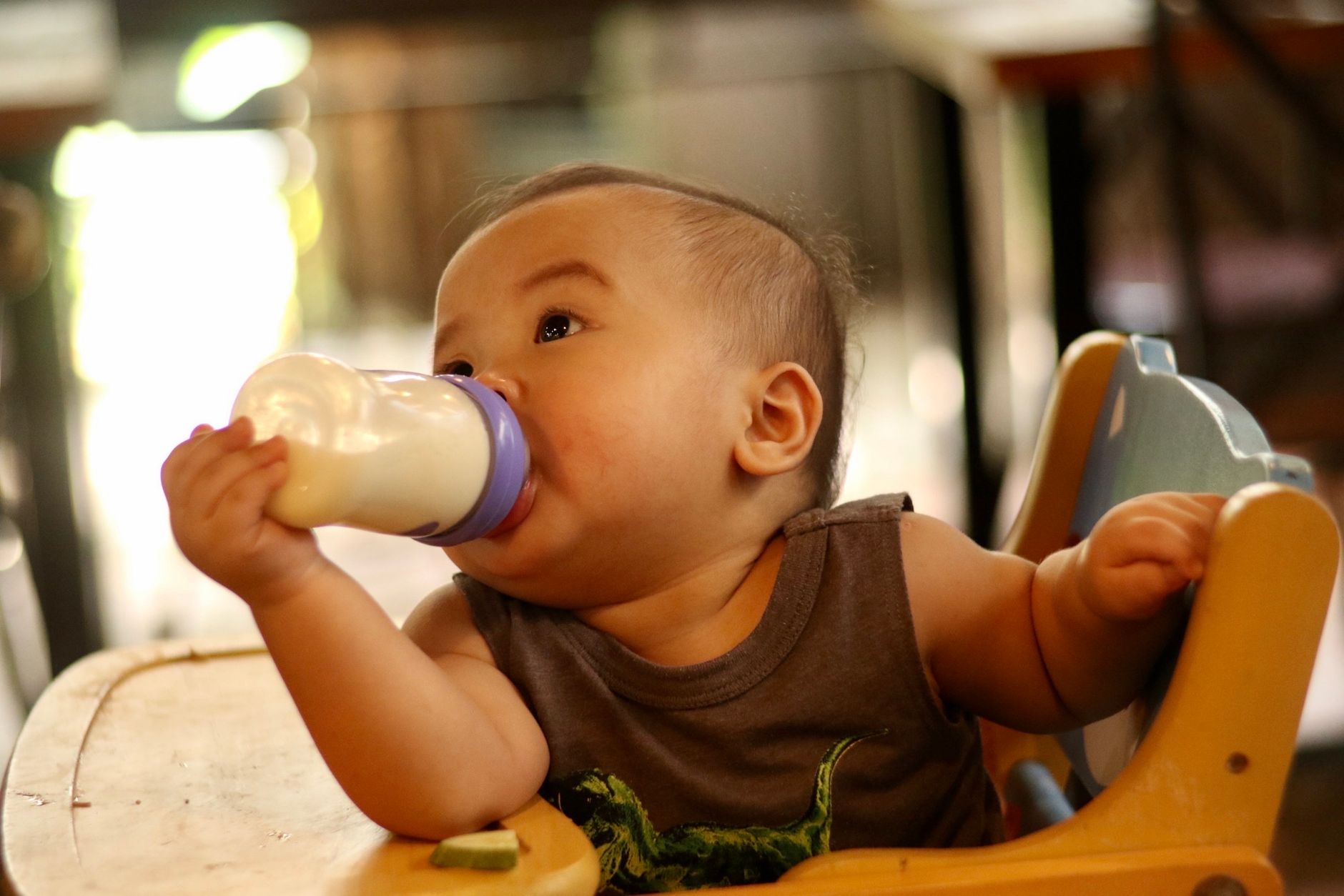
Introduce whole cow’s milk gradually while continuing nutrient‑rich meals.
Tips for traveling with a 12 month old baby
Travel can feel daunting, but a few preparation steps turn chaos into smooth sailing.
Whether you're visiting family or embarking on a vacation, traveling with a toddler requires careful planning. Maintaining some semblance of their routine can help prevent meltdowns and ensure everyone enjoys the journey. Flexibility, however, is also key.
Pack a portable diaper bag: Include wipes, a spare outfit, favorite snack, and a small blanket. Don't forget any necessary medications and a small first-aid kit.
Bring familiar items: A beloved stuffed animal or pacifier can soothe unfamiliar environments. A favorite book or comfort object can make a new crib feel more like home.
Plan feeding breaks: Schedule meals around rest times; bring age‑appropriate snacks like soft fruit or puffs. For longer journeys, pack enough food and milk/formula to cover unexpected delays.
Safety in the car: Use a rear‑facing car seat that meets US (NHTSA) or UK (DDA) standards. Never leave your child unattended in a car.
Entertainment: Pack a few board books, a lightweight toy, and a pre‑loaded playlist of gentle songs. New, small toys can also provide a distraction.
Manage sleep: Try to stick as close to their regular sleep schedule as possible. If crossing time zones, adjust gradually over a few days if feasible.
For air travel, request a bassinet if available and keep a bottle of water or formula handy for hydration during ascent and descent to help with ear pressure. The CDC advises keeping hand sanitizer accessible and washing hands frequently, especially in public spaces.
How to read your 12 month old's cues
Understanding your toddler’s non‑verbal signals helps you respond appropriately and strengthens the bond.
At this age, your baby is constantly communicating, even if they don't have many words yet. Learning to interpret their unique cues helps you meet their needs, build trust, and foster their developing sense of self. It’s a dance of observation and response that deepens your connection.
Facial expressions: A furrowed brow often signals frustration; a wide smile indicates happiness. A worried or tense face might mean discomfort or pain.
Body language: Turning away or arching the back can mean “I need a break” or "I'm overwhelmed." Reaching out suggests they want to be held or want an object.
Vocalizations: Repetitive sounds may be a request (“more” or “again”). Whining or crying can indicate hunger, tiredness, or discomfort.
Gestures: Pointing, reaching, and handing you objects are early communication attempts. They might wave, clap, or shake their head "no."
Eye contact: Sustained eye contact often signals engagement and interest, while avoiding eye contact can mean they are shy, overstimulated, or trying to disengage.
Responding promptly—by offering a toy, a comforting hug, or a simple word—reinforces trust and encourages further expressive attempts. This responsive caregiving is crucial for fostering secure attachment and healthy emotional development.
Managing Tantrums and Big Emotions
Around 12 months, as your baby gains independence but lacks the words to fully express their desires, you might start to see the early signs of tantrums. These are often expressions of frustration, tiredness, or feeling overwhelmed, rather than defiance.
Toddlers are learning about their own will and the limits of their control. When their desires clash with reality (e.g., they can't have that shiny object, or it's time to leave the park), their underdeveloped emotional regulation skills can lead to an outburst. Your calm, empathetic response is vital.
Acknowledge feelings: Even if they can't talk, you can say, "You're feeling mad that you can't have that," to validate their emotion.
Offer choices: Give limited choices to foster a sense of control (e.g., "Do you want the red cup or the blue cup?").
Distraction: Sometimes redirecting their attention to a new toy or activity can quickly diffuse a brewing tantrum.
Stay calm: Your emotional regulation models how they can eventually regulate their own. Take a deep breath.
Set clear boundaries: If something is unsafe or truly not allowed, say "no" firmly and consistently, then redirect.
Remember that tantrums are a normal part of development. They typically peak between 18 months and 3 years as language skills catch up. Providing a safe, consistent environment and teaching appropriate ways to express big feelings will help your toddler through this phase.
Dental Care and Oral Hygiene
Even before all their teeth come in, establishing good oral hygiene practices is crucial for your 12-month-old. Early dental care helps prevent cavities and sets the stage for lifelong healthy habits.
By one year, most babies have several teeth, and these teeth are susceptible to decay. The American Dental Association (ADA) recommends starting dental visits by age one or within six months of the first tooth erupting. This allows a pediatric dentist to check for proper development and offer guidance on care.
Brushing: Use a soft-bristled, child-sized toothbrush and a tiny smear of fluoride toothpaste (the size of a grain of rice) twice a day. Gently brush all surfaces of their teeth.
First dental visit: Schedule your baby's first dental check-up around their first birthday. This helps them get used to the dentist and allows for early detection of any issues.
Avoid bottle propping: Never put your baby to bed with a bottle containing milk, formula, juice, or any sweetened liquid, as this can lead to "baby bottle tooth decay."
Healthy eating habits: Limit sugary drinks and snacks. Offer water between meals and breastmilk or whole milk with meals.
Good oral hygiene at this stage is foundational. The NHS also emphasizes regular brushing and limiting sugary foods and drinks to protect developing teeth from early decay.
Screen Time Recommendations
In today's digital world, understanding screen time guidelines for toddlers is a common concern for parents. For 12-month-olds, current expert recommendations are quite clear.
While screens are ubiquitous, excessive exposure at an early age can potentially impact language development, attention spans, and sleep. The goal is to prioritize interactive play and real-world experiences that foster crucial developmental skills.
AAP recommendation: The American Academy of Pediatrics (AAP) recommends avoiding screen media (other than video-chatting) for children younger than 18 to 24 months.
Interactive only: If screens are used, they should be for interactive video chats with family members, which can be beneficial for social connection.
No passive viewing: Avoid using screens as background noise or a "babysitter." Young children learn best through direct interaction with people and their environment.
Parental role: If older children are watching screens, ensure the content is appropriate and that the toddler is not passively exposed for long periods.
Prioritize rich, real-world interactions: reading books, playing with toys, exploring outdoors, and engaging in conversations. These activities are far more valuable for your 12-month-old's rapidly developing brain than any screen content.
From our medical team: The first year of life is a whirlwind of change. By focusing on safe environments, balanced nutrition, and responsive caregiving, you’re laying a strong foundation for your child’s health and development. If anything feels out of the ordinary—whether it’s persistent night waking, a sudden loss of interest in toys, or a noticeable delay in speech—don’t hesitate to bring it up at your next well‑child visit. Early conversation leads to early support.
Myth vs. fact
Myth: All babies should be able to walk by 12 months.
Fact: While many toddlers take their first steps between 9 and 15 months, walking is not a strict deadline. Some cruise longer before standing independently, and that’s usually normal. Focus on their overall motor development, not just walking alone.
Myth: A 12‑month‑old needs only breastmilk or formula for nutrition.
Fact: At one year, solid foods become a major source of calories, iron, and zinc. Whole cow’s milk can replace breastmilk or formula, but a varied diet is essential. Milk should complement, not dominate, their diet.
Myth: Night waking after 12 months means a serious sleep problem.
Fact: Brief night awakenings are common due to teething, growth spurts, or the development of new skills. Consistent bedtime routines usually reduce frequency, but occasional wake-ups are a normal part of toddler sleep.
Myth: Screen time helps a 12‑month‑old learn faster.
Fact: The American Academy of Pediatrics recommends avoiding screen media (other than video-chatting) for children under 18-24 months. Hands-on play and direct human interaction are far more beneficial for early learning and development.
Key takeaways
Expect rapid motor growth—standing, cruising, and possibly first steps—alongside a handful of clear words.
Aim for 11–14 total hours of sleep, with one or two naps, and maintain a calming bedtime routine.
Introduce a variety of soft, iron‑rich foods and whole cow’s milk after 12 months, while continuing breastmilk if you wish.
Encourage walking safely with clear spaces, supportive toys, and appropriate footwear, avoiding restrictive baby walkers.
Watch for red‑flag signs of developmental delays—limited gestures, lack of words, or motor setbacks—and seek professional evaluation early.
Handle separation anxiety with brief goodbyes, consistent routines, and a trusted transitional object, understanding it’s a normal developmental phase.
Start practicing good oral hygiene with a soft toothbrush and a tiny smear of fluoride toothpaste, and schedule their first dental visit around their first birthday.
Limit screen time to interactive video chats for children under 18-24 months, prioritizing real-world play and interaction.
Frequently asked questions
What are the signs that a 12 month old is ready to walk?
Typical cues include pulling to stand, cruising along furniture, and showing interest in moving independently. If your child balances briefly without support or attempts to take steps while holding onto objects, they’re likely ready to practice walking and just needs encouragement and a safe space.
How many words should a 12 month old know?
Most 12‑month‑olds can say one to three distinct words, often “mama,” “dada,” or a name for a favorite object, and understand many more simple commands. Receptive language (what they understand) is often much greater than expressive language (what they say).
Is it normal for a 12 month old to have night waking?
Yes. Brief awakenings—usually under 30 minutes—are common at this age due to teething, growth spurts, or the excitement of new skills. Consistent bedtime habits help reduce their frequency, but occasional wake-ups are not usually a sign of a serious sleep problem.
When can I introduce solid foods to a 12 month old?
Solid foods should already be part of the diet by 6 months. At 12 months, focus on expanding textures, offering soft finger foods, and ensuring iron‑rich options alongside milk. The goal is to transition to a varied family diet.
What are the red flags for developmental delays at 12 months?
Key red flags include lack of babbling or gestures, inability to sit without support, no interest in objects, limited eye contact, and persistent muscle stiffness or floppiness. Prompt evaluation is advised if multiple signs appear, or if your child loses skills they once had.
How much sleep does a 12 month old need each night?
Most toddlers need 10–12 hours of nighttime sleep, complemented by 1–2 daytime naps, totaling 11–14 hours in a 24‑hour period. Individual needs vary, so observe your child's mood and energy levels.
What should I do if my 12 month old is constantly throwing food?
Throwing food is common at this age as babies explore cause and effect and assert independence. Try to ignore the behavior, offer small portions, and end the meal if they're playing rather than eating. Consistently remove the food and say "food stays on the table" without making a big fuss.
Is it okay for my 12 month old to watch TV?
The American Academy of Pediatrics recommends avoiding screen media (other than video-chatting) for children under 18-24 months. Prioritize direct interaction, reading, and play over passive screen viewing for optimal development at this critical age.
When to call your doctor
If your baby experiences any of the following, contact your pediatrician or midwife promptly: fever above 100.4 °F (38 °C) lasting more than 24 hours, persistent vomiting or diarrhea, signs of dehydration (dry mouth, no tears when crying), unexplained persistent crying, sudden loss of previously attained skills, or any choking episode. This article provides general information and is not a substitute for personalized medical advice.
References
American Academy of Pediatrics. “Developmental Milestones: 12‑Month‑Old.” AAP Guidelines, 2023.
Centers for Disease Control and Prevention. “Immunization Schedule for Children.” CDC, 2024.
National Health Service (UK). “Feeding your baby after 12 months.” NHS, 2023.
World Health Organization. “Infant and Young Child Feeding.” WHO, 2022.
U.S. Food and Drug Administration. “Safety of Infant Toys.” FDA Consumer Product Safety, 2023.
American Academy of Sleep Medicine. “Sleep Recommendations for Children 1–2 Years.” AASM, 2022.
Not sure about the label on What To Expect At 12 Month Old Baby products?
Snap the ingredients list and SafeFilter checks every ingredient for your stage — only 3 free scans this month, then you're locked until reset. Unlimited from $7/mo or $50/yr.
When Shubhra Mishra was expecting her first child in 2016, she was overwhelmed by conflicting food advice — one site said yes, another said never. By the time her second baby arrived in 2019, she realized millions of mothers face the same confusion.
That sparked a five-year journey through clinical nutrition papers, cultural diets, and expert conversations — all leading to BumpBites: a calm, compassionate space where science meets everyday motherhood.
Her long-term vision is to build a global community ensuring safe, supported, and free deliveriesfor every mother — because no woman should face pregnancy alone or uninformed. 🌿
🌍 Stand with mothers, shape safer guidance
Join a small circle of experts who review BumpBites articles so expecting parents everywhere can decide with confidence.