Yes, you can safely warm formula milk by using a bottle warmer or warm water bath for 5‑10 minutes, avoiding microwaves and checking temperature before feeding.
By Shubhra Mishra — a mom of two who turned her own confusion during pregnancy into BumpBites, a global mission to make food choices clear, safe, and stress-free for every expecting mother. 💛
Check whether any food is safe during pregnancy with the BumpBites Food Safety Checker.
Quick take: Warm formula milk to about body temperature (≈37 °C or 98.6 °F), test it on your wrist, and use it within one hour. Bottle warmers, a warm water bath, or a short microwave burst can work—just stir well to avoid hot spots and never reheat more than once.
It’s 2 a.m., you hear the soft whimper of a hungry newborn, and you’re scrambling for a bottle. You’ve just mixed the powder, but the milk is cool, and the clock is ticking. “Will this be safe?” you wonder, feeling a knot of anxiety. You’re not alone—most new parents face the same dilemma, and the answer isn’t always obvious. The good news is that warming formula safely is a straightforward process once you know the right temperature, the safest methods, and the limits on how long the milk can sit.
In this guide we’ll walk through every common question about warming formula milk, from “Can I use the microwave?” to “How long can I keep warmed formula before feeding?” You’ll learn which methods keep nutrients intact, how to test the temperature without a thermometer, and what to do with leftovers. By the end you’ll feel confident that you’re feeding your baby safely, no matter what time of day it is.
We’ll also bust a few myths that circulate on parenting forums, give you a quick‑reference table, and list the warning signs that mean it’s time to call your pediatrician. Let’s get started.
How can I warm formula milk without a bottle warmer?
If you don’t have an electric bottle warmer, there are three reliable, low‑tech ways to bring formula up to the perfect temperature: a warm water bath, a stovetop simmer, or a short microwave burst (used with caution). Each method relies on the same principle—gently raising the milk’s temperature while avoiding hot spots or overheating.
Warm water bath (the “bottle in a bowl” method) is the gold standard for many pediatricians. Fill a bowl or saucepan with warm tap water—aim for around 40 °C (104 °F), which is comfortably warm to the touch but not scalding. Submerge the sealed bottle (or a glass feeding cup) for 3–5 minutes, then gently swirl the container to distribute heat evenly. This method preserves the delicate proteins and vitamins in the formula because the water’s temperature stays well below the boiling point.
Stovetop simmer works similarly. Bring a pot of water to a gentle simmer (tiny bubbles, not a rolling boil), then place the bottle in a heat‑proof bag or a small metal container. Keep the heat low and monitor the time—usually 4–6 minutes. The key is to keep the water temperature constant and avoid direct contact between the bottle and the pot’s hot surface.
For those nights when a bowl isn’t handy, a short microwave burst can be used, but only with extra steps (see the dedicated microwave section). The microwave heats unevenly, so you must stir the formula thoroughly and test the temperature before feeding.
Regardless of the method, the goal is a milk temperature close to the baby’s body temperature—about 37 °C (98.6 °F). This feels warm, not hot, when you splash a few drops on the inside of your wrist. If the milk feels cooler than skin temperature, give it a few more seconds in the water bath; if it feels hotter, let it sit for a minute or two to cool.
Many parents worry that a water bath might be too slow for a crying baby. In practice, the 3‑minute window is usually enough because the heat transfer is efficient, especially if you swirl the bottle halfway through. If you need the milk faster, you can gently increase the water temperature a few degrees, but never exceed 45 °C (113 °F) to avoid overheating the formula.
Pro tip: always keep the bottle cap loosely tightened while warming. A tiny pressure release prevents the bottle from cracking if steam builds up inside. When you’re done, dry the outside of the bottle with a clean towel before handling to avoid accidental burns.
Using a warm water bath is a gentle, equipment‑free way to bring formula to body temperature.
Is it safe to microwave formula milk for newborns?
The short answer is: microwaving can be safe if you follow strict steps, but it’s not the preferred method. Many parents reach for the microwave because it’s fast, yet the appliance heats unevenly, creating “hot spots” that can scald a newborn’s delicate mouth. The American Academy of Pediatrics (AAP) advises that if you must use a microwave, you should always stir the formula thoroughly and test the temperature before feeding.
Here’s a safe microwave routine:
Pour the prepared formula into a microwave‑safe glass or BPA‑free plastic bottle.
Heat on high for 5‑10 seconds (for a standard 4‑oz bottle). Do not exceed 15 seconds.
Remove the bottle and shake vigorously for 10‑15 seconds. This helps disperse the heat.
Let the bottle sit for another 20‑30 seconds, then swirl once more.
Test the temperature on the inside of your wrist or the back of your hand.
Even with these steps, a microwave can cause a subtle loss of heat‑sensitive nutrients, such as certain vitamins and prebiotic fibers, because of the brief high‑temperature spikes. Studies referenced by the World Health Organization note that the nutrient impact is minimal compared with the risk of burns, which is why most clinicians recommend non‑microwave methods when possible.
Another common myth is that microwaving “kills bacteria.” In reality, formula is a sterile product when mixed correctly; the primary concern is not bacterial growth but the temperature gradient that can create hot spots. If the milk reaches above 70 °C (158 °F) in any spot, it could also denature some proteins, though this is unlikely with the short heating times recommended.
If you do use a microwave, always discard any leftover milk after a single feeding. Re‑heating a second time increases the chance of uneven heating and bacterial proliferation, especially if the milk has been sitting at room temperature for more than an hour.
What is the best temperature for warming baby formula?
The consensus among pediatric societies—including the American College of Obstetricians and Gynecologists (ACOG) and the UK’s National Health Service (NHS)—is that formula should be warmed to roughly body temperature: **37 °C (98.6 °F)**. This temperature feels warm, not hot, and mirrors the temperature of breast milk directly from the breast.
If you don’t have a kitchen thermometer, you can rely on the wrist test. Drop a few drops of the warmed formula on the inside of your wrist; it should feel comfortably warm, similar to the temperature of a clean shower water on your skin. If it feels cool, the milk is not warm enough; if it feels hot, let it sit a minute and test again.
For those who prefer a more precise measurement, a simple digital kitchen thermometer works well. Insert the probe into the milk (avoid touching the bottle’s glass or plastic wall) and read the temperature. Aim for 37 °C, and if you’re within a 2‑degree range (35‑39 °C), you’re safe.
Why exactly 37 °C? This temperature is ideal for several reasons:
Comfort: Babies naturally regulate their intake better when the milk feels close to body temperature.
Digestibility: Enzymes in the infant’s gut work optimally with warm milk, reducing the risk of cramping.
Safety: It’s well below the threshold that could cause burns (around 45 °C or 113 °F) and far from the temperature that would degrade most nutrients.
Some parents wonder whether a slightly cooler temperature (e.g., 35 °C) is acceptable. The evidence suggests that a range of 35‑39 °C is fine, but consistently cooler milk may be less appealing to the baby and could lead to longer feeding times. Conversely, temperatures above 40 °C increase the chance of scalding and may cause a subtle loss of heat‑sensitive nutrients.
When feeding in cooler climates, you might notice the milk cools quicker after the first sip. In such cases, a quick swirl of the bottle can bring the temperature back up to the ideal range without needing to reheat the entire bottle.
How long can warmed formula sit before feeding?
Once you’ve warmed a bottle, the clock starts ticking. The AAP recommends using warmed formula within **one hour** of preparation. After that, the risk of bacterial growth rises, especially if the milk has been held at room temperature (20‑22 °C or 68‑72 °F).
Here’s a quick timeline to keep in mind:
Time after warming
Safety status
Action
0‑15 minutes
Safe
Feed immediately or store in a cool place.
15‑30 minutes
Safe if still warm
Feed; if cooling, re‑warm gently (see reheat section).
30‑60 minutes
Still safe
Feed promptly; avoid leaving out longer.
>60 minutes
Potential bacterial growth
Discard; do not feed.
If you’re in a warm environment (above 25 °C or 77 °F), the one‑hour window shortens slightly. Some clinicians advise discarding the milk after 45 minutes in such conditions. The safest practice is to plan feeding sessions so that you can finish the warmed bottle within the hour.
When you’re not ready to feed immediately, you can place the warmed bottle in the refrigerator (covered) for up to 24 hours, but you’ll need to re‑warm it gently before the next feeding (see the re‑heating section). Never leave a warmed bottle at room temperature for more than an hour, and never reuse a bottle that has sat out for several hours.
Can I warm formula milk in a bowl of hot water?
Yes—warming formula in a bowl of hot water is essentially a simplified version of the warm water bath method. The key is to keep the water temperature moderate, not boiling, to avoid overheating the milk. Here’s a step‑by‑step guide:
Fill a medium‑sized bowl with warm tap water (about 40 °C/104 °F).
Place the sealed formula bottle (or a glass feeding cup) into the water, ensuring the water reaches the level of the milk inside the bottle.
Let it sit for 3‑5 minutes, gently swirling the bottle halfway through.
Remove the bottle, dry the exterior, and test the temperature on your wrist.
Because the water is not boiling, the risk of scalding the milk is low, and the gentle heat preserves the formula’s nutritional profile. Some parents prefer using a bowl because it’s easy to monitor and adjust the water temperature with a kitchen thermometer or by feeling the water with their hand.
A common variation is to use a **double‑boiler** setup—placing a smaller pot inside a larger pot of simmering water. This adds an extra layer of temperature control, keeping the formula even farther from the boiling point. The double‑boiler method is especially helpful when you’re preparing larger volumes of formula for multiple feedings.
Remember to never add boiling water directly to the formula; doing so can denature proteins and destroy heat‑sensitive vitamins, as highlighted by the UK’s Royal College of Paediatrics and Child Health (RCPCH). Always start with warm, not hot, water.
What are the risks of overheating formula milk?
Overheating formula can affect both the baby’s safety and the nutritional quality of the milk. The primary risks include:
Burns: Milk hotter than 45 °C (113 °F) can cause oral burns, especially in newborns with delicate mucous membranes.
Nutrient loss: High temperatures can degrade certain vitamins (e.g., vitamin C) and alter the structure of proteins, potentially reducing the bioavailability of essential amino acids.
Altered taste: Overheated milk can develop a “cooked” flavor that many infants reject, leading to feeding difficulties.
Potential for bacterial growth: If the milk is overheated and then cooled slowly, it may spend time in the “danger zone” (4‑45 °C or 39‑113 °F), encouraging bacterial proliferation.
Scientific reviews from the CDC note that brief exposure to temperatures above 70 °C (158 °F) can denature whey proteins, though the effect is modest with typical home‑warming practices. Nonetheless, the safest approach is to heat the milk just enough to reach body temperature and stop there.
To avoid overheating, use timers when using a bottle warmer—most devices provide a recommended 3‑minute setting for a standard 4‑ounce bottle. If you’re using a stovetop or microwave, keep a close eye on the clock and stir the milk often. A good rule of thumb is: if you have to wait more than 15 seconds for the milk to feel warm, you’re probably over‑cooking it.
How can I safely reheat leftover warmed formula?
Re‑heating formula is a scenario many parents encounter when a baby turns away from a bottle or when you need to finish a feeding later. The safest protocol is to reheat **once only** and to do so gently, avoiding any method that could create hot spots.
Here’s a step‑by‑step reheat guide:
Place the leftover formula in a clean, microwave‑safe bottle or a glass measuring cup.
If using a microwave, heat on medium power for 5 seconds, then stir thoroughly for 10 seconds. Let it sit for 30 seconds.
If using a warm water bath, submerge the bottle in warm (not boiling) water for 2‑3 minutes, stirring the bottle gently midway.
Test the temperature on your wrist. If it feels warm, it’s ready; if it feels hot, let it sit a minute before testing again.
Feed the baby within **one hour** of re‑heating. Do not re‑heat a second time.
Key safety points:
Discard any formula that has been at room temperature for more than an hour, even if you reheat it.
Avoid reheating in a pot on high heat—this can cause localized overheating.
Never add fresh formula to already‑warmed milk; this can create temperature gradients that lead to hot spots.
Why only one reheat? After the first heating, the formula’s protective sterility begins to erode, and repeated temperature fluctuations increase the chance of bacterial growth. The AAP’s guidance is clear: **once‑only reheating** for safety and quality.
Testing the milk’s temperature on your wrist helps avoid burns and ensures it’s comfortably warm.
If you find yourself frequently needing to reheat, consider preparing smaller portions or using a bottle warmer with a timer to reduce the need for reheating. Planning ahead can save both time and worry.
Which bottle materials are safest for warming formula?
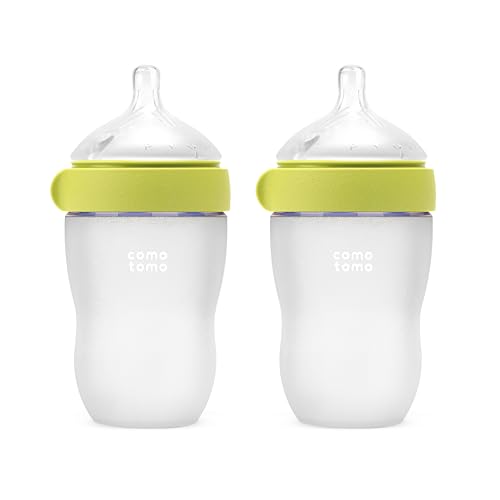
Not all bottles are created equal when it comes to warming. The safest options are those made from **BPA‑free plastic**, **glass**, or **silicone**. These materials can withstand gentle heat without leaching chemicals, and they are less likely to warp or crack under temperature changes.
Glass bottles are heat‑stable and allow you to see the milk’s consistency, but they can become hot to the touch. Always handle them with a cloth or use a bottle holder when warming.
BPA‑free plastic bottles are popular because they’re lightweight and shatter‑resistant. Look for bottles labeled “microwave‑safe” if you occasionally use the microwave, but remember that even “microwave‑safe” plastics can develop hot spots, so stirring is essential.
Silicone sleeves provide an extra layer of protection, insulating the bottle and reducing the risk of burns. They also help maintain temperature longer, which can be handy for night‑time feeds.
The U.S. Food and Drug Administration (FDA) maintains that any bottle marketed for infant use must meet strict safety standards for heat exposure. When in doubt, check the manufacturer’s instructions for the maximum temperature and recommended warming methods.
How should I store prepared formula for later feedings?
Proper storage of prepared formula reduces the risk of bacterial contamination and preserves nutritional quality. Follow these steps, which align with guidance from the NHS and the American Academy of Pediatrics:
After mixing, refrigerate the formula within 30 minutes if you won’t feed it right away.
Store the bottle in a sealed container or keep the cap tightly on to prevent exposure to air.
Label the bottle with the preparation time; use it within 24 hours.
When you’re ready to feed, warm the refrigerated bottle using a warm water bath or bottle warmer—never microwave directly from the fridge.
If the formula has been sitting at room temperature for more than an hour, discard it, even if it looks clear.
For travel or daycare, insulated bottle bags with an ice pack can keep formula cold for up to 4 hours. Always transfer the milk to a clean bottle before warming, and test the temperature before feeding.
By storing formula correctly, you protect your baby from potential pathogens such as Staphylococcus aureus or Enterobacter species, which can proliferate quickly in warm, moist environments.
From our medical team: Warm formula to body temperature, test it before feeding, and use it within an hour. If you must reheat, do it only once and always stir well to eliminate hot spots. When in doubt, discard the milk and prepare a fresh bottle—your baby’s safety is worth the extra effort.
Myth vs. fact
Myth: Microwaving formula kills all bacteria, making it the safest method. Fact: Microwaving can create hot spots that burn a baby’s mouth, and it does not guarantee sterility. Gentle warming methods are preferred.
Myth: Formula can sit out for several hours as long as it looks clear. Fact: Once warmed, formula should be used within one hour; after that, bacterial growth can reach unsafe levels.
Myth: The hotter the milk, the more comforting it is for a newborn. Fact: Milk above 40 °C (104 °F) can cause burns and may degrade heat‑sensitive nutrients. Aim for ~37 °C (body temperature).
Key takeaways
Warm formula to about 37 °C (98.6 °F) using a bottle warmer, warm water bath, or brief microwave burst.
Always test the temperature on your wrist; it should feel comfortably warm, not hot.
Use warmed formula within one hour; discard any milk left out longer.
If reheating, do it only once and stir thoroughly to avoid hot spots.
Prefer gentle methods (water bath or bottle warmer) over microwaving whenever possible.
Watch for signs of burns or unusual fussiness—these may indicate the milk was too hot.
Frequently asked questions
Can I microwave baby formula?
Yes, but only with caution. Microwave for 5‑10 seconds, stir well, and test the temperature before feeding. This method can create hot spots, so it’s not the preferred technique.
What temperature is safe for baby formula?
The safe temperature is roughly body temperature—around 37 °C (98.6 °F). Use the wrist test or a kitchen thermometer to confirm the milk feels warm, not hot.
How long can warmed formula be left out?
Warmed formula should be used within one hour of preparation. After 60 minutes at room temperature, discard it to prevent bacterial growth.
Is it okay to use a hot water bath to warm formula?
Yes. A warm water bath (around 40 °C) is a gentle, reliable method that preserves nutrients and avoids hot spots. Submerge the bottle for 3‑5 minutes and test the temperature before feeding.
Can overheating formula cause illness?
Overheating can cause burns and may degrade some heat‑sensitive nutrients, but it does not typically lead to illness. However, if the milk stays in the “danger zone” (4‑45 °C) for too long, bacterial growth can increase the risk of infection.
Do I need to stir formula after warming?
Yes. Stirring (or shaking) distributes heat evenly and eliminates hot spots, especially after microwave heating. A quick swirl after warming ensures a uniform temperature.
Can I use a thermos to keep formula warm?
A thermos can maintain warmth for short periods, but it should not be used to store milk at room temperature for more than an hour. If the milk cools below body temperature, re‑warm it gently and test before feeding.
Is it safe to add fresh water to already‑warmed formula?
No. Adding water after warming can create temperature gradients that lead to hot spots and dilute the nutrient concentration. Always prepare the formula with the correct water‑to‑powder ratio first, then warm.
When to call your doctor
If your baby shows any of the following after a feeding, call your pediatrician right away: persistent vomiting, signs of oral burns (redness, blistering), fever, unusually high fussiness, or a sudden change in stool color or consistency. This article provides general guidance and is not a substitute for personalized medical advice.
References
American Academy of Pediatrics. “Feeding and Nutrition: Infant Formula.” Clinical Practice Guidelines, 2023.
American College of Obstetricians and Gynecologists (ACOG). “Nutrition During Pregnancy.” Practice Bulletin No. 202, 2022.
National Health Service (NHS). “How to Warm a Baby Bottle.” UK Health Guidance, 2021.
World Health Organization (WHO). “Infant and Young Child Feeding.” Global Recommendations, 2020.
Centers for Disease Control and Prevention (CDC). “Safe Food Handling for Infants.” Public Health Advisory, 2022.
Royal College of Paediatrics and Child Health (RCPCH). “Guidelines on Infant Formula Preparation.” 2021.
U.S. Food and Drug Administration (FDA). “Infant Formula Safety.” Consumer Update, 2023.
Food and Drug Administration (FDA). “Materials Safe for Infant Feeding Bottles.” Guidance for Industry, 2022.
National Institute for Health and Care Excellence (NICE). “Infant Feeding: Advice on Formula Preparation and Storage.” 2021.
Not sure about the label on Warming Formula Milk Safely products?
Snap the ingredients list and SafeFilter checks every ingredient for your stage — only 3 free scans this month, then you're locked until reset. Unlimited from $7/mo or $50/yr.
When Shubhra Mishra was expecting her first child in 2016, she was overwhelmed by conflicting food advice — one site said yes, another said never. By the time her second baby arrived in 2019, she realized millions of mothers face the same confusion.
That sparked a five-year journey through clinical nutrition papers, cultural diets, and expert conversations — all leading to BumpBites: a calm, compassionate space where science meets everyday motherhood.
Her long-term vision is to build a global community ensuring safe, supported, and free deliveriesfor every mother — because no woman should face pregnancy alone or uninformed. 🌿
🌍 Stand with mothers, shape safer guidance
Join a small circle of experts who review BumpBites articles so expecting parents everywhere can decide with confidence.