Quick take:
Your toddler acting out after baby isn’t about you — it’s about their brain and heart trying to process a world that’s suddenly upside-down. Most kids show signs of frustration or jealousy in the first 3 months after a new sibling arrives, with behavior peaking around 6 months. The key is to meet their emotional needs *before* they escalate into tantrums. Start small: give them "big helper" roles with baby care, carve out 1:1 time, and normalize their feelings. If outbursts become frequent, violent, or disrupt sleep/feeding, consult a pediatrician or child psychologist to rule out developmental or anxiety triggers.
Why is my toddler acting out after baby arrival?
Picture this: You’re exhausted after a sleepless night, your newborn is nursing for the third time in an hour, and suddenly your toddler—who was *fine* yesterday—starts screaming, "I want Mommy!" in the middle of the grocery store. Your first thought: *What did I do wrong?* The truth? You didn’t. This isn’t about you. It’s about your toddler’s brain, which is wired to feel threatened when their world changes overnight.
Newborns are tiny, helpless creatures who demand *everything*—feeding, diaper changes, cuddles—and suddenly, they’re the center of your universe. Your toddler, who was once your co-pilot, now feels like they’ve been demoted to the backseat. Their acting out isn’t just about attention; it’s their way of saying, *"I don’t like this. I want my old life back."* And honestly? That’s a totally valid reaction.
Here’s what’s actually happening: Toddlers experience separation anxiety (even if they’re not attached to you), loss of routine (mealtimes, bedtime, playdates all get disrupted), and sibling rivalry (whether they admit it or not). Their emotional vocabulary is limited, so their acting out—clinging, hitting, regression in potty training—is their clumsy attempt to communicate, *"I’m scared. I’m mad. I need you."*
Many parents tell us they feel guilty when their toddler acts out, like they’ve failed as a mom. But jealousy isn’t a moral failing—it’s a developmental stage. The good news? This phase is temporary. With the right strategies, you can help your toddler adjust—and maybe even enjoy their new role as "big sibling" by age 3.
Is this normal?
Absolutely. Pediatricians at the American Academy of Pediatrics (AAP) confirm that most toddlers show signs of distress after a new sibling arrives, with behavior changes peaking around 6 months postpartum. Here’s what’s considered typical:
- First 3 months: Clinginess, regression in skills (e.g., potty training, sleeping), or increased whining.
- 3–6 months: More overt acting out—hitting, biting, or refusing to follow directions.
- 6–12 months: Some toddlers start to adjust and even bond with the baby, while others may have lingering tantrums.
If your toddler’s behavior is new and extreme—for example, they suddenly refuse to eat, sleep, or go to daycare, or they’re constantly aggressive—it’s worth checking in with your pediatrician to rule out stress-related regression or anxiety.
What age range is most affected?
Toddlers between 18 months and 3 years are the most likely to act out after a new baby, but even younger or older kids can struggle. Here’s why:
- 18–24 months: Language skills are limited, so they can’t express their feelings. Their acting out is often about loss of control—they can’t understand why the baby gets all the attention.
- 2–3 years: They’re developing a stronger sense of self and may feel replaced. Their tantrums are often about testing boundaries—if they can’t have your full attention, they’ll push back.
- 3+ years: Many kids start to adjust, but some may have lingering issues if they didn’t get enough 1:1 time early on.
If your toddler is under 18 months, their acting out might look more like regression—forgetting how to use the potty, clinging to you, or suddenly refusing to eat. This is normal but can be tough to navigate. Consistency in routine and positive reinforcement will help them feel secure.
What are the signs of jealousy in a toddler after a new baby?
Jealousy in toddlers often looks like frustration disguised as defiance. They don’t say, *"I’m jealous of the baby!"* Instead, they act it out. Here’s how to spot the signs:

A checklist: Is your toddler jealous?
Check off any of these behaviors to see if your toddler might be feeling left out:
- Clinginess: Refusing to let you out of their sight, even for a quick trip to the bathroom.
- Regression: Reverting to earlier behaviors—wetting the bed, refusing to use the potty, or throwing tantrums over small things.
- Aggression: Hitting, biting, or kicking the baby (or you) when frustrated.
- Withdrawal: Sudden silence, avoiding playtime, or hiding under the table.
- Demanding attention: Screaming, "I want Mommy!" or "You love the baby more!"
- Sleep issues: Refusing to nap or going to bed later, even if they were an early riser before.
- Food refusal: Suddenly rejecting favorite foods or only eating baby food.
If you see 3 or more of these signs consistently, your toddler is likely feeling overwhelmed. The good news? These behaviors are not a sign that you’re doing something wrong. They’re a sign that your toddler needs extra love and structure right now.
How does jealousy differ from typical toddler behavior?
It’s easy to confuse jealousy with normal toddler defiance. Here’s how to tell the difference:
If your toddler’s behavior escalates quickly or disrupts daily life (e.g., they refuse to eat, sleep, or go to daycare), it’s worth talking to your pediatrician to rule out anxiety or stress-related issues.
How to prevent toddler tantrums after baby birth
Prevention starts before the baby arrives. The more you prepare your toddler emotionally and practically, the smoother the transition will be. Here’s how to set them up for success:
1. Prepare your toddler before the baby comes
Start talking about the baby 3–6 months before they arrive. Use simple, positive language:
- "The baby is going to be here soon, and you’re going to be a big helper!"
- "The baby will need lots of love, and you can help by giving them kisses."
- Show them photos of the baby in the womb and books about siblings (like My Brother Is a Baby by Sarah Weeks).
If possible, let them meet the baby early—even just hearing the heartbeat or seeing ultrasound photos can help them feel connected.
2. Maintain routines even with a newborn
Toddlers thrive on predictability. When routines get disrupted, they feel out of control, which fuels acting out. Here’s how to keep things stable:
- Nap time: If your toddler was used to a 12 PM nap, try to keep it—even if it’s just 20 minutes. A consistent bedtime routine (bath, book, bed) helps them feel secure.
- Mealtimes: Serve meals and snacks at the same times, even if it’s just a small snack. Hunger makes tantrums worse.
- Playtime: Schedule 1:1 time with you every day—even if it’s just 10 minutes of undivided attention (e.g., building blocks, reading a book).
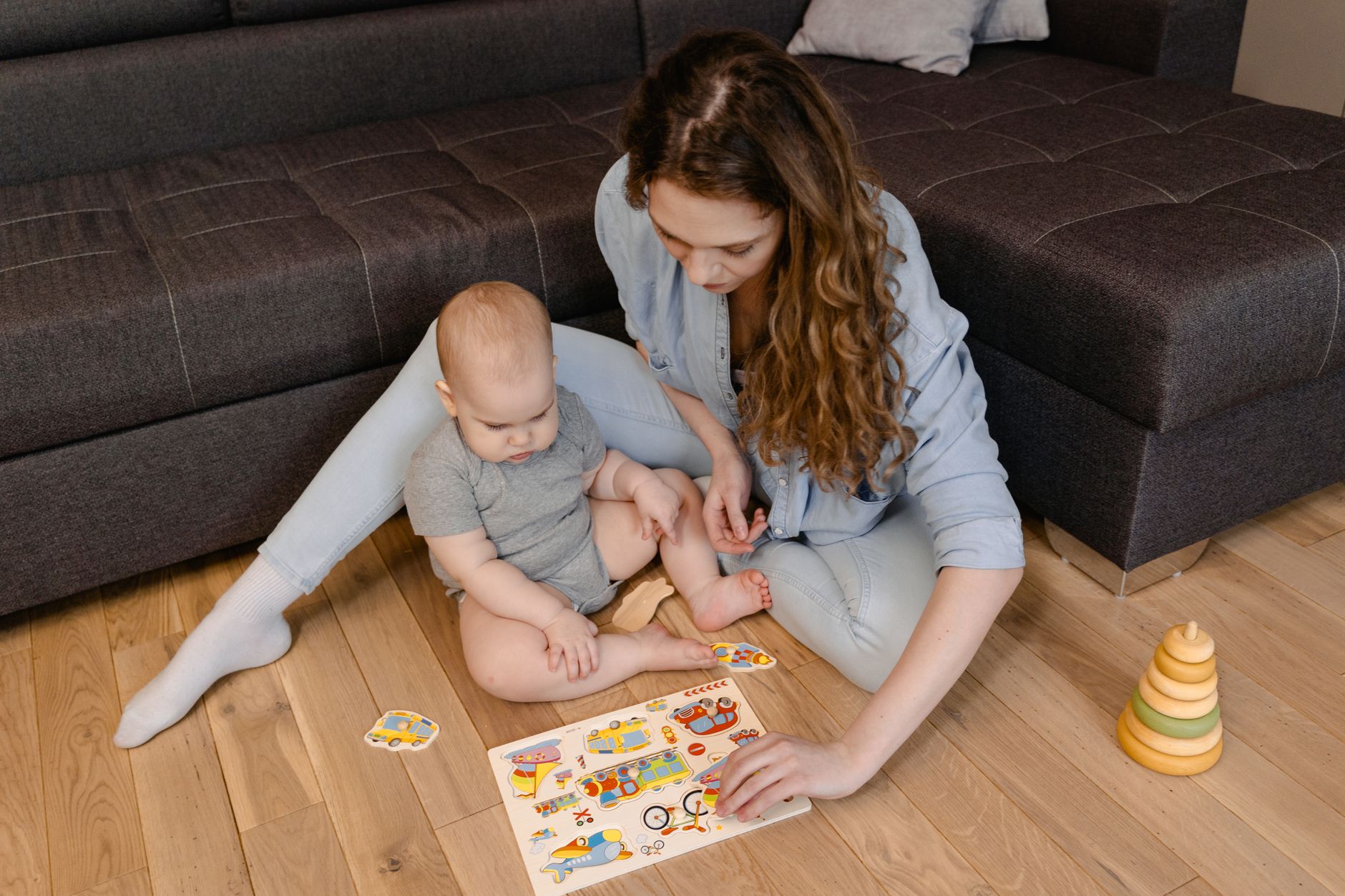
3. Involve your toddler in baby care
When toddlers feel useful, they’re less likely to act out. Give them age-appropriate "helper" roles:
- Age 18–24 months: Let them hold a washcloth to "help" with bath time or give the baby a kiss (with supervision).
- Age 2–3 years: They can fetch diapers, sing to the baby, or help pick out baby clothes.
- All ages: Let them watch you with the baby—even if they don’t "help," they feel included.
This isn’t about making them babysit; it’s about giving them a sense of purpose. If they feel like they’re part of the team, they’re less likely to feel replaced.
When life gets chaotic, toddlers need extra emotional support. Try these strategies:
- Physical affection: Hugs, high-fives, and specific praise ("I love how you helped me find the diapers!") go a long way.
- Emotional validation: Instead of saying, "Stop crying," try, "I know you’re mad. It’s okay to feel that way."
- Special time: Even 10 minutes of undivided attention (no phone, no baby) helps them feel secure.
Effective strategies to calm a toddler acting out after baby
When your toddler is already in the middle of a tantrum, it’s hard to think straight. But with a few calm-down strategies, you can de-escalate the situation and help them feel better. Here’s what works:
1. Stay calm (even if they’re not)
Toddlers feed off your energy. If you’re stressed, they’ll escalate. Instead:
- Breathe deeply: Take 3 slow breaths before responding. This helps you model calmness.
- Avoid power struggles: If they’re screaming, "I want Mommy!" don’t argue. Instead, say, "I know you want me. Let’s take a deep breath together."
- Use a "calm-down" phrase: Try, "I see you’re upset. Let’s take a break."
2. Give them a "job" to reset
When toddlers are overwhelmed, they need something to do to reset their nervous system. Try:
- Sensory breaks: Let them crush playdough, stomp on a pillow, or hold a stress ball.
- Movement breaks: A quick dance party or wheeling their stroller (even if it’s empty) helps release pent-up energy.
- Quiet time: If they’re hyper, a 5-minute "chill out" corner with a favorite stuffed animal can help.
3. Use distraction (the right way)
Distraction works best when it’s related to their interests. Instead of saying, "Stop crying and come here," try:
- "Let’s go find your favorite toy—your dinosaur!"
- "Want to help me pick out a book for the baby?"
- "I’ll race you to the park!"
If they’re too upset for distraction, give them space to calm down. Say, "I see you’re mad. Let’s sit here for a minute," then sit with them (even if they ignore you).
4. Praise the behavior you want
Toddlers repeat what gets rewarded. Instead of focusing on the bad behavior, catch them being good:
- "I love how you helped me find the diapers!"
- "You’re such a good big brother when you give the baby a kiss!"
- "You shared your toy with me—that was so kind!"
Praise should be specific and immediate. If you wait too long, they won’t connect the praise to the action.
5. Know when to walk away
If a tantrum is escalating and you’re feeling overwhelmed, it’s okay to take a break. Say, "I see you’re really upset. Let’s take a deep breath and try again in a few minutes." Then step out of the room for 5 minutes to regroup.
This teaches them that you’re in control, not their emotions—and it gives you time to reset too.
Parenting tips for balancing attention between toddler and newborn
One of the biggest challenges of having a toddler and a newborn is feeling like you’re always choosing sides. But the truth is, you don’t have to pick—you just have to share your attention wisely. Here’s how:
1. Schedule "me time" for your toddler
Newborns are demanding, but your toddler still needs daily 1:1 time. Block out 30–60 minutes a day where you’re fully present with them. This could be:
- A morning walk with just the two of you.
- A quiet playdate with a friend (even if it’s just a phone call while they play).
- A special activity like baking cookies or building a fort.
If you can’t do it every day, aim for 3–4 times a week. Consistency matters more than duration.
2. Use "parallel play" to include the baby
Toddlers often feel left out when you’re interacting with the baby. Instead of alternating attention, try parallel play—where you engage with both kids at the same time:
- While the baby naps, read a book to your toddler.
- While you’re changing the baby’s diaper, let your toddler "help" with a toy diaper.
- While you’re bottle-feeding the baby, give your toddler a sippy cup with water.
This way, they feel included without feeling replaced.
3. Create a "special helper" routine
Give your toddler a daily "helper" role that makes them feel important. Examples:
- Baby "doctor": Let them check the baby’s heartbeat with a stethoscope toy.
- Diaper "helper": Give them a small towel to "help" with bath time.
- Baby "feeder": Let them hold the bottle (even if they don’t actually feed the baby).
This isn’t about making them babysit; it’s about giving them a sense of contribution.
4. Use a "feelings thermometer"
Toddlers often act out because they don’t know how to express their emotions. A feelings thermometer (a simple chart with faces showing happy, sad, mad, etc.) can help them name their feelings:
- Point to the face that matches how they feel.
- Say, "I see you’re feeling mad. That’s okay. Let’s take a deep breath."
- Help them problem-solve—"What can we do to feel better?"
This builds their emotional vocabulary and helps them feel understood.
When should I seek professional help for toddler acting out after baby?
Most toddler acting out after a new baby is temporary and manageable with patience and strategy. But if your toddler’s behavior is severe, persistent, or disruptive, it’s worth talking to a professional. Here’s when to seek help:
Red flags to watch for
Consult a pediatrician or child psychologist if your toddler exhibits any of these behaviors consistently for more than 2 weeks:
- Aggression toward the baby or you: Hitting, biting, or kicking that puts the baby or yourself at risk of injury.
- Extreme withdrawal: Refusing to interact with anyone, even you.
- Sleep or feeding regression: Completely refusing to eat or sleep, even with your best efforts.
- Separation anxiety: Crying uncontrollably when you leave the room, even for a quick trip to the bathroom.
- Developmental delays: Losing skills they once had (e.g., potty training, talking).
- Anxiety or fear: Frequent nightmares, clinging to you constantly, or refusing to go to daycare.
If your toddler’s acting out is disrupting your family’s well-being—for example, you’re constantly exhausted from managing their behavior—it’s also a sign that you might need extra support.
Who to talk to
If you’re concerned, start with your pediatrician. They can:
- Rule out medical issues (e.g., sleep apnea, constipation, or vision problems).
- Refer you to a child psychologist or behavioral therapist if needed.
- Offer parenting strategies tailored to your toddler’s specific needs.
If your toddler’s behavior is related to anxiety, a child psychologist can help them process their feelings in a safe space. If it’s more about boundary-setting, a parenting coach or consistent discipline approach (like Time-In) may help.
What to expect in therapy
If your toddler sees a child psychologist, sessions might include:
- Play therapy: Toddlers express themselves through play. A therapist might use toys to help them work through their feelings.
- Parent coaching: You’ll learn strategies to reinforce positive behavior and de-escalate tantrums.
- Emotional processing: The therapist may help your toddler name their feelings and find healthy ways to cope.
Most toddlers see improvement in 4–6 weeks of consistent therapy.
How does a toddler's developmental stage affect acting out after baby?
Your toddler’s age plays a huge role in how they react to a new baby. Understanding their developmental stage helps you tailor your approach. Here’s what to expect at different ages:
18–24 months: The "Why Me?" Stage
At this age, toddlers are just learning to communicate and express their needs. When a baby arrives, they often feel:
- Insecure: They don’t understand why the baby gets all the attention.
- Powerless: They can’t control the situation, so they act out to reclaim some control.
- Jealous: They may not have the words to say, "I want you to love me too."
**What helps:**
- Simple explanations: Use short, clear sentences ("The baby needs you now, but I still love you.").
- Routine consistency: Keep mealtimes, naps, and bedtime predictable.
- Physical affection: Extra hugs, kisses, and specific praise ("I love how you shared your toy!").
2–3 years: The "I Want More!" Stage
At this age, toddlers are developing a stronger sense of self and may feel replaced by the baby. They often act out because:
- They want more attention: They’re testing boundaries to see if they can still get your time.
- They feel left out: They may not understand that the baby needs care too.
- They’re learning to communicate: Their tantrums are often about not being able to express themselves.
**What helps:**
- Giving choices: Toddlers feel more in control when they have options ("Do you want to wear the red shirt or the blue shirt today?").
- Including them in baby care: Let them hold a washcloth to "help" with bath time or give the baby a kiss.
- Using a "calm-down" corner: A safe space with stuffed animals or books helps them reset when overwhelmed.
3+ years: The "I’m a Big Kid!" Stage
By age 3, most toddlers start to adjust to their new role as a big sibling. However, some may still struggle if they didn’t get enough 1:1 time early on. At this stage, acting out often looks like:
- Testing limits: They may push boundaries to see if they can still get your attention.
- Seeking approval: They want to feel important in the family.
- Showing off: They may compete with the baby for your praise.
**What helps:**
- Encouraging responsibility: Give them real tasks like setting the table or helping with laundry.
- Praising effort over results: Instead of "Great job!" say, "I love how you tried so hard!"
- Modeling positive behavior: Show them how to help without being asked.
How to involve a toddler in caring for the baby to reduce acting out
When toddlers feel useful, they’re less likely to act out. Involving them in baby care gives them a sense of purpose and helps them bond with their new sibling. Here’s how to do it safely and effectively:
Age-appropriate "helper" roles
Start with small, manageable tasks and gradually increase responsibility as they grow. Here’s a breakdown by age:
Tips for successful "helper" time
Involving your toddler in baby care isn’t about making them babysit—it’s about giving them a sense of contribution. Here’s how to make it work:
- Start small: Begin with 5-minute "helper" sessions and gradually increase time.
- Use simple language: Say, "You’re going to be a big helper. Here’s how we do it."
- Avoid over-praising: Too much praise can feel fake. Specific, genuine praise works best.
- Keep it fun: Turn tasks into games (e.g., "Can you race to get the diaper?").
- End on a positive note: Always finish with a hug or high-five, even if they struggled.

What to avoid when involving your toddler
Not all "helper" tasks are created equal. Avoid:
- Overloading them: Don’t give them tasks that are too big for their age (e.g., changing a diaper alone).
- Forcing them: If they’re resistant, try again later. Gentle persistence works better than pressure.
- Making them babysit: Toddlers can’t handle full-time care. Keep tasks short and supervised.
- Comparing them to the baby: Never say, "The baby doesn’t cry like you do."
Toddler acting out after baby and sleep schedule
Sleep deprivation is one of the biggest triggers for toddler acting out after a baby arrives. When your toddler isn’t getting enough rest, their emotional regulation suffers—and so does yours. Here’s how to protect their (and your) sleep:
How sleep deprivation affects toddlers
When toddlers are tired, their prefrontal cortex (the part of the brain that controls impulse control) gets overworked. This leads to:
- More tantrums: They can’t regulate their emotions as well.
- Regression in skills: They may forget how to potty train or sleep through the night.
- Hyperactivity: They act out because they’re overstimulated.
- Clinginess: They want you constantly because they feel unsafe.
How to protect your toddler’s sleep
Even with a newborn, you



