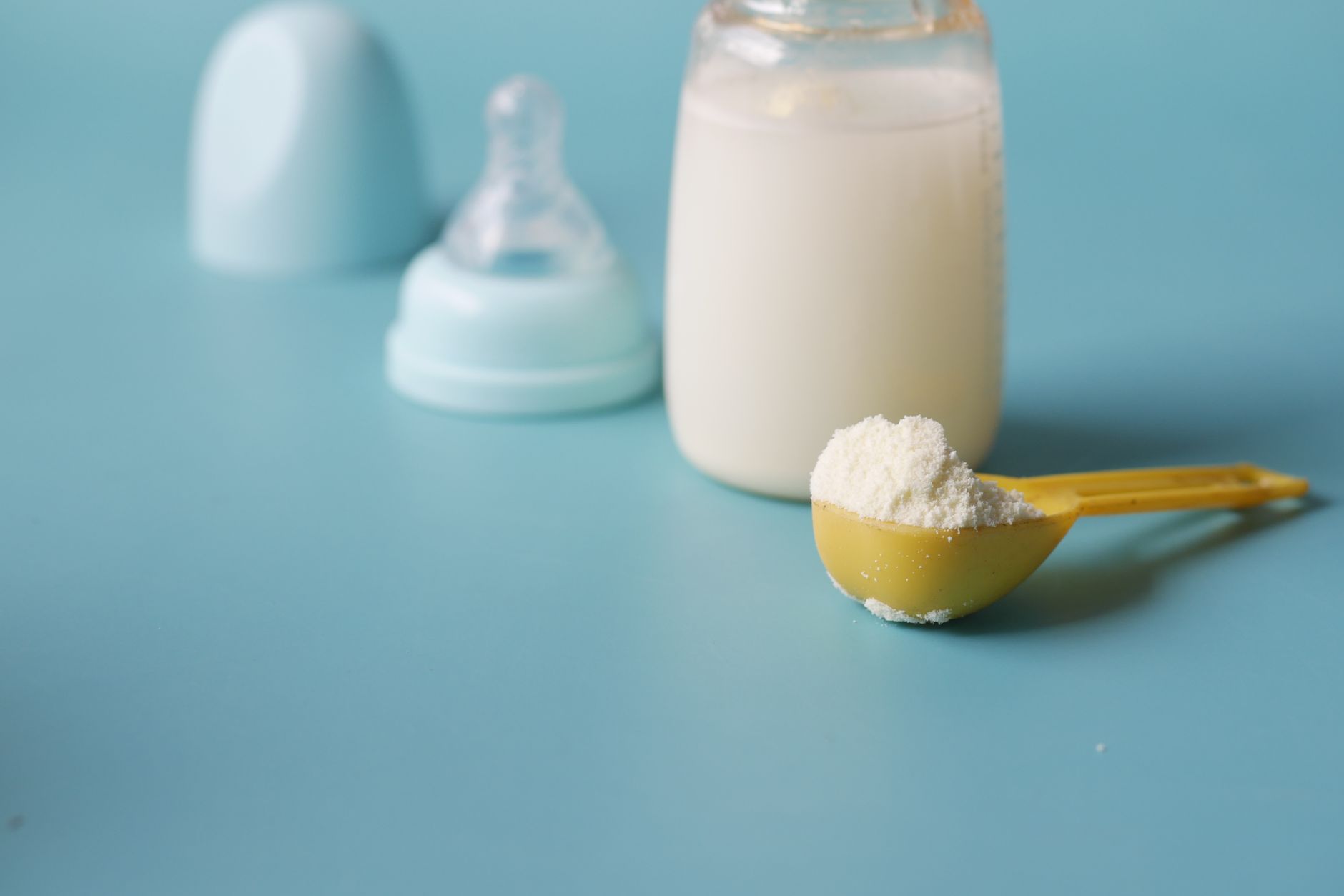
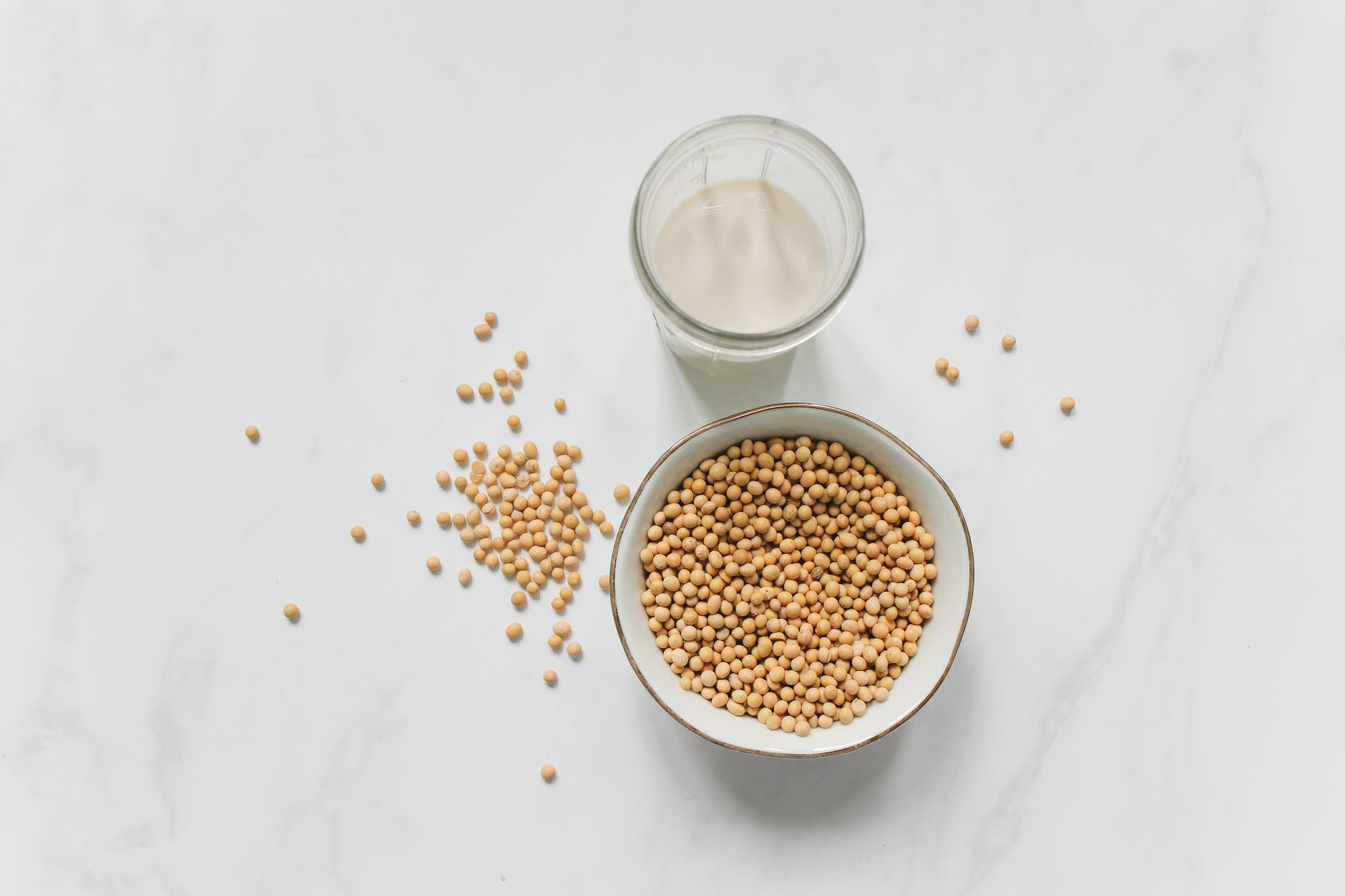
Soy formula pros and cons include its plant-based protein for lactose intolerance, but potential concerns exist regarding phytoestrogens and nutrient absorption. Learn if soy formula is a safe and suitable option for your baby's unique needs.
By Shubhra Mishra — a mom of two who turned her own confusion during pregnancy into BumpBites, a global mission to make food choices clear, safe, and stress-free for every expecting mother. 💛
Check whether any food is safe during pregnancy with the BumpBites Food Safety Checker.
Quick take: Soy-based infant formula is a nutritionally complete option for babies with specific medical conditions like galactosemia, or for families following a strict vegan diet. However, it's generally not recommended for premature infants or those with a cow's milk protein allergy, and pediatricians usually advise against its routine use. Always consult your pediatrician before choosing or switching your baby's formula.
Deciding what to feed your baby can feel like navigating a complex maze, especially when you're faced with so many choices and conflicting information. Perhaps your little one is fussy, gassy, or you're exploring plant-based options for your family. It's completely normal to wonder about soy formula and whether it's the right fit.
For many years, soy formula has been a go-to alternative to cow's milk-based formulas. But with evolving research and recommendations, parents often have questions about its safety, benefits, and potential drawbacks. We understand the worry that comes with wanting the very best for your baby's health and development.
In this comprehensive guide, we'll break down everything you need to know about soy formula. We'll explore when it's recommended, when it's best to avoid it, its nutritional profile, and what current medical guidelines say, so you can make an informed decision with confidence.
Soy formula can be a suitable option for specific medical needs or dietary choices, but always check with your pediatrician.
What are the main benefits of choosing soy-based formula for infants?
When considering soy-based formula, it's helpful to understand the specific situations where it truly shines. While it's not a universal recommendation, soy formula offers distinct advantages for certain infants and families, making it a valuable option in pediatric nutrition.
One of the primary benefits of soy formula is its suitability for infants diagnosed with galactosemia. This is a rare, inherited metabolic disorder where a baby cannot properly process galactose, a sugar found in milk. For these infants, cow's milk-based formulas (which contain lactose, a sugar made of glucose and galactose) are dangerous and can lead to severe health complications. Soy formula, being lactose-free, provides a safe and nutritionally complete alternative.
Another key advantage is for families who adhere to a strict vegan or vegetarian diet. Since traditional infant formulas are derived from cow's milk, they don't align with these dietary principles. Soy formula, made from soy protein isolate, offers a plant-based option that ensures the baby receives all the necessary nutrients for healthy growth and development, without compromising the family's ethical or dietary choices. For these families, soy formula provides peace of mind that their baby's nutritional needs are met within their chosen lifestyle.
It's important to note that while soy formula is lactose-free, true lactose intolerance in infants is exceedingly rare. Most fussiness or gas attributed to lactose intolerance is often due to other factors. However, in the very rare cases of primary congenital lactase deficiency (where a baby is born unable to produce lactase, the enzyme that breaks down lactose), soy formula would also be an appropriate choice. For families concerned about their baby's reaction to lactose, discussing a lactose-free cow's milk formula with their pediatrician is usually the first step, as these are often preferred over soy due to broader recommendations.
Finally, soy formula is often readily available and can sometimes be a more cost-effective option compared to specialized or extensively hydrolyzed formulas. This can be a practical consideration for families, though medical suitability should always be the priority over cost alone.
What are the potential risks and disadvantages of soy formula for babies?
While soy formula offers benefits for specific situations, it's crucial to understand its potential risks and disadvantages. These are the reasons why major health organizations, such as the American Academy of Pediatrics (AAP) and the UK's National Institute for Health and Care Excellence (NICE), generally do not recommend soy formula as a first choice for most infants.
Concerns about Phytoestrogens
One of the most widely discussed concerns revolves around phytoestrogens. These are plant-derived compounds, such as isoflavones (genistein and daidzein), that are structurally similar to human estrogen and can exert weak estrogen-like effects in the body. Soy protein isolate, the main ingredient in soy formula, is rich in these phytoestrogens. When infants consume soy formula, they are exposed to concentrations of isoflavones that are significantly higher, on a body weight basis, than those seen in adults consuming traditional soy-rich diets.
The long-term effects of this early, high-level exposure are still being studied, and current research has not definitively linked soy formula to adverse health outcomes in full-term, healthy infants. However, concerns persist regarding potential impacts on reproductive development, thyroid function, and immune system development. Organizations like the AAP acknowledge these theoretical concerns but state that, for healthy term infants, current evidence does not suggest harm. Nevertheless, it remains a primary reason for caution and why it's not a routine recommendation.
Cross-Reactivity with Cow's Milk Protein Allergy (CMPA)
Many parents consider soy formula if their baby shows symptoms of cow's milk protein allergy (CMPA), mistakenly believing that a dairy-free option will resolve the issue. However, this is a significant disadvantage. Studies show that a substantial percentage of infants (around 30-50%) who are allergic to cow's milk protein are also allergic to soy protein. This phenomenon is called cross-reactivity. If an infant has CMPA, switching to soy formula might not alleviate their symptoms and could even worsen them, leading to continued discomfort, digestive issues, and potential growth problems.
For infants with suspected or confirmed CMPA, pediatricians typically recommend extensively hydrolyzed formulas or amino acid-based formulas, which are designed to be hypoallergenic and are much less likely to trigger an allergic reaction.
Aluminum Content
Soy-based formulas can contain higher levels of aluminum compared to breast milk or cow's milk-based formulas. Aluminum is naturally present in plants, and manufacturing processes can sometimes add to this. While the levels in commercial formulas are generally considered safe for healthy, full-term infants, there's a particular concern for premature infants or those with impaired kidney function, as their bodies may struggle to excrete aluminum efficiently. This can lead to aluminum accumulation, which has been linked to potential bone demineralization and neurological effects in vulnerable populations. This is a key reason why soy formula is contraindicated for premature babies.
Common Side Effects
Just like any formula, soy formula can sometimes cause digestive side effects. Some babies may experience constipation, increased gas, or spitting up. While these are often mild and temporary, they can be distressing for both baby and parents. It's important to remember that these symptoms are not unique to soy formula and can occur with any type of formula. However, if these issues arise after switching to soy, it's worth discussing with your pediatrician whether it's the right choice for your baby.
When is soy formula recommended by pediatricians for infants?
Pediatricians approach infant formula recommendations with caution and evidence-based guidelines. While soy formula isn't a first-line choice for most babies, there are specific, well-defined circumstances where it is recommended. Understanding these indications is key to making an informed decision.
Primary Indications for Soy Formula
Galactosemia: This is the most definite indication for soy formula. As mentioned, infants with galactosemia cannot metabolize galactose. Since lactose (the sugar in cow's milk) contains galactose, cow's milk-based formulas are harmful. Soy formula, being lactose-free, provides the necessary nutrition without the dangerous sugar.
Primary Congenital Lactase Deficiency: This extremely rare genetic condition means a baby is born unable to produce the enzyme lactase, which is needed to break down lactose. Infants with this condition would experience severe diarrhea and malabsorption on any lactose-containing formula (including breast milk, though they would receive specialized medical care for this). Soy formula offers a lactose-free alternative. It's crucial not to confuse this with temporary lactose intolerance or common infant fussiness, which are much more prevalent and rarely require soy formula.
Strict Vegetarian or Vegan Dietary Principles: For families who adhere to a strict vegetarian or vegan lifestyle and wish to extend these principles to their infant's diet, soy formula is a suitable option when breast milk is not available or sufficient. Major health bodies like the AAP acknowledge this as a valid reason for its use, provided the family is fully informed of the current evidence and potential concerns.
When Soy Formula is NOT Recommended (Contraindications)
Just as important as knowing when to use soy formula is understanding when it should be avoided. Pediatricians generally advise against soy formula in several common situations:
Cow's Milk Protein Allergy (CMPA): As discussed, there's a high chance of cross-reactivity between cow's milk and soy proteins. If your baby has CMPA, soy formula is unlikely to resolve their symptoms and may even exacerbate them. For CMPA, extensively hydrolyzed or amino acid-based formulas are the recommended alternatives.
Premature Infants or Low Birth Weight Infants: The American Academy of Pediatrics strongly advises against using soy formula for premature or low birth weight infants. Their immature digestive and metabolic systems are more vulnerable to the potential effects of phytoestrogens and higher aluminum content. These infants have unique nutritional needs that are best met by breast milk or specialized premature infant formulas.
Most Cases of Colic or Fussiness: Many parents try soy formula in an attempt to alleviate colic, gas, or general fussiness. However, there's little evidence to suggest that soy formula is more effective than cow's milk formula for these common infant complaints. Often, these symptoms are unrelated to formula type or resolve on their own. Switching formulas without medical guidance can sometimes delay finding the true cause of discomfort.
Always remember that any decision to use or switch to soy formula should be made in close consultation with your pediatrician. They can assess your baby's individual health needs and guide you to the most appropriate feeding choice.
If your baby is fussy or showing signs of discomfort, always talk to your pediatrician before changing their formula.
Are there any long-term health effects of feeding babies soy formula?
The question of long-term health effects from soy formula is one that often weighs heavily on parents' minds, largely due to concerns about phytoestrogens. It's an area of ongoing research, and medical bodies have consistently reviewed the available evidence to provide guidance. The good news is that for healthy, full-term infants, current scientific consensus suggests that soy formula does not pose a significant risk for adverse long-term health outcomes.
Phytoestrogen Concerns Revisited
As we've discussed, soy formula contains isoflavones, which are plant estrogens. The primary concern is whether these compounds could impact an infant's developing endocrine (hormonal) system, potentially affecting reproductive health, sexual development, or even increasing risks for certain cancers later in life. This is a valid area of inquiry because infants fed soy formula have circulating isoflavone levels that are much higher than those in breastfed infants or infants fed cow's milk formula.
However, studies conducted over several decades have largely been reassuring. The American Academy of Pediatrics (AAP) and the European Society for Paediatric Gastroenterology, Hepatology and Nutrition (ESPGHAN) have both concluded that, based on current evidence, there are no definitive studies demonstrating adverse effects on human growth, development, or reproductive function in healthy, term infants fed soy-based formula. Studies have looked at:
Reproductive Health: Research has explored potential impacts on menstrual cycles, puberty timing, and fertility. Most studies have not found significant differences in reproductive health outcomes between individuals who were fed soy formula as infants and those who were not.
Thyroid Function: While some in vitro (test tube) studies suggested a potential interaction with thyroid hormones, clinical studies in infants have not shown adverse effects on thyroid function when iodine intake is adequate.
Bone Mineral Density: Early concerns about bone health have not been substantiated by long-term follow-up studies, with no significant differences found in bone mineral density later in life.
Neurological Development: Current evidence does not suggest that soy formula negatively impacts neurological or cognitive development.
It's important to differentiate between theoretical concerns and confirmed clinical outcomes. While the theoretical potential for phytoestrogen effects exists, robust human studies have not identified clear, detrimental long-term consequences for healthy, full-term babies. Regulatory bodies like the U.S. Food and Drug Administration (FDA) continue to monitor the safety of soy formula and have not found sufficient evidence to warrant restrictions on its use for appropriate indications.
Can Babies Stay on Soy Formula Long Term?
If your baby is on soy formula due to a specific medical indication, such as galactosemia, or for strict dietary reasons under the guidance of a pediatrician, they can generally remain on it long-term, typically until they transition to solid foods and other milk alternatives as appropriate for their age. Soy formulas are formulated to be nutritionally complete and support healthy growth through infancy.
The key is that the initial decision to use soy formula was carefully considered and medically appropriate. For most infants, pediatricians will recommend transitioning to cow's milk or another suitable alternative around their first birthday, following standard feeding guidelines.
How does soy formula compare to cow's milk formula for infant nutrition?
When it comes to infant nutrition, all commercially available formulas, whether cow's milk-based or soy-based, must meet stringent regulatory standards set by bodies like the FDA in the U.S. and the European Food Safety Authority (EFSA) in Europe. These standards ensure that formulas are nutritionally complete and support healthy growth and development for infants. However, the source of these nutrients differs, leading to some key distinctions.
Nutritional Profile of Soy Formula
Soy formula is primarily made from soy protein isolate, which is a highly refined protein derived from soybeans. This protein is easily digestible for infants. To ensure it provides all essential amino acids, some soy formulas may be fortified with L-methionine, which is naturally lower in soy protein compared to cow's milk protein.
Protein: The protein source is soy protein isolate. It's plant-based and provides the necessary building blocks for growth.
Fats: The fat content in soy formulas comes from various vegetable oils, such as palm olein, coconut oil, soy oil, and high oleic sunflower oil. These oils provide essential fatty acids, including linoleic and alpha-linolenic acids, crucial for brain and eye development. Many modern formulas also include DHA (docosahexaenoic acid) and ARA (arachidonic acid), which are omega-3 and omega-6 fatty acids, respectively, added to mimic levels found in breast milk.
Carbohydrates: Soy formulas are lactose-free. The primary carbohydrate source is typically corn syrup, corn syrup solids, or sucrose (table sugar). These provide the energy infants need for growth and activity.
Vitamins and Minerals: Like all infant formulas, soy formulas are fortified with a comprehensive array of vitamins and minerals to match the nutritional profile of breast milk as closely as possible. This includes iron, calcium, vitamin D, folic acid, and many others, ensuring complete nutrition.
Comparison to Cow's Milk Formula
Cow's milk formulas use cow's milk proteins (whey and casein) as their primary protein source and lactose as their main carbohydrate. Despite these differences, both types of formula are designed to provide comparable levels of essential nutrients when prepared correctly. The choice between them usually comes down to medical necessity or dietary preference, rather than one being inherently "more nutritious" than the other for the general infant population.
Here's a quick comparison:
Feature
Cow's Milk-Based Formula
Soy-Based Formula
Protein Source
Cow's milk protein (whey and casein)
Soy protein isolate
Carbohydrate Source
Lactose (milk sugar)
Corn syrup solids, sucrose, or other sugars (lactose-free)
Potentially higher (still within safe limits for term infants)
Cost & Availability
Widely available, varying costs
Widely available, often comparable or slightly less than standard cow's milk formulas
When looking at `organic soy formula brands for infants`, the nutritional composition will be similar, but ingredients will be sourced according to organic standards. Always check the label to ensure it meets all the nutritional requirements for infant formula and discuss any specific brand choices with your pediatrician.
Can soy formula help with reflux or allergies in babies?
Many parents, grappling with a fussy baby who spits up frequently or seems uncomfortable after feeding, often wonder if a change to soy formula might be the answer. It's a common misconception that soy formula is a go-to solution for reflux or allergies, but the reality is more nuanced, and often, pediatricians will recommend other approaches first.
Soy Formula and Reflux
Infant reflux, also known as gastroesophageal reflux (GER), is very common in babies and usually resolves on its own as their digestive system matures. It occurs when stomach contents flow back into the esophagus, leading to spitting up or vomiting. While it can be distressing, most cases of reflux are not related to a specific formula type or allergy.
There is little to no scientific evidence to suggest that soy formula is inherently better at managing or reducing reflux symptoms compared to standard cow's milk formula. In fact, if reflux is severe or accompanied by other symptoms like poor weight gain, it might be a sign of a more serious underlying issue, such as a cow's milk protein allergy. In such cases, switching to soy formula might not only be ineffective but could also delay a proper diagnosis and treatment with a truly hypoallergenic formula.
For babies with uncomplicated reflux, pediatricians often recommend strategies like smaller, more frequent feeds, keeping the baby upright after feeding, or trying a thickened formula (either pre-thickened or by adding rice cereal as directed by a doctor) before considering a different base formula.
Soy Formula and Allergies (especially Cow's Milk Protein Allergy)
This is where the distinction is particularly critical. As previously discussed, soy formula is lactose-free, but it is **not** suitable for most babies with a cow's milk protein allergy (CMPA). Here's why:
Cross-Reactivity: A significant number of babies (30-50%) who react to cow's milk protein will also react to soy protein. This means that if your baby has CMPA, switching to soy formula could lead to continued or even worse allergic symptoms, such as:
Blood or mucus in stools
Severe colic or irritability
Skin rashes (eczema)
Vomiting or diarrhea
Poor weight gain
Misdiagnosis/Delayed Treatment: Relying on soy formula for suspected CMPA can delay the use of appropriate, truly hypoallergenic formulas, prolonging your baby's discomfort and potentially impacting their growth.
So, `can soy formula help with milk allergy symptoms`? The answer is generally no, and it might even be counterproductive. For babies with confirmed or strongly suspected CMPA, the recommended alternatives are:
Extensively Hydrolyzed Formulas: In these formulas, the cow's milk proteins are broken down into very small peptides, making them much less likely to trigger an allergic reaction. Brands often include "HA" (hypoallergenic) or "hydrolyzed" in their names.
Amino Acid-Based Formulas: For severe cases of CMPA or when extensively hydrolyzed formulas are not tolerated, amino acid formulas are used. These contain individual amino acids, the simplest building blocks of protein, making them virtually non-allergenic.
When comparing `soy formula vs hypoallergenic formula`, it's clear they serve different purposes. Hypoallergenic formulas (extensively hydrolyzed or amino acid-based) are specifically designed for managing allergies, whereas soy formula is intended for conditions like galactosemia or for vegan diets. Never attempt to diagnose or treat a milk allergy with soy formula without explicit guidance from your pediatrician.
What are the alternatives to soy formula if my baby can't tolerate it?
If your baby can't tolerate soy formula, or if it's not the right choice for their specific needs (such as with a cow's milk protein allergy), don't worry – there are several other excellent alternatives available. The goal is always to find a formula that provides complete nutrition while minimizing discomfort and allergic reactions. Here's a look at the main options your pediatrician might recommend:
Extensively Hydrolyzed Formulas
These are often the first choice for infants with diagnosed or strongly suspected cow's milk protein allergy (CMPA). In extensively hydrolyzed formulas, the cow's milk proteins have been broken down into very small pieces (peptides) through a process called hydrolysis. These smaller protein fragments are much less likely to be recognized by the baby's immune system as an allergen, thus preventing an allergic reaction. They are considered truly hypoallergenic for the vast majority of infants with CMPA.
Indications: Moderate to severe CMPA, significant digestive issues or skin reactions linked to cow's milk protein.
Taste: They often have a slightly bitter taste due to the broken-down proteins, which babies usually adapt to quickly.
Amino Acid-Based Formulas
For infants with severe CMPA, multiple food protein allergies, or those who don't tolerate extensively hydrolyzed formulas, amino acid-based formulas are the next step. These formulas contain protein in its most basic form: individual amino acids. Because there are no whole proteins or even small protein fragments, these formulas are essentially non-allergenic. They are reserved for the most challenging allergy cases and are highly effective.
Indications: Severe CMPA, multiple food allergies, eosinophilic esophagitis, or failure to thrive on extensively hydrolyzed formula.
Cost: These are typically the most expensive formula options due to their specialized manufacturing process.
Lactose-Free Cow's Milk Formulas
It's important to distinguish between lactose intolerance and cow's milk protein allergy. If a baby has true, diagnosed lactose intolerance (which, as discussed, is very rare in infants), a lactose-free cow's milk formula might be an option. These formulas still contain cow's milk protein but have the lactose removed or replaced with other sugars. They are NOT suitable for babies with CMPA because they still contain the intact cow's milk proteins that trigger the allergic reaction.
Indications: Rare cases of primary congenital lactase deficiency or severe secondary lactose intolerance (often temporary after a severe gut infection).
Goat Milk Formula (with caution)
Goat milk formula is sometimes considered by parents seeking an alternative, but it's crucial to understand its limitations. While some babies might tolerate goat milk formula better than cow's milk formula due to slight differences in protein structure, it is **not** a hypoallergenic option and is generally not recommended for babies with CMPA. The proteins in goat's milk are very similar to those in cow's milk, meaning there's a high likelihood of cross-reactivity and an allergic reaction. Always consult your pediatrician before considering goat milk formula for an infant, especially if allergies are a concern.
Indications: Not typically recommended for diagnosed allergies; sometimes used for general digestive sensitivity in healthy infants if cow's milk formula isn't tolerated and allergy is ruled out.
When seeking `the best alternative to cow's milk formula`, the answer truly depends on the specific reason for needing an alternative. A baby with galactosemia will need soy, while a baby with CMPA will need an extensively hydrolyzed or amino acid formula. Your pediatrician is the best resource to guide you through these choices, ensuring your baby receives safe and appropriate nutrition.
From cow's milk to soy to specialized hypoallergenic options, there's a formula for every baby's unique needs.
Is soy formula safe for newborns and premature babies?
The safety of soy formula for newborns and, particularly, for premature infants, is a critical area where medical guidelines are very clear. While soy formula can be safe for healthy, full-term newborns in specific circumstances, it is generally not recommended for these vulnerable populations due to potential risks.
Soy Formula for Full-Term Newborns
For a healthy, full-term newborn, soy formula is considered safe if there's a specific medical indication (like galactosemia) or if the family is following a strict vegan diet. In these cases, the formula is nutritionally complete and designed to support normal growth and development. However, even for full-term newborns, major health organizations like the American Academy of Pediatrics (AAP) do not recommend soy formula as a routine alternative to breast milk or cow's milk-based formula. This is primarily due to the theoretical concerns surrounding phytoestrogen exposure and the higher aluminum content, even though no adverse effects have been definitively proven in this population.
If a full-term newborn experiences fussiness or digestive upset, a pediatrician will typically explore other options first, such as lactose-reduced cow's milk formulas, or investigate potential underlying issues, before recommending soy formula. The decision to use soy formula for a newborn should always be made in consultation with a healthcare provider.
Soy Formula for Premature and Low Birth Weight Babies
This is where the strongest contraindications for soy formula exist. The American Academy of Pediatrics (AAP) explicitly advises against the use of soy protein-based formulas for premature infants and those with low birth weight. The reasons for this strong recommendation include:
Increased Aluminum Absorption: Premature infants have immature kidneys, which means they are less efficient at excreting substances like aluminum. Soy formulas tend to have higher aluminum content than cow's milk formulas. Accumulation of aluminum in premature infants has been linked to potential adverse effects on bone mineralization (leading to conditions like osteopenia of prematurity) and neurodevelopment.
Potential Metabolic Stress: The unique metabolic needs of premature infants are often better met by specialized premature infant formulas that are designed to support rapid growth and development. Soy formulas are not optimized for these specific needs.
Phytoestrogen Concerns in Vulnerable Populations: While long-term effects of phytoestrogens in full-term infants are not definitively proven to be harmful, the developing endocrine systems of premature infants are particularly vulnerable. The potential for even subtle hormonal disruption is a significant concern in this population, warranting a cautious approach.
Lower Mineral Absorption: Some studies suggest that the phytates in soy may interfere with the absorption of certain minerals, like calcium and zinc, which are crucial for the rapid growth of premature infants.
For premature babies or those with low birth weight, the preferred feeding options are breast milk (fortified if necessary) or specialized premature infant formulas that are carefully formulated to support their unique developmental needs and minimize risks. Your baby's neonatologist or pediatrician will provide specific guidance tailored to your premature infant's health status.
From our medical team: "When parents come to us with questions about soy formula, we always emphasize that while it's a safe option for very specific circumstances, it's not a 'fix-all' for common infant issues like fussiness or mild reflux. Our priority is to find the formula that best supports your baby's unique health profile, growth, and comfort, and that often means exploring other options before soy. Always have an open conversation with your pediatrician to ensure the best choice for your little one."
Myth vs. fact
There's a lot of information circulating about infant formulas, and soy formula, in particular, has its share of myths. Let's clear up some common misconceptions with the facts:
Myth: Soy formula is the best solution for babies with a cow's milk allergy.
Fact: Not true for most babies. A significant percentage of infants with cow's milk protein allergy (CMPA) will also react to soy protein due to cross-reactivity. For CMPA, extensively hydrolyzed or amino acid-based formulas are the recommended hypoallergenic options.
Myth: Soy formula will cure my baby's colic or gas.
Fact: While some parents report improvement, there's little scientific evidence that soy formula is more effective than cow's milk formula for reducing general colic or gas in infants. Colic often resolves on its own, and gas can be caused by many factors unrelated to formula type. Switching formulas without a clear medical reason may not resolve the issue.
Myth: The phytoestrogens in soy formula will cause hormonal problems or early puberty in my child.
Fact: Current extensive research by major health organizations (like the AAP) has found no definitive evidence linking soy formula consumption in healthy, full-term infants to adverse long-term effects on reproductive health, sexual development, or hormonal balance. While theoretical concerns exist, clinical studies have not substantiated these fears.
Myth: Soy formula is just as good as breast milk for all babies.
Fact: While soy formula is nutritionally complete and supports healthy growth, it is not identical to breast milk. Breast milk offers unique immunological benefits, live cells, and constantly adapting nutritional composition that formulas cannot fully replicate. Formula, including soy, is an excellent alternative when breast milk is unavailable or insufficient, but it's not a perfect substitute.
Key takeaways
Soy formula is a nutritionally complete option primarily recommended for infants with galactosemia, primary congenital lactase deficiency (rare), or those in strict vegan families.
It is generally NOT recommended for premature infants, low birth weight infants, or babies with a diagnosed cow's milk protein allergy (due to high cross-reactivity).
Concerns about phytoestrogens in soy formula and their long-term health effects have been largely unsubstantiated by current research in healthy, full-term infants.
Soy formula is not typically effective for treating infant reflux or general fussiness, and other interventions are usually tried first.
If your baby has a cow's milk protein allergy, extensively hydrolyzed or amino acid-based formulas are the medically recommended hypoallergenic alternatives, not soy formula.
Always consult your pediatrician before choosing, switching, or continuing your baby's formula to ensure it meets their specific health and nutritional needs.
Frequently asked questions
Is soy formula safe for babies?
Yes, soy formula is considered safe for healthy, full-term infants when used for specific indications such as galactosemia, primary congenital lactase deficiency, or for families following a strict vegan diet. However, it's not recommended for premature infants or those with a cow's milk protein allergy.
What are the disadvantages of soy formula?
Potential disadvantages include theoretical concerns about phytoestrogen exposure, higher aluminum content (especially for premature babies), and a significant risk of cross-reactivity for infants with cow's milk protein allergy. It's also generally not more effective for common issues like reflux or colic.
When should a baby be on soy formula?
A baby should be on soy formula if they have galactosemia, a very rare condition called primary congenital lactase deficiency, or if their family adheres to a strict vegan diet and breast milk is not an option. This decision should always be made under the guidance of a pediatrician.
Does soy formula cause hormonal issues?
Based on decades of research, major health organizations have found no definitive evidence that the phytoestrogens in soy formula cause hormonal issues, impact reproductive health, or lead to early puberty in healthy, full-term infants. While theoretical concerns exist, they have not been clinically substantiated.
Is soy formula good for acid reflux?
Generally, no. There is little scientific evidence to support the use of soy formula for acid reflux. Most infant reflux resolves on its own, and if it's severe, it may indicate an allergy that soy formula won't address. Consult your pediatrician for reflux management strategies.
What is the best alternative to cow's milk formula?
The "best" alternative depends on the reason cow's milk formula isn't suitable. For cow's milk protein allergy, extensively hydrolyzed or amino acid-based formulas are recommended. For galactosemia or vegan diets, soy formula is an option. Always discuss specific alternatives with your pediatrician.
When to call your doctor
While this article provides general information, it's essential to seek personalized medical advice for your baby. Call your pediatrician or healthcare provider immediately if your baby exhibits any of the following symptoms, especially after a formula change:
Severe or persistent vomiting or diarrhea.
Blood or mucus in stools.
Significant skin rashes or hives.
Signs of an allergic reaction, such as swelling of the face or lips, or difficulty breathing (call emergency services if severe).
Poor weight gain or failure to thrive.
Excessive fussiness, crying, or signs of severe abdominal pain.
Any concerns about your baby's growth or development.
This information is for educational purposes only and is not a substitute for professional medical advice, diagnosis, or treatment. Always seek the advice of your physician or other qualified health provider with any questions you may have regarding a medical condition.
References
American Academy of Pediatrics (AAP). "Hypoallergenic Infant Formulas."
American Academy of Pediatrics (AAP). "Soy Protein-based Formulas: Recommendations for Use in Infant Feeding."
National Institute for Health and Care Excellence (NICE). "Food allergy in under 19s: assessment and diagnosis."
Food and Drug Administration (FDA). "Infant Formula."
European Society for Paediatric Gastroenterology, Hepatology and Nutrition (ESPGHAN). "ESPGHAN Committee on Nutrition Position Paper: Soy Protein Infant Formula and Follow-on Formula."
Mayo Clinic. "Infant formula: Is soy formula a good choice?"
Not sure about the label on Soy Formula Pros And Cons products?
Snap the ingredients list and SafeFilter checks every ingredient for your stage — only 3 free scans this month, then you're locked until reset. Unlimited from $7/mo or $50/yr.
When Shubhra Mishra was expecting her first child in 2016, she was overwhelmed by conflicting food advice — one site said yes, another said never. By the time her second baby arrived in 2019, she realized millions of mothers face the same confusion.
That sparked a five-year journey through clinical nutrition papers, cultural diets, and expert conversations — all leading to BumpBites: a calm, compassionate space where science meets everyday motherhood.
Her long-term vision is to build a global community ensuring safe, supported, and free deliveriesfor every mother — because no woman should face pregnancy alone or uninformed. 🌿
🌍 Stand with mothers, shape safer guidance
Join a small circle of experts who review BumpBites articles so expecting parents everywhere can decide with confidence.