

Quick take: You can keep a teething baby on a gentle sleep‑training track by pairing soothing pain relief, a consistent bedtime routine, and a flexible schedule that respects the extra night waking that comes with sore gums. Most families see progress within 1–2 weeks when they pause major changes, use safe pain‑relief options, and stay patient.
It’s 3 a.m., the house is quiet except for the soft whimper of your little one. You’ve been working on a sleep‑training plan for weeks, but tonight the crying feels louder, the gum is swollen, and you wonder if you should press pause or power through. You’re not alone—teething often shows up right when babies are ready to learn how to fall asleep on their own.
In this guide we’ll walk you through every angle of sleep training when teething: from the science behind why sore gums steal precious sleep, to the best methods that work even when a baby’s mouth hurts, to soothing strategies that keep both baby and parent sane. By the end you’ll have a clear roadmap, practical tools, and a realistic timeline for getting your little one back on a calm night‑time rhythm.
We’ll cover common myths, answer the most‑asked questions, and flag the moments when a pediatrician’s input is essential. Let’s turn those sleepless nights into a predictable, comforting routine.
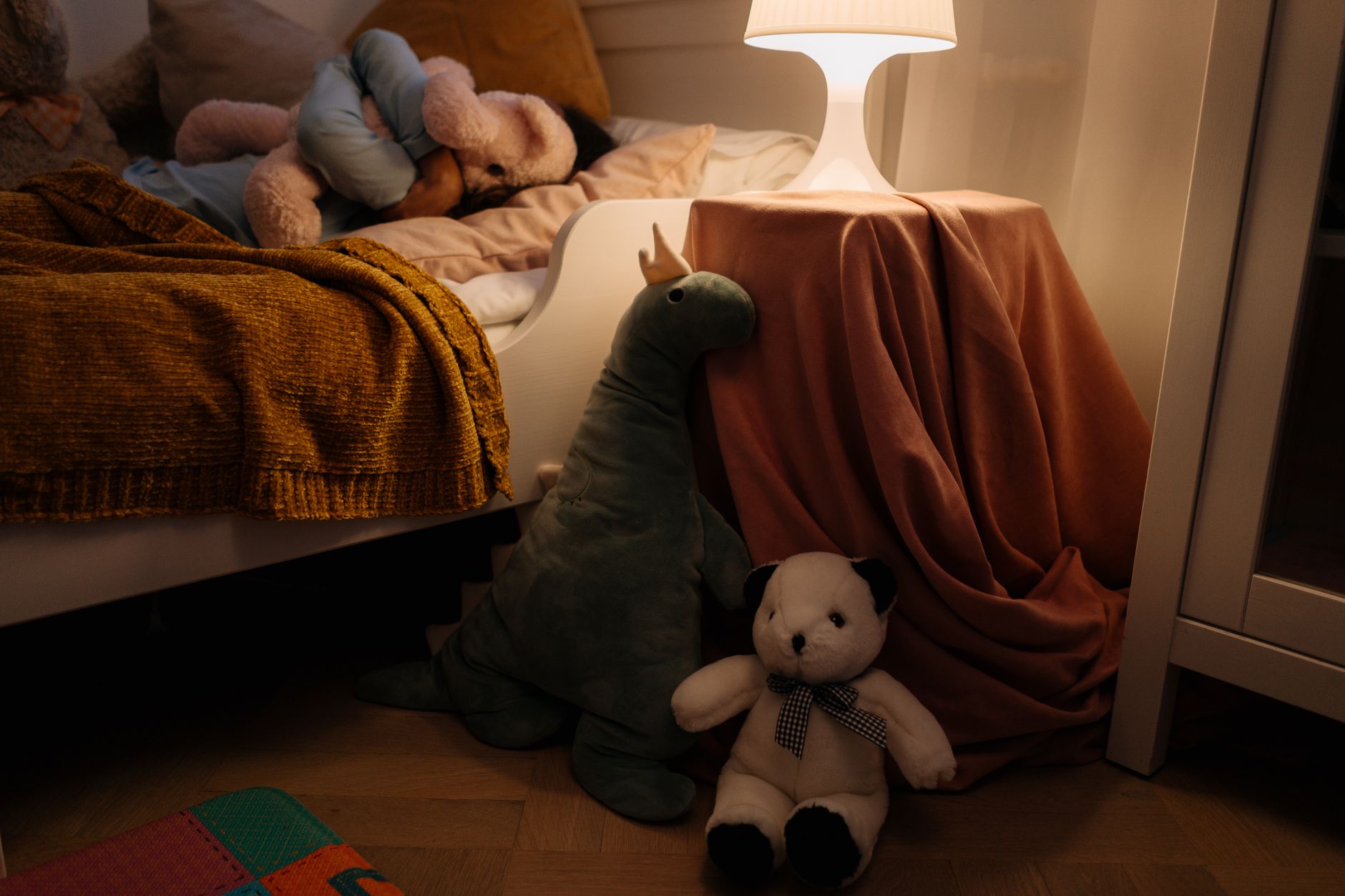
How to sleep train a teething baby at night
When a baby’s teeth are breaking through, the usual sleep‑training cues—like a gentle “shush” or a consistent lullaby—can be drowned out by gum pain. The key is to blend pain‑management with the training steps you’re already using.
Step 1: Assess readiness despite teething
Even during a teething flare, many infants are developmentally ready for sleep training. Look for signs such as staying awake for at least 45 minutes between naps, showing a predictable drowsy window after feeding, and being able to self‑soothe with a thumb or soft object. If these cues are present, you can proceed with a modified plan.
Step 2: Create a teething‑friendly bedtime routine
Stick to a predictable sequence—bath, massage, story, lullaby—while adding a teething‑specific element. A cool, damp washcloth rubbed gently on the gums for a minute can give immediate relief. Follow it with a small dose of infant acetaminophen (if approved by your pediatrician) to reduce inflammation before the final soothing steps.
Step 3: Adjust the “cry it out” component
If you normally let your baby cry for a set interval, consider a “no‑cry” variation during teething weeks. Use a brief check‑in (30 seconds) to reassure, then resume the usual waiting period. This keeps the training consistent while acknowledging the extra discomfort.
Step 4: Keep the sleep environment consistent
Darkness, white noise, and a cool room (around 68–70 °F) are still essential. A teething‑friendly crib mattress that provides gentle support can reduce pressure on sore gums when the baby lies on their side.
Step 5: Track progress and be flexible
Maintain a simple sleep log noting night waking, gum swelling, and any medication given. If night wakings spike for more than three consecutive nights, pause major training changes and focus on comfort for a few days.
Beyond the steps above, remember that consistency does not mean rigidity. A teething episode may last a week or more, and the baby’s tolerance can shift nightly. Keep the tone calm, and treat any setback as a temporary pause rather than a failure of the overall plan.

Best sleep training methods for teething toddlers
| Method | Core principle | Teething adaptation | Typical duration |
|---|---|---|---|
| Ferber (graduated extinction) | Gradually increase wait time before checking | Shorten initial intervals (30 seconds) and add a soothing touch at each check‑in | 5‑10 days |
| Chair method (sleep‑training chair) | Parent sits nearby, gradually moving farther | Provide a cool teething ring within arm’s reach; keep chair distance adjustments slower | 7‑14 days |
| Pick‑up‑put‑down (no‑cry) | Pick up when crying, put down when calm | Use a soft pacifier or teething toy during pick‑up; limit pick‑up time to 1‑2 minutes | 10‑21 days |
For most families, the Pick‑up‑Put‑down method yields the least stress during a teething episode because it allows frequent soothing without resetting the sleep association. However, if you’re comfortable with brief periods of crying, the modified Ferber approach can still be effective—just keep the first waiting intervals short and monitor pain levels closely.
Whichever method you choose, keep communication with your partner clear. One parent can handle the soothing while the other monitors the baby’s comfort cues. This division of labor reduces parental fatigue and helps maintain a consistent approach.
Can teething pain disrupt sleep training schedule?
Yes, teething pain can temporarily disrupt any sleep‑training schedule. The inflammation and swelling cause increased night waking, which may look like a regression. The disruption is usually short‑lived—most babies settle back into the training rhythm within 3–5 days of a teething flare.
Why the disruption happens
When a tooth pushes through the gums, the baby’s body releases prostaglandins, a chemical that heightens sensitivity and can cause low‑grade fever. This physiological response makes it harder for the infant to stay asleep through usual soothing cues.
How to mitigate the impact
- Offer a pre‑bedtime teething massage.
- Give an age‑appropriate dose of acetaminophen (15 mg/kg) if your pediatrician approves.
- Maintain the same bedtime and nap schedule as much as possible to preserve circadian cues.
- Temporarily increase the length of the bedtime routine by 5 minutes to allow extra calming time.
In addition, keep a “comfort kit” by the crib—cold teething rings, a damp washcloth, and any over‑the‑counter medication you’ve discussed with your pediatrician. Having these items within reach reduces the time you spend searching for relief during a night waking.
How to soothe a teething baby during sleep training
Soothing a teething baby is a blend of physical comfort, safe medication, and environmental tweaks. Below are evidence‑based techniques that won’t undo the progress you’ve made.
Physical comfort methods
- Cold teething rings: A chilled (not frozen) silicone ring can numb the gums for 10‑15 minutes.
- Gum massage: Use a clean finger or a soft, damp washcloth to gently rub the gums in circular motions.
- Breast‑feeding or bottle‑feeding: The act of sucking can provide soothing pressure; just keep feedings calm and brief before bedtime.
Safe medication
The American Academy of Pediatrics (AAP) recommends infant acetaminophen for short‑term relief of teething pain, but only under a pediatrician’s guidance. Ibuprofen is another option for babies older than six months, as it also reduces inflammation. Always follow the label’s weight‑based dosing and never exceed the maximum daily dose. The FDA’s labeling for infant acetaminophen (e.g., Tylenol Infant) specifies a maximum of 5 mL per dose for infants under 12 months; check the product’s packaging for exact numbers.
Environmental adjustments
White noise can mask the sounds of a restless baby, while a cool‑mist humidifier keeps the airway moist, reducing the likelihood of coughing that can compound pain‑related waking.
Finally, consider a “sleep‑friendly” nightlight that emits a soft amber glow. Bright blue light can interfere with melatonin production, especially in older infants who are beginning to develop circadian rhythms.
When to start sleep training if baby is teething
Timing is everything. Starting a new training plan while a baby is in the middle of a teething surge can feel overwhelming, but you don’t necessarily have to wait for the entire episode to end.
Ideal windows
- Early teething (4‑5 months): If the baby shows early signs of self‑soothing and can stay calm for short periods, you can begin a gentle sleep‑training routine while using extra comfort measures.
- Peak teething (6‑9 months): Consider a short “pause” of 3–5 days during the most intense gum swelling. Resume training once the swelling subsides.
- Late teething (10‑12 months): Most toddlers have already established a sleep routine, so you can fine‑tune the method without major changes.
How to know it’s the right moment
Look for a lull in symptoms—reduced gum swelling, fewer night wakings, and a calmer demeanor. If you notice a consistent three‑day period of reduced discomfort, it’s a good signal to start or restart training.
When you decide to begin, keep the first few nights short and gentle. A 20‑minute “soft start” helps the baby adjust while you gauge how much extra soothing is still needed.
Sleep training tips for a teething 6‑month‑old
At six months many babies are ready for their first solid foods, sitting up unaided, and showing early signs of sleep independence. Here are targeted tips for this age group.
1. Keep naps consistent
Teething often shortens nap length. Aim for 2–3 naps totaling 3–4 hours during the day. If a nap is cut short, add a brief “quiet‑time” stretch before bedtime to avoid overtiredness.
2. Use a teething‑specific bedtime aid
A chilled silicone teething necklace (worn by the parent, not the baby) placed within reach can be a comforting visual cue without posing a choking hazard.
3. Offer a “comfort bottle”
A small 2‑ounce bottle of expressed breast milk or formula can be soothing, but keep it to a single sip to avoid forming a sleep‑association that requires feeding every night.
4. Gentle “shush‑and‑pat” method
Place the baby on their back, pat their chest for 30 seconds, then shush softly. If they cry, repeat with a brief pause—no longer than 1 minute—before the next pat. This respects the infant’s need for comfort while reinforcing self‑soothing.
Remember to keep the room dim and avoid stimulating toys after the final pat. A calm environment signals that it’s time for sleep, even if the gums are sore.
Do teething toys help with sleep training?
Teething toys can be a useful adjunct, but they are not a magic solution for sleep training. Their primary benefit is pain relief, which indirectly supports a smoother bedtime routine.
What to look for
- Material: Food‑grade silicone or natural rubber, free of BPA and phthalates.
- Temperature: Toys that stay cool for at least an hour after being refrigerated.
- Safety: No small parts that could detach; smooth edges to avoid gum injury.
How to incorporate them
Place the teething toy within the baby’s reach after the bedtime routine. Encourage the infant to explore it for a few minutes before lights out. If the baby becomes overly attached, limit use to the first 10 minutes to prevent dependence.
Rotating a couple of different textures (soft silicone, rubbery beads) can keep the baby interested without creating a long‑term reliance on a single toy.
How long does sleep training take when baby is teething
Typical sleep‑training timelines—5–14 days for most methods—can stretch by a few extra days during a teething episode. On average, expect an additional 2–4 days of night wakings, for a total of about 7–18 days.
Factors that influence duration
- Severity of teething pain: More swollen gums often mean longer night waking.
- Consistency of routine: The more stable the bedtime ritual, the quicker the baby adapts.
- Parent response: Prompt, calm soothing reduces the cortisol spike that can lengthen wake periods.
Tracking progress
Use a simple chart: column 1—date; column 2—night wakings; column 3—pain‑relief given; column 4—overall mood. When wakings drop to ≤2 per night for three consecutive nights, you’ve likely reached a stable point.
Review the chart each morning. If you notice a pattern of worsening pain on certain days, you may need to adjust medication timing or add an extra soothing step before bedtime.
Teething and night waking solutions
Beyond the core sleep‑training steps, here are specific solutions for night waking caused by teething.
1. Night‑time gum rub
Before you lay your baby down, gently rub their gums with a cool, damp washcloth for 30 seconds. This can reduce the urge to wake for relief.
2. Overnight teething gel (FDA‑approved)
Some pediatricians recommend a tiny dab of a benzocaine‑free teething gel applied to the gums before bedtime. Use only the amount specified (often a pea‑size amount) and only for a few nights.
3. Adjusted feeding schedule
A small “dream feed” at 10 p.m. can keep the stomach full, reducing the need for a mid‑night feeding that might also wake the baby from gum discomfort.
When you add a dream feed, keep it low‑key: a brief bottle or breastfeed in a dim room, followed immediately by the usual soothing routine. This helps avoid overstimulation before the final sleep block.
Sleep training without crying for teething infants
Many parents prefer a “no‑cry” approach, especially when the baby is already uncomfortable. The Pick‑up‑Put‑down method, combined with a consistent soothing cue, works well.
Key components
- Keep the bedroom dim and quiet.
- When the baby cries, pick them up for no more than 60 seconds, offering gentle rocking and a brief teething massage.
- Put them down while still drowsy, not fully asleep, to encourage self‑soothing.
- Repeat as needed, gradually increasing the time between pick‑ups.
This method reduces the stress of prolonged crying while still teaching the baby to settle independently. It also gives parents a clear structure to follow, which can be reassuring during a hectic teething phase.
Natural remedies for teething pain at bedtime
While over‑the‑counter medication is safe under pediatric guidance, many families also turn to natural options.
Chamomile tea‑soaked cloth
Steep a chamomile tea bag in hot water, let it cool, then dip a clean cloth and squeeze out excess liquid. Place the cloth on the baby’s gums for a minute. Chamomile has mild anti‑inflammatory properties and a calming scent.
Clove oil (diluted)
Clove oil contains eugenol, a natural analgesic. Dilute 1 drop of clove oil in 1 teaspoon of carrier oil (coconut or olive oil) and apply a tiny dab to the gums. Only use under a pediatrician’s advice, as essential oils can be potent.
Cold mashed banana
A small spoonful of chilled mashed banana can numb the gums while providing nutrition. Ensure it’s smooth to avoid choking.
These natural remedies can be combined with the physical comfort methods above. However, always test a small area first to ensure the baby does not have an allergic reaction.
How many naps a teething baby needs?
Sleep needs don’t change dramatically during teething, but the quality of naps can suffer.
Guidelines by age
- 4‑6 months: 3–4 naps, total 3–4 hours.
- 6‑9 months: 2–3 naps, total 2.5–3.5 hours.
- 9‑12 months: 2 naps, total 2–3 hours.
If a nap is cut short due to gum pain, add a 15‑minute “quiet‑time” in a dim room before bedtime to keep the overall sleep quota balanced.
Watch for signs of overtiredness—rubbing eyes, yawning, or increased fussiness—as these can amplify teething discomfort and make night waking more likely.
Signs baby is ready for sleep training despite teething
Even with a teething episode, some babies show clear readiness indicators.
- Stays calm for 5 minutes after a brief feeding.
- Shows interest in a soft blanket or plush toy.
- Can self‑soothe by thumb‑sucking or gentle rocking.
- Has a predictable drowsy window 30‑45 minutes after the last feed.
- Wakes briefly at night but settles without prolonged crying.
When you observe at least three of these signs, you can safely start a modified sleep‑training plan.
It’s also helpful to note the baby’s typical wake‑up time after a night feeding. A consistent pattern suggests the infant is developing the internal cues needed for independent sleep.
Using a pacifier during sleep training for teething
Pacifiers can be a double‑edged sword. They provide immediate gum comfort but may become a sleep association.
Best practices
- Choose a silicone pacifier that can be chilled for extra soothing.
- Offer it only at bedtime and during night wakings, not during daytime naps.
- Phase out the pacifier after the teething episode resolves—typically within 4–6 weeks.
When to avoid
If your baby relies on the pacifier to fall asleep within seconds, consider a “gradual reduction” approach: start by limiting its use to the first 5 minutes of each night, then slowly increase the interval.
Monitor for signs of ear infections, which can be more common with prolonged pacifier use. If you notice unusual drainage or fever, discuss pacifier use with your pediatrician.
Sleep regression during teething vs normal
Sleep regression is a term parents use when a baby who previously slept well suddenly starts waking more often. Teething‑related regression has distinct characteristics.
Teething regression
- Night wakings often coincide with visible gum swelling or drooling.
- Baby may appear more irritable during the day, especially after feedings.
- Relief methods (cold teething ring, gum massage) typically reduce the night wakings within a few days.
Normal developmental regression
- May occur around 4 months, 8‑10 months, and 18 months, linked to milestones.
- Waking is usually brief (5‑10 minutes) and the baby can self‑soothe quickly.
- No obvious physical discomfort (no swollen gums, drooling).
Understanding the difference helps you choose the right strategy—pain relief for teething, consistency and patience for developmental milestones.
Choosing safe nighttime teething products
When you’re shopping for a teething aid that will sit in the nursery overnight, safety is the top priority. Look for products that have been cleared by the U.S. Food and Drug Administration (FDA) or carry the European CE mark, which indicates compliance with health‑safety standards.
Key safety criteria
- Material: Food‑grade silicone, natural rubber, or medical‑grade plastic—free from BPA, phthalates, and lead.
- Size & shape: No small detachable parts; the item should be larger than a U.S. quarter to prevent choking.
- Temperature: Items that stay cool for at least an hour after refrigeration are ideal; avoid products that become too hard when frozen.
- Cleanability: Dishwasher‑safe or easy‑to‑wash surfaces reduce bacterial buildup.
Brands that list FDA clearance on the packaging (e.g., “FDA‑registered”) give you an extra layer of confidence. The NHS also advises parents to avoid teething necklaces that can be worn by the baby, as they pose a strangulation risk.
How to test a product
Before giving any new item to your baby, inspect it for cracks, sharp edges, or discoloration. Run it under hot water for a minute to ensure it doesn’t become too hot, then let it cool before offering it to your child.
How teething affects parental sleep and self‑care
Teething isn’t just a challenge for the baby; it can erode a parent’s own sleep, mood, and overall well‑being. A study from the National Institute of Child Health and Human Development (NICHD) found that parents of teething infants report an average loss of 1–2 hours of sleep per night.
Practical self‑care tips
- Tag‑team the night: One parent handles the first half of the night, the other takes over after a set time. Rotate shifts weekly to keep both partners rested.
- Micro‑naps: When the baby finally settles, use the quiet moments to close your eyes for 10‑15 minutes—even if you don’t feel fully asleep.
- Hydration and nutrition: Keep a water bottle and a healthy snack (e.g., a handful of nuts or a piece of fruit) nearby. Low blood sugar can amplify stress.
- Mindful breathing: Simple 4‑7‑8 breathing exercises during a night waking can lower cortisol levels, making you calmer for the baby.
Remember, taking care of yourself isn’t selfish—it directly improves the quality of soothing you can provide.
Transitioning out of teething‑focused sleep training
Once the teething episode subsides—usually after the last tooth erupts—the extra pain‑relief steps are no longer necessary. This is a good moment to re‑evaluate the sleep‑training method you’ve been using.
Gradual scaling back
Reduce the frequency of night‑time gum massages and slowly wean off any medication. If you’ve been using a Pick‑up‑Put‑down approach, start extending the intervals between pick‑ups by 30 seconds each night until you reach your original method.
Re‑establishing sleep cues
Re‑introduce the original bedtime song or lullaby that you may have paused during teething. Consistency in the cue helps the baby recognize that it’s time for sleep, not just pain relief.
Within a week of scaling back, most families notice a smoother transition back to the baseline sleep schedule. If night wakings persist, consider revisiting the original sleep‑training plan without the teething modifications.

Myth vs. fact
Myth: You must stop all sleep training until teething is completely over.
Fact: You can continue a gentle, modified sleep‑training plan while managing gum pain, as long as you stay flexible and prioritize comfort.
Myth: Teething toys alone will make a baby sleep through the night.
Fact: Teething toys relieve gum discomfort but do not replace a consistent bedtime routine and sleep‑training cues.
Myth: Giving a baby acetaminophen every night will cure teething‑related sleep problems.
Fact: Medication should be used sparingly for pain relief; over‑use can mask other issues and should always follow a pediatrician’s guidance.
Key takeaways
- Teething can temporarily increase night waking, but a consistent, gentle sleep‑training plan still works.
- Combine pain‑relief (cold teething rings, infant acetaminophen) with your chosen training method.
- Adjust nap schedules modestly—maintain total daily sleep needs.
- Use teething toys and pacifiers as short‑term comfort, not long‑term sleep dependencies.
- Watch for red‑flag symptoms (high fever, persistent vomiting) that require a pediatrician’s care.
- Most families see progress within 1–2 weeks when they stay patient and flexible.
Frequently asked questions
Can a baby still be sleep trained while teething?
Yes. A baby can learn to fall asleep independently even with sore gums, provided you incorporate soothing pain‑relief steps and keep the training method flexible. Shorter check‑in intervals and a calming bedtime routine are key.
What are the signs that teething is affecting sleep?
Look for increased drooling, gum swelling, a desire to chew on objects, and night wakings that coincide with these signs. The baby may also be more irritable during the day and have difficulty settling at bedtime.
How long does teething‑related sleep disruption last?
Most teething episodes last 3–7 days, with peak discomfort around day 3‑4. Night waking usually improves within 2‑3 days of using comfort measures, though some babies may experience a mild regression for up to two weeks.
Are there safe pain relievers to use during sleep training?
The American Academy of Pediatrics recommends infant acetaminophen (15 mg/kg) for short‑term relief, and ibuprofen for babies over six months, as long as you follow weight‑based dosing and consult your pediatrician first.
Should I change my sleep training method when my baby is teething?
It’s often helpful to switch to a gentler method—such as Pick‑up‑Put‑down or a modified Ferber approach with shorter intervals—during a teething flare. Once the gums settle, you can return to your original plan.
What bedtime routine helps a teething baby sleep better?
A calming sequence that includes a cool gum massage, a brief dose of acetaminophen (if approved), a warm bath, a quiet story, and a consistent lullaby works well. Keep the routine under 20 minutes to avoid overstimulation.
Can essential oils be used safely for teething pain?
Essential oils like clove oil can provide temporary relief, but they must be heavily diluted (1 drop in 1 teaspoon carrier oil) and used only under a pediatrician’s guidance. The FDA does not regulate essential oils for infant use, so caution is essential.
Is it okay to let my baby cry if they have a fever from teething?
A low‑grade fever (under 101 °F/38.3 °C) is common with teething and usually not dangerous. However, if the fever persists for more than 24 hours or exceeds 101 °F, you should contact your pediatrician. During a fever, a brief, comforting “check‑in” is safer than prolonged crying.
When to see a doctor / specialist
If your baby shows any of the following, contact your pediatrician promptly:
- Fever above 100.4 °F (38 °C) lasting more than 24 hours.
- Persistent vomiting or refusal to eat for more than 12 hours.
- Excessive drooling with signs of dehydration (dry mouth, no tears when crying).
- Unusual rash, swelling, or signs of infection around the gums.
- Night waking that does not improve after 7‑10 days of consistent soothing measures.
This article provides general information and is not a substitute for personalized medical advice. Always discuss any concerns or medication plans with your child’s healthcare provider.
References
- American Academy of Pediatrics. “Management of Fever and Pain in Infants and Children.” Pediatrics, 2023.
- American Academy of Pediatrics. “Sleep Training Recommendations for Infants and Toddlers.” HealthyChildren.org, 2022.
- National Institute of Dental and Craniofacial Research. “Teething: What Parents Need to Know.” NIH, 2021.
- Harvard T.H. Chan School of Public Health. “Infant Sleep and Development.” Nutrition Source, 2022.
- American Academy of Pediatrics. “Use of Acetaminophen in Infants.” Clinical Practice Guidelines, 2023.
- National Sleep Foundation. “Sleep Needs by Age.” Sleep.org, 2024.
- World Health Organization. “Guid

