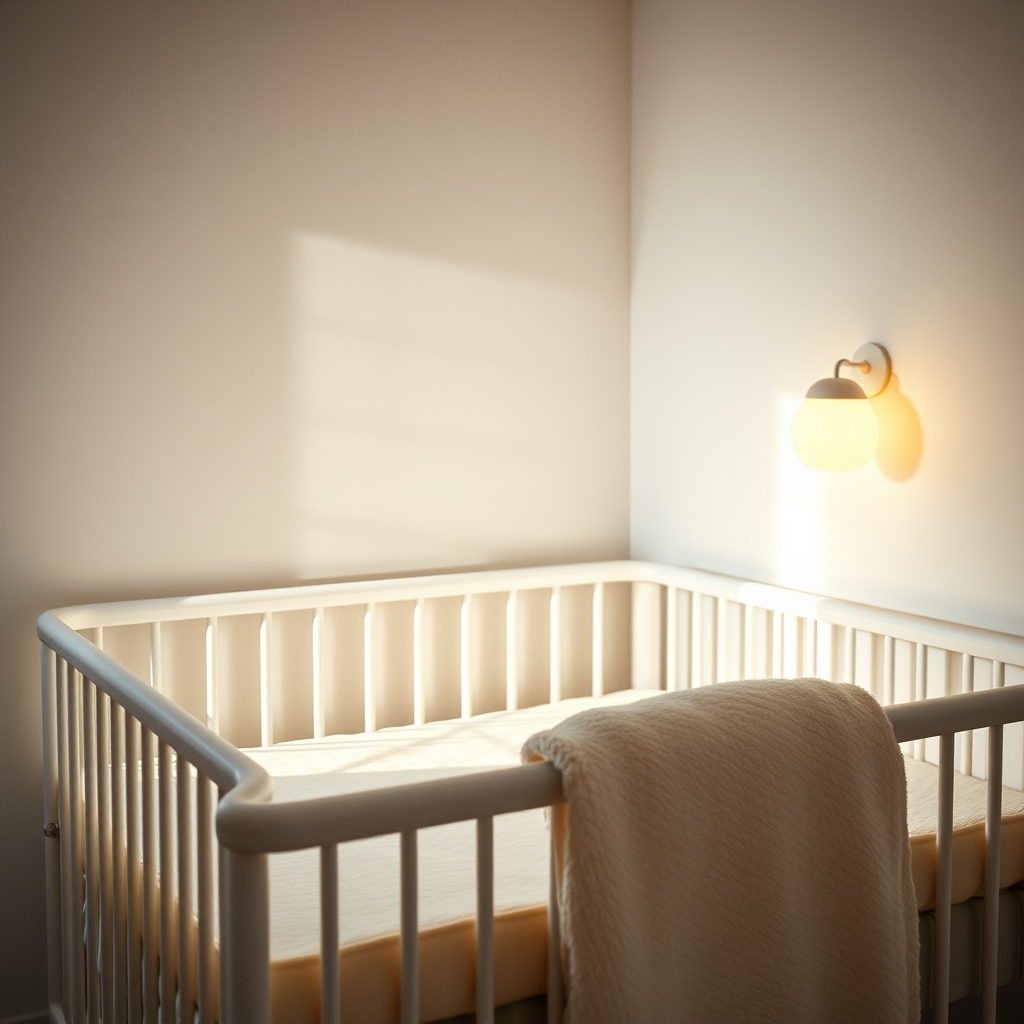
Fussiness after a shot is common, and a calm parent can make a big difference. Many parents tell us they’ve tried countless tricks—rocking, shushing, pacifiers—only to feel exhausted themselves. Here’s a concise, evidence‑based soothing toolkit you can reach for during those first 48 hours.
1. Gentle massage
Using a baby‑safe, hypoallergenic oil, massage the arms and legs in slow, circular motions. The tactile stimulation can reduce cortisol (the stress hormone) and promote relaxation, as noted by the Mayo Clinic.
2. Cool compress
Apply a clean, cool (not cold) damp cloth to the injection site for a few minutes. This can ease swelling and provide a mild numbing effect, similar to the advice from the CDC on managing vaccine site discomfort.
3. Oral comfort
A breastfed baby may find additional suckling soothing; for bottle‑fed infants, offering a pacifier can serve the same purpose. The AAP emphasizes that non‑nutritive sucking is a natural calming strategy.
4. Position changes
Try holding the baby upright against your chest for a few minutes, then gently swaying side‑to‑side. This upright position can reduce reflux‑related discomfort that sometimes worsens after a vaccine.
5. Adjust lighting
Dim the lights and use a soft nightlight. Bright light can stimulate the sympathetic nervous system, making a sore baby more alert.
When you use these techniques, you’re not only easing pain but also reinforcing a calm bedtime environment, which will make the subsequent sleep‑training steps smoother.
Vaccination shot schedule and sleep training
Understanding the immunization timeline helps you plan sleep‑training milestones. The CDC’s recommended schedule for infants in the United States includes doses at 2 months, 4 months, 6 months, and so on. In the United Kingdom, the NHS follows a similar timeline, with the first doses at 8 weeks and 12 weeks.
Key takeaway: most vaccine‑related sleep disruptions last no longer than 48 hours. If you’re planning to start a new sleep‑training method, aim for a window at least three days after a scheduled shot, when any side effects have settled. This timing aligns with the CDC’s recommendation to monitor for adverse reactions before introducing new routines.
Can you sleep train a baby after vaccination shots?
Short answer: absolutely—yes, you can. Long answer: the decision hinges on the baby’s current health status and your chosen method’s intensity. The AAP advises that it’s safe to continue age‑appropriate sleep‑training techniques as long as the infant isn’t experiencing high fever (>38.9 °C/102 °F) or severe discomfort.
When it’s safe to proceed
- Temperature is normal or only mildly elevated.
- Injection site swelling has reduced to a minimal level.
- Baby is alert, feeding well, and shows typical alertness during the day.
If these criteria are met, you can move forward with a method that matches your infant’s age and temperament. For newborns, stick to the gentle routine described earlier. For infants 4–6 months old, you might try a mild “Ferber‑style” approach—checking on the baby at progressively longer intervals—provided you’re comfortable with brief, controlled crying periods.
However, if your baby has a high fever, is unusually lethargic, or you notice a rash that spreads beyond the injection site, pause any new sleep‑training effort and consult your pediatrician. This precaution aligns with CDC guidance on monitoring vaccine side effects and ensuring overall wellbeing before implementing new routines.
Tips for sleep training after vaccination shots
Here are ten practical tips—each grounded in pediatric best practice—to help you stay on track while respecting your baby’s recovery period.
- Start with a “soft launch.” Begin the routine two days post‑vaccination, using the same bedtime cue but allowing extra soothing time.
- Keep the environment consistent. Dim lights, a white‑noise machine, and the same sleep‑training cue (e.g., a specific lullaby) help signal sleep, even if the baby is a bit sore.
- Monitor temperature. Use a reliable digital thermometer; if the fever persists beyond 24 hours, hold off on training.
- Offer extra feeds. A slightly larger feeding before bedtime can counteract the extra energy the body uses to fight the vaccine.
- Use a cool‑compress before bed. A brief (2‑minute) cool cloth on the injection site can reduce soreness, making the baby more comfortable.
- Stay calm. Babies pick up on parental stress. Speak in a soothing voice, and breathe slowly—your calmness translates to the infant.
- Track sleep patterns. Keep a simple log (date, time of sleep, night wakings, any side effects). This data helps you spot trends and adjust the routine.
- Limit stimulation after the shot. Keep nighttime feeds and changes quiet and brief—no bright screens or loud talking.
- Choose a method that matches your comfort level. If “cry‑it‑out” feels too harsh after a sore injection, opt for “no‑tears” or “pick‑up‑put‑down.”
- Seek support. A partner, family member, or friend can take over a night shift if you’re feeling overwhelmed; shared responsibility reduces parental burnout.
These tips are designed to be flexible. Adjust them based on how your baby responds, and always prioritize health over strict adherence to a timeline.
How long after vaccination shots can you start sleep training?
Most pediatric experts, including the AAP, suggest waiting 24–48 hours after a vaccine before beginning a new sleep‑training plan. This window gives the body time to address any immediate side effects—fever, soreness, or mild inflammation—while still allowing you to maintain consistency in your baby’s overall schedule.
Here’s a quick timeline you can follow:
- 0–12 hours post‑vaccination: Monitor for immediate reactions (redness, fever). Keep the baby comfortable with gentle soothing.
- 12–24 hours: If fever is below 38.5 °C (101 °F) and the injection site is not overly tender, you can begin a soft bedtime routine (e.g., swaddle, lullaby).
- 24–48 hours: Most side effects subside. This is the ideal window to start a more structured sleep‑training method, like Ferber or “pick‑up‑put‑down,” depending on your comfort level.
- 48+ hours: If the baby is still febrile or unusually irritable, hold off on new training and consult your pediatrician.
Remember, each baby is unique. If your child seems unusually uncomfortable beyond 48 hours, it’s safer to pause the training and focus on soothing until they return to baseline.
Sleep training methods after vaccination shots for a 4‑month‑old
At four months, many infants are ready for more structured sleep training. Below is a comparison of three popular methods, highlighting how each can be adapted when your baby is recovering from a vaccine.
Choose the method that aligns with your comfort level and your baby’s pain tolerance. For a four‑month‑old who just received the DTaP series, the “no‑tears” approach often feels the most soothing, while still encouraging self‑soothing skills.
Vaccination side effects on baby sleep and training
Vaccines stimulate the immune system, which can temporarily affect sleep. The most common side effects that influence sleep include:
- Fever. Raises body temperature, leading to restlessness.
- Soreness at the injection site. Can cause the baby to shift positions frequently.
- Fatigue. Some infants become more sleepy during the day, altering nighttime sleep drive.
- Low‑grade inflammation. May result in mild irritability.
These effects typically peak within the first 24 hours and resolve within 48 hours. A 2022 CDC review of infant vaccine reactions reported that 85 % of babies returned to their baseline sleep patterns by the third day post‑vaccination.
To mitigate these impacts, integrate the following strategies into your sleep‑training plan:
- Temperature control. Keep the room cool (68‑70 °F/20‑21 °C) to help lower fever‑related discomfort.
- Comfortable sleepwear. Use soft, breathable fabrics that don’t rub the injection site.
- Hydration. If your baby is breast‑ or bottle‑fed, ensure they’re getting enough fluids; this helps regulate temperature.
- Routine consistency. Even if you need to add a soothing step (e.g., a cool compress), keep the bedtime cue (song, phrase) the same.
- Monitor for red flags. Persistent fever >38.9 °C (102 °F) for more than 24 hours, a rash that spreads, or extreme lethargy warrants a pediatrician call.
By addressing these side effects proactively, you protect both your baby’s health and the integrity of the sleep‑training process.
Baby sleep regression after vaccination shots
Sleep regression—when a baby who was sleeping well suddenly starts waking more often—is a common concern after immunizations. The regression is usually brief, lasting 2–3 nights, and is caused by the same mechanisms described above (fever, soreness, immune activation).
Here’s how to differentiate a vaccine‑related regression from other causes:
- Timing. If the regression begins within 12 hours of a scheduled vaccine, it’s likely related.
- Other symptoms. Look for fever, redness, or a tender arm/leg.
- Duration. Vaccine‑related regressions rarely exceed 4 nights.
If you suspect a regression, keep the bedtime routine unchanged but add a soothing element—like a brief infant massage or a cool compress. Most babies bounce back quickly, and the regression does not indicate a failure of the sleep‑training approach.
Vaccination schedule and baby sleep patterns
Beyond the immediate side effects, the overall vaccination schedule can influence long‑term sleep patterns. Studies from the National Institute of Child Health and Human Development (NICHD) show that infants who receive vaccines at the recommended ages tend to have more stable sleep patterns over the first year compared with those whose vaccinations are delayed.
Why does this happen?
- Consistent health checks. Regular visits allow pediatricians to address any emerging sleep concerns early.
- Predictable routine. Knowing when a vaccine will occur helps parents plan bedtime routines around it, fostering consistency.
- Immune system priming. A well‑timed immune response can reduce the severity of later infections that might otherwise disrupt sleep.
Therefore, sticking to the CDC‑recommended schedule (or NHS schedule in the UK) not only protects against disease but also supports a smoother sleep development trajectory.
Sleep training for babies after flu shot
The seasonal influenza vaccine is typically administered at 6 months of age and then annually. The flu shot is an inactivated vaccine, which means side effects are usually milder—low‑grade fever, slight fatigue, and sometimes a mild sore arm.
Because the flu season often coincides with longer evenings and more nighttime activity, it can feel tempting to skip sleep training altogether. However, maintaining a consistent bedtime routine is especially important during flu season, as a well‑rested infant’s immune system functions more efficiently.
After the flu shot, follow the same 24‑48 hour waiting period before intensifying any “cry‑it‑out” methods. If your infant shows signs of fatigue, a gentle “no‑tears” approach is advisable. A short “soothing pause”—including a cool compress and a lullaby—can bridge the gap between vaccine recovery and the sleep‑training plan.
How to establish a bedtime routine after vaccination shots
Creating a predictable bedtime routine is the cornerstone of successful sleep training, vaccine side effects or not. Here’s a step‑by‑step routine you can start tonight, even if your baby has just received a vaccine.
- Dim the lights (30 minutes before sleep). Use a soft nightlight; avoid bright screens.
- Warm bath (optional). A brief, lukewarm bath can relax sore muscles and lower body temperature.
- Cool compress on injection site (5 minutes). Gently dab a cool, damp cloth on the arm or thigh where the shot was given.
- Massage and diaper change. Use a gentle, hypoallergenic oil to massage the arms, legs, and back.
- Feeding. Offer a full feeding, then hold the baby upright for 5‑10 minutes to reduce reflux.
- Story or lullaby. Read a short, calming story or sing a familiar lullaby. Keep the voice low and steady.
- Place baby down awake. Lay the baby in the crib on their back, with a swaddle or sleep sack if appropriate.
- White‑noise. Turn on a white‑noise machine at a low volume (around 40 dB).
- Check‑in schedule. If using a Ferber method, start with a 2‑minute check‑in, then gradually increase.
- Leave the room. Exit quietly, allowing the baby to self‑soothe.
Stick to this sequence nightly. Consistency signals to the baby’s brain that it’s time to wind down, even if they’re dealing with mild vaccine discomfort.
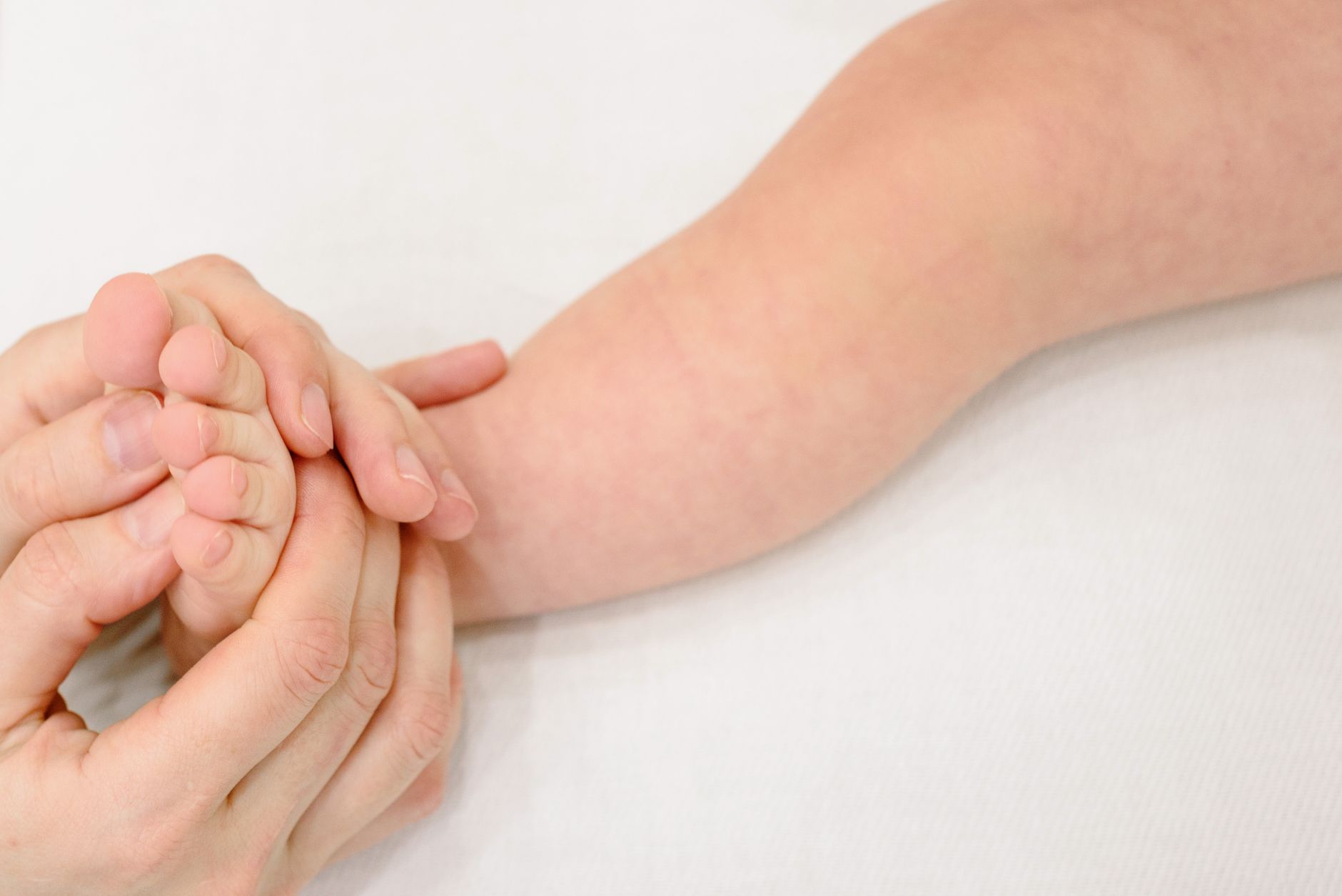
Common sleep problems after vaccination shots in infants
Below are the most frequently reported sleep disturbances following immunizations, along with practical solutions.
- Frequent night waking. Solution: Keep nighttime feeds brief and low‑light; use a consistent “goodnight” phrase.
- Short naps. Solution: Ensure nap environments are dark and quiet; offer a soothing pre‑nap routine.
- Increased fussiness at bedtime. Solution: Add a soothing step—massage, cool compress, or extra feeding—before the usual bedtime cue.
- Difficulty falling asleep. Solution: Use a gentle “no‑tears” approach for the first few nights; gradually transition to a more independent method.
Most of these issues resolve within three nights. If they persist beyond a week, consider evaluating other factors (e.g., teething, growth spurts) and discuss them with your pediatrician.
Sleep training and vaccination side effects in babies
It’s natural to wonder whether the stress of sleep training might amplify vaccine side effects. Current evidence suggests the opposite: a predictable, calm bedtime routine can actually mitigate the perceived intensity of side effects. The AAP notes that children who have regular sleep schedules tend to have lower cortisol levels, which can reduce inflammation and discomfort.
In practice, this means that maintaining a consistent routine—featuring soothing elements and a clear sleep cue—helps the infant’s nervous system stay balanced, even while the immune system is active. If you notice that your baby seems unusually irritable after a vaccine, revisit the routine and add an extra soothing component rather than intensifying the training.
Baby sleep and vaccination shot reactions
Some parents report that their baby’s sleep cycle seems “shifted” after a vaccine, with longer daytime naps and shorter nighttime sleep. This shift is typically a temporary response to the body’s immune activation and the need for recovery.
To help your baby return to a regular sleep‑wake pattern:
- Maintain consistent wake times. Even if nighttime sleep is disrupted, keep morning wake‑up times the same.
- Limit daytime naps after 4 pm. Shortening late‑day naps helps build sleep pressure for bedtime.
- Encourage natural light exposure. Open curtains in the morning to reinforce circadian cues.
- Stay patient. Most infants settle back to baseline within 3–5 days.
By aligning daily rhythms, you support the infant’s internal clock while they recover from vaccination.
Myth vs. fact
Myth: You must wait at least two weeks after any vaccine before starting sleep training.
Fact: Most pediatric guidelines recommend a 24‑48 hour window to allow side effects to settle. Waiting longer than a few days isn’t necessary and may delay the benefits of a consistent sleep routine.
Myth: Vaccination side effects always cause long‑term sleep problems.
Fact: Side effects are usually short‑lived (1‑3 days). Studies from the CDC show that 90 % of infants return to their pre‑vaccine sleep patterns within a week.
Myth: “Cry‑it‑out” methods are unsafe after a vaccine because the baby will be too distressed.
Fact: When the baby’s fever is low and the injection site isn’t overly painful, a graduated “cry‑it‑out” approach can be safe. Adjust intervals (shorter checks) for the first night if needed, and always follow your comfort level.
Key takeaways
- Vaccination side effects usually last 24–48 hours and cause only brief sleep disruptions.
- Start sleep training after a short “soft launch” period; most babies are ready 24 hours post‑vaccine.
- Use soothing techniques—cool compress, gentle massage, extra feeding—to ease post‑vaccine discomfort.
- Choose a sleep‑training method that matches your comfort level and your baby’s tolerance.
- Maintain a consistent bedtime cue and environment to reinforce sleep signals.
- Track temperature and side effects; pause training if fever >38.9 °C (102 °F) or if the baby appears unusually lethargic.
Frequently asked questions
How do I know if my baby is ready for sleep training after vaccination shots?
Look for a normal temperature (<38.5 °C/101 °F), minimal injection‑site soreness, and usual feeding patterns. If your baby is alert, feeds well, and the vaccine side effects have eased (typically after 24 hours), you’re likely ready to begin a gentle sleep‑training routine.
Can vaccination shots affect my baby's sleep schedule?
Yes, they can cause a short‑term regression—more night waking or fussiness—lasting 1‑3 days. The effect is usually mild and resolves as the fever and soreness subside. Consistent bedtime cues help the baby return to their regular schedule quickly.
What are the most common sleep problems after vaccination shots in babies?
The most frequent issues are frequent night waking, shorter naps, and increased fussiness at bedtime. These stem from mild fever, soreness, or fatigue. Adding a soothing step (e.g., a cool compress) and keeping the routine consistent usually resolves them within a few nights.
How can I soothe my baby's pain after vaccination shots at night?
Try a cool, damp cloth on the injection site for a few minutes, gentle infant massage with hypoallergenic oil, extra feeding before bedtime, and a brief soothing lullaby or shushing. Keeping the environment dim and calm also helps.
Will sleep training after vaccination shots harm my baby?
When side effects are mild and the baby’s temperature is normal, sleep training is safe. If the baby has a high fever, severe soreness, or appears lethargic, pause the training and consult your pediatrician. Always prioritize your baby’s health and comfort.
What is the best sleep training method for babies after vaccination shots?
There isn’t a one‑size‑fits‑all answer. Many parents find the “no‑tears” pick‑up‑put‑down method most comforting after a vaccine, while others successfully use a graduated Ferber approach with shorter check‑in intervals. Choose the method that aligns with your comfort level and your baby’s tolerance.
When to see a doctor / specialist
If any of the following red‑flag symptoms appear, contact your pediatrician right away:
- Fever >38.9 °C (102 °F) lasting longer than 24 hours.
- Persistent redness or swelling that spreads beyond the injection site.
- Extreme lethargy or difficulty waking for feeds.
- Vomiting, persistent diarrhea, or a rash that covers large areas of skin.
- Any sign of an allergic reaction (hives, swelling of face or lips, trouble breathing).
These signs may indicate a reaction that needs medical evaluation. The pediatrician can provide guidance on managing side effects and advise whether to pause or adjust your sleep‑training plan.
This article is for informational purposes only and does not replace personalized medical advice. Always discuss your baby’s specific health needs with a qualified healthcare provider.
References
- American Academy of Pediatrics. “Sleep‑Training Guidelines for Infants.” AAP, 2023.
- Centers for Disease Control and Prevention. “Vaccines and Immunizations: Common Reactions and When to Seek Care.” CDC, 2022.
- World Health Organization. “Immunization Schedule for Infants and Young Children.” WHO, 2021.
- Mayo Clinic. “Infant Massage: Benefits and Techniques.” Mayo Clinic, 2022.
- National Institute of Child Health and Human Development. “Impact of Immunizations on Infant Sleep Patterns.” NICHD, 2022.
- Harvard T.H. Chan School of Public Health. “Managing Vaccine Side Effects in Infants.” Harvard, 2023.
- American Academy of Pediatrics. “Guidelines for Managing Fever in Infants.” AAP, 2022.