Many 6-month-old babies are indeed ready for sleep training, exhibiting signs like consistent sleep patterns and developing self-soothing skills. This complete guide helps you assess your baby's readiness, choose the best method, and implement a successful sleep training plan for your 6 month baby.
By Shubhra Mishra — a mom of two who turned her own confusion during pregnancy into BumpBites, a global mission to make food choices clear, safe, and stress-free for every expecting mother. 💛
Check whether any food is safe during pregnancy with the BumpBites Food Safety Checker.
Quick take: If your 6-month-old baby is healthy, has doubled their birth weight, and shows signs of being able to self-soothe, they are likely ready for sleep training. This process helps your baby learn to fall asleep independently and consolidate their sleep, offering benefits for the whole family. Choose a method that aligns with your parenting style and commit to consistency for the best results, always prioritizing a safe sleep environment.
The 3 AM wake-up call. The endless rocking. The quiet desperation as you scroll through forums, searching for "sleep training 6 month baby ready" with one eye open. If this sounds familiar, you're not alone. So many parents reach a point where the exhaustion becomes unsustainable, and the dream of a full night's sleep for everyone feels like a distant fantasy.
At six months old, many babies are developmentally ready to learn independent sleep skills. This doesn't mean you're abandoning your little one; it means you're equipping them with a crucial life skill – the ability to settle themselves back to sleep. This guide will walk you through how to tell if your baby is ready, explore various methods, help you create an effective schedule, and address common challenges, all with a warm, reassuring, and evidence-based approach.
We know this journey can feel overwhelming, but with the right information and a consistent plan, you and your baby can both find more restful nights. Let's dive into how to gently guide your little one towards more peaceful sleep.
How to tell if your 6-month-old baby is truly ready for sleep training?
Before embarking on any sleep training journey, the first and most crucial step is to determine if your 6-month-old is developmentally and physically ready. Sleep training, at its core, is about teaching your baby to fall asleep and resettle themselves without your direct intervention. For this to be successful and safe, certain milestones should be met. Many parents ask us, "how to know if 6 month old is ready for sleep training?" Here's what to look for.
What does "sleep training" mean for a 6-month-old?
Sleep training, sometimes called sleep coaching, is a set of strategies designed to help your baby learn to fall asleep independently and extend their sleep periods. It's not about forcing your baby to sleep, but rather about creating a predictable environment and giving them the tools to self-soothe. For a 6-month-old, this often means reducing reliance on sleep associations like feeding to sleep, rocking, or pacifier re-insertion. The goal is consolidated night sleep and more predictable naps, benefiting both your baby's development and your own well-being.
Why is 6 months often a good age to start sleep training?
By six months, most babies have achieved several key developmental milestones that make sleep training more feasible and effective. The American Academy of Pediatrics (AAP) suggests that many infants are ready for some form of sleep training between 4 and 6 months of age. At six months, your baby's digestive system is more mature, meaning they typically no longer *require* nighttime feeds for nutritional needs, though some may still wake out of habit or comfort. Their circadian rhythm, the body's natural sleep-wake cycle, is also more established, making a consistent schedule easier to implement.
Key developmental milestones for sleep readiness
Look for these indicators that your 6-month-old is ready:
Healthy Weight Gain: Your baby should have at least doubled their birth weight and be growing well. This is a critical indicator that they can go longer stretches without feeding at night. Always check with your pediatrician to confirm your baby's nutritional needs are met before dropping night feeds.
Good Health: Your baby should be free from illness, teething pain, or any other physical discomfort that might genuinely disrupt sleep.
Consistent Wake Windows: At six months, babies generally have predictable wake windows (the time they can comfortably stay awake between naps and before bedtime) of around 2-3 hours.
Developing Self-Soothing Skills: You might notice your baby attempting to soothe themselves in other situations – perhaps sucking on their fingers, finding their pacifier, or babbling quietly. These are early signs they can learn to resettle themselves.
Establishing a Circadian Rhythm: While still developing, your baby's internal clock is becoming more aligned with day and night. They're likely taking longer naps and showing a clearer distinction between daytime and nighttime sleep.
No Underlying Medical Conditions: Ensure there are no medical issues like reflux, allergies, or sleep apnea that could be impacting their sleep. A check-up with your pediatrician can rule these out.
If your baby checks most of these boxes, they're likely in a good position to respond positively to sleep training. Remember, every baby is unique, so trust your instincts and consult your pediatrician if you have any concerns.
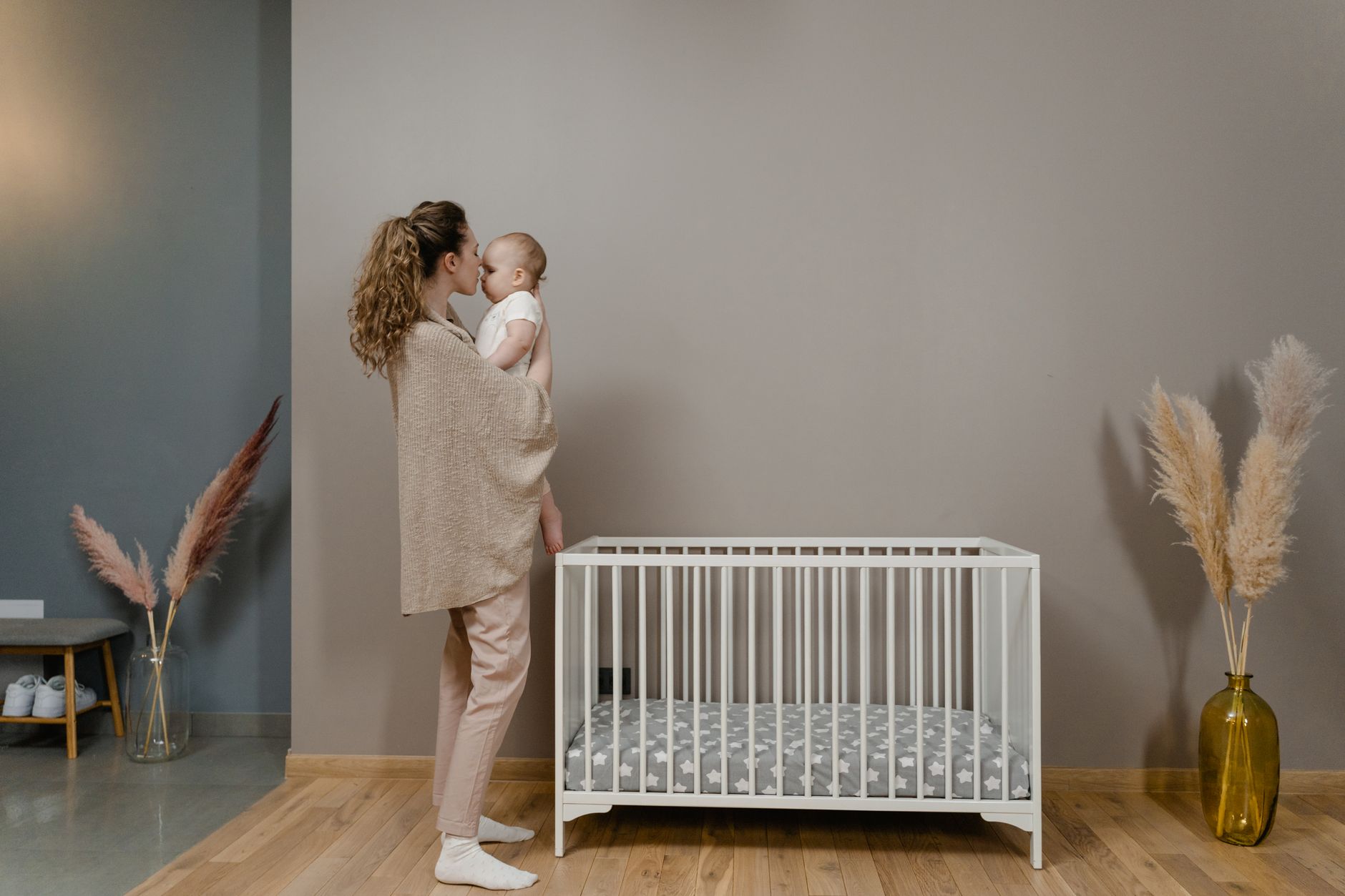
A calm sleeping environment is crucial for successful sleep training, helping your baby associate their crib with rest.
What are the best gentle sleep training methods for a 6-month-old?
When considering sleep training for your 6-month-old, you have a range of methods, from very gentle, high-intervention approaches to those that involve more independent settling. The "best" method is the one you feel most comfortable with and can consistently stick to. Many parents look for "gentle sleep training 6 month old" options, and thankfully, there are several effective choices.
Understanding different sleep training methods for 6-month-olds
Here's an overview of popular sleep training methods suitable for this age, focusing on their approach to crying and parental involvement:
1. The Chair Method (or "Camping Out")
How it works: You place your baby in their crib awake, then sit on a chair next to the crib. When your baby cries or fusses, you can offer verbal reassurance ("Mommy's here, it's time to sleep") but avoid picking them up. Over several nights, you gradually move the chair further away from the crib, eventually out of the room.
Pros: Offers a strong sense of parental presence, which can be reassuring for both baby and parent. It’s a very gradual approach.
Cons: Can be very time-consuming and requires significant patience. Your presence might inadvertently prolong crying for some babies if they are overstimulated by seeing you.
2. Pick-Up/Put-Down Method
How it works: You put your baby down awake. If they cry, you pick them up to comfort them until they are calm (but not asleep), then immediately put them back down. This is repeated as many times as necessary. The key is to avoid rocking or feeding to sleep.
Pros: Very responsive and minimizes prolonged crying. It directly addresses your baby's need for comfort while still teaching them to settle in the crib.
Cons: Can be physically demanding and emotionally draining for the parent due to the repetitive nature. For some babies, picking them up can be overstimulating and make it harder for them to settle.
3. Fading/No-Tears Method
How it works: This umbrella term covers methods where you gradually reduce your involvement in your baby's sleep process. For example, if you usually rock your baby to sleep, you might start by rocking them until drowsy, then put them down. Over time, you reduce the amount of rocking until you're just putting them down awake.
Pros: A very gradual and gentle approach that minimizes crying significantly. It respects your baby's current sleep associations and slowly helps them transition.
Cons: Can take a very long time to see results, potentially weeks or months, and requires high consistency. It might not be effective for all babies, especially those with very strong sleep associations.
4. Graduated Extinction (Ferber Method)
How it works: You put your baby down awake and leave the room. If they cry, you return to offer brief verbal reassurance and a quick pat (no picking up) at gradually increasing intervals (e.g., 3 minutes, then 5 minutes, then 10 minutes, and so on). This teaches your baby that you are still there, but they need to learn to self-soothe.
Pros: Generally effective and quicker than gentler methods. It provides a structured approach that many parents find reassuring.
Cons: Involves some crying, which can be difficult for parents to hear. Requires strict adherence to the intervals.
Choosing the right method for your family
The best method for your family depends on your comfort level with crying, your baby's temperament, and your ability to be consistent. Some parents find that a gentler, more hands-on approach feels better emotionally, even if it takes longer. Others prefer a more structured method that yields quicker results, even if it involves more initial crying. Remember, consistency is the most important factor for success, regardless of the method you choose.
Method
Parental Involvement
Crying Involved
Typical Duration
Key Principle
Chair Method
High (present in room)
Low to moderate
Weeks
Gradually withdrawing presence
Pick-Up/Put-Down
High (physical comfort)
Low to moderate
Days to weeks
Responsive comfort, then back to crib
Fading/No-Tears
High (gradual reduction of help)
Very low
Weeks to months
Slowly removing sleep associations
Graduated Extinction (Ferber)
Moderate (timed check-ins)
Moderate
Days to 1-2 weeks
Teaching self-soothing with reassurance
Extinction (CIO)
Low (no check-ins after put-down)
High (initial)
Days to a week
Baby learns to fall asleep independently
How to create an effective sleep training schedule for a 6-month-old?
A consistent and predictable schedule is the backbone of successful sleep training for a 6-month-old. It helps regulate your baby's internal clock, making it easier for them to fall asleep and stay asleep at appropriate times. Many parents are looking for a "sleep training 6 month old schedule" that works, and while every baby is different, we can offer a solid framework.
The importance of consistency and routine
Babies thrive on predictability. A consistent daily rhythm for meals, playtime, and sleep signals to your baby what to expect next, reducing anxiety and making transitions smoother. This includes:
Consistent Wake-Up Time: Try to wake your baby around the same time each morning, even if they've had a rough night. This helps anchor their day.
Predictable Nap Schedule: Aim for naps at roughly the same times each day, following appropriate wake windows.
Regular Bedtime: This is perhaps the most critical. A consistent bedtime helps solidify the night's sleep.
Sample 6-month-old sleep schedule
At six months, most babies transition from three naps to two. Their total sleep needs are typically around 12-16 hours in a 24-hour period, with 10-12 hours at night and 2-4 hours spread across 2-3 naps. This is a general example; adjust based on your baby's individual needs and cues.
Time
Activity
Notes
6:30 - 7:00 AM
Wake up & First Feed
Start the day consistently.
7:00 - 9:00 AM
Playtime / Wake Window
Engage with your baby, tummy time, etc.
9:00 - 10:30 AM
Nap 1
Often the longest nap of the day (1.5 hours).
10:30 AM
Feed
Offer a full feeding after waking.
10:30 AM - 1:00 PM
Playtime / Wake Window
Active play, errands.
1:00 - 2:30 PM
Nap 2
Another good nap, typically 1-1.5 hours.
2:30 PM
Feed
Offer another full feeding.
2:30 - 5:00 PM
Playtime / Wake Window
Quieter play as bedtime approaches.
5:00 - 5:30 PM
(Optional) Catnap
If needed to bridge to bedtime, keep it short (20-30 min).
5:30 - 6:30 PM
Dinner (solids) & Play
Introduce solids as advised by pediatrician.
6:30 PM
Bedtime Routine Begins
Bath, PJs, book, lullaby, final feed.
7:00 PM
Bedtime
Baby is put into crib awake.
Crafting a calming bedtime routine
A consistent bedtime routine signals to your baby that it's time to wind down for sleep. This routine should be calming, predictable, and happen in the same order every night, ideally lasting 20-30 minutes. Here’s an example:
Warm Bath (10-15 minutes): A soothing bath can help relax your baby and lower their body temperature, preparing them for sleep.
Pajamas and Diaper Change (5 minutes): Get them into comfortable sleepwear in a dimly lit room.
Quiet Time & Feeding (10-15 minutes): Offer a final feed (breast or bottle) in a calm, dark room. The goal is a full feed, but try to keep them awake so they don't associate feeding with falling asleep.
Book or Lullaby (5-10 minutes): Read a short board book or sing a gentle lullaby. This is a wonderful bonding time.
Crib Time: Place your baby awake into their crib. Say a consistent phrase like "I love you, time to sleep," then leave the room.
Maintain the same routine for naps, though it can be shorter (e.g., diaper change, book, crib). The key is the consistency of the "sleep cue" sequence.
Addressing "sleep training 6 month old nap schedule" challenges
Naps can often be trickier than nighttime sleep. If your 6-month-old is struggling with naps:
Prioritize Wake Windows: Ensure your baby isn't overtired or undertired before naps. An overtired baby can struggle to fall asleep and stay asleep.
Dark Room: Create a very dark sleep environment, even for naps, to promote melatonin production.
White Noise: A white noise machine can block out household sounds and create a consistent sleep environment.
Nap Routine: Use a scaled-down version of your bedtime routine to signal naptime.
Consistency: Try to offer naps at the same time each day, even if they're short.
It's common for nap training to take longer than night training. Be patient and consistent, and celebrate small victories.
What to do when sleep training a 6-month-old isn't working?
It's incredibly frustrating when you've invested time and energy into sleep training, only to find your "sleep training 6 month old not working." If you're feeling discouraged, take a deep breath. This is a common experience, and it doesn't mean you're doing anything wrong or that your baby is "un-trainable." There are many reasons why sleep training might hit a snag, and troubleshooting often involves a bit of detective work.
Common reasons for sleep training difficulties
Inconsistency: This is the number one culprit. Sleep training requires every caregiver (parents, grandparents, babysitters) to follow the chosen method and schedule consistently. Even one night of reverting to old habits can confuse your baby.
Unrealistic Expectations: Sleep training isn't a magic wand. It takes time, and there will be good nights and bad nights. Expecting perfection too soon can lead to burnout.
Underlying Medical Issues: Sometimes, sleep issues stem from something physical. Undiagnosed reflux, allergies, ear infections, or even nutrient deficiencies can cause discomfort that prevents sleep.
Timing is Off: Your baby might be overtired or undertired. Wake windows that are too long or too short can make it harder for them to settle.
Separation Anxiety: Around 6-9 months, many babies experience separation anxiety, which can make bedtime difficult.
Growth Spurts or Teething: These temporary phases can genuinely disrupt sleep as your baby experiences physical discomfort or increased hunger.
Environmental Factors: Room temperature, light, noise, or an uncomfortable crib mattress can all play a role.
Troubleshooting tips for when things aren't going to plan
If you feel like you're hitting a wall, consider these steps before giving up:
Re-evaluate Readiness: Double-check the readiness signs. Is your baby truly healthy? Have they doubled their birth weight? Are they hitting developmental milestones without acute distress? If you started during a regression or illness, it might be time to pause and restart.
Check for Hidden Hunger or Discomfort: If your baby is consistently waking at the same time and seems genuinely hungry, they might still need one night feed. Consult your pediatrician. Also, consider if they're uncomfortable – check their diaper, temperature, and for signs of teething or illness.
Adjust the Schedule: Review your baby's wake windows and nap times. Are they getting enough daytime sleep? Are they going to bed overtired? A slightly earlier bedtime can sometimes work wonders for an overtired baby.
Refine the Bedtime Routine: Is your routine calming enough? Is it consistent? Are you putting your baby down drowsy but awake, or are they already asleep? The "awake" part is crucial for independent sleep.
Give It More Time: True sleep training success can take anywhere from a few days to a few weeks. If you've only been trying for a few days, give it a full two weeks before declaring it a failure.
Consider a Different Method: If one method isn't working after consistent effort, it might not be the right fit for your baby's temperament or your comfort level. Sometimes a slightly gentler or slightly more structured approach is needed.
Address Environmental Factors: Ensure the nursery is dark, cool (around 68-72°F or 20-22°C), and quiet. A white noise machine can help muffle sounds.
Seek Support: Talk to your partner, a trusted friend, or a family member. Sleep deprivation takes a toll, and having someone to vent to or help with consistency can make a huge difference.
Remember, setbacks are normal. One night of poor sleep doesn't undo all your progress. Get back on track with your routine and method the next day, and don't let temporary bumps derail your long-term goals.
Is it safe to sleep train a 6-month-old using the cry it out method?
The "cry it out" (CIO) method, also known as unmodified extinction, is perhaps the most debated sleep training approach. Many parents wonder, "Is it safe to sleep train a 6-month-old using the cry it out method?" It's natural to have concerns about letting your baby cry, and understanding what the method entails and what the research says can help you make an informed decision for your family.
Defining the Cry It Out (CIO) Method
The pure "cry it out" method involves putting your baby down awake in their crib at bedtime and allowing them to cry until they fall asleep, without any parental intervention or check-ins. The theory is that by not responding to their cries, you remove the "reward" (your presence) for waking, thus teaching them to self-soothe and fall asleep independently. This method is often chosen for its potential to yield quicker results compared to more gradual approaches.
Addressing safety concerns and research
The primary concern for many parents regarding CIO is whether it could harm their baby's emotional development or attachment to them. Here's what current research and major health organizations suggest:
Attachment and Stress: Several studies, including those reviewed by the American Academy of Sleep Medicine and the American Academy of Pediatrics (AAP), have found no evidence that common behavioral sleep interventions, including CIO, cause long-term harm to a child's emotional development, mental health, or parent-child attachment. Some research even suggests that improving a child's sleep can lead to better emotional regulation and reduce parental stress and depression.
Cortisol Levels: Early research on CIO and cortisol (stress hormone) levels in babies was sometimes misinterpreted. More recent studies have shown that while babies' cortisol levels may initially rise during crying, they typically decrease as the baby learns to self-soothe and sleep better. Furthermore, parents' cortisol levels tend to decrease as their baby's sleep improves, suggesting a positive impact on family well-being.
Safety Environment: A critical aspect of any sleep training, especially CIO, is ensuring a safe sleep environment. This means following the AAP's Safe Sleep Guidelines: always place your baby on their back to sleep, on a firm sleep surface, in a crib or bassinet free of bumpers, loose bedding, or soft toys.
It's important to distinguish between CIO and neglect. When done as part of a structured sleep training plan with a healthy baby who is developmentally ready and has had their needs met, CIO is considered a safe and effective method by many pediatric experts.
Parental emotional toll of CIO
While research generally supports the safety of CIO for babies, it can be incredibly challenging for parents. Hearing your baby cry without immediate intervention can be emotionally distressing and lead to feelings of guilt or anxiety. Some parents find it simply goes against their parenting philosophy or feels too harsh. It's essential to consider your own emotional capacity and comfort level before choosing this method.
When CIO might be considered (and when not)
CIO is often considered by parents who have tried gentler methods without success, or those who are experiencing severe sleep deprivation and need quicker results. It can be particularly effective for babies who become more agitated with parental presence or frequent check-ins, as it removes the "on-again, off-again" stimulation.
However, you should absolutely NOT use CIO if:
Your baby is under 4-6 months old (consult your pediatrician for readiness).
Your baby is ill, teething, or experiencing other acute physical discomfort.
Your baby has underlying medical conditions that affect sleep or feeding.
You are not emotionally prepared to be consistent with the method.
Your pediatrician advises against it for your specific child.
Before implementing CIO, always have a conversation with your pediatrician to ensure your 6-month-old is healthy and ready for this approach. They can offer personalized guidance based on your baby's unique health profile.
Common sleep training challenges for 6-month-olds and how to overcome them?
Even with the best intentions and a solid plan, sleep training a 6-month-old can come with its share of hurdles. From persistent night wakings to naptime resistance, these challenges can test any parent's patience. Understanding these common issues and having strategies to address them can make the journey smoother. Many parents ask about "sleep training 6 month old crying it out" and other challenges, so let's explore them.
Navigating night wakings (hunger vs. habit)
At six months, most healthy, full-term babies no longer *need* nighttime feeds for nutrition. However, many still wake out of habit or for comfort. Distinguishing between true hunger and habitual waking is key:
True Hunger: If your baby hasn't eaten well during the day, is going through a growth spurt, or is genuinely upset and quickly settles back to sleep after a feed, it might be hunger. Consult your pediatrician about their caloric needs.
Habitual Waking: If your baby nurses or takes a small bottle and then falls back asleep quickly, or wakes at the same time every night but doesn't seem overly distressed, it's likely a sleep association or habit.
Strategy: If your pediatrician confirms your baby doesn't need night feeds, you can gradually reduce the amount of milk offered at each night feed over several nights, or slowly push back the time of the feed. Eventually, you can offer water or simply go in for a quick pat and reassurance (depending on your chosen method) without feeding. For CIO, you would not intervene if you've ruled out hunger.
Overcoming nap resistance and short naps
Naps are often the trickiest part of sleep training. Many babies struggle with "sleep training 6 month old nap schedule" issues, leading to short naps (less than 45 minutes) or outright refusal.
The Problem: Babies may take short naps because they haven't learned to connect sleep cycles during the day, or they might be overtired/undertired.
Strategy:
Optimized Wake Windows: Ensure your baby's wake windows (typically 2-3 hours at this age) are appropriate. Watch for tired cues.
Consistent Nap Routine: Use a scaled-down version of your bedtime routine to signal naptime.
Dark and Quiet: Create the same ideal sleep environment for naps as you do for night sleep.
"Nap Nanny" or "Crib Hour": If a nap is consistently short, leave your baby in the crib for a full hour from the time they fell asleep, even if they wake up. This gives them the opportunity to connect sleep cycles.
Prioritize One Nap: If two naps are a struggle, focus on making one nap (often the morning nap) consistently long and successful first.
Managing sleep regressions (and teething)
Around 6-8 months, many babies experience a sleep regression. This is often linked to significant developmental leaps (crawling, sitting up, babbling) or teething.
The Problem: Your baby, who was sleeping well, suddenly starts waking frequently, resisting naps, or fighting bedtime. Teething pain can also cause genuine discomfort.
Strategy:
Stay Consistent: The most important thing during a regression is to stick to your sleep training method and routine as much as possible. Giving in completely can create new sleep associations.
Offer Extra Comfort During the Day: Increase cuddles and playtime during wake windows to fill their emotional "cup."
Address Pain (Teething): If teething is the culprit, consult your pediatrician about appropriate pain relief (e.g., acetaminophen or ibuprofen, if cleared).
Temporary Adjustment: For a short period, if your baby is clearly distressed by a developmental leap, you might offer a bit more comfort (e.g., a few extra minutes of rocking) before putting them down, but try to return to your method quickly.
Dealing with early morning wakings
Waking before 6:00 AM can be frustrating, especially if your baby has had a full night's sleep.
The Problem: Early morning wakings can be caused by light exposure, noise, being overtired at bedtime, or a hunger association.
Strategy:
Block Out Light: Use blackout curtains or blinds to ensure the room is completely dark until your desired wake-up time.
Quiet Environment: Use a white noise machine to block out early morning sounds from outside or other family members.
Appropriate Bedtime: Ensure your baby isn't going to bed too late and becoming overtired, which can ironically lead to early wakings.
Treat as Night Waking: If your baby wakes before your "acceptable" wake-up time, treat it as a night waking and apply your chosen sleep training method. Don't immediately rush in and start the day.
Separation anxiety at bedtime
Around six months, babies become more aware of object permanence, meaning they know you still exist even when you're not in the room. This can lead to increased separation anxiety.
The Problem: Your baby cries intensely when you leave the room at bedtime, clinging to you, or seemingly distressed by your absence.
Strategy:
Plenty of Connection During the Day: Maximize playtime and cuddles during wake windows.
"Peek-a-Boo" Games: Play games that reinforce that you always come back, even when you disappear briefly.
Consistent Bedtime Routine: A predictable routine helps your baby feel secure.
Brief Reassurance: With some methods (like Ferber), brief check-ins can reassure your baby that you are still there and will return, without enabling them to rely on you to fall asleep.
Avoid Sneaking Out: Always say a consistent goodbye, even if it causes a brief protest. This builds trust.
Remember that challenges are part of the process. Patience, consistency, and a willingness to adapt are your best tools.
Gentle reassurance can be part of many sleep training methods, offering comfort without creating a new sleep association.
When should you NOT sleep train a 6-month-old baby?
While a 6-month-old is often a great age to start sleep training, there are specific circumstances when it's best to hit pause. Pushing through when your baby (or you) isn't ready can be counterproductive, leading to more frustration and less success. It's crucial to know "When should you NOT sleep train a 6-month-old baby?" to ensure the process is as positive and effective as possible.
Situations where sleep training should be postponed
When Your Baby is Ill: This is paramount. If your baby has a fever, a bad cold, an ear infection, stomach bug, or any other illness, their primary need is comfort and recovery. Sleep training during illness can prolong recovery, cause unnecessary distress, and make it difficult to distinguish between cries of discomfort and cries related to sleep training. Wait until they are fully recovered and have been feeling well for at least a few days.
During Acute Teething Pain: While teething is a common occurrence, if your baby is experiencing significant, acute pain that is clearly disrupting their sleep, it's wise to pause. Manage their pain with pediatrician-approved remedies and resume sleep training once the worst of the teething phase has passed.
During Major Life Changes: Babies thrive on routine and stability. Avoid starting or continuing sleep training if your family is going through a significant transition such as:
Moving to a new house.
Traveling (especially across time zones).
A new caregiver starting.
A new sibling arriving.
Any other major disruption to their daily routine.
Give your baby time to adjust to the new situation before introducing sleep training.
During Significant Developmental Leaps or Regressions: While the 6-month mark is often post-the 4-month regression, other developmental milestones (like learning to sit up, crawl, or stand) can cause temporary sleep disruptions. These exciting new skills can be all-consuming for your baby, and they might want to practice them in their crib, or their brains might be buzzing. If your baby is clearly in the midst of a major developmental burst that is causing unusual distress, it's okay to wait a week or two.
If Your Baby is Not Meeting Readiness Milestones: As discussed earlier, ensure your baby is healthy, has doubled their birth weight, and has been cleared by your pediatrician to go longer stretches without night feeds. If there are any concerns about their growth or health, postpone sleep training until these are addressed.
If You (the Parent) Are Not Ready or Consistent: Sleep training requires a significant commitment to consistency. If you or your partner are feeling overwhelmed, stressed, unwell, or simply not mentally prepared to stick to the plan, it's better to wait. Inconsistency will likely prolong the process and cause more frustration for everyone. It's okay to acknowledge that now might not be the right time for *you*.
Pausing sleep training during these times isn't a failure; it's a compassionate and practical decision that sets everyone up for greater success later on. Listen to your intuition and your baby's cues, and always prioritize their well-being.
Tips for maintaining sleep training success with your 6-month-old?
Achieving sleep training success for your 6-month-old is a huge accomplishment, but the journey doesn't end when your baby starts sleeping through the night. Maintaining that success requires ongoing commitment and a few key strategies. Think of it as building good habits that need reinforcement, especially as your baby grows and develops.
Strategies for long-term sleep success
Consistency Remains Key: This is the golden rule of sleep. Continue to be consistent with your bedtime routine, nap schedule, and the chosen sleep method. Even small deviations can start to unravel progress. If you allow your baby to fall asleep in your arms one night, they might expect it the next.
Flexibility (Within Reason): While consistency is vital, life happens. There will be sick days, travel, and special occasions. The goal isn't rigid perfection, but rather a strong foundation. When you have an off-schedule day, simply get back on track with your normal routine as soon as possible. Babies are surprisingly resilient and can often bounce back quickly if their core routine is strong.
Handle Regressions with Grace: Sleep regressions can happen at various ages (8-10 months, 12 months, 18 months). When they occur, treat them as temporary bumps in the road. Revisit your original sleep training method and stick to it firmly. Avoid introducing new sleep associations out of desperation. Extra comfort and cuddles during the day can help, but maintain independent sleep at night.
Maintain the Bedtime Routine: Your calming bedtime routine is a powerful cue for sleep. Continue to use it every single night. It signals to your baby that it’s time to wind down, regardless of how the day went.
Prioritize a Safe Sleep Environment: Continue to follow safe sleep guidelines as recommended by the American Academy of Pediatrics (AAP). This means placing your baby on their back in a firm crib, free of loose bedding, bumpers, or toys. A safe environment promotes peace of mind for you and safety for your baby.
Watch for Sleep Cues: Even with a schedule, remain attentive to your baby's individual tired cues. They might need a slightly earlier nap or bedtime on a particularly busy day. Adjusting by 15-30 minutes can prevent overtiredness, which often leads to sleep resistance.
Trust Your Instincts: You know your baby best. While expert advice is invaluable, if something feels off, or if your baby seems genuinely unwell, always trust your parental intuition. It's okay to temporarily pause or adjust if your gut tells you something else is needed.
Communicate with Caregivers: If others care for your baby (grandparents, daycare, babysitters), ensure they understand and support your sleep routine and methods. Providing them with a written schedule and clear instructions can be very helpful.
Remember, sleep training is an investment in your entire family's well-being. By being consistent, flexible, and responsive to your baby's changing needs, you can enjoy the benefits of restful nights for years to come.
Myth vs. Fact
Myth: Sleep training harms a baby's attachment to their parents.
Fact: Extensive research, including studies reviewed by the American Academy of Pediatrics, shows no evidence that behavioral sleep training methods (like Ferber or CIO) negatively impact parent-child attachment, emotional security, or long-term development when done appropriately with a healthy, developmentally ready baby. In fact, improving sleep for both baby and parent can often strengthen the parent-child bond by reducing parental stress and increasing positive interactions during the day.
Myth: All babies need to cry a lot to learn to sleep independently.
Fact: While some crying is almost inevitable when a baby learns a new skill like independent sleep, there's a wide spectrum of sleep training methods. Many "gentle" or "no-tears" approaches involve minimal crying, though they may take longer to show results. The amount of crying depends on the method chosen, the baby's temperament, and the parents' consistency. It's about finding a method that aligns with your family's comfort level.
Myth: Once a baby is sleep trained, they will never have sleep issues again.
Fact: Sleep training provides a strong foundation for independent sleep, but it's not a one-time fix for all future sleep challenges. Babies experience developmental leaps, growth spurts, teething, and illnesses, all of which can temporarily disrupt sleep. Life changes like travel or new siblings can also cause setbacks. The key is to consistently return to your established sleep routine and methods when these challenges arise, reinforcing the learned skills.
Key Takeaways
Most 6-month-old babies are developmentally ready for sleep training, especially if they are healthy and have doubled their birth weight.
Signs of readiness include consistent wake windows, developing self-soothing skills, and no longer needing night feeds for nutrition.
Choose a sleep training method (e.g., Chair, Pick-Up/Put-Down, Ferber, CIO) that aligns with your comfort level and your baby's temperament.
Consistency in a daily schedule and a calming bedtime routine is crucial for success.
Troubleshoot challenges like night wakings or short naps by reviewing readiness, adjusting the schedule, or refining the routine.
The Cry It Out (CIO) method is considered safe by many pediatric experts for healthy, developmentally ready babies and does not harm attachment.
Avoid sleep training during illness, acute teething, major life changes, or if you (the parent) are not ready for consistency.
Maintaining sleep success requires ongoing consistency, flexibility, and a commitment to your established routine, even during regressions.
Frequently Asked Questions
What are the signs a 6 month old is ready for sleep training?
A 6-month-old is generally ready for sleep training if they are healthy, have doubled their birth weight, and no longer require night feedings for nutritional needs (confirmed by your pediatrician). Other signs include having predictable wake windows, showing signs of self-soothing (like thumb-sucking), and establishing a more consistent circadian rhythm with longer naps and night sleep.
Is 6 months a good age to start sleep training?
Yes, 6 months is often an excellent age to start sleep training. By this point, most babies have the physiological capacity to sleep for longer stretches at night and are developing the cognitive skills needed to learn independent sleep. Their circadian rhythm is more established, and they are typically past the newborn phase of frequent feeds, making them more responsive to structured sleep coaching.
What is the best sleep training method for a 6 month old?
There isn't a single "best" method; the most effective one is what feels right for your family and which you can apply consistently. Options range from very gentle (e.g., Chair Method, Pick-Up/Put-Down) to more structured (e.g., Graduated Extinction/Ferber) or even full extinction (CIO). Each has different levels of parental involvement and crying. Research them and discuss with your partner and pediatrician to find your best fit.
How long does it take to sleep train a 6 month old?
The duration of sleep training varies greatly depending on the method chosen, your baby's temperament, and your consistency. Gentler methods can take several weeks or even months to show full results, while more structured methods like Ferber can yield significant improvements within 3-7 nights. Expect some good days and some setbacks; consistency is key to long-term success, typically seeing results within 1-2 weeks for most behavioral methods.
What should a 6 month old's sleep schedule look like?
A typical 6-month-old sleep schedule includes 12-16 total hours of sleep in a 24-hour period, with 10-12 hours at night and 2-4 hours spread across 2-3 naps. Wake windows (the time your baby is awake between sleeps) are usually 2-3 hours. A common schedule might involve waking around 7 AM, two naps (morning and afternoon), and a consistent bedtime between 6:30 PM and 7:30 PM.
Can you sleep train a 6 month old without crying?
While some crying is almost inevitable as babies learn new skills, you can choose "no-tears" or "gentle" sleep training methods that aim to minimize crying. Approaches like the Fading method, Chair Method, or Pick-Up/Put-Down involve high parental presence and comfort. These methods may take longer to work, but they allow you to be highly responsive to your baby while still guiding them toward independent sleep.
When to see a doctor or specialist
While sleep training is a common and often successful journey for many families, there are specific situations when it's important to consult a healthcare professional. Your pediatrician is your primary resource for any concerns about your baby's health and development.
Call your pediatrician or a sleep specialist if:
You have concerns about your baby's health: Before starting sleep training, always ensure your baby is healthy, free from illness, and growing well. If your baby has conditions like severe reflux, allergies, chronic congestion, or sleep apnea, these need to be managed first.
Your baby isn't gaining weight appropriately: If your pediatrician hasn't cleared your baby to go longer stretches without night feeds, do not implement sleep training that eliminates night feedings.
Sleep training isn't working after consistent effort: If you've diligently followed a method for several weeks and see no improvement, or if your baby's crying seems unusually intense or prolonged, there might be an underlying issue that needs to be addressed.
Your baby's behavior changes dramatically: While some fussiness is normal, if your baby seems unusually withdrawn, excessively clingy, or shows significant changes in their daytime mood or feeding habits, consult your doctor.
You are struggling with your mental health: Sleep deprivation can take a severe toll on parents. If you're experiencing symptoms of anxiety, depression, or feeling overwhelmed and unable to cope, please reach out to your doctor or a mental health professional.
This article is for informational purposes only and is not a substitute for professional medical advice, diagnosis, or treatment. Always seek the advice of your pediatrician or other qualified health provider with any questions you may have regarding a medical condition or before making any decisions about your child's care.
Not sure about the label on Sleep Training 6 Month Baby Ready products?
Snap the ingredients list and SafeFilter checks every ingredient for your stage — only 3 free scans this month, then you're locked until reset. Unlimited from $7/mo or $50/yr.
When Shubhra Mishra was expecting her first child in 2016, she was overwhelmed by conflicting food advice — one site said yes, another said never. By the time her second baby arrived in 2019, she realized millions of mothers face the same confusion.
That sparked a five-year journey through clinical nutrition papers, cultural diets, and expert conversations — all leading to BumpBites: a calm, compassionate space where science meets everyday motherhood.
Her long-term vision is to build a global community ensuring safe, supported, and free deliveriesfor every mother — because no woman should face pregnancy alone or uninformed. 🌿
🌍 Stand with mothers, shape safer guidance
Join a small circle of experts who review BumpBites articles so expecting parents everywhere can decide with confidence.