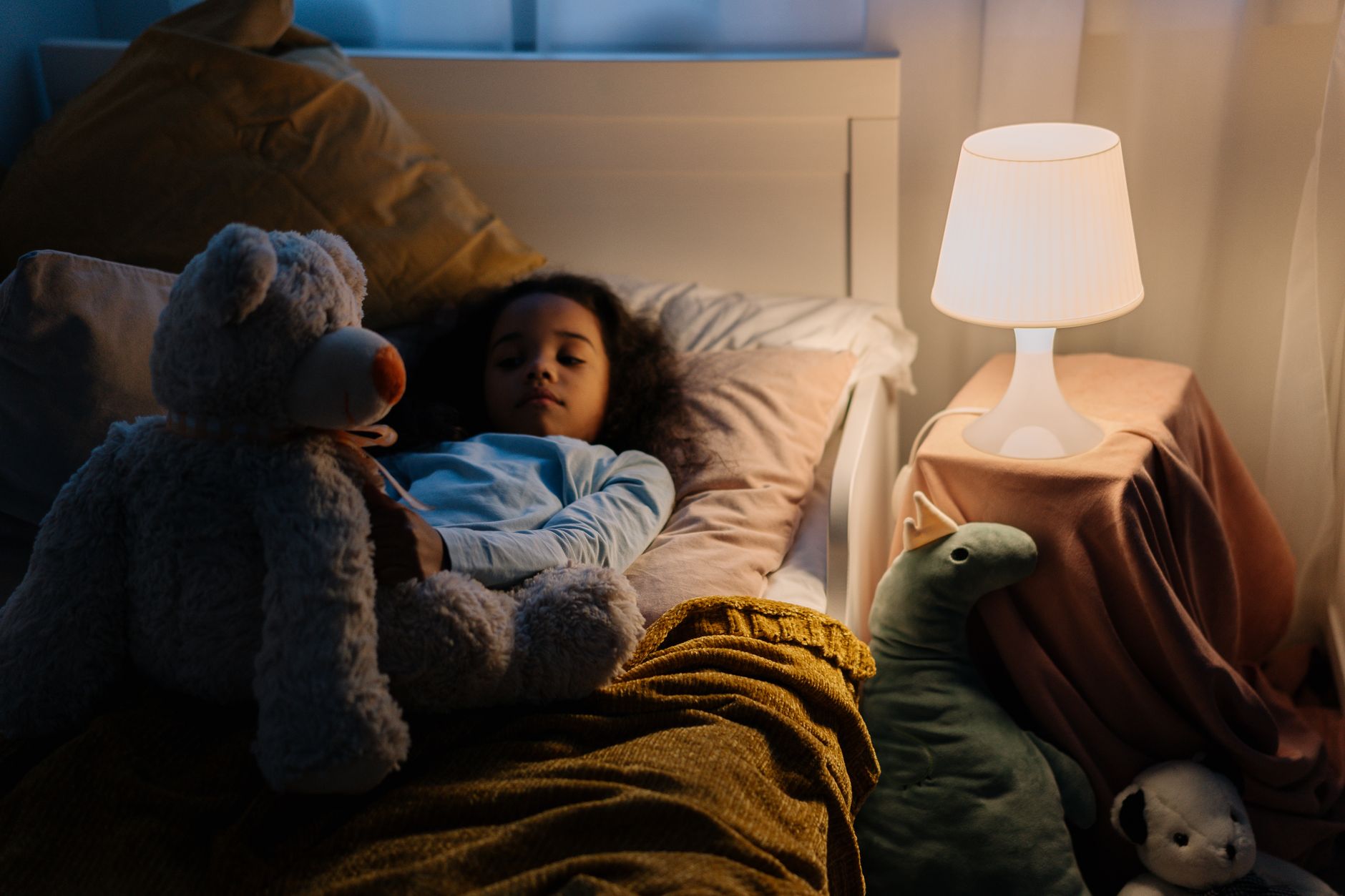
Most pediatric sleep experts, including the AAP, agree that a 2‑year‑old regression lasts anywhere from 2 to 6 weeks. The exact duration depends on the underlying cause, the consistency of your response, and the child’s temperament.
Here’s a rough timeline to set expectations:
If the regression extends beyond six weeks despite consistent, soothing interventions, it’s wise to discuss the pattern with your pediatrician or a certified sleep consultant. The NHS notes that prolonged sleep disturbances can sometimes mask early signs of sleep‑disordered breathing, so a professional check can provide peace of mind.
Remember, the “clock” isn’t set in stone—some families see improvement within a week, while others may need the full six‑week window. The key is staying consistent and monitoring for any red‑flag symptoms.
Keeping a simple log of bedtime, wake‑times, and any daytime naps can also help you spot patterns and discuss them more clearly with a clinician.
Signs your 2 year old is experiencing sleep regression
Spotting the early clues can prevent a full‑blown crisis. While every child is unique, the following patterns are common indicators of a regression:
- Sudden increase in night wakings (more than 2 per night).
- Earlier wake‑up times—often before 6 a.m., even after a full night’s sleep.
- Refusal to go to bed at the usual time, accompanied by tantrums (“I don’t want to go to sleep!”).
- Increased clinginess at bedtime or during night checks.
- Shortened or skipped daytime naps, leading to overtiredness.
- New “night terrors” or intense crying episodes that seem unrelated to nightmares.
These signs differ from occasional sleep disruptions caused by a fever or a noisy night; they persist for several nights in a row and often coincide with developmental milestones.
When you notice a cluster of these behaviors, take a moment to note the exact times and any triggers (e.g., a new daycare schedule). This record will be valuable if you later consult a sleep specialist.
2 year old suddenly fighting bedtime
When a toddler outright resists the bedtime routine, it’s a classic sign of regression. The child may say “I’m not tired,” or try to escape the room. Respond with calm, consistent limits—offer a brief “quiet time” check‑in, then gently return to the routine.
Toddler sleep regression signs at 2 years old
Beyond the night wakings, watch for daytime mood shifts—more irritability, clinginess, or regression in potty skills. These behavioral changes often mirror the sleep disturbance.
Adding to the picture, parents often notice a subtle shift in the child’s appetite. A toddler who suddenly prefers “comfort foods” at night may be seeking extra reassurance, which can be a useful cue to adjust the bedtime atmosphere.
These daytime clues reinforce that the regression is more than a nighttime issue; it’s a whole‑body response to rapid growth.
Effective sleep training methods for a 2 year old regression
When a regression hits, you don’t need to overhaul your entire system. Instead, select a gentle method that aligns with your child’s current needs and your parenting style.
For a regression, many parents find the No‑Tears approach most soothing because it respects the child’s heightened need for security while still reinforcing the bedtime routine.
Regardless of the method you choose, the following core steps are essential:
- Consistent bedtime: Aim for the same start time each night (e.g., 7:30 p.m.).
- Wind‑down routine: Include a bath, a story, and dim lighting for 15–20 minutes.
- Comfort object: A blanket or plush toy can provide reassurance.
- Limit stimulation: No screens or active play after 30 minutes before bedtime.
- Brief soothing checks: If using a graduated method, keep checks short (30–60 seconds).
Stick to these pillars for at least a week before assessing progress. Consistency signals safety to a toddler’s brain, which is still learning how to self‑regulate sleep cycles.
Clinical guidance from the AAP emphasizes that any method should be paired with “positive sleep associations” such as a consistent lullaby or a gentle “goodnight” phrase. Over time, these cues become conditioned triggers for sleep, reducing the need for parental intervention.
When you feel uncertain about which method fits best, a brief phone call with your pediatrician can help you tailor the approach to your child’s temperament.
Dealing with night wakings during 2 year old sleep regression
Night wakings are the most frustrating symptom. Here’s a step‑by‑step plan you can implement tonight:
- Stay calm and brief. Keep lights low and voices soft. A quick “It’s time to sleep now” is enough.
- Offer a quick comfort cue. A gentle pat, a few soothing words, or a brief hug—then exit the room.
- Avoid prolonged interaction. No lengthy conversations or play; this reinforces the idea that nighttime is for sleep.
- Use a “sleepy‑time” phrase. A consistent cue like “Sleepy time, sweetie” signals that it’s time to rest.
- Be consistent. Repeating the same approach each night trains the brain to expect a brief check‑in, not a full wake‑up.
If your toddler experiences a night terror—a sudden, intense scream with no recollection—remain calm, ensure safety, and wait for the episode to pass. Night terrors are neurologically different from a sleep regression, but the soothing approach can still help.
Because night terrors can be frightening for parents, keep a simple “night‑terror checklist” (safe environment, no waking the child, note frequency) and share it with your pediatrician if they become frequent.
Dealing with 2 year old night terrors vs sleep regression
Night terrors usually occur in the first third of the night and the child may appear terrified but remains asleep. Keep the environment safe, avoid waking the child, and document the frequency. If they happen more than a few times a month, discuss with your pediatrician.
While night terrors are not directly caused by developmental milestones, the stress of a regression can increase their frequency. A calm response—gentle reassurance without prolonged engagement—helps the child transition back to restful sleep.
Preventing future 2 year old sleep regressions
While you can’t stop every developmental surge, you can lay a foundation that minimizes the impact of future regressions.
- Maintain a flexible nap schedule. Offer a short, early afternoon nap (30‑45 minutes) to prevent overtiredness without disrupting nighttime sleep.
- Revisit the bedtime routine quarterly. Small tweaks—like adding a calming lullaby or a brief “gratitude” moment—keep the routine fresh.
- Encourage daytime independence. Practice “good‑byes” during the day so separation anxiety is less intense at night.
- Monitor caffeine and sugar. Limit sugary snacks and dairy close to bedtime, as they can affect sleep cycles.
- Use a consistent sleep environment. Keep the room dark, cool (around 68–70 °F), and free of distracting toys.
By proactively adjusting these variables, you’ll reduce the likelihood of another sharp regression when your child hits the next milestone.
Additional research from the NHS highlights the importance of “sleep hygiene”—a set of habits that promote regular, restorative sleep. Simple changes like a white‑noise machine or a consistent bedtime story can become powerful allies during future growth spurts.
Remember, a well‑rested toddler is better equipped to handle the emotional ups and downs of learning to talk, walk, and assert independence.
When to seek professional help for 2 year old sleep issues
Most 2‑year‑old regressions resolve with gentle consistency, but there are red flags that warrant a pediatric or sleep‑specialist evaluation:
- Persistent night wakings beyond 6 weeks despite consistent routine.
- Frequent night terrors or prolonged crying episodes.
- Signs of obstructive sleep apnea (snoring, gasping, restless sleep).
- Excessive daytime sleepiness or behavioral issues (hyperactivity, aggression) that affect school or daycare.
- Any medical condition (e.g., reflux, asthma) that may interfere with sleep.
If you notice any of these, schedule an appointment with your child’s pediatrician. A referral to a pediatric sleep psychologist or a certified sleep consultant can provide tailored strategies.
The American College of Obstetricians and Gynecologists (ACOG) also notes that parental stress can impact a child’s sleep quality. If you find yourself feeling overwhelmed, seeking support for your own mental health is an important part of the solution.
In some cases, a brief trial of melatonin may be suggested, but the FDA warns that melatonin is not FDA‑approved for children and dosing varies widely. Always discuss any supplement with your pediatrician first.
Common mistakes parents make during 2 year old sleep regression
Even well‑intentioned parents can stumble. Here are three frequent pitfalls and how to avoid them:
- Myth: “Let them cry it out for a full night.” Fact: Extended crying can increase stress hormones and worsen anxiety, especially during a regression. Opt for brief, consistent check‑ins.
- Myth: “Skip the bedtime routine because they’re overtired.” Fact: A predictable routine signals safety and helps transition the brain into sleep mode, even when the child is exhausted.
- Myth: “Give in and co‑sleep to stop the fighting.” Fact: While occasional comfort is okay, regular co‑sleeping can reinforce the association of sleep with parental presence, making future independence harder.
Another subtle mistake is introducing new “sleep aids” like over‑the‑counter melatonin without professional guidance. The FDA does not regulate melatonin for children, and dosage recommendations vary widely. Always discuss any supplement with your pediatrician before use.
Finally, some parents unintentionally reinforce night wakings by offering excessive comfort (e.g., prolonged cuddling). Short, reassuring touches are enough to let the child know you’re there without resetting the sleep cycle.
Adjusting nap schedules during a 2‑year‑old sleep regression
Daytime naps play a surprisingly big role in nighttime sleep quality. When a regression hits, toddlers often become either overtired or under‑tired because their nap patterns shift. Aim for a single, early‑afternoon nap of 30–45 minutes. This “power nap” can reduce overtiredness without cutting into nighttime sleep.
If your child still needs two naps, keep the second one brief and earlier in the day (before 2 p.m.). Avoid napping after 4 p.m., as late naps can push bedtime later and increase night wakings. Track nap start and end times in a simple sleep diary to spot patterns.

Creating a soothing bedtime environment: sensory tips for toddlers
The bedroom’s sensory cues can either calm a child or keep them alert. Keep the room cool (68‑70 °F) and dark—consider blackout curtains or a soft nightlight if your child fears total darkness. White‑noise machines or a fan provide a consistent auditory backdrop that masks household sounds.
Texture matters, too. Soft, breathable bedding and a favorite plush toy create a tactile sense of security. A light lavender scent (using a diffuser with a few drops) can be calming for some toddlers, but always test for any sensitivities first.
Limit visual clutter; a tidy space reduces overstimulation. If you use a nightlight, choose a warm, low‑intensity hue rather than blue‑light LEDs, which can suppress melatonin production.

Tracking progress with a sleep diary
A simple sleep diary can be a game‑changer. Record bedtime, wake‑time, night wakings (including duration), nap times, and any notable events (e.g., illness, new sibling arrival). Over a two‑week span, patterns emerge that help you fine‑tune routines.
When you bring the diary to a pediatric visit, the clinician can quickly spot red‑flag trends—like frequent pauses in breathing or an unusually high number of night wakings—and decide whether a deeper evaluation is needed.
Digital apps designed for parents often include prompts for “sleep cue,” “comfort offered,” and “duration of check‑in,” making tracking less tedious.

Myth vs fact
Myth: A sleep regression means the previous sleep training failed.
Fact: Regressions are a normal part of toddler development and often happen despite solid training.
Myth: The child will never sleep through the night again.
Fact: Most toddlers regain consistent sleep within weeks with consistent, soothing strategies.
Myth: You should keep the lights on to avoid terror.
Fact: A dark, cool room supports melatonin production and reduces night‑time awakenings.
Key takeaways
- Sleep regressions at age two are common and usually last 2–6 weeks.
- Developmental milestones, anxiety, and changes in nap patterns are primary triggers.
- Consistent, gentle sleep‑training methods (e.g., No‑Tears, Chair) work best during a regression.
- Address night wakings with brief, calm check‑ins and a predictable bedtime cue.
- Prevent future regressions by keeping a flexible nap schedule, a stable routine, and a soothing sleep environment.
- Seek professional help if night wakings persist beyond six weeks or are accompanied by night terrors, apnea signs, or daytime impairment.

Frequently asked questions
Is 2 year old sleep regression normal?
Yes. Around the second birthday, many toddlers experience a brief period of increased night wakings and bedtime resistance due to rapid language, motor, and emotional development. Most regressions resolve within a few weeks with consistent routine.
How do I fix my 2 year old's sleep regression?
Start by reinforcing a calming bedtime routine, keeping the sleep environment dark and cool, and using a gentle sleep‑training method such as the No‑Tears approach. Offer brief, consistent comfort checks if the child wakes, and avoid lengthy interactions.
What causes a 2 year old sleep regression?
Key causes include language bursts, motor skill excitement, separation anxiety, changes in nap schedules, teething, mild illness, or major life changes like a new sibling or moving homes.
Should I re‑sleep train my 2 year old?
If the regression persists beyond six weeks or you notice increased anxiety, a short “reset” using a gentle method can help. However, many parents find that simply reinforcing the existing routine without a full re‑train is sufficient.
How long does the 2 year old sleep regression last?
Typical duration is 2–4 weeks, but it can extend to 6 weeks depending on the trigger and consistency of parental response. Longer durations should be discussed with a pediatrician.
What are the signs of 2 year old sleep regression?
Look for sudden night wakings (more than two per night), early morning rise before 6 a.m., refusal to go to bed, increased clinginess, and short or skipped daytime naps.
How can I get my 2 year old to sleep through the night again?
Maintain a consistent bedtime, use a brief soothing cue for night wakings, keep the room dark and cool, and provide a comfort object. A gentle sleep‑training method and a predictable wind‑down routine are key.
Can bedtime snacks help or hurt a 2 year old’s sleep regression?
A small, protein‑rich snack (e.g., a slice of cheese or a few crackers with hummus) 30‑minutes before bed can stabilize blood sugar and promote sleep. Avoid sugary or caffeinated foods, as they may increase nighttime awakenings.
Should I limit screen time before bed during a regression?
Yes. The NHS recommends turning off screens at least 30 minutes before bedtime. Blue light suppresses melatonin, making it harder for toddlers to wind down, especially when they’re already anxious about sleep.
Is it safe to use a pacifier to help my toddler sleep?
Many parents find a pacifier soothing, and the AAP notes it can reduce the risk of sudden infant death syndrome in infants, but for toddlers the benefit is mainly comfort. Use it only if your child finds it calming, and wean it gradually to avoid dependence.
Can a nightlight be left on all night?
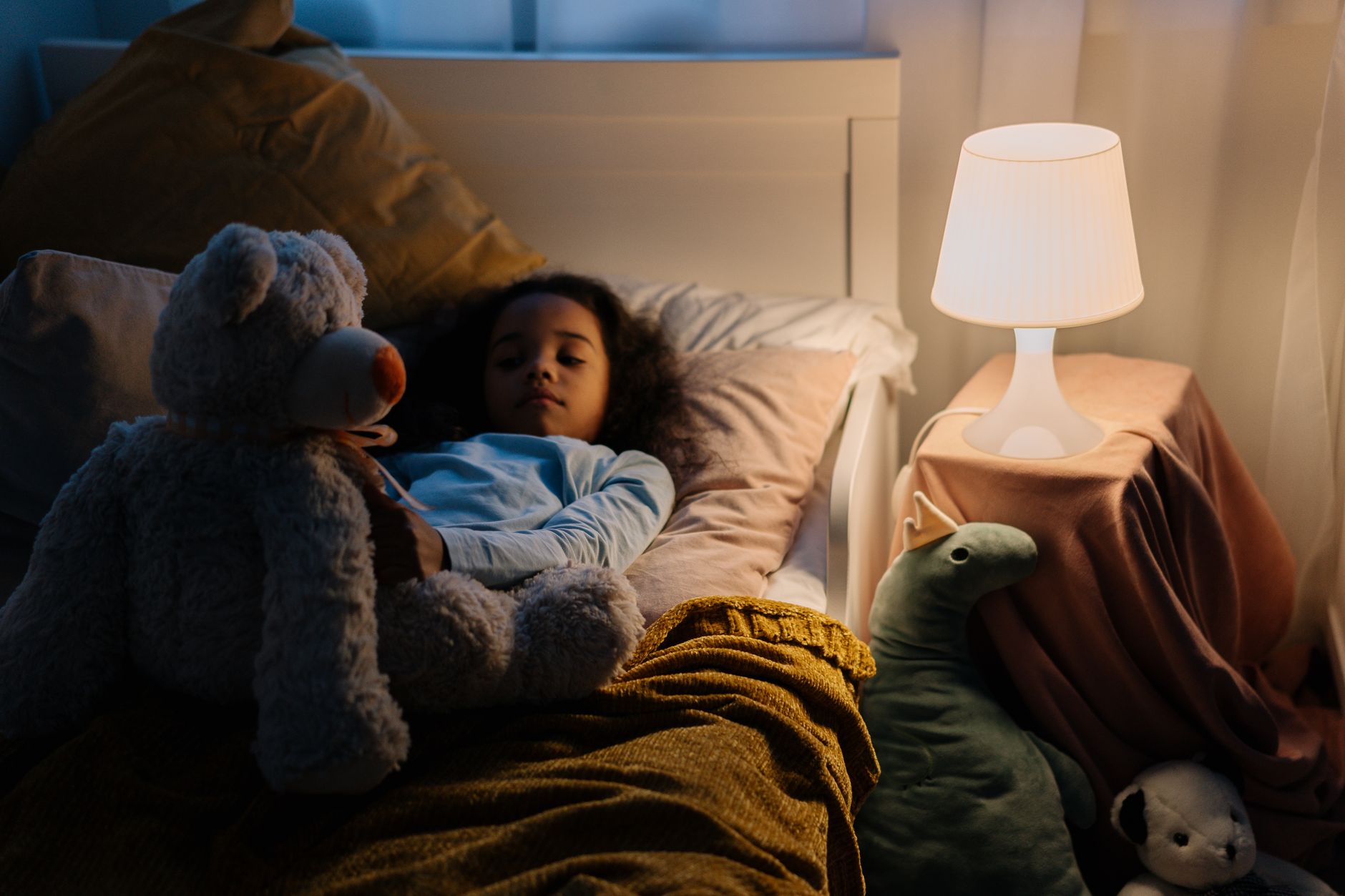
A dim, warm‑colored nightlight can help children who fear darkness, but keep it low‑intensity. Bright or blue‑light nightlights can interfere with melatonin production. A single, low‑lux nightlight is usually sufficient.
When to see a doctor / specialist
If you notice any of the following, contact your pediatrician promptly:
- Night wakings lasting longer than six weeks despite consistent routine.
- Frequent night terrors, prolonged crying, or signs of distress.
- Snoring, gasping, or pauses in breathing during sleep.
- Daytime sleepiness that interferes with play, learning, or behavior.
- Any underlying medical condition (e.g., reflux, asthma) that could affect sleep.
A pediatrician can rule out medical issues and may refer you to a pediatric sleep specialist, a child psychologist, or an ENT (ear‑nose‑throat) doctor for further evaluation.
References
- American Academy of Pediatrics. “Sleep: A Good Night’s Rest for Children.” Pediatrics, 2023.
- National Health Service (UK). “Sleep problems in toddlers.” NHS website, 2022.
- Mindell, J.A., & Owens, J.A. “A Clinical Guide to Pediatric Sleep.” Lippincott Williams & Wilkins, 2021.
- Harvard T.H. Chan School of Public Health. “Toddler Sleep: Why It Matters.” 2022.
- Sleep Education. “Understanding Sleep Regression in 2‑Year‑Olds.” American Academy of Sleep Medicine, 2023.
- American College of Obstetricians and Gynecologists (ACOG). “Maternal Stress and Child Development.” Committee Opinion, 2022.
- U.S. Food and Drug Administration (FDA). “Melatonin: Consumer Information.” 2023.