Quick take: Most pediatric experts recommend no more than 30 minutes of screen time per day for toddlers aged 2‑3, and they stress choosing high‑quality, interactive content. Too much screen exposure can slow language, disrupt sleep, and weaken attention, but you can keep your little one thriving with a balanced schedule, engaging alternatives, and clear, kind rules.
It’s 7 p.m., the living‑room glow from a tablet lights up your toddler’s face, and you hear the familiar “just one more video, please.” You pause, take a breath, and wonder: Is this amount of screen time really okay? You’re not alone—millions of moms and dads grapple with the screen‑time debate for toddlers, especially as devices become a staple in households. This guide walks you through the latest recommendations, the science behind how screens shape a toddler’s brain, and practical, low‑stress ways to set limits, pick the best apps, and replace passive viewing with active play.
By the end of this article you’ll know exactly how much screen time is suggested for a 2‑year‑old, what signs signal you’ve crossed the line, which apps truly add value, and how to create a schedule that respects both your child’s curiosity and your peace of mind. Let’s dive in, step by step, and turn the screen‑time debate for toddlers into a confident, calm conversation.
What is the recommended screen time limit for toddlers according to pediatricians?
Current guidance from the American Academy of Pediatrics (AAP) and the UK’s National Health Service (NHS) converges on a clear message: toddlers (ages 24‑36 months) should have no more than 30 minutes of high‑quality screen exposure per day. The AAP’s 2023 policy update emphasizes “interactive, non‑passive” media, meaning apps that encourage your child to talk, tap, or move rather than just watch videos.
Why 30 minutes? Research shows that beyond this threshold, the benefits of educational content plateau while risks—such as reduced language acquisition and weaker executive function—begin to rise. For children under two, both the AAP and the World Health Organization (WHO) advise no screen time at all, except for video chatting with family.
In practice, many families find a “soft limit” of 30 minutes per day realistic, especially when it’s broken into two 15‑minute sessions—one in the morning and one after lunch. This approach aligns with the “screen‑time schedule” you’ll build later in the article.
It’s also worth noting that guidelines evolve. The AAP’s 2024 screen‑time recommendations for toddlers reaffirm the 30‑minute cap but add a new emphasis on co‑viewing: parents should sit with their child, discuss the content, and relate it to real‑world experiences. This co‑engagement dramatically boosts learning outcomes and limits passive exposure.
How do the guidelines differ between the U.S. and the U.K.?
Both countries echo the 30‑minute limit, but the NHS adds a specific suggestion: “Limit screen use to once or twice a day, and always in a well‑lit, screen‑free zone before bedtime.” The emphasis on “screen‑free zones” reflects a stronger focus on sleep hygiene in British public health messaging.
What about 2024 updates?
In 2024, the AAP introduced a “digital diet” concept, urging families to treat screen time like any other nutritional intake—balanced, varied, and mindful. The core limit remains 30 minutes, but the guidance encourages parents to monitor the “quality” of media more closely, using the “Media Use Matrix” (see the table below).
How does screen time affect toddler brain development?
To understand the impact, imagine a toddler’s brain as a rapidly growing garden. Each new experience—talking, crawling, playing with blocks—plants a seed that strengthens neural pathways. Screens can be a double‑edged tool: a well‑chosen educational app may add a bright flower, but endless passive videos can crowd out the space needed for other essential growth.
Multiple large‑scale studies, including a 2022 longitudinal analysis by the National Institute of Child Health and Human Development (NICHD), have linked excessive screen exposure to slower development of language skills, reduced attention span, and weaker executive function. The mechanisms are twofold:
- Neural pruning: During the first three years, the brain eliminates excess connections to fine‑tune efficient pathways. Overstimulation from rapid‑changing images can interrupt this pruning, leading to less efficient circuitry.
- Reduced real‑world interaction: Screens replace face‑to‑face conversation, which is crucial for building the brain’s language centers. A toddler who spends an hour on a tablet has far fewer opportunities for the back‑and‑forth babble that fuels vocabulary growth.
Conversely, interactive, co‑viewed content can stimulate the brain positively. When a parent watches an app together and asks, “What color is the cat?” the child’s brain processes visual input, language, and social cues simultaneously—strengthening multiple areas at once.
Research on background TV—the TV left on while a child plays elsewhere—reveals a separate risk. A 2021 study published in Pediatrics found that toddlers exposed to background TV for more than two hours a day showed lower scores on attention‑control tasks at age three.
What does the evidence say about language development?
In a meta‑analysis of 15 studies, the Endocrine Society reported that toddlers with more than 30 minutes of daily screen time exhibited a 0.3‑standard‑deviation lag in expressive language compared with peers who had limited exposure. The gap widened when screen time replaced reading or storytelling.
Impact on sleep patterns
Blue light emitted by tablets suppresses melatonin, the hormone that cues sleep. A 2023 CDC report highlighted that toddlers who used screens within an hour of bedtime fell asleep 20‑30 minutes later and woke more frequently during the night.
Signs that my toddler is getting too much screen time
Spotting early warning signs can help you intervene before habits become entrenched. Below is a quick checklist—if you notice several of these, it may be time to reassess your family’s media plan.
- Difficulty falling asleep or frequent night wakings.
- Reduced eye contact and less interest in interactive play.
- Short attention span for non‑screen activities (e.g., building blocks, reading books).
- Increased irritability or meltdowns when the device is taken away.
- Repeating phrases or songs from shows without understanding their meaning.
- Physical signs: eye strain, headaches, or a “slouched” posture while using a device.
Many parents describe a “screen‑withdrawal” reaction similar to a mild tantrum. One mother we spoke with shared, “When I turned off the iPad, my three‑year‑old started crying and kept saying ‘just one more video.’ It took us an hour of calm reading to settle him.” Recognizing this pattern early lets you replace the craving with a more enriching activity.
Alternatives to screen time for toddlers to keep them engaged
Replacing screens isn’t about “taking them away” but about offering equally captivating experiences that nurture development. Below are five evidence‑backed alternatives, each linked to a specific developmental domain.
- Open‑ended play with blocks or magnetic tiles – Boosts spatial reasoning, fine motor skills, and problem‑solving.
- Music and movement sessions – Simple instruments, sing‑along songs, or dance routines improve auditory processing and language rhythm.
- Nature walks – Collecting leaves, watching insects, or feeling different textures supports sensory integration and curiosity.
- Storytime with picture books – Encourages vocabulary, imagination, and emotional understanding.
- Simple kitchen helper tasks – Washing fruits, stirring batter, or setting napkins foster independence and early math concepts.
Research from Harvard’s Center on the Developing Child shows that toddlers who engage in daily hands‑on play exhibit higher language scores at age five than peers who spend comparable time on screens.
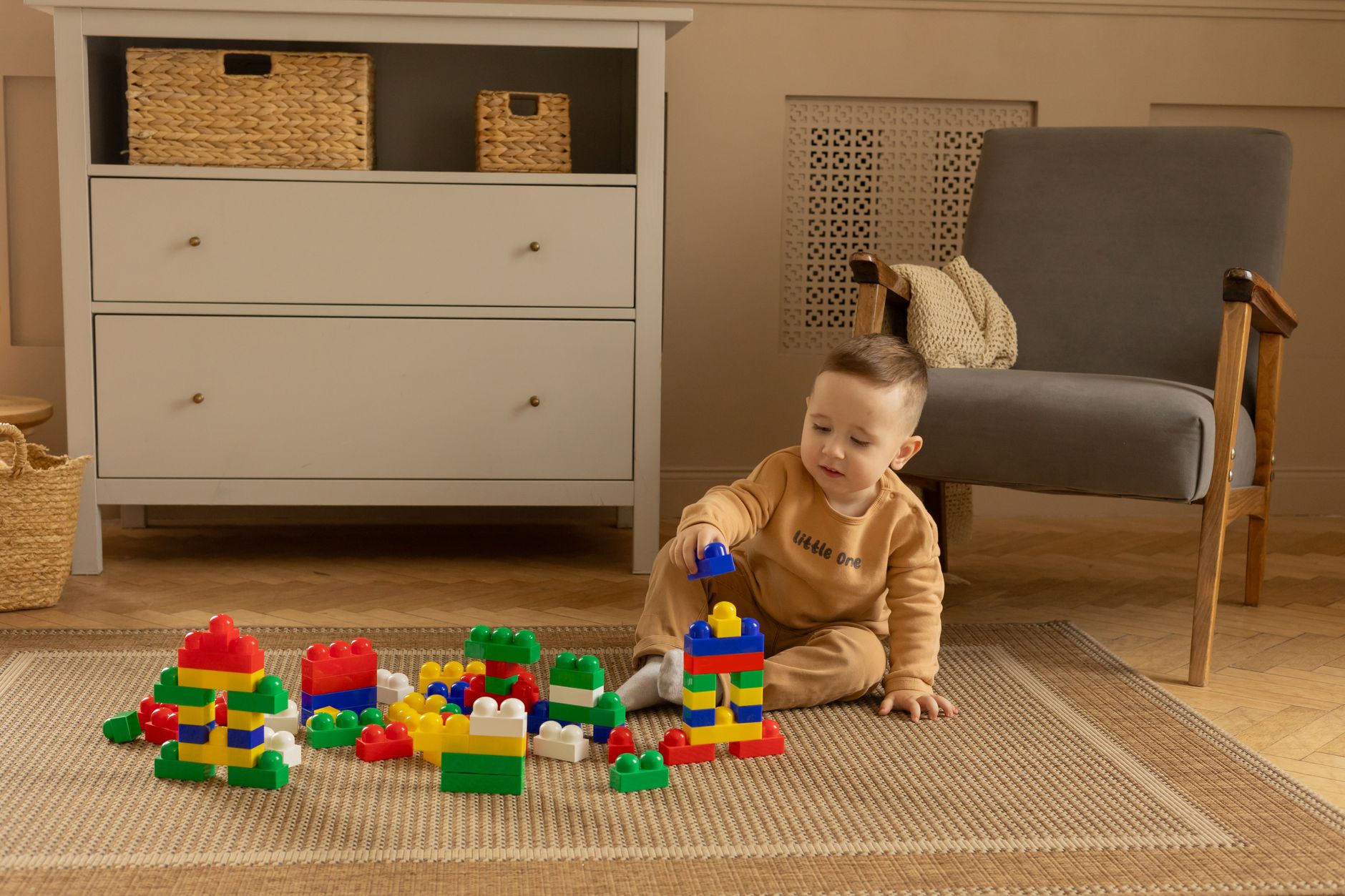
When you’re feeling the pull of a device, try a “30‑minute swap”: set a timer for the screen session, then transition to a selected alternative for the same length of time. The predictability helps toddlers understand that screen time isn’t an endless reward.
How to set up a screen time schedule for a toddler
Creating a schedule is easier when you view it as a “digital diet” rather than a prohibition. Here’s a step‑by‑step plan you can adapt to your family’s routine.
- Map out the day. Identify natural “anchor points” such as after breakfast, post‑nap, and before bedtime.
- Assign screen slots. Limit to two 15‑minute windows (e.g., 9:30 am and 2:00 pm) and write them on a simple chart.
- Choose content in advance. Pre‑select apps or videos that align with today’s learning goal (letters, numbers, emotions).
- Set a timer. Use a kitchen timer or a child‑friendly digital timer that sounds a gentle chime when time’s up.
- Pair with a non‑screen activity. After the timer ends, transition to a related hands‑on activity (e.g., if the app taught colors, pull out a set of crayons).
- Review weekly. At the end of each week, note any challenges and adjust slots or content as needed.
Consistency is key. Children thrive on predictable structures. If a screen slot is missed due to a family outing, simply shift the next slot rather than adding an extra “make‑up” session.
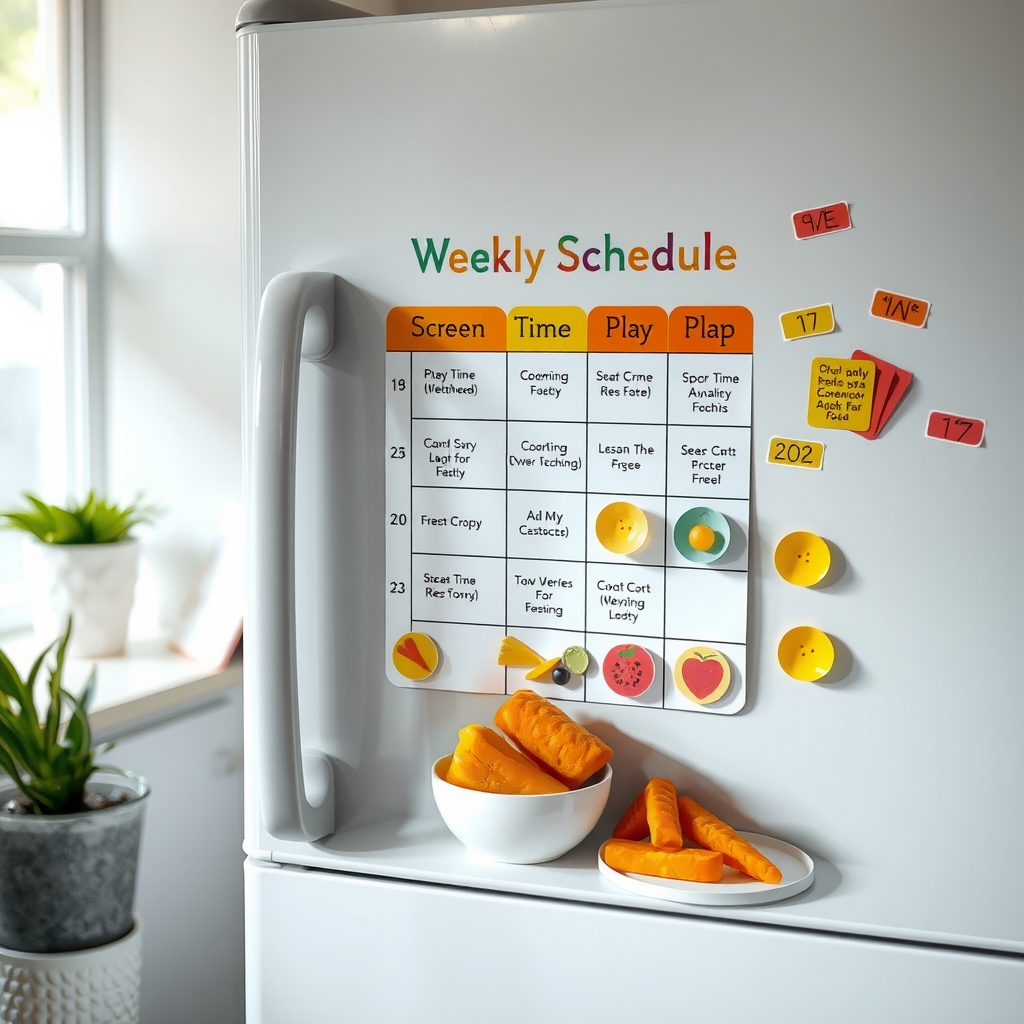
For families using smart home assistants, you can automate the timer: “Hey Google, set a 15‑minute screen timer for 9:30 am.” The verbal cue reinforces the routine without constant parental prompting.
Is it safe to let toddlers use tablets for educational apps?
The short answer: yes, if you follow safety guidelines and choose high‑quality, age‑appropriate apps. The AAP’s 2024 guidance stresses three safety pillars—content, supervision, and ergonomics.
Best age to introduce tablets to toddlers
Most experts agree that the sweet spot for a first tablet experience is around 24 months. At this age, children have the motor control to tap icons and the cognitive ability to follow simple on‑screen instructions, yet they’re still early enough to develop healthy habits.
Educational apps for toddlers under 3
Below is a curated list of apps that meet the AAP’s criteria for “high‑quality, interactive, and age‑appropriate.” All have been reviewed by early‑childhood educators and feature minimal ads.
Ergonomic and health considerations
Keep the device at least 18 inches away from the eyes, limit sessions to 15 minutes, and use a sturdy stand to avoid neck strain. The CDC recommends a “20‑20‑20 rule”: every 20 minutes, look at something 20 feet away for 20 seconds—though for toddlers, a brief “look away” break after each session is sufficient.
Parental controls
Both iOS and Android offer built‑in screen‑time limits and content filters. Set a daily cap, block app purchases, and enable “Ask to Buy” so you approve every new download.
How to talk to my toddler about screen time rules
At the heart of any limit is communication. Toddlers may not grasp “minutes,” but they do understand “first, then.” Here’s a conversational script you can adapt:
“We’re going to watch a video for 10 minutes. When the timer rings, we’ll put the tablet away and play with the blocks. After we finish the blocks, we can read a story together.”
Key elements of an effective talk:
- Use visual timers. A sand timer or a colorful hourglass makes the abstract idea of “time” concrete.
- Offer a clear sequence. “First video, then play, then snack.” Predictability reduces resistance.
- Co‑model the behavior. When you put your own phone away, your child sees the rule in action.
- Validate feelings. “I know you love the song, but we need to rest our eyes now.” Acknowledgment builds trust.
Consistency matters more than perfection. If you slip up on a particularly busy day, simply reaffirm the routine the next morning—your child will learn that the rule is reliable, not punitive.
How does background TV affect a toddler’s attention span?
Background TV is the “silent thief” of attention. Even when a child isn’t actively watching, the constant noise and flicker compete for their limited processing capacity. A 2021 study from the University of Michigan found that toddlers in homes with a TV on for more than two hours a day scored 7 percent lower on attention‑control tasks at age three compared to peers in TV‑free environments.
Why does this happen? The brain’s “default mode network”—responsible for focus and self‑regulation—gets interrupted by sudden auditory cues (e.g., a commercial jingle) and visual flashes, forcing the toddler to repeatedly re‑orient. Over time, this can lead to shorter attention spans and increased impulsivity.
Practical steps to mitigate background TV:
- Turn the TV off when not in use. Keep the remote out of reach.
- Create “quiet zones.” Designate a play area with no screens, encouraging imagination.
- Schedule “screen‑free” periods. Aim for at least two hours of uninterrupted play each day.
- Use white‑noise machines or soft music if you need background sound, rather than a TV.
Implementing these changes often feels like a big shift, but many parents report a noticeable reduction in meltdowns after just a week of a TV‑free living room.
Myth vs. fact
Myth: “Any screen time is good if it’s educational.”
Fact: Even educational apps can become passive if the child is not actively engaging. Interaction, co‑viewing, and limiting overall duration are crucial for benefit.
Myth: “Toddlers can’t get addicted to screens.”
Fact: While toddlers don’t develop “addiction” in the clinical sense, they can exhibit strong cravings and distress when screens are removed, a behavior known as “screen‑withdrawal syndrome.”
Myth: “If I let my child watch a video, they’ll learn the words automatically.”
Fact: Language acquisition is strongest through two‑way interaction. A study by the University of Washington showed that children who watched videos without adult interaction learned 30 % fewer new words than those whose parents narrated and discussed the content.
Key takeaways
- Limit toddlers (2‑3 years) to ≤ 30 minutes of high‑quality, interactive screen time per day.
- Excessive screen exposure can impair language, attention, sleep, and emotional regulation.
- Watch for red‑flag signs: sleep trouble, short attention span, irritability when screens are taken away.
- Replace screen time with block play, music, nature walks, storytime, and simple kitchen tasks.
- Use a visual schedule and timer to create predictable, limited screen slots.
- Choose vetted educational apps (e.g., Endless Alphabet, Peekaboo Barn) and keep devices ergonomic.
- Turn off background TV to protect attention and improve sleep quality.
Frequently asked questions
How much screen time is safe for a 2‑year‑old?
According to the AAP and NHS, a 2‑year‑old should have no more than 30 minutes of high‑quality, interactive screen time per day. Video chatting with family is an exception and does not count toward the limit.
What are the signs of screen addiction in toddlers?
Key signs include difficulty falling asleep, irritability when the device is taken away, reduced interest in non‑screen play, and a strong focus on finding or watching screens repeatedly throughout the day.
Can educational apps be beneficial for toddlers?
Yes, when the apps are interactive, age‑appropriate, and used together with a caregiver. Apps that prompt the child to name objects, repeat sounds, or solve simple puzzles support language and cognitive growth.
How does background TV affect a toddler’s development?
Background TV can fragment attention, lower language acquisition, and disrupt sleep. Even when a child isn’t actively watching, the constant audiovisual stimuli compete for limited processing resources.
What are good alternatives to screen time for toddlers?
Open‑ended play with blocks, music and movement, nature walks, picture‑book reading, and simple kitchen helper tasks all provide rich sensory and cognitive stimulation without the downsides of screens.
How can I enforce screen time limits with a toddler?
Use a visual timer, set clear “first‑then” rules, co‑view content, and pair each screen slot with a non‑screen activity. Consistency and calm explanations help toddlers accept limits.
When to see a doctor or specialist
If you notice any of the following, it’s time to consult your pediatrician or a child development specialist:
- Persistent sleep problems (more than three nights a week of difficulty falling asleep).
- Significant delay in language milestones (e.g., no words by 18 months).
- Extreme irritability or meltdowns lasting more than 30 minutes after screen removal.
- Visible eye strain, headaches, or chronic neck posture issues.
- Any concern that your child’s attention span is markedly shorter than peers.
These red‑flags may indicate underlying vision, auditory, or developmental issues that benefit from early professional assessment. Your provider can also guide you on tailored screen‑time strategies and recommend occupational or speech therapy if needed.
References
- American Academy of Pediatrics. (2024). Media Use in School‑Age Children and Adolescents. https://www.aap.org
- National Health Service (NHS). (2023). Screen time guidelines for under‑5s. https://www.nhs.uk
- National Institute of Child Health and Human Development (NICHD). (2022). Longitudinal study on screen exposure and early language development. https://www.nichd.nih.gov
- American Academy of Pediatrics. (2024). Digital Diet: A New Framework for Media Use. https://www.aap.org
- Pediatrics. (2021). Background Television Exposure and Attention in Early Childhood. https://pediatrics.aappublications.org
- CDC. (2023). Screen time and sleep in young children. https://www.cdc.gov
- Harvard Center on the Developing Child. (2023). Early Childhood Play and Brain Development. https://developingchild.harvard.edu
- University of Michigan. (2021). Impact of background TV on toddler attention. https://medicine.umich.edu
- University of Washington. (2020). Video vs. Interactive Reading: Language Outcomes. https://www.washington.edu



