Limit safe tea for pregnancy: up to 2 cups (≈200 mg caffeine) daily is considered safe after the first trimester, while high‑caffeine blends and many herbal teas should be avoided. Choose low‑caffeine green or white tea for a safer option.
By Shubhra Mishra — a mom of two who turned her own confusion during pregnancy into BumpBites, a global mission to make food choices clear, safe, and stress-free for every expecting mother. 💛
Check whether any food is safe during pregnancy with the BumpBites Food Safety Checker.
Quick verdict: ⚠️ Talk to your doctor first. Most herbal teas can be part of a healthy pregnancy routine, but many require limits, specific trimesters, or brand‑level checks to be truly safe for you and your baby.
It’s 2 a.m., you’re scrolling through countless forums, and the question that keeps popping up is, “Is this tea safe for pregnancy?” You might have already sipped a warm mug of ginger tea to calm nausea, or you could be wondering whether you can swap your morning coffee for a caffeine‑free herbal brew. The good news is that, with a few simple guidelines, many teas can be enjoyed safely throughout pregnancy. In this guide we’ll walk through the safest tea options, how many cups you can drink each day, which brands meet strict safety standards, and what to avoid.
We’ll also answer the most common “safe tea for pregnancy” queries, break down safety by trimester, and give you concrete alternatives for when a particular tea isn’t recommended. By the end of the article you’ll have a clear, evidence‑based roadmap for enjoying tea without unnecessary worry.
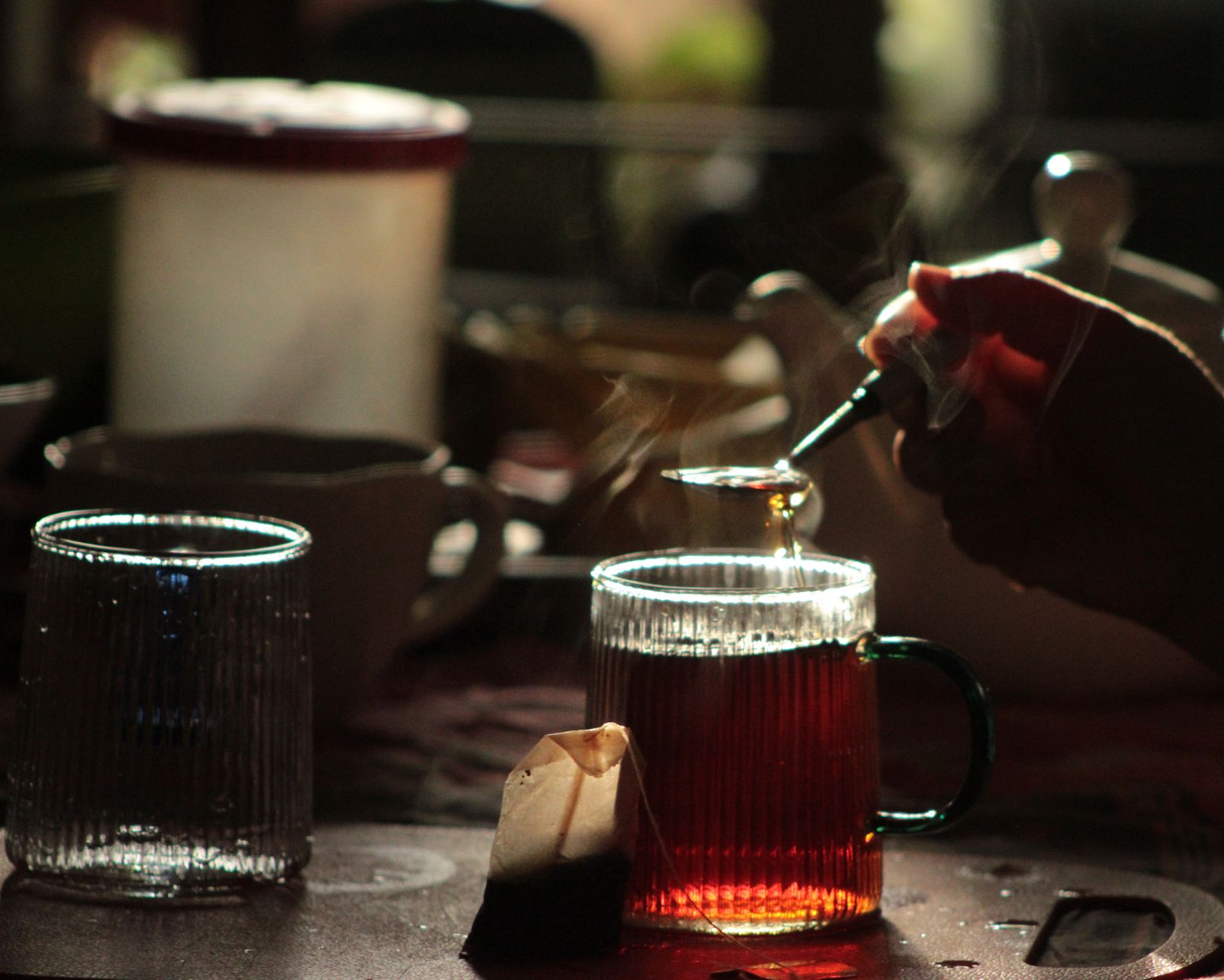
Enjoy a calming cup of herbal tea while keeping safety guidelines in mind.
Tea option
Verdict
Safe amount per day
Notes
Organic rooibos tea
✅ Generally safe
Up to 3 cups
Caffeine‑free, rich in antioxidants
Chamomile tea (pregnancy‑safe brand)
⚠️ Safe with limits
1–2 cups
Limit to first two trimesters; avoid high‑dose extracts
Peppermint tea (organic)
✅ Generally safe
Up to 3 cups
Soothes digestion; avoid if you have GERD
Lemon balm tea
✅ Generally safe
1–2 cups
Calming; watch for mild sedation
Red raspberry leaf tea (early trimester only)
⚠️ Safe with limits
1 cup (after 12 weeks)
Uterine‑toning properties; stop before 28 weeks
Ginger tea (limited intake)
⚠️ Safe with limits
1 cup
Helps nausea; high doses may affect blood clotting
Honeybush tea
✅ Generally safe
2–3 cups
Similar to rooibos, caffeine‑free
Licorice‑free herbal tea blend
✅ Generally safe
1–2 cups
Free of glycyrrhizin, which can raise blood pressure
Decaf green tea (low caffeine)
⚠️ Safe with limits
1 cup
Contains up to 5 mg caffeine; watch total daily caffeine
What is herbal tea?
Herbal tea, also called “tisane,” is an infusion made from the leaves, flowers, seeds, or roots of plants other than the traditional Camellia sinensis (the tea plant). Because the base plant is different, most herbal teas are naturally caffeine‑free, though some may contain trace amounts of caffeine if blended with true tea leaves. People turn to herbal teas for flavor, relaxation, digestive comfort, and specific health benefits such as nausea relief or stress reduction. During pregnancy, the appeal of a warm, soothing beverage is strong, but the safety of each herb must be evaluated for its effects on fetal development, hormone balance, and maternal health.
Is herbal tea safe during pregnancy?
C
urrent guidance from the American College of Obstetricians and Gynecologists (ACOG) and the UK’s National Health Service (NHS) says that most single‑herb, caffeine‑free teas are safe when consumed in moderate amounts. The Food and Drug Administration (FDA) does not regulate herbal teas as strictly as pharmaceuticals, so safety relies on the herb’s known pharmacology and historical use. For example, rooibos, peppermint, and lemon balm have no documented teratogenic (birth‑defect‑causing) effects and are considered low‑risk. Conversely, herbs like licorice root, sage, and certain high‑dose blends can affect blood pressure, hormone levels, or uterine activity, prompting ACOG to advise avoidance.
Most concerns revolve around two mechanisms: (1) direct effects on the uterus or fetal heart rate, and (2) indirect effects such as excessive caffeine or herbal constituents that could cross the placenta. ACOG’s 2023 “Nutrition in Pregnancy” guideline highlights that any herb with known uterine‑stimulating properties—like red raspberry leaf—should be limited to later pregnancy stages or avoided altogether. The NHS echoes this, noting that “herbal infusions are generally safe, but it’s wise to keep an eye on the amount and to choose reputable, certified brands.”
In short, the answer to “is herbal tea safe during pregnancy?” is “yes, for many, but with limits and careful brand selection.” When in doubt, consult your prenatal provider, especially if you have a pre‑existing condition such as gestational diabetes or hypertension.
First trimester safety
During the first 12 weeks, the embryo undergoes organogenesis—the formation of organs—making it the most vulnerable period for teratogens. Herbs that are caffeine‑free and have no known uterine‑contracting properties (e.g., rooibos, peppermint, lemon balm) are considered safe when limited to 1–3 cups per day. Ginger tea can help with morning sickness, but ACOG recommends no more than 1 cup daily to avoid potential clotting effects.
Second trimester safety
From weeks 13 to 27, the placenta takes over nutrient exchange, and many women find relief from heartburn and fatigue. Herbal teas remain safe, but uterine‑toning herbs such as red raspberry leaf should be introduced only after 12 weeks and limited to 1 cup per day. Decaf green tea can be enjoyed, but total caffeine from all sources should stay below 200 mg per day, per the FDA.
Third trimester safety
In the final stretch, maintaining hydration and avoiding excessive caffeine become more critical. Most caffeine‑free herbal teas (rooibos, honeybush, peppermint) stay safe. However, high‑caffeine teas—even decaf varieties that may contain up to 5 mg caffeine per cup—should be limited to keep total daily caffeine under 200 mg, as recommended by ACOG. Red raspberry leaf should be discontinued after week 28 to prevent premature uterine contractions.
Breastfeeding safety
Post‑delivery, the same herbs that were safe during pregnancy generally remain compatible with breastfeeding. Caffeine‑free options are especially reassuring because small amounts of caffeine can pass into breast milk. The CDC notes that “moderate caffeine intake (up to 200 mg per day) is unlikely to affect the nursing infant.” Herbal teas without known hormonal activity, such as rooibos and peppermint, are considered safe for nursing mothers.
Look for certification symbols when choosing tea brands for pregnancy.
Safe dosage / amount / brands
Because herbal teas vary in potency, the safest approach is to limit intake to 1–3 cups (240 ml each) per day, unless a specific herb’s guideline advises otherwise. Here’s a quick reference:
When selecting a brand, look for third‑party certifications such as USDA Organic, Non‑GMO Project, and any specific “Pregnancy‑Safe” label. These certifications indicate that the product has been tested for contaminants like heavy metals and pesticide residues—concerns highlighted by the FDA’s 2022 “Herbal Product Safety” report.
Side effects and risks
Even safe teas can cause mild side effects if over‑consumed. Common, non‑dangerous reactions include:
Gentle stomach upset or heartburn (peppermint, ginger)
Lightheadedness or mild sedation (chamomile, lemon balm)
Increased urination (herbal diuretics like dandelion, not covered here)
Red‑flag symptoms that require immediate medical attention include:
Persistent abdominal cramping or uterine tightening after drinking a tea known to stimulate the uterus (e.g., red raspberry leaf)
Rapid heart rate, dizziness, or fainting after a large amount of caffeine‑containing tea
Allergic reactions such as hives, swelling, or difficulty breathing
If any of these occur, stop the tea and contact your provider right away. Remember, the information below is educational and not a substitute for personalized medical advice.
Safer alternatives
Warm water with lemon: Hydrating, vitamin C‑rich, and caffeine‑free.
Fruit‑infused water: Adds flavor without herbs that could affect the uterus.
Decaf herbal milks (e.g., almond or oat): Provide calcium and a soothing warm drink.
Ginger‑infused sparkling water: Offers nausea relief without the concentrated ginger dose.
Herbal teas labeled “pregnancy‑safe” by third‑party labs: Typically screened for contaminants.
Low‑caffeine white tea: Provides a milder caffeine boost if you need a gentle pick‑me‑up.
Is ginger tea safe to drink during the first trimester?
Yes, ginger tea can be used in the first trimester, but only in limited amounts—generally one cup (about 240 ml) per day. ACOG’s 2023 guidelines note that ginger is effective for nausea and vomiting, yet higher doses may affect platelet function, which could increase bleeding risk. If you’re already taking ginger supplements, keep the total daily ginger intake below 1 g, as recommended by the Mayo Clinic.
How many cups of herbal tea can I have each day while pregnant?
Most experts, including the NHS, suggest limiting herbal tea to 2–3 cups per day, provided the teas are caffeine‑free and free of uterine‑stimulating herbs. For teas that contain even trace caffeine, such as decaf green tea, keep the total caffeine from all sources under 200 mg per day, which usually translates to about one cup of decaf green tea plus any coffee or soda.
What are the safest tea brands for pregnancy?
Brands that carry third‑party certifications—USDA Organic, Non‑GMO Project, and especially “Pregnancy‑Safe” seals from organizations like the American Herbal Products Association—are the most reliable. Examples include Traditional Medicinals, Yogi, Choice Organic, and Earth Mama. These brands routinely test for heavy metals, pesticide residues, and ensure that no prohibited herbs (like licorice root) are present.
Can caffeine‑free tea replace coffee during pregnancy?
Caffeine‑free herbal teas are an excellent coffee substitute for most pregnant people. They provide warmth and ritual without adding caffeine, which the FDA advises keeping below 200 mg per day during pregnancy. If you miss the “kick” of coffee, consider low‑caffeine options such as decaf green tea or white tea, but still stay within the overall caffeine limit.
Are there any risks associated with drinking peppermint tea while pregnant?
Peppermint tea is generally regarded as safe throughout pregnancy. The NHS notes that peppermint can soothe nausea and aid digestion. However, if you have severe gastroesophageal reflux disease (GERD), the menthol may relax the lower esophageal sphincter, worsening symptoms. In such cases, limit intake to 1–2 cups per day and monitor how you feel.
Which teas should be avoided during pregnancy due to miscarriage risk?
Herbs that stimulate uterine contractions—such as high‑dose red raspberry leaf, sage, and certain blends containing licorice root—should be avoided, especially in the first and second trimesters. The ACOG advisory panel flags these as potential miscarriage or preterm‑labor risks. Always read ingredient lists carefully; many “detox” or “weight‑loss” teas contain these prohibited herbs.
Can pregnant women with gestational diabetes drink rooibos tea safely?
Yes. Rooibos is naturally caffeine‑free and has a low glycemic impact, making it a safe beverage for gestational diabetes. A 2021 study published in the Journal of Nutrition & Metabolism found that rooibos tea did not raise blood glucose levels in pregnant participants. As always, monitor your overall carbohydrate intake and discuss any herbal additions with your diabetes care team.
Is it safe to consume decaffeinated black tea in the third trimester?
Decaffeinated black tea is generally safe in the third trimester if total caffeine remains under 200 mg per day. Decaf black tea can still contain up to 5 mg of caffeine per cup, so limit consumption to 2–3 cups and account for any other caffeinated drinks. The CDC emphasizes that moderate caffeine does not increase the risk of low birth weight or preterm birth when kept within recommended limits.
What are the recommended herbal tea alternatives for nausea in pregnancy?
Besides ginger tea, consider the following gentle, nausea‑relieving options:
Peppermint tea: Cool, calming, and safe for most trimesters.
Lemon balm tea: Mildly sedative and can ease queasy stomachs.
Chamomile tea (pregnancy‑safe brand): Soothes the digestive tract but limit to early pregnancy.
Warm water with a slice of fresh ginger: Provides the same active compounds without a concentrated brew.
Organic rooibos tea
Rooibos (Aspalathus linearis) is a South‑African shrub whose red leaves are fermented to produce a naturally caffeine‑free infusion. The tea is rich in antioxidants such as aspalathin and quercetin, which may help reduce oxidative stress—a concern during pregnancy. Because rooibos contains no caffeine, it does not interfere with sleep patterns or increase heart rate, making it a popular choice for evening sipping. ACOG lists rooibos among “herbal beverages with a strong safety record,” and the NHS recommends up to three cups daily.
Chamomile tea (pregnancy‑safe brand)
Chamomile (Matricaria chamomilla) is known for its calming properties and mild sedative effect. When sourced from reputable, pregnancy‑safe brands that exclude additional herbs, chamomile can be enjoyed in the first two trimesters. The FDA’s “Herbal Supplements” bulletin notes that chamomile extracts can contain higher concentrations of active compounds, so it’s safest to stick to standard tea bags and limit intake to two cups per day. Women with ragweed allergies should avoid chamomile, as cross‑reactivity can trigger symptoms.
Peppermint tea (organic)
Peppermint (Mentha piperita) is a hybrid mint that offers a refreshing, menthol‑rich flavor. It is widely used to settle an upset stomach and alleviate nausea. Organic certification ensures that the plant is free from pesticide residues, a concern highlighted by the FDA’s 2021 “Pesticide Residue in Herbs” report. Peppermint tea is safe across all trimesters, though those with severe GERD should monitor symptoms, as menthol can relax the lower esophageal sphincter.
Lemon balm tea
Lemon balm (Melissa officinalis) belongs to the mint family and has a gentle citrus aroma. It is prized for its mild anxiolytic (anxiety‑reducing) effects, which can be helpful for pregnant people dealing with stress. Studies cited by the CDC have not found any teratogenic risk. Because lemon balm can cause slight drowsiness, it’s best to drink it earlier in the day if you need to stay alert.
Red raspberry leaf tea (early trimester only)
Red raspberry leaf (Rubus idaeus) is traditionally used to tone the uterus and prepare the pelvic muscles for labor. While many midwives recommend it in the third trimester, the ACOG cautions against using it before 12 weeks because of its uterine‑stimulating properties. After the first trimester, a single cup per day is considered safe, but you should stop consumption by week 28 to avoid any risk of premature contractions.
Ginger tea (limited intake)
Ginger (Zingiber officinale) is a well‑studied herb for nausea relief. The Mayo Clinic advises that up to 1 g of ginger per day (roughly one cup of tea) is safe for pregnant women. Higher doses may interfere with platelet aggregation, potentially increasing bleeding risk. If you already take ginger supplements, ensure the total daily intake stays below the 1 g threshold.
Honeybush tea
Honeybush (Cyclopia intermedia) is a South‑African relative of rooibos, offering a naturally sweet flavor without added sugars. Like rooibos, it is caffeine‑free and high in antioxidants. The NHS includes honeybush in its list of “herbal teas with a good safety profile,” recommending up to three cups per day. It is also low in oxalates, making it a kidney‑friendly choice for pregnant women prone to kidney stones.
Licorice‑free herbal tea blend
Some herbal blends contain licorice root, which can raise blood pressure and affect fetal development. A licorice‑free blend eliminates this risk while still providing a flavorful mix of herbs like chamomile, peppermint, and lemon balm. When sourced from certified organic manufacturers, these blends are generally safe for daily consumption (1–2 cups) and are free from the glycyrrhizin compound that poses the greatest concern.
Decaf green tea (low caffeine)
Decaffeinated green tea retains many of the catechins (antioxidants) found in regular green tea but with only trace caffeine. The FDA permits up to 200 mg of caffeine per day during pregnancy, and a cup of decaf green tea typically contains 2–5 mg. Therefore, limiting intake to one cup per day ensures you stay well under the caffeine threshold while still enjoying the health benefits of green tea polyphenols.
Myth vs. fact
Myth: All herbal teas are automatically safe because they’re “natural.” Fact: Natural does not equal safe; some herbs have uterine‑stimulating or high‑caffeine properties that can affect pregnancy outcomes.
Myth: Decaf tea contains no caffeine at all. Fact: Decaf teas can still have up to 5 mg of caffeine per cup, so they count toward the daily 200 mg limit.
Myth: If a tea is labeled “organic,” it’s safe for pregnancy. Fact: Organic certification checks for pesticide residues but does not guarantee that the herb itself is free from pregnancy‑risk compounds.
Key takeaways
Most caffeine‑free herbal teas are safe when limited to 1–3 cups per day.
Watch for uterine‑stimulating herbs (e.g., red raspberry leaf) and avoid them in early pregnancy.
Choose brands with third‑party certifications for purity and contaminant testing.
Keep total caffeine from all sources under 200 mg per day, per FDA guidelines.
If you have gestational diabetes, hypertension, or other conditions, discuss tea choices with your provider.
Frequently asked questions
Can I drink tea while pregnant?
Yes, you can enjoy tea during pregnancy, but prioritize caffeine‑free or low‑caffeine herbal varieties and limit intake to 1–3 cups per day unless a specific herb advises otherwise.
How much caffeine is safe during pregnancy?
The FDA recommends keeping caffeine intake below 200 mg per day, which is roughly the amount in one 12‑oz cup of coffee or three 8‑oz cups of tea with moderate caffeine.
Which herbal teas are safe for pregnant women?
Rooibos, peppermint, lemon balm, licorice‑free blends, honeybush, and low‑dose ginger tea are considered safe when consumed within the recommended daily limits.
Is ginger tea safe in the second trimester?
Yes, ginger tea is safe in the second trimester if you limit it to one cup per day, staying under the 1 g daily ginger threshold recommended by the Mayo Clinic.
Can I replace coffee with tea during pregnancy?
Absolutely—caffeine‑free herbal teas or low‑caffeine decaf teas can serve as satisfying coffee alternatives while keeping you under the 200 mg caffeine ceiling.
What are the side effects of drinking too much tea while pregnant?
Excessive tea consumption can lead to heartburn, mild sedation, or, in rare cases, uterine cramping if the tea contains uterine‑stimulating herbs; high caffeine intake may cause increased heart rate or sleep disturbances.
Are there any tea brands that are certified pregnancy‑safe?
Brands such as Traditional Medicinals, Yogi, Choice Organic, and Earth Mama carry third‑party certifications (USDA Organic, Non‑GMO, Pregnancy‑Safe) that indicate rigorous testing for contaminants and prohibited herbs.
Is rooibos tea safe for pregnant women?
Yes, rooibos tea is caffeine‑free and rich in antioxidants, making it a safe choice throughout pregnancy when limited to three cups daily.
When to call your doctor
Contact your obstetric provider if you notice any of the following after drinking tea: persistent uterine cramping, unusual bleeding, rapid heartbeat, severe dizziness, or an allergic reaction such as hives or swelling. Also reach out if you have a pre‑existing condition like gestational diabetes or hypertension and are unsure whether a particular tea might interact with your treatment plan.
This article provides general information and is not a substitute for personalized medical advice. Always consult your healthcare professional before making dietary changes during pregnancy.
References
American College of Obstetricians and Gynecologists. “Nutrition During Pregnancy.” ACOG Practice Bulletin, 2023.
National Health Service (NHS). “Herbal Medicines in Pregnancy.” Updated 2022.
Food and Drug Administration (FDA). “Guidance for Industry: Herbal Product Safety.” 2022.
Centers for Disease Control and Prevention (CDC). “Caffeine Consumption During Pregnancy.” 2021.
Mayo Clinic. “Ginger: Uses and Risks.” 2023.
Journal of Nutrition & Metabolism. “Effects of Rooibos Tea on Blood Glucose in Gestational Diabetes.” 2021.
American Academy of Pediatrics (AAP). “Caffeine Intake for Pregnant Women and Nursing Mothers.” 2022.
World Health Organization (WHO). “Guidelines on Food Safety and Herbal Supplements.” 2023.
Not sure about the label on Safe Tea During Pregnancy products?
Snap the ingredients list and SafeFilter checks every ingredient for your stage — only 3 free scans this month, then you're locked until reset. Unlimited from $7/mo or $50/yr.
When Shubhra Mishra was expecting her first child in 2016, she was overwhelmed by conflicting food advice — one site said yes, another said never. By the time her second baby arrived in 2019, she realized millions of mothers face the same confusion.
That sparked a five-year journey through clinical nutrition papers, cultural diets, and expert conversations — all leading to BumpBites: a calm, compassionate space where science meets everyday motherhood.
Her long-term vision is to build a global community ensuring safe, supported, and free deliveriesfor every mother — because no woman should face pregnancy alone or uninformed. 🌿
🌍 Stand with mothers, shape safer guidance
Join a small circle of experts who review BumpBites articles so expecting parents everywhere can decide with confidence.