

Quick verdict: ⚠️ Safe with limits – most low‑mercury fish are considered safe for pregnancy when eaten 2‑3 times a week, but you’ll want to watch portion sizes and avoid high‑mercury varieties. The key is choosing the right fish and preparing it properly.
It’s 3 a.m., the kitchen light is on, and you’re scrolling through endless advice about “what fish are safe for pregnancy.” You might have already added a fillet to the pan or, worse, wondered if that sushi roll you ordered last night could harm your baby. First, take a breath. You’re not alone—many expecting parents feel a surge of anxiety when they discover they’ve already eaten a questionable seafood. In this guide we’ll cut through the noise, give you a clear answer on safe fish for pregnancy, and show you how to enjoy the benefits of omega‑3s without unnecessary worry.
In this article we’ll cover the science behind mercury, the nutritional perks of omega‑3 fatty acids, the official FDA and ACOG recommendations, cooking safety, and a curated list of the best low‑mercury choices. By the end you’ll know exactly which fish to reach for, how often, and what alternatives exist if you prefer to stay on the safe side. We’ll also explore how to shop for fish, choose sustainable options, and answer the most common “what if” scenarios that keep you up at night.
| Fish option | Verdict | Safe amount per week | Notes |
|---|---|---|---|
| Salmon (wild‑caught) | ✅ Generally safe | 2‑3 servings (8‑12 oz total) | High in DHA/EPA; low mercury |
| Sardines (canned in water) | ✅ Generally safe | 2‑3 servings (8‑12 oz total) | Rich in calcium and omega‑3s |
| Anchovies | ✅ Generally safe | 2‑3 servings (8‑12 oz total) | Small‑size fish = low mercury |
| Pollock | ✅ Generally safe | 2‑3 servings (8‑12 oz total) | Mild flavor; versatile |
| Catfish | ✅ Generally safe | 2‑3 servings (8‑12 oz total) | Freshwater fish, low mercury |
| Cod | ✅ Generally safe | 2‑3 servings (8‑12 oz total) | Lean protein, low mercury |
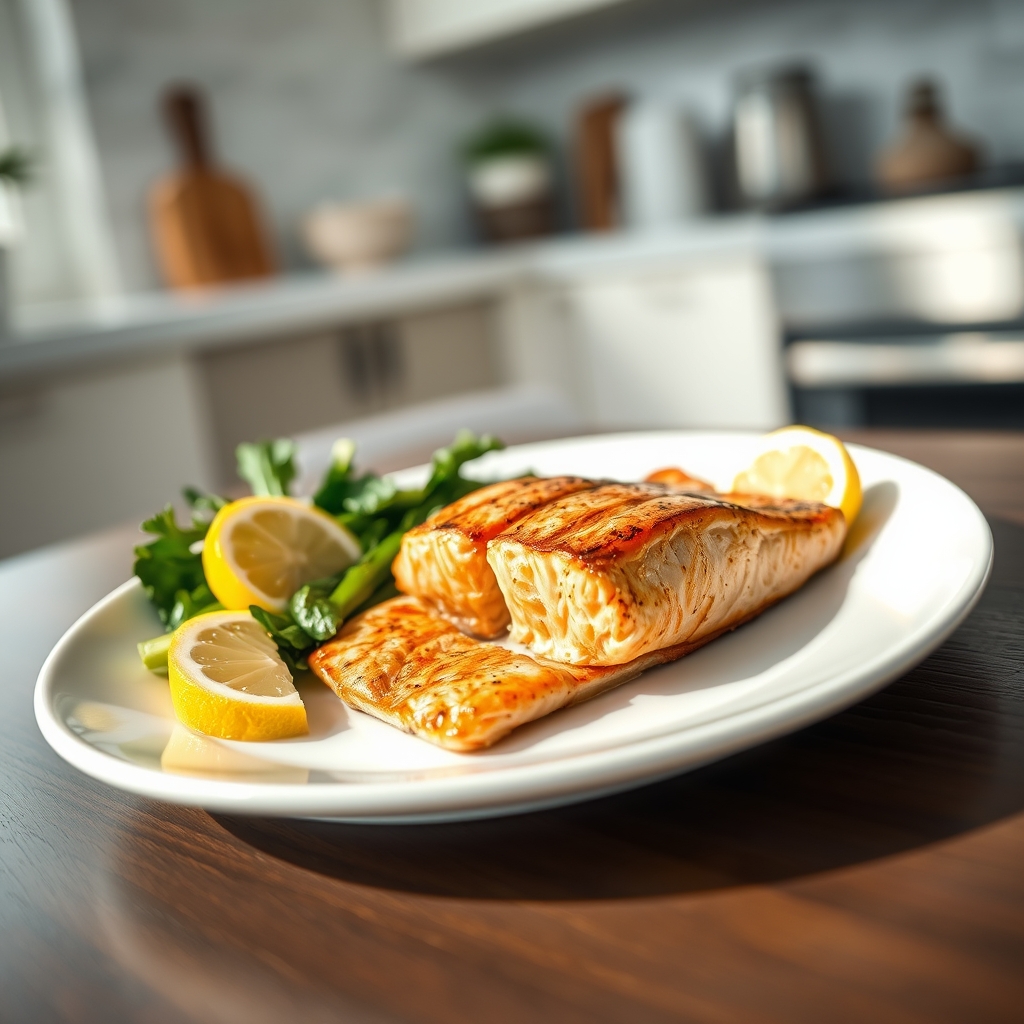
What fish are safe to eat during pregnancy
When we talk about safe fish for pregnancy, we’re focusing on species that are low in methylmercury, a neurotoxic compound that can affect a developing brain. The American College of Obstetricians and Gynecologists (ACOG) and the U.S. Food and Drug Administration (FDA) agree that the following fish are consistently low‑mercury and provide valuable omega‑3 fatty acids, protein, and micronutrients: salmon, sardines, anchovies, pollock, catfish, and cod. These options also tend to be rich in vitamin D and calcium, supporting both maternal bone health and fetal skeletal development.
Beyond the low‑mercury profile, the cooking method matters. Baking, grilling, or poaching fish to an internal temperature of 145 °F (63 °C) eliminates most food‑borne pathogens such as Listeria and Vibrio, which can be especially dangerous for pregnant women. Avoid raw preparations unless the fish has been previously frozen at –4 °F (–20 °C) for at least seven days, a process that kills parasites. When you pair fish with a squeeze of lemon or a drizzle of olive oil, you preserve the delicate omega‑3s while adding flavor without excess sodium.
Choosing the right fish also means paying attention to where it’s sourced. Wild‑caught salmon from Alaska, for example, typically has lower contaminant levels than farmed varieties. For canned options, look for BPA‑free cans and check the label for “light” versus “white” tuna, as the mercury content differs dramatically. If you shop at a reputable fish market, ask the fishmonger about the catch date and whether the fish was wild‑caught or farm‑raised.
Fish to avoid during first trimester
Mercury is a heavy metal that accumulates in the nervous system. In the developing brain, it can interfere with neuronal migration and myelination, leading to subtle but measurable deficits in cognition and attention later in childhood. Because organ formation happens quickly early on, the risk is highest in the first trimester, making avoidance of high‑mercury fish especially important during those first 12 weeks.
If you’ve already consumed a serving of a high‑mercury fish early in pregnancy, try not to panic. Studies show that a single exposure is unlikely to cause harm; the concern is cumulative intake. Still, it’s wise to limit future high‑mercury fish and discuss any concerns with your prenatal provider. Your provider may recommend a simple blood test to check mercury levels if you’re worried about repeated exposures.
How much fish can you eat while pregnant
The FDA’s “Advice about Eating Fish” guidance recommends that pregnant people eat 2‑3 servings (8‑12 oz) of low‑mercury fish per week. This amount provides roughly 200‑300 mg of DHA/EPA, which aligns with the National Institutes of Health’s recommendation for fetal brain development. A typical serving might be a 4‑oz cooked fillet, a half‑cup of canned fish, or a ½‑cup of cooked shellfish.
Portion size matters more than frequency. A 4‑oz serving of salmon delivers about 1,200 mg of DHA, while the same amount of cod supplies only 150 mg. If you’re aiming for the DHA target, you can mix smaller servings of high‑DHA fish (like salmon) with larger servings of lower‑DHA options (like cod) to stay within the weekly limit.
Exceeding the recommended amount doesn’t automatically cause toxicity, but it raises the risk of accumulating mercury over time. If you’re a heavy seafood lover, consider alternating low‑mercury fish with other protein sources such as lean poultry, beans, or fortified dairy to stay within the safe weekly limit. Keep a simple food diary for a few weeks to see how many servings you’re actually getting.
Safe fish alternatives during pregnancy
- Algae‑derived omega‑3 supplements – provide DHA/EPA without mercury.
- Fortified eggs – contain added omega‑3s and are low in contaminants.
- Grass‑fed beef – offers iron and B‑vitamins, useful if you limit seafood.
- Plant‑based omega‑3 sources (chia, flaxseed) – contain ALA, a precursor to DHA.
- Low‑fat dairy – supplies calcium and vitamin D, complementing fish intake.
- Shellfish (shrimp, scallops) – low in mercury when cooked thoroughly.
These alternatives let you reap the nutritional benefits of omega‑3s while eliminating any mercury concerns. Algae‑based DHA is especially popular among vegans and vegetarians, and the FDA has deemed it “generally recognized as safe” (GRAS). When choosing fortified eggs, look for labels that specify “omega‑3 enriched” and avoid those with added hormones.
Is canned tuna safe for pregnant women
Canned light tuna is generally considered safe when limited to no more than 2‑3 servings per week, providing about 150 mg of DHA per serving. However, canned albacore (white) tuna has higher mercury levels—roughly 0.35 ppm—so the FDA advises no more than one serving per week of albacore. Always check the label for “light” versus “white” tuna, and choose BPA‑free cans when possible.
When you open a can, inspect the liquid. Tuna packed in water retains more natural flavor and fewer added calories than oil‑packed versions, which can be higher in omega‑6 fatty acids. If you’re watching your sodium intake, opt for “no‑salt‑added” varieties. Pair canned tuna with a whole‑grain wrap and leafy greens for a quick, pregnancy‑friendly lunch.
Risks of eating high mercury fish during pregnancy
High mercury exposure can impair fetal brain and nervous system development, potentially leading to lower IQ scores and attention‑deficit issues later in childhood. The CDC’s “Mercury Toxicity” fact sheet notes that mercury interferes with neuronal migration and myelination. While occasional consumption of a high‑mercury fish is unlikely to cause severe outcomes, regular intake above the FDA’s 0.1 ppm threshold is associated with measurable neurodevelopmental deficits.
Beyond neurodevelopment, mercury can affect the mother’s cardiovascular system, increasing the risk of hypertension—a condition already of concern during pregnancy. The World Health Organization (WHO) recommends that pregnant women limit exposure to all heavy metals, including mercury, as part of a broader strategy to protect maternal and fetal health.
Safe fish for pregnancy with gestational diabetes
For those managing gestational diabetes, low‑fat, low‑carb fish such as cod, pollock, and catfish are excellent choices. They provide high‑quality protein without a significant carbohydrate load, helping to stabilize blood glucose. Moreover, the omega‑3s in salmon and sardines have been linked to improved insulin sensitivity in some studies, though more research is needed.
Pair fish with non‑starchy vegetables and whole grains for a balanced meal that won’t spike blood sugar. A typical plate might include a baked salmon fillet, roasted Brussels sprouts, and a quinoa side—delivering protein, fiber, and healthy fats all in one bite.
Best fish for pregnancy brain development
Salmon tops the list for fetal brain health because it’s exceptionally rich in DHA (docosahexaenoic acid), a critical component of neuronal membranes. The WHO recommends at least 200 mg of DHA per day during pregnancy, and a typical 4‑oz salmon serving delivers about 1,200 mg. Sardines and anchovies also supply notable DHA in smaller portions, making them excellent secondary options.
In addition to DHA, these fish provide vitamin D, which aids calcium absorption and supports bone health for both mother and baby. When you combine DHA with vitamin D, you’re essentially feeding the developing brain and skeleton at the same time.
Fish oil supplements during pregnancy safety
Fish oil capsules are considered safe when sourced from reputable manufacturers that test for contaminants. The ACOG states that prenatal vitamins containing 200‑300 mg of DHA are appropriate, but higher doses should be taken only under provider supervision. Look for “molecularly distilled” or “pharmaceutical‑grade” products and avoid those that list added vitamin A, which can be teratogenic at high doses.
If you prefer a plant‑based option, algae‑derived DHA supplements provide the same omega‑3 profile without the fishy aftertaste. The FDA has granted GRAS status to several algae‑derived DHA products, making them a trustworthy alternative for vegans and anyone concerned about fish‑related contaminants.
Safety by trimester
First trimester
During organ formation, keep mercury exposure to a minimum. Stick to the low‑mercury options listed above and ensure fish is cooked thoroughly. Avoid raw sushi, unless it’s made with previously frozen fish that meets FDA freezing guidelines. If you crave sushi, opt for cooked rolls such as tempura shrimp or avocado rolls, which provide protein without the raw‑fish risk.
Because nausea is common in the first trimester, many pregnant people find fish broth soothing. Homemade fish stock made from low‑mercury fish provides flavor and nutrients without the need for large portions. Just be sure the broth reaches a rolling boil for at least five minutes to kill any lingering bacteria.
Second trimester
The fetus’s brain is rapidly developing, making omega‑3 intake increasingly important. Continue with 2‑3 servings per week of safe fish, and consider adding a DHA‑rich prenatal supplement if dietary intake falls short. This is also a good time to experiment with new preparations—steamed, baked, or poached fish can keep meals interesting while preserving nutrients.
Many women report a dip in food aversions during the second trimester, which can be a perfect window to incorporate fish into family meals. Try a Mediterranean‑style baked cod with olives and tomatoes, or a quick sardine salad with leafy greens and a drizzle of lemon‑olive oil.
Third trimester
In the final weeks, omega‑3s support both brain development and the baby’s eye health. Safe fish remain beneficial, but be vigilant about food‑borne illness—pregnant people are more susceptible to Listeria, so always cook fish to an internal temperature of 145 °F. If you’re near the end of pregnancy, consider a light fish broth or miso soup with low‑mercury fish for a soothing, nutrient‑dense snack.
Hydration becomes more important as you approach labor, and fish soups provide both fluid and electrolytes. Adding a pinch of sea salt (iodized) can help maintain thyroid function, which is essential for both mother and baby during the final stretch.
Breastfeeding
Post‑delivery, the DHA you consume passes into breast milk. Maintaining the same 2‑3 servings per week of low‑mercury fish helps sustain your baby’s DHA levels while you recover. If you’re breastfeeding and find cooking time limited, canned sardines or pre‑cooked salmon fillets are quick, nutrient‑dense options.
Some lactating mothers notice that a modest increase in omega‑3 intake can improve mood and reduce postpartum fatigue. While the evidence is still emerging, many clinicians encourage continued fish consumption as part of a balanced postpartum diet.
Safe dosage / amount / brands
| Fish | Weekly safe serving | Typical portion (cooked) | Recommended brands (U.S.) |
|---|---|---|---|
| Salmon (wild) | 2‑3 servings | 4 oz | Wild Planet, Alaska Gold |
| Sardines (canned in water) | 2‑3 servings | ½ cup | Season Brand, Crown Prince |
| Anchovies | 2‑3 servings | ½ cup | Ortiz, Crown Prince |
| Pollock | 2‑3 servings | 4 oz | Pacific Seafood, Gorton's |
| Catfish | 2‑3 servings | 4 oz | Farmers Market, Cajun |
| Cod | 2‑3 servings | 4 oz | Pacific Harvest, Sea Best |
When choosing a brand, look for transparent sourcing information and third‑party testing for mercury and other contaminants. Wild‑caught salmon often carries a “MSC Certified” label, indicating sustainable harvesting and low pollutant levels. For canned options, the “BPA‑free” seal helps reduce exposure to plasticizers that could leach into the food.
Side effects and risks
Most low‑mercury fish are well‑tolerated, but a few considerations remain:
- Foodborne illness: Undercooked fish can harbor Listeria, Vibrio, or parasites. Symptoms include fever, nausea, and diarrhea. If you develop these, contact your provider.
- Allergic reactions: Shellfish allergies are common; if you’re allergic to shrimp or crab, you may also react to fish.
- Excess iodine: Very large amounts of certain fish (e.g., seaweed‑rich varieties) can affect thyroid function, though typical servings are safe.
- Heavy‑metal accumulation: Even low‑mercury fish can contribute to total mercury load if consumed in excess, so keep to the recommended weekly servings.
Any severe abdominal pain, persistent vomiting, or signs of infection should prompt a call to your obstetrician. Likewise, if you notice hives, swelling, or difficulty breathing after eating fish, seek emergency care.
Safer alternatives
- Algae‑based DHA supplements – no mercury, vegan‑friendly.
- Fortified soy or oat milks – contain added omega‑3s and calcium.
- Pasture‑raised eggs – natural source of DHA.
- Lean poultry – low in mercury, high in protein.
- Plant‑based omega‑3 sources (chia, flaxseed) – provide ALA, a DHA precursor.
- Low‑fat dairy – offers calcium and vitamin D without mercury.
- Shellfish (shrimp, scallops) – low mercury when cooked thoroughly.
Deep dives on top recommended options
Salmon
Wild‑caught salmon delivers roughly 1,200 mg of DHA per 4‑oz serving, far exceeding daily DHA recommendations. It also supplies vitamin D, selenium, and B‑vitamins. The mercury content is typically under 0.022 ppm, well below the FDA’s safe limit. Grill, bake, or poach salmon and pair with a squeeze of lemon for added flavor without extra sodium.
When buying salmon, check for “skin‑on” varieties; the skin helps retain moisture and omega‑3s during cooking. If you’re concerned about sustainability, look for the “Marine Stewardship Council (MSC)” label, which indicates environmentally responsible harvesting.
Sardines
Sardines are small, oily fish that naturally accumulate less mercury. A half‑cup of canned sardines provides about 500 mg of EPA/DHA and a notable amount of calcium because the bones are edible. Choose varieties packed in water or olive oil with no added salt for a heart‑healthy option..
Sardines also contain vitamin B12, which supports red‑blood‑cell formation—a key factor for preventing anemia during pregnancy. Pair them with whole‑grain toast and avocado for a quick, nutrient‑dense snack.
Anchovies
Anchovies are often used as a flavor enhancer in sauces, but they can also be served whole. Their tiny size means low mercury (≈0.018 ppm). A half‑cup delivers 300‑400 mg of DHA/EPA and is rich in vitamin B12, supporting red‑blood‑cell formation.
Because anchovies are salty, rinse them briefly before adding to salads or pasta dishes to control sodium intake. Their robust umami flavor means you need less, making them a cost‑effective way to boost omega‑3s.
Pollock
Pollock offers a mild flavor that’s easy to season. It’s low in mercury and provides about 200 mg of DHA per serving. Use it in fish sticks, soups, or baked fillets. Opt for wild‑caught or sustainably farmed pollock to avoid added contaminants.
Pollock fillets freeze well, so you can keep a portion on hand for quick meals. Thaw in the refrigerator and bake at 375 °F for 12‑15 minutes, ensuring the internal temperature reaches 145 °F.
Catfish
Freshwater catfish is a lean protein source with low mercury (≈0.018 ppm). A 4‑oz serving supplies roughly 150 mg of DHA and is rich in potassium, supporting healthy blood pressure. Cook it thoroughly—pan‑searing or baking works well.
When buying catfish, look for firm flesh and a mild scent; any strong “fishy” odor may indicate reduced freshness. Pair catfish with a citrus‑herb glaze to enhance flavor without adding unhealthy fats.
Cod
Cod is a classic low‑fat fish, containing about 150 mg of DHA per 4‑oz portion and virtually no mercury. Its flaky texture makes it ideal for stews or gentle poaching. Pair with a light herb sauce for extra flavor without excess sodium.
Because cod is so mild, it absorbs the flavors of marinades well. A simple mixture of lemon juice, garlic, and fresh parsley makes a bright, pregnancy‑safe accompaniment.
Choosing low‑mercury fish at the grocery store
When you walk into the seafood aisle, look for clear labeling that indicates “low mercury” or “pregnancy‑safe.” Many retailers now include a small icon—often a fish with a checkmark—to guide expectant parents. If the label is missing, refer to the FDA’s online list of “Best Choices” and “Good Choices” for pregnant women.
Ask the fishmonger about the catch date and whether the fish was wild‑caught or farm‑raised. Freshness is key: the flesh should be firm, translucent, and free of off‑odors. If you’re buying frozen fish, ensure it’s been stored at –18 °C (0 °F) or lower and that the packaging is intact.
Sustainable fish choices during pregnancy
Sustainability and safety often go hand‑in‑hand. Overfished species can carry higher contaminant loads, while responsibly harvested fish tend to have lower mercury and fewer pollutants. The Monterey Bay Aquarium’s “Seafood Watch” program rates salmon, sardines, and pollock as “Best Choices” for both health and the planet.
Choosing sustainable fish not only protects marine ecosystems but also supports a food supply that remains low in toxins. Look for certifications such as MSC (Marine Stewardship Council) or ASC (Aquaculture Stewardship Council) on packaging.
Cooking tips to preserve omega‑3s
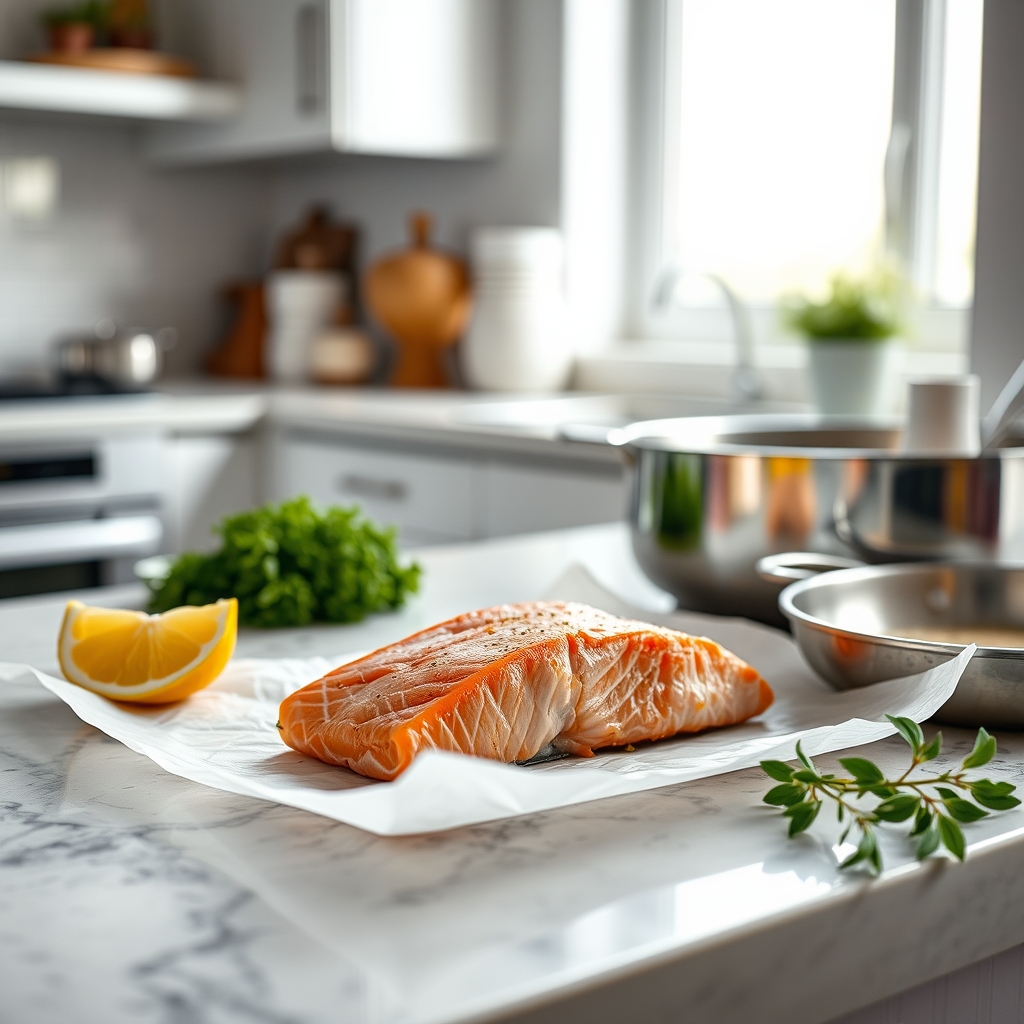
High heat can oxidize omega‑3 fatty acids, reducing their nutritional benefit. To preserve the DHA/EPA content, bake or poach fish at moderate temperatures (350‑375 °F) and avoid deep‑frying. If you do pan‑sear, use a small amount of heart‑healthy oil like olive or avocado oil, and finish the fish in the oven to ensure even cooking.
Adding a splash of acidic lemon or lime juice just before serving can enhance flavor while also helping to lock in nutrients. Remember to always check that the thickest part of the fish reaches 145 °F with a food‑grade thermometer.
Related items — safety at a glance
| Seafood | Verdict | Notes |
|---|---|---|
| Shrimp | ✅ Generally safe | Low mercury; cook thoroughly |
| Scallops | ✅ Generally safe | Low mercury; avoid raw unless frozen |
| Lobster | ✅ Generally safe | Low mercury; watch cholesterol |
| Crab | ✅ Generally safe | Low mercury; ensure proper cooking |
| Tilapia | ✅ Generally safe | Low mercury; mild flavor |
| Mackerel (Atlantic) | ✅ Generally safe | Lower mercury than king mackerel; limit servings |
Myth vs. fact
Myth: All fish are dangerous for pregnant women.
Fact: Only high‑mercury species (shark, swordfish, king mackerel, tilefish) pose a risk. Most fish, especially those listed as safe, are beneficial.
Myth: Canned tuna is always unsafe because it’s “processed.”
Fact: Light canned tuna is low in mercury and safe in moderation; albacore should be limited to one serving per week.
Myth: Cooking fish kills all nutrients, so raw fish is healthier.
Fact: Cooking eliminates harmful bacteria and parasites while preserving most omega‑3s; raw fish can carry pathogens that are dangerous for pregnancy.
Key takeaways
- Choose low‑mercury fish such as salmon, sardines, anchovies, pollock, catfish, and cod.
- Limit total fish intake to 2‑3 servings (8‑12 oz) per week to stay within FDA guidelines.
- Cook fish to an internal temperature of 145 °F to prevent food‑borne illness.
- Avoid high‑mercury species (shark, swordfish, king mackerel, tilefish) especially in the first trimester.
- If you prefer not to eat fish, consider algae‑based DHA supplements or fortified foods.
- Opt for sustainably sourced, MSC‑certified fish whenever possible to protect both your health and the environment.
Frequently asked questions
Can I eat sushi while pregnant
Raw sushi made with fresh, unfrozen fish is not recommended because of the risk of parasites and Listeria. Choose cooked rolls or those made with fish that has been frozen at –4 °F for at least seven days.
How often can I eat fish while pregnant
Most health agencies, including the FDA and ACOG, advise 2‑3 servings of low‑mercury fish per week, which translates to roughly 8‑12 oz total.
What fish has the lowest mercury levels
Small, short‑lived species such as sardines, anchovies, and pollock have the lowest mercury concentrations, often under 0.02 ppm.
Is it safe to eat raw fish during pregnancy
Only if the fish has been previously frozen according to FDA guidelines; otherwise, raw fish poses a food‑borne illness risk and should be avoided.
Can pregnant women eat fish sticks
Yes, as long as the fish sticks are made from low‑mercury fish and cooked to an internal temperature of 145 °F, they are a safe and convenient option.
How does fish affect fetal development
Omega‑3 fatty acids, especially DHA, are crucial for brain and eye development; adequate fish consumption supports these processes while also providing high‑quality protein.
What are the benefits of eating fish during pregnancy
Benefits include improved fetal neurodevelopment, reduced risk of preterm birth, and better maternal heart health thanks to omega‑3s and lean protein.
Can I take fish oil supplements while breastfeeding
Yes, most reputable fish oil supplements are safe during breastfeeding; they continue to provide DHA to the infant through breast milk.
I ate a high‑mercury fish before I knew I was pregnant. What should I do?
One accidental serving is unlikely to cause harm, but inform your provider so they can assess your total mercury exposure and, if needed, order a blood test for reassurance.
What if I have a shellfish allergy—can I still eat safe fish?
Shellfish allergies do not automatically extend to finned fish. If you’re only allergic to shrimp, crab, or lobster, you can generally enjoy low‑mercury fish like salmon or cod, but always discuss any allergy concerns with your doctor first.
When to call your doctor
If you experience any of the following after eating fish, contact your obstetric provider promptly:
- Persistent vomiting, diarrhea, or fever (possible foodborne infection).
- Severe abdominal cramps or pain that doesn’t resolve.
- Signs of an allergic reaction, such as hives, swelling, or difficulty breathing.
- Any concerns about mercury exposure, especially if you’ve consumed high‑mercury fish more than once.
- Unusual fatigue, tremors, or changes in heart rate that could indicate excess iodine or other mineral imbalances.
These guidelines

