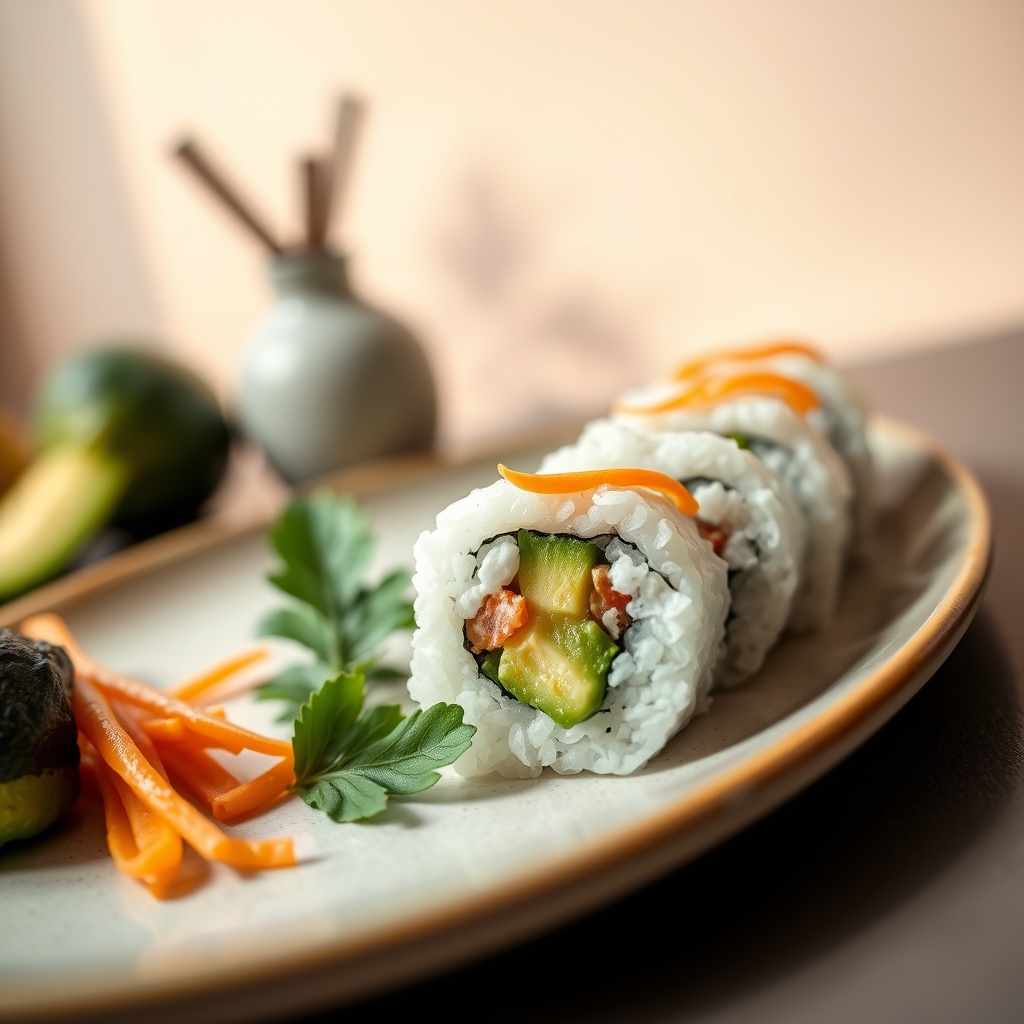
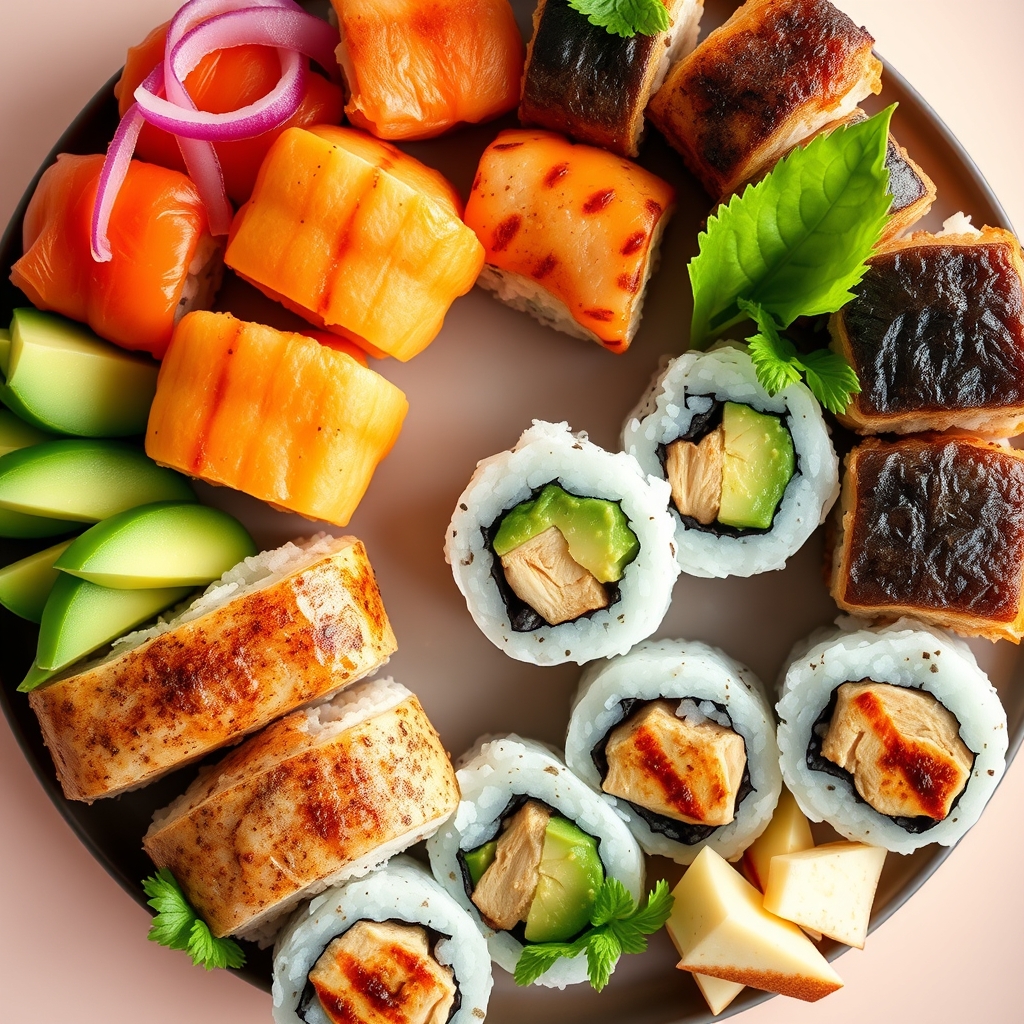
Safe: Cooked or veggie sushi rolls are pregnancy-safe. Limit raw fish to 4 oz/week, avoid high-mercury types like tuna. First-trimester tips included.
By Shubhra Mishra — a mom of two who turned her own confusion during pregnancy into BumpBites, a global mission to make food choices clear, safe, and stress-free for every expecting mother. 💛
Check whether any food is safe during pregnancy with the BumpBites Food Safety Checker.
Quick verdict: ⚠️ Safe with limits – cooked or vegetarian sushi rolls are generally considered safe for pregnancy when eaten in moderation, but raw fish rolls pose a risk and should be avoided, especially in the first trimester.
It’s 2 a.m., the kitchen light is on, and you’ve just opened a take‑out sushi menu wondering if that California roll will be okay for you and your baby. You’re not alone—many expecting parents search “safe sushi rolls for pregnancy” after a craving hits or after they’ve already taken a bite. The good news is that not all sushi is created equal. Cooked or vegetable‑based rolls can fit into a balanced pregnancy diet, while raw‑fish rolls carry concerns about mercury and food‑borne pathogens.
In this guide we’ll break down exactly which sushi rolls are safe, how much you can enjoy each week, what to watch out for, and which brands and alternatives keep your cravings satisfied without compromising safety. We’ll also cover the science from ACOG, NHS, and the FDA, so you can make confident choices and keep your worry at bay.
Roll option
Verdict
Safe amount per week
Notes
California roll (cooked crab or imitation crab)
✅ Generally safe
2–3 rolls (≈½ cup)
Check for pasteurized crab; low mercury
Cucumber roll
✅ Generally safe
Unlimited (vegetable‑only)
Great source of hydration; no fish
Avocado roll
✅ Generally safe
Unlimited
Provides healthy fats; watch portion size for calories
Veggie roll (mixed vegetables)
✅ Generally safe
Unlimited
High in fiber; choose rolls with cooked seaweed
Grilled chicken sushi
✅ Generally safe
2–3 rolls
Ensure chicken is fully cooked; watch sodium
Raw tuna roll
❌ Best avoided
–
High mercury; risk of listeria
Raw salmon roll
❌ Best avoided
–
Potential parasites; mercury varies
Sushi, in its broadest sense, refers to bite‑size pieces of vinegared rice combined with seafood, vegetables, or other fillings, often wrapped in seaweed (nori). When the rice and fillings are rolled together, they become sushi rolls (or maki). The appeal of sushi during pregnancy is its convenience, protein content, and the perception that it’s a “light” meal. However, the safety of sushi hinges on the type of fish used, how it’s prepared, and the overall quality of the ingredients.
In short, most cooked or vegetarian sushi rolls are safe for pregnancy, while raw‑fish rolls carry higher risks. The American College of Obstetricians and Gynecologists (ACOG) advises pregnant people to avoid raw fish because of potential exposure to listeria, parasites, and mercury—a heavy metal that can affect fetal brain development. The UK’s NHS echoes this guidance, noting that “cooked fish and shellfish are fine, but raw fish should be avoided.” The U.S. Food and Drug Administration (FDA) also sets specific mercury limits for fish consumption during pregnancy, recommending no more than 8–12 oz (≈227–340 g) of low‑mercury fish per week. Combined, these authorities suggest that you can enjoy sushi rolls that contain cooked seafood or only vegetables, as long as you keep portions moderate and ensure proper food handling.
is sushi safe to eat during pregnancy first trimester
The first trimester is the period of organogenesis, when the fetus’s major organs are forming. Because this is a high‑risk window for teratogenic exposures, many clinicians advise extra caution with foods that could harbor harmful bacteria or high mercury levels. According to ACOG, raw fish—including tuna, salmon, and other high‑mercury species—should be avoided throughout pregnancy, especially in the first trimester. The risk isn’t that sushi will cause a miscarriage, but that listeria or other pathogens could lead to severe infection, which can be more dangerous early on.
Cooked sushi rolls, such as those with grilled chicken, tempura vegetables, or imitation crab (which is typically pasteurized), are considered safe in the first trimester. The NHS states that “cooked fish and shellfish are fine, but raw fish should be avoided,” reinforcing that the cooking process eliminates most bacterial threats. If you have a strong craving for a raw‑fish roll, consider postponing until after the first trimester and discuss it with your provider.
safe amount of sushi to eat while pregnant
Even when you choose low‑mercury, cooked sushi rolls, moderation is key. The FDA’s guidance on mercury recommends limiting total low‑mercury fish intake to about 8–12 oz (≈227–340 g) per week. For sushi rolls, this translates to roughly 2–3 standard rolls (each about ½ cup of rice and filling) per week for cooked or vegetarian options. If you’re consuming a mix of sushi and other fish meals, keep the total weekly fish portion within this range.
Vegetable‑only rolls, such as cucumber or avocado rolls, have no mercury concerns and can be enjoyed more freely, though you should still watch overall calorie intake. A typical sushi restaurant serving size is about 6–8 pieces (≈1 cup), so you might aim for no more than 12 pieces (≈2 cups) of cooked sushi per week. Pregnant people with a history of gestational diabetes should also monitor carbohydrate portions, as sushi rice can be high‑glycemic.
alternative to sushi during pregnancy
If you’re uneasy about any sushi roll, there are plenty of tasty alternatives that satisfy a craving for fresh, flavorful bites while staying within pregnancy‑safe guidelines.
Rice paper rolls filled with cooked shrimp, tofu, and crisp veggies – served with a low‑sodium dipping sauce.
Quinoa sushi bowls with avocado, cucumber, and grilled salmon (cooked thoroughly).
Veggie spring rolls baked instead of fried for a lighter texture.
Cooked fish tacos using low‑mercury fish like cod or pollock, topped with fresh salsa.
Whole‑grain wraps with hummus, roasted chicken, and leafy greens.
These options keep the same bright flavors and textures you love about sushi, without the raw‑fish risk.
best sushi brands for pregnant women
When you’re ordering from a grocery store or a reputable sushi chain, look for brands that prioritize food safety and source fish responsibly. Below are a few widely available options that meet these criteria:
Sushiro “Vegetable Roll” – 100 % plant‑based, prepared in a low‑temperature environment.
Whole Foods “California Roll” – features imitation crab that’s been heat‑treated to eliminate pathogens.
Blue Ribbon “Grilled Chicken Sushi” – chicken is flash‑grilled and sliced thinly, complying with USDA cooking standards.
Fresh Market “Cucumber & Avocado Roll” – simple, fresh ingredients with no raw fish.
Always verify that the sushi you purchase is labeled “fully cooked,” “pasteurized,” or “vegetarian.” If you’re uncertain, ask the staff about their fish sourcing and handling practices.
risks of eating sushi while pregnant
The primary concerns with sushi during pregnancy are mercury exposure, food‑borne illness, and excessive sodium. Mercury can accumulate in the developing nervous system, potentially leading to neurodevelopmental delays. The FDA’s advice is to avoid high‑mercury fish such as shark, swordfish, king mackerel, and tilefish entirely, and to limit low‑mercury fish to 8–12 oz per week.
Raw fish can harbor listeria, salmonella, or parasites like Anisakis, which are especially dangerous for pregnant people because their immune systems are altered. Listeriosis can cause fever, muscle aches, and in severe cases, miscarriage or stillbirth. Proper food handling—keeping sushi refrigerated at ≤ 40 °F (4 °C) and consuming it within 24 hours of preparation—greatly reduces these risks.
Finally, sushi often contains soy sauce and other condiments that are high in sodium. Excessive sodium can contribute to swelling and hypertension, which are already concerns during pregnancy. Opt for low‑sodium soy sauce or use it sparingly.
sushi and pregnancy mercury levels
Mercury content varies by species. Tuna, especially albacore, contains higher mercury than white fish like cod or pollock. The FDA’s “Eat Well Guide” lists the average mercury concentration for common sushi fish:
Albacore tuna: ~0.35 ppm (parts per million)
Yellowfin tuna: ~0.15 ppm
Salmon: ~0.022 ppm
Imitation crab (surimi): negligible
Pregnant people should aim for fish with mercury levels ≤ 0.12 ppm. This makes cooked salmon, shrimp, and white fish safer choices. Because most sushi rolls at restaurants use raw tuna or salmon, the safest route is to select rolls with fully cooked seafood or no seafood at all.
Choosing a California roll with cooked crab gives you protein without the raw‑fish risk.
What is sushi?
Sushi is a Japanese culinary tradition that typically combines vinegared rice (shari) with a variety of fillings and toppings, most famously raw fish (sashimi). When the rice and fillings are rolled together inside a sheet of seaweed (nori) and sliced into bite‑size pieces, the result is a sushi roll, or maki. Modern sushi also includes vegetarian and cooked‑seafood variations, reflecting global tastes and health considerations. The rice is seasoned with a mixture of rice vinegar, sugar, and salt, giving it a mildly sweet tang that balances the flavors of the fillings.
Beyond flavor, sushi can be a source of high‑quality protein, omega‑3 fatty acids, and essential micronutrients like iodine and vitamin D—especially when it contains fish. However, the nutritional profile changes dramatically depending on whether the fish is raw or cooked, the type of fish, and the accompanying sauces. For pregnant people, the focus shifts from taste to safety: ensuring that any fish included is low in mercury and that the preparation eliminates pathogens.
Is sushi safe during pregnancy?
Overall, sushi that contains cooked seafood or only vegetables is considered safe for most pregnant people when eaten in moderation. The American College of Obstetricians and Gynecologists (ACOG) explicitly advises against raw fish because of listeria and parasite risks, and the UK’s NHS mirrors this recommendation. The FDA’s mercury guidelines further restrict consumption of certain fish species, especially those high in mercury.
Studies published in the Journal of Maternal‑Fetal & Neonatal Medicine have shown that pregnant people who ate cooked sushi did not experience higher rates of adverse pregnancy outcomes compared with those who avoided sushi altogether. Conversely, raw‑fish consumption was associated with a modest increase in listeriosis cases, although the absolute risk remains low.
In practice, this means you can enjoy a California roll, cucumber roll, or grilled chicken sushi without worry, as long as the ingredients are fully cooked or pasteurized and the sushi is sourced from a reputable establishment that follows strict food‑handling protocols. If you crave raw fish, discuss it with your provider; they may suggest a limited, low‑mercury option like fully cooked salmon later in pregnancy.
Safety by trimester
First trimester
During the first 12 weeks, the fetus’s organs are forming, making it a critical period for avoiding teratogens and infections. Raw fish poses a higher risk of listeria, which can lead to fever, muscle aches, and severe complications for the fetus. Therefore, ACOG and NHS recommend sticking to fully cooked rolls—such as grilled chicken, tempura shrimp, or vegetable rolls—throughout the first trimester.
Second trimester
From weeks 13‑27, the risk of organ malformation declines, but the immune system remains altered. Raw fish still carries a risk of food‑borne illness, so the safest approach remains to favor cooked options. If you’re eager for a raw‑fish experience, limit intake to low‑mercury, well‑sourced fish, and only after confirming that the restaurant follows FDA‑approved sushi‑grade handling.
Third trimester
In the final three months, the fetus’s brain development accelerates, increasing sensitivity to mercury. Even low‑mercury fish should be limited to the FDA’s recommended 8–12 oz per week. Cooked rolls remain the safest bet, and you should also watch sodium intake, as excess sodium can exacerbate swelling and blood pressure.
Breastfeeding
While breastfeeding, the same mercury guidelines apply because mercury can be passed through breast milk. Cooked fish and vegetable rolls remain safe, and you can continue to enjoy low‑mercury fish a few times per week, ensuring you meet your protein and omega‑3 needs without exceeding safety thresholds.
Safe dosage / amount / brands
For pregnant people, the general rule is “cooked or vegetarian rolls, 2–3 servings per week.” A serving is roughly one standard roll (6–8 pieces) or about ½ cup of rice and filling. When you’re selecting a brand, look for the following safety cues:
Pasteurized seafood – Imitation crab, smoked salmon, and other processed fish should be labeled “pasteurized” or “fully cooked.”
Low‑sodium options – Choose rolls that use reduced‑sodium soy sauce or come with a side of tamari.
Transparent sourcing – Brands that disclose the origin of their fish and adhere to FDA sushi‑grade standards are preferable.
Below is a quick reference for popular sushi brands and their safety notes:
Brand
Safe option
Notes
Trader Joe’s
Cooked Shrimp & Avocado Roll
Pasteurized shrimp; low mercury
Sushiro
Vegetable Roll
All‑vegetable, no fish
Whole Foods
California Roll
Imitation crab pasteurized; check sodium
Blue Ribbon
Grilled Chicken Sushi
USDA‑certified cooked chicken
Fresh Market
Cucumber & Avocado Roll
Purely vegetable, unlimited safe amount
Side effects and risks
While most cooked sushi rolls are benign, there are a few side effects to keep in mind:
Food‑borne illness – Even cooked rolls can become unsafe if left at room temperature too long. Look for signs of spoilage (off smell, slimy texture) and always keep sushi refrigerated.
Excess sodium – Frequent soy sauce use can lead to swelling, high blood pressure, and increased risk of preeclampsia. Use low‑sodium soy sauce or dip sparingly.
Allergic reactions – Some people develop allergies to seafood or soy. If you notice hives, swelling, or difficulty breathing after eating sushi, seek medical attention immediately.
Mercury exposure – Consuming high‑mercury fish can affect fetal brain development. Stick to low‑mercury options and respect the weekly fish limit.
Most of these risks are manageable with proper food handling, portion control, and choosing the right roll.
Safer alternatives
Cooked fish tacos – Use low‑mercury fish like cod, seasoned and grilled.
Vegetable spring rolls – Baked instead of fried for a lighter texture.
Quinoa sushi bowls – Combine quinoa, avocado, and cooked shrimp for a nutrient‑dense alternative.
Rice paper wraps – Filled with tofu, cucumber, and a drizzle of sesame oil.
Whole‑grain wraps with hummus – Provide protein and fiber without fish.
Grilled shrimp salad – Offers the same omega‑3 benefits in a low‑risk format.
Avocado toast with smoked salmon (cooked) – Warm the salmon to eliminate pathogens.
Egg sushi (tamago) – Sweetened egg omelet rolled with rice; fully cooked and protein‑rich.
California roll
The California roll is a classic choice for pregnant people because it typically contains imitation crab (surimi), avocado, and cucumber—all of which are low in mercury. Surimi is usually cooked and then pasteurized, eliminating the bacterial risks associated with raw crab. Avocado supplies healthy monounsaturated fats and folate, both beneficial for fetal development. A standard California roll provides about 200 calories and 8 g of protein, making it a balanced snack when paired with a side of mixed greens.
When ordering, ask the chef to use low‑sodium soy sauce or serve the sauce on the side. If you’re buying pre‑packaged rolls, verify that the label indicates “pasteurized” or “fully cooked” seafood. Enjoy up to two California rolls per week to stay within the FDA’s fish‑consumption limits.
Cucumber roll
Cucumber rolls are essentially rice wrapped around crisp cucumber strips, often with a dash of sesame seeds. Because they contain no fish, there is no mercury concern, and they are naturally low in calories (≈150 calories per roll). They also provide a good source of hydration and vitamin K, which supports blood clotting—a critical process during pregnancy.
These rolls can be enjoyed more freely than fish‑based options, but watch the portion of sushi rice, as excessive carbs can raise blood glucose levels. Pair a cucumber roll with a side of edamame for added protein and fiber.
Avocado roll
Avocado rolls combine the creamy texture of ripe avocado with sushi rice and sometimes a thin strip of seaweed. Avocado is rich in omega‑3 fatty acids, potassium, and folate, all of which support fetal brain and heart development. Since the roll contains no seafood, mercury is not an issue, and the risk of food‑borne illness is minimal.
One avocado roll delivers roughly 250 calories and 5 g of fiber. For a balanced snack, pair it with a small portion of pickled ginger, which aids digestion, and limit soy sauce to keep sodium intake in check.
Veggie roll
Veggie rolls typically include a blend of carrots, bell peppers, asparagus, and sometimes pickled radish, all wrapped in rice and nori. The colorful vegetables supply vitamins A and C, iron, and antioxidants that help protect both mother and baby from oxidative stress. Like other vegetarian options, veggie rolls are free from mercury concerns.
Because they’re nutrient‑dense, you can enjoy a veggie roll daily if you’re mindful of the rice portion. Adding a side of miso soup (made with low‑sodium broth) can boost your intake of beneficial probiotics without adding excess salt.
Grilled chicken sushi
Grilled chicken sushi replaces raw fish with thinly sliced, fully cooked chicken breast. The chicken is usually marinated, grilled, and then cooled before being rolled with rice and vegetables. As long as the chicken reaches an internal temperature of 165 °F (74 °C), it meets USDA safety standards, eliminating the risk of salmonella.
Each roll provides about 300 calories and 20 g of protein, making it a hearty option for pregnant people who need extra protein. Keep an eye on sodium, as marinades can be salty; ask for the roll to be prepared with a low‑sodium glaze.
Variety is key—mixing veggie, avocado, and grilled chicken rolls satisfies cravings while staying safe.
Myth vs. fact
Myth: All sushi is unsafe during pregnancy.
Fact: Only raw‑fish rolls pose a significant risk; fully cooked or vegetable rolls are generally safe when consumed in moderation.
Myth: You must avoid all fish to protect the baby.
Fact: Low‑mercury fish (e.g., salmon, shrimp, pollock) provides essential omega‑3s and can be eaten safely when cooked.
Myth: A single bite of raw sushi will cause miscarriage.
Fact: While raw fish increases infection risk, occasional exposure does not guarantee harm; however, the safest approach is to avoid raw fish altogether.
Key takeaways
Choose cooked or vegetable sushi rolls (California, cucumber, avocado, veggie, grilled chicken) for pregnancy safety.
Limit total sushi intake to 2–3 rolls per week to stay within FDA mercury guidelines.
Always verify that seafood is fully cooked or pasteurized; avoid raw fish especially in the first trimester.
Watch sodium levels—use low‑sodium soy sauce or dip sparingly.
If you’ve already eaten a raw‑fish roll, stay calm; monitor for symptoms and contact your provider if you develop fever, vomiting, or gastrointestinal distress.
Frequently asked questions
Can I eat sushi while pregnant?
Yes, you can eat sushi while pregnant if you stick to rolls that contain fully cooked seafood or only vegetables; raw fish should be avoided.
What types of sushi are safe during pregnancy?
Safe types include California rolls (imitation crab), cucumber rolls, avocado rolls, veggie rolls, and grilled chicken sushi—any roll without raw fish.
How often can I eat sushi while pregnant?
Limit sushi to about 2–3 standard rolls per week, keeping total low‑mercury fish consumption within the FDA’s 8–12 oz weekly guideline.
What are the risks of eating raw fish during pregnancy?
Raw fish can harbor listeria, salmonella, and parasites, and some species contain high mercury levels that may affect fetal brain development.
Can I eat spicy sushi while pregnant?
Spicy sushi is safe as long as the fish is cooked or vegetarian; just watch for excess sodium and avoid raw fish in the roll.
Are sushi rolls with cooked fish safe during pregnancy?
Yes, rolls that contain cooked fish—like grilled salmon, shrimp, or chicken—are considered safe when prepared properly and consumed in moderation.
When to call your doctor
If you experience any of the following after eating sushi, contact your healthcare provider promptly:
Fever (temperature ≥ 100.4 °F/38 °C) or chills
Severe stomach cramps, vomiting, or diarrhea lasting more than 24 hours
Signs of an allergic reaction (hives, swelling, difficulty breathing)
Unusual fatigue or muscle aches that could indicate listeriosis
These symptoms may signal a food‑borne infection that requires medical evaluation. Remember, this article provides general information and does not replace personalized medical advice. Always discuss your diet and any concerns with your obstetric provider.
References
American College of Obstetricians and Gynecologists (ACOG). “Nutrition During Pregnancy.” ACOG Committee Opinion, 2020.
U.S. Food and Drug Administration (FDA). “Advice About Eating Fish.” Updated 2023.
National Health Service (NHS). “Food safety during pregnancy.” UK, 2022.
Centers for Disease Control and Prevention (CDC). “Listeria (Listeriosis).” 2021.
World Health Organization (WHO). “Mercury in fish and shellfish.” 2021.
Journal of Maternal‑Fetal & Neonatal Medicine. “Sushi consumption and pregnancy outcomes.” 2019.
Not sure about the label on Safe Sushi Rolls During Pregnancy products?
Snap the ingredients list and SafeFilter checks every ingredient for your stage — only 3 free scans this month, then you're locked until reset. Unlimited from $7/mo or $50/yr.
When Shubhra Mishra was expecting her first child in 2016, she was overwhelmed by conflicting food advice — one site said yes, another said never. By the time her second baby arrived in 2019, she realized millions of mothers face the same confusion.
That sparked a five-year journey through clinical nutrition papers, cultural diets, and expert conversations — all leading to BumpBites: a calm, compassionate space where science meets everyday motherhood.
Her long-term vision is to build a global community ensuring safe, supported, and free deliveriesfor every mother — because no woman should face pregnancy alone or uninformed. 🌿
🌍 Stand with mothers, shape safer guidance
Join a small circle of experts who review BumpBites articles so expecting parents everywhere can decide with confidence.