The timeline varies, but most women notice steady improvement within three to six months. Below is a typical recovery curve:
- First 2 weeks: Vaginal tissue is still inflamed; discomfort is common, especially after a perineal tear.
- Weeks 3‑8: Hormone levels begin to stabilize; many women experience reduced dryness if they’re not exclusively breastfeeding.
- Months 2‑4: Scar tissue softens, and pelvic‑floor muscles regain flexibility. Regular gentle stretching and foreplay often make a noticeable difference.
- Months 4‑6: For most, pain subsides to a mild or occasional sensation. If pain remains moderate‑to‑severe, it’s time to seek professional help.
It’s also normal for the “timeline” to be longer after a C‑section or a complicated vaginal delivery involving extensive tearing. In those cases, targeted pelvic‑floor therapy can accelerate healing.
When you ask, “postpartum sex hurts what to do,” the answer often includes giving your body the time it needs, but also actively supporting recovery with the strategies we’ll cover next.
Remember, every woman’s healing journey is unique. If you find yourself still feeling significant discomfort at the six‑month mark, consider a formal evaluation. Persistent dyspareunia after this point may signal underlying scar tissue, nerve irritation, or hormonal imbalance that benefits from specialist care (NHS, 2023).
Best sex positions for painful postpartum intercourse
Choosing positions that reduce pressure on the perineum and allow you to control depth can dramatically lessen discomfort. Here are three gentle favorites, plus tips for adapting them to your comfort level.
Side‑lying “spoon” position
Both partners lie on their sides, with the receiving partner’s back against the partner’s chest. This angle avoids direct pressure on the perineum, and you can use pillows under the hips for extra support. It also allows for easy access to a bottle of lubricant.
Modified missionary with a pillow
Place a firm pillow or a folded towel under the receiving partner’s hips. The elevation opens the pelvic outlet, reducing stretch on scar tissue. Keep the thrust shallow and focus on clitoral stimulation.
Woman‑on‑top (cowgirl) variation
When you feel ready, being on top lets you control depth and speed. A small cushion under the knees can relieve any lingering tension in the lower back and pelvis.
Remember, any position can be adjusted with pillows, blankets, or a wedge. The goal is to find a stance where you feel relaxed and in control, not forced into a deep penetration that triggers pain.
For partners who prefer standing positions, a “edge‑of‑bed” approach—where the receiving partner lies at the edge of a sturdy surface—can also reduce strain on the perineum while offering a different angle of entry. Experiment slowly, and communicate openly about pressure and comfort.
It’s worth noting that posture matters beyond the bedroom: maintaining good core alignment during daily activities can lessen pelvic‑floor tension, making intimate moments more comfortable.
When should I see a doctor about painful sex after childbirth?
Most postpartum discomfort resolves with self‑care, but certain signs signal the need for professional evaluation.
Red‑flag symptoms
- Severe, burning pain that persists beyond six weeks.
- Bleeding or spotting that lasts more than a few days after intercourse.
- Fever, chills, or a foul‑smelling discharge (possible infection).
- Sudden loss of sensation or numbness in the vaginal area.
- Inability to insert a tampon without pain.
- Persistent tightness that does not improve with pelvic‑floor relaxation.
If any of these appear, schedule an appointment with your OB‑GYN, a urogynecologist, or a pelvic‑floor physical therapist. Early assessment can prevent chronic dyspareunia and help you return to comfortable intimacy faster.
Guidelines from the American College of Obstetricians and Gynecologists (ACOG) advise that any postpartum pain accompanied by fever, abnormal bleeding, or foul discharge should be evaluated within 48 hours (ACOG, 2023). Prompt attention reduces the risk of infection and promotes faster healing.
When you do see a provider, they may perform a focused pelvic exam, discuss your birth history, and possibly order a culture if infection is suspected. Having a clear list of symptoms ready can streamline the visit.
Effective remedies and tips for painful sex after baby
Below is a comprehensive toolbox you can start using tonight. Choose the items that feel right for your body and relationship.
Lubrication is your first line of defense
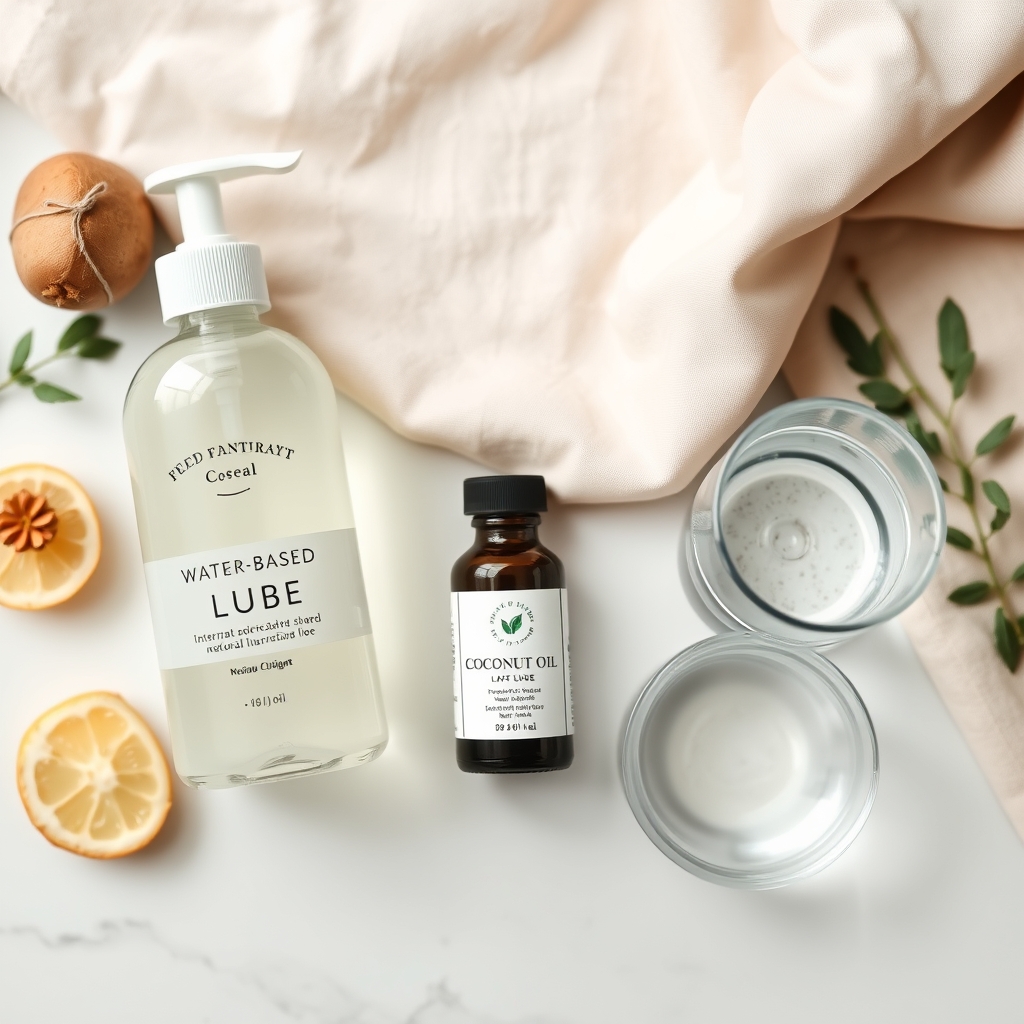
Because estrogen drops after birth, especially while breastfeeding, the vagina often lacks natural moisture. A high‑quality, water‑based lubricant restores glide without irritating the delicate tissue.
- Best lubricant: Look for products labeled “glycerin‑free” and “paraben‑free.” Brands like Sliquid or Good‑Feel meet these criteria.
- How to use: Apply a generous amount to both the penis and the vaginal opening before any penetration. Reapply every few minutes if needed.
- Alternative options: Coconut oil can be used if you’re not using latex condoms, but it may weaken latex and cause irritation for some women.
Pelvic floor relaxation techniques
Gentle stretching and breathing can release muscle tension. Try this simple exercise:
- Lie on your back with knees bent, feet flat on the floor.
- Take a slow, deep inhale, allowing your belly to rise.
- As you exhale, consciously relax the pelvic floor muscles (the feeling of “letting go” of a urine stream).
- Repeat five breaths, three times a day.
If you prefer guided therapy, a certified pelvic‑floor physical therapist can teach you “reverse Kegels,” biofeedback, and manual techniques that target scar tissue.
Vaginal dryness solutions
Beyond lubricants, you can address dryness at its source:
- Estrogen creams: Low‑dose vaginal estrogen (e.g., estradiol tablets or creams) is safe for most breastfeeding mothers in small amounts, but discuss with your provider first.
- Moisturizers: Non‑prescription vaginal moisturizers (e.g., Replens) can be used regularly to maintain tissue hydration.
- Hydration and diet: Drinking plenty of water and eating omega‑3‑rich foods (salmon, flaxseed) support overall mucosal health.
Foreplay and gradual progression
Extended foreplay reduces the need for deep penetration right away. Focus on clitoral stimulation, gentle massage, and kissing. Using a vibrator or a small silicone dildo can help you gauge comfort before full intercourse.
Fear of sex after childbirth
It’s natural to worry about “getting it right” again. Talk openly with your partner about your concerns, and set a “no‑pressure” rule for the first few weeks of trying again. If anxiety feels overwhelming, consider a short session with a therapist who specializes in sexual health.
Sex after C‑section pain relief
For C‑section moms, the abdominal incision can make certain positions uncomfortable. A supportive pillow under the abdomen while lying on your side can alleviate strain. Warm compresses on the scar area before intimacy can also relax surrounding muscles.
Painful intercourse after episiotomy repair
Even after stitches dissolve, scar tissue may be less flexible. Gentle scar massage (using a fingertip in circular motions) after the wound is fully healed (usually 6‑8 weeks) can improve elasticity. If the scar feels hard or painful, a pelvic‑floor therapist can apply specialized techniques.
Hormone changes causing painful sex postpartum
Low estrogen is the main hormonal culprit. If you’re not breastfeeding, estrogen typically rebounds by 3‑6 months. If you are breastfeeding, discuss with your OB‑GYN whether a low‑dose estrogen therapy is appropriate, or consider a non‑hormonal moisturizer as a first step.
In addition to topical estrogen, some clinicians recommend a short trial of oral phytoestrogen supplements (like red clover) for women who cannot use vaginal estrogen, though evidence is modest (NIH, 2022). Always discuss supplements with your provider before starting them.
Finally, remember that emotional well‑being is intertwined with physical recovery; a relaxed mind often means a relaxed pelvic floor.
Pelvic floor physical therapy: what to expect
Pelvic‑floor physical therapy (PFPT) is a cornerstone treatment for postpartum dyspareunia, especially when scar tissue or muscle spasm is involved. A typical PFPT program includes three components: manual soft‑tissue work, biofeedback‑guided muscle training, and education on posture and daily habits.
During the first visit, the therapist will conduct a gentle internal and external exam to assess muscle tone, scar mobility, and trigger points. Most women report feeling a mild pulling sensation during the exam, but it should never be painful. Based on the findings, the therapist will design a personalized home‑exercise plan that may involve “reverse Kegels,” diaphragmatic breathing, and specific stretches for the hip flexors.
Sessions usually last 45‑60 minutes and are scheduled weekly for 6‑12 weeks. Research published by the American Physical Therapy Association shows that 70‑80 % of postpartum women who complete a PFPT program report significant pain reduction (APTA, 2022). Insurance coverage varies, but most major U.S. plans and the NHS in the UK consider PFPT a medically necessary service for postpartum recovery.
Patients often notice improvement after just a few sessions, especially when they combine therapy with at‑home relaxation techniques and consistent use of lubricants.
Breastfeeding, estrogen, and vaginal dryness
Breastfeeding is a wonderful way to nourish your baby, but it does affect your hormone profile. Prolactin, the hormone that stimulates milk production, suppresses ovarian estrogen production. The resulting hypo‑estrogenic state can make vaginal tissue thinner and less lubricated, a condition sometimes called “lactational dyspareunia.”
While the drop in estrogen is usually temporary, it can last as long as you exclusively breastfeed. The NHS recommends using a water‑based lubricant or a non‑prescription moisturizer during this period (NHS, 2023). If dryness remains severe after 3‑4 months, discuss low‑dose vaginal estrogen with your OB‑GYN; studies show it can safely improve symptoms without affecting milk supply when used locally (ACOG, 2023).
Some breastfeeding mothers find that timing intimacy when milk supply is lower (e.g., after a feeding) reduces discomfort, though this is a personal preference.
Treatment options for postpartum dyspareunia
When self‑care isn’t enough, medical interventions can provide relief. Below is a side‑by‑side comparison of common options.
Most women find that a combination of pelvic‑floor therapy and lubricant use resolves the issue. Hormonal therapy is usually reserved for cases where dryness is the primary driver and other measures have failed.
If you are considering any prescription medication, the FDA advises reviewing the drug’s label for contraindications and discussing potential interactions with any supplements you’re taking (FDA, 2022). This precaution helps avoid unexpected side effects.
Finally, remember that treatment is personalized; what works for one couple may need tweaking for another.
How to talk to your partner about painful postpartum sex
Open communication reduces anxiety and builds trust. Start the conversation when you’re both relaxed—perhaps after a feeding or during a quiet evening. Use “I” statements (“I feel a sharp sting when…”) rather than “you” accusations, and invite your partner to share his feelings, too.
Practical tips include creating a “comfort checklist” together (lubricant, pillows, preferred positions) and setting a “no‑pressure” rule for the first few weeks of trying again. When both partners understand the physical reasons behind the pain, it’s easier to approach intimacy as a shared problem rather than a personal shortcoming.
Couples who practice this kind of collaborative dialogue often report quicker emotional recovery and a stronger bond.
Safe birth control options that don’t worsen dyspareunia
Choosing a contraceptive method after birth can feel overwhelming, especially when you’re already dealing with pelvic discomfort. Hormonal methods that contain estrogen (combined oral contraceptives, the patch, or the ring) may increase vaginal dryness for some women, while progestin‑only options (the mini‑pill, hormonal IUD) generally have less impact on estrogen levels.
Non‑hormonal methods such as copper IUDs or barrier condoms are safe choices that won’t affect vaginal moisture. If you prefer a hormonal method, discuss low‑dose options with your OB‑GYN; a small amount of estrogen can actually improve tissue health in certain cases.
Whichever method you select, give yourself a few weeks to adjust before resuming intercourse, and continue using a lubricant to keep the experience comfortable.
Common myths about painful postpartum sex
Myth: Pain means something is wrong permanently.
Fact: For most women, dyspareunia is temporary and improves with time, proper care, and sometimes guided therapy.
Myth: You must wait at least six months before having sex again.
Fact: While doctors often recommend waiting 4‑6 weeks for physical healing, many couples can resume gentle intimacy sooner if they use plenty of lubrication and choose comfortable positions.
Myth: Breastfeeding always causes painful sex.
Fact: Breastfeeding lowers estrogen, which can increase dryness, but using moisturizers or lubricants usually resolves the issue. Not all breastfeeding mothers experience pain.
Nutrition and lifestyle support for postpartum recovery
What you eat and how you move your body can subtly influence how quickly your tissues heal. Protein is essential for repairing muscle and connective tissue; aim for at least 75 g per day from sources like lean poultry, legumes, and dairy (Harvard T.H. Chan School of Public Health, 2022). Omega‑3 fatty acids, found in fatty fish, walnuts, and flaxseed, have anti‑inflammatory properties that may reduce pelvic‑floor soreness.
Gentle aerobic activity—such as brisk walking, postpartum yoga, or swimming—boosts circulation and promotes collagen synthesis, both of which aid tissue repair. Start with 10‑15 minutes a day and gradually increase as your energy returns. Avoid high‑impact exercises that heavily engage the core until your provider clears you, typically around 6‑8 weeks postpartum.
Sleep quality is another hidden factor. While newborn care often disrupts rest, short naps and a consistent bedtime routine can improve hormone balance, including the estrogen‑prolactin interplay that affects vaginal moisture (NIH, 2022). If you’re struggling with sleep, consider safe strategies like a darkened room, white‑noise machines, or a brief “milk‑only” feeding session before you rest.

Key takeaways
- Postpartum dyspareunia is common; most cases improve within 3‑6 months.
- Low estrogen, perineal trauma, and pelvic‑floor tension are the main physical contributors.
- Water‑based lubricants, gentle positions, and extended foreplay reduce friction and pain.
- Pelvic‑floor physical therapy and, if needed, topical estrogen are effective medical options.
- Open communication with your partner and, when needed, a therapist can ease emotional stress.
- Seek medical care if pain is severe, lasts beyond six weeks, or is accompanied by bleeding, fever, or discharge.
Frequently asked questions
Is it normal for sex to hurt after birth?
Yes. About 30‑40 % of women report some discomfort during intercourse in the first few months postpartum. The pain usually decreases as tissues heal and hormone levels stabilize.
How long after birth does sex stop hurting?
For most, mild pain fades by the three‑month mark. If pain remains moderate to severe after six months, it’s time to discuss further evaluation with your provider.
What helps with painful sex after birth?
Start with a generous water‑based lubricant, choose side‑lying or pillow‑elevated positions, and practice pelvic‑floor relaxation exercises. If these steps don’t help, consider pelvic‑floor therapy or a low‑dose vaginal estrogen after consulting your OB‑GYN.
Can you tear again during sex after birth?
Re‑tear is uncommon if the perineum has fully healed (usually 6‑8 weeks). However, vigorous or deep penetration before healing can cause discomfort. Using lubrication and gentle positions minimizes the risk.
Why does my vagina feel tight after birth?
Scar tissue, pelvic‑floor muscle spasm, and reduced estrogen all contribute to a sensation of tightness. Gentle stretching, pelvic‑floor relaxation, and, if needed, estrogen therapy can improve elasticity.
What to do if sex is still painful at 6 months postpartum?
Schedule an appointment with your OB‑GYN or a pelvic‑floor therapist. They may evaluate for lingering scar tissue, hormonal imbalance, or nerve irritation and recommend targeted treatments.
How does breastfeeding affect vaginal dryness and pain?
Breastfeeding lowers estrogen, which can thin vaginal tissue and reduce natural lubrication. Using a water‑based lubricant or a non‑prescription moisturizer often resolves dryness. If symptoms persist, discuss low‑dose vaginal estrogen with your provider; it’s considered safe for most breastfeeding mothers when applied locally (ACOG, 2023).
Are there any over‑the‑counter pain relievers safe while breastfeeding?
Acetaminophen (Tylenol) is generally regarded as safe for breastfeeding mothers at the recommended dose. Ibuprofen is also considered low‑risk, but you should avoid naproxen for longer than a few days without medical advice (FDA, 2022). Always read the label and check with your pharmacist if you’re unsure.
Is it safe to use silicone‑based lubricants while breastfeeding?
Silicone‑based lubricants are safe for breastfeeding mothers because they do not get absorbed systemically. They provide longer lasting glide than water‑based options, but they should not be used with latex condoms as they can degrade the material.
Can pelvic‑floor exercises be done before sex to reduce pain?
Yes. Performing a brief “reverse Kegel” (relaxing the pelvic floor) right before intimacy can lower muscle tension and make penetration more comfortable. Pair this with deep breathing for best results.
When to see a doctor or specialist
If you notice any of the following, contact a healthcare professional promptly:
- Severe or worsening pain that doesn’t improve after 6‑8 weeks.
- Bleeding, spotting, or foul‑smelling discharge after intercourse.
- Fever, chills, or signs of infection.
- Persistent tightness that interferes with daily activities.
- Feeling of numbness or loss of sensation in the genital area.
For most cases, start with your OB‑GYN. If the issue seems related to pelvic‑floor muscles, they may refer you to a urogynecologist or a certified pelvic‑floor physical therapist. Mental‑health professionals can help if anxiety or fear dominates the experience.
This article is for informational purposes only and does not replace personalized medical advice. Always discuss any new treatment or concern with your healthcare provider.
References
- American College of Obstetricians and Gynecologists (ACOG). “Physical Examination and Assessment of the Postpartum Patient.” 2023.
- American Physical Therapy Association (APTA). “Pelvic Floor Physical Therapy for Postpartum Women.” Clinical Practice Guidelines, 2022.
- National Institute of Child Health and Human Development (NICHD). “Hormonal Changes During Lactation.” 2021.
- Harvard T.H. Chan School of Public Health. “Lubricants and Vaginal Health.” Nutrition Review, 2022.
- International Urogynecological Association. “Management of Dyspareunia in the Postpartum Period.” Consensus Statement, 2023.
- American Psychological Association (APA). “Sexual Concerns After Childbirth.” Practice Guidelines, 2022.
- World Health Organization (WHO). “Postpartum Care: Recommendations for Women’s Health.” 2021.
- National Health Service (NHS). “Postnatal care: sexual health.” 2023.
- U.S. Food and Drug Administration (FDA). “Over-the-counter pain relievers guide for breastfeeding mothers.” 2022.
- National Institutes of Health (NIH). “Nutrition and recovery after childbirth.” 2022.