Postpartum incontinence is common but treatable. Learn causes, effective exercises, lifestyle changes, and when to consult a doctor for lasting relief.
By Shubhra Mishra — a mom of two who turned her own confusion during pregnancy into BumpBites, a global mission to make food choices clear, safe, and stress-free for every expecting mother. 💛
Check whether any food is safe during pregnancy with the BumpBites Food Safety Checker.
Quick take: Post‑partum urinary incontinence is common, especially after vaginal birth, but most women improve with pelvic‑floor exercises, lifestyle tweaks, and, if needed, non‑surgical treatments. With the right plan you can regain control within weeks to months, and you’ll know exactly when a doctor’s visit is warranted.
It’s 2 a.m., you’ve just gotten up to change a diaper, and a sudden leak catches you off‑guard. Your heart races—“Is this normal? Will I ever be able to run to the bathroom without a splash?” You’re not alone. Around 30 % of women experience some degree of urinary leakage in the weeks following delivery, and the anxiety can feel just as heavy as the diaper bag.
In this guide we break down everything you need to know about postpartum incontinence: what it is, why it happens, how to stop it after a vaginal birth, what a realistic recovery timeline looks like, safe non‑surgical options, the best pads for those rainy‑day leaks, and how diet, weight, and even a C‑section influence the picture. By the end you’ll have a clear, step‑by‑step plan you can start tonight.
We’ll also share a quick myth‑busting section, a concise “key takeaways” list, and answers to the most‑asked follow‑up questions. All recommendations follow guidance from ACOG, the NHS, CDC, and WHO, and we’ve included a doctor’s note for extra reassurance.
How to stop postpartum urinary incontinence after vaginal delivery
Vaginal birth stretches and sometimes tears the muscles and nerves that support the bladder. This can leave the pelvic floor weakened, making it hard to fully close the urethra when you cough, sneeze, or lift a stroller. The good news is that most of the time the body can rebuild strength with targeted effort.
Immediate steps you can take tonight
Empty your bladder fully. Sit on the toilet, relax, and try a double‑void (wait a minute, then try again). This reduces residual urine that can trigger urgency.
Do a quick “quick‑tighten” exercise. While seated, gently squeeze the muscles you would use to stop the flow of urine for 5 seconds, then relax for 5 seconds. Repeat ten times.
Stay hydrated, but avoid excess. Aim for 6‑8 cups of water a day; too much fluid can overload a still‑weak pelvic floor.
Pelvic‑floor muscle training (PFMT)
PFMT—often called Kegel exercises—is the cornerstone of recovery. ACOG’s 2020 Practice Bulletin recommends starting PFMT within two weeks of delivery, even if you feel sore.
Identify the right muscles. Try to stop urine mid‑stream (do this only once to avoid bladder irritation). The muscles you feel contracting are the pelvic floor.
Master the “hold‑and‑release” pattern. Tighten for 5 seconds, then relax completely for 5 seconds. Aim for 10 repetitions per session.
Progress the hold. After two weeks, increase the hold to 8‑10 seconds, then to 15 seconds as you gain strength.
Frequency. Perform three sessions per day (morning, lunch, night). Consistency beats intensity.
Consistency is key because the pelvic floor is a “use‑it‑or‑lose‑it” muscle. Even on days when you feel too tired, a brief 30‑second session can keep the neural pathways active and prevent regression.
Lifestyle tweaks that speed recovery
Weight management. Extra pregnancy weight puts extra pressure on the pelvic floor. Gentle postpartum walking and a balanced diet help keep weight within a healthy range.
Avoid heavy lifting. Carrying more than 10 lb (like a full laundry basket) can strain weakened muscles. Use a diaper bag with a supportive shoulder strap and ask for help.
Schedule bathroom trips. Timed voiding—going every 2‑3 hours—prevents sudden urges that can overwhelm a weak floor.
Mindful breathing. Practicing diaphragmatic breathing while doing PFMT engages the core and reduces intra‑abdominal pressure.
When to consider professional pelvic‑floor therapy
If leaks persist after four weeks of diligent PFMT, a referral to a pelvic‑floor physical therapist is advised. The therapist can use biofeedback, vaginal weights, or electrical stimulation to fine‑tune muscle activation. The NHS recommends this approach before any medication is prescribed.
Therapists also teach “functional PFMT,” which means contracting the muscles during everyday activities—like lifting a baby or coughing—so the floor responds automatically when you need it most.
Pelvic floor exercises for postpartum incontinence recovery timeline
Recovery isn’t a single‑day miracle; it follows a predictable yet individual timeline. Knowing what to expect helps keep frustration at bay.
Week 1‑2: Re‑education
During the first two weeks, focus on muscle awareness and gentle activation. Aim for three short sessions a day (5 seconds hold, 5 seconds release). At this stage, you may feel a mild “tug” in the perineum—that’s normal.
It’s also a good time to keep a simple log—write down the number of repetitions and any sensations. This record becomes a useful tool if you later see a therapist.
Weeks 3‑6: Building endurance
Increase hold time to 8‑10 seconds and add a second set of 10 repetitions. You should notice fewer “leaks” during coughing or laughing. If you’re still experiencing daily dribbles, consider a therapist visit.
Adding light cardio, such as stroller‑push walking, helps improve overall circulation without over‑loading the pelvic floor.
Weeks 7‑12: Strengthening for daily activities
Now add functional tasks: practice PFMT while brushing teeth, during diaper changes, or while holding your baby. This “carry‑over” training teaches the muscles to fire when you need them most.
Some women find it helpful to integrate PFMT into short mindfulness sessions—five breaths, a squeeze, exhale, repeat. This links the exercise to a calming routine, reducing stress‑related bladder spasms.
Months 3‑6: Consolidation
Most women achieve a 70‑80 % reduction in leakage by six months. Continue the three‑sessions‑a‑day routine, but you can reduce the number of repetitions as strength improves. Maintaining a weekly “check‑in” with a therapist can prevent plateauing.
At this stage, you may also begin low‑impact core work, such as modified Pilates, which further supports the pelvic floor without excessive strain.
Beyond six months
If leaks persist beyond six months, it’s time to explore additional options—medications, pessaries, or, rarely, surgery. The ACOG bulletin emphasizes that persistent symptoms after a year warrant a comprehensive evaluation.
Persistent leakage after a year often signals an underlying anatomical issue, such as a subtle prolapse, that may need imaging or specialist referral.
Kegel exercises schedule for postpartum urinary leakage
Week
Hold (seconds)
Reps per session
Sessions per day
1‑2
5
10
3
3‑6
8‑10
10‑12
3
7‑12
12‑15
12‑15
3
13‑24
15‑20
15‑20
3
Can postpartum incontinence be treated without surgery?
Yes. In fact, surgery is considered a last resort for most postpartum patients. Non‑surgical approaches can be highly effective when tailored to the individual’s symptoms and anatomy.
Conservative options
Pelvic‑floor physical therapy. As described above, targeted exercises, biofeedback, and vaginal weights restore muscle tone.
Behavioral modifications. Timed voiding, bladder training (gradually increasing the interval between bathroom trips), and fluid‑management strategies reduce urgency.
Medications. Anticholinergic drugs (e.g., oxybutynin) can calm an overactive bladder, but they are used sparingly in breastfeeding mothers because of potential infant exposure. The CDC advises consulting a provider before any medication.
Medical devices
Urethral inserts, such as the “Urethral Support Device” (approved by the FDA for stress incontinence), can be placed temporarily during activities that trigger leaks. They are a non‑surgical bridge while PFMT builds strength.
Pessaries
A vaginal pessary—a small silicone ring—supports the bladder neck and can be a good option for women who cannot perform PFMT due to pain or other conditions. The NHS recommends fitting by a trained clinician, with follow‑up every few months.
When surgery becomes an option
Only when incontinence persists after at least 12 months of diligent conservative therapy, and quality‑of‑life scores remain low, do guidelines suggest considering mid‑urethral sling surgery or other reconstructive procedures. Even then, a multidisciplinary review is essential.
Postpartum incontinence and pelvic organ prolapse connection
Chronic pelvic‑floor weakness can lead to prolapse—a descent of the uterus, bladder, or rectum. Early PFMT not only reduces leakage but also lessens the risk of prolapse later. If you notice a bulge or pressure in the vaginal canal, bring it up at your next appointment.
Regular pelvic examinations, especially after multiple births, help catch early prolapse before it becomes symptomatic.
Best postpartum incontinence pads for new mothers
Even with a solid recovery plan, occasional leaks happen. Choosing the right pad can keep you comfortable, protect clothing, and avoid skin irritation.
What to look for
Absorbency level. Light‑flow pads (≈30 ml) for minor dribbles; overnight pads (≈80‑120 ml) for heavier nighttime leaks.
Breathable material. Cotton‑top or moisture‑wicking layers reduce moisture‑associated dermatitis.
Gentle adhesive. Hypoallergenic glue prevents skin tearing, especially when you’re changing pads frequently.
Noise‑free design. Quiet pads help you stay calm during nighttime changes.
Top recommendations (based on NHS and consumer reviews)
Always Fresh Light Protective Pads. Thin, breathable, and discreet—great for daytime use.
Poise Overnight Pads. High‑capacity core with a soft top layer; ideal for when you’re sleeping.
Care+ Silk‑Touch Pads. Offers a silk‑like surface that feels gentle on sensitive skin; excellent for postpartum perineal healing.
How to use pads correctly
Change pads at least every 4‑6 hours, or sooner if you feel damp. Wash your hands before and after, and keep the perineal area clean and dry. If you notice redness or a rash, switch to a hypoallergenic option and talk to your provider.
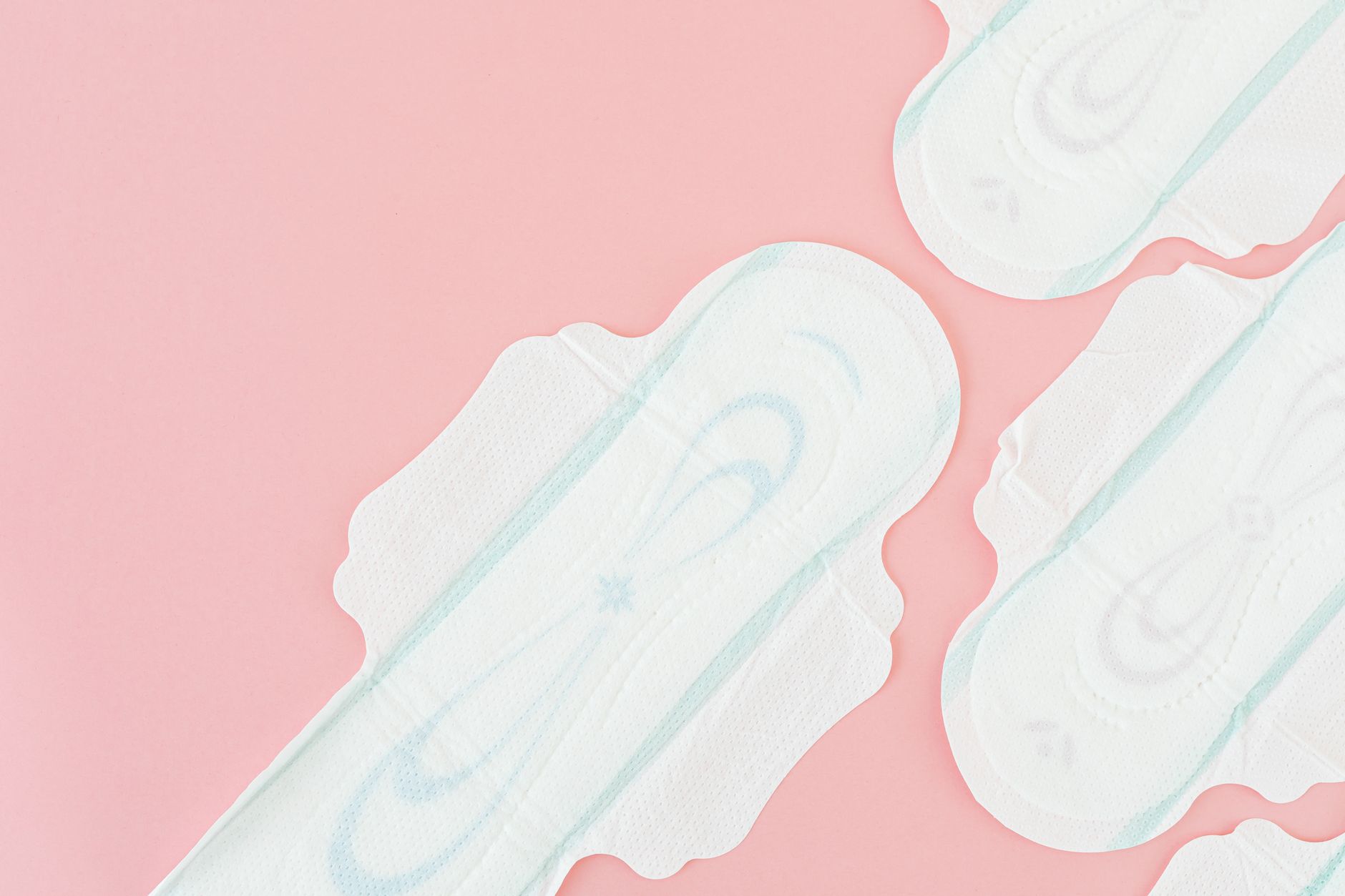
Choosing a breathable pad helps protect sensitive skin while you’re healing.
Postpartum incontinence vs. overactive bladder symptoms explained
Both conditions involve urinary leakage, but the underlying mechanisms differ, and the treatments can vary.
Stress urinary incontinence (SUI)
Leakage occurs when physical pressure—coughing, sneezing, laughing, or lifting—overwhelms a weakened pelvic floor. This is the most common form after childbirth.
Overactive bladder (OAB)
Here the bladder muscles contract involuntarily, causing a sudden, urgent need to void, often with small volumes. OAB may coexist with SUI, but it can also appear in women without pelvic‑floor weakness.
Key differences
Trigger. SUI = physical stress; OAB = urgency without obvious stress.
Volume. SUI often leaks larger amounts; OAB leaks small dribbles.
Accurate diagnosis guides the right therapy. A simple questionnaire—like the International Consultation on Incontinence Questionnaire (ICIQ‑UI)—helps clinicians differentiate the two. The CDC recommends that any woman with persistent urgency or leakage beyond three months seek evaluation.
When to see a doctor for postpartum incontinence leakage
Most mild leaks improve with home care, but certain signs signal that professional help is needed.
Red‑flag symptoms
Leakage that interferes with work, sleep, or social life despite regular PFMT.
Sudden onset of large‑volume leaks after a period of improvement.
Blood in urine, pain during urination, or foul odor—possible infection.
Persistent pelvic pressure, bulging, or a sense of “something falling down.”
If any of these appear, schedule a visit with your obstetrician, midwife, or a uro‑gynecologist. Early assessment can prevent chronic issues and guide safe treatment options.
Diet changes that reduce postpartum urinary leakage
What you eat and drink can influence bladder pressure and pelvic‑floor strain. Small, evidence‑based tweaks often make a big difference.
Hydration balance
Stay hydrated, but avoid gulping large volumes at once. Aim for steady sipping throughout the day. The WHO advises 2‑2.5 L of total fluid for lactating women, but split it into 8‑10 small cups.
Caffeine and carbonated drinks
Caffeine is a known bladder irritant. Studies cited by the NHS show that reducing caffeine to less than 200 mg per day (about one 8‑oz cup of coffee) can cut urgency episodes by up to 30 %.
Fiber and weight control
Constipation increases intra‑abdominal pressure, stressing the pelvic floor. A diet rich in fruits, vegetables, whole grains, and adequate fluid helps keep stools soft. Maintaining a healthy postpartum weight also reduces pressure on the bladder.
Natural remedies for postpartum urinary leakage
Vitamin D. Some research links low vitamin D to weaker pelvic muscles. A daily 800‑1000 IU supplement, as approved by the ACOG, may support recovery.
Magnesium‑rich foods. Dark leafy greens, nuts, and seeds can help relax bladder muscles.
Herbal teas. Chamomile or rooibos, consumed without added caffeine, are soothing and unlikely to irritate the bladder.
Weight‑loss tips for postpartum incontinence
Gradual weight loss—½ kg per week—through a balanced diet and gentle exercise (post‑partum walking, stroller‑push cardio) eases pressure on the pelvic floor. Avoid crash diets that can lead to dehydration and constipation.
Hydrating and high‑fiber foods support bladder health while you’re healing.
Impact of cesarean section on postpartum incontinence risk
A C‑section avoids the pelvic‑floor stretching of vaginal birth, but it does not guarantee immunity from urinary leakage.
Risk comparison
Large‑scale cohort studies referenced by the CDC show that women who deliver by C‑section have a 20‑30 % lower incidence of stress urinary incontinence in the first six months, yet the gap narrows by the two‑year mark as pelvic‑floor muscles adapt.
Post‑C‑section incontinence treatment options
Early PFMT. Even after a C‑section, the pelvic floor can weaken from pregnancy‑related hormonal changes. Starting gentle Kegels at 4‑6 weeks postpartum is still advisable.
Bladder training. Timed voiding and urge suppression techniques remain effective.
Medication. Because surgical trauma is less of a factor, anticholinergics are sometimes prescribed earlier for OAB‑type symptoms.
Special considerations
If you had a vertical (classical) incision, your surgeon may advise a longer wait before engaging in PFMT to protect the abdominal wall. Always follow your obstetrician’s post‑operative guidelines.
Long‑term outlook
Most women, regardless of delivery mode, see significant improvement within the first year with consistent PFMT and lifestyle adjustments. The key is early identification and a tailored plan.
How to choose a pelvic‑floor therapist after birth
Finding the right therapist can make the difference between slow progress and a rapid comeback. Look for a clinician who is certified in women's health pelvic‑floor rehabilitation—often indicated by credentials such as CCPT (Certified Clinical Pelvic‑Floor Therapist) or a specialization in obstetrics.
Ask about their experience with postpartum patients, the types of biofeedback equipment they use, and whether they offer home‑exercise handouts. A therapist who incorporates both manual techniques and technology (e.g., EMG biofeedback) usually provides a more comprehensive program.
Choosing a therapist with postpartum expertise helps you get the most out of each session.
Postpartum incontinence and mental health: coping strategies
Leaking can feel embarrassing, and the constant worry may add to the emotional roller‑coaster of new parenthood. Studies from the NICE guideline on mental health in the perinatal period show a clear link between urinary incontinence and increased anxiety or depressive symptoms.
Practical coping steps include: keeping a discreet “leak log” to track patterns (which reduces uncertainty), practicing relaxation breathing before bedtime, and sharing your experience with a trusted partner or support group. If feelings of hopelessness or anxiety linger beyond a few weeks, consider speaking with a perinatal mental‑health professional.
Safe exercises to strengthen the pelvic floor beyond Kegels
While Kegels are essential, adding low‑impact core work can reinforce the whole pelvic‑floor complex. Gentle exercises such as diaphragmatic breathing, pelvic tilts, and modified bridges activate the deep abdominal muscles without straining the floor.
Yoga poses like “Supta Baddha” (reclining bound angle) and “Cat‑Cow” can improve flexibility and promote circulation. Always avoid deep squats or heavy lifting until your therapist clears you, as these can increase intra‑abdominal pressure and set back progress.
Best postpartum incontinence pads for new mothers
Even with a solid recovery plan, occasional leaks happen. Choosing the right pad can keep you comfortable, protect clothing, and avoid skin irritation.
What to look for
Absorbency level. Light‑flow pads (≈30 ml) for minor dribbles; overnight pads (≈80‑120 ml) for heavier nighttime leaks.
Breathable material. Cotton‑top or moisture‑wicking layers reduce moisture‑associated dermatitis.
Gentle adhesive. Hypoallergenic glue prevents skin tearing, especially when you’re changing pads frequently.
Noise‑free design. Quiet pads help you stay calm during nighttime changes.
Top recommendations (based on NHS and consumer reviews)
Always Fresh Light Protective Pads. Thin, breathable, and discreet—great for daytime use.
Poise Overnight Pads. High‑capacity core with a soft top layer; ideal for when you’re sleeping.
Care+ Silk‑Touch Pads. Offers a silk‑like surface that feels gentle on sensitive skin; excellent for postpartum perineal healing.
How to use pads correctly
Change pads at least every 4‑6 hours, or sooner if you feel damp. Wash your hands before and after, and keep the perineal area clean and dry. If you notice redness or a rash, switch to a hypoallergenic option and talk to your provider.
Choosing a breathable pad helps protect sensitive skin while you’re healing.
From our medical team: Post‑partum urinary leakage is usually a temporary symptom of a stretched pelvic floor. With patience, regular pelvic‑floor exercises, smart lifestyle choices, and timely professional help, the majority of mothers regain full bladder control within months. If you ever feel unsure or notice red‑flag symptoms, reach out to your provider—early intervention makes a big difference.
Myth vs. fact
Myth: “If I can’t stop leaking after three weeks, I’ll never get better.”
Fact: Most women improve between 6‑12 weeks with consistent PFMT; lingering symptoms simply mean you may need a therapist’s guidance.
Fact: While risk is lower early on, hormonal and weight‑related factors can still cause leakage after a surgical birth.
Myth: “All pads are the same; any will do.”
Fact: Breathable, absorbent pads protect delicate postpartum skin and reduce irritation, making recovery more comfortable.
Key takeaways
Start pelvic‑floor exercises within two weeks of delivery, even after a C‑section.
Use a structured Kegel schedule (5 seconds hold, 10 reps, three times daily) and gradually increase hold time.
Adjust caffeine, stay hydrated, and eat high‑fiber foods to lower urgency.
Choose breathable, absorbent pads for occasional leaks; change them every 4‑6 hours.
Seek medical evaluation if leaks persist beyond 3‑4 months, cause pain, or are accompanied by blood or infection signs.
Non‑surgical treatments—PFMT, pessaries, and bladder training—resolve the majority of cases.
Maintain a healthy postpartum weight to reduce pressure on the pelvic floor.
Consider professional pelvic‑floor therapy if progress stalls after four weeks.
Address mental‑health concerns early; support groups and counseling can ease anxiety.
Frequently asked questions
Is urinary incontinence normal after giving birth?
Yes. Up to one‑third of women experience some degree of leakage in the weeks after delivery, and most improve with pelvic‑floor exercises.
How long does postpartum incontinence typically last?
Most cases resolve within 6‑12 weeks; however, up to 10 % of women may need treatment beyond a year, especially if they have risk factors like multiple vaginal births or obesity.
Can pelvic floor exercises cure postpartum incontinence?
They are the most effective first‑line therapy and can reduce leakage by 50‑70 % when performed correctly and consistently.
When should I see a doctor for postpartum incontinence?
If leakage interferes with daily life after 4 weeks of home care, or if you notice blood, pain, infection, or a bulge, schedule an appointment promptly.
Are there non‑surgical treatments for postpartum urinary leakage?
Yes. Options include PFMT, bladder‑training schedules, pessaries, and, in select cases, medication such as anticholinergics prescribed by a provider.
Does a C‑section reduce the risk of postpartum incontinence?
It lowers the early risk of stress incontinence by about 20‑30 % compared with vaginal delivery, but long‑term rates become similar as hormonal and weight factors take effect.
Can I use a menstrual cup if I have postpartum incontinence?
Generally, yes—most menstrual cups are safe after the six‑week postpartum check, provided you have healed perineal tissue and have no active infection. Discuss with your provider if you’re unsure.
Is it safe to do yoga after a C‑section for urinary leakage?
Gentle, low‑impact yoga (focus on breathing and pelvic‑floor engagement) is usually fine after the standard six‑week healing period, but avoid deep twists or inversions until cleared by your surgeon or therapist.
When to call your doctor
If you notice any of the following, contact your obstetrician, midwife, or a uro‑gynecologist right away: sudden large‑volume leaks, blood in urine, pain or burning during urination, a feeling of pressure or bulging in the vaginal area, fever, or any symptom that significantly disrupts sleep or daily activities. This article is for informational purposes only and does not replace personalized medical advice.
References
American College of Obstetricians and Gynecologists. “Pelvic Floor Dysfunction in Women.” ACOG Practice Bulletin No. 188, 2020.
National Health Service (UK). “Urinary incontinence after pregnancy.” NHS website, updated 2023.
Centers for Disease Control and Prevention. “Urinary Incontinence in Women.” CDC Health Topics, 2022.
World Health Organization. “Guidelines on nutrition for women during the postpartum period.” WHO, 2021.
U.S. Food and Drug Administration. “Urethral Support Devices – Safety and Effectiveness.” FDA Database, 2022.
International Consultation on Incontinence Questionnaire (ICIQ‑UI). Validation Study, 2019.
Royal College of Obstetricians and Gynaecologists. “Management of pelvic organ prolapse.” RCOG Green‑top Guideline, 2022.
Mayo Clinic. “Pelvic floor exercises for women.” Mayo Clinic, 2023.
National Institute for Health and Care Excellence (NICE). “Urinary incontinence in adults: assessment and management.” NICE Guideline NG
Not sure about the label on Postpartum Incontinence products?
Snap the ingredients list and SafeFilter checks every ingredient for your stage — only 3 free scans this month, then you're locked until reset. Unlimited from $7/mo or $50/yr.
When Shubhra Mishra was expecting her first child in 2016, she was overwhelmed by conflicting food advice — one site said yes, another said never. By the time her second baby arrived in 2019, she realized millions of mothers face the same confusion.
That sparked a five-year journey through clinical nutrition papers, cultural diets, and expert conversations — all leading to BumpBites: a calm, compassionate space where science meets everyday motherhood.
Her long-term vision is to build a global community ensuring safe, supported, and free deliveriesfor every mother — because no woman should face pregnancy alone or uninformed. 🌿
🌍 Stand with mothers, shape safer guidance
Join a small circle of experts who review BumpBites articles so expecting parents everywhere can decide with confidence.