Speeding up conception after birth doesn’t mean skipping safety steps. The safest approach combines medical clearance, optimal nutrition, and precise ovulation tracking. First, schedule a postpartum check‑up (usually at six weeks) to confirm your incision is healed, any infections are resolved, and you’re cleared for intercourse. If you had a C‑section, your obstetrician will likely stress a 12‑week waiting period.
Second, consider timing intercourse around your fertile window. Using a home ovulation predictor kit (OPK) or a basal body temperature (BBT) chart can pinpoint ovulation. For women who are breastfeeding, the “postpartum ovulation calculator”—available on many reputable health sites—helps estimate the likely day of ovulation based on the date of delivery, breastfeeding intensity, and any return of menstrual bleeding.
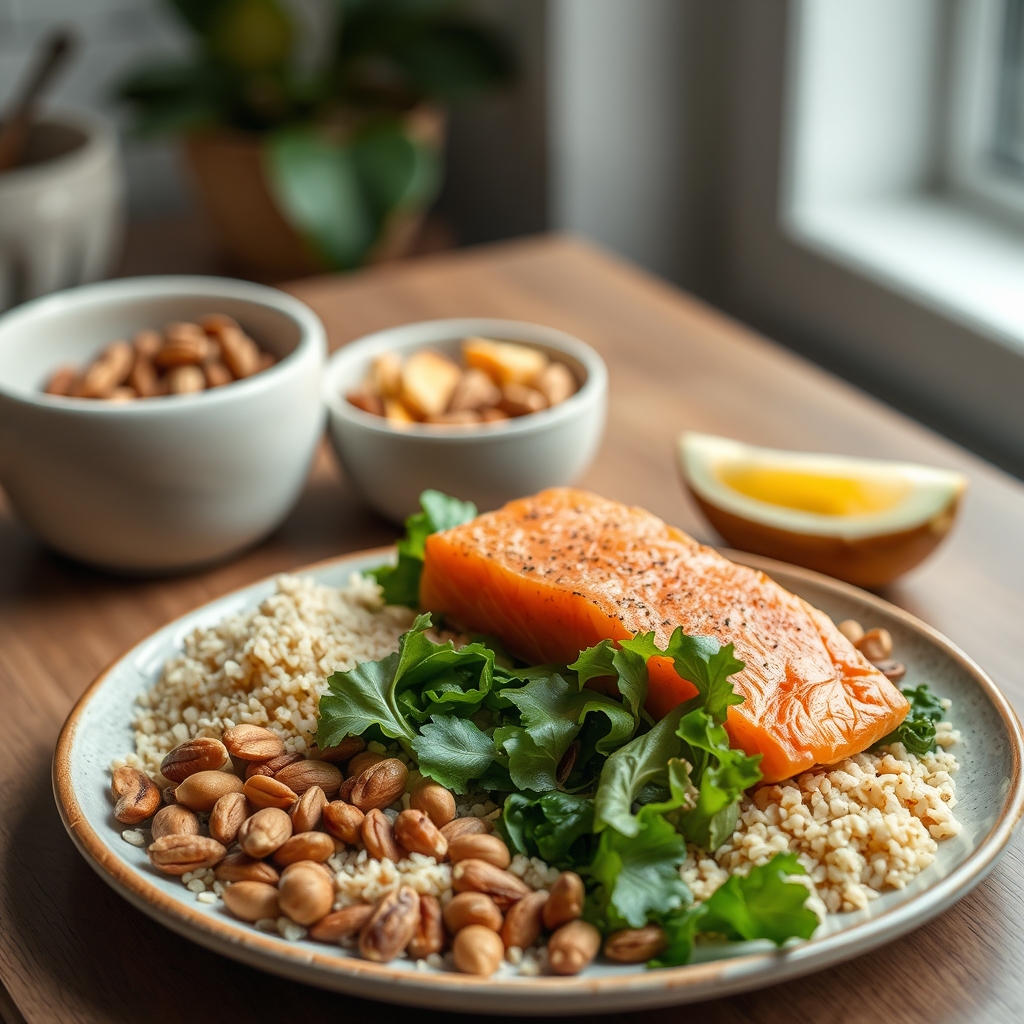
Third, adopt a fertility‑friendly lifestyle. The Academy of Nutrition and Dietetics recommends a balanced diet rich in whole grains, lean protein, leafy greens, and omega‑3 fatty acids. Maintaining a healthy weight—within 5 % of your pre‑pregnancy BMI—supports hormone balance and improves egg quality. Regular, moderate‑intensity exercise (150 minutes per week) also enhances circulation without over‑exerting the pelvic floor.
Finally, avoid smoking, excessive caffeine, and alcohol, which can impair ovulation and implantation. If you’re using birth control pills to manage spacing, discuss a proper wash‑out plan with your provider. Most combined oral contraceptives clear from your system within a week, but hormonal fluctuations may slightly delay the return of a regular cycle.
For many couples, a “fertility window” checklist—confirming ovulation, optimal timing, and health status—can reduce the time to pregnancy by several weeks, especially when paired with supportive care from a reproductive endocrinologist if underlying issues arise.
Postpartum fertility signs and timeline for getting pregnant again
Recognizing the signs that your body is ready to conceive can reduce anxiety and guide your planning. Common indicators include:
- Return of menstrual bleeding or spotting
- Increased cervical mucus that becomes clear and stretchy (often described as “egg white” consistency)
- Elevated basal body temperature after ovulation
- Positive LH surge on an ovulation test
- Breast tenderness decreasing after the initial postpartum period
Below is a quick checklist to help you monitor these signs:
- Month 1–2: Light spotting may appear; cervical mucus is typically thin.
- Month 3–4: Menstrual cycles often resume if not exclusively nursing; LH surge becomes detectable.
- Month 5–6: Ovulation regularity increases; fertility signs become clearer.
- Month 6+: If breastfeeding, lactational amenorrhea may still suppress ovulation; otherwise, fertile windows are predictable.
Remember, every woman’s timeline is unique. If you haven’t seen any signs of ovulation by three months postpartum and you’re not breastfeeding, it’s wise to discuss potential hormonal imbalances with your provider.
For added confidence, keep a simple log—date of any spotting, mucus description, and temperature reading. Over time, patterns emerge that can help you anticipate the next fertile window with greater accuracy.
Impact of breastfeeding on getting pregnant fast after delivery
Breastfeeding is a powerful natural contraceptive, but it can also delay the timeline for “postpartum getting pregnant again fast.” Exclusive breastfeeding—feeding on demand, both day and night—keeps prolactin levels high, which suppresses the release of gonadotropin‑releasing hormone (GnRH) and consequently prevents ovulation. The World Health Organization (WHO) cites lactational amenorrhea as 98 % effective at preventing pregnancy during the first six months when feeding is exclusive.
If you’re partially breastfeeding or supplementing with formula, the protective effect diminishes. Even a few nighttime feeds can lower prolactin enough for the hypothalamic‑pituitary axis to resume monthly cycles. Many women notice the return of their periods within 2–4 months of introducing supplemental feeds.
For mothers who want to conceive quickly while still nursing, a gradual reduction in breastfeeding frequency—often called “weaning‑to‑conception”—can help. Reducing night feeds first, then spacing daytime feeds, may allow ovulation to return within a few weeks. However, a sudden stop can trigger a hormonal rebound that may cause irregular cycles, so a slow approach is advisable.
It’s also worth noting that some women experience a brief “fertile window” even while breastfeeding, especially if they have irregular menses. If you’re trying to conceive, keep a close eye on cervical mucus and consider using an OPK to confirm ovulation.
Professional guidance from a lactation consultant can also help you balance milk supply with fertility goals, ensuring both you and your baby remain well‑nourished during the transition.
Nutrition and lifestyle tips to boost fertility after childbirth
Nutrition plays a central role in supporting rapid conception after delivery. Postpartum women have higher needs for iron, calcium, and folate—not only for their own recovery but also to replenish stores used during pregnancy. The American College of Obstetricians and Gynecologists (ACOG) recommends a daily intake of 27 mg of iron and 1,000 mg of calcium, ideally from food sources.
Key foods that promote fertility include:
- Leafy greens (spinach, kale) – high in folate and iron.
- Fatty fish (salmon, sardines) – omega‑3s improve egg quality.
- Whole grains (quinoa, brown rice) – provide B vitamins for hormone regulation.
- Legumes (lentils, chickpeas) – rich in protein and zinc.
- Seeds and nuts (pumpkin seeds, almonds) – contain selenium and healthy fats.
In addition to diet, specific supplements can fill gaps. A prenatal‑type multivitamin with 400 µg of folic acid, 30–60 mg of iron, and 1,000 IU of vitamin D supports ovulation. Vitamin D deficiency has been linked to reduced fertility, so a serum level of at least 30 ng/mL is advisable. Coenzyme Q10 (100–200 mg daily) may improve mitochondrial function in eggs, especially for women over 35, though evidence is still emerging.
Lifestyle factors matter too. Prioritize 7–9 hours of sleep per night—sleep deprivation can disrupt luteinizing hormone secretion. Manage stress with gentle practices like prenatal yoga, meditation, or diaphragmatic breathing. A balanced exercise routine that includes pelvic floor strengthening can improve blood flow to reproductive organs without over‑exerting your healing uterus.
Finally, stay hydrated and limit processed sugars, which can cause insulin spikes that interfere with hormonal balance. Small, consistent changes often yield the most sustainable results.
Medical considerations for conceiving within 6 months postpartum
Attempting pregnancy within six months after delivery is medically feasible for many, but certain conditions warrant caution. If you had a C‑section, your surgeon typically advises waiting at least 12 weeks before trying to conceive to allow the uterine incision to fully heal. Complications such as postpartum hemorrhage, infection, or uterine atony may extend this recovery period.
Women with gestational diabetes, preeclampsia, or thyroid disorders should have these conditions well‑controlled before attempting another pregnancy. The Endocrine Society recommends checking thyroid function (TSH) at the postpartum visit and adjusting medication as needed. Uncontrolled hypertension also raises the risk of placental problems in a subsequent pregnancy.
Another factor is the presence of pelvic floor dysfunction. If you experience urinary incontinence or pelvic pain, a referral to a pelvic health physical therapist can help you regain strength and reduce the risk of complications during a future pregnancy.
Finally, mental health matters. Postpartum depression or anxiety can affect fertility hormones and the ability to adhere to a healthy lifestyle. The National Institute of Mental Health (NIMH) advises seeking support from a therapist or psychiatrist before planning another child, as emotional well‑being is integral to reproductive health.
Screening for anemia, iron deficiency, and vitamin D status is also recommended, as these deficiencies can delay ovulation and impair implantation. Addressing them early can shorten the time to a healthy conception.
How to track ovulation after a C‑section delivery
Tracking ovulation after a C‑section can feel tricky because you’re still recovering from surgery, but modern tools make it straightforward. The most reliable methods include:
For C‑section mothers, start tracking after the six‑week postpartum visit, once you’ve received clearance for intercourse. Use an OPK daily from day 10 onward if you have a 28‑day cycle, or adjust based on your individual length. Pair the test with BBT and cervical mucus observations for a more comprehensive picture.
Some women find the “postpartum ovulation calculator” especially helpful. Input the delivery date, breastfeeding intensity (exclusive, partial, or weaned), and any return of bleeding, and the tool predicts the likely day of ovulation. While not a substitute for medical testing, it offers a reasonable estimate for planning intercourse during the fertile window.
If you experience irregular cycles or have a history of PCOS, a serum progesterone test around day 21 of a suspected cycle can confirm ovulation, providing added confidence before trying to conceive.
Doctor’s guidelines for pregnancy planning after postpartum recovery
Professional societies provide clear, evidence‑based recommendations for spacing pregnancies. The World Health Organization (WHO) suggests a minimum interval of 24 months between births to reduce risks of preterm birth and low birth weight. However, many families choose shorter intervals, and recent research indicates that with optimal maternal health, a gap of 12–18 months can be safe.
ACOG’s specific guidelines include:
- Wait at least 6 weeks after a vaginal delivery before attempting conception.
- Wait at least 12 weeks after a C‑section, or longer if you had a complicated surgery.
- Ensure any postpartum complications (e.g., infection, anemia, hypertension) are resolved.
- Maintain a healthy weight (BMI 18.5–24.9) and adequate nutrition.
- Schedule a preconception visit to review folic acid, vaccine status, and chronic condition management.
During that preconception visit, your provider may order a basic fertility panel—checking hormone levels (FSH, LH, estradiol), thyroid function, and iron stores—to confirm you’re physiologically ready. If you’re breastfeeding, discuss a gradual weaning plan that aligns with your desired conception timeline.
Ultimately, the best plan balances your personal desire for a quick second pregnancy with the medical goal of a safe, healthy outcome for both you and your future baby. Open communication with your obstetrician, midwife, or family physician ensures that your timeline respects both your body’s healing process and your family‑planning aspirations.
Birth spacing and maternal health outcomes
Beyond the mechanics of conception, the interval between pregnancies can influence long‑term health. Studies from the CDC and the National Institutes of Health (NIH) show that very short inter‑pregnancy intervals (< 6 months) are associated with higher rates of maternal anemia, uterine rupture (especially after a C‑section), and postpartum depression. Conversely, excessively long intervals (> 5 years) may increase the risk of gestational hypertension and preeclampsia.
For most women, a spacing of 12–24 months offers a balance: it gives the uterus time to remodel, allows iron and folate stores to replenish, and provides a window to address any lingering postpartum issues. If you’re aiming for a fast second pregnancy, a thorough evaluation of your iron status, blood pressure, and mental health is essential to mitigate these risks.
Pelvic floor and core recovery for a swift second pregnancy
Strong pelvic floor muscles and a stable core are foundational for a healthy subsequent pregnancy. After delivery, especially after a vaginal birth with perineal trauma, the pelvic floor can be weakened, increasing the risk of urinary incontinence and prolapse in later pregnancies. A guided program of gentle Kegel exercises, diaphragmatic breathing, and low‑impact core work (such as modified planks) can restore strength within 8–12 weeks.
Physical therapists specializing in postpartum rehabilitation can tailor a plan that respects your healing timeline while preparing you for the added strain of a new pregnancy. Evidence from the American Physical Therapy Association (APTA) indicates that women who engage in structured pelvic floor therapy report higher satisfaction with their subsequent births and experience fewer complications.
Myth vs. fact
Myth: You can’t get pregnant while still having postpartum bleeding.
Fact: Light spotting after delivery is common and does not prevent ovulation; a pregnancy can occur as soon as you ovulate, even if bleeding persists.
Myth: Exclusive breastfeeding guarantees you won’t conceive for a year.
Fact: While exclusive nursing is highly effective for up to six months, hormonal shifts or occasional missed feeds can allow ovulation to resume earlier.
Myth: A C‑section means you’ll be infertile for a long time.
Fact: Most women regain fertility after the recommended 12‑week healing period; the scar does not affect egg production.
Key takeaways
- Ovulation can return as early as 4 weeks postpartum, but most clinicians advise waiting 6 weeks (vaginal) or 12 weeks (C‑section) before trying to conceive.
- Breastfeeding suppresses ovulation via lactational amenorrhea; reducing nursing frequency can speed up the return of fertility.
- Track ovulation with OPKs, basal body temperature, or a fertility app, especially after a C‑section.
- Maintain a nutrient‑dense diet, adequate iron, calcium, vitamin D, and consider a prenatal‑type multivitamin to support egg health.
- Address any postpartum complications—such as infection, anemia, or hypertension—before planning another pregnancy.
- Consult your provider for a preconception check‑up and clear any medical concerns before trying to conceive again.
- Strengthen your pelvic floor and core to prepare your body for the physical demands of a second pregnancy.
Frequently asked questions
How long does it take to ovulate after giving birth?
Ovulation can occur anywhere from 4 to 12 weeks postpartum, depending on whether you’re breastfeeding and the type of delivery. Most women see their first LH surge around 6–8 weeks if they’re not exclusively nursing. If you’re exclusively breast‑feeding, ovulation may be delayed up to six months.
Can you get pregnant while breastfeeding?
Yes. Exclusive breastfeeding can suppress ovulation for several months, but occasional feeds, night‑time nursing, or weaning can allow ovulation to return. Using an ovulation predictor kit can confirm when you’re fertile, even if you’re still nursing.
Is it safe to conceive again within a year after delivery?
Current research indicates that with a healthy recovery, a pregnancy interval of 12–18 months is generally safe. The World Health Organization recommends at least 24 months to reduce risks, but many women successfully conceive earlier if they have no complications and maintain good nutrition and prenatal care.
What signs indicate that I’m fertile postpartum?
Key fertility signals include the return of menstrual bleeding, clear stretchy cervical mucus, a rise in basal body temperature after ovulation, and a positive LH surge on an ovulation test. Mood changes and breast tenderness may also accompany ovulation.
Does using birth control affect how quickly I can get pregnant after childbirth?
Stopping combined oral contraceptives typically restores fertility within one menstrual cycle. Progestin‑only methods, like the mini‑pill or hormonal IUD, may cause a brief delay in cycle regularity, but most women regain fertility within 1–2 months after removal.
How does a C‑section affect the timeline for getting pregnant again?
A C‑section requires a longer healing period—usually 12 weeks—before attempting conception. This allows the uterine scar to solidify and reduces the risk of uterine rupture. Once cleared, fertility returns similarly to vaginal delivery.
What if I’m still experiencing postpartum bleeding—can I still try to conceive?
Light spotting after birth is normal and does not preclude pregnancy. However, heavy bleeding or prolonged lochia beyond six weeks should be evaluated by a healthcare provider before trying to conceive.
Can I use fertility apps if I’m breastfeeding?
Yes. Many fertility apps incorporate lactational amenorrhea data and can adjust predicted fertile windows based on your feeding patterns. Pairing app predictions with at‑home ovulation tests provides a reliable way to track fertility while nursing.
What role does postpartum anemia play in fertility?
Postpartum anemia can delay the return of ovulation because iron deficiency disrupts hormone production. Treating anemia with iron‑rich foods and supplements—under provider guidance—can help normalize menstrual cycles and improve chances of conception.
When to see a doctor / specialist
If you experience any of the following, contact your OB‑GYN or a qualified healthcare professional promptly:
- Severe abdominal pain or cramping that worsens with intercourse
- Heavy vaginal bleeding (soaking a pad in under an hour) after the initial postpartum period
- Fever above 100.4 °F (38 °C) lasting more than 24 hours
- Persistent low mood, anxiety, or signs of postpartum depression that interfere with daily life
- Sudden swelling, redness, or discharge from a C‑section incision
- Unexplained weight loss or inability to regain pre‑pregnancy weight
- Signs of hormonal imbalance such as prolonged amenorrhea beyond six months while not breastfeeding
This article is for informational purposes only and does not replace personalized medical advice. Always discuss your specific situation with a qualified provider before making decisions about pregnancy planning.
References
- American College of Obstetricians and Gynecologists. “Postpartum Care.” ACOG Committee Opinion No. 736, 2022.
- World Health Organization. “Postnatal Care and Early Child Development.” WHO Guidelines, 2021.
- Academy of Nutrition and Dietetics. “Nutrition Recommendations for Women of Reproductive Age.” Journal of the Academy of Nutrition and Dietetics, 2023.
- Endocrine Society. “Management of Thyroid Disease During Pregnancy.” Clinical Practice Guidelines, 2022.
- National Institute of Mental Health. “Postpartum Depression.” NIMH Fact Sheet, 2023.
- American Society for Reproductive Medicine. “Fertility Awareness: Ovulation Tracking.” ASRM Patient Resources, 2022.
- American College of Obstetricians and Gynecologists. “Breastfeeding and Contraception.” ACOG Committee Opinion No. 756, 2020.
- Harvard T.H. Chan School of Public Health. “Omega‑3 Fatty Acids and Fertility.” Nutrition Source, 2022.
- U.S. Preventive Services Task Force. “Preconception Counseling.” USPSTF Recommendation, 2021.
- Centers for Disease Control and Prevention. “Interpregnancy Interval and Maternal Health.” CDC Data Brief, 2022.
- American Physical Therapy Association. “Postpartum Pelvic Floor Rehabilitation.” APTA Clinical Guidelines, 2023.