Vaginal birth is the most common trigger for urinary leakage, but the good news is that most women recover without surgery. Treatment pathways can be grouped into three tiers: lifestyle & exercises, pelvic‑floor physical therapy, and surgery.
Tier 1: Lifestyle and home exercises
First, adopt bladder‑friendly habits: limit caffeine, stay hydrated, and practice timed voiding (going to the bathroom every 2–3 hours).
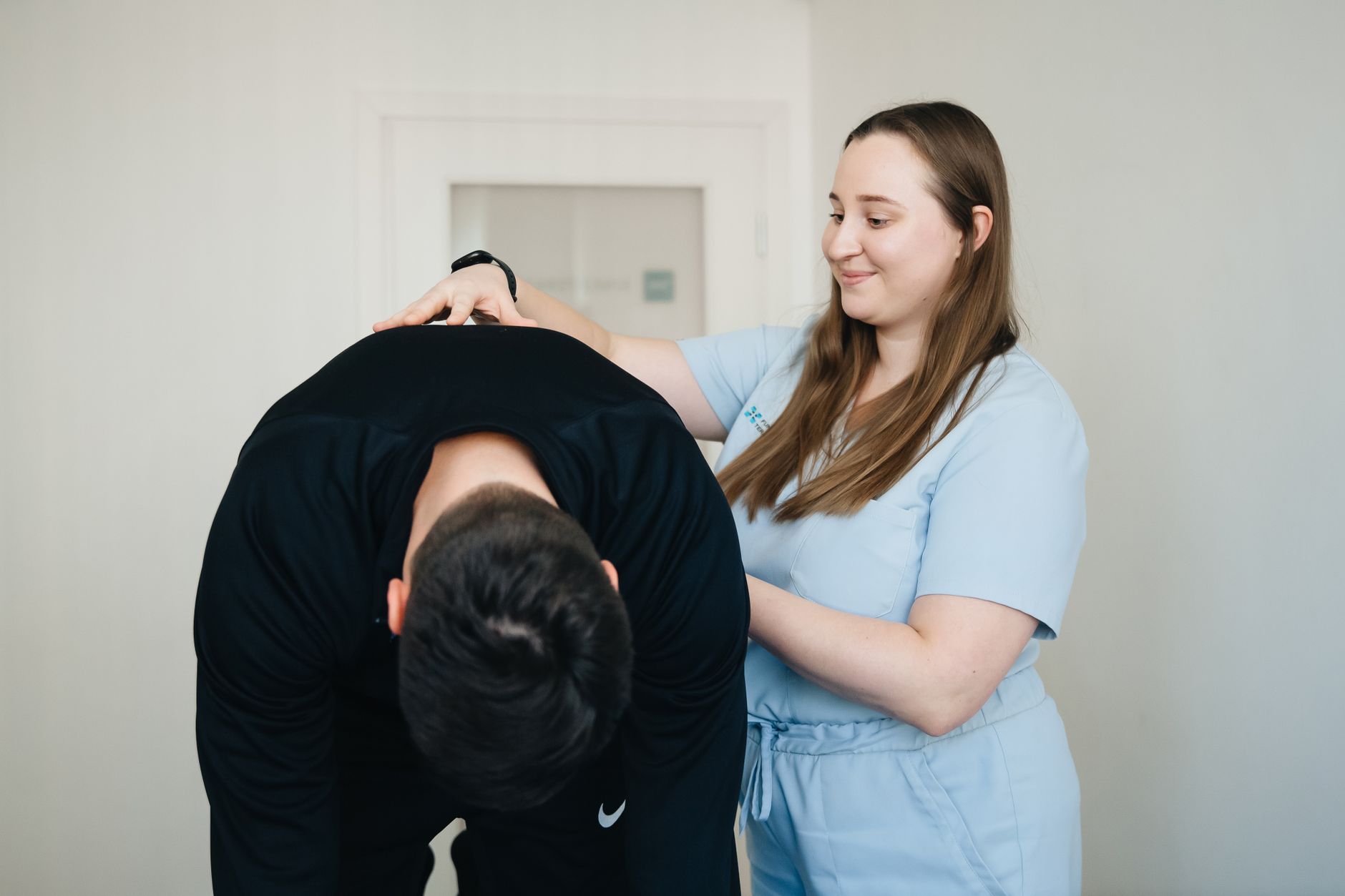
Tier 2: Pelvic‑floor physical therapy
Certified pelvic‑floor therapists use biofeedback, electrical stimulation, and manual techniques to retrain muscles. A typical program lasts 8‑12 weeks with weekly 45‑minute sessions, supplemented by home exercises.
Tier 3: Surgical options
When leaks persist despite diligent therapy, surgeons may consider a mid‑urethral sling or a bladder neck suspension. These procedures have success rates of 80‑90 % in carefully selected patients, according to the American Urological Association (AUA).
Choosing the right path
Most clinicians recommend starting with Tier 1, progressing to Tier 2 if improvement is <50 % after 3 months, and reserving Tier 3 for severe or refractory cases.
It’s helpful to keep a simple log of your leaks, exercises, and any lifestyle changes. This record can guide your provider in deciding when to step up treatment intensity.
How long does it take to recover from postpartum urinary incontinence?
Recovery timelines vary widely based on the severity of the leak, the type of delivery, and how consistently you follow a treatment plan. Below is a general guide:
Most women notice a measurable reduction in leak episodes within the first 6 weeks of consistent Kegel practice. Full resolution can take up to 4 months, especially if you need therapy or surgical intervention.
Remember that the brain‑bladder connection also improves with time. Regular bladder‑training, as described later, can accelerate neural adaptation and reduce urgency.
Can Kegel exercises fix postpartum bladder leaks without surgery?
Yes—Kegel exercises can resolve many cases, especially when the leak is mild to moderate. A 2023 systematic review in the International Urogynecology Journal found that 68 % of participants achieved continence after 12 weeks of supervised Kegels.
When Kegels alone may fall short
- Large‑volume leaks that occur with minimal pressure.
- Persistent leakage after 3 months of diligent exercise.
- Underlying pelvic organ prolapse identified on exam.
In these scenarios, adding pelvic‑floor physical therapy or discussing surgical options with a urogynecologist becomes advisable.
For many new moms, combining Kegels with timed voiding creates a synergistic effect, as the bladder learns both strength and proper emptying patterns.
Postpartum bladder leak treatment with physical therapy vs surgery
Both approaches aim to restore continence, but they differ in invasiveness, recovery time, and suitability.
Physical therapy is the preferred first step because it carries no surgical risk and can be started immediately postpartum. Surgery is considered when therapy fails or when anatomical defects (e.g., urethral hypermobility) are identified.
Some women find that a short “booster” course of therapy after surgery helps maintain the gains achieved by the procedure, especially if they have a high‑activity lifestyle.
Diet and lifestyle changes to reduce postpartum urinary leakage
What you eat and how you move can influence bladder pressure and pelvic‑floor health.
Foods to support pelvic‑floor recovery
- Lean protein: Chicken, fish, tofu—helps repair muscle tissue.
- Vitamin C‑rich fruits: Oranges, strawberries—promote collagen synthesis.
- Magnesium‑rich nuts & seeds: Almonds, pumpkin seeds—relax muscles and reduce cramping.
Foods and drinks to limit
- Caffeine (coffee, tea, energy drinks) – can increase bladder irritability.
- Carbonated beverages – cause abdominal pressure.
- Spicy or acidic foods – may trigger urgency in sensitive bladders.
Lifestyle habits
- Timed voiding: empty every 2‑3 hours, even if you don’t feel the urge.
- Weight management: excess weight adds pressure on the pelvic floor.
- Gentle core work: avoid heavy lifting for 6 weeks; focus on diaphragmatic breathing.
Staying hydrated with water rather than sugary drinks also supports bladder health—aim for 6‑8 cups a day, adjusting if you’re nursing heavily.
What medications are safe for treating postpartum bladder leaks while breastfeeding?
Medication is rarely first‑line for postpartum urinary incontinence, but some agents can help when muscle tone is insufficient or when overactive bladder symptoms coexist.
Anticholinergics (e.g., oxybutynin)
These reduce bladder overactivity. The American Academy of Pediatrics (AAP) categorizes oxybutynin as compatible with breastfeeding at low doses, but monitoring infant sleep is advised.
Topical estrogen
For women with estrogen deficiency (especially after menopause), low‑dose vaginal estrogen can improve urethral mucosa and support continence. It is considered safe for breastfeeding according to the FDA.
Alpha‑adrenergic agonists (e.g., pseudoephedrine)
These are not recommended for postpartum women because they can reduce breast‑milk supply.
Key takeaway on meds
Always discuss any medication with your OB‑GYN or primary care provider. For most new moms, non‑pharmacologic strategies are sufficient and carry no risk to the baby.
If medication becomes necessary, your provider will likely start with the lowest effective dose and monitor both your symptoms and your infant’s feeding patterns.
When to see a doctor for postpartum bladder leakage
While occasional “drops” are common, certain signs warrant prompt medical evaluation:
- Sudden onset of large‑volume leakage.
- Leaking accompanied by pain, burning, or blood.
- Incontinence that interferes with daily activities or caring for your baby.
- Persistent urgency that wakes you at night.
- Any urinary symptoms lasting longer than 6 weeks after delivery.
If you notice any of these, schedule an appointment with a urogynecologist, pelvic‑floor physical therapist, or your primary care provider. Early assessment leads to more treatment options and quicker recovery.
During your visit, be ready to share a brief bladder diary—this concrete data helps clinicians pinpoint the type and severity of incontinence.
Postpartum urinary incontinence causes and prevention
Understanding the why helps you target the right fix.
Primary causes
- Pelvic‑floor stretch injury: Vaginal delivery can overstretch the sphincter muscles.
- Neurological trauma: Pudendal nerve stretch during childbirth.
- Hormonal shifts: Decreased estrogen reduces tissue elasticity.
- Obesity and chronic cough: Adds pressure on the bladder.
Preventive measures for future pregnancies
- Pre‑pregnancy pelvic‑floor strengthening program.
- Controlled weight gain (guided by your OB‑GYN).
- Avoiding prolonged standing or heavy lifting during pregnancy.
- Discussing birth‑plan options (e.g., assisted vaginal delivery) with your provider.
Even if you’ve already experienced leakage, adopting these preventive habits can reduce the risk of recurrence in later pregnancies.
Even a small mistake can reduce effectiveness.
Step‑by‑step guide
- Find a quiet spot and sit or lie down with knees bent.
- Take a normal breath, then contract only the muscles you’d use to stop urine flow. Avoid tightening abdomen, thighs, or buttocks.
- Hold the contraction for 5 seconds, then relax for 5 seconds.
- Repeat 10 times, three times a day.
- Progress to longer holds (10 seconds) and add “pulse” sets as strength improves.
Tips for verification
Place a finger in the vagina (if comfortable) or use a biofeedback device to feel the lift. You should feel a gentle upward “pull” without any outward strain.
For added confidence, try the “stop‑pee” test in the bathroom—if you can pause mid‑stream, you’re likely engaging the correct muscles.
Postpartum pelvic floor physical therapist near me
Finding a qualified therapist can feel overwhelming, especially when you’re juggling a newborn.
How to locate one
- Ask your OB‑GYN for a referral; many have a list of certified pelvic‑floor specialists.
- Search the American Physical Therapy Association’s “Find a PT” tool using the keyword “pelvic floor postpartum”.
- Check insurance provider directories for in‑network specialists.
- Read online reviews focusing on “postpartum” experience.
What to expect at the first visit
The therapist will assess muscle strength, perform a digital exam (if you’re comfortable), and teach you biofeedback‑guided exercises. Sessions typically last 45 minutes and are scheduled weekly for 6‑12 weeks.
Many clinics now offer tele‑health check‑ins for education, which can be a convenient way to start while you arrange in‑person sessions.
Surgical options for severe postpartum bladder leaks
When conservative measures fail, surgery offers a high chance of lasting continence.
Mid‑urethral sling (MUS)
A synthetic mesh is placed under the urethra to provide support. Success rates hover around 85 % with low complication rates. The AUA recommends MUS as first‑line surgical option for stress urinary incontinence.
Colposuspension (Burch procedure)
Involves suturing tissue to lift the bladder neck. It’s less common now but useful when mesh is contraindicated.
Bulking agent injections
Gel‑like substances are injected around the urethra to improve closure. It’s a minimally invasive option with modest success (50‑60 %).
Choosing surgery
Factors include leak severity, desire for future pregnancies, mesh tolerance, and personal health. A thorough discussion with a urogynecologist is essential.
Post‑operative pelvic‑floor rehab is often recommended to maximize long‑term outcomes, even after a technically successful sling.
Bladder training schedule for new moms
Bladder training helps the brain relearn “when to go”. Here’s a simple 4‑week schedule you can follow alongside your Kegel routine.
Keep a bladder diary: note time, volume, and any leaks. Adjust intervals if you feel strong urgency before the scheduled time.
For night‑time training, try “double voiding”: after the first bathroom visit, wait a minute and try again to ensure the bladder is fully emptied.
Impact of childbirth on bladder function
During labor, the pelvic floor muscles stretch up to 150 % of their resting length. This can cause temporary neuropraxia (nerve “stunning”) that usually resolves within weeks, but in some women the stretch leads to permanent weakening.
Hormonal changes also play a role. Estrogen drops after delivery thin the urethral mucosa, making it less able to close tightly. Breastfeeding further reduces estrogen, which is why many lactating mothers notice increased urgency.
Understanding these mechanisms reinforces why early pelvic‑floor rehab is so effective—it helps the muscles recover before scar tissue forms.
Postpartum bladder leak self‑assessment checklist
Use this quick checklist to gauge whether you might benefit from professional help.
- Do you leak when you cough, sneeze, or laugh?
- Is the leakage more than a few drops?
- Do you need to wear pads daily?
- Does leakage interfere with caring for your baby?
- Are you experiencing urgency or nighttime waking?
- Have you tried Kegels for at least 4 weeks without improvement?
If you answered “yes” to three or more items, consider scheduling a pelvic‑floor evaluation.
Insurance coverage for postpartum urinary incontinence treatment
Most private insurers and Medicare cover pelvic‑floor physical therapy when documented as medically necessary. Here’s what to look for on your plan:
- Physical therapy CPT codes 97110‑97112: Often covered up to 12 visits per year.
- Surgical codes (e.g., 51701 for sling): Usually covered after prior‑authorization.
- Medication: Prescription drugs like oxybutynin are covered under standard pharmacy benefits.
- Out‑of‑pocket: Expect a co‑pay of $20‑$40 per PT session; surgery co‑ins may be higher.
Always verify with your insurer before starting treatment and ask your provider to submit the necessary documentation.

Postpartum urinary incontinence and pelvic organ prolapse
Pelvic organ prolapse (POP) occurs when the pelvic organs descend due to weakened support structures. POP can coexist with urinary leakage, especially after vaginal delivery. While POP isn’t always symptomatic, it can exacerbate stress incontinence by altering bladder positioning.
Screening for prolapse
The NHS recommends a simple “standing‑to‑sit” test during a postpartum check‑up: you’ll be asked to bear down while the clinician palpates for bulging. If prolapse is detected, a tailored pelvic‑floor program can address both issues simultaneously.
Combined treatment approach
- Focused Kegels that target the levator ani muscle group.
- Pessary devices (a removable silicone support) for moderate prolapse, often used alongside exercises.
- Surgical correction only if prolapse is severe and unresponsive to conservative care.
Addressing prolapse early can prevent worsening leakage and reduce the need for future surgery.

Pelvic floor exercises while breastfeeding: timing and tips
Breastfeeding hormones—particularly prolactin—can affect muscle tone and fluid balance. Some new moms worry that exercising too soon might reduce milk supply, but evidence from the Academy of Nutrition and Dietetics shows that moderate pelvic‑floor work does not compromise lactation.
When to start
Most providers advise beginning gentle Kegels within the first two weeks postpartum, as long as you feel comfortable and have no severe perineal tears.
Practical tips
- Do your Kegels while nursing or pumping; the natural “stop‑pee” sensation is easy to feel.
- Incorporate breathing: inhale deeply, then perform a contraction on the exhale to avoid Valsalva strain.
- Limit sessions to 10‑15 minutes a day initially; gradually increase as strength improves.
Staying consistent—especially during nighttime feeds—helps maintain muscle tone without interfering with milk production.

Using supportive garments to aid bladder control after delivery
Specialized postpartum support garments, often called “postpartum belts” or “abdominal binders,” can provide gentle pressure that reduces intra‑abdominal stress on the bladder, especially during the early weeks of recovery.
How they help
The gentle compression encourages the pelvic floor to stay engaged, similar to a biofeedback cue. A small study by the NHS found that women using a well‑fitted binder reported a 20 % reduction in leak episodes during the first month.
Choosing the right product
- Look for breathable, adjustable fabrics that don’t restrict breathing.
- Ensure the band sits just below the ribcage, not over the uterus.
- Wear for short periods (2‑3 hours) while performing exercises or lifting a baby.
Garments are an adjunct—not a replacement—for pelvic‑floor work. Combine them with Kegels for the best results.
Myth vs. fact
Myth: “All postpartum leaks go away on their own.”
Fact: While many improve with time, up to 30 % have persistent symptoms that benefit from targeted treatment.
Myth: “Kegels are enough for everyone.”
Fact: Kegels work best for mild leaks; moderate to severe cases often need physical therapy or surgery.
Myth: “Surgery is unsafe while breastfeeding.”
Fact: Most bladder‑support surgeries use local or regional anesthesia and have no adverse effect on breast‑milk production.
Key takeaways
- Postpartum bladder leaks are common but treatable.
- Start with pelvic‑floor exercises and lifestyle tweaks; add physical therapy if improvement stalls.
- Surgery is reserved for severe, refractory cases and has high success rates.
- Safe medication options exist for breastfeeding moms, but they’re rarely needed.
- Early assessment and a structured bladder‑training schedule speed recovery.
- Know the red‑flag signs that require prompt medical attention.
Frequently asked questions
What causes bladder leaks after pregnancy?
Childbirth can stretch or damage pelvic‑floor muscles and nerves, reduce estrogen, and increase abdominal pressure, all of which can lead to stress urinary incontinence.
Are postpartum urinary leaks normal?
Occasional “drops” are common, but persistent leakage that interferes with daily life isn’t normal and should be evaluated.
How effective are Kegel exercises for postpartum bladder leaks?
When performed correctly and consistently, Kegels improve muscle strength in 60‑70 % of women within 12 weeks, often eliminating mild leaks.
When should I consider surgery for postpartum urinary incontinence?
Consider surgery if you’ve tried Kegels and pelvic‑floor therapy for at least 3 months without ≥50 % improvement, or if you have large‑volume leaks that affect quality of life.
Can I breastfeed while taking medication for bladder leaks?
Yes—certain anticholinergics (e.g., low‑dose oxybutynin) and topical estrogen are considered compatible with breastfeeding, but always confirm with your provider.
How long does it usually take to see improvement with pelvic floor therapy?
Most women notice reduced leakage within 4‑6 weeks of weekly therapy, with continued progress over the next 2‑3 months.
Can diastasis recti affect urinary leakage?
Yes. A separated abdominal wall can increase intra‑abdominal pressure, worsening stress incontinence. Treating diastasis recti with core‑stabilizing exercises often improves bladder control alongside pelvic‑floor work.
Is it safe to do high‑impact exercise after a C‑section if I have urinary incontinence?
After your surgeon clears you (usually 6‑8 weeks postpartum), low‑impact activities are safe. High‑impact moves should be introduced gradually and paired with pelvic‑floor training to avoid over‑loading the healing incision.
When to see a doctor / specialist
If you experience any of the following, contact a healthcare professional right away:
- Large‑volume or sudden onset leakage.
- Pain, burning, or blood with urination.
- Persistent urgency that wakes you at night.
- Leakage that interferes with caring for your baby.
- Symptoms lasting longer than 6 weeks postpartum.
For most cases, start with your OB‑GYN or primary care provider. They can refer you to a urogynecologist or a certified pelvic‑floor physical therapist for specialized care.
This article provides general information and is not a substitute for personalized medical advice. Always consult your own healthcare provider before starting any new treatment.
References
- American College of Obstetricians and Gynecologists. “Urinary Incontinence in Women.” ACOG Practice Bulletin, 2022.
- American Urological Association. “Management of Female Stress Urinary Incontinence.” AUA Guidelines, 2023.
- International Urogynecology Journal. “Effectiveness of Pelvic Floor Muscle Training for Postpartum Stress Incontinence.” Systematic Review, 2023.
- American Academy of Pediatrics. “Medication Use During Breastfeeding.” Policy Statement, 2021.
- National Institute of Diabetes and Digestive and Kidney Diseases. “Bladder Training.” NIH, 2022.
- Academy of Nutrition and Dietetics. “Nutrition Recommendations for Women During the Postpartum Period.” 2022.
- American Physical Therapy Association. “Find a Pelvic Floor Physical Therapist.” APTA Directory, accessed 2026.
- World Health Organization. “Postpartum Care Guidelines.” WHO, 2021.
- National Health Service (NHS). “Pelvic Organ Prolapse.” NHS Clinical Guidance, 2023.
- U.S. Food and Drug Administration (FDA). “Drug Safety Information for Lactating Mothers.” FDA, 2022.