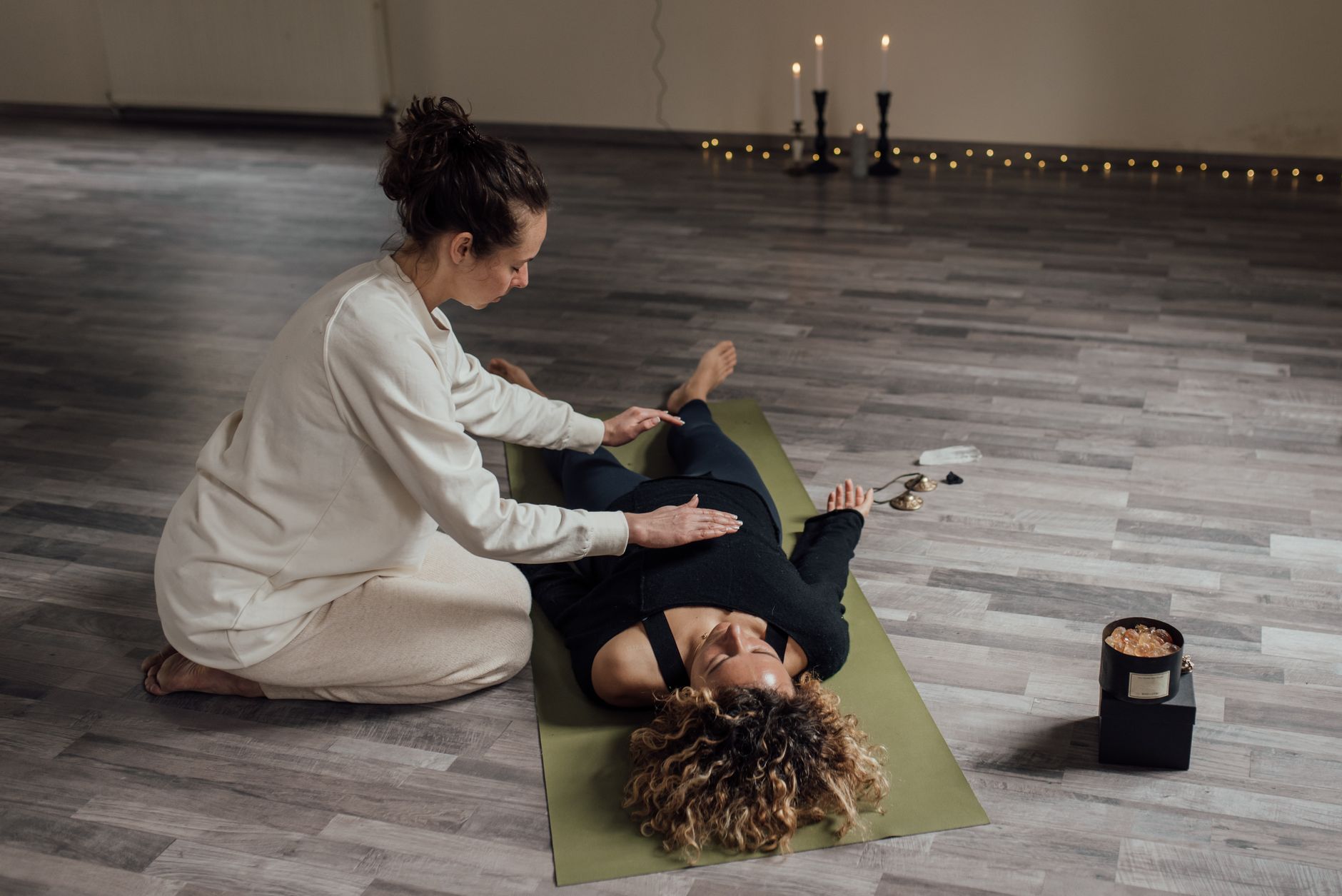
Cost is a common barrier for many new mothers, but understanding the typical fee structure and insurance landscape can make the process less intimidating.
Typical out‑of‑pocket fees
Prices vary by region, therapist experience, and whether the session includes specialized equipment such as EMG biofeedback or internal manual therapy.
What insurers usually cover
Most private insurers in the U.S. treat pelvic floor therapy as a “rehabilitative service” and will cover 70‑90 % of the cost after you meet your deductible. Medicare covers therapy when it is deemed medically necessary, often after a physician’s prescription. In the UK, the NHS may provide therapy free of charge if you have a documented pelvic floor dysfunction, though wait times can be long.
Tips for maximizing reimbursement
- Obtain a referral or prescription from your OB‑GYN; many plans require it for coverage.
- Ask the therapist’s office for an itemized “Statement of Medical Necessity” that you can forward to your insurance.
- Check whether your health savings account (HSA) or flexible spending account (FSA) can be used for out‑of‑pocket fees.
- If you’re uninsured, ask about sliding‑scale rates or bundled session packages—many clinics offer discounts for multiple appointments paid upfront.
State Medicaid programs in the U.S. often include pelvic floor therapy under “women’s health” benefits, but coverage details differ by state. A quick call to your Medicaid office can reveal whether you qualify for free or reduced‑cost sessions. Additionally, some therapists rent home biofeedback devices for a small monthly fee, which can be a cost‑effective alternative to in‑clinic equipment.
What to expect during the first pelvic floor therapy session after childbirth
Your first visit is less about intense exercises and more about assessment and education. Knowing what will happen can ease any anxiety about being examined.
Comprehensive intake and pelvic health questionnaire
The therapist will ask about your delivery type, any complications, urinary or bowel symptoms, pain patterns, and sexual function. They’ll also discuss your daily routine, fitness level, and any prior pelvic floor training.
Physical assessment
Using a gentle, internal examination (often with a gloved finger or a small vaginal probe), the therapist evaluates muscle tone, strength, and coordination. For those uncomfortable with an internal exam, external assessments and surface EMG biofeedback can provide useful data.
Education and personalized home program
After the assessment, the therapist will demonstrate proper pelvic floor activation, teach you how to differentiate “squeeze” from “lift,” and provide a short set of exercises to practice daily. They’ll also discuss posture, breathing, and core engagement—key components for successful rehab.
Setting realistic goals
Typical short‑term goals include improved bladder control and reduced pelvic pain; long‑term goals focus on restoring strength for activities like lifting a stroller or returning to sport.
Many therapists also provide a simple visual aid—a mirror or a smartphone video guide—so you can monitor your technique at home between visits. This self‑monitoring can reinforce the learning and help you stay on track.
Best qualifications and certifications for a postpartum pelvic floor therapist
Not every physical therapist has the same level of expertise in postpartum care. Look for the following credentials to ensure you’re in capable hands.
Core certifications
- Certified Pelvic Floor Physical Therapist (CPPT) – awarded by the APTA’s Section on Women’s Health after completing a rigorous exam and clinical hours.
- Women’s Health Clinical Specialist (WCS) – a certification that demonstrates advanced knowledge in obstetrics, gynecology, and pelvic health.
- Feldenkrais Method or Pilates Certification – while not required, many therapists integrate these approaches to improve body awareness.
Specialty training for postpartum care
Look for therapists who have completed a dedicated postpartum course, such as the “Postpartum Pelvic Health” program offered by the International Society of Women’s Health Physical Therapists (ISWHPT). These courses cover topics like diastasis recti, perineal scar management, and breastfeeding posture.
How to verify credentials
All certifications can be verified on the issuing organization’s website. For example, you can search the APTA’s “Find a PT” tool for CPPT status, or check the NCS (National Certification Systems) database for WCS credentials.
Continuing education matters, too. Therapists who regularly attend workshops on cultural competence and trauma‑informed care are better equipped to support diverse postpartum experiences, from LGBTQ+ families to women with a history of birth trauma.
How to choose between in‑person vs virtual pelvic floor therapy for new moms
Both delivery formats have pros and cons, and the right choice depends on your lifestyle, symptoms, and comfort level.
In‑person therapy advantages
- Hands‑on manual techniques for scar tissue, myofascial release, and deep muscle work.
- Immediate biofeedback with specialized equipment.
- Direct observation of movement patterns, especially useful for diastasis recti and core integration.
Virtual therapy advantages
- Convenient scheduling—no need to arrange childcare or travel.
- Privacy for those who feel self‑conscious about internal exams.
- Flexibility to practice exercises in your own environment, making it easier to transfer skills to daily life.
When to opt for each
If you have significant pelvic pain, a large C‑section scar, or need hands‑on manual therapy, an in‑person visit is usually recommended. For mild symptoms, urinary leakage, or if you live far from a specialist, virtual sessions with a CPPT can be equally effective—studies from the American Physical Therapy Association (2022) show comparable outcomes for low‑risk postpartum patients.
Hybrid models are emerging, where the initial assessment is in‑person and follow‑up sessions shift online. This approach gives you the best of both worlds: a thorough hands‑on exam plus the convenience of home‑based practice.
Signs that indicate you need pelvic floor therapy after delivery
Early recognition can prevent chronic problems. Below is a checklist of symptoms that commonly prompt referral.
- Unexpected urinary leakage when coughing, sneezing, or laughing.
- Frequent urgency or difficulty fully emptying the bladder.
- Persistent pelvic or perineal pain that worsens with prolonged sitting.
- Feeling of heaviness or bulging in the vaginal area (possible prolapse).
- Painful intercourse (dyspareunia) or loss of sexual desire.
- Difficulty initiating bowel movements or sensation of incomplete evacuation.
- Visible separation of the abdominal muscles (diastasis recti) affecting core stability.
Beyond physical signs, many women experience anxiety, embarrassment, or reduced confidence when these symptoms appear. Recognizing the emotional impact is important—addressing both body and mind often leads to faster, more sustainable recovery.
Timeline for starting pelvic floor therapy after C‑section vs vaginal birth
The optimal window for beginning therapy differs slightly based on how you delivered, but the overarching principle is “as soon as it’s safe and comfortable for you.”
Vaginal birth
Most clinicians recommend starting pelvic floor therapy between 4 and 6 weeks after delivery, once the perineal tissues have begun to heal. Some women begin as early as 2 weeks if they have mild symptoms and feel ready.
C‑section delivery
Because the abdominal incision needs time to close, therapists usually wait 6‑8 weeks before initiating deep core work. However, gentle pelvic floor activation and breathing exercises can start earlier (around 2 weeks) to maintain muscle awareness without stressing the incision.
Special circumstances
If you experienced a third‑ or fourth‑degree tear, or if you have a high‑risk pregnancy history (e.g., pre‑eclampsia, prolonged labor), your OB‑GYN may refer you to therapy sooner—sometimes within the first two weeks.
Individual recovery rates vary. Some mothers feel ready to begin at 4 weeks, while others prefer waiting until 8 weeks. Your therapist will tailor the start date to your pain level, incision healing, and overall energy.
Tips for preparing for your first postpartum pelvic floor therapy appointment
Walking into a therapy room can feel intimidating, especially when you’re already juggling a newborn. A few simple steps can make the experience smoother.
- Bring your delivery paperwork. Your hospital discharge summary or birth record helps the therapist understand any complications.
- Wear comfortable clothing. Loose‑fitting leggings, a simple tank top, and easy‑to‑remove footwear allow quick transitions for any internal or external exams.
- Write down your symptoms. A short list of leaks, pains, or concerns ensures you cover everything without forgetting mid‑appointment.
- Plan for childcare. Even a brief 30‑minute session can be easier if you have a partner, relative, or trusted babysitter on standby.
- Hydrate and empty your bladder. This reduces discomfort during internal assessments and gives the therapist a clear picture of your baseline function.
Take a moment before the session to practice a calming breath: inhale for four counts, hold for two, exhale for six. This simple technique can lower anxiety and help you relax the pelvic floor muscles for a more accurate assessment.

Pelvic floor exercises for postpartum recovery at home
While your therapist will tailor a program, there are core exercises you can safely start on your own to reinforce the work done in clinic.
Gentle activation (day 1‑7)
Begin with “pelvic floor awareness”—imagine stopping the flow of urine mid‑stream without actually doing it. Perform 5‑second holds, 10 repetitions, twice daily. Pair this with diaphragmatic breathing: inhale deeply, expand the belly, exhale while gently lifting the pelvic floor.
Progressive strengthening (weeks 2‑6)
- Kegels. Aim for 5‑second lifts, 10 reps, three sets daily. Avoid bearing down; focus on a “upward” motion.
- Bridge with pelvic floor cue. Lie on your back, knees bent, feet hip‑width apart. As you lift the hips, gently engage the pelvic floor. Hold 3 seconds, lower slowly. 10‑15 reps.
- Pelvic tilts. On hands and knees, gently tuck the tailbone and engage the floor muscles. Hold 5 seconds, repeat 12 times.
Advanced integration (weeks 6‑12)
Incorporate functional movements like squats, lunges, and stroller lifts while maintaining pelvic floor engagement. Your therapist will guide you on proper technique to avoid over‑activation or straining.
Many therapists recommend a small handheld biofeedback device for home use. These inexpensive tools give visual feedback on muscle activation, helping you fine‑tune technique between clinic visits.
Differences between pelvic floor rehab and Kegel exercises after delivery
Many new moms think “doing Kegels” is the same as comprehensive pelvic floor rehabilitation, but there are key distinctions.
- Scope. Kegels target isolated muscle contraction, while rehab includes manual therapy, biofeedback, posture correction, and core integration.
- Individualization. A therapist assesses your specific muscle tone, coordination, and any scar tissue—then prescribes a program that may include breathing drills, pelvic floor relaxation, and functional training.
- Safety. Incorrect Kegel technique can actually worsen symptoms by over‑contracting or creating muscle fatigue. Rehab ensures you learn both “lift” and “release” patterns.
- Outcomes. Studies in the Journal of Women’s Health Physical Therapy (2023) show that structured rehab yields faster improvement in urinary incontinence compared with Kegels alone.
Another key difference is the role of relaxation. Effective rehab teaches you how to fully relax the pelvic floor—a step often omitted in solo Kegel routines but essential for preventing muscle over‑tightness.
Postpartum pelvic floor dysfunction symptoms and treatment options
Pelvic floor dysfunction can manifest in several ways, and treatment is tailored to the specific issue.
Common symptoms
- Stress urinary incontinence (leakage with cough, sneeze, laugh).
- Urge incontinence (strong, sudden need to void).
- Pelvic organ prolapse (a feeling of bulge or heaviness).
- Painful intercourse or pelvic pain.
- Diastasis recti affecting core stability.
Treatment options comparison
Natural remedies with evidence
While therapy remains the cornerstone, some adjuncts can support healing:
- Vitamin D supplementation. Low levels have been linked to pelvic floor weakness; a 2021 meta‑analysis found modest improvement in urinary continence with 1,000 IU daily.
- Yoga for postpartum women. Specific poses that emphasize diaphragmatic breathing and pelvic alignment (e.g., “Cat‑Cow,” “Bridge”) have shown reductions in pelvic pain (Journal of Bodywork & Movement Therapies, 2022).
- Fiber‑rich diet. Preventing constipation reduces straining on pelvic muscles. The Academy of Nutrition and Dietetics recommends at least 25 g of fiber daily for postpartum women.
Mild mindfulness meditation can also lessen pelvic tension. A brief 10‑minute body‑scan practice before exercises helps many mothers connect with their pelvic floor, improving activation quality.
Pelvic floor therapy and breastfeeding: what you need to know
Breastfeeding influences pelvic floor health in subtle ways. The act of milk let‑down triggers oxytocin release, which can relax smooth muscle—including the pelvic floor. However, prolonged feeding positions that compress the perineum may increase pressure on pelvic tissues.
Optimal positioning for comfort
- Use a supportive nursing pillow to keep your torso upright and reduce forward‑leaning pressure on the perineum.
- Consider side‑lying feeds; this position often lessens abdominal strain and allows easier pelvic floor engagement.
- Take brief “pelvic floor pauses” between feeds—gentle squeezes for a few seconds can counteract any lingering relaxation.
Therapy considerations while nursing
Therapists will tailor exercises to avoid aggravating breast engorgement. They may also incorporate diaphragmatic breathing that aligns with the natural rhythm of milk flow, helping you maintain pelvic floor tone without interfering with lactation.
If you notice nipple pain, breast engorgement, or a sudden increase in urinary leakage while nursing, bring these observations to your therapist. Adjustments to positioning or a short course of pelvic floor biofeedback often resolve the issue.
Pelvic floor therapy for postpartum athletes and active moms
Returning to sport is a common goal for many new mothers, but the pelvic floor often limits performance if not properly rehabbed.
Key milestones for active return
- Weeks 4‑6: Light core activation and low‑impact cardio (walking, stationary bike).
- Weeks 8‑12: Introduce modified strength training—focus on hip stability, glute bridges, and controlled squats while maintaining pelvic floor engagement.
- Weeks 12‑16: Gradual re‑introduction of high‑impact activities (running, plyometrics) once you can sustain a “lift‑hold‑release” pattern without leaking.
Therapist‑guided sport‑specific drills
Many therapists design sport‑specific drills—think of a basketball player practicing jump shots while consciously engaging the pelvic floor, or a runner performing interval sprints with a focus on pelvic stability. These drills help translate clinic gains into real‑world performance.
For elite athletes, a hybrid program of in‑person manual therapy plus virtual follow‑ups can keep training on schedule while ensuring ongoing pelvic health monitoring.
Pelvic floor therapy after multiple births (twins, triplets) – special considerations
Carrying and delivering multiples places extra strain on the pelvic floor, often leading to more pronounced symptoms.
Increased load and recovery timeline
Multiple pregnancies can stretch pelvic ligaments further, so therapists may recommend starting rehab a bit later—typically 6‑8 weeks postpartum—once the uterus has involuted and the perineal tissues have healed.
Tailored exercises
Exercises emphasize gradual load‑bearing, focusing on bilateral hip stability and deep core engagement. A simple table outlines a progressive plan:
Because caring for multiples often limits personal time, virtual therapy can be especially helpful. Therapists can schedule short, focused sessions that fit around feeding schedules for two or three infants.
Myth vs. fact
Myth: “If I can’t feel my pelvic floor, it’s fine.”
Fact: Many pelvic floor muscles become “silent” after birth, meaning they’re weak or overly tight. Objective assessment (manual exam or biofeedback) is needed to confirm health.
Myth: “Kegels alone will fix all postpartum leaks.”
Fact: Isolated Kegels help some women, but comprehensive rehab that includes relaxation, core integration, and lifestyle changes yields higher success rates.
Myth: “Pelvic floor therapy is only for severe problems.”
Fact: Even mild symptoms—like occasional dribbling when laughing—benefit from early therapy, reducing the risk of chronic dysfunction.
Myth: “I’ll be fine once the baby sleeps through the night.”
Fact: Pelvic floor recovery is independent of sleep patterns; consistent therapy and exercises are needed regardless of nighttime feeding schedules.
Key takeaways
- Start pelvic floor therapy between 4 weeks (vaginal) and 6 weeks (C‑section) postpartum for optimal healing.
- Look for therapists with CPPT or WCS certifications and specific postpartum training.
- Insurance often covers a majority of therapy fees—bring a referral and request a medical necessity statement.
- Both in‑person and virtual sessions are effective; choose based on symptom severity and personal convenience.
- Early signs like leakage, pelvic pain, or a sense of heaviness merit prompt evaluation.
- Home exercises complement clinic work, but proper technique is essential—don’t rely on Kegels alone.
- Consider breastfeeding position, athletic goals, and multiple births when customizing your therapy plan.
Frequently asked questions
When should a new mother start pelvic floor therapy?
Most clinicians recommend beginning 4–6 weeks after a vaginal birth and 6–8 weeks after a C‑section, once initial tissue healing has occurred. If you experience severe pain, a high‑grade tear, or urinary urgency earlier, contact your OB‑GYN for an earlier referral.
Is pelvic floor therapy covered by health insurance after childbirth?
Yes—most private insurers view it as a rehabilitative service and cover 70‑90 % after a physician referral. Medicare and the NHS also provide coverage for documented pelvic floor dysfunction, though you may need prior authorization.
How many sessions of pelvic floor therapy are usually needed postpartum?
Typical programs range from 6 to 12 sessions, scheduled weekly or bi‑weekly, depending on symptom severity and progress. Some women achieve functional goals in as few as 4 sessions, while others benefit from a longer course.
Can I do pelvic floor exercises on my own before seeing a therapist?
You can start gentle awareness and breathing drills at home, but isolated “Kegels” without proper technique may reinforce incorrect patterns. A brief initial evaluation ensures you learn the right engagement and relaxation cues.
What are the common signs that indicate a need for pelvic floor therapy after delivery?
Key red flags include urinary leakage with cough or laugh, persistent pelvic pain, a feeling of heaviness or bulge, painful intercourse, difficulty emptying the bladder or bowels, and noticeable abdominal separation (diastasis recti) affecting core stability.
Do virtual pelvic floor therapy sessions work as well as in‑person visits?
For low‑risk postpartum symptoms, virtual therapy delivers comparable outcomes, especially when biofeedback technology is used. However, severe pain, large scar tissue, or prolapse often require hands‑on manual techniques best delivered in person.
How can I safely return to running after postpartum pelvic floor therapy?
Begin with short, low‑impact jogs while maintaining pelvic floor engagement. Increase distance by no more than 10 % each week, and incorporate pelvic floor “lift‑hold‑release” drills during runs. If you notice leakage or pelvic pain, pause and consult your therapist for a tailored progression plan.
Will pelvic floor therapy help with postpartum sexual pain?
Yes—targeted manual therapy, biofeedback, and relaxation techniques can address dyspareunia caused by muscle tension or scar tissue. Many women report reduced pain after 6‑8 sessions, especially when the therapist integrates pelvic floor cues into sexual activity counseling.
When to see a doctor or specialist
If you notice any of the following, schedule an appointment with a qualified pelvic floor physical therapist or your OB‑GYN promptly:
- Continuous urinary leakage that interferes with daily activities.
- Sharp or burning pelvic pain that worsens with sitting or intercourse.
- Feeling of a bulge or pressure in the vaginal area.
- Inability to fully empty the bladder or bowels.
- Persistent diastasis recti causing core instability.
This article provides general information and is not a substitute for personalized medical advice. Always discuss new symptoms and treatment plans with your healthcare provider.
References
- American Physical Therapy Association. “Women’s Health Clinical Guidelines.” 2022.
- American College of Obstetricians and Gynecologists. “Pelvic Floor Dysfunction in the Postpartum Period.” ACOG Practice Bulletin No. 254, 2021.
- National Institute of Diabetes and Digestive and Kidney Diseases. “Urinary Incontinence.” NIH, 2023.
- Journal of Women’s Health Physical Therapy. “Effectiveness of Pelvic Floor Rehabilitation vs. Kegels in Postpartum Women.” 2023.
- International Association of Women’s Health, Obstetric and Neonatal Nurses. “Postpartum Pelvic Floor Physical Therapy Directory.” IAWHONN, 2022.
- Academy of Nutrition and Dietetics. “Fiber Recommendations for Women After Pregnancy.” 2022.
- National Institute of Arthritis and Musculoskeletal and Skin Diseases. “Pelvic Organ Prolapse.” NIH, 2021.
- American Physical Therapy Association. “Telehealth Guidelines for Pelvic Floor Therapy.” 2022.
- Journal of Bodywork & Movement Therapies. “Yoga Interventions for Postpartum Pelvic Pain.” 2022.
- U.S. Department of Health and Human Services. “Medicare Coverage of Pelvic Floor Physical Therapy.” 2023.
- World Health Organization. “Postpartum Care Guidelines.” WHO, 2021.
- National Institute of Mental Health. “Postpartum Depression and Anxiety.” NIMH, 2022.