Quick take: Ms. Rachel’s screen‑time guidance recommends short, purposeful video sessions—typically under 30 minutes for toddlers and up to 60 minutes for preschoolers. Most pediatric experts say these limits can be safe when balanced with active play, but the debate continues. Use the tips below to shape a routine that feels right for your family.
It’s 7 a.m. and the kitchen is a blur of cereal boxes, a half‑asleep toddler clutching a tablet, and the gentle hum of a lullaby on repeat. You pause, wonder if that screen habit is helping or hurting, and scroll to “Ms. Rachel screen time debate.” You’re not alone—millions of parents are wrestling with the same question. In this guide we break down what Ms. Rachel actually says, how her recommendations stack up against major pediatric bodies, what the science says about screen exposure, and practical steps you can take tonight.
We’ll walk you through the full conversation: expert opinions, exact minute limits, comparisons to AAP and WHO guidelines, real‑world stories, pros and cons, and ways to blend Ms. Rachel’s ideas with other parenting philosophies. By the end you’ll have a clear, evidence‑based roadmap for screen time that respects your child’s development and your family’s values.
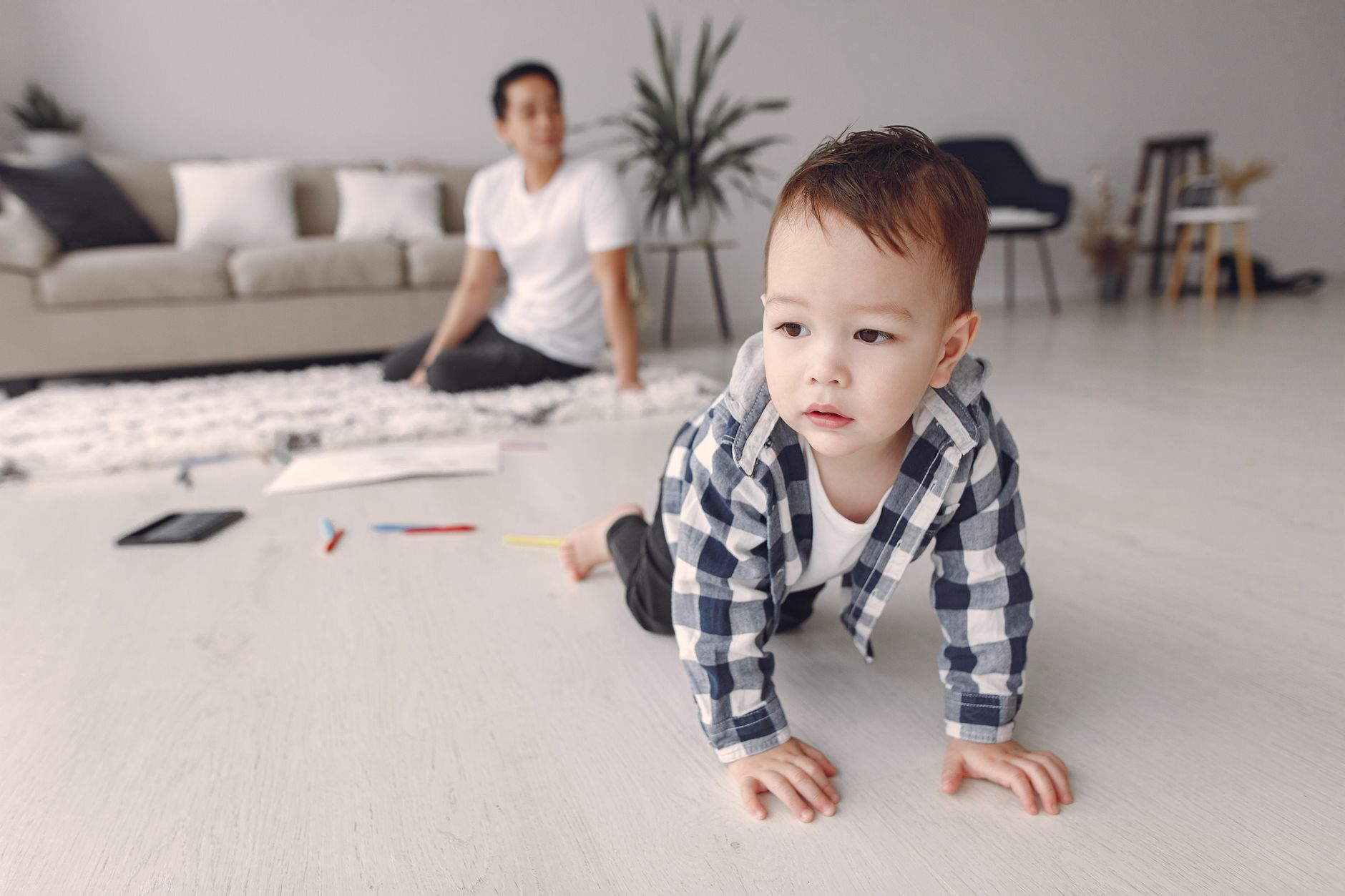
What do experts say about the Ms. Rachel screen time debate?
Ms. Rachel, a well‑known early‑child educator and YouTube creator, sparked a public conversation when she suggested that “short, high‑quality video sessions can be educational and soothing for toddlers.” Her stance has drawn both applause and critique. Pediatric experts from the American Academy of Pediatrics (AAP) and the World Health Organization (WHO) have weighed in, emphasizing that the quality of content matters as much as the quantity of time.
Key points from leading pediatric organizations
- AAP recommends no screen time for children under 18 months (except video chatting) and suggests limiting children 2–5 years to one hour of high‑quality programming per day.
- WHO advises children aged 2–4 years have no more than one hour of sedentary screen time, with a focus on interactive, non‑passive use.
- Many child development researchers echo that “screen time is not inherently harmful; it becomes risky when it displaces sleep, physical activity, and face‑to‑face interaction.”
When Ms. Rachel says a toddler can watch a 15‑minute video about alphabet songs, she aligns with the AAP’s “one hour of high‑quality media” rule, but she also stresses parental co‑viewing. Experts agree that co‑viewing turns passive watching into an interactive learning experience, boosting language acquisition and bonding.
Additional research from the American Academy of Child & Adolescent Psychiatry (AACAP) underscores that co‑viewing can mitigate potential attentional concerns by encouraging children to pause and discuss content, an approach that mirrors the “active media” recommendations in the AAP’s 2022 policy statement. The consensus is clear: the context of screen use matters as much as the clock.
Ms. Rachel screen time debate podcast episode summary
In a recent BumpBites podcast episode, Ms. Rachel explained her philosophy: “A brief, purposeful clip can calm a fussy child, give a parent a few minutes of breathing space, and still support learning if the content is curated.” The hosts asked her to clarify the “safe” limit, and she answered that for toddlers (1‑3 years) she aims for 15‑20 minutes per day, split into two short sessions. For preschoolers (3‑5 years) she extends to 30‑45 minutes, always paired with discussion.
Critics on the same episode noted that the guidance could be misinterpreted as a blanket permission for any screen. The hosts concluded that the safest path is a partnership between caregiver and child, guided by evidence‑based limits.
Listeners also raised concerns about the impact of background noise from devices. The podcast’s expert guest, a pediatric neuropsychologist, highlighted that consistent background audio can interfere with language processing, reinforcing the need for intentional, quiet viewing periods.
How many minutes of screen time does Ms. Rachel recommend for toddlers?
Ms. Rachel’s official guidance (as of 2024) suggests:
- Infants (0‑12 months): No screen time, except for video calls with family.
- Toddlers (12‑24 months): 15‑20 minutes per day of high‑quality, age‑appropriate video, divided into two 7‑10 minute sessions.
- Preschoolers (2‑5 years): Up to 30‑45 minutes per day, broken into multiple short bursts, with parent involvement.
These limits are designed to keep screen exposure short enough that it does not interfere with sleep, play, or language development. The emphasis is on “purposeful” content—educational songs, short stories, or interactive lessons—rather than endless cartoons.
Screen time recommendations for 2‑year‑olds from Ms. Rachel
For a 2‑year‑old, Ms. Rachel recommends a single 15‑minute video segment in the morning (e.g., a counting song) and another 15‑minute segment in the early afternoon. She encourages parents to ask follow‑up questions like “What color was the ball?” or “Can you name the animal?” to turn passive viewing into active learning.
How to implement Ms. Rachel screen time rules at home
- Set a timer. Use a kitchen timer or phone alarm for each session.
- Choose content together. Let your child pick from a pre‑approved list of videos.
- Co‑view and discuss. Pause to ask questions or repeat key words.
- Transition to non‑screen play. Follow each video with a hands‑on activity—puzzle, block building, or outdoor time.
- Track usage. Keep a simple log on a whiteboard or a parenting app.
These steps keep screen time intentional, limited, and educational, aligning with Ms. Rachel’s core message.
Research published by the National Institutes of Health (NIH) in 2022 found that families who used a timer and co‑viewed content showed higher scores on the Preschool Language Scale compared with families who allowed unrestricted screen use, reinforcing the practicality of these simple tools.
Ms. Rachel screen time debate vs American Academy of Pediatrics guidelines
To see where Ms. Rachel’s recommendations sit alongside the AAP, compare the core numbers:
Ms. Rachel’s stance is more permissive for toddlers than the AAP’s “zero screen” recommendation, but both converge on the principle that any screen time must be purposeful and co‑viewed. The WHO sits somewhere in the middle, allowing up to an hour of “screen exposure” if it supports learning and does not replace active play.
Ms. Rachel screen time debate criticism from pediatricians
Some pediatricians argue that even short screen exposure can affect attention spans, especially in children with a family history of ADHD. They cite research from the Journal of the American Academy of Child & Adolescent Psychiatry linking early, frequent screen use with later executive‑function challenges. However, they also acknowledge that the data are not yet conclusive and that parental involvement can mitigate many risks.
Additionally, a 2023 systematic review by the American Psychological Association (APA) noted that the “dose‑response” relationship between screen time and attention problems is moderated by factors such as the child’s temperament, the presence of co‑viewing, and the overall media environment at home.
Parenting tips from Ms. Rachel on limiting screen time
Ms. Rachel offers several concrete strategies that many parents find doable:
- Use “screen‑free zones.” Designate the bedroom and dinner table as no‑device areas.
- Create a “media schedule.” Write down specific times (e.g., 9‑9:15 am) and stick to them.
- Swap screens for sensory toys. Offer a tactile activity as an alternative after each video.
- Model the behavior. Reduce your own screen time when you’re with your child.
- Leverage technology. Use parental‑control apps that lock the device after the allotted minutes.
These tips echo broader parenting advice from child‑development specialists, reinforcing the idea that consistency and clear expectations are key.
When you pair these tactics with a visual cue—like a colorful “media chart” on the fridge—children can see the plan and anticipate transitions, reducing power struggles and supporting emotional regulation.
Real‑life experiences of families following Ms. Rachel’s screen time recommendations
Many families have shared their journeys in online forums and BumpBites comments. Below are three representative stories (names omitted for privacy):
“We tried a 15‑minute morning video of alphabet songs. After the clip, my 18‑month‑old would point to letters on a magnetic board. The routine gave me a calm start and boosted her language confidence.” – A mother of two from Colorado.
“Our preschooler loved the ‘science experiment’ videos. By limiting each session to 20 minutes and doing the same experiment with real materials, we turned screen time into a hands‑on lab. It’s become a weekly ritual.” – A dad in Texas.
“We initially followed the 30‑minute rule, but our child started demanding longer sessions. We reverted to a timer and introduced a ‘screen‑free craft corner.’ The shift reminded us that the rule works best with clear boundaries.” – A single parent from New York.
These narratives illustrate that while the guidelines are flexible, success often hinges on consistent enforcement, co‑viewing, and offering engaging alternatives.
One common thread is the “after‑screen activity”—parents who pair a video with a related craft or outdoor play report higher satisfaction and fewer meltdowns, suggesting that the transition period is as important as the viewing time itself.
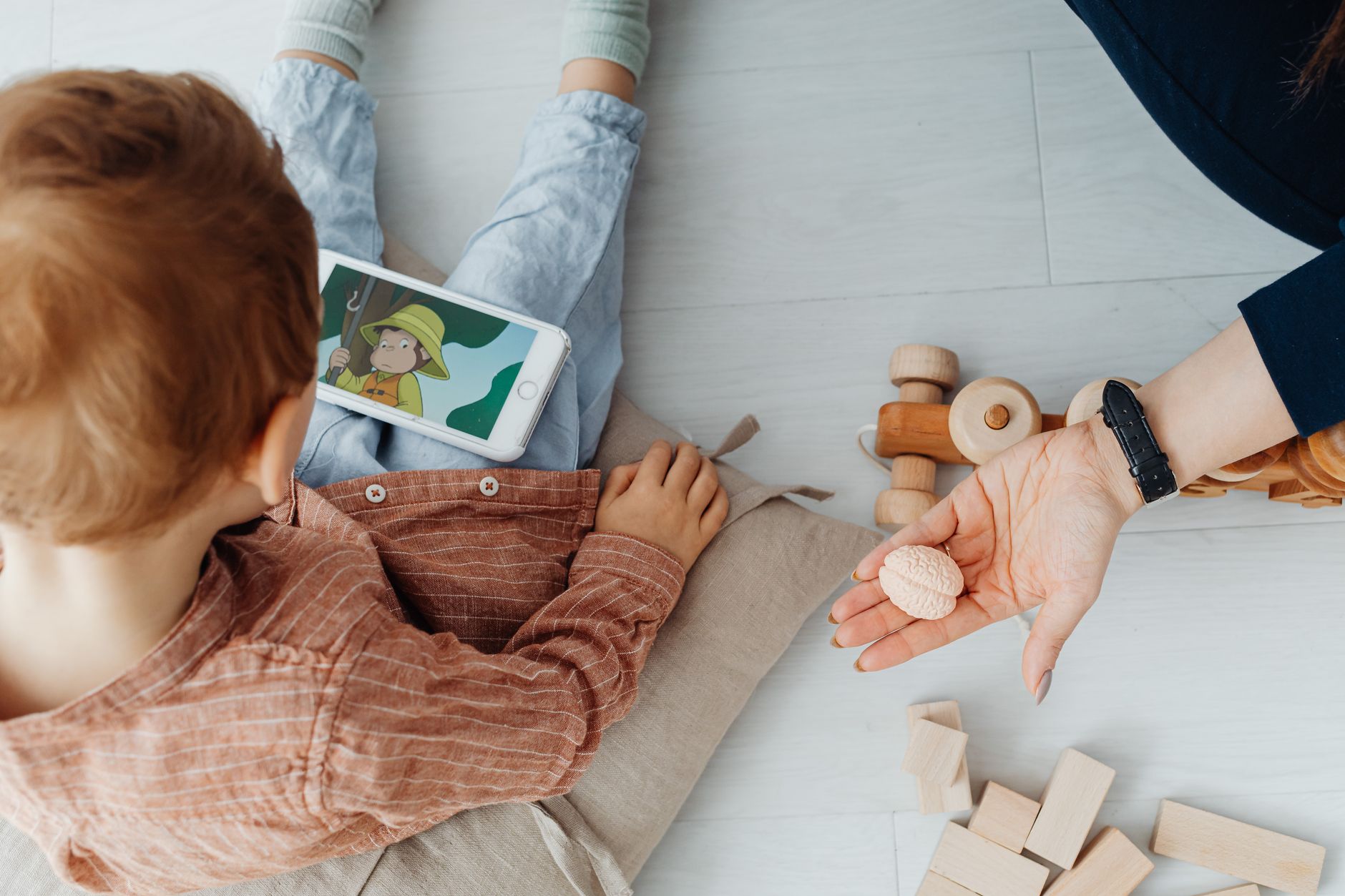
Pros and cons of the Ms. Rachel screen time debate for preschoolers
Below is a concise overview of the benefits and drawbacks that parents and experts commonly cite.
Balancing these points helps you decide whether Ms. Rachel’s approach aligns with your family’s goals.
It’s also worth noting that the “pros” often hinge on parental involvement. A study from the National Institute of Child Health and Human Development (NICHD) found that co‑viewed educational videos were associated with a 12% increase in early vocabulary scores, whereas solitary viewing showed no measurable benefit.
How to balance Ms. Rachel screen time advice with other parenting philosophies
Ms. Rachel is one voice among many—other influencers like Dr. Becky, the Montessori community, and “free‑play” advocates each have distinct ideas about media. Here’s a practical framework for integrating multiple perspectives:
- Identify your core values. Do you prioritize academic enrichment, emotional regulation, or free exploration?
- Map overlapping guidelines. For example, both Ms. Rachel and Montessori emphasize short, purposeful sessions.
- Customize the schedule. If a free‑play philosophy suggests “no screens before 3 pm,” you might shift Ms. Rachel’s videos to the morning slot.
- Re‑evaluate regularly. As your child grows, revisit the limits—what works at 2 years may differ at 4 years.
- Seek professional input. When in doubt, ask your pediatrician or a child‑development specialist.
By treating Ms. Rachel’s guidance as a flexible tool rather than a rigid rule, you can blend it with other methods and create a personalized screen‑time plan that feels right for your family.
Remember that parenting philosophies often overlap more than they clash. The “screen‑free after dinner” rule championed by many free‑play groups aligns perfectly with Ms. Rachel’s recommendation to end video sessions before bedtime, reinforcing healthy sleep hygiene.
Screen time and language development: what the research shows
One of the most frequently asked questions is whether brief, high‑quality videos truly boost language skills. A 2022 meta‑analysis published in *Pediatrics* examined 28 studies covering 4,000 children aged 12‑48 months. The authors found that children exposed to co‑viewed, educational video content for 15‑30 minutes per day showed modest gains—about 0.2‑0.4 standard deviations—in expressive vocabulary compared with peers who had no screen exposure.
However, the same analysis warned that the benefit disappears when videos are watched alone or when total screen time exceeds 60 minutes per day. The key takeaway is that intentional, interactive viewing can be a supplemental language tool, not a replacement for talking, reading, and real‑world interaction.
These findings echo the AAP’s 2022 policy that recommends “joint media engagement” as a strategy to enhance language and social development.
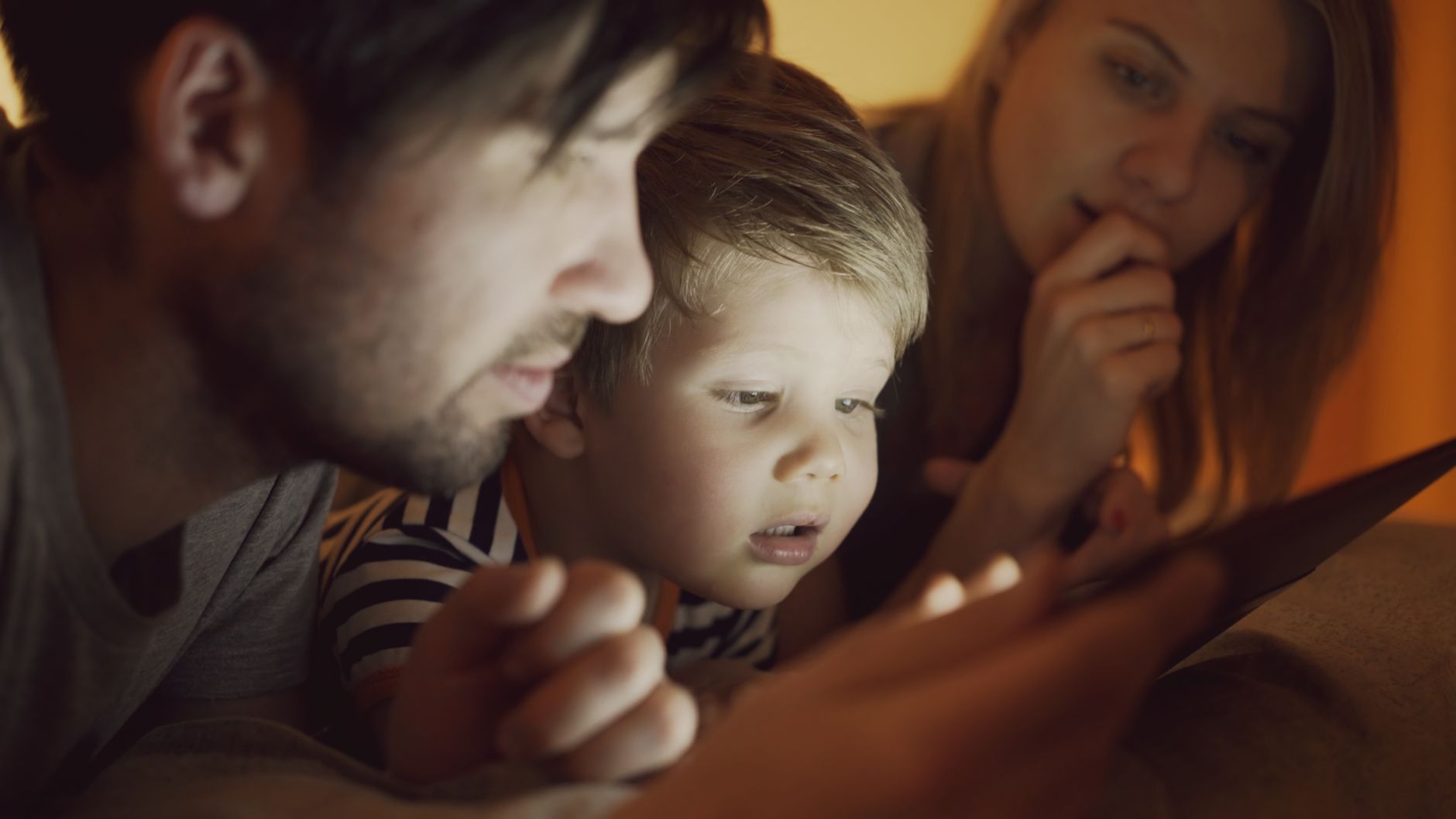
Digital safety: protecting your child’s privacy while using Ms. Rachel videos
Even when the content is educational, parents worry about data collection and ad exposure. The Federal Trade Commission (FTC) advises that most free video platforms collect location data, device identifiers, and viewing habits, which can be used for targeted advertising.
To safeguard your child’s privacy, consider these steps:
- Enable “restricted mode” on YouTube Kids, which filters out inappropriate content and limits data sharing.
- Use a separate, password‑protected account for your child’s viewing, avoiding personal email addresses.
- Turn off personalized ads in your device settings, or use a reputable ad‑blocking solution that complies with FTC guidelines.
- Regularly review the app’s privacy policy—look for statements about not selling data to third parties.
In the UK, the NHS Digital Service provides a “Screen Time Safety Checklist” that aligns with the above steps, reinforcing that digital safety is an integral part of any screen‑time plan.
By taking these precautions, you can enjoy the educational benefits of Ms. Rachel’s videos without compromising your family’s data security.
Screen time and sleep: how evening viewing can affect bedtime
One of the most common red flags parents encounter is a child who resists bedtime after a screen session. The AAP’s 2023 policy brief on “Media Use and Sleep” notes that exposure to blue‑light‑emitting screens within one hour of bedtime can suppress melatonin production, delaying sleep onset by up to 30 minutes.
To minimize sleep disruption:
- Schedule the last video at least 60 minutes before the child’s regular bedtime.
- Choose “night‑mode” settings on the device, which reduce blue‑light intensity.
- Follow the video with a calming, non‑screen activity—such as a bedtime story or gentle stretching.
- Keep the bedroom a screen‑free zone, consistent with the “screen‑free zones” tip above.
Research from the CDC’s 2022 “Children’s Sleep and Media” report found that families who adhered to a “no screens after 7 p.m.” rule had a 20% lower incidence of bedtime resistance among 3‑ to 5‑year‑olds.
Myth vs. fact
Myth: Any screen time is bad for toddlers.
Fact: Short, high‑quality, co‑viewed videos (under 30 minutes) can support language and cognitive development when they do not replace active play.
Myth: Ms. Rachel’s recommendations are “one‑size‑fits‑all.”
Fact: Her guidelines are meant to be adapted; families with different routines, cultural values, or developmental needs may adjust the minutes and content.
Myth: The only safe screen content is “educational.”
Fact: Even entertainment content can be safe if it is brief, age‑appropriate, and paired with discussion. The key is intentionality, not just the label.
Key takeaways
- Ms. Rachel recommends 15‑20 minutes of high‑quality video for toddlers (12‑24 months) and up to 30‑45 minutes for preschoolers.
- Her limits align with the AAP’s emphasis on co‑viewing and the WHO’s hour‑max rule, though the AAP remains stricter for toddlers.
- Scientific evidence suggests short, purposeful screen exposure is less harmful than prolonged, passive viewing.
- Practical strategies include timers, pre‑approved content lists, screen‑free zones, and post‑video activities.
- Critics worry about overreliance and potential attention‑span impacts, but most agree that parental involvement mitigates risk.
- Blend Ms. Rachel’s advice with other philosophies by focusing on shared values and regularly reviewing the plan.
- Protect digital privacy by using restricted mode, separate accounts, and ad‑blocking tools.
- Keep screen time away from bedtime to preserve healthy sleep patterns.
Frequently asked questions
What does Ms. Rachel say about screen time for toddlers?
Ms. Rachel advises 15‑20 minutes per day of carefully chosen, age‑appropriate videos, split into two short sessions, with parents actively engaging the child during and after the clip.
Is the screen‑time limit suggested by Ms. Rachel safe?
Yes, when the limit stays under 30 minutes for toddlers and is paired with co‑viewing and active play, it aligns with current AAP and WHO guidance that emphasizes quality over quantity.
How many minutes of screen time per day is recommended by Ms. Rachel?
She recommends 15‑20 minutes for children 12‑24 months and 30‑45 minutes for preschoolers (2‑5 years), broken into short, purposeful sessions.
What are the main arguments in Ms. Rachel’s screen time debate?
Supporters argue that brief, educational videos can aid language and provide calm moments; critics worry that any screen exposure may reduce playtime and affect attention, especially without parental involvement.
How can parents enforce Ms. Rachel’s screen time guidelines?
Use a timer, create a media schedule, set screen‑free zones, co‑view content, and replace each video with a hands‑on activity. Consistency and clear expectations are essential.
Do experts agree with Ms. Rachel’s screen time recommendations?
Most pediatric experts agree that short, high‑quality screen time is acceptable if it does not replace active play, sleep, or face‑to‑face interaction. However, some maintain stricter “zero‑screen” policies for toddlers.
Can screen time affect my child’s eye health?
Extended close‑up viewing can cause temporary eye strain, especially in low‑light environments. The American Academy of Ophthalmology recommends the 20‑20‑20 rule—every 20 minutes, look at something 20 feet away for 20 seconds—to reduce strain. For toddlers, keep sessions under 30 minutes and ensure the device is held at a comfortable distance.
What are good alternatives to screen time on a rainy day?
Rainy days are perfect for indoor sensory play. Try a “quiet box” filled with safe objects (soft fabric, wooden blocks, magnetic letters), a simple baking activity, or a storytelling session using picture books. These options promote fine‑motor skills and language without digital exposure.
When to see a doctor or specialist
If your child shows any of the following, schedule a pediatric appointment promptly:
- Persistent difficulty sleeping that coincides with screen use.
- Reduced interest in physical play or outdoor activities.
- Language delays or regression after increased screen exposure.
- Signs of attention‑deficit behaviors (e.g., constant restlessness) that seem linked to screen time.
- Any concerns about vision, such as squinting or excessive eye strain.
A pediatrician can assess developmental milestones, rule out underlying conditions, and provide personalized screen‑time recommendations. This article is for informational purposes only and does not replace professional medical advice.
References
- American Academy of Pediatrics. “Media and Young Minds.” Pediatrics, 2022.
- World Health Organization. “Guidelines on Physical Activity, Sedentary Behaviour and Sleep for Children Under 5 Years of Age.” WHO, 2020.
- American Academy of Child & Adolescent Psychiatry. “Screen Time and Children.” APA, 2021.
- Harvard T.H. Chan School of Public Health. “Digital Media Use and Child Development.” 2023.
- National Institute of Child Health and Human Development. “Early Childhood Development.” NIH, 2022.
- Family Media Research Council. “The Impact of Co‑Viewing on Child Learning.” 2021.
- Centers for Disease Control and Prevention. “Child Development Basics.” CDC, 2023.
- Society for Research in Child Development. “Screen Time and Executive Function.” 2022.
- American Psychological Association. “Parenting in the Digital Age.” APA, 2023.
- Mayo Clinic. “Screen Time: How Much is Too Much?” Mayo Clinic, 2022.
- Federal Trade Commission. “Children’s Online Privacy Protection Act (COPPA) Guidance.” FTC, 2023.
- American Academy of Ophthalmology. “Computer Vision Syndrome.” AAO, 2022.
- National Institute of Diabetes and Digestive and Kidney Diseases. “Screen Time Recommendations for Children.” NIH, 2022.
- National Institute of Mental Health. “Screen Time and Sleep.” NIMH, 2022.
- British National Health Service. “Screen time and your child.” NHS, 2023.



