Quick take: California offers up to 8 weeks of Paid Family Leave (PFL) for new mothers, plus up to 8 weeks of State Disability Insurance (SDI) for pregnancy‑related medical leave. Together, eligible workers can receive roughly 70 % of their weekly wages (capped at $1,620 in 2026) while keeping their job and health benefits. Employers must give notice, maintain benefits, and protect your position, and the same rules apply to adoptive parents, surrogates, and eligible self‑employed workers.
Imagine sitting in a quiet prenatal class, heart racing as the instructor asks, “What happens if you need more time off after birth?” You’ve already Googled “maternity leave California,” but the answers feel scattered and legal‑jargon heavy. You’re not alone—many women, partners, and small‑business owners feel the same way. This guide cuts through the confusion, laying out exactly what California’s maternity‑leave landscape looks like in 2026, how it interacts with federal rules, and what steps you need to take to protect your paycheck and your job.
In the next sections you’ll discover the specific benefits you can claim, the eligibility checklist you’ll need, how long the paid leave lasts, how much money you’ll receive, and the exact responsibilities your employer has. We’ll also compare the state programs to the federal Family and Medical Leave Act (FMLA), explain how adoption, surrogacy, and self‑employment fit in, and give you a clear, step‑by‑step plan for filing a claim. By the end, you’ll have a practical roadmap you can share with HR, a partner, or a trusted advisor.
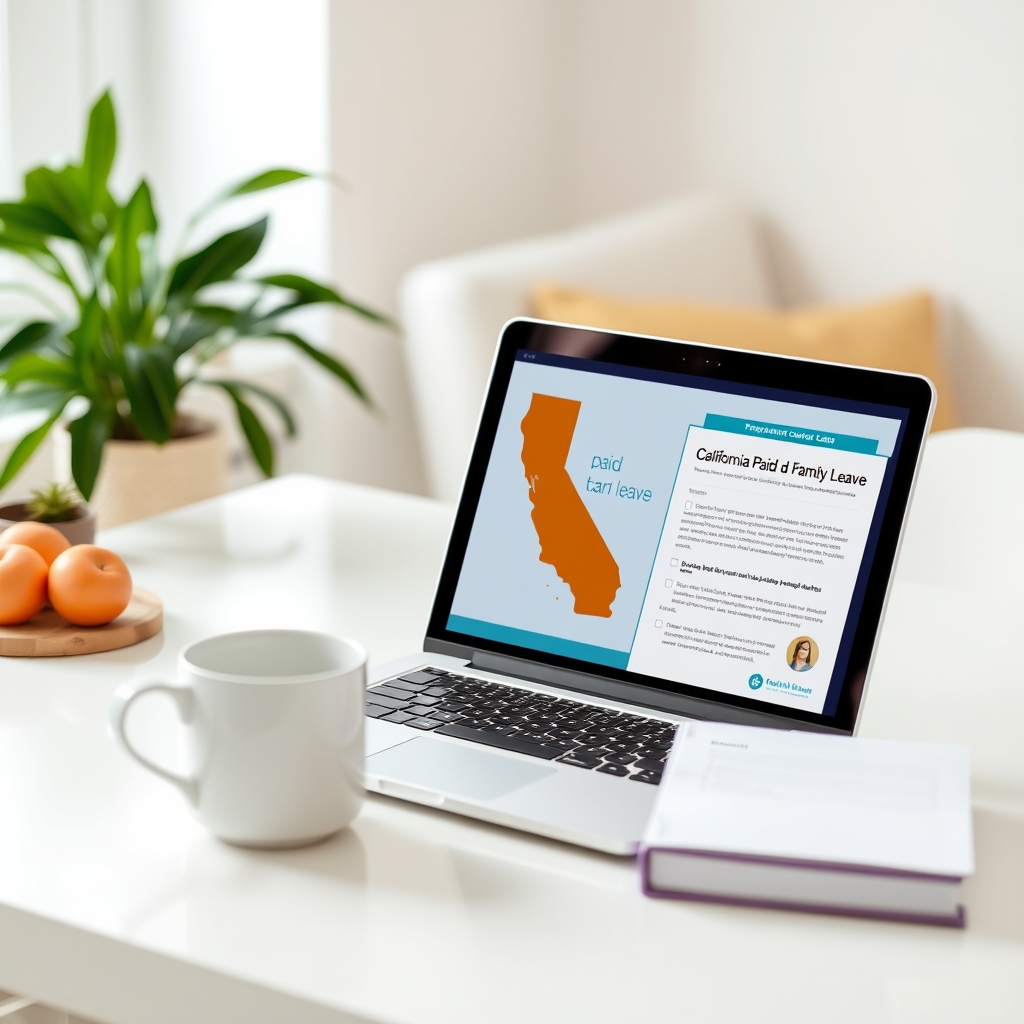
What are the maternity leave benefits for employees in California in 2026?
California’s maternity‑leave benefits come from two overlapping programs:
- State Disability Insurance (SDI) – provides up to 8 weeks of partial wage replacement for pregnancy‑related medical conditions, such as prenatal care, delivery, and recovery.
- Paid Family Leave (PFL) – offers up to 8 weeks of wage replacement to bond with a new child, whether you’re the birth mother, adoptive parent, or surrogate.
When combined, you can potentially receive up to 16 weeks of paid time off, though the two programs cannot be taken simultaneously. SDI pays first for the medical portion of the leave; once you’re cleared to return to work, PFL can begin to cover bonding time. In 2026, the maximum weekly benefit is $1,620, which is approximately 70 % of your average weekly earnings, subject to a cap.
Beyond wage replacement, California law requires employers to continue group health insurance coverage during both SDI and PFL periods, and to maintain your accrued vacation and sick leave (though you may be asked to use them first, see the “vacation time” FAQ later). Additionally, many employers provide a “top‑up” benefit that bridges the gap between the state‑provided cap and your full salary, but those supplemental benefits are voluntary and vary widely by industry.
Eligibility checklist for employee benefits
- At least 18 years old and able to work.
- Earned at least $300 in wages subject to SDI in the base period.
- Paid into the State Disability Insurance program through payroll deductions.
- Have a medical provider certify pregnancy‑related disability (for SDI) or a family relationship to the child (for PFL).
How long does California paid family leave cover for new mothers?
Paid Family Leave (PFL) in California provides up to 8 weeks of benefits per qualifying event. The leave must be taken within 12 months of the child’s birth, adoption, or placement through surrogacy. You can use the full 8 weeks consecutively, or split them into smaller blocks (for example, 4 weeks immediately after birth and 4 weeks later) as long as the total does not exceed 8 weeks.
If you qualify for both SDI and PFL, you could effectively have up to 16 weeks of paid leave—8 weeks of SDI for medical recovery, followed by up to 8 weeks of PFL for bonding. Some employers offer additional “company‑paid” maternity leave that can be layered on top of the state programs, but those benefits are at the employer’s discretion.
It’s worth noting that the 12‑month window for PFL is flexible: you may start the leave as early as the day you give birth, or you can wait a few weeks to align with your partner’s work schedule. The key is to keep documentation of the child’s birth or placement date, as the state may request proof during claim processing.
What are the eligibility requirements for California maternity leave and Paid Family Leave?
Eligibility differs slightly between SDI (medical leave) and PFL (bonding leave), but the core requirements are similar.
SDI eligibility
- Must be employed or self‑employed and have paid SDI taxes.
- Must have a qualifying medical condition related to pregnancy, confirmed by a physician.
- Must have earned at least $300 in the base period (the 12 months before your claim).
PFL eligibility
- Same wage and contribution requirements as SDI.
- Must be caring for a newborn (within 12 months of birth), a newly adopted child, or a child placed through surrogacy.
- Self‑employed workers can opt into the State Disability Insurance program (through the “Self‑Employed” option) to become eligible for PFL.
Both programs require you to file a claim within 30 days of the start of your leave, though extensions are possible if you miss the deadline due to a medical emergency.
What’s the difference between California maternity leave and the federal FMLA?
The Federal Family and Medical Leave Act (FMLA) guarantees up to 12 weeks of unpaid, job‑protected leave for qualifying reasons, including the birth and care of a newborn. California’s state programs are more generous in two key ways:
Because California’s programs are paid, many workers use them in conjunction with the unpaid federal leave. For example, you might take 8 weeks of SDI, then transition into 4 weeks of unpaid FMLA if you need additional time beyond the state‑paid benefits. The two systems are cumulative, not mutually exclusive, which can extend total protected time while preserving income.
How do I apply for California State Disability Insurance maternity benefits?
Filing an SDI claim involves a few straightforward steps, but timing and documentation are crucial.
- Obtain a medical certification. Your obstetrician or midwife must complete the “Medical Certification for Pregnancy” form (EDD‑3405). This includes your expected delivery date, any complications, and the recommended post‑delivery recovery period.
- Gather your earnings information. You’ll need recent pay stubs or a W‑2 to prove you earned at least $300 in the base period.
- Complete the online claim. Log in to the California Employment Development Department (EDD) portal (edd.ca.gov) and select “Disability Insurance – Pregnancy.” Upload the medical certification and earnings documents.
- Submit within 30 days. The claim must be filed within 30 days of the first day you’re unable to work. Late filings may be accepted only with a valid medical reason.
- Receive benefits. If approved, you’ll receive a weekly benefit payment (usually via direct deposit) for up to 8 weeks, beginning after a 7‑day waiting period.
Self‑employed individuals who have opted into the SDI program follow the same steps, but they must also submit quarterly contributions to maintain coverage. It’s wise to keep a copy of every document you upload, as the EDD may request additional verification within the first two weeks of processing.
What must employers provide under California maternity leave law?
California law places several clear obligations on employers, regardless of size.
- Notice requirements. Employers must display the “California Family Rights Act (CFRA) & Paid Family Leave” poster in a conspicuous place and provide employees with a written notice of rights within 30 days of hire.
- Job protection. Employees taking SDI or PFL are entitled to return to the same or a comparable position, with the same salary, benefits, and seniority.
- Continuation of health benefits. Group health insurance must be maintained during the leave, with the employee continuing to pay the same share of premiums.
- Accrual of vacation and sick leave. While on leave, employees continue to accrue vacation and sick leave, and many employers require you to use accrued paid time before PFL benefits begin (though this varies).
- Reasonable accommodations. Employers must engage in an interactive process if you need modifications to return to work after medical leave.
Failure to comply can result in penalties from the California Labor Commissioner’s Office and potential civil litigation. For small businesses, the California Department of Fair Employment and Housing (DFEH) offers a free “Employer Toolkit” that outlines templates for notices, record‑keeping forms, and a step‑by‑step compliance checklist.
What is the California maternity leave wage replacement rate and duration in 2026?
Both SDI and PFL use the same wage‑replacement formula: 70 % of your highest‑earning quarter in the base period, up to a weekly maximum of $1,620 (2026). The duration differs:
If you have a high income that exceeds the cap, you’ll receive the maximum amount, and the shortfall is not covered by the state program. Some employers offer supplemental “top‑up” policies that bridge the gap, but those are optional.
How does California protect job security during maternity leave?
Job security is anchored in two state statutes: the California Family Rights Act (CFRA) and the California Pregnancy Disability Leave (PDL) law. Together, they guarantee:
- Return to the same or a comparable position after your leave ends.
- Maintenance of seniority, benefits, and accrual of vacation/sick time.
- Protection against retaliation, discrimination, or adverse employment actions related to taking leave.
If you discover that your employer has violated these protections—such as refusing to reinstate you or altering your job duties—you can file a complaint with the California Department of Fair Employment and Housing (DFEH) or the Labor Commissioner.
How do California maternity leave policies compare for mothers, fathers, and adoptive parents?
California’s PFL program is gender‑neutral. Both mothers and fathers (or any qualifying parent) can claim up to 8 weeks of bonding leave. Adoptive parents and parents through surrogacy are equally eligible, provided the child is placed within the first 12 months of birth (or the adoption is finalized).
- Biological mothers often combine SDI (medical) and PFL (bonding) for a total of up to 16 weeks.
- Biological fathers can claim the full 8 weeks of PFL, but they are not eligible for SDI unless they have a pregnancy‑related disability (which is rare).
- Adoptive parents receive the 8 weeks of PFL, but no SDI, as there is no medical disability.
- Surrogacy parents are treated the same as adoptive parents for PFL eligibility.
Self‑employed workers who have opted into SDI can also claim PFL, making the benefits accessible beyond traditional employer‑employee relationships.
Can self‑employed workers claim California paid family leave?
Yes. The California Self‑Employed SDI (SES) program allows freelancers, gig workers, and small‑business owners to contribute voluntarily to the State Disability Insurance fund. Once enrolled, you gain the same PFL eligibility as traditional employees, provided you meet the earnings threshold.
To enroll, you must:
- Register with the Employment Development Department as a self‑employed individual.
- Make quarterly contributions based on your net earnings (minimum $300 per quarter).
- Maintain consistent contributions to stay eligible for benefits.
After enrollment, you can file a PFL claim using the same online portal and receive the same weekly benefit amount.
What documentation is needed for a California maternity leave claim?
Both SDI and PFL require specific paperwork:
- Medical certification (SDI only). Completed by your health provider, confirming pregnancy, expected delivery date, and any complications.
- Proof of relationship (PFL). Birth certificate, adoption decree, or surrogacy agreement showing your legal parenthood.
- Employment verification. Recent pay stubs, W‑2s, or a statement of earnings to prove you meet the $300 threshold.
- Claim form. The online SDI/PFL claim (EDD portal) includes sections for personal information, employer details, and benefit selection.
Keep copies of all documents for your records. Missing paperwork is the most common reason claims are delayed or denied.
Does California maternity leave cover adoption and surrogacy?
Yes. California’s PFL program explicitly includes adoption and surrogacy. The same 8‑week benefit applies, and you do not need a pregnancy‑related disability. The only requirement is that the child be placed with you within the first 12 months of birth (or adoption finalization). You’ll still need to provide legal documentation (adoption decree or surrogacy agreement) when you file your claim.
How does California maternity leave affect unemployment benefits?
While you’re receiving SDI or PFL payments, you are not eligible for unemployment insurance (UI) because the state treats those benefits as “employment‑related wages.” However, if you exhaust both SDI and PFL and still need additional time off, you may then apply for UI, but only after a waiting period and if you meet the UI eligibility criteria (e.g., sufficient earnings in the base period).
What are the tax implications of California paid family leave?
Paid Family Leave benefits are considered taxable income at the federal level, but they are not subject to California state income tax. Your employer will issue a Form 1099‑G if you receive more than $600 in a calendar year. You may choose to have federal tax withheld from each payment, or you can make estimated tax payments to avoid a large bill at tax time.
California maternity leave and small business compliance checklist
Small businesses often wonder how to stay compliant without overwhelming administrative burden. Below is a concise checklist:
- Display the CFRA/PDL poster and provide the employee rights notice.
- Verify that each employee has contributed to SDI (payroll deductions).
- Maintain accurate records of hours worked, wages, and leave taken.
- Continue group health insurance benefits during leave.
- Develop a written policy that outlines how vacation, sick leave, and PFL interact.
- Train managers on the interactive process for returning employees.
- Track leave usage to ensure you do not exceed the statutory maximums.
Following this checklist helps avoid penalties and demonstrates good‑faith compliance.
Coordinating California maternity leave with employer‑provided paid parental leave
Many employers in California offer “paid parental leave” or “top‑up” policies that supplement the state’s SDI and PFL benefits. When both exist, the usual order is:
- Use SDI for the medically necessary recovery period (up to 8 weeks).
- Apply any employer‑provided paid parental leave that may begin either concurrently with SDI or immediately after, depending on company policy.
- Activate PFL for the bonding period once SDI ends, unless the employer’s top‑up covers the entire bonding timeframe.
It’s essential to read your employer’s policy carefully, as some top‑up plans require you to first exhaust SDI and PFL before they kick in. If you’re unsure, ask HR for a written summary that outlines the interaction between state benefits and company benefits.
Maternity leave and mental health: support and resources
Adjusting to parenthood can be emotionally intense, and the transition back to work adds another layer of stress. The American Psychological Association (APA) recommends that new parents monitor mood changes, maintain social support, and consider professional counseling if feelings of anxiety or depression persist beyond two weeks postpartum.
California offers several low‑cost mental‑health resources: the state’s Department of Mental Health provides a 24/7 crisis line (1‑800‑988‑8900), and many health plans cover perinatal counseling under the Affordable Care Act’s mental‑health parity rules. If you notice symptoms such as persistent sadness, loss of interest, or intrusive thoughts about harming yourself or your baby, seek help immediately—your OB‑GYN, a therapist, or the nearest emergency department.
Myth vs. fact
Myth: California’s maternity leave is completely paid for the entire duration of pregnancy and postpartum recovery.
Fact: Only up to 8 weeks of medical leave (SDI) and up to 8 weeks of bonding leave (PFL) are paid. Any additional time off is typically unpaid unless your employer offers supplemental benefits.
Myth: You must use all accrued vacation time before you can start PFL.
Fact: Employers may request that you use accrued paid leave first, but they cannot force you to exhaust vacation before accessing state‑paid benefits. Check your company’s policy.
Myth: Self‑employed workers cannot access any paid family leave.
Fact: By opting into the Self‑Employed SDI program, freelancers and gig workers can qualify for the same PFL benefits as traditional employees.
Key takeaways
- California provides up to 8 weeks of SDI (medical) and 8 weeks of PFL (bonding) for a total of potentially 16 weeks of paid leave.
- Benefits replace roughly 70 % of wages, capped at $1,620 per week in 2026.
- Eligibility requires $300 in earnings and contributions to SDI; self‑employed workers can opt in.
- Employers must maintain health benefits, protect your job, and provide proper notice.
- Adoptive parents, surrogates, and fathers are equally eligible for PFL.
- Claims require medical certification (SDI) and proof of parent‑child relationship (PFL); file within 30 days.
Frequently asked questions
How many weeks of paid maternity leave does California offer?
California offers up to 8 weeks of State Disability Insurance for pregnancy‑related medical leave and up to an additional 8 weeks of Paid Family Leave for bonding, for a combined potential of 16 weeks of paid time off.
Do I have to use my vacation time before taking maternity leave in California?
Employers may ask you to use accrued paid leave first, but they cannot force you to exhaust vacation before you access state‑paid SDI or PFL benefits. Review your company’s specific policy for details.
Can I extend my California maternity leave beyond the standard period?
Yes, you can combine SDI, PFL, and any employer‑provided leave. If you need additional time after the 16 weeks, you may request unpaid leave under the federal FMLA (up to 12 weeks total) or negotiate a flexible work arrangement with your employer.
What happens to my health insurance while I'm on maternity leave in California?
Your group health insurance must be continued at the same premium rate during both SDI and PFL periods. Your employer cannot drop coverage, and you remain eligible for any employer‑offered health plans.
Is my job protected if I take maternity leave under California law?
Yes. Both the California Pregnancy Disability Leave (PDL) and the California Family Rights Act (CFRA) guarantee that you can return to the same or a comparable position, with the same salary and benefits, after your leave ends.
How does California's Paid Family Leave differ from the federal FMLA?
California’s PFL is a paid benefit (≈ 70 % of wages) for up to 8 weeks, while the federal FMLA provides up to 12 weeks of unpaid, job‑protected leave. Eligibility thresholds also differ: California requires $300 in earnings and SDI contributions, whereas FMLA requires 1,250 hours worked in the past 12 months.
Can self‑employed workers claim California paid family leave?
Yes. By enrolling in the Self‑Employed SDI program and making the required contributions, freelancers and gig workers become eligible for the same PFL benefits as traditional employees.
Can I use my accrued sick leave during the Paid Family Leave period?
Yes, you may use accrued sick or vacation leave before PFL begins if your employer’s policy requires it. However, using sick leave does not affect your eligibility for state‑paid benefits; it simply reduces the amount of unpaid leave you might need.
What if my employer has fewer than five employees—am I still covered?
California’s SDI and PFL programs apply to all private employers with at least one employee, regardless of size. Even a sole‑proprietor with one staff member must provide the required notices and continue health benefits during leave.
When to see a specialist / attorney
While maternity‑leave information is not a medical diagnosis, certain situations call for professional advice:
- If your employer refuses to continue health insurance or threatens your job during leave, consult an employment attorney.
- If you experience a pregnancy‑related complication that may affect your eligibility for SDI, speak with your obstetrician and a disability‑claims specialist.
- If you suspect discrimination based on pregnancy, gender, or family status, contact the California Department of Fair Employment and Housing (DFEH).
- If you’re unsure about tax withholding on PFL benefits, seek guidance from a certified public accountant (CPA) familiar with California tax law.
These resources can help you protect both your financial well‑being and your legal rights.
References
- California Employment Development Department (EDD). “Paid Family Leave (PFL) Program.” 2026. https://edd.ca.gov/Disability/PFL.htm
- California Employment Development Department (EDD). “State Disability Insurance (SDI) – Pregnancy.” 2026. https://edd.ca.gov/Disability/SDI_Pregnancy.htm
- U.S. Department of Labor. “Family and Medical Leave Act (FMLA).” Updated 2024. https://www.dol.gov/agencies/whd/fmla
- National Partnership for Women & Families. “California’s Family Leave Laws.” 2025. https://www.npwa.org/california-family-leave
- American College of Obstetricians and Gynecologists (ACOG). “Maternity Leave: Clinical Guidance.” 2023. https://www.acog.org/clinical
- California Department of Fair Employment and Housing (DFEH). “Pregnancy Discrimination.” 2024. https://www.dfeh.ca.gov/pregnancy-discrimination
- Internal Revenue Service (IRS). “Taxability of Paid Family Leave Benefits.” 2024. https://www.irs.gov/faqs
- Harvard T.H. Chan School of Public Health. “Paid Parental Leave and Maternal Health.” 2022. https://www.hsph.harvard.edu
- U.S. Census Bureau. “California Business Size and Employment Statistics.” 2025. https://www.census.gov
- American Psychological Association (APA). “Postpartum Depression: Clinical Guidelines.” 2023. https://www.apa.org
- California Department of Fair Employment and Housing (DFEH). “Employer Toolkit for Leave Compliance.” 2025. https://www.dfeh.ca.gov/toolkit



