Yes, occasional hard stools are normal, but true constipation shows signs like fewer than three poops a week, hard pellets, and baby discomfort. Learn to spot.
By Shubhra Mishra — a mom of two who turned her own confusion during pregnancy into BumpBites, a global mission to make food choices clear, safe, and stress-free for every expecting mother. 💛
Check whether any food is safe during pregnancy with the BumpBites Food Safety Checker.
Quick take: Most babies have irregular poop patterns, and occasional hard stools are often harmless. If your little one shows signs of pain, goes more than three days without a bowel movement, or has blood in the stool, it’s time to check with a pediatrician.
It’s 2 a.m., you’re rocking your newborn, and you notice his tiny bottom looks a little tighter than usual. A quick glance at the diaper reveals a few hard, pebble‑like pellets instead of the usual soft, mustard‑colored messes you’ve come to expect. Your mind races: “Is my baby constipated?” You’re not alone—many parents wonder whether a change in stool is a red flag or just a normal part of early development.
🔢 Calculate it for your situation: Use our Baby Constipation for a personalized result in seconds.
In this guide we’ll break down what “normal” looks like for a baby’s bowel movements, how to spot genuine constipation, and what you can safely try at home before dialing the pediatrician. We’ll also give you tools to track patterns, explain why certain foods or formulas matter, and highlight the warning signs that need professional care. By the end you’ll have a clear roadmap for soothing your baby’s tummy while feeling confident that you’re doing the right thing.
We’ll cover everything from poop frequency to stool color, dietary tweaks, gentle massage techniques, and the medical options that doctors may recommend. If you ever feel unsure, remember that you’re doing the best you can—your intuition, paired with solid information, will guide you toward the right next step.
What a normal bowel pattern looks like in newborns and infants
Newborns have a wide range of “normal” when it comes to pooping. In the first few days after birth, babies pass meconium—a thick, tar‑like substance that’s rich in bilirubin and looks almost black. Within 24‑48 hours it transitions to a softer, mustard‑yellow stool if the baby is breastfed, or a greener, more mucous‑laden stool if formula‑fed.
After the meconium phase, the frequency and texture of stools can vary dramatically. Some infants poop after every feeding, while others may go once every two or three days. Both patterns are typically harmless as long as the baby is feeding well, gaining weight, and seems comfortable. The NHS notes that “variations in stool frequency are normal in the first year, especially as babies transition to solids.”
Key indicators of a healthy bowel movement include:
Frequency: Anywhere from 3–4 times a day to once every 2–3 days.
Consistency: Soft, easy to pass, resembling a banana mash (breastfed) or a firmer, peanut‑butter consistency (formula).
Color: Yellow‑golden to brown in breastfed babies; tan to light brown in formula‑fed infants. Small green or orange tints are normal after certain foods.
Odor: Mildly sweet in breastfed babies; stronger, “formula‑like” in bottle‑fed.
Understanding these benchmarks helps you differentiate a routine variation from a potential problem. Keep an eye on your baby’s overall mood and growth—those are the best signs that the digestive system is on track.
In addition to stool characteristics, tracking your baby’s weight percentile on a growth chart can reassure you that nutrition is adequate. If weight gain stays steady while stools vary, it’s usually a sign that the digestive system is adapting rather than failing.
Typical poop frequency by age
Age
Typical Poops per Day
Typical Stool Description
First week
3–5
Meconium transitioning to yellow, seedy
1–2 weeks
2–4
Soft, mustard‑yellow (breastfed) or tan (formula)
1 month
1–3
Banana‑like (breastfed) or firmer, pale brown (formula)
2–3 months
1–2
Similar to 1 month, may become more formed
4–6 months
1–2
More solid, may show tiny pellets if diet changes
6–12 months
1 per day to every other day
Soft to firm, may contain bits of soft fruit or cereal
These ranges are not strict rules; each baby is unique. The goal is to watch for signs of discomfort, not just count the number of diapers.
Signs that may indicate constipation in babies
Const
ipation isn’t just about fewer poops—it’s about the baby’s experience. Look for these clues that suggest the baby is struggling to pass stool:
Hard, pellet‑like stools: Small, rock‑hard pieces that are difficult to pass.
Straining or prolonged crying during diaper changes: The baby may arch their back, grip the sheets, or grimace.
Abdominal bloating or a firm belly: The tummy may feel harder than usual to the touch.
Decreased appetite or fussiness after feedings: The baby may seem unsettled because a full gut can make them uncomfortable.
Blood in the stool or on the diaper: Tiny red specks often signal tiny tears from hard stools.
Reduced wet diapers: While not always a sign of constipation, a sudden drop in urine output can accompany dehydration, which worsens constipation.
The American Academy of Pediatrics (AAP) reminds parents that “painful bowel movements are a red flag, even if the stool frequency appears normal.” In practice, you’ll notice a pattern of discomfort that lasts longer than a typical fidgeting episode. If your baby is unusually irritable after feeds, or you hear a “grunting” sound during diaper changes, it’s worth investigating further.
Pre‑term infants may have less mature gut motility, so the signs can appear subtly. Slightly firmer stools or longer intervals are common, but persistent abdominal tension should still trigger a conversation with your neonatologist.
Common causes of constipation in newborns and infants
Understanding why constipation happens can point you toward the most effective solution. Below are the most frequent triggers:
Formula composition: Some formulas contain higher levels of casein or iron, which can be harder to digest and may lead to firmer stools.
Dehydration: Insufficient fluid intake, especially in older infants who are starting solids, can make stools dry.
Low‑fiber diet: Introducing solid foods that are low in fiber—like rice cereal or bananas—without enough water can slow bowel transit.
Transition to solids: The gut needs time to adapt to new textures; sudden changes can temporarily disrupt regularity.
Medication side effects: Certain prescription drugs, such as antihistamines, can reduce intestinal motility.
Medical conditions: Rarely, issues like hypothyroidism, Hirschsprung disease, or a structural blockage can cause chronic constipation.
Iron‑fortified formulas are a common culprit; the FDA notes that iron can bind with other nutrients and slow stool passage. Most cases are linked to diet or fluid balance, and a few simple adjustments often restore normal bowel movements.
Breastfeeding frequency also matters. Babies who nurse on demand usually have more regular intestinal contractions, while longer stretches between feeds can lead to firmer stools. If you’re supplementing with formula, consider offering smaller, more frequent feeds to mimic the natural rhythm.
Typical breast‑fed stool appears soft and yellow—this visual helps you spot differences.
When a variation is just that—and when it signals a medical issue
Babies can have irregular patterns without any underlying problem. However, some red‑flag signs require prompt medical attention:
Persistent hard stools for more than a week despite home measures.
Vomiting, especially projectile, or refusing to eat which may indicate a blockage.
Significant abdominal swelling that feels like a balloon.
Blood that isn’t just tiny specks or mucus in the stool.
Failure to gain weight or lose weight while other growth markers are normal.
Fever or lethargy accompanying bowel changes, suggesting infection.
Developmental milestones can also affect stool patterns. Around 4–6 months, many infants begin to sit up and may swallow more air, leading to temporary gassiness that mimics constipation. The key is to watch for pain. If your baby is smiling, feeding well, and gaining weight, occasional variation is usually benign.
When a baby presents with severe abdominal distension, clinicians may order an abdominal X‑ray to rule out a functional obstruction. This imaging is quick, low‑dose, and can reveal a buildup of stool that needs urgent relief.
Home remedies and natural ways to ease baby constipation
Before you call the doctor, there are several safe, gentle strategies you can try at home. Always start with the least invasive option and observe how your baby responds over a day or two.
1. Gentle tummy massage
Lay your baby on a soft blanket on their back. Using the tips of your fingers, draw small clockwise circles on the belly, starting at the right side (where the colon begins) and moving toward the left. This mimics the natural peristalsis that moves stool through the intestines. A 5‑minute session after a feeding can help stimulate movement. The AAP suggests doing this 2–3 times daily for best results.
2. Warm bath
Warm water relaxes abdominal muscles. A short, soothing bath (not too hot) can reduce discomfort and encourage the baby to pass gas, which often eases stool passage. Adding a few drops of a gentle, fragrance‑free baby wash can keep the skin soft without irritating the diaper area.
3. Increase fluid intake
For infants older than 6 months, offer a small amount of water (2–4 oz) between feeds. If you’re exclusively breastfeeding, ensure you’re staying well‑hydrated yourself—breastmilk volume can affect stool consistency. The NHS recommends that “breastfeeding mothers drink to thirst,” which usually provides enough fluid for the baby.
4. Add a little fiber
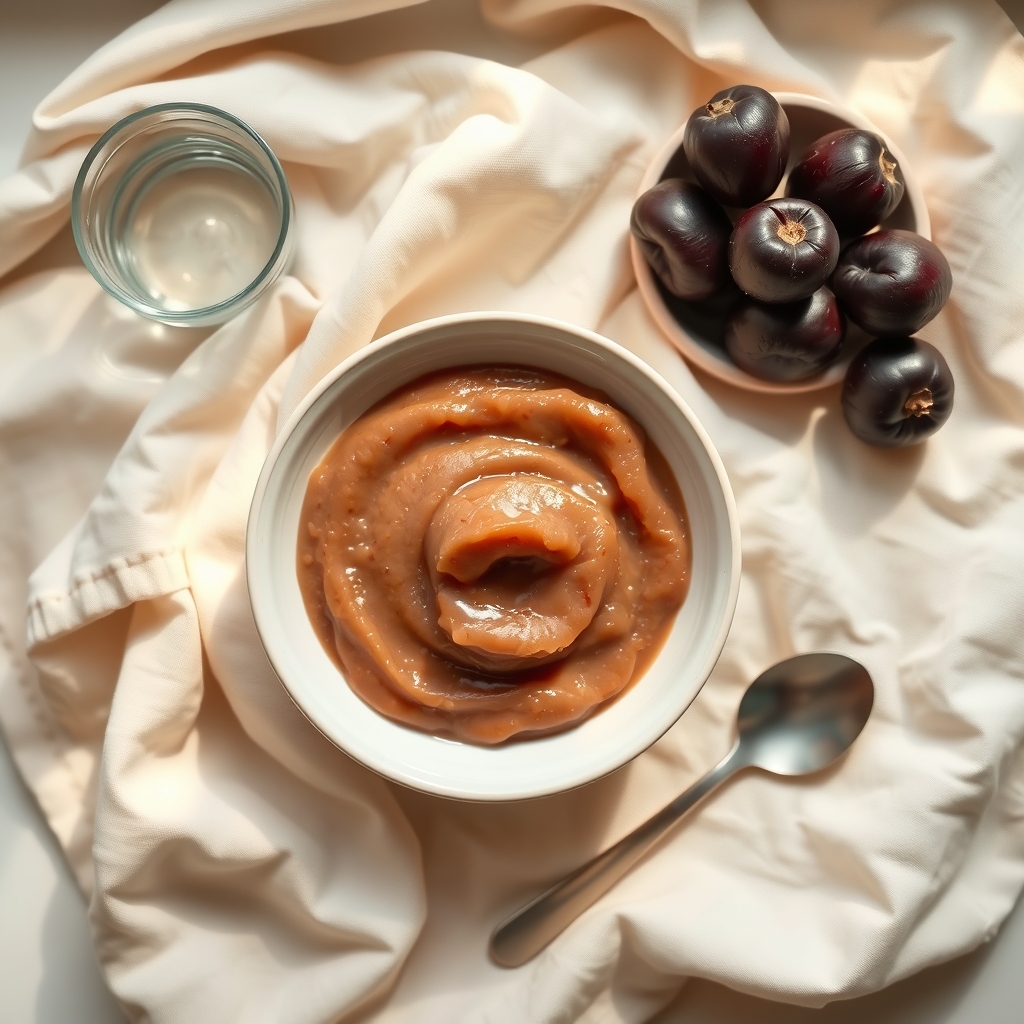
Introduce pureed prunes, pears, or peaches, which are natural laxatives. Start with 1‑2 teaspoons and watch for a softer stool within 24‑48 hours. Avoid foods high in starch (like rice cereal) until the baby’s bowel movements normalize. Prunes are especially effective because they contain sorbitol, a sugar alcohol that draws water into the colon.
5. Adjust formula
If you suspect formula is the culprit, talk to your pediatrician about switching to a partially hydrolyzed or low‑iron formula. Some babies respond well to soy‑based formulas, though they’re not a universal fix. The FDA requires that any formula change be discussed with a healthcare provider to ensure nutritional adequacy.
6. Bicycle legs
Gently move your baby’s legs in a cycling motion while they lie on their back. This can help move trapped gas and stimulate the colon. Pair this with a tummy massage for a synergistic effect.
These techniques are low‑risk and often effective. If after a few days the stools remain hard or your baby shows distress, it’s time to seek professional guidance.
When to seek pediatric care and what doctors may do
Even with diligent home care, some babies need medical intervention. Here’s what to expect when you bring your baby in for a constipation evaluation:
History and physical exam: The pediatrician will ask about feeding patterns, diaper changes, and any medications. They’ll gently examine the abdomen for distension or palpable stool.
Stool testing: In rare cases, a sample may be sent to check for blood, infection, or malabsorption.
Imaging: An abdominal X‑ray can reveal a buildup of stool or a structural blockage.
Medication: Doctors may prescribe a glycerin suppository (used sparingly) or an oral osmotic laxative such as lactulose, under careful dosing guidelines. The FDA’s labeling for lactulose emphasizes pediatric dosing based on weight and age.
Referral to a pediatric gastroenterologist: If constipation persists beyond several weeks or is linked to an underlying condition, a specialist may be involved.
Most infants respond quickly to a short course of medication combined with dietary adjustments, and long‑term outcomes are excellent. The AAP advises that “pharmacologic therapy should be a last resort after dietary measures have failed,” reinforcing the importance of the home strategies outlined above.
Tracking your baby’s bowel movements
Keeping a simple log can reveal patterns you might otherwise miss. Record the date, time, stool color, consistency, and any associated symptoms (crying, feeding changes). Over a week, trends emerge that help you and your pediatrician pinpoint triggers.
Our Baby Constipation calculator lets you input these details and instantly see whether your baby’s stool frequency falls within the typical range for their age. It also suggests when a pattern may warrant a doctor’s visit. Many parents find that a digital app with push‑reminders makes daily tracking effortless, and the visual charts can be a helpful conversation starter at appointments.
Pureed prunes are a gentle, natural way to add fiber and moisture to your baby’s diet.
How breastfeeding influences stool patterns
Breast milk is uniquely designed for a newborn’s digestive system. It contains a balance of fats, proteins, and pre‑biotics that promote a softer stool consistency. Because breastfed infants often have a higher frequency of bowel movements, you may notice more “mustard‑yellow” poops that are easy to wipe away. The ACOG notes that “breastfed babies typically have looser stools, which can range from several times a day to once every few days without indicating a problem.”
If you’re exclusively nursing and notice occasional hard pellets, try increasing your own fluid intake and ensuring you’re eating a balanced diet with enough fiber. Sometimes, a short pause in nursing or a “witch‑hazel” diaper wipe can soothe a sensitive bottom, but most breastfed babies self‑regulate without intervention.
Maternal diet can subtly affect stool texture, too. Foods rich in caffeine or very low‑fiber meals may translate into slightly firmer stools for the infant. Keeping a varied, fiber‑rich diet for yourself can indirectly keep your baby’s poop softer.
Understanding stool color and what it signals
Stool color can be a helpful clue about your baby’s diet and gut health. Here are common shades and what they typically mean:
Yellow‑golden (breastfed): Normal; indicates good digestion of breast milk.
Green: Often seen after a feeding of formula or after introducing green vegetables; usually harmless.
Brown or tan: Typical for formula‑fed infants; reflects iron in the formula.
Red or black: May signal blood (red) or digested blood (black) and should be evaluated promptly.
White or chalky: Can indicate a lack of bile and warrants medical attention.
The NHS states that “persistent changes in stool color, especially red or black, should be discussed with a health professional.” Tracking color alongside consistency helps you spot trends early, and you can share this information with your pediatrician during visits.
Occasionally, a pale, clay‑colored stool can signal a bile duct obstruction, which is rare but serious. If you notice a sudden shift to a very light or gray hue that persists for more than a day, contact your provider.
Typical stool colors and what they often indicate for babies.
When to consider switching formula or adding solids
If you’ve tried the home remedies and your baby’s stools remain hard for more than a week, it may be time to discuss a formula change with your pediatrician. Low‑iron or partially hydrolyzed formulas can be easier on the digestive tract. For babies older than six months, introducing solids that are high in fiber—such as pureed peas, apricots, or oatmeal—can promote regularity.
Never switch formulas or add new foods without consulting a healthcare provider, especially if your baby has a known allergy or medical condition. The AAP recommends a gradual introduction: one new food every three days, watching for any reaction before moving on. This method also helps you identify which foods are most effective at easing constipation.
Hydration and electrolyte balance for infants
Even a modest drop in fluid intake can turn a soft stool into a hard pellet. For babies over six months, a few ounces of water between feeds can keep stools moist without displacing milk intake. If your baby is exclusively breastfed, focus on your own hydration; the composition of breast milk will naturally reflect your fluid status.
In rare cases of severe dehydration, pediatricians may recommend an oral rehydration solution (ORS) that balances electrolytes. The WHO’s guidelines for ORS in infants emphasize using age‑appropriate concentrations to avoid over‑correction. Always follow a provider’s instructions before giving any solution.
Fiber‑rich first foods to support regularity
When you start solids, aim for foods that combine fiber with a high water content. Pureed prunes, pears, peaches, and apricots are classic choices because they contain sorbitol and soluble fiber, both of which draw water into the colon. Small amounts of oatmeal or barley cereal, mixed with breast milk or formula, can also add bulk without causing excessive firmness.
Introduce these foods gradually, starting with 1‑2 teaspoons and observing how your baby’s stool changes over the next 24‑48 hours. The AAP notes that “fiber should be increased slowly to allow the infant’s gut microbiome to adapt,” reducing the risk of gas or bloating.
Probiotics and gut health in early infancy
Emerging research suggests that certain probiotic strains—especially *Bifidobacterium* and *Lactobacillus*—may help regulate bowel movements in infants. Some pediatric formulas now include added probiotics, and a few studies reported softer stools and fewer episodes of constipation in breastfed infants whose mothers took probiotic supplements.
While the evidence is promising, the AAP advises that probiotic supplements should be used only under medical supervision, particularly for infants under three months. If you’re considering a probiotic, discuss the specific strain and dose with your pediatrician to ensure safety and appropriateness.
Doctor's note
From our medical team: Constipation in infants is usually benign and resolves with simple changes to feeding and hydration. However, persistent hard stools, significant abdominal discomfort, or any sign of blood should prompt a pediatric evaluation. We recommend a stepwise approach—start with gentle massage and fluid adjustments, and keep a stool diary to share with your provider. This collaborative method helps ensure your baby stays comfortable and nourished while avoiding unnecessary medication.
🔢 Ready to crunch your numbers? Use our Baby Constipation for a personalized result in seconds.
Myth vs. fact
Myth: Babies must poop after every feeding to be healthy.
Fact: It’s normal for breastfed infants to have anywhere from several poops a day to one every few days, as long as the stools are soft and the baby is thriving.
Myth: All hard stools are a sign of constipation.
Fact: A single hard pellet occasionally occurs, especially after a formula change, and isn’t automatically concerning. Persistent hard stools with discomfort, however, do indicate constipation.
Myth: Giving a baby a laxative is always safe.
Fact: Over‑the‑counter laxatives can be harmful for infants. Use only products prescribed or recommended by a pediatrician, and always follow dosage instructions.
Key takeaways
Normal poop frequency ranges from several times a day to once every few days; focus on stool softness and baby comfort.
Hard, pebble‑like stools, prolonged crying during diaper changes, and a firm belly suggest constipation.
Common causes include formula composition, low fluid intake, and the early introduction of low‑fiber solids.
Gentle tummy massage, a warm bath, extra water, and fiber‑rich purees (prunes, pears) are first‑line home remedies.
Seek pediatric care if hard stools persist beyond a few days, if there’s blood, vomiting, or significant abdominal swelling.
Track each diaper change with a simple log; our Baby Constipation calculator can help you spot trends.
Breastfeeding usually yields softer stools; formula changes or added solids may be needed for older infants.
Hydration, probiotic support, and gradual fiber introduction can keep the gut moving smoothly.
Frequently asked questions
What are the signs that my baby is constipated?
Signs include hard, pellet‑like stools, straining or crying during diaper changes, a firm or bloated abdomen, reduced appetite, and occasional tiny red specks of blood in the diaper.
How many times a day should a baby poop?
There’s a wide normal range—breastfed babies may poop after every feed or once every few days; formula‑fed infants typically have 1–4 poops daily. The key is soft consistency and no signs of discomfort.
When should I be concerned about my baby's bowel movements?
Be concerned if your baby has hard stools for more than three days, shows signs of pain or distress, has blood or mucus in the stool, experiences vomiting, or has a swollen abdomen.
What can cause constipation in newborns?
Common causes include formula that’s high in casein or iron, dehydration, low‑fiber diets, sudden changes to solid foods, certain medications, and rare medical conditions like hypothyroidism or Hirschsprung disease.
How can I help relieve my baby's constipation at home?
Try gentle clockwise tummy massage, a warm bath, offering a small amount of water (if over 6 months), adding pureed prunes or pears, and ensuring adequate fluid intake. Bicycle‑leg exercises can also promote movement.
Do I need to see a doctor for baby constipation?
If home measures don’t soften stools within a few days, or if you notice blood, vomiting, severe abdominal swelling, or your baby isn’t feeding well, schedule a pediatric appointment promptly.
Can a breastfed baby still get constipated?
Yes. While breast milk usually produces softer stools, factors like maternal diet, dehydration, or a sudden change in feeding frequency can lead to harder pellets. Adjusting your fluid intake and offering a small amount of water (after six months) can help.
Is it safe to give my baby over‑the‑counter stool softeners?
Over‑the‑counter laxatives are not recommended for infants without a doctor’s guidance. The AAP advises using only pediatric‑approved products, such as glycerin suppositories, and only under medical supervision.
What role does tummy time play in preventing constipation?
Tummy time helps strengthen core muscles and promotes natural peristalsis. Short, supervised sessions a few times a day can aid gas passage and encourage regular bowel movements, according to the AAP’s developmental guidelines.
Can a baby’s diaper rash be related to constipation?
Yes. Hard stools can cause tiny tears that irritate the skin, leading to diaper rash. Soothing the rash with barrier creams and addressing the underlying constipation often resolves both issues.
When to call your doctor
If your baby shows any of the following, call your pediatrician right away: hard stools lasting more than three days, blood or mucus in the stool, persistent crying during bowel movements, vomiting, fever, significant abdominal distension, or poor weight gain. This information is for educational purposes only and does not replace personalized medical advice.
References
American Academy of Pediatrics (AAP). “Management of Infant Constipation.” Clinical Practice Guidelines, 2022.
National Institute for Health and Care Excellence (NICE). “Constipation in children and young people.” NG28, 2021.
World Health Organization (WHO). “Infant and Young Child Feeding: Guidelines.” 2023.
American College of Obstetricians and Gynecologists (ACOG). “Nutrition During Pregnancy.” Practice Bulletin No. 990, 2022.
U.S. Food and Drug Administration (FDA). “Lactulose Use in Pediatric Patients.” 2021.
Canadian Paediatric Society. “Constipation in Infants and Children.” 2020.
British Paediatric Association (BPA). “Guidelines for Pediatric Gastroenterology.” 2022.
Centers for Disease Control and Prevention (CDC). “Infant Feeding Practices.” 2023.
National Health Service (NHS). “Constipation in babies and children.” Updated 2022.
American Academy of Pediatrics (AAP). “Infant Stool Patterns and Feeding.” 2021.
World Health Organization (WHO). “Oral Rehydration Salts (ORS) for Infants.” 2022.
American Academy of Pediatrics (AAP). “Probiotics in Infancy: Clinical Guidance.” 2021.
When Shubhra Mishra was expecting her first child in 2016, she was overwhelmed by conflicting food advice — one site said yes, another said never. By the time her second baby arrived in 2019, she realized millions of mothers face the same confusion.
That sparked a five-year journey through clinical nutrition papers, cultural diets, and expert conversations — all leading to BumpBites: a calm, compassionate space where science meets everyday motherhood.
Her long-term vision is to build a global community ensuring safe, supported, and free deliveriesfor every mother — because no woman should face pregnancy alone or uninformed. 🌿
🌍 Stand with mothers, shape safer guidance
Join a small circle of experts who review BumpBites articles so expecting parents everywhere can decide with confidence.