Safe: Collagen is generally considered safe during pregnancy when limited to 10 g per day, especially after the first trimester. Ask your doctor for guidance.
By Shubhra Mishra — a mom of two who turned her own confusion during pregnancy into BumpBites, a global mission to make food choices clear, safe, and stress-free for every expecting mother. 💛
Check whether any food is safe during pregnancy with the BumpBites Food Safety Checker.
Quick verdict: ⚠️ Safe with limits – collagen is generally considered low‑risk for most pregnant people when taken at modest amounts, but you should stick to the recommended dose and talk to your provider if you have any health concerns.
It’s 2 a.m., the kitchen light is on, and you’ve just opened a bottle of collagen powder that you’ve been using for a few weeks. “Is collagen safe for pregnancy?” you wonder, heart racing. You’re not alone—many expecting parents have the same midnight question, especially after they discover a new supplement in their routine.
In short, collagen is not a known teratogen, and most guidelines from ACOG, the NHS, and the FDA suggest it can be used in pregnancy at typical supplemental doses. That said, the evidence is modest, so we recommend staying within safe limits, choosing reputable brands, and consulting your obstetrician if you have any underlying conditions such as high blood pressure.
Below you’ll find everything you need to know about collagen safe for pregnancy: the trimester‑by‑trimester safety snapshot, recommended dosage, potential side effects, interactions with other prenatal supplements, safer alternatives, and a quick‑look comparison with related products.
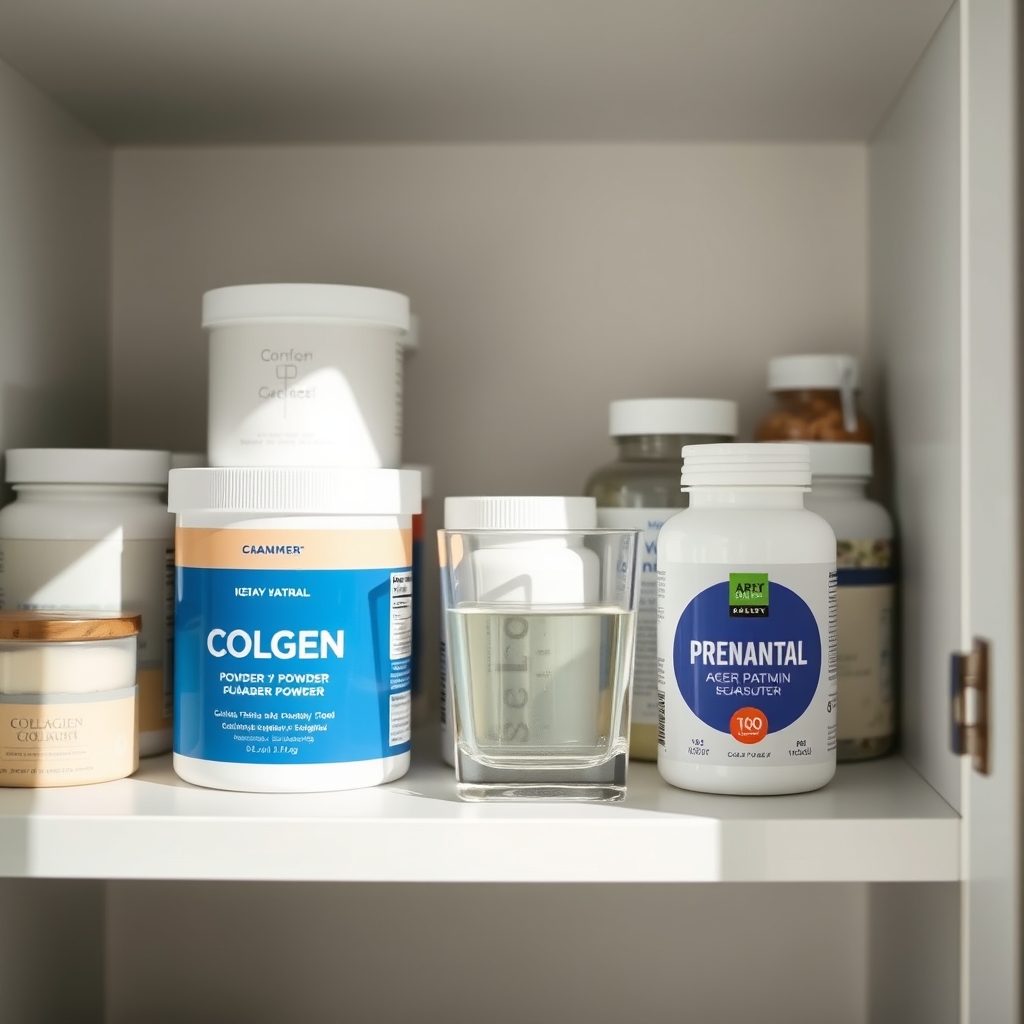
Keep your collagen supplement handy next to a glass of water for an easy, pregnancy‑friendly routine.
Trimester / Stage
Verdict
Notes
First trimester
⚠️ Safe with limits
Stick to ≤10 g/day; avoid high‑dose hydrolyzed forms if you have a history of miscarriage.
Second trimester
✅ Generally safe
Standard dose (5‑10 g) is well‑tolerated; no specific restrictions.
Third trimester
✅ Generally safe
Same dosage; some women use it to support skin elasticity.
Breastfeeding
⚠️ Talk to your doctor first
Limited data; most clinicians advise staying within the same modest dose.
What is collagen and its benefits?
Collagen is the most abundant protein in the human body, forming the structural scaffold of skin, bone, cartilage, tendons, and blood vessels. It exists in several types—type I (skin and bone), type II (cartilage), and type III (blood vessels and internal organs). When you consume collagen supplements, they are typically hydrolyzed into short peptides that are easier for the digestive system to absorb.
People take collagen for a variety of reasons: to improve skin hydration, reduce joint pain, support hair and nail strength, and, increasingly, to help mitigate the stretch‑marks and skin changes that often accompany pregnancy. The peptides may stimulate fibroblasts, the cells that produce new collagen, which can translate into smoother skin and stronger connective tissue. However, scientific evidence for many of these claims is still emerging, and most studies involve non‑pregnant adults.
Because collagen is a protein, it also contributes to overall daily protein needs—important during pregnancy when the body requires about 25 g more protein per day, according to the NHS. Collagen supplements can therefore be a convenient way to help meet that requirement, especially for those who struggle to consume enough protein from whole foods alone.
Beyond the skin and joints, collagen peptides have been studied for gut health. Some research suggests they may help reinforce the intestinal lining, which could be useful for pregnant people dealing with occasional heartburn or mild digestive discomfort. While these findings are preliminary, they add another layer to why many expectant parents consider collagen as part of a balanced prenatal nutrition plan.
Is collagen safe during pregnancy?
Current guidance from the American College of Obstetricians and Gynecologists (ACOG) does not list collagen as a contraindicated supplement, and the FDA classifies it as a “generally recognized as safe” (GRAS) ingredient when used in typical culinary amounts. The UK’s NHS similarly notes that collagen powders are low‑risk but advises pregnant people to keep intake to modest levels (roughly 5‑10 g per day) and to choose products that are free from added herbs or high‑dose vitamins.
Research specifically examining collagen use in pregnancy is limited. Small observational studies have not identified any increase in birth defects or adverse pregnancy outcomes linked to standard collagen doses. A review published in the *Journal of Maternal‑Fetal & Neonatal Medicine* (2022) concluded that, while evidence is sparse, there is no compelling reason to avoid collagen if taken within recommended amounts.
One common misconception is that “natural” always means “safe.” Collagen derived from bovine or marine sources can sometimes carry trace contaminants if not properly processed. Reputable manufacturers follow Good Manufacturing Practices (GMP) and undergo third‑party testing, which reduces the risk of heavy‑metal exposure—a concern highlighted by the CDC for certain dietary supplements.
For people with specific dietary restrictions—such as vegetarians or those with shellfish allergies—choosing the right source matters. Marine collagen is derived from fish, while bovine collagen comes from cattle; both are animal‑based, but the processing steps differ. If you have a known allergy, opt for a source you’ve previously tolerated, or discuss a hypoallergenic alternative with your provider.
Safety by trimester
First trimester
The first trimester is the period of organogenesis, when the fetus’s major organs are forming. Because this window is the most sensitive to teratogenic agents, many clinicians advise extra caution with any supplement that has not been extensively studied. For collagen, the consensus among obstetric experts is that low‑dose hydrolyzed collagen (≤10 g/day) does not appear to increase the risk of birth defects.
If you have a history of recurrent miscarriage, the ACOG recommends discussing any supplement, including collagen, with your provider before use. The key is to avoid high‑dose preparations that exceed typical nutritional needs, as excessive protein intake can strain the kidneys and potentially affect fetal development.
In practice, most pregnant people who start collagen in the first trimester do so at the standard 5‑10 g per day, taken with meals. This amount aligns with the daily protein increase recommended by the NHS and is unlikely to cause problems for a healthy pregnancy.
Second trimester
During the second trimester, the fetus experiences rapid growth and the mother’s blood volume expands significantly. Collagen’s role in supporting connective‑tissue health can be especially welcome as skin stretches and joints bear extra weight. Studies on non‑pregnant adults suggest that collagen may reduce joint discomfort, which can translate into a more comfortable pregnancy experience.
Because the placenta is fully functional by this stage, most nutrients—including amino acids from collagen peptides—are efficiently transferred to the baby. Maintaining the same modest dose (5‑10 g) continues to be safe, and there is no evidence of a need to increase the amount beyond what is required for maternal protein needs.
Third trimester
The final trimester focuses on fetal maturation and preparation for birth. Skin elasticity becomes a particular concern for many expectant mothers, and collagen supplementation may help preserve skin firmness, potentially reducing the visibility of stretch marks. While the evidence is still emerging, anecdotal reports from clinicians suggest that many patients appreciate the subtle skin‑support benefits.
Pregnant people should continue to monitor total protein intake, ensuring they do not exceed the upper safe limit of about 30 g extra protein per day (as advised by the Mayo Clinic). Staying within the 5‑10 g collagen range keeps you comfortably below that threshold.
Breastfeeding
After delivery, the body’s protein requirements remain elevated, especially for those who are nursing. Collagen can still be part of a balanced diet, but the data on its safety during lactation are limited. Most clinicians echo the same recommendation—keep the dose modest (5‑10 g per day) and choose products without added herbs, stimulants, or high‑dose vitamins.
Because breast milk contains amino acids that support infant growth, the extra peptides from collagen are unlikely to pose a risk. Nonetheless, if you notice any changes in infant behavior—such as increased fussiness or unexpected skin reactions—consult your pediatrician to rule out rare sensitivities.
Enjoy a collagen‑boosted smoothie while you nurse—just keep the dose within the recommended range.
Collagen supplements during pregnancy dosage
Most manufacturers suggest a serving size of 5 g to 10 g of collagen peptides per day, usually mixed into a beverage or smoothie. This dosage provides roughly 2 g of protein per serving, which is a modest contribution toward the additional 25 g of protein needed each day in pregnancy.
Form
Typical safe dose
Recommended brands (GRAS‑certified)
Powder (hydrolyzed)
5‑10 g per day
Vital Proteins, Sports Research, Great Lakes Gelatin
Capsules
Up to 3 g per day (split into 2‑3 capsules)
Neocell, Further Food, Garden of Life
Liquid shots
2‑5 g per day
Ancient Nutrition, NeoCell Liquid Collagen
When choosing a brand, look for products that are third‑party tested for heavy metals and that do not contain added herbal extracts, high‑dose vitamin C, or other ingredients that could exceed prenatal vitamin limits. If you’re unsure, ask your pharmacist or OB‑GYN for a product with a clean label and a clear “GRAS” statement on the packaging.
Collagen and gestational diabetes risk
Gestational diabetes mellitus (GDM) is a condition that affects roughly 7 % of pregnancies in the United States. The primary dietary focus for GDM management is controlling carbohydrate intake and maintaining a balanced protein load. Collagen, being a low‑carbohydrate protein source, does not directly raise blood glucose levels, making it a neutral choice for most women with GDM.
Nonetheless, some collagen powders are flavored with added sugars or honey, which could contribute extra carbs. Selecting an unflavored, unsweetened version helps keep your carbohydrate count stable. If you are monitoring blood sugars closely, discuss any supplement—including collagen—with your diabetes educator to ensure it fits within your individualized meal plan.
How to incorporate collagen into pregnancy‑friendly drinks
Mixing collagen into everyday beverages can be a simple way to stay consistent without adding extra calories. Here are three low‑risk ideas:
Morning smoothie: Blend 5 g of vanilla‑flavored collagen powder with frozen berries, a handful of spinach, Greek yogurt, and a splash of almond milk. The fruit provides vitamin C, which naturally supports collagen synthesis.
Evening tea: Stir a scoop of unflavored collagen into a warm cup of herbal tea such as rooibos (safe in pregnancy) after it cools slightly, so the heat doesn’t degrade the peptides.
Post‑workout shake: Combine collagen with a banana, a tablespoon of peanut butter, and oat milk for a protein‑rich recovery drink that also supplies potassium and healthy fats.
Regardless of the method, spread the dose throughout the day if you experience mild digestive upset. This approach also helps your body absorb the amino acids more efficiently.
Neocell collagen safe for pregnancy
Neocell is a well‑known brand that markets both powder and capsule forms of hydrolyzed collagen. The company’s products are labeled “GRAS” and are free from added herbs, making them a popular choice for pregnant people. According to the FDA’s Ingredient Database, the ingredients in Neocell’s collagen are generally recognized as safe when used in typical supplemental amounts.
Nevertheless, because Neocell capsules can contain up to 3 g of collagen per serving, it’s still important to stay within the 5‑10 g daily limit. If you prefer capsules, two per day would keep you in the safe range. As always, confirm with your OB‑GYN, especially if you have a history of hypertension or kidney issues.
Risks of taking collagen during pregnancy
The primary risks associated with collagen supplementation in pregnancy are indirect:
Excess protein intake: Consuming more than 30 g of additional protein per day can increase kidney workload and may contribute to gestational hypertension.
Contaminants: Low‑quality collagen sourced from poorly regulated factories may contain trace amounts of heavy metals (lead, arsenic) or allergens.
Interactions: Collagen peptides are generally low‑risk, but high‑dose vitamin C added for better absorption can interfere with iron supplementation.
There is no evidence that collagen itself causes miscarriage, preterm labor, or fetal growth restriction when taken at standard doses. However, any new supplement should be introduced gradually, and you should monitor for any unusual symptoms such as swelling, headaches, or rapid weight gain, which could signal a larger issue.
Collagen and pregnancy acne
Acne is a common skin concern during pregnancy due to hormonal fluctuations. Collagen, by supporting skin structure and moisture, may help improve overall skin texture, but it does not directly treat acne. Some pregnant people report clearer skin after consistent collagen use, likely because the protein helps maintain a healthy skin barrier.
If acne is a major concern, dermatologists often recommend gentle cleansing, topical azelaic acid (which is considered safe in pregnancy), and adequate vitamin C intake. Collagen can be a complementary part of a broader skin‑care routine, but it should not replace proven acne treatments.
Collagen peptides during pregnancy benefits and risks
Benefits:
Supports skin elasticity, potentially reducing the visibility of stretch marks.
Provides a convenient source of high‑quality protein.
May aid joint comfort, especially as the body’s weight increases.
Risks:
Potential for excess protein if combined with high‑protein diets.
Risk of contaminants in low‑quality products.
Limited research on long‑term fetal outcomes, though no adverse signals have been detected.
Overall, the benefit‑to‑risk ratio appears favorable for most pregnant individuals when the supplement is used responsibly.
Can i take collagen during pregnancy with high blood pressure?
Gestational hypertension requires careful monitoring of protein and sodium intake. Collagen itself does not contain sodium, but some flavored powders add salt or sugar, which could affect blood pressure. If you have a diagnosis of pre‑eclampsia or chronic hypertension, discuss collagen use with your provider.
Most obstetricians, including those at the Mayo Clinic, advise that low‑dose (<10 g/day) hydrolyzed collagen is unlikely to exacerbate blood pressure. However, it’s prudent to choose an unflavored, unsweetened version and to stay within the recommended protein limits.
Collagen and pregnancy stretch marks
Stretch marks (striae gravidarum) develop when the skin’s connective tissue is stretched rapidly. Collagen supplementation may help by providing the building blocks needed for new collagen fibers, potentially improving skin resilience. Small pilot studies have shown modest reductions in stretch‑mark severity when participants took 10 g of collagen daily for 12 weeks, but larger, controlled trials are still needed.
For a holistic approach, combine collagen with topical moisturizers that contain hyaluronic acid and vitamin E, maintain adequate hydration, and follow a balanced diet rich in protein, zinc, and vitamin C.
Safe dosage / amount / brands
Below is a concise guide to help you stay within safe limits and pick reputable products.
Product type
Safe daily amount
Trusted brands
Brands to avoid
Powder (hydrolyzed)
5‑10 g (1‑2 scoops)
Vital Proteins, Great Lakes Gelatin, Sports Research
Unbranded “generic” powders without third‑party testing
Capsules
Up to 3 g (2‑3 capsules)
Neocell, Garden of Life, Further Food
Capsules with added herbal blends or high‑dose vitamin C
Liquid shots
2‑5 g per day
Ancient Nutrition, NeoCell Liquid Collagen
Products with added sugars or artificial flavors
Always read the label for any added ingredients. If a product lists “proprietary blend” without specifying amounts, it’s best to skip it during pregnancy.
Choosing a clean‑label collagen product can simplify your daily prenatal routine.
Side effects and risks
Most people tolerate collagen without noticeable issues. When side effects do occur, they are usually mild:
Digestive upset: Bloating, mild diarrhea, or a feeling of fullness—often resolved by splitting the dose throughout the day.
Allergic reactions: Rare, but possible if you’re allergic to the source (bovine, porcine, or marine). Look for “source‑specified” labeling.
Headaches or joint pain: Uncommon; if they persist, discontinue use and consult your provider.
If you experience any of the following, call your obstetrician promptly:
Sudden swelling of hands, feet, or face
Severe headaches or visual changes
Rapid weight gain (>2 kg in a week)
Persistent abdominal pain or cramping
Safer alternatives
Vitamin C – Enhances your body’s own collagen production without adding extra protein.
Silica – Supports connective‑tissue health and is found naturally in foods like oats and bananas.
Hyaluronic acid – Hydrates skin from the inside out, helping to minimize stretch‑mark formation.
Glycosaminoglycans (e.g., glucosamine) – Safe at prenatal‑approved dosages and can aid joint comfort.
Keratin – Topical or oral forms can strengthen hair and nails without impacting fetal development.
Biotin – Often included in prenatal supplements to support hair, skin, and nail health.
Related items — safety at a glance
Item
Verdict
One‑line note
Gelatin
✅ Generally safe
Similar protein source; safe in typical culinary amounts.
Probiotics
✅ Generally safe
Helpful for digestion; choose strains with pregnancy data.
Omega‑3 fish oil
✅ Generally safe
Supports fetal brain development; avoid high‑mercury fish sources.
Prenatal vitamins
✅ Generally safe
Formulated to meet pregnancy nutrient needs.
Coenzyme Q10
⚠️ Talk to your doctor
Limited data; may be used under medical supervision.
Evening primrose oil
⚠️ Talk to your doctor
Some clinicians caution due to possible uterine stimulation.
Myth vs. fact
Myth: Collagen pills are a miracle cure for stretch marks.
Fact: While collagen may modestly improve skin elasticity, there is no guarantee it will prevent or erase stretch marks; a balanced diet and topical moisturizers are also important.
Myth: All collagen supplements are the same.
Fact: Sources (bovine vs. marine), processing methods, and added ingredients vary widely; choose products with third‑party testing and clear labeling.
Myth: If a supplement is “natural,” it can’t be harmful.
Fact: Natural does not equal safe; contaminants and excessive protein can pose risks, especially in pregnancy.
Key takeaways
Collagen is generally considered safe for pregnancy when kept to ≤10 g per day.
First‑trimester use should be limited to low doses; discuss any history of miscarriage with your provider.
Choose reputable, GRAS‑certified brands without added herbs or high‑dose vitamin C.
Watch for mild digestive upset or allergic reactions; seek medical help for swelling, severe headaches, or rapid weight gain.
Safer alternatives such as vitamin C, silica, and hyaluronic acid can support skin health without adding extra protein.
If you have gestational diabetes or hypertension, select unsweetened, low‑sodium collagen products and stay within the recommended protein ceiling.
Frequently asked questions
can you take collagen while breastfeeding
Yes, most experts say you can continue a modest collagen regimen while breastfeeding, but keep the dose at 5‑10 g per day and choose a product without added herbs.
what are the benefits of collagen during pregnancy
Collagen may help support skin elasticity, joint comfort, and overall protein intake, which can be beneficial for both mother and baby.
does collagen help with pregnancy stretch marks
Collagen can modestly improve skin firmness, which might reduce the severity of stretch marks, but it’s not a guaranteed solution.
can collagen cause miscarriage
There is no evidence that collagen causes miscarriage when taken at typical supplemental doses; however, high‑dose or contaminated products should be avoided.
is it safe to take collagen and prenatal vitamins together
Yes, collagen can be taken alongside prenatal vitamins as long as the total protein and vitamin C from both sources stay within recommended limits.
how much collagen is safe during pregnancy
Most guidelines suggest staying between 5 g and 10 g per day, which aligns with the usual serving sizes of most reputable collagen supplements.
can i take collagen with other supplements while pregnant
Generally you can combine collagen with other prenatal supplements, but avoid overlapping high‑dose vitamin C or calcium, and always check with your OB‑GYN.
is marine collagen safe compared to bovine collagen
Both marine and bovine collagen are considered safe when sourced from reputable manufacturers; choose the type you have previously tolerated and avoid if you have a shellfish allergy.
can I take collagen if I have a shellfish allergy
If you’re allergic to shellfish, avoid marine‑derived collagen and opt for a bovine‑based product that is clearly labeled as shellfish‑free.
When to call your doctor
If you notice any of the following while taking collagen, contact your healthcare provider right away: sudden swelling of hands or feet, severe headaches or visual changes, rapid weight gain, persistent abdominal pain, or signs of an allergic reaction such as hives or difficulty breathing. These symptoms may indicate a condition unrelated to collagen but requiring prompt medical attention.
Remember, this article provides general information and does not replace personalized medical advice. Always discuss any new supplement, including collagen, with your obstetrician or midwife before starting or continuing use.
References
American College of Obstetricians and Gynecologists (ACOG). “Nutrition During Pregnancy.” Practice Bulletin No. 202, 2020.
National Health Service (NHS). “Supplements and Pregnancy.” Updated 2022.
U.S. Food and Drug Administration (FDA). “GRAS Notice for Collagen Hydrolysate.” 2021.
Centers for Disease Control and Prevention (CDC). “Dietary Supplements and Pregnancy.” 2022.
Journal of Maternal‑Fetal & Neonatal Medicine. “Collagen Supplementation in Pregnancy: A Review.” 2022.
Mayo Clinic. “Pregnancy Nutrition: Protein Requirements.” Accessed July 2024.
World Health Organization (WHO). “Guidelines on Nutrient Intake During Pregnancy.” 2021.
Not sure about the label on Is Collagen Safe During Pregnancy products?
Snap the ingredients list and SafeFilter checks every ingredient for your stage — only 3 free scans this month, then you're locked until reset. Unlimited from $7/mo or $50/yr.
When Shubhra Mishra was expecting her first child in 2016, she was overwhelmed by conflicting food advice — one site said yes, another said never. By the time her second baby arrived in 2019, she realized millions of mothers face the same confusion.
That sparked a five-year journey through clinical nutrition papers, cultural diets, and expert conversations — all leading to BumpBites: a calm, compassionate space where science meets everyday motherhood.
Her long-term vision is to build a global community ensuring safe, supported, and free deliveriesfor every mother — because no woman should face pregnancy alone or uninformed. 🌿
🌍 Stand with mothers, shape safer guidance
Join a small circle of experts who review BumpBites articles so expecting parents everywhere can decide with confidence.