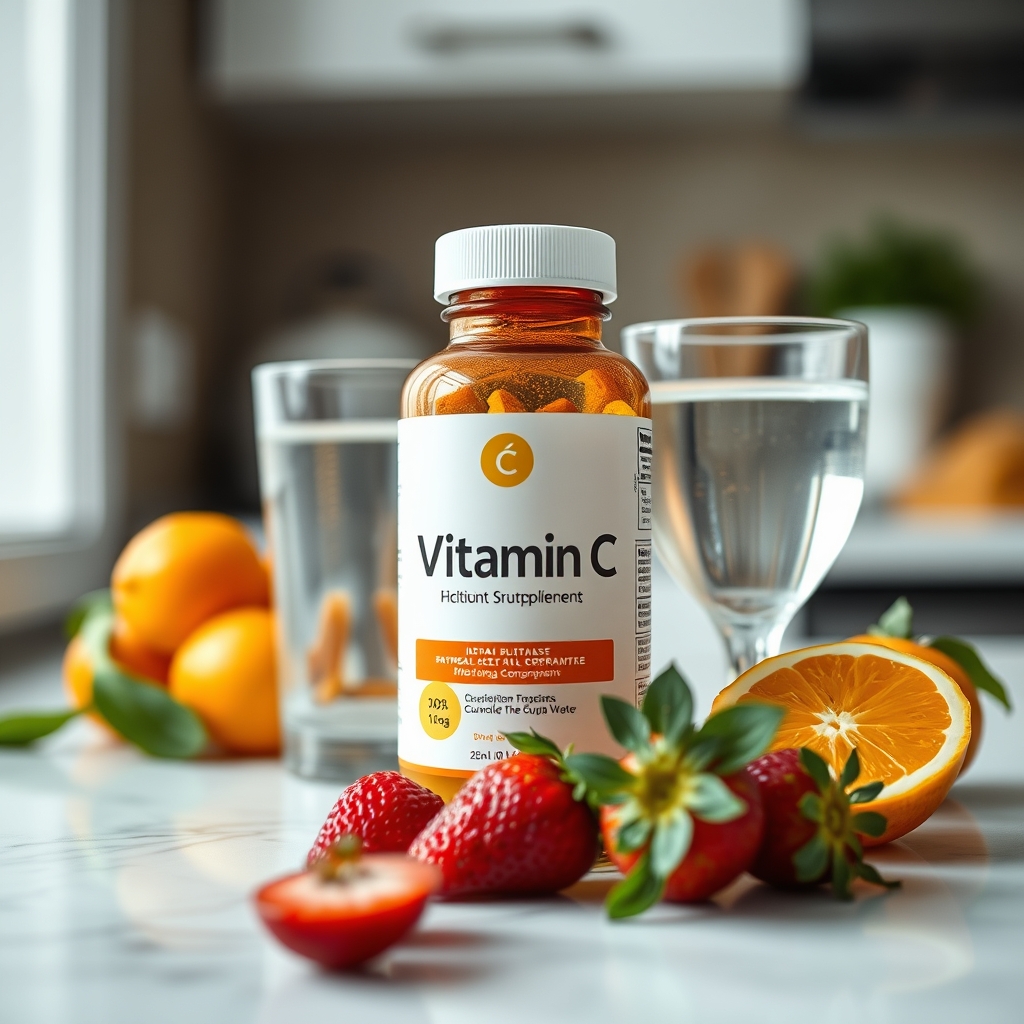
Safe: Vitamin c safe for pregnancy when taken up to 500 mg daily, especially in the second and third trimesters; excess may cause digestive upset. and monitor.
By Shubhra Mishra — a mom of two who turned her own confusion during pregnancy into BumpBites, a global mission to make food choices clear, safe, and stress-free for every expecting mother. 💛
Check whether any food is safe during pregnancy with the BumpBites Food Safety Checker.
Quick verdict: ⚠️ Safe with limits – moderate vitamin C intake (up to the recommended daily allowance of 85 mg) is fine, but high‑dose supplements above 1 g per day should be avoided during pregnancy. Talk to your provider if you’re considering large doses or have gestational diabetes.
It’s 2 a.m., you’re scrolling through a grocery list, and a bright orange bottle of vitamin C catches your eye. “Is vitamin C safe for pregnancy?” you think, heart racing. You’re not alone—many expectant parents wonder whether that extra boost of antioxidants could harm their developing baby or, conversely, give them a health edge.
Good news: vitamin C is generally considered safe when you stay within the recommended daily amount. In this article we’ll break down exactly how much is okay, how safety changes across the first, second, and third trimesters, and which brands and food sources are the most pregnancy‑friendly. We’ll also cover possible side effects, interactions with prenatal vitamins, and alternatives if you’d rather get your vitamin C from whole foods.
Read on for a clear, evidence‑based answer to “vitamin C safe for pregnancy,” plus practical tips you can use today without worrying. Whether you’re already taking a prenatal vitamin, considering a separate supplement, or just curious about fruit‑based sources, we’ve got you covered.
Because every pregnancy is unique, we’ll also highlight special considerations for people with kidney‑stone history, gestational diabetes, or dietary restrictions, so you can feel confident making the right choices for you and your baby.
Trimester / Phase
Verdict
Notes
First trimester
⚠️ Safe with limits
Stick to the RDA (≈85 mg). High doses (>1 g) can increase nausea and may affect organogenesis.
Second trimester
✅ Generally safe
Recommended intake remains 85 mg; excess above 2 g daily is not advised.
Third trimester
✅ Generally safe
Same RDA; monitor for kidney‑stone risk if taking large supplemental doses.
Breastfeeding
✅ Safe
Continue 85 mg/day; higher doses are permissible only under medical guidance.
Choosing between a supplement and whole‑food sources? Both can fit into a balanced pregnancy diet.
What is vitamin C and why does it matter in pregnancy?
Vitamin C, also known as ascorbic acid, is a water‑soluble antioxidant that the body cannot produce on its own. It plays a key role in collagen formation, iron absorption, immune function, and the protection of cells from oxidative stress. During pregnancy, these functions become especially important: collagen supports the growing uterus, placenta, and fetal tissues; iron absorption helps prevent anemia; and a robust immune system protects both mother and baby from infections.
Most people obtain vitamin C from fruits and vegetables—citrus fruits, berries, kiwi, bell peppers, and broccoli are among the richest sources. Supplements are popular because they provide a consistent dose, especially when dietary intake is low or when nausea makes eating certain foods difficult. However, because vitamin C is water‑soluble, excess amounts are usually excreted in urine, which is why many assume “more is always better.” In pregnancy, that assumption needs a little nuance.
When the body’s stores are insufficient, vitamin C deficiency can lead to fatigue, easy bruising, and impaired wound healing—symptoms that overlap with normal pregnancy changes. Ensuring adequate intake therefore supports both maternal health and fetal development.
Is vitamin C safe during pregnancy?
Current guidance from the American College of Obstetricians and Gynecologists (ACOG) and the UK’s National Health Service (NHS) indicates that vitamin C is safe for pregnant women when consumed at the recommended dietary allowance (RDA) of 85 mg per day. The Food and Drug Administration (FDA) classifies vitamin C as a “generally recognized as safe” (GRAS) nutrient for the general population, and the same status extends to pregnant adults when intake stays within the established upper limit of 2 g per day.
Most of the concern around high‑dose vitamin C stems from case reports linking very large supplemental amounts (typically >2 g daily) to gastrointestinal upset, kidney‑stone formation, and, in rare instances, placental abruption. Large observational studies have not demonstrated a clear teratogenic effect—meaning vitamin C does not cause birth defects at normal or modestly elevated doses. Nonetheless, ACOG advises clinicians to counsel patients to avoid megadoses unless medically indicated.
International bodies such as the World Health Organization (WHO) and the UK's National Institute for Health and Care Excellence (NICE) echo this stance, recommending that pregnant people meet the RDA through diet and modest supplementation when needed.
In short, the evidence supports that vitamin C is safe for pregnancy when you stay within the recommended range. Excessive supplementation does not provide added benefit and may introduce avoidable risks.
Is vitamin C safe to take during the first trimester of pregnancy?
The first trimester is the period of organogenesis, when the fetus’s major organs form. Because this window is especially sensitive, many expectant parents scrutinize every supplement. The consensus among obstetric authorities is that vitamin C remains safe in the first trimester as long as you do not exceed the upper limit of 2 g per day. The recommended 85 mg daily dose can be easily met through a single orange or a small serving of strawberries, making supplementation unnecessary for most women.
If you’re already taking a prenatal vitamin that contains vitamin C, you’re likely already within the safe range. However, if you’re considering an additional high‑dose supplement (e.g., 1 g tablets), it’s wise to discuss it with your provider. The primary risk in early pregnancy is gastrointestinal irritation, which can exacerbate morning sickness, and a theoretical increase in oxidative stress—both of which are manageable with a modest intake.
What is the recommended daily dosage of vitamin C for pregnant women?
The Institute of Medicine (now the National Academy of Medicine) sets the RDA for vitamin C at 85 mg per day for pregnant adults aged 19 years and older. The tolerable upper intake level (UL) for all adults, including pregnant women, is 2 g (2000 mg) per day. Most prenatal vitamins contain between 60–120 mg of vitamin C, aligning with the RDA.
For those who prefer a supplement in addition to a prenatal vitamin, staying below 1 g (1000 mg) per day is a prudent ceiling. This range provides a safety buffer while still allowing occasional higher‑dose use under medical supervision.
Can high doses of vitamin C cause complications in pregnancy?
High doses—generally defined as >1 g daily—can lead to side effects such as abdominal cramping, diarrhea, and, in susceptible individuals, an increased risk of calcium oxalate kidney stones. A few small studies have suggested a possible association between very high vitamin C intake and a higher incidence of preterm labor, but the data are inconclusive and not replicated in larger trials.
Because vitamin C is water‑soluble, the body typically expels excess amounts, but chronic megadoses may overwhelm renal clearance, especially in pregnant women who already have increased kidney workload. Therefore, while megadoses are not outright teratogenic, they are unnecessary and could complicate pregnancy health.
Are there safer vitamin C alternatives for pregnant women?
Oranges – provide 70 mg of vitamin C per medium fruit, plus folate and potassium.
Strawberries – 58 mg per cup, rich in fiber and antioxidants.
Kiwi fruit – 71 mg per kiwi, also a source of vitamin K and potassium.
Red bell peppers – 95 mg per cup, plus vitamin A and folate.
Broccoli florets – 81 mg per cup, packed with calcium and fiber.
Papaya – 88 mg per cup, contains folate and digestive enzymes.
Guava – 126 mg per cup, one of the highest‑vitamin‑C fruits available.
Whole‑food sources deliver vitamin C in a natural matrix that includes other nutrients, fiber, and antioxidants, helping the body absorb and use the vitamin more efficiently while minimizing the risk of excess.
Which vitamin C supplement brands are considered safe during pregnancy?
When you choose a supplement, look for products that are USP‑verified, free of artificial colors, and labeled “pregnancy‑safe” or “prenatal‑grade.” Reputable brands that meet these criteria include:
Brand
Form
Typical dose
Notes
Nature Made Prenatal Vitamin C
Tablet
90 mg
USP‑verified, no added sugars.
Garden of Life Vitamin Code Raw Vitamin C
Capsule
500 mg
Whole‑food blend, but stay below 1 g total daily.
Thorne Research Vitamin C with Bioflavonoids
Capsule
250 mg
Pharmaceutical‑grade, free of common allergens.
Solgar Vitamin C 1000 mg
Tablet
1000 mg
Only use under provider guidance.
Always read labels for added calcium carbonate or iron, which can affect absorption, and consult your OB‑GYN before adding any new supplement to your regimen.
What are the potential side effects of vitamin C for pregnant mothers?
Most pregnant women tolerate vitamin C well at the RDA. Common, mild side effects include:
Stomach upset or heartburn – often linked to taking the supplement on an empty stomach.
Diarrhea – typically occurs with doses >1 g.
Kidney stone formation – a concern for women with a history of calcium oxalate stones when consuming >2 g daily.
If you notice persistent gastrointestinal distress, blood in the urine, or severe abdominal pain, seek medical attention promptly. These symptoms may indicate a kidney‑stone issue or another complication that requires professional evaluation.
How does vitamin C intake affect gestational diabetes risk?
Research on vitamin C and gestational diabetes mellitus (GDM) is mixed. Some observational studies have reported that higher dietary vitamin C intake is associated with a modestly lower risk of GDM, likely due to its antioxidant properties reducing oxidative stress—a factor implicated in insulin resistance. However, randomized controlled trials have not consistently demonstrated that supplemental vitamin C alone prevents GDM.
Given the lack of definitive evidence, ACOG advises that vitamin C should be part of a balanced diet rich in fruits, vegetables, and whole grains, rather than relying on high‑dose supplements to manage glucose levels. Women with GDM should follow their provider’s nutrition plan, which typically emphasizes low‑glycemic foods and adequate micronutrient intake.
Can vitamin C interact with prenatal vitamins?
Most prenatal vitamins already contain vitamin C at or near the RDA, so taking an additional supplement can push you toward the upper safety limit. Vitamin C can enhance the absorption of non‑heme iron, which is beneficial for preventing anemia, but excessive iron absorption can cause gastrointestinal upset. Additionally, high vitamin C can increase the metabolism of certain medications, such as some antibiotics, potentially reducing their effectiveness.
Overall, there are no major harmful interactions, but it’s wise to review the total vitamin C content of all your supplements with your healthcare provider to avoid exceeding the safe threshold.
Safety by trimester
First trimester
During weeks 1 to 12, the fetus’s organs are forming. Vitamin C supports collagen synthesis for the developing placenta and helps protect cells from oxidative stress. The recommended 85 mg daily dose is easily met through diet, and taking additional high‑dose supplements is unnecessary for most women.
If you experience severe morning sickness, a modest 250 mg supplement taken with a small snack can help you meet the RDA without overwhelming your stomach.
Second trimester
During weeks 13 to 27, the fetus’s organ systems are maturing, and maternal nutrient needs increase. Vitamin C continues to support collagen synthesis for expanding uterine tissue and helps maintain a healthy immune response. The ACOG guideline remains unchanged: stay at the RDA of 85 mg and avoid exceeding 2 g per day. Because nausea often eases after the first trimester, many women find it easier to meet their vitamin C needs through fresh produce rather than supplements.
If you’re already taking a prenatal vitamin, you’re likely covered. If you prefer a stand‑alone supplement, a 250‑500 mg capsule taken with a meal is a safe option, provided you don’t also consume large amounts of vitamin C‑rich foods that would push you past the upper limit.
Third trimester
In the final stretch (weeks 28 to 40), the baby’s growth accelerates, and iron demands peak. Vitamin C’s role in enhancing iron absorption becomes especially valuable, helping to prevent iron‑deficiency anemia. The safety profile stays consistent: the RDA of 85 mg is adequate, and staying below 2 g per day keeps risks low.
One nuance for the third trimester is the slight increase in kidney‑stone risk when large doses are taken consistently. Women with a history of kidney stones should be particularly cautious and may want to limit supplemental vitamin C to the amount found in a standard prenatal vitamin.
Breastfeeding
After delivery, vitamin C continues to be important for both mother and infant. The lactating mother’s RDA remains 85 mg, and most breastmilk contains enough vitamin C to meet the newborn’s needs when the mother’s intake is adequate. Higher supplemental doses are generally unnecessary unless a specific deficiency is identified by a clinician.
If you’re nursing twins or a larger infant, the nutrient demands are higher, but the vitamin C requirement for the mother does not change; instead, focus on a well‑balanced diet that includes a variety of fruit and vegetable sources.
Vitamin C safety for women with a history of kidney stones
Women who have previously formed calcium oxalate kidney stones should keep supplemental vitamin C below 500 mg per day and rely primarily on whole‑food sources. The increased oxalate load from high‑dose vitamin C can raise stone‑formation risk, especially when hydration is low. Discuss any supplement plan with your provider and maintain adequate fluid intake (at least 2 L per day) to help prevent stone development.
Vitamin C during labor and delivery
There is no specific evidence that vitamin C intake influences labor length or delivery outcomes. Maintaining adequate vitamin C throughout pregnancy supports overall tissue health, which may aid in postpartum recovery. However, there is no need to increase dosage during labor; the standard RDA remains sufficient.
Snack‑size portions of these foods can easily meet your daily vitamin C needs.
Choosing a vitamin C supplement: what to look for
When diet alone isn’t enough, a supplement can bridge the gap. Look for these key features to ensure safety and quality during pregnancy:
USP or NSF verification: Independent testing confirms label accuracy.
Pregnancy‑safe labeling: Products that state “suitable for pregnant women” or “prenatal‑grade.”
Minimal additives: Avoid artificial colors, flavors, and excess sugars that can cause gastrointestinal upset.
Dosage clarity: Choose a product that clearly states the amount of vitamin C per tablet or capsule, making it easy to stay within the 85 mg–1 g range.
Allergen information: If you have food sensitivities, pick a hypoallergenic formula (e.g., free of gluten, dairy, soy).
Feature
Why it matters
USP/NSF verification
Ensures the actual vitamin C content matches the label.
Pregnancy‑safe label
Indicates the manufacturer has considered safety for expectant mothers.
Low‑additive formula
Reduces risk of stomach irritation and unnecessary calories.
Clear dosage
Helps you stay within safe limits without guessing.
Allergen‑free
Prevents allergic reactions that could complicate pregnancy.
Even with a top‑quality product, remember that “more is not better.” Stick to the recommended dose and discuss any changes with your OB‑GYN.
How vitamin C interacts with iron absorption
Iron is a critical mineral during pregnancy, and about 30 % of pregnant people develop iron‑deficiency anemia. Vitamin C dramatically improves the absorption of non‑heme iron (the type found in plant‑based foods) by converting it to a more absorbable form. Pairing vitamin C‑rich fruits with iron‑rich meals—such as a spinach salad topped with orange segments—can boost iron uptake by up to 50 %.
However, this beneficial synergy also means that very high doses of vitamin C can lead to too much iron absorption for some women, especially those who already take iron supplements. Over‑absorption can cause stomach upset and, in rare cases, contribute to oxidative stress. The practical takeaway: aim for the RDA of vitamin C and use it strategically with iron‑rich meals rather than relying on megadoses.
Practical tips for adding vitamin C to your diet
Start your day with a glass of freshly squeezed orange juice (≈70 mg) or a kiwi‑filled smoothie.
Snack on a handful of strawberries or a sliced red bell pepper with hummus for a mid‑morning boost.
Include broccoli or Brussels sprouts in your dinner stir‑fry; a cup provides roughly 80 mg.
If you’re craving something sweet, try a small serving of guava or papaya, both exceeding the RDA in a single cup.
When using a vitamin C supplement, take it with food to reduce stomach irritation and enhance absorption.
These simple strategies let you meet the recommended intake without worrying about exceeding safe limits. Remember, the goal is consistency, not occasional mega‑doses.
Vitamin C and common pregnancy symptoms
Many pregnant people experience heightened fatigue, mild anemia, and occasional nausea. Vitamin C can help in several ways: its role in collagen production supports skin elasticity, potentially reducing stretch‑mark formation; its iron‑enhancing effect assists in combating anemia‑related fatigue; and its antioxidant properties may modestly alleviate nausea by supporting overall cellular health.
While vitamin C isn’t a cure‑all, incorporating it through diet or a modest supplement can contribute to a more comfortable pregnancy experience. If nausea is severe, talk to your provider about safe anti‑nausea options that won’t interfere with vitamin C absorption.
Safer alternatives
Oranges – naturally high in vitamin C and folate, easy to snack on.
Strawberries – provide vitamin C plus fiber and manganese.
Kiwi fruit – a compact source of vitamin C, vitamin K, and potassium.
Red bell peppers – deliver more vitamin C per cup than an orange.
Broccoli florets – combine vitamin C with calcium and vitamin K.
Papaya – rich in vitamin C, vitamin A, and digestive enzymes.
Guava – one of the highest‑vitamin‑C fruits, also packed with fiber.
Incorporating a variety of these foods into your daily meals ensures you meet the RDA without the need for high‑dose supplements.
Related items — safety at a glance
Item
Verdict
One‑line note
Vitamin D
✅ Safe
Essential for bone health; 600–800 IU/day recommended.
Folic Acid
✅ Safe
Critical for neural‑tube development; 400–800 µg/day.
Iron
✅ Safe
Prevents anemia; 27 mg/day recommended for pregnancy.
Calcium
✅ Safe
Supports fetal bone growth; 1,000 mg/day advised.
Vitamin B12
✅ Safe
Important for nerve health; 2.6 µg/day recommended.
Contains balanced amounts of most essential nutrients.
Myth vs. fact
Myth: “More vitamin C means a stronger immune system for the baby.”
Fact: While adequate vitamin C supports immune health, megadoses do not confer additional benefits for the fetus and can cause side effects.
Myth: “Vitamin C supplements can prevent all pregnancy complications.”
Fact: Vitamin C is one piece of a balanced diet; it does not replace medical care or address conditions like preeclampsia on its own.
Myth: “If I’m already taking a prenatal vitamin, I can safely add any amount of vitamin C.”
Fact: Prenatal vitamins already include the RDA amount; adding high‑dose vitamin C may exceed the safe upper limit.
Key takeaways
Vitamin C is safe for pregnancy when kept at the RDA (≈85 mg/day).
High doses (>1 g/day) can cause GI upset and increase kidney‑stone risk.
Most prenatal vitamins already provide adequate vitamin C; extra supplements should be modest.
Whole‑food sources like oranges, strawberries, and red bell peppers are the safest way to meet your needs.
Discuss any high‑dose supplement plans with your OB‑GYN, especially if you have gestational diabetes or a history of kidney stones.
Frequently asked questions
Can I take vitamin C supplements while pregnant?
Yes, you can take vitamin C supplements during pregnancy as long as the total daily amount stays below the upper limit of 2 g, and ideally near the RDA of 85 mg. Most prenatal vitamins already contain this amount.
What is the safe amount of vitamin C during pregnancy?
The recommended safe amount is 85 mg per day for pregnant adults; you can safely go up to 1 g daily if needed, but exceeding 2 g is not advised.
Does vitamin C cause miscarriage?
Current evidence does not link normal vitamin C intake (≤85 mg/day) to miscarriage. Only extremely high, unstudied megadoses could theoretically pose a risk, but such doses are not recommended.
Are natural sources of vitamin C better than supplements during pregnancy?
Yes, whole foods provide vitamin C along with fiber, flavonoids, and other nutrients that aid absorption and reduce the chance of overdose.
Can vitamin C help prevent pregnancy complications?
Adequate vitamin C supports overall maternal health, but it does not singularly prevent complications like preeclampsia or gestational diabetes.
Is it okay to exceed the recommended vitamin C dosage in pregnancy?
Exceeding the recommended dosage is not necessary and may increase side‑effect risk; stay within the 85 mg to 1 g range unless your provider advises otherwise.
Should I avoid vitamin C if I have gestational diabetes?
Vitamin C is not contraindicated in gestational diabetes, but keep intake moderate and discuss any supplement plans with your provider.
Do prenatal vitamins contain enough vitamin C?
Most prenatal vitamins contain 60–120 mg of vitamin C, which meets or slightly exceeds the daily recommended amount for pregnancy.
Is vitamin C safe for twins or multiples?
The vitamin C requirement does not increase with multiple pregnancies; the same 85 mg RDA applies, though ensuring a varied diet can help meet the need without extra supplementation.
Can I add vitamin C powder to my morning smoothie?
Yes, adding a modest amount of vitamin C powder (e.g., 100 mg) to a smoothie is safe, provided the total daily intake stays below the upper limit of 2 g.
What if I accidentally took too much vitamin C?
Most excess vitamin C is expelled in urine, so a one‑time over‑dose usually isn’t dangerous. However, if you experience persistent diarrhea, stomach cramps, or notice blood in your urine, contact your provider.
Can I get enough vitamin C from a vegetarian diet?
Absolutely—vegetarian sources such as strawberries, bell peppers, broccoli, kiwi, and fortified cereals can easily meet the 85 mg RDA without the need for supplements.
When to call your doctor
If you experience any of the following while taking vitamin C, contact your obstetrician or midwife promptly:
Severe abdominal pain or persistent cramping.
Blood in urine or a sudden onset of flank pain (possible kidney stones).
Persistent diarrhea lasting more than two days.
Unexplained fever, chills, or vomiting.
Any concerns about blood‑sugar levels if you have gestational diabetes.
These symptoms may signal a complication that needs medical evaluation. Remember, this article provides general information and is not a substitute for personalized medical advice.
References
American College of Obstetricians and Gynecologists. “Nutrition During Pregnancy.” ACOG Committee Opinion, 2022.
National Health Service (UK). “Vitamin C.” NHS website, 2023.
U.S. Food and Drug Administration. “GRAS Notice Inventory: Ascorbic Acid.” FDA, 2021.
Centers for Disease Control and Prevention. “Pregnancy Nutrition.” CDC, 2022.
Mayo Clinic. “Vitamin C (Ascorbic Acid) – Uses and Side Effects.” Mayo Clinic, 2023.
Institute of Medicine. “Dietary Reference Intakes for Vitamin C.” National Academies Press, 2000.
World Health Organization. “Guidelines on Antenatal Care.” WHO, 2021.
National Institute for Health and Care Excellence (NICE). “Nutrition in Pregnancy.” NICE, 2022.
Not sure about the label on Is Vitamin C Safe During Pregnancy products?
Snap the ingredients list and SafeFilter checks every ingredient for your stage — only 3 free scans this month, then you're locked until reset. Unlimited from $7/mo or $50/yr.
When Shubhra Mishra was expecting her first child in 2016, she was overwhelmed by conflicting food advice — one site said yes, another said never. By the time her second baby arrived in 2019, she realized millions of mothers face the same confusion.
That sparked a five-year journey through clinical nutrition papers, cultural diets, and expert conversations — all leading to BumpBites: a calm, compassionate space where science meets everyday motherhood.
Her long-term vision is to build a global community ensuring safe, supported, and free deliveriesfor every mother — because no woman should face pregnancy alone or uninformed. 🌿
🌍 Stand with mothers, shape safer guidance
Join a small circle of experts who review BumpBites articles so expecting parents everywhere can decide with confidence.